Table of Contents
ToggleRepairing Liver Damage From Alcohol Use: What Can Heal and What Cannot
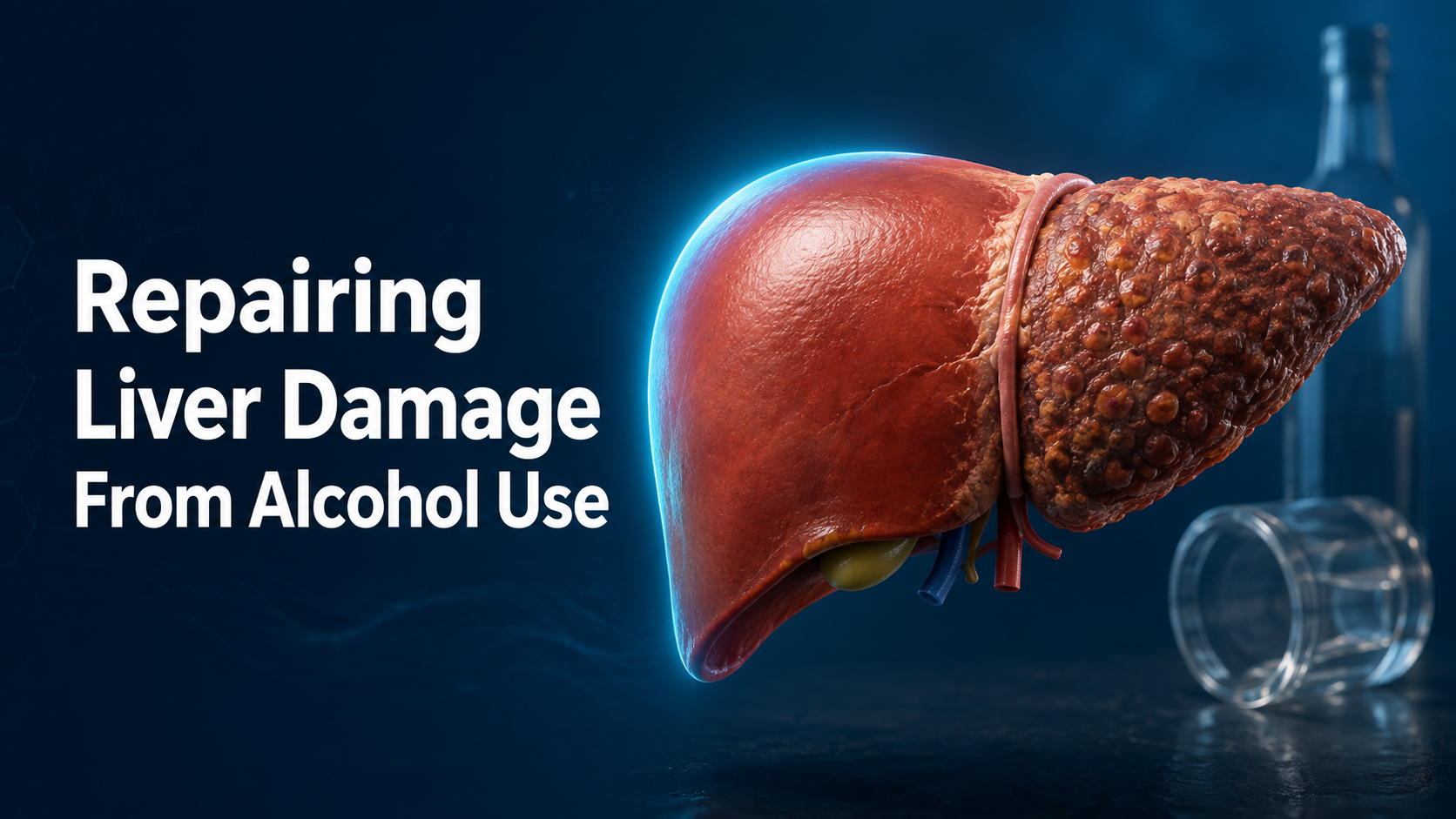
The liver has a strong ability to recover, but not every type of alcohol-related damage can be reversed.
Early changes, such as fat buildup in the liver, often improve after alcohol use stops. More serious inflammation may also improve with treatment.
But once the liver develops advanced scarring, known as cirrhosis, the damage is usually permanent.
That does not mean recovery is no longer possible. Stopping alcohol can prevent further injury, improve liver function and reduce the risk of serious complications.
Understanding the type of liver damage is the first step toward knowing what may heal and what needs long-term medical care.
How Alcohol Affects the Liver
The liver processes most of the alcohol that enters your body.
While breaking alcohol down, the liver produces substances that can damage liver cells. Drinking also changes how the liver handles fat and increases inflammation.
Occasional exposure may not cause lasting injury in every person. But repeated or heavy alcohol use gives the liver less time to recover.
Over time, fat can collect inside liver cells. Inflammation may follow. If the injury continues, the liver begins replacing healthy tissue with scar tissue.
The amount you drink matters, but it is not the only factor. Genetics, nutrition, body weight, biological sex, medications and conditions such as hepatitis can also affect your risk.
If you want to understand how long alcohol remains in the body, read How Long Does Alcohol Stay in Your System?
The Main Stages of Alcohol-Related Liver Damage
Alcohol-associated liver disease can appear in different forms.
These forms may overlap. A person can have fat buildup, inflammation and scarring at the same time.
The three main stages are alcohol-associated fatty liver, alcohol-associated hepatitis and cirrhosis.
Alcohol-Associated Fatty Liver
Alcohol-associated fatty liver is often the earliest stage of liver damage.
It develops when fat begins collecting inside liver cells. Many people do not notice any symptoms at this stage.
Some may feel tired or experience discomfort in the upper-right side of the abdomen. But these symptoms can have many causes, so testing is needed.
Fatty liver has the greatest chance of healing. When alcohol use stops, the liver can begin clearing the excess fat.
Recovery time differs from person to person. It depends on the amount of fat, the presence of inflammation and other health conditions.
If drinking continues, fatty liver can progress to inflammation and scarring.
Alcohol-Associated Hepatitis
Alcohol-associated hepatitis is inflammation and injury inside the liver.
It can be mild, moderate or severe. Some people only discover it after a blood test. Others become seriously ill and need hospital care.
Symptoms may include yellow skin or eyes, poor appetite, nausea, fever, abdominal pain, weakness or swelling.
Confusion, unusual sleepiness, easy bleeding and rapid jaundice may indicate severe liver dysfunction.
Stopping alcohol is essential. But severe alcohol-associated hepatitis cannot be managed through lifestyle changes alone.
Treatment may include nutritional support, infection screening, withdrawal management and care for complications. Doctors may use corticosteroids for selected patients with severe disease, but these medicines are not suitable for everyone.
Liver Fibrosis
Fibrosis means scar tissue is beginning to form inside the liver.
The liver creates this scar tissue in response to repeated injury. Early fibrosis may stabilize when the cause is removed.
Some improvement may be possible, especially when alcohol use stops before widespread scarring develops.
Fibrosis often causes no clear symptoms. A person may feel normal while scar tissue is developing.
That is why blood tests alone are not always enough. Doctors may also use ultrasound, elastography or other imaging tests to estimate liver stiffness.
Alcohol-Associated Cirrhosis
Cirrhosis is advanced liver scarring.
At this stage, scar tissue changes the liver’s structure and reduces its ability to perform essential functions.
Some people have compensated cirrhosis. This means the liver is damaged but still completing many of its normal tasks.
Others develop decompensated cirrhosis. This happens when the liver can no longer manage the damage and serious complications appear.
Symptoms may include abdominal swelling, swollen legs, easy bruising, jaundice, severe itching, muscle loss and confusion.
Vomiting blood or passing black stool may indicate internal bleeding and requires emergency medical care.
Cirrhosis usually cannot be fully reversed. But stopping alcohol can slow or stop further injury and may improve how well the remaining liver tissue functions.
Some people with advanced liver failure may need a liver transplant evaluation. Eligibility is decided individually by a transplant team.
Can the Liver Heal After You Stop Drinking?
Yes, some alcohol-related liver damage can heal after alcohol use stops.
Fatty liver often improves because the liver can remove stored fat and replace injured cells.
Mild inflammation may also decrease. More severe hepatitis can improve, but the outcome depends on the level of damage and whether complications are present.
Early fibrosis may stabilize and sometimes regress. Established cirrhosis usually remains, even when liver function improves.
There is no single recovery timeline.
Some people notice better energy or digestion first. Others only see improvement through blood tests or imaging.
Feeling better does not always mean the liver has fully healed. Follow-up testing is still important.
What Affects Liver Recovery?
Liver recovery depends on more than the number of days without alcohol.
The stage of liver damage makes the biggest difference. Fatty liver has more healing potential than cirrhosis.
Nutrition also matters. Long-term alcohol use can lead to low vitamin levels, muscle loss and poor appetite.
Body weight, diabetes, smoking, viral hepatitis and medication use can place additional stress on the liver.
Continued drinking is the strongest barrier to recovery. Even if symptoms improve, returning to alcohol can restart inflammation and accelerate scarring.
What Helps the Liver Recover?
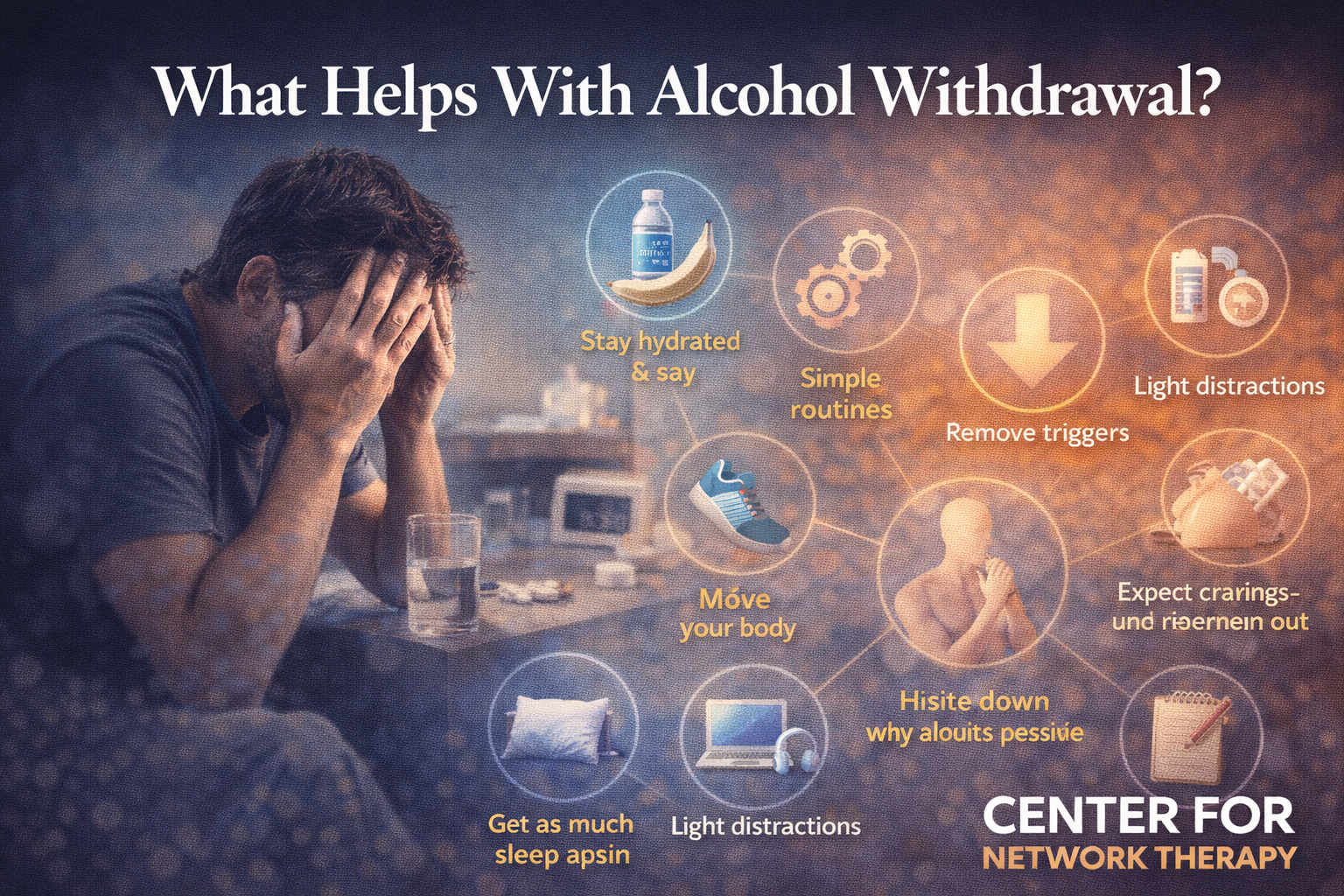
The most important step is stopping alcohol safely.
If your body has become dependent on alcohol, suddenly stopping without medical guidance can be dangerous. Withdrawal may cause shaking, sweating, vomiting, hallucinations, seizures or severe confusion.
Learn what medical support involves in Alcohol Detox Center in NJ: Stages, Symptoms and Safe Treatment
After withdrawal is safely managed, recovery usually focuses on ongoing abstinence, nutrition and treatment for alcohol use disorder.
Balanced meals can help restore nutrients and protect muscle mass. But food cannot reverse cirrhosis or replace medical treatment.
For practical nutrition guidance, read Foods That Support Alcohol Detox and Recovery
Physical activity may support strength, circulation and metabolic health. Exercise should match your medical condition, especially if you have weakness, abdominal swelling or advanced liver disease.
Medications and supplements also need attention. Some nonprescription products and herbal remedies can cause additional liver injury.
Always tell your doctor about every prescription, pain reliever, vitamin and supplement you use.
Why Alcohol Detox Needs Medical Planning
Detox is not simply waiting for alcohol to leave the body.
It is the period when the nervous system adjusts to the absence of alcohol. Symptoms may be mild for one person and dangerous for another.
Risk is higher if you drink heavily, have experienced withdrawal before, have seizures or live with another medical condition.
A professional assessment helps determine whether outpatient detox, inpatient treatment or hospital care is appropriate.
The process and duration are different for everyone. You can learn more in How Long Does Alcohol Detox Take?
How Doctors Check for Liver Damage
Doctors do not diagnose alcohol-related liver disease from one symptom or one blood result.
They usually begin with your medical history, drinking pattern, medications and current symptoms.
Blood tests can measure liver enzymes, bilirubin, albumin, blood-clotting function and kidney function.
Ultrasound, CT scans, MRI or elastography may show fat, swelling, fluid buildup or scarring.
A liver biopsy is not required for every person. It may be used when the diagnosis remains unclear or more information is needed.
Being honest about alcohol use helps the medical team make a safer diagnosis. The goal is accurate treatment, not judgment.
Alcohol, the Liver and the Pancreas
Heavy alcohol use can also affect the pancreas.
The pancreas produces digestive enzymes and hormones such as insulin. When it becomes inflamed, the condition is called pancreatitis.
Acute pancreatitis starts suddenly and can cause severe upper-abdominal pain, vomiting, fever or a rapid heartbeat.
Chronic pancreatitis develops over time. It may lead to repeated pain, difficulty digesting food, weight loss and diabetes.
Alcohol is one cause of pancreatitis, but gallstones, genetic conditions, certain medications and high triglycerides can also contribute.
Continuing to drink after alcohol-related pancreatitis raises the risk of repeated attacks and permanent damage.
What Does Not Repair Liver Damage
Liver cleanses, detox teas and juice fasts do not remove scar tissue.
Some supplements marketed for liver health may contain ingredients that cause more damage.
Switching from liquor to beer or wine does not protect the liver. All alcoholic drinks contain ethanol.
Exercise can support overall health, but it cannot cancel the effects of continued drinking.
A few alcohol-free days also do not repair advanced damage if heavy drinking repeatedly returns.
Real recovery requires reducing the cause of injury and following an appropriate treatment plan.
When to Seek Emergency Care
Some symptoms should not wait for a routine appointment.
Seek emergency medical help for vomiting blood, black stool, severe abdominal pain, fainting, breathing difficulty or rapidly worsening jaundice.
New confusion, extreme drowsiness or difficulty waking can be signs of liver-related brain dysfunction.
Seizures, hallucinations and severe agitation after reducing alcohol may indicate dangerous withdrawal.
Fever with abdominal swelling can also signal a serious infection.
When to Seek Support for Alcohol Use
You do not need to wait for a liver diagnosis before asking for help.
Frequent drinking, difficulty stopping, withdrawal symptoms, missed responsibilities or continued use despite health problems are reasons to speak with a professional.
Treatment can include supervised detox, counseling, medication, partial care or intensive outpatient support.
Explore Outpatient Detox and Addiction Treatment at Recovery CNT to understand the available levels of care.
Take a Confidential Self-Check
If you are unsure whether your alcohol use may require professional support, a private self-check can help you reflect.
Take the confidential assessment here
The result is not a diagnosis. It can help you identify patterns and decide whether to speak with a treatment professional.
FAQs
Can fatty liver from alcohol be reversed?
Yes. Alcohol-associated fatty liver often improves after alcohol use stops, especially before significant scarring develops.
Can cirrhosis heal after quitting alcohol?
Quitting alcohol can prevent further injury and improve liver function, but established cirrhosis is usually permanent.
How long does the liver take to recover after drinking stops?
There is no fixed timeline because recovery depends on the stage of damage, overall health, nutrition and continued abstinence.
Can you have liver damage without symptoms?
Yes. Fatty liver, fibrosis and compensated cirrhosis may develop without obvious symptoms.
Do normal liver enzymes mean the liver is healthy?
No. Some people with significant fibrosis or cirrhosis can have liver enzyme results within or near the normal range.
Can liver detox supplements repair alcohol damage?
No supplement can remove cirrhosis, and some detox products may cause additional liver injury.
Is it safe to stop drinking alcohol suddenly?
Suddenly stopping can be dangerous for someone who is physically dependent on alcohol, so medical assessment is recommended.
Can someone with alcohol-related liver disease drink occasionally?
People diagnosed with alcohol-associated liver disease are generally advised to avoid alcohol completely and follow their clinician’s guidance.
A Thought to Carry Forward
The liver can recover from many early changes caused by alcohol.
But recovery becomes harder as scarring develops.
The most important step is finding out what stage the liver is in right now.
Because the earlier alcohol use stops and treatment begins, the more liver function may be protected.
This article provides general health information and does not replace diagnosis or treatment from a licensed medical professional.