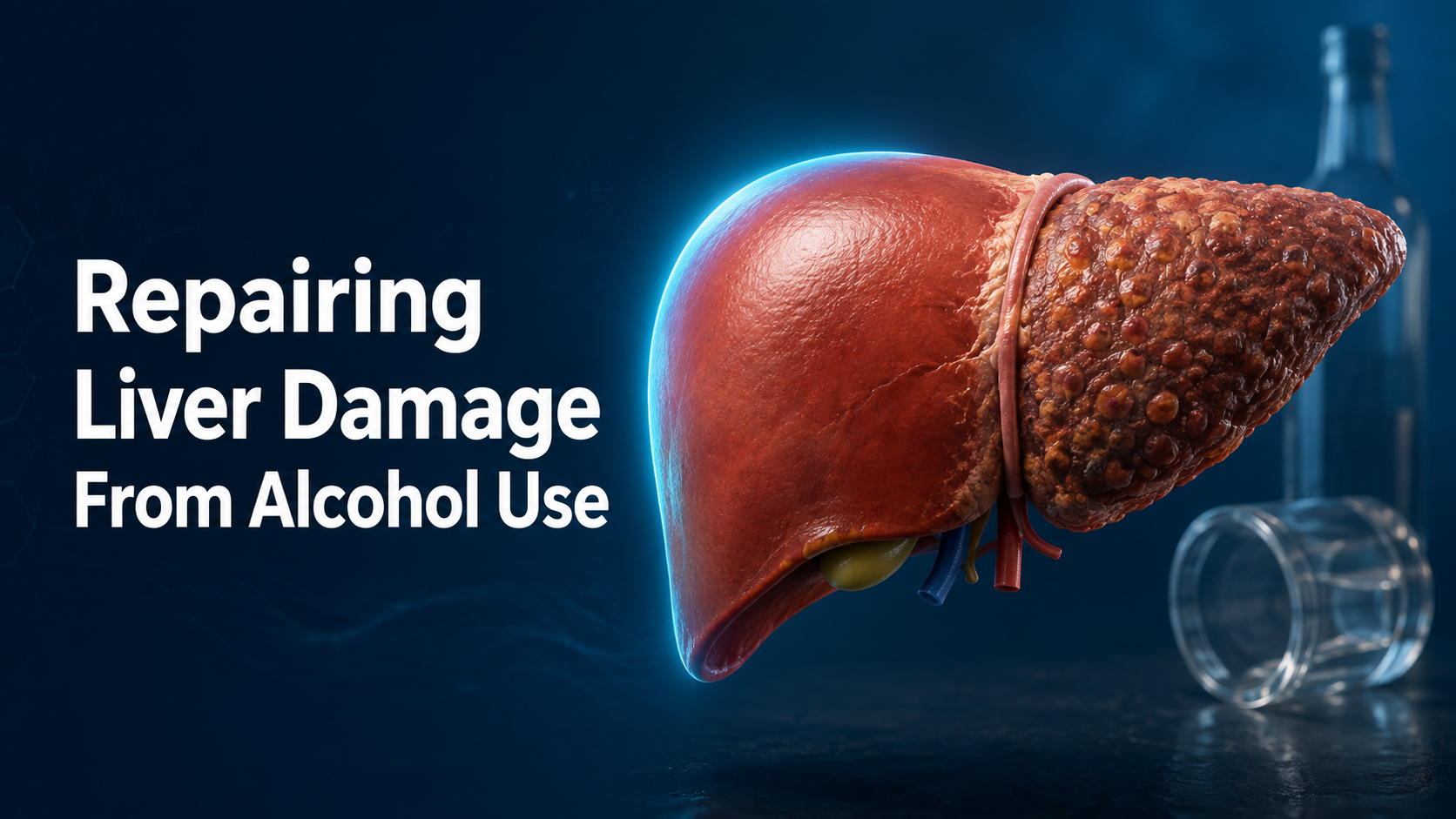
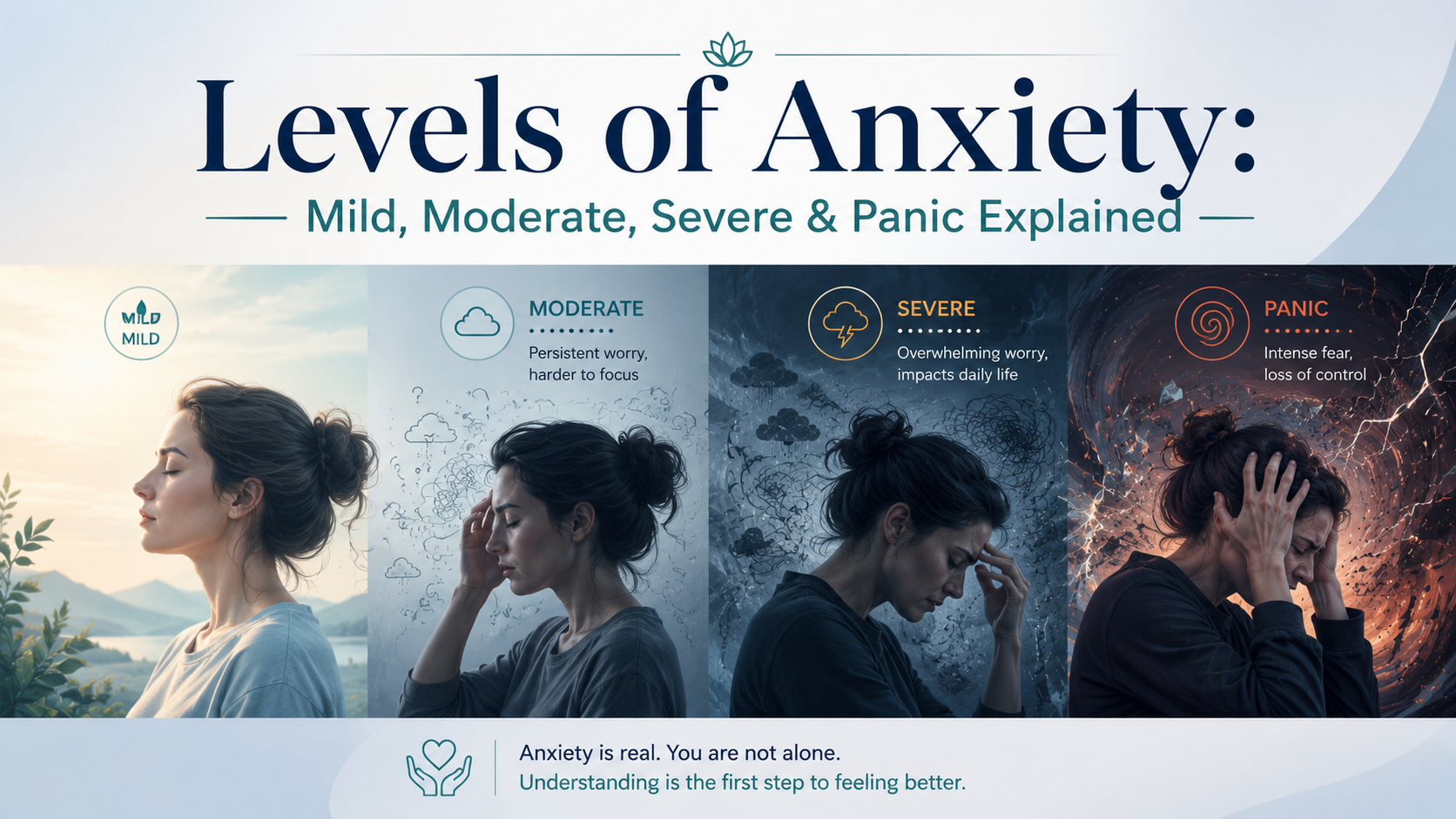
Many people use alcohol to relieve stress or quiet anxious thoughts. For some, short term relief leads to a repeating pattern: alcohol reduces anxiety temporarily, but over time it can increase baseline anxiety, create withdrawal symptoms, and make future anxiety worse. That repeating pattern is often called the alcohol and anxiety cycle. This article explains how the cycle develops, safety concerns, and evidence-based outpatient treatment options. Placement and medication choices require assessment by a qualified clinician.
Table of Contents
ToggleHow alcohol and anxiety interact
Alcohol affects brain systems that regulate anxiety and reward. In the short term alcohol can decrease nervousness, social inhibition, and hyperarousal. Over weeks to months, repeated drinking produces neurobiological adaptations that raise baseline anxiety, increase craving, and make people more likely to use alcohol to cope. Epidemiological and clinical research shows anxiety disorders and alcohol use disorder commonly occur together, and each can make the other harder to treat. Many patients with alcohol problems have a co-occurring anxiety disorder, and people with anxiety disorders are more likely to misuse alcohol. (pmc.ncbi.nlm.nih.gov)
Typical paths into the cycle
- Self-medication: Someone with social anxiety or panic symptoms uses alcohol to feel calmer in social situations. Over time tolerance develops and drinking increases.
- Alcohol-induced anxiety: Heavy or chronic drinking causes increased baseline anxiety and panic-like withdrawal symptoms that persist between drinking episodes.
- Bidirectional vulnerability: Genetics, trauma, and stress increase risk for both anxiety disorders and problematic drinking, creating overlapping vulnerabilities.
Understanding which pathway is dominant matters for treatment planning, because anxiety that is primarily alcohol-induced can improve substantially after safe withdrawal, while a long-standing anxiety disorder may need specific psychiatric treatments alongside addiction care. Clinical assessment by a clinician experienced with co-occurring disorders helps determine timing of medication, psychotherapy, and level of care. (niaaa.nih.gov)
Recognizing warning signs and when to seek urgent care
Warning signs that the alcohol and anxiety cycle is causing harm include increasing alcohol use to manage anxiety, failed attempts to cut down, panic attacks, insomnia, worsening mood, relationship or work problems, and withdrawal symptoms when drinking stops. Severe withdrawal can include seizures and delirium tremens, which are medical emergencies. Medical monitoring is required for people with a history of heavy daily drinking, prior withdrawal seizures, or severe medical problems. (samhsa.gov)
If you or someone else has severe withdrawal symptoms, confusion, seizures, vomiting that prevents taking medications, chest pain, trouble breathing, or thoughts of harming yourself, call 911 immediately. For a mental health or suicide crisis, call or text 988 for the U.S. crisis line. If you are pregnant, an adolescent, or have serious medical problems, seek urgent or specialized care rather than attempting unsupervised detox.
What safe withdrawal and outpatient detox can look like
Detox means managing the physical symptoms that occur when alcohol use stops. Outpatient detox and withdrawal management can be appropriate for some people with mild to moderate dependence who have stable housing, reliable supports, no history of withdrawal seizures or delirium tremens, and no serious medical conditions. Individuals at higher risk require medical detox in an inpatient or hospital setting. Clinical guidelines and expert panels describe standardized assessment tools, monitoring, and medication strategies to reduce withdrawal risk. Benzodiazepines are commonly used in controlled medical settings to prevent severe withdrawal complications, under clinician supervision. (samhsa.gov)
Who should consider inpatient medical detox
- History of withdrawal seizures or delirium tremens
- Very heavy daily drinking or long duration of dependence
- Major medical illnesses, unstable cardiovascular disease, or pregnancy
- Lack of safe housing or social support
These decisions are clinical and should be made by a physician or an addiction medicine clinician after evaluation.
Treatment options for anxiety and alcohol use disorder
Treatment is most effective when both alcohol problems and anxiety are addressed together in an integrated plan. Approaches include behavioral therapies, medications for alcohol use disorder, psychiatric medications for anxiety when appropriate, and structured psychosocial supports. Evidence-based therapies include cognitive behavioral therapy that targets both anxiety and drinking, motivational approaches, and integrated dual diagnosis programs. (niaaa.nih.gov)
Medications to consider
- FDA-approved medications for alcohol use disorder include naltrexone, acamprosate, and disulfiram. These medications can reduce craving, ease early abstinence, or deter drinking when clinically appropriate.
- Medications for anxiety, such as selective serotonin reuptake inhibitors, can be helpful for diagnosed anxiety disorders, but timing and interactions must be reviewed by a clinician.
- Benzodiazepines are useful for acute, medically supervised withdrawal, but they are generally not recommended long term for co-occurring alcohol problems due to dependence risk.
Medication selection depends on medical history, current medications, pregnancy status, liver function, and other factors. A qualified clinician should review risks, benefits, and timing. (niaaa.nih.gov)
Comparing levels of care
| Level of care | When it is used | Typical services |
|---|---|---|
| Outpatient detox / withdrawal management | Mild to moderate dependence, stable home and supports | Medical check-ins, symptom monitoring, short-term meds, counseling |
| Inpatient medical detox | High seizure risk, severe withdrawal, medical comorbidity | 24-hour medical monitoring, IV fluids, medications, nursing care |
| Partial hospitalization / day programs | High relapse risk but no need for 24-hour care | Structured therapy, group work, medication management |
| Intensive outpatient (IOP) and outpatient therapy | Lower medical risk, need for flexible schedules | CBT, relapse prevention, medication follow-up, peer support |
Local resources and licensing vary by state. In New Jersey the Department of Human Services Division of Mental Health and Addiction Services oversees program licensure and publishes data and guidance on treatment capacities. Discuss placement options with a clinician or admission team to find the appropriate level of care. (nj.gov)
Practical strategies while you arrange care
- Do not stop heavy alcohol use abruptly on your own if you have a long history of daily drinking or prior withdrawal seizures. Talk to a clinician about supervised taper or medically supported detox.
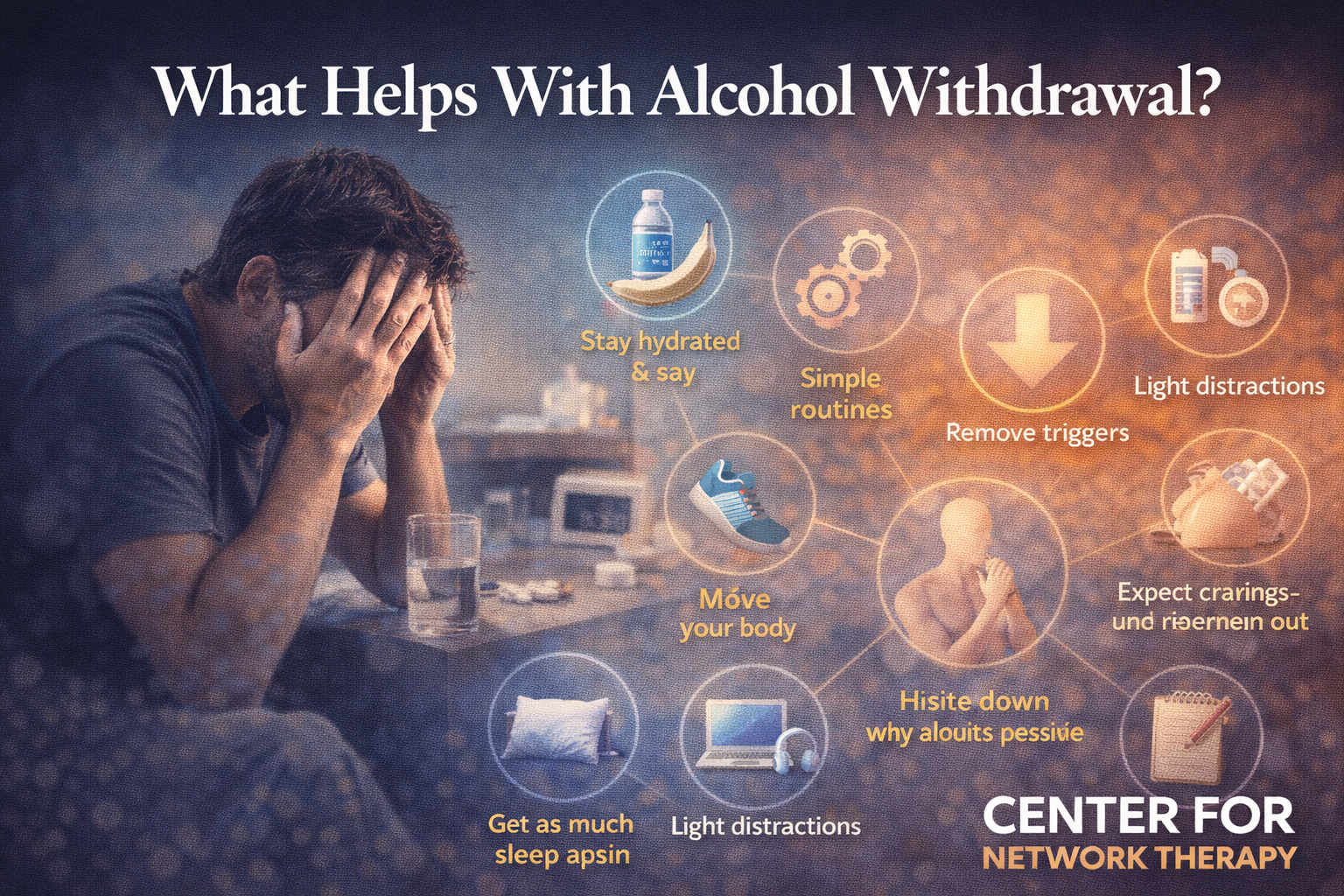
- Use coping skills that do not involve alcohol, such as breathing techniques, grounding, activity scheduling, and structured social supports.
- Keep a drinking journal to track patterns between anxiety and alcohol use; this helps clinicians design targeted therapy.
- Bring a list of medications, medical history, and any previous withdrawal complications to your first appointment.
Frequently asked questions
Will my anxiety get better if I stop drinking?
It depends. Some anxiety is alcohol-induced and improves after safe withdrawal and a period of stabilization. Other anxiety disorders predate drinking and require targeted psychiatric care. Integrated treatment often gives the best results. Clinical assessment is required to sort causes and sequence care. (pmc.ncbi.nlm.nih.gov)
Are medications for alcohol use disorder safe?
FDA-approved medications for alcohol use disorder are non-addictive and can be safe when prescribed by a clinician, but certain medical conditions or medications may make some options inappropriate. A clinician should review liver function, opioid use, pregnancy status, and other factors before prescribing. (niaaa.nih.gov)
Can I treat anxiety with benzodiazepines if I have alcohol problems?
Benzodiazepines may be used short term in medically supervised withdrawal, but long-term benzodiazepine prescriptions are usually avoided in people with alcohol use disorder because of cross-dependence and overdose risk. Alternative anxiety treatments, including SSRIs and CBT, are commonly used after assessment. (samhsa.gov)
Sources and further reading
- CDC: Alcohol Use and Your Health. (cdc.gov)
- SAMHSA: ASAM Clinical Practice Guideline on Alcohol Withdrawal Management. (samhsa.gov)
- NIAAA: Mental Health Issues and Co-occurring Alcohol Use Disorder. (niaaa.nih.gov)
- NIDA / NCBI: Common Comorbidities with Substance Use Disorders. (ncbi.nlm.nih.gov)
- Peer-reviewed review: Co-Occurring Alcohol Use Disorder and Anxiety. (pmc.ncbi.nlm.nih.gov)
- New Jersey Department of Human Services, Division of Mental Health and Addiction Services. (nj.gov)
Next steps
If you are worried about the alcohol and anxiety cycle, a confidential clinical assessment is the next step. Placement and medication decisions require an in-person or telehealth evaluation by a qualified clinician. For information about treatment options offered by our provider, see our page on treatments, find a convenient location at locations, or contact us to request a confidential assessment. Our admissions team can explain levels of care and help schedule an evaluation without pressure.
Remember, this article is general education, not individualized medical advice. Contact a clinician for a personalized plan. If you are in immediate danger call 911. For a mental health or suicide crisis, call or text 988.