When someone decides to seek help for substance use, speed matters. Same-day addiction treatment admission in New Jersey is an option many providers use to engage people when they are ready, to begin withdrawal management, start medications for opioid use disorder, or arrange urgent intake and follow-up care. This article explains how same-day admission usually works in New Jersey, who may be appropriate, important safety considerations, and where to get immediate help.
Table of Contents
ToggleHow same-day admission works, in plain terms
Same-day admission means a treatment provider evaluates you and arranges for a clinical intake or brief medical management on the same day you first call or present. That can include triage screening, a brief medical exam, initiation of medication when appropriate, and immediate planning for ongoing treatment. Not every program offers same-day admission, and availability depends on bed space, staffing, and medical needs. If a program cannot admit you immediately, state and national helplines can often refer you to alternatives quickly. For New Jersey residents call ReachNJ at 1-844-REACHNJ (1-844-732-2465). (If you are in immediate danger, call 911.)
Why programs do same-day intake
- To reduce delays that cause people to change their mind or experience worsening withdrawal.
- To begin life-saving medications for opioid use disorder when indicated, such as buprenorphine or linkage to an opioid treatment program. These treatments can be started in emergency settings or specialty clinics and help reduce overdose risk. NIDA explains ED-initiated buprenorphine and the evidence behind it.
- To stabilize people who need monitoring for withdrawal, then connect them to the right level of care under the ASAM criteria, which guide placement decisions for withdrawal management and addiction treatment. ASAM outlines withdrawal management levels.
Who may be appropriate for same-day admission
Appropriateness is a clinical decision. Common candidates for same-day admission include people who:
- Are ready for help and can travel to the provider the same day.
- Have moderate withdrawal symptoms that can be safely managed in ambulatory or residential withdrawal-management settings.
- Have opioid use disorder and can begin buprenorphine or be connected immediately to an opioid treatment program, when clinically appropriate. Federal and national guidance supports rapid initiation of medications for opioid use disorder in many settings. HHS describes medications to treat opioid use disorder.
People who need urgent, high-level medical care are not appropriate for outpatient same-day admission. High-risk situations that generally require hospital evaluation or specialized services include:
- Severe alcohol or benzodiazepine withdrawal with risk of seizures or delirium tremens, which can be life threatening. Delirium tremens occurs in a small percentage of hospitalized alcohol withdrawal cases and requires urgent care. Clinical reviews report delirium tremens incidence around 3 to 5 percent in hospitalized cases.
- Active severe medical illness, unstable cardiac or respiratory disease, or acute intoxication that needs emergency services.
- Acute psychosis, suicidal ideation, or severe behavioral instability. For a mental health crisis or suicidal thoughts, call or text 988 now.
- Pregnancy or adolescents, who require specialized obstetric or pediatric addiction care.
What to expect during a same-day admission
Every program differs, but a typical same-day pathway looks like this:
- Initial contact: phone or walk-in, including basic demographics and reason for seeking care. If you are in New Jersey you can be referred through ReachNJ.
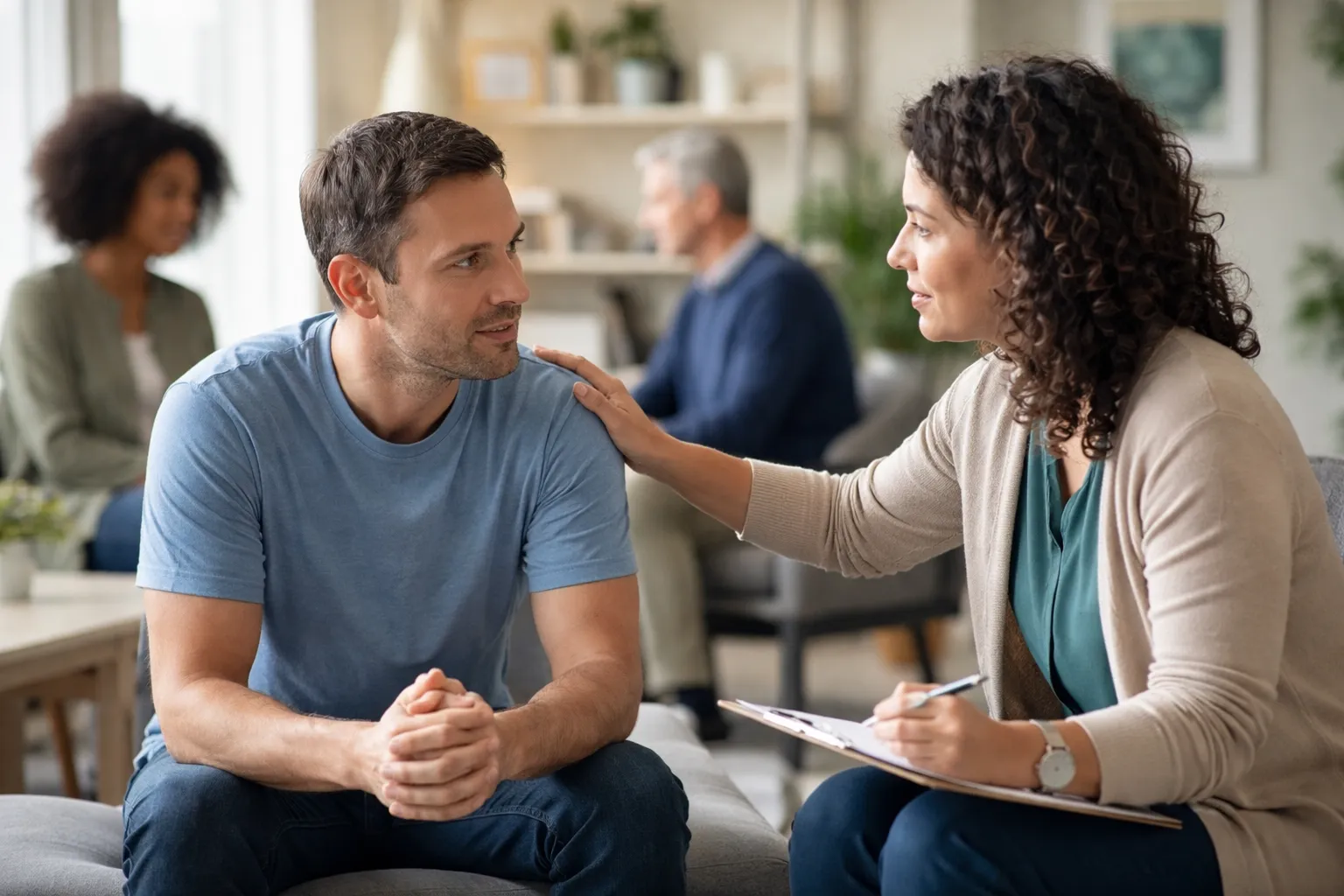
- Brief clinical screening: an intake clinician or nurse asks about substances used, last use, withdrawal symptoms, medical and mental health history, pregnancy status, and medications. Programs often use ASAM-based screening to estimate withdrawal risk and appropriate level of care. ASAM guidance describes the dimensions used for placement decisions.
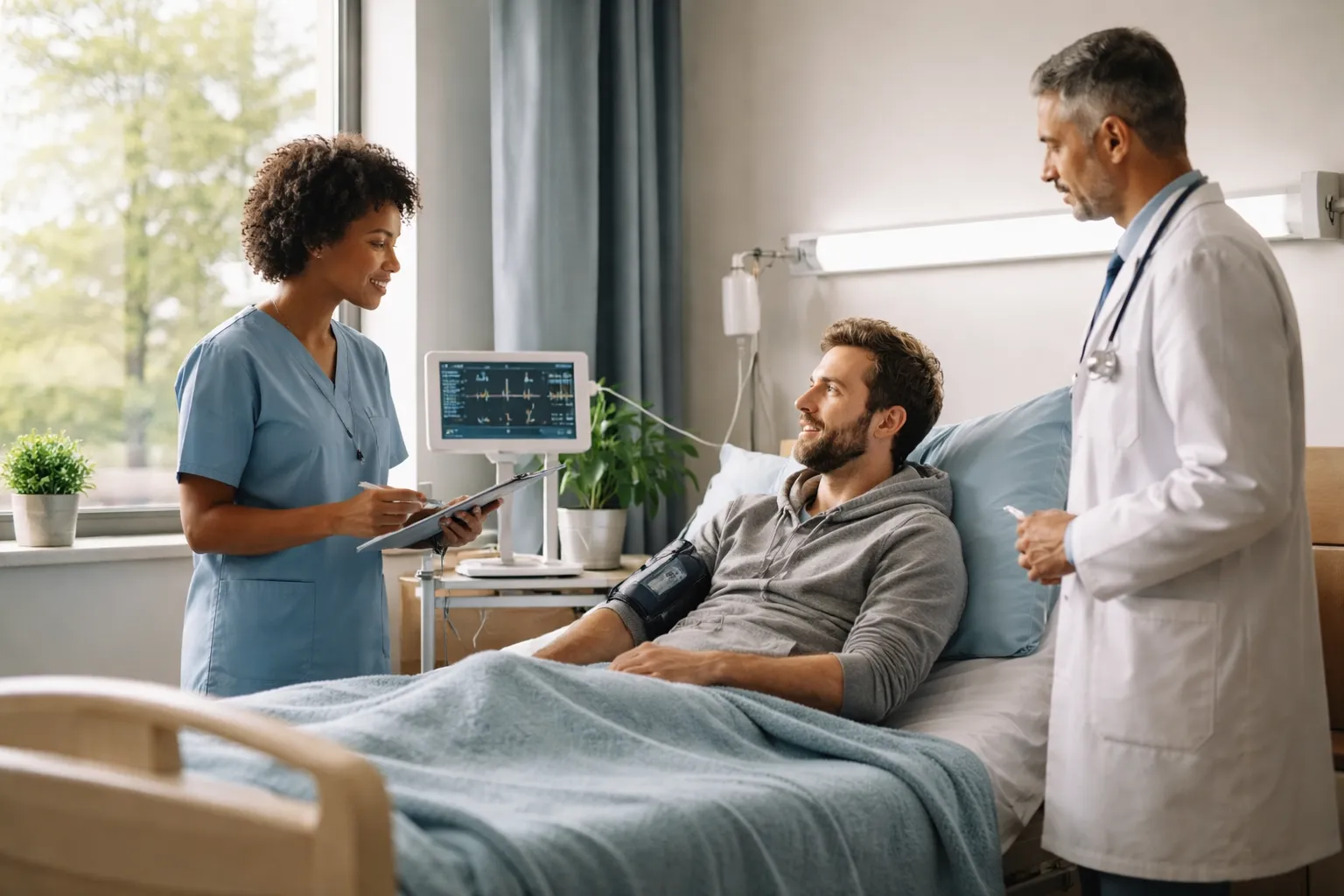
- Medical check: vitals and focused exam. For opioid use disorder, clinicians may assess for opioid withdrawal and consider same-day buprenorphine where appropriate, or arrange admission to an opioid treatment program in accordance with federal rules. NIDA resources describe ED and clinic initiation of buprenorphine.
- Insurance or payment check, and consent paperwork. Programs often verify benefits and confirm what is covered, but coverage varies by plan and by level of care.
- Treatment started: this may include medication for withdrawal, a first counseling session, or a bridge medication prescription. For opioid medications, federal and state regulations affect how methadone and buprenorphine are delivered, and SAMHSA and FDA materials outline safe use and warnings. SAMHSA and the FDA offer details for clinicians and patients.
- Care plan and follow-up: arrangement of ongoing outpatient therapy, intensive outpatient program, partial hospitalization, residential treatment, or opioid treatment program as clinically indicated.
Medication notes, briefly
Medications for opioid use disorder, such as buprenorphine and methadone, are part of standard care and may be started quickly when indicated. The FDA and federal guidance stress safe prescribing practices and the use of naloxone to reduce overdose risk. HHS on MOUD, SAMHSA tip 63 on medications for OUD, and the NIDA emergency department resources explain treatment options and initiation pathways.
Comparison table: common same-day admission pathways
| Pathway | Setting | Monitoring | Who it fits |
|---|---|---|---|
| Ambulatory outpatient initiation | Clinic office or outpatient detox | Short visits, periodic vitals, nurse oversight | People with mild to moderate withdrawal and stable medical status |
| Ambulatory with extended monitoring | Outpatient site with several hours observation | Extended nurse observation during waking hours | Moderate withdrawal needing longer observation but not full residential care |
| Residential withdrawal management | Licensed residential detox facility | 24-hour program staff, clinical checks | People needing overnight monitoring or psychosocial supports |
| Medically managed inpatient | Hospital medical or ICU setting | 24-hour medical and nursing care | Severe withdrawal, complications, or unstable medical co-morbidity |
These categories follow the ASAM continuum of withdrawal management and help clinicians match service intensity to patient need. See ASAM guidance for detailed level definitions. ASAM: withdrawal management levels.
Practical tips when you call for same-day admission
- Be ready with the basics: name, age, what substances were used and when, any medications, pregnancy status, and current symptoms.
- Ask directly if same-day admission or same-day medication management is available, and whether the program can accept your insurance or provide sliding-scale options.
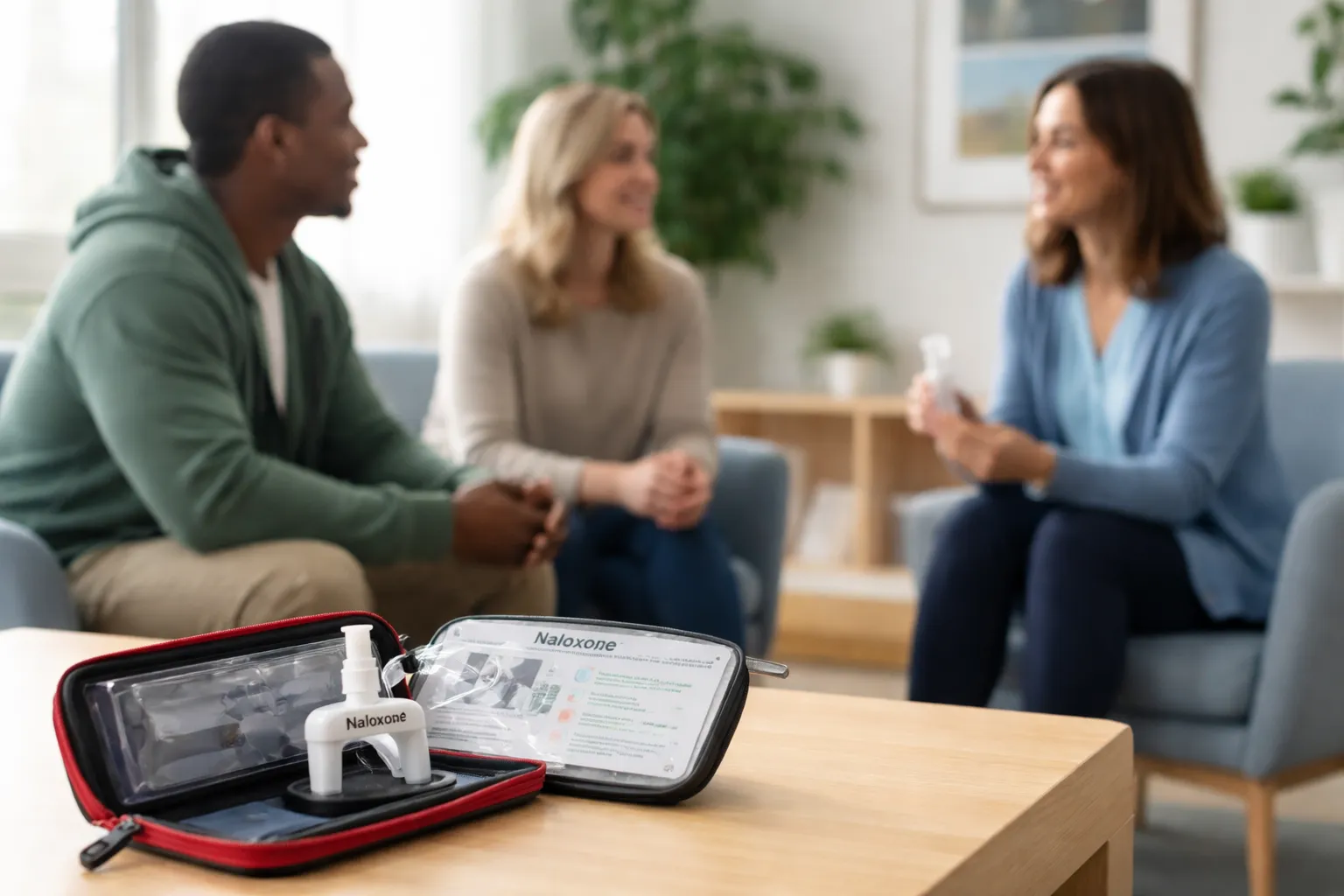
- If starting medications for opioid use disorder, ask how follow-up and prescriptions will be handled and whether naloxone will be provided or prescribed. The FDA and federal guidance recommend considering naloxone for people at risk of opioid overdose. FDA safety information for buprenorphine.
- If you cannot get same-day admission, ask for an urgent referral, transport options, or a warm handoff to another provider or the state hotline ReachNJ.
If you or the person you care for are having a medical emergency, call 911 now. If someone is experiencing a mental health or suicide crisis, call or text 988 immediately. For New Jersey residents seeking addiction treatment referrals, call ReachNJ at 1-844-REACHNJ (1-844-732-2465).
Limitations and important cautions
This article provides general education, not individualized medical advice. Placement and medication decisions must be made by a qualified clinician after a full assessment. Some details that affect same-day admission, such as program bed availability, state licensing, and insurance coverage, change over time and by provider. New Jersey’s Division of Mental Health and Addiction Services follows ASAM principles and publishes statewide resources and hotlines to help with placement and referrals. NJ DMHAS information and hotlines.
Special populations need extra care: pregnant people, adolescents, people with serious medical or psychiatric problems, or those with a history of withdrawal seizures should be evaluated for specialized services. Programs follow the ASAM clinical practice guideline and other specialty guidance to decide whether outpatient same-day admission is safe. ASAM alcohol withdrawal guideline.
Frequently asked questions
Can I get medication the same day I call?
Sometimes. Buprenorphine can often be initiated the same day in outpatient or emergency settings when clinical criteria are met. Methadone for opioid use disorder usually requires treatment at a licensed opioid treatment program, which may offer same-day admission depending on local rules and availability. Federal and clinical guidance support rapid initiation of medications for opioid use disorder as part of prompt treatment engagement. NIDA ED buprenorphine resources, SAMHSA TIP 63.
Will insurance cover same-day admission?
Coverage differs by plan and by level of care. Most comprehensive plans include substance use disorder services as an essential health benefit, but copayments, prior authorization, or network rules may apply. Always ask the provider to verify benefits before admission when possible. Some state hotlines can help you identify in-network options. ReachNJ.
What if I or my loved one is pregnant?
Pregnancy requires specialized care and coordination with obstetric services. If pregnancy is present or suspected, tell the intake staff immediately so clinicians can arrange appropriate prenatal and addiction treatment supports. Methadone and buprenorphine are accepted treatments during pregnancy, but clinical decisions must be individualized by a qualified clinician.
Sources and further reading
- SAMHSA, Find Substance Use Disorder Treatment.
- NIDA: Initiating buprenorphine treatment in the emergency department.
- ASAM: Clinical Practice Guideline on Alcohol Withdrawal Management.
- New Jersey ReachNJ central addiction call line.
- HHS: Medications to treat opioid addiction.
- FDA: Safety communication about buprenorphine and related guidance.
Next steps, compassionately
If you need same-day help in New Jersey, call ReachNJ at 1-844-REACHNJ for a fast, free referral. You can also use SAMHSA’s treatment locator to compare local programs and find outpatient, residential, and medication-based options. If you believe someone is at risk of overdose, ask their clinician about naloxone and emergency steps. Remember, placement and medication choices require assessment by a licensed clinician, and this page does not replace a medical evaluation.
If you would like to request a confidential assessment or speak with an admissions team, you can contact us. For information about treatment options and program types, see our treatments page and locate care near you at our locations. We welcome the chance to help you arrange a confidential intake or same-day evaluation, without pressure.
If someone is in a medical emergency call 911. For a mental health or suicide crisis call or text 988 immediately.