This article explains outpatient rehab in New Jersey, who may be appropriate for outpatient care, how outpatient programs differ in intensity, and practical next steps for patients and families. It is general education and not individualized medical advice. Placement and medication choices require assessment by a qualified clinician.
Table of Contents
ToggleWhat is outpatient rehab?
Outpatient rehab describes substance use treatment that allows people to live at home, continue work or family responsibilities, and attend scheduled clinical services at a program or by telehealth. Outpatient care ranges from once-weekly counseling visits to intensive multiple-days-per-week programs, and it may include medications, individual and group therapy, and case management. These descriptions and service types are consistent with federal guidance on treatment options. (samhsa.gov)
Who outpatient care helps
Outpatient rehab is often appropriate for people whose withdrawal risks are low to moderate, whose medical and psychiatric conditions are stable or manageable in outpatient settings, and who have safe housing and some social supports. Treatment placement must be individualized, using an assessment by a clinician trained in addiction medicine or behavioral health. The American Society of Addiction Medicine criteria are widely used to match level of care to clinical needs. (asam.org)
Levels of outpatient care and common services
Outpatient programs are organized by intensity and clinical staffing. Typical categories include:
- Standard outpatient, low-intensity scheduled visits for counseling, case management, and medication follow-up. These visits can be weekly or more frequent depending on need. (samhsa.gov)
- Intensive outpatient program, IOP more structured programming such as several hours of group and individual therapy multiple days per week. IOPs are used when more support is needed but 24-hour care is not indicated. (library.samhsa.gov)
- Partial hospitalization program, PHP a higher intensity outpatient option with daily clinical hours but no overnight stay. PHP is appropriate for people who need nearly full-day treatment while still living at home. Programs move people up or down the continuum as needs change. (asam.org)
Common services available in outpatient settings include medication management for opioid use disorder and alcohol use disorder, individual therapy, group counseling, family therapy, case management, relapse prevention, and linkage to community supports. Availability and exact services vary by program and by state licensing. (samhsa.gov)
Medications and their role
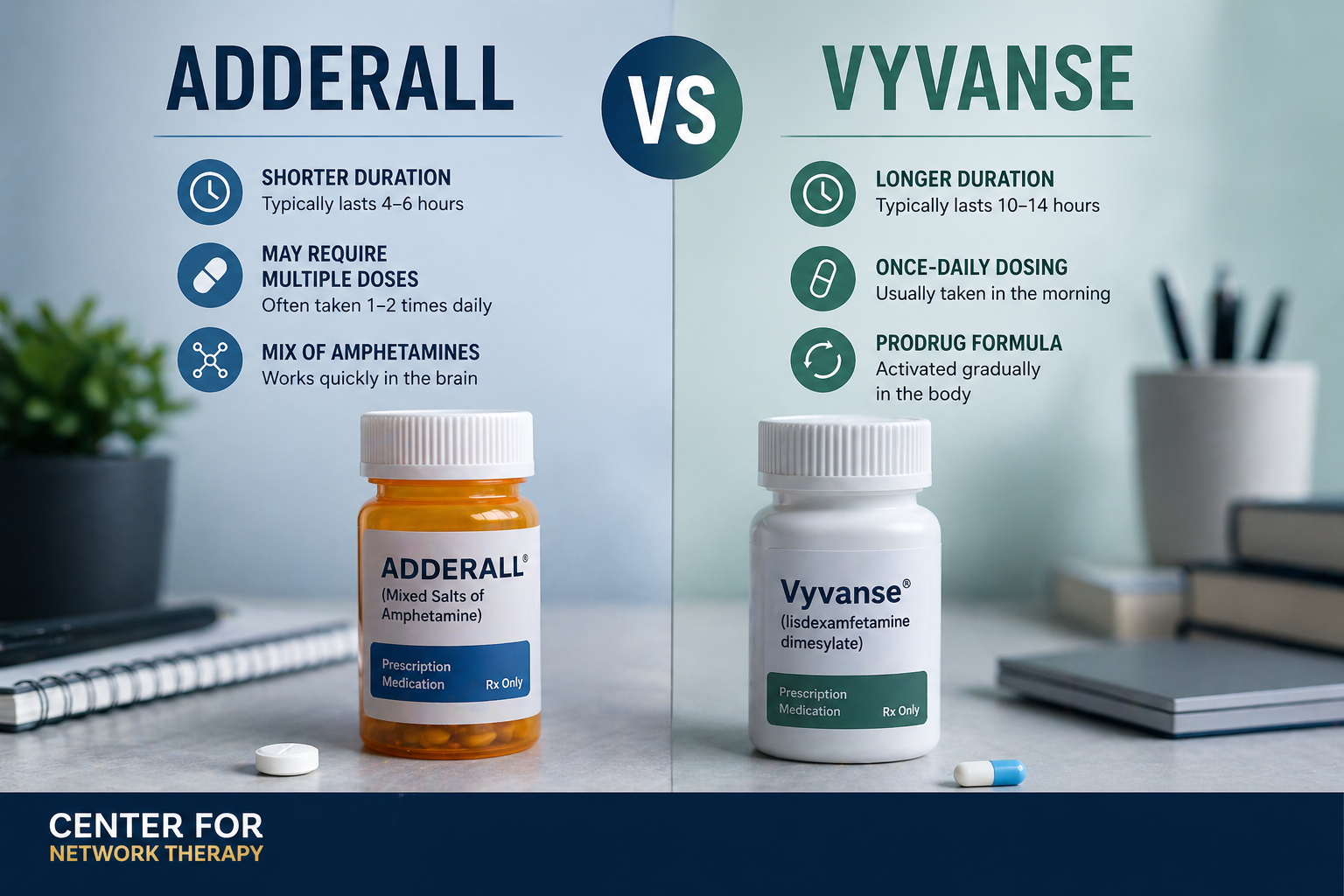
Medications shown to reduce harms for opioid and alcohol use disorders are commonly offered in outpatient settings when clinically appropriate. Research shows medications for opioid use disorder reduce return to illicit opioid use and lower the risk of fatal overdose. Treatment guidelines recommend integrating behavioral therapies with medication when indicated. Decisions about medications must be made by a clinician after a medical assessment. (drugabuse.gov)
What to expect during intake and early treatment
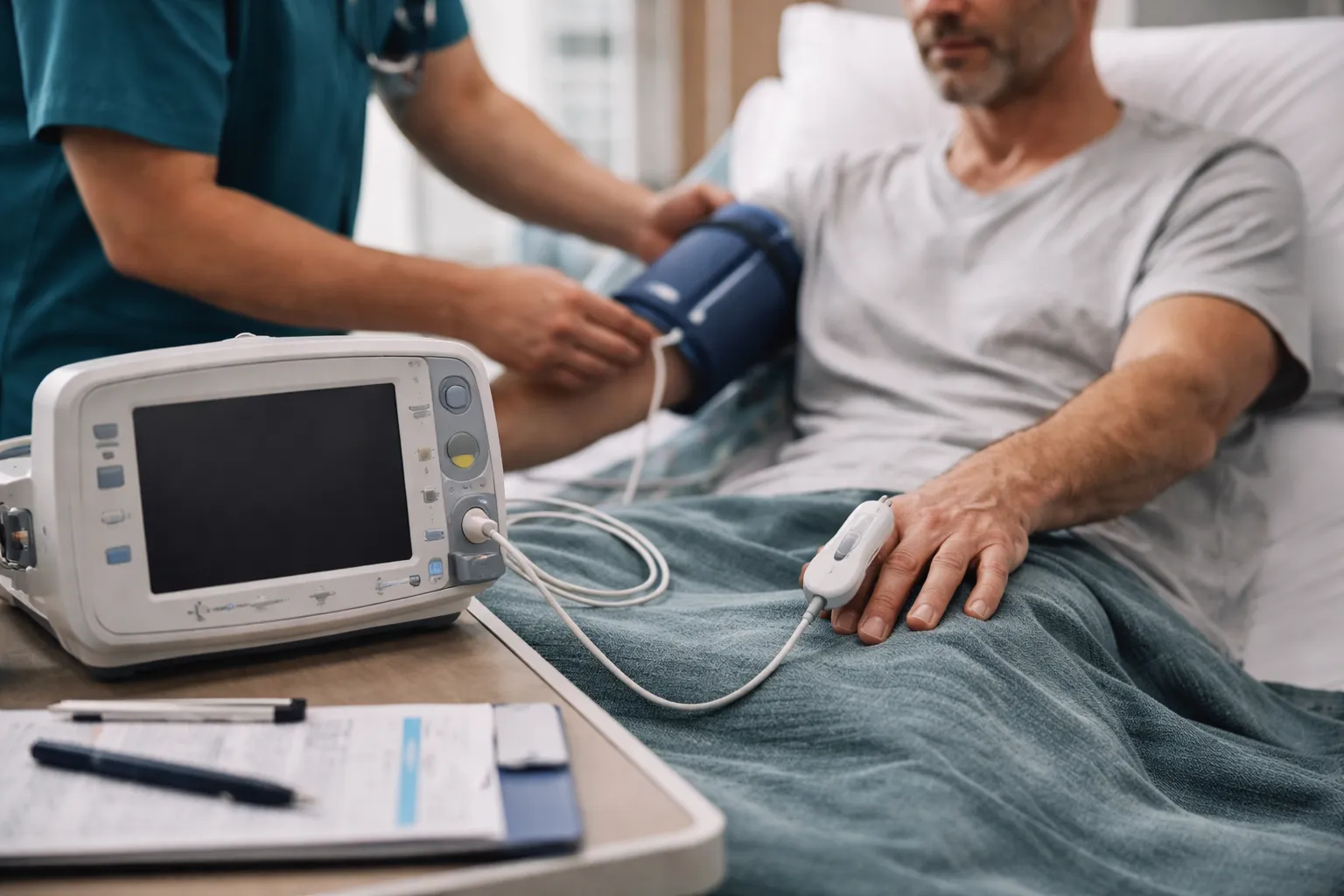
Intake typically includes a clinical assessment of substance use history, a medical review including withdrawal risk, psychiatric screening, social needs such as housing or employment, and an individualized treatment plan. The ASAM Criteria or similar tools may be used to determine appropriate level of care and treatment goals. Expect a mix of scheduled therapy sessions, medication visits if needed, urine drug testing when clinically indicated, and referrals to additional supports such as housing or vocational services. (asam.org)
Programs must balance patient privacy with safety. If you have medical concerns during detox or expect severe withdrawal, outpatient care may not be safe and higher levels of care such as medically supervised inpatient detox should be considered. A clinician will advise on the safest placement. (samhsa.gov)
Safety, overdose prevention and crisis guidance
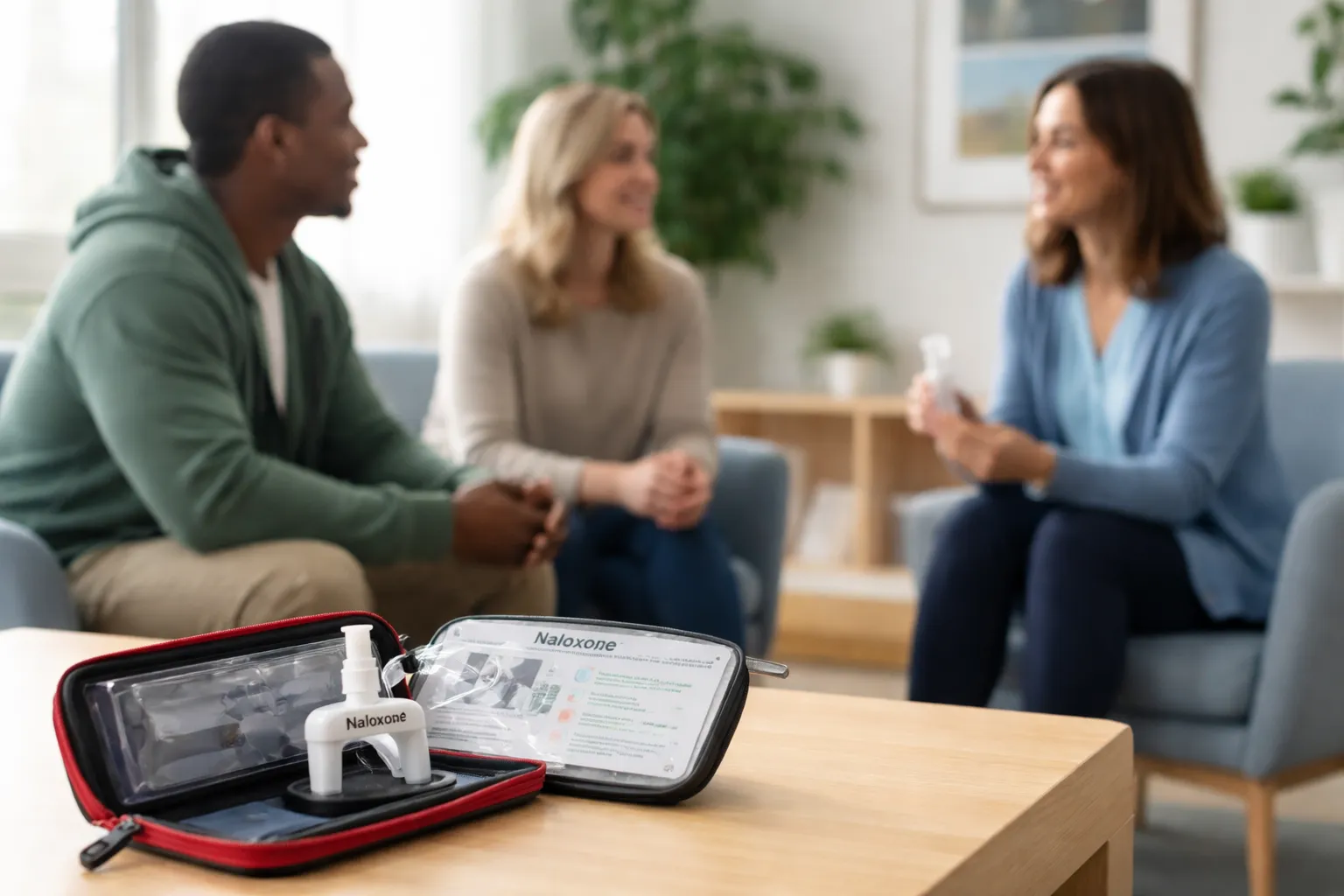
Because overdose risk is highest around changes in tolerance, clinicians will review safe use, naloxone training and distribution when appropriate, and how medications lower risk. If someone leaves treatment or stops medication without support, overdose risk can increase. These are clinical reasons programs emphasize follow-up and continuity of care. (nih.gov)
Quick comparison: Outpatient, IOP, PHP
| Program | Typical intensity | Common uses |
|---|---|---|
| Standard outpatient | Low, weekly visits | Early recovery, aftercare, stable patients with supports |
| Intensive outpatient program, IOP | Moderate, often 9 or more hours per week | When structured daily support is needed but 24 hour care is not required. (library.samhsa.gov) |
| Partial hospitalization program, PHP | High, often daily clinical hours without overnight stay | For unstable psychiatric or medical situations manageable without inpatient admission. (library.samhsa.gov) |
Frequently asked questions
Will insurance cover outpatient rehab in New Jersey?
Coverage depends on your insurance plan, medical necessity, and program licensure. Many plans cover outpatient services when they meet medical necessity criteria. Contact your insurer and the treatment program admissions team to confirm benefits and any preauthorization requirements.
Can I get medication for opioid use disorder as an outpatient?
Yes, medications such as buprenorphine and naltrexone are commonly provided in outpatient settings when clinically appropriate. Methadone for opioid use disorder is generally dispensed through federally certified opioid treatment programs, which include outpatient clinics. Medication decisions require medical assessment and monitoring. (nida.nih.gov)
How long do outpatient programs last?
Duration varies by individual need, diagnosis, treatment response, and program model. Programs often recommend regular reassessment and may step people up to a higher intensity or step them down to less intensive care as they progress. Clinicians will set goals and periodic reviews. (asam.org)
What if I do not have stable housing or transportation?
Stable housing and transportation affect placement decisions. Programs and state services can help connect people to housing, transportation assistance, and case management. New Jersey’s Division of Mental Health and Addiction Services maintains local resources and referral options. (nj.gov)
Getting started, next steps, and local resources
To begin, seek a confidential assessment by a qualified clinician. If you are in New Jersey and need state-supported entry points, the Division of Mental Health and Addiction Services and local provider directories can help you find licensed programs. If you prefer to contact a provider directly, you can explore treatment options and locations before arranging an assessment. For program details see the provider’s treatment page, location listings, or contact the admissions team for a confidential conversation about placement and coverage. Examples of useful pages include program treatment descriptions, program locations, and an admissions contact form.
Contact links for convenience: treatment types, locations, and contact us.
Please remember this page is educational only. A qualified clinician must assess withdrawal risk, co-occurring medical or psychiatric conditions, medication appropriateness and the safest level of care for any individual. For emergencies call 911, and for mental health or suicide crises call or text 988. (cdc.gov)
Sources
- SAMHSA, Learn About Treatment, types of substance use treatment. Source for outpatient definitions and service types.
- American Society of Addiction Medicine, About the ASAM Criteria. Source for level of care matching and criteria.
- National Institute on Drug Abuse, Opioids and treatments. Source for medication benefits and integration with behavioral treatment.
- NIH summary: medications reduce risk of death after opioid overdose. Source summarizing evidence for MOUD and mortality reduction.
- New Jersey Division of Mental Health and Addiction Services. State resources and local referral information.
- Centers for Disease Control and Prevention, Suicide and crisis resources, including 988. Source for crisis guidance and 988 information.
Compassionate next step
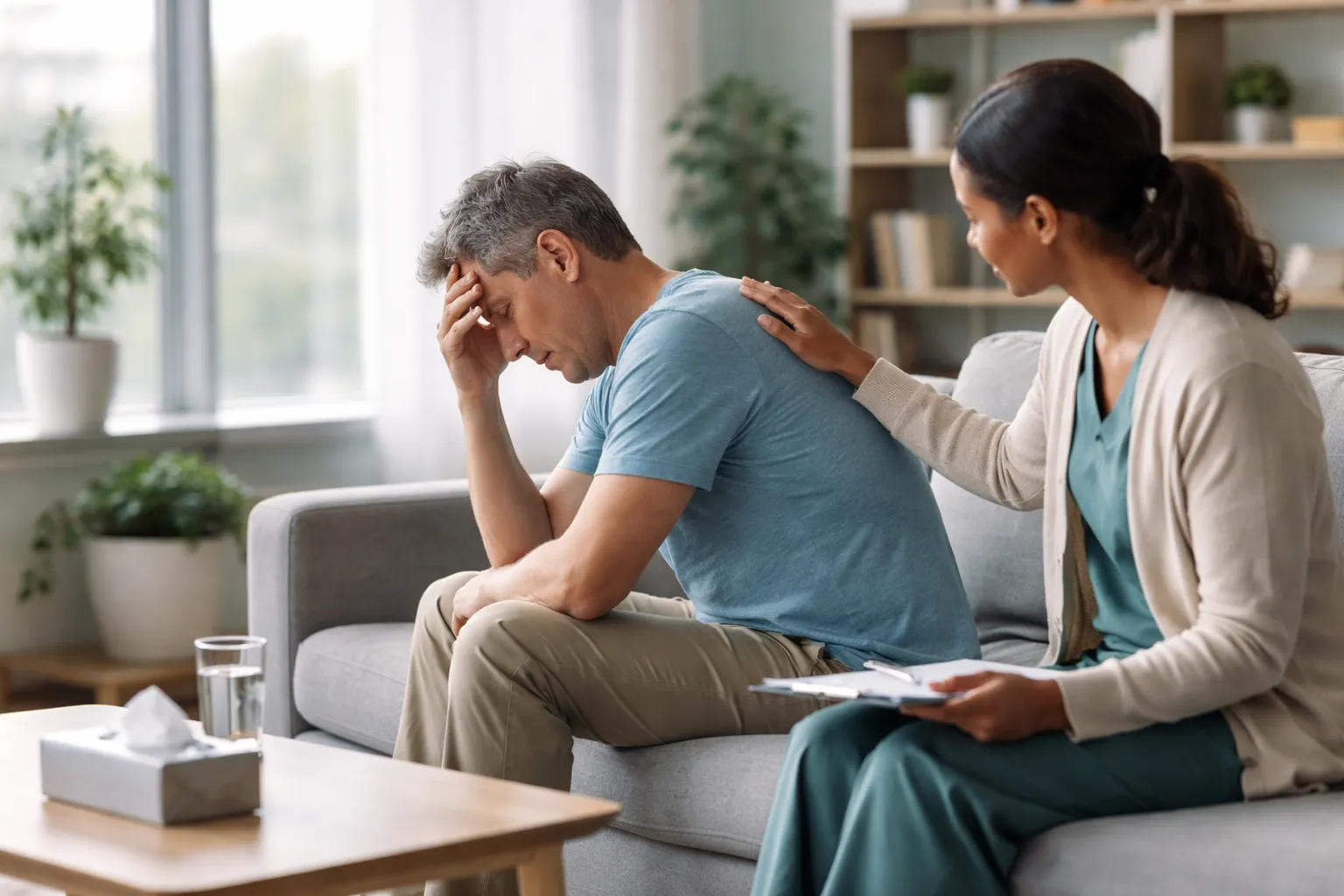
If you or a loved one are considering outpatient rehab in New Jersey, the most helpful next step is a confidential clinical assessment. A trained clinician can review withdrawal risk, medications, comorbid medical or psychiatric conditions, and local program options. If you would like to discuss treatment options or request a confidential assessment, speak with the admissions team at the provider of your choice. They can answer questions about services, scheduling, and insurance without pressure.