When someone in New Jersey requests a confidential addiction assessment they are asking a qualified clinician to evaluate their substance use, medical status, mental health, and immediate safety. The goal is to determine whether a substance use disorder is present, whether medical detox is needed, and which treatment options would fit the person’s needs and preferences. This article explains the typical steps, what is confidential, high risk situations, and how decisions about placement and medication are made by clinicians. (samhsa.gov)
Table of Contents
ToggleWhat is a confidential addiction assessment?
A confidential addiction assessment is a clinical conversation and examination that begins with brief screening questions and can include standardized screening tools, a structured interview, basic medical checks, and brief lab testing when clinically indicated. It is intended to gather enough information for a clinician to recommend a safe next step – for example outpatient counseling, medication-assisted treatment, or medical detoxification. Assessments are part of evidence-based models such as Screening, Brief Intervention, and Referral to Treatment – SBIRT. (samhsa.gov)
Confidentiality – what to expect
Most clinical assessments are confidential under health privacy laws and professional rules. Confidentiality generally covers clinical notes and conversations, however there are important exceptions: if you are an immediate danger to yourself or others, if child or elder abuse is disclosed, or when required by a court order. If you are under 18, state rules about parental notification and consent may apply, and providers will explain how confidentiality works for minors. Always ask the intake clinician to explain confidentiality limits before you begin. (samhsa.gov)
Typical steps in an assessment
Assessments vary by program, but most follow these basic steps. Each step helps the clinician form a safe, individualized plan.
1) Screening
A brief screen identifies whether further assessment is needed. Common validated screens include AUDIT for alcohol, DAST-10 for drug use, the NIDA Quick Screen, and CRAFFT for adolescents. These tools are short and can be completed in a few minutes, often on paper or electronically. A positive screen leads to a more detailed clinical interview. (datashare.nida.nih.gov)
2) Clinical interview
The clinician asks about substance use pattern – what drugs or alcohol are used, typical amounts and frequency, recent changes in use, attempts to cut down, and consequences at work, home or school. The interview covers medical history, current medications, mental health symptoms, housing and social supports, legal issues, and prior treatment experiences. For adolescents, clinicians will also explore family context and school functioning. (samhsa.gov)
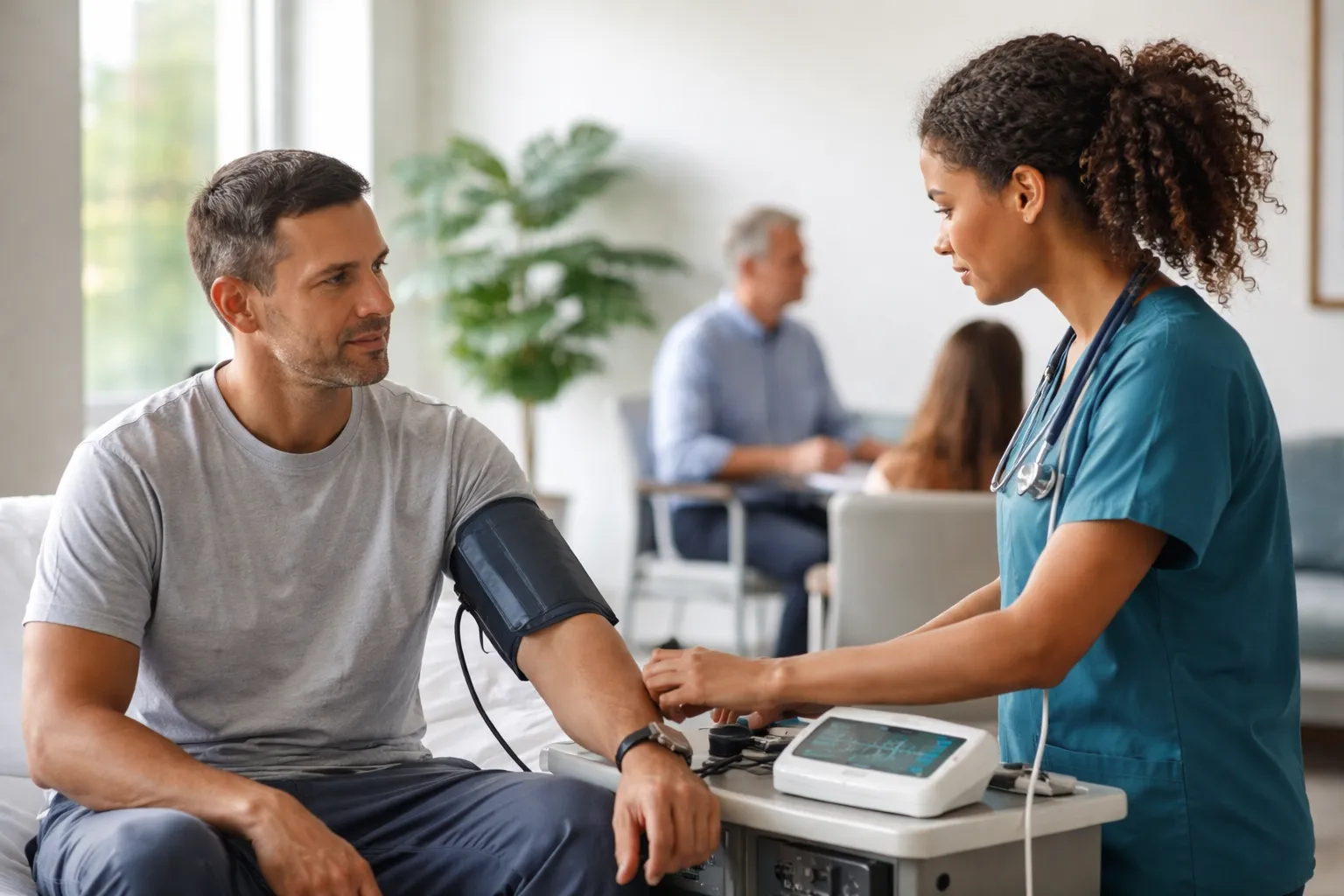
3) Medical evaluation and withdrawal risk
Assessing physical health is essential. Clinicians screen for signs of acute intoxication or withdrawal. Some substances, especially alcohol and benzodiazepines, can cause severe withdrawal including seizures or delirium tremens, which require urgent medical attention and often inpatient management. If a person is at risk for severe withdrawal the clinician will recommend medical monitoring or hospital-based detox. For specific information on alcohol withdrawal and signs that need emergency care see MedlinePlus. (medlineplus.gov)
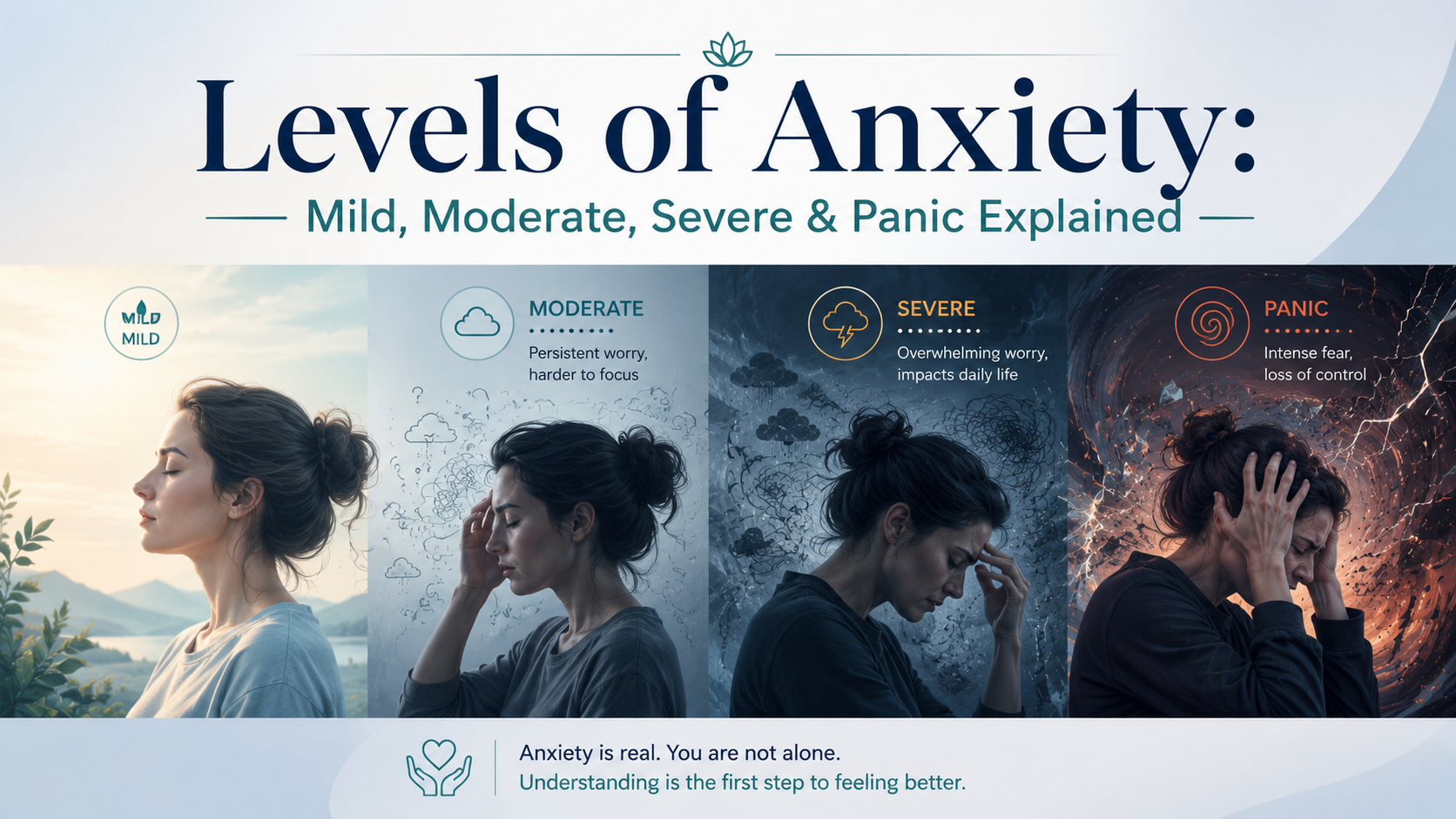
4) Mental health and suicide risk
Because mental health symptoms commonly co-occur with substance use, assessments include a focused psychiatric screen. If a person is actively suicidal or in acute psychiatric crisis the clinician will prioritize crisis care and transfer or coordinate with emergency services. If you or someone is in immediate danger call 911, and for a mental health or suicide crisis call or text 988. (library.samhsa.gov)
5) Lab tests and urine drug screens
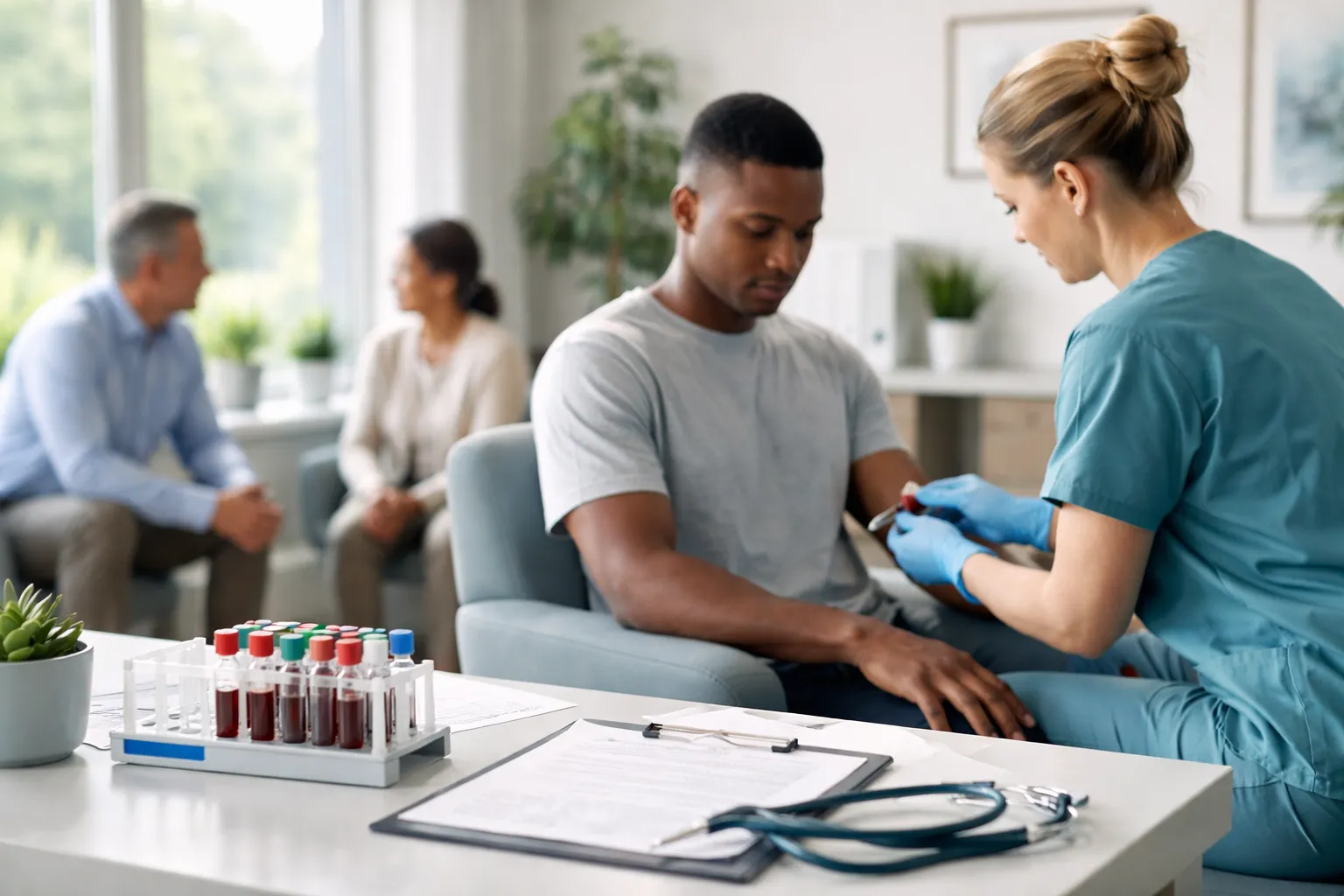
Some programs use urine drug tests, breath alcohol tests, or basic blood work to clarify recent use, medication levels, or medical stability. Tests are optional and are used to inform clinical decisions, not to punish. A clinician will explain any testing and how results are stored within your health record. (samhsa.gov)
6) Diagnosis, level of care, and treatment options
After gathering information the clinician discusses whether criteria for a substance use disorder are present and recommends an appropriate level of care – for example outpatient therapy, medication-assisted treatment, or inpatient detox. Recommendations are individualized and depend on withdrawal risk, medical or psychiatric comorbidity, social supports, housing stability, and the person’s preferences. Medication decisions, such as starting buprenorphine, methadone, or naltrexone for opioid use disorder, must be made by a qualified prescriber based on a full assessment. The FDA recognizes buprenorphine, methadone, and naltrexone as medications for opioid use disorder. (fda.gov)
| Level of care | When it may be recommended | Typical setting | Common services |
|---|---|---|---|
| Outpatient treatment | Low withdrawal risk, stable housing, supportive network | Clinic, community program | Counseling, group therapy, medication prescriptions, case management |
| Outpatient medically supervised detox | Mild to moderate withdrawal that can be managed with close follow-up | Clinic with frequent visits | Medication to manage symptoms, vital signs monitoring, counseling |
| Inpatient medical detox | High risk of severe withdrawal, unstable medical or psychiatric condition | Hospital or residential detox unit | 24 hour nursing, medications, medical stabilization |
Screening tools clinicians commonly use
- AUDIT or AUDIT-C – alcohol use screening. (ncbi.nlm.nih.gov)
- DAST-10 – brief drug abuse screen. (datashare.nida.nih.gov)
- NIDA Quick Screen or customized SBIRT tools – used in primary care. (nida.nih.gov)
- CRAFFT – validated adolescent screen. (crafft.org)
Safety callout
If you or someone else has severe symptoms such as breathing difficulty, seizure, confusion, high fever, severe agitation, or loss of consciousness call 911 right away. For a mental health or suicide crisis call or text 988. If you are concerned about dangerous withdrawal from alcohol or benzodiazepines, seek immediate medical care. This page is for general education and is not a substitute for emergency care. (medlineplus.gov)
Special populations and high-risk situations
Certain groups need tailored assessment and often expedited care: pregnant people, adolescents, people with unstable housing or active suicidal ideation, and people with a history of severe withdrawal or seizures. Pregnant people need coordination between addiction and prenatal care teams to reduce risks to both parent and fetus. Adolescents should receive age-appropriate, confidential assessment consistent with state rules and parental consent requirements. When high-risk features are present, clinicians will recommend urgent or specialized care rather than routine outpatient services. (samhsa.gov)
Frequently asked questions
How long does a confidential assessment take?
Initial screenings can take 5 to 15 minutes. A full clinical assessment may take 30 to 90 minutes depending on medical complexity, history, and whether tests are needed. Clinicians balance thoroughness with the person’s comfort and urgency of needs. (samhsa.gov)
Is the assessment really confidential?
Yes, with standard legal exceptions for imminent harm, abuse reporting, or court orders. Ask the intake staff to explain how your information will be used and who will have access. If you are under 18, ask about parental notification rules in New Jersey. (samhsa.gov)
Will I be started on medication during the assessment?
Possibly, if medication is clinically indicated and a qualified prescriber is available. Medication decisions require a medical evaluation and informed consent. For opioid use disorder, recognized medications include buprenorphine, methadone, and naltrexone, which a clinician may recommend as part of a treatment plan. (fda.gov)
What if I cannot pay or do not have insurance?
Many programs can discuss sliding scale fees, Medicaid coverage, or public resources. New Jersey’s ReachNJ is a central call-in line that helps residents find substance use treatment and navigates options for access to care. DMHAS also maintains treatment directories and resources. If cost is a concern ask the intake team about financial assistance and public programs that may apply. (nj.gov)
Sources and further reading
- SAMHSA – SBIRT: Screening, Brief Intervention, and Referral to Treatment. (samhsa.gov)
- NIDA DataShare – Screening and assessment instruments. (datashare.nida.nih.gov)
- FDA – Information about medications for opioid use disorder. (fda.gov)
- ReachNJ – New Jersey Department of Human Services central help line. (nj.gov)
- NJ Division of Mental Health and Addiction Services. (nj.gov)
- CDC – Mental health resources and 988 information. (cdc.gov)
- MedlinePlus – Alcohol withdrawal overview and emergency signs. (medlineplus.gov)
Compassionate next steps
If you are in New Jersey and would like a private, confidential conversation about drug or alcohol use, request a confidential assessment or speak with an admissions clinician. They can explain confidentiality, payment options, and whether same-day evaluation is possible. For information about clinical programs and therapies we offer see our treatments page, find a nearby location, or contact admissions directly. This article provides general information only, and decisions about level of care and medication require assessment by a qualified clinician. In an emergency call 911 or use 988 for mental health crisis.
Treatments | Locations | Contact us
We invite you to request a confidential addiction assessment in New Jersey or speak with our admissions team to learn next steps and options for care. There is no obligation to enter treatment after an assessment, and we will explain all options and safety recommendations clearly and with respect.