Going to an outpatient detox appointment can feel stressful. Preparing a small bag and a list of information for your first visit helps the clinical team assess your needs, speeds up intake, and reduces avoidable delays. Below is a practical, clinically grounded guide to what to bring, what to expect, and when to seek higher levels of care.
Table of Contents
ToggleBefore you come: check rules and plan transportation
Outpatient detox programs have different rules about phones, personal items, and take-home medication. Call the program ahead and ask what is allowed, how often to come, parking or public transit options, and whether a support person can attend with you. Bringing someone for support can be helpful, but some programs require that visitors wait outside during clinical intake.
Bring a plan for getting home safely if you will receive medication that causes sleepiness or slowed reaction time, or if you feel unsteady after withdrawal treatment. If you are unsafe or have uncontrolled medical symptoms, go to the nearest emergency department or call 911. For mental health crisis or suicide risk, call or text 988 for the Suicide and Crisis Lifeline. (samhsa.gov)
Essential paperwork and items to bring
Bring these basic items to every outpatient detox appointment:
- Photo identification: driver’s license, state ID, or passport. Programs typically record identity for medical records and medication prescribing. (samhsa.gov)
- Health insurance card, if you have it, and any referral paperwork from another clinician or hospital. (samhsa.gov)
- A current list of prescription and over-the-counter medicines, including doses and how often you take them. If possible, bring the medication bottles. This helps clinicians check for dangerous interactions and plan safe withdrawal management. (samhsa.gov)
- Emergency contacts and the name and phone number of your primary care clinician or any specialists who treat you.
- Any recent hospital or treatment records you can obtain, or the name of the hospital where you were treated. Copies help the team understand recent assessments and medications. (regulations.justia.com)
Helpful personal items
Programs vary in what they allow. Ask ahead, but many outpatient clinics recommend:
- Comfortable clothing and an extra layer for waiting areas that may be cold.
- Phone charger or mobile device for telehealth or check-in, if allowed. Confirm clinic policy on phones. (samhsa.gov)
- Small amount of cash or a debit card for co-payments, snacks, or transportation after the visit.
- A short list of questions you want to ask, and a pen to take notes.
Medical information clinicians will need
Clinical placement and medication decisions require a qualified clinician to assess you in person or by approved telehealth methods. Typical items the team will ask about include:
- Type and amount of substance(s) used, when you last used, and whether you have tried to cut down before.
- History of withdrawal problems such as prior seizures, delirium tremens, severe tremors, fainting, or past need for inpatient detox. Those history elements usually require higher level care than outpatient detox. (niaaa.nih.gov)
- Other medical conditions, pregnancy status, or current mental health symptoms such as hallucinations, severe anxiety, or suicidal thinking. Pregnant people and adolescents require specialized evaluation and often different treatment plans. (acog.org)
Medications and medication records
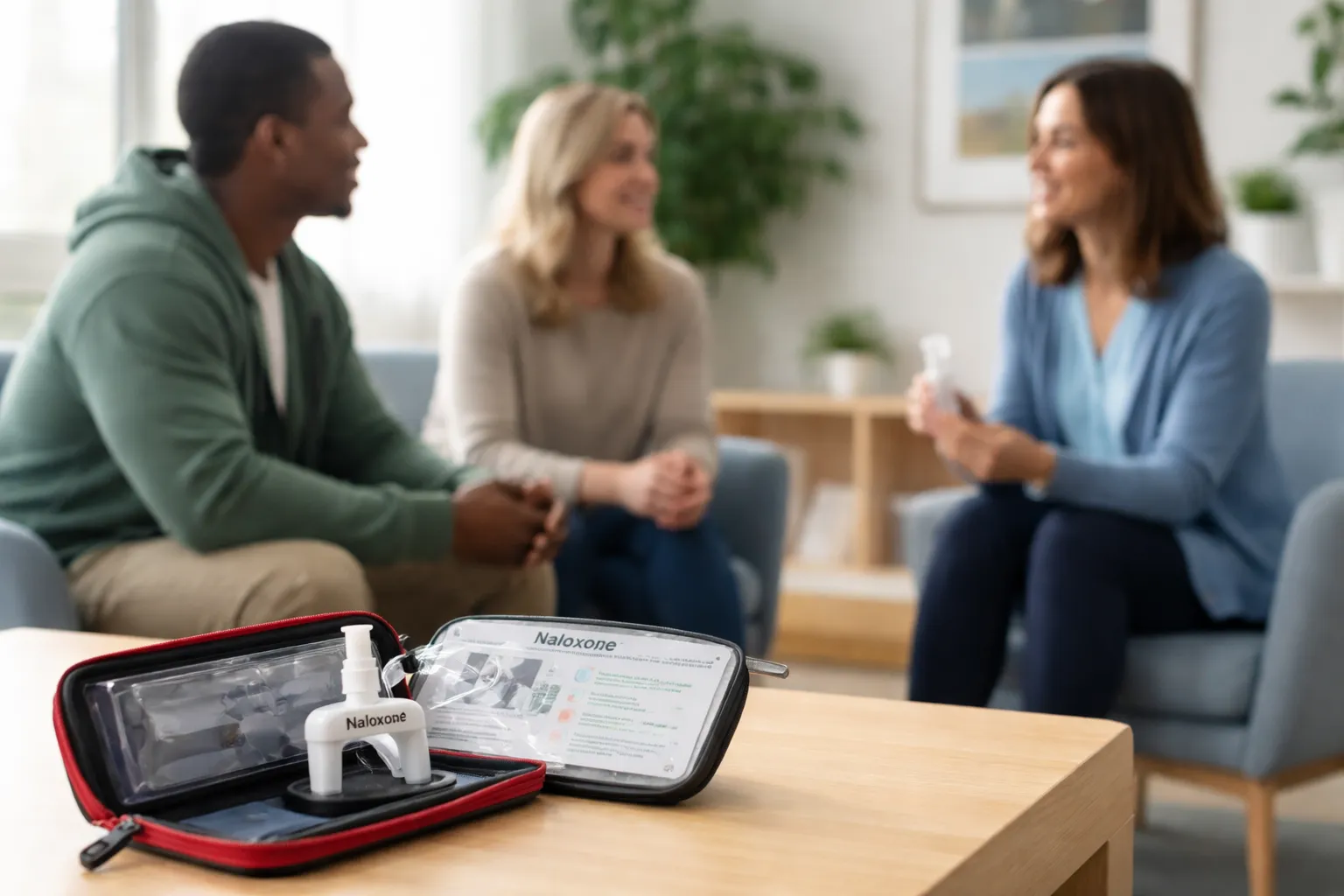
Bring a list of current medications and any medication bottles you can. Many outpatient programs can provide or prescribe medication to reduce withdrawal symptoms, including medications used for opioid use disorder such as buprenorphine or methadone, or medications to ease alcohol withdrawal under close supervision. The choice of medication depends on the assessment, local regulations, and medical history. Clinicians may need to coordinate with an opioid treatment program for methadone. (cdc.gov)
If you are pregnant, clinicians generally recommend continuing or starting opioid agonist treatment with methadone or buprenorphine rather than medically supervised withdrawal, because abrupt withdrawal in pregnancy increases risk of relapse and other harms. Discuss pregnancy status openly so clinicians can plan the safest care. (acog.org)
When outpatient detox might not be safe
Outpatient detox is suitable for some people, but not all. You may need inpatient or hospital detox if you have:
- A history of withdrawal seizures or delirium tremens, or a current risk for severe alcohol withdrawal. These conditions require medical monitoring and possible inpatient care. (niaaa.nih.gov)
- Unstable medical problems such as severe liver disease, heart disease, or low oxygen levels.
- Severe psychiatric symptoms such as active psychosis, imminent suicide risk, or inability to care for yourself. Call 911 for immediate danger and 988 for mental health crisis support. (samhsa.gov)
- No reliable transportation or housing, when safe follow-up and observation cannot be arranged.
| What to bring | Why it matters | When it may not be allowed |
|---|---|---|
| ID and insurance | Verifies identity and helps process billing quickly | Never restricted |
| Medication list and bottles | Prevents dangerous drug interactions and guides safe prescribing | Some clinics will supervise medication storage during visits |
| Support person contact | Aids aftercare planning and transportation | Visitor restrictions during intake at some sites |
| Phone and charger | Needed for telehealth or scheduling follow-up | May be limited in programs with safety rules |
Privacy, safety, and program rules
Treatment is confidential, but programs must follow state and federal rules. Some medications used for detox or opioid use disorder have strict dispensing rules. For example, state and federal regulations govern how opioid treatment programs provide methadone, and many states limit take-home supplies in early detox. Tell the intake team about any past or current use of benzodiazepines, alcohol, or opioids so they can plan safe, legal care. (regulations.justia.com)
Safety callout
If you are in immediate medical danger, call 911 now. If you or someone is thinking about suicide or in a mental health crisis, call or text 988 for the Suicide and Crisis Lifeline. If you have signs of severe withdrawal such as uncontrolled vomiting, severe shaking, fever, confusion, fainting, difficulty breathing, or a seizure, seek emergency care right away. Clinical placement and medication choices must be made by an experienced clinician after evaluation. (samhsa.gov)
Frequently asked questions
Will I be prescribed medication at my first outpatient visit?
Possibly. Some clinics can start medications the same day, like buprenorphine for opioid withdrawal when clinically appropriate. Others may require lab testing, urine drug testing, or coordination with specialty programs before prescribing. The clinician will explain options based on your medical history and local rules. (cdc.gov)
Can I bring children with me?
Childcare policies vary. If you must bring a child, tell the program ahead of time. Many clinics recommend arranging childcare so you can complete intake interviews and clinical evaluations without distraction. (samhsa.gov)
Will the clinic test me for substances?
Many outpatient detox programs use urine or other drug testing to guide treatment. Testing is part of clinical assessment and safety planning. Ask at intake what type of testing is used and how results are handled. (samhsa.gov)
Sources and further reading
- SAMHSA: Starting treatment, mental health, drugs and alcohol. Practical intake checklist and guidance. (samhsa.gov)
- CDC: Opioid use disorder treatment and medications. Overview of buprenorphine, methadone, and naltrexone. (cdc.gov)
- NIDA/SAMHSA quick guide based on TIP materials. Clinical information about detox and medication options. (nida.nih.gov)
- NIAAA: Alcohol use disorder and withdrawal risks. Information on seizure risk and when inpatient detox is required. (niaaa.nih.gov)
- New Jersey Administrative Code: Outpatient detoxification services. State standards for outpatient detox in New Jersey. (regulations.justia.com)
- SAMHSA: 988 Suicide & Crisis Lifeline. Call or text 988 for mental health or suicide crises. (samhsa.gov)
Next steps and how we can help
This article is general education and not individualized medical advice. Placement and medication decisions require assessment by a qualified clinician. If you are seeking care in New Jersey, review program rules before you come, and bring the items listed above to speed intake and keep care safe. For information about available programs and therapies, see our treatments page and locations page, or request a confidential assessment through our contact page. We encourage you to speak with the admissions team to learn what the specific clinic requires and how to get started.
If you are in immediate danger, call 911. If you are experiencing a mental health crisis or suicidal thoughts, call or text 988 now. For non-emergencies, contact the clinic to arrange intake, or use the links above to request a confidential assessment or speak with admissions.