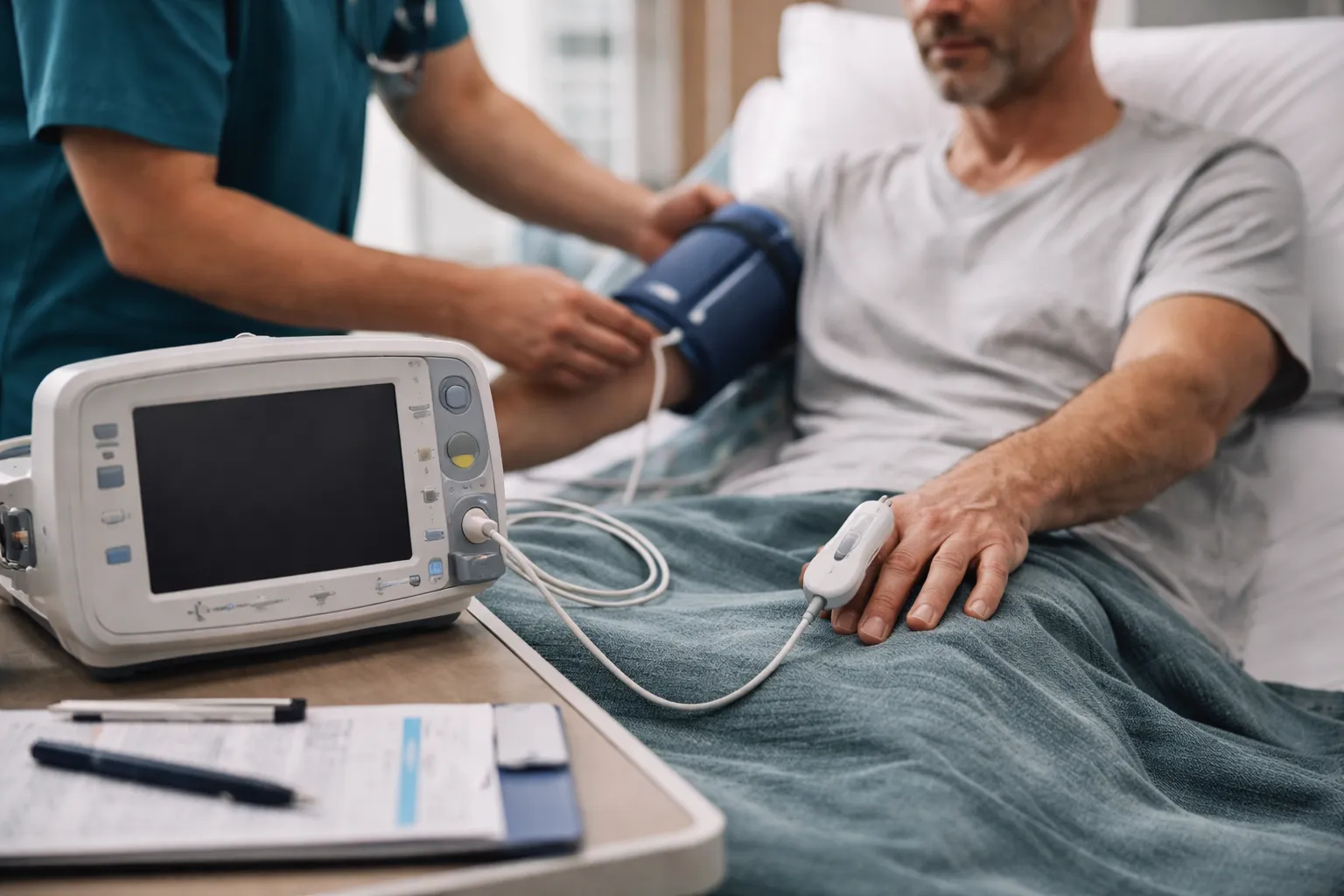
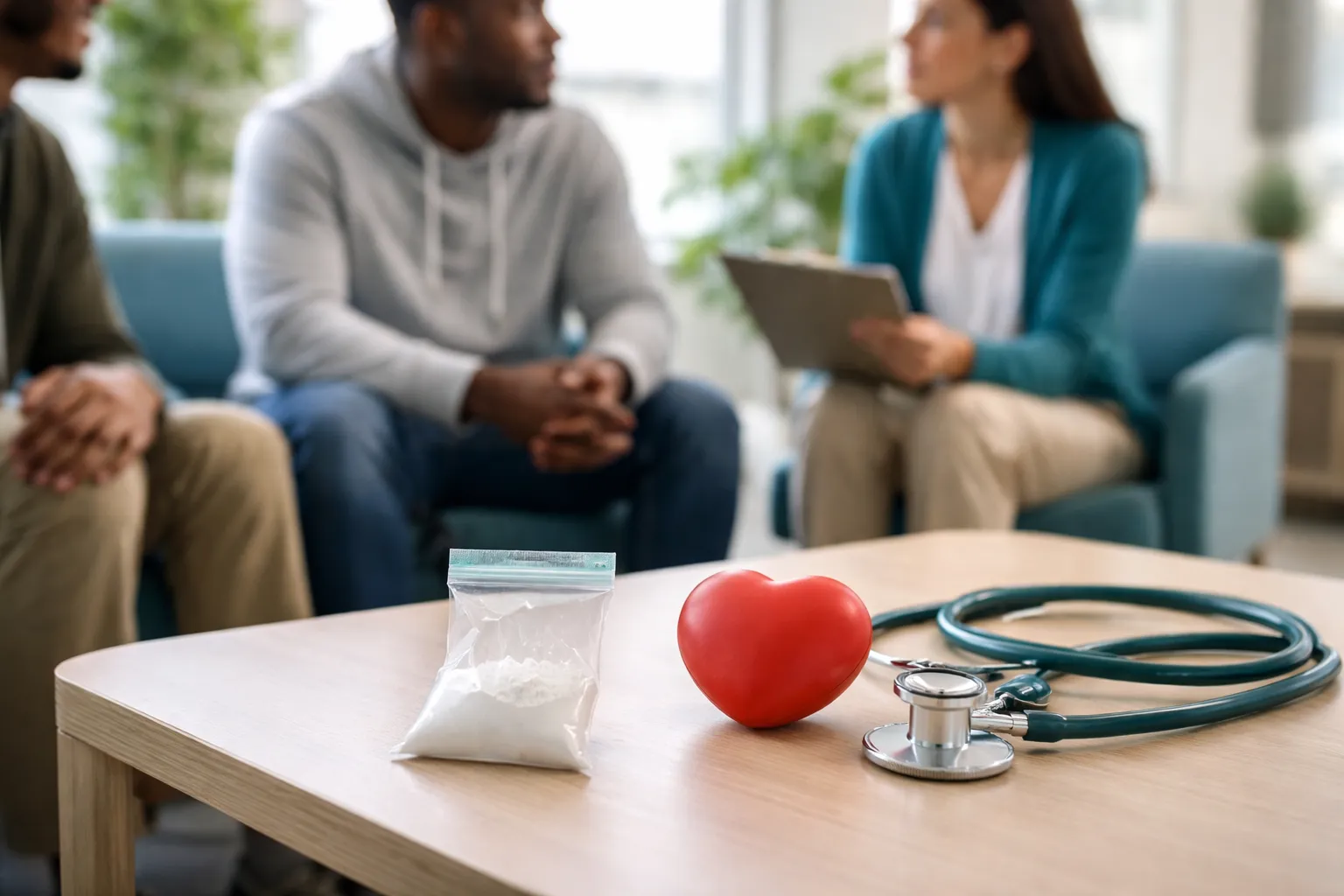
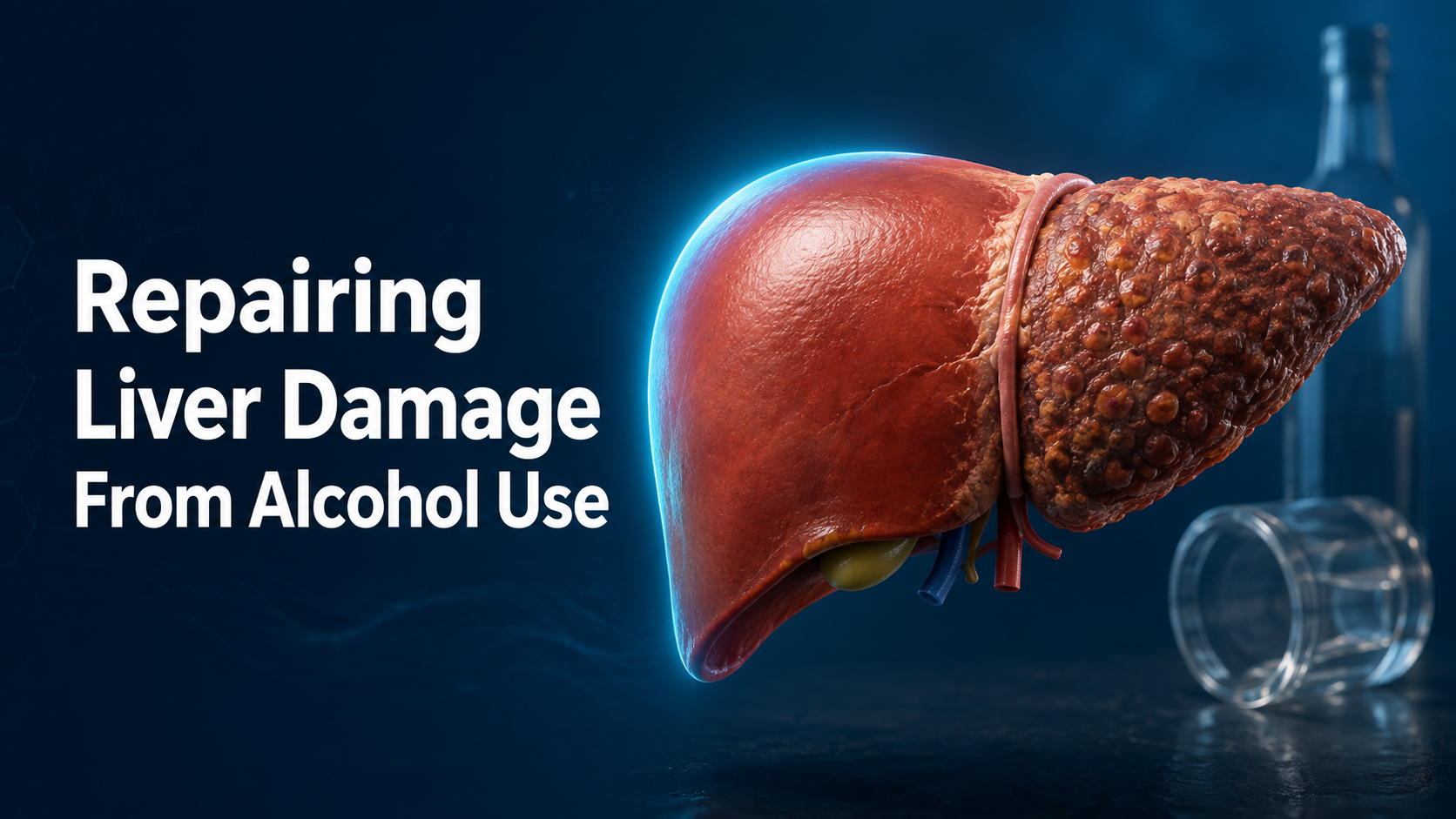
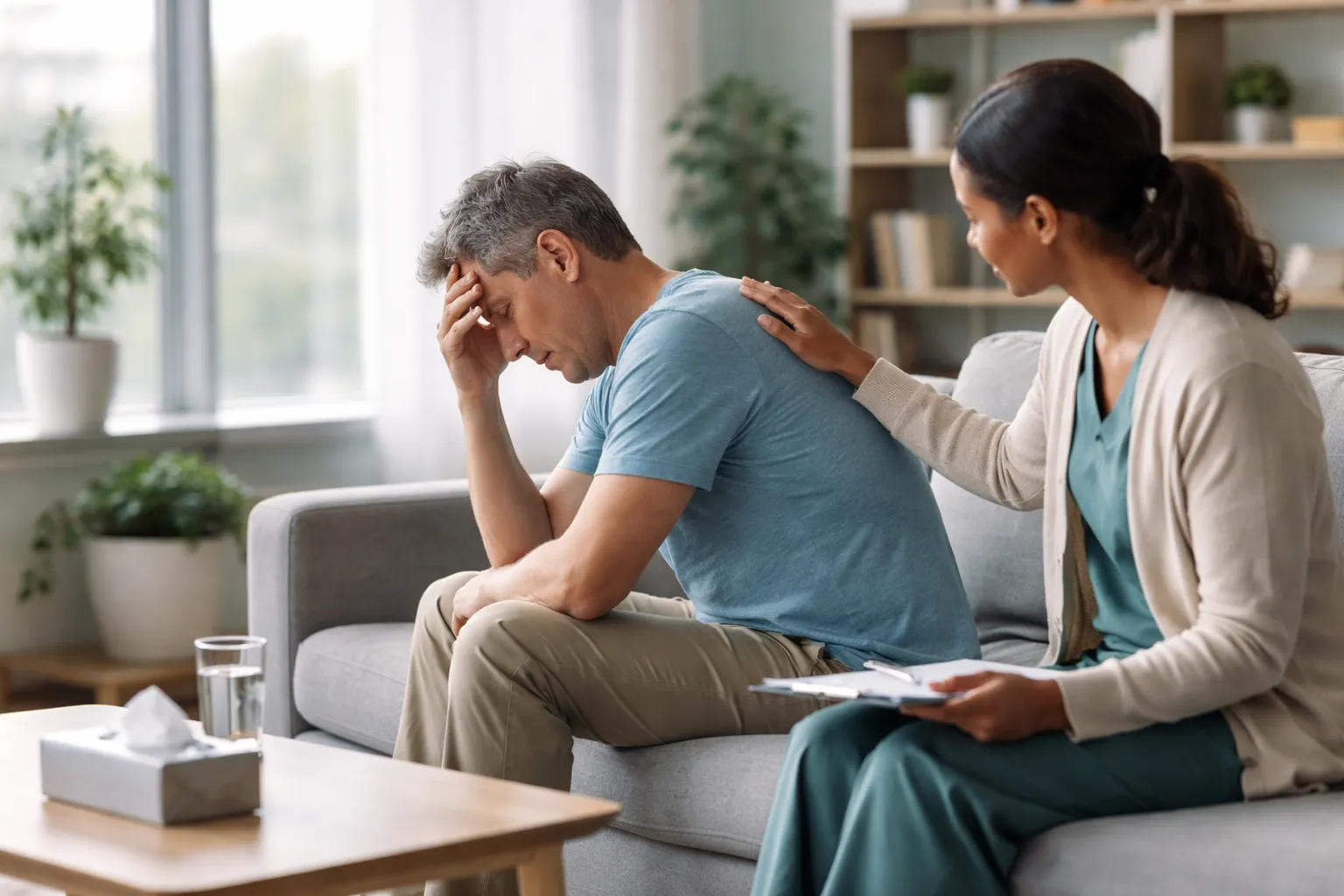
Leaving detox or an intensive phase of addiction treatment is a hopeful time, but it can also be risky. Aftercare planning, sometimes called continuing care, connects the gains made in early treatment to longer term supports so people have the best chance to stay safe, manage cravings, and rebuild daily life.
Table of Contents
ToggleWhat is aftercare planning and why it matters
Aftercare planning addiction treatment is a structured, individualized plan created before discharge from detox, inpatient, or intensive outpatient care. It identifies clinical follow-up, medications if indicated, behavioral therapies, peer supports, housing or employment help, and safety measures such as overdose prevention and crisis contacts. Research and clinical guidance treat aftercare as an essential step in managing substance use disorder as a chronic condition, because ongoing supports reduce the likelihood that short-term treatment gains will be lost. (arcr.niaaa.nih.gov)
Key goals of an aftercare plan
- Maintain medication continuity when indicated, for example, methadone or buprenorphine for opioid use disorder. (samhsa.gov)
- Provide scheduled clinical follow-up and easy re-entry to higher intensity care if needed. (ncbi.nlm.nih.gov)
- Connect to therapy and relapse prevention, including cognitive behavioral approaches and coping skills training. (pmc.ncbi.nlm.nih.gov)
- Link to recovery supports, peer services, and community resources for housing, employment, and legal needs. (library.samhsa.gov)
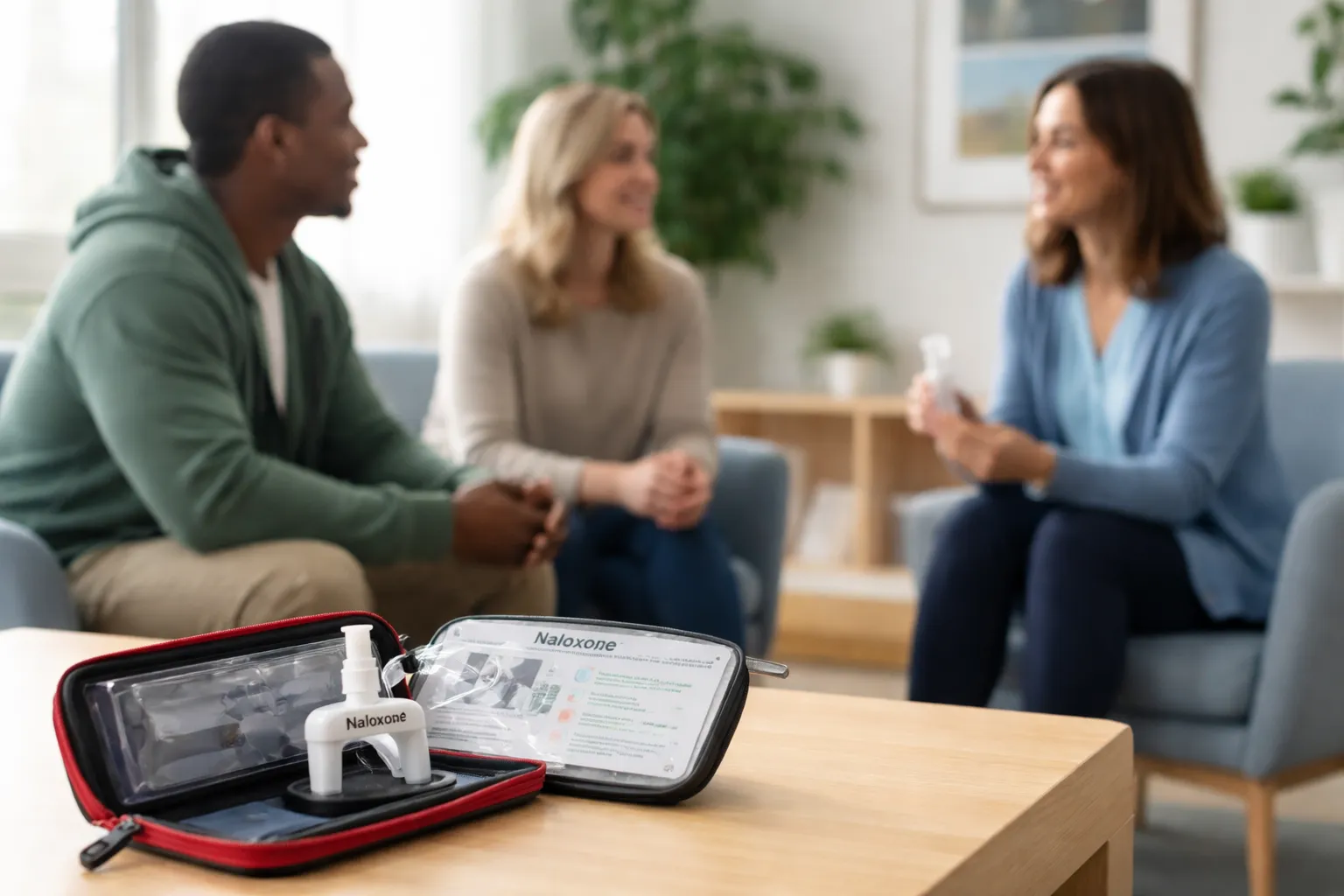
- Reduce immediate safety risks with naloxone, overdose education, and crisis planning. (cdc.gov)
When aftercare matters most
Relapse risk is highest in the early months after leaving structured care, and people who stop opioid medications or leave treatment often face greatly increased overdose risk. In particular, the weeks after treatment cessation or release from incarceration are associated with substantially higher risk of fatal overdose. For example, the CDC highlights an elevated overdose risk in the period immediately after stopping treatment or leaving a controlled setting. (cdc.gov)
Studies show that continuing care can improve outcomes compared with no follow-up, although the exact mix of services that works best varies between individuals. Research also finds that longer periods of engagement with lower-intensity follow-up usually produce better outcomes for many people. (pmc.ncbi.nlm.nih.gov)
Core components of an effective aftercare plan
A usable aftercare plan is written, time-specific, and realistic. It should be co-created with the patient and family when appropriate, and include concrete contacts, dates, and backup options.
Common elements
- Named clinician and first follow-up appointment within days to weeks of discharge.
- Medication plan if indicated, with prescriptions, pharmacy details, and contingency plans for missed doses. For opioid use disorder, continuing medication therapy is evidence-based and associated with lower overdose and mortality. (samhsa.gov)
- Behavioral therapy schedule, such as individual counseling, group work, or family therapy.
- Peer recovery supports, including certified peer specialists or mutual aid groups.
- Practical supports: housing, transport, employment, benefits, and legal referrals.
- Harm reduction measures: naloxone, safer use education, and access to sterile supplies when relevant. (cdc.gov)
- Relapse early-warning signs and a stepwise plan for what to do if substance use recurs, including who to call and how to get rapid care.
Comparing common aftercare options
| Aftercare option | When useful | Pros | Limitations |
|---|---|---|---|
| Outpatient therapy | Most people after detox or residential care | Targets coping skills and triggers, flexible intensity | Requires attendance and may need transportation |
| Medication follow-up (MOUD) | Opioid use disorder, per clinical assessment | Reduces overdose risk and mortality when continued. (portugues.cdc.gov) | Access and stigma can be barriers; needs medical monitoring |
| Peer support / recovery coaching | When lived-experience support and navigation help engagement | Improves retention, practical navigation, and hope | Nonclinical; should supplement rather than replace medical care |
| Sober living / transitional housing | When housing instability or high-risk home environment exists | Structure, peer norms, safer environment | Availability and cost vary, not a substitute for treatment |
| Telehealth check-ins | When travel or mobility is limited | Convenient, increases access, supports frequent contact | Requires a device and private space |
How clinicians and programs create an aftercare plan
A qualified clinician will assess medical risks, psychiatric needs, social supports, and the practical barriers a person faces. Assessment guides decisions about medication, level and timing of therapy, and the need for assertive outreach such as home visits or case management. Placement and medication decisions require individualized assessment by a licensed clinician; this article is general education and not individualized medical advice. (ncbi.nlm.nih.gov)
High-risk situations that need specialized care
- Pregnancy: consult obstetrics and addiction specialists for medication decisions and perinatal planning.
- Adolescents and young people: involve pediatric addiction specialists and family-based interventions.
- Severe withdrawal, seizures, psychosis, or overdose: these are medical emergencies and require urgent care. Call 911. For a mental health or suicide crisis, call or text 988. (samhsa.gov)
If someone is in immediate medical danger, call 911. If there is a mental health or suicide crisis, call or text 988 for the 988 Suicide and Crisis Lifeline. For New Jersey residents seeking addiction help, you can also contact ReachNJ at 844-REACHNJ. These resources are intended for urgent support and do not replace scheduled aftercare. (samhsa.gov)
Practical tips for patients and families
- Ask for a written aftercare plan before discharge with names, phone numbers, and the date of the next appointment.
- If medications are prescribed, confirm pharmacy coverage and have a backup plan for missed doses.
- Request naloxone and training if opioids were involved, and make sure family members know how to use it. (cdc.gov)
- Use peer or family supports to set short term, concrete goals (first 7 days, 30 days, 90 days).
- Keep a crisis card with emergency contacts and the number 988, and program your clinician’s number for quick access.
Frequently asked questions
Do I need to keep taking medication after detox?
Not everyone needs long-term medication, but for opioid use disorder, continuing medications such as methadone or buprenorphine is evidence-based and linked to lower mortality. Medication decisions should be made with a clinician familiar with your medical history. (samhsa.gov)
How long does aftercare last?
There is no single duration. Many programs recommend active follow-up for months, with periodic checkups for years as needed. Longer engagement with low-intensity supports often improves outcomes. (pmc.ncbi.nlm.nih.gov)
What if I relapse?
Relapse can be part of recovery. An aftercare plan should include rapid re-entry options to higher-intensity care and a safety plan to reduce harm. Contact your treatment team or, if you are in immediate danger, call 911. For suicidal thoughts or severe distress, call or text 988. (samhsa.gov)
Compassionate next steps
If you or a loved one are leaving detox or early treatment, ask the treatment team to build a written aftercare plan that covers medical, behavioral, and practical supports. In New Jersey, ReachNJ and DMHAS can help connect you to local resources, naloxone, and peer support. (nj.gov)
For information about clinical services, treatment options, and how a local outpatient program can support aftercare planning, see our descriptions of treatments and locations, or contact admissions to request a confidential assessment: treatments, locations, contact us.
Sources
- SAMHSA TIP 63, Medications for Opioid Use Disorder. (samhsa.gov)
- Impact of Continuing Care on Recovery From Substance Use Disorder (NIDA review). (pmc.ncbi.nlm.nih.gov)
- Recovery From Alcohol Use Disorder (NIAAA review). (arcr.niaaa.nih.gov)
- CDC: Evidence-Based Strategies for Preventing Opioid Overdose. (cdc.gov)
- SAMHSA: 988 Suicide & Crisis Lifeline. (samhsa.gov)
- New Jersey Division of Mental Health and Addiction Services (ReachNJ and state resources). (nj.gov)
This page is general educational information, not individualized medical advice. Placement in a level of care and medication choices require assessment by a qualified clinician. If someone is in immediate danger, call 911. If you or someone is in a mental health or suicide crisis, call or text 988.