This brief guide explains how to prepare for an addiction assessment in New Jersey, what clinicians evaluate, and what to expect after the visit. It is meant for patients and family members who want clear, practical information about intake and placement. This is educational material only, not individualized medical advice. Placement and medication decisions must be made by a qualified clinician after an in-person assessment.
Table of Contents
ToggleWhat an addiction assessment is and why it matters
An addiction assessment is a clinical conversation and medical review that helps a licensed clinician determine the severity of substance use, identify medical or psychiatric risks, and match a person to an appropriate level of care. Assessments use structured questions and clinical tools to measure recent and lifetime substance use, withdrawal risk, medical history, mental health, social supports, and readiness for treatment. The American Society of Addiction Medicine, ASAM, recommends a multidimensional assessment to guide placement across the continuum of care. (asam.org)
Before the appointment: practical steps to prepare
Preparing ahead will make the assessment faster and more accurate. If you want to prepare for addiction assessment NJ, use this checklist to gather information and reduce stress on intake day.
- Bring a photo ID and, if available, insurance card or payer information.
- Make a list of current medications, including prescriptions, over-the-counter drugs, vitamins, and supplements.
- Prepare a short timeline of substance use: what you use, how much, and how often (past 30 days and past year are commonly asked).
- Write down medical history and recent hospitalizations, surgeries, or emergency visits and any known diagnoses (for example, liver disease, seizure disorder, or sleep apnea).
- List current mental health symptoms or diagnoses, past suicide attempts or self-harm, and any psychiatric medications or therapy history.
- Note legal, housing, or child custody issues that could affect treatment planning.
- If you have supportive contacts, bring a family member or friend if you want them to participate, and confirm the patient consents to sharing information.
These preparation steps mirror SAMHSA guidance on what clinicians typically collect during intake, and they help identify safe, effective options like medication for opioid use disorder when appropriate. (store.samhsa.gov)
Practical tips for the first visit
- Expect the assessment to take from 30 minutes to a couple of hours depending on complexity; some programs spread the evaluation across more than one visit. (store.samhsa.gov)
- If you use opioids and may need medication like buprenorphine or methadone, tell the clinician about recent use and ask about safe induction plans. Medication decisions require clinician evaluation. (ncbi.nlm.nih.gov)
- Plan transportation: some medications or medical conditions mean you should not drive immediately after an appointment. (store.samhsa.gov)
What happens during the clinical assessment
Assessments usually include:
- Screening questions for substance use and a structured substance use history, often using validated tools. (ncbi.nlm.nih.gov)
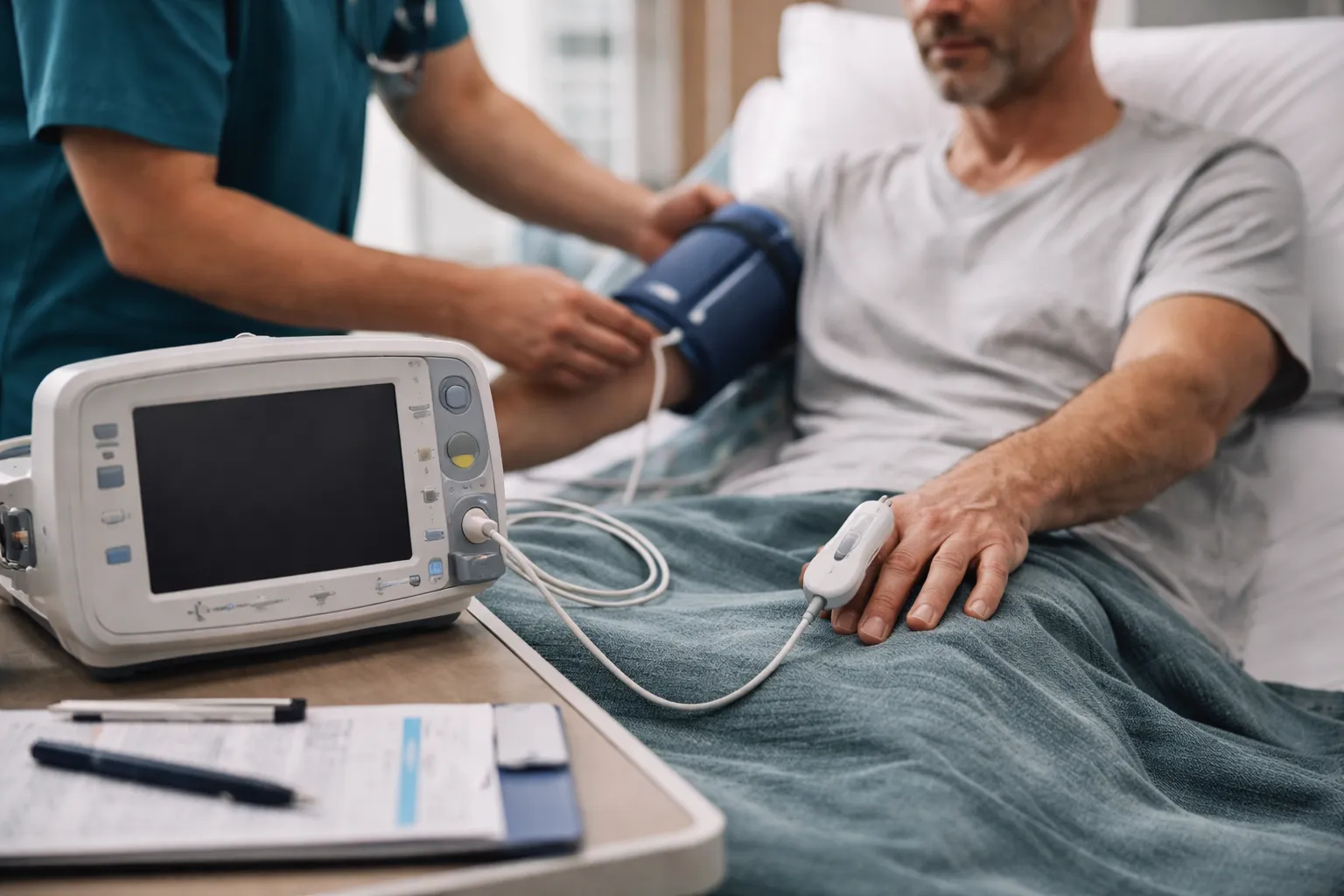
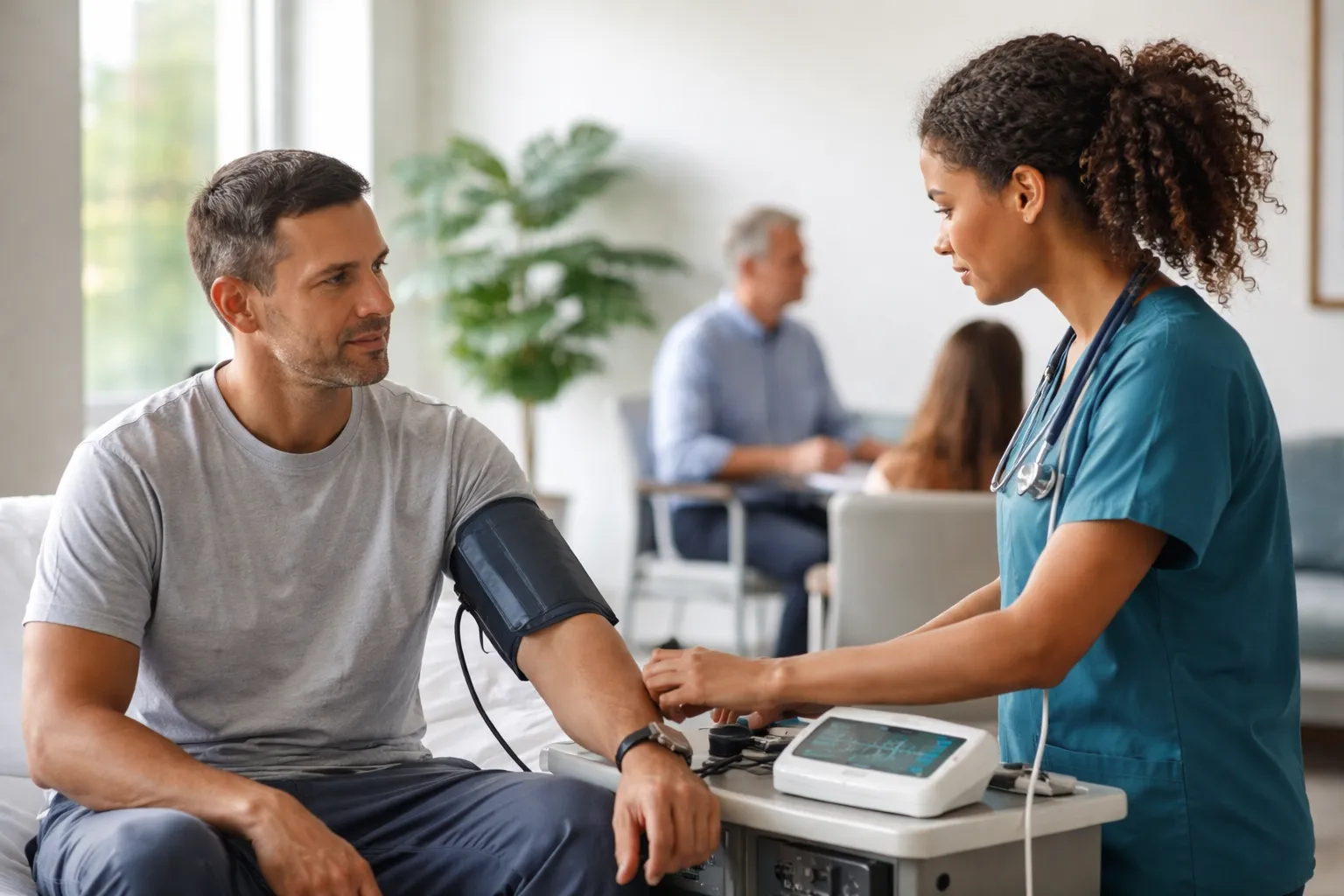
- Medical review and vital signs, and when indicated, laboratory tests or urine drug testing to identify recent substance exposure. (ncbi.nlm.nih.gov)
- A mental health screen for depression, anxiety, psychosis, or suicide risk; this is especially important because co-occurring disorders are common. (nimh.nih.gov)
- An evaluation of withdrawal risk and the need for medically supervised detoxification. Severe withdrawal, seizures, or active psychosis require urgent medical care. (library.samhsa.gov)
- Discussion of treatment goals, preferences, and barriers such as work, childcare, transportation, or legal obligations. (store.samhsa.gov)
Privacy and consent
Treatment records for substance use disorders have federal confidentiality protections. Programs will explain consent and limits to confidentiality during intake so you understand what information can be shared and with whom. Ask the clinician if you have questions. (store.samhsa.gov)
| Level of care | Typical setting | Who it is for |
|---|---|---|
| Outpatient | Clinic or private office | Mild to moderate SUD, stable living situation |
| Intensive outpatient (IOP) | Specialty clinic, several hours per week | Moderate SUD needing structured therapy but not 24-hour care |
| Residential | 24-hour non-hospital facility | Need for structured environment, high relapse risk, or limited supports |
| Medically managed inpatient | Hospital or medically supervised unit | Severe withdrawal, medical complications, or psychiatric instability |
This simplified comparison follows the ASAM framework used widely to match clinical needs to the right intensity of care. Exact definitions and service hours vary by program and by ASAM edition. (asam.org)
How placement and medication choices are made
Clinicians use the multidimensional assessment to make placement decisions, considering medical stability, withdrawal risk, co-occurring psychiatric conditions, readiness for treatment, and recovery supports. The ASAM Criteria and state regulations guide these decisions. Medication for opioid use disorder and other medical treatments are recommended when clinically appropriate, but they must be prescribed and supervised by qualified clinicians after assessment. (asam.org)
In New Jersey, the Division of Mental Health and Addiction Services oversees licensing and resources for substance use care. Local treatment availability, program rules, and state-funded services differ by county, so clinicians and intake staff will explain options and next steps during and after the assessment. (nj.gov)
Special situations that need urgent or specialized care
- Pregnancy: evaluation and treatment should involve clinicians experienced in pregnancy and substance use, because medication and safety considerations differ for pregnant people. Seek specialized prenatal and addiction care. (nj.gov)
- Adolescents: young people need age-appropriate assessments and family-informed planning; involve pediatric or adolescent addiction specialists when possible. (ncbi.nlm.nih.gov)
- Severe withdrawal, repeated seizures, active psychosis, or respiratory depression: call 911 or go to the nearest emergency department right away.
Logistics in New Jersey: finding programs and what to expect next
SAMHSA’s FindTreatment.gov and New Jersey DMHAS directories are practical starting points to locate licensed programs near you. After the assessment, staff will explain recommendations, expected program length, costs or insurance steps to verify, and how to schedule follow-up or begin treatment. Always confirm services, eligibility, and cost with the program before arrival. (findtreatment.gov)
If you are seeking outpatient or inpatient options in New Jersey, the provider can also explain whether a local program offers medication-assisted treatment, counseling, family services, or case management. For a quick overview of common treatment options, see our treatments page. If you want to check site locations or speak with admissions directly, use the provider locations and contact pages linked below.
Internal resources: Types of treatment, Locations, Contact us.
Frequently asked questions
Will I be arrested or lose my children if I am honest during intake?
Assessment information is used to plan safe care. Programs explain limits of confidentiality, but disclosure of ongoing child abuse or imminent risk to self or others may be reportable. If you have concerns, ask the intake clinician about confidentiality rules for your program. (store.samhsa.gov)
Do I need to stop using before an assessment?
You should not abruptly stop medications or alcohol if you are physically dependent without medical advice. Report recent use accurately so clinicians can assess withdrawal risk and decide whether medically supervised detox is needed. (library.samhsa.gov)
Can I get medication for opioid use disorder the first day?
Some programs can begin medication like buprenorphine on the first visit, but safe induction depends on clinical assessment, recent use, and program policies. Methadone induction usually requires enrollment in an opioid treatment program. These decisions must be made by the treating clinician. (ncbi.nlm.nih.gov)
Next steps and compassionate guidance
Preparing for an addiction assessment can feel overwhelming. Start by assembling the documents and information listed above, and if possible, bring one trusted support person to the first visit. Remember, the goal of the assessment is to match care to your health needs and safety. Placement and medication decisions require a qualified clinician’s judgment after evaluation.
If you are in New Jersey and ready to begin, use SAMHSA’s treatment locator or contact your county behavioral health office through the New Jersey Division of Mental Health and Addiction Services for local resources. If you need immediate help for a mental health emergency, call 911 or call or text 988. (findtreatment.gov)
When you are ready, request a confidential assessment or speak with an admissions specialist to discuss next steps and scheduling. Our team can explain program options, answer practical questions, and help you plan a safe first appointment. This invitation is voluntary and without pressure.
Sources
- ASAM, About The ASAM Criteria. (Standards for multidimensional assessment and levels of care.)
- New Jersey Division of Mental Health and Addiction Services, Substance Use Resources. (State resources and treatment directories.)
- SAMHSA, Decisions in Recovery: Treatment for Opioid Use Disorder. (Guidance on assessments, preparing for visits, and medication-assisted treatment.)
- SAMHSA TIP / NLM, Medications for Opioid Use Disorder. (Clinical guidance on MOUD and assessment needs.)
- FindTreatment.gov (SAMHSA). (Federal treatment locator for programs by state and county.)
- 988 Suicide & Crisis Lifeline. (Call or text 988 for immediate mental health or suicide crisis support.)