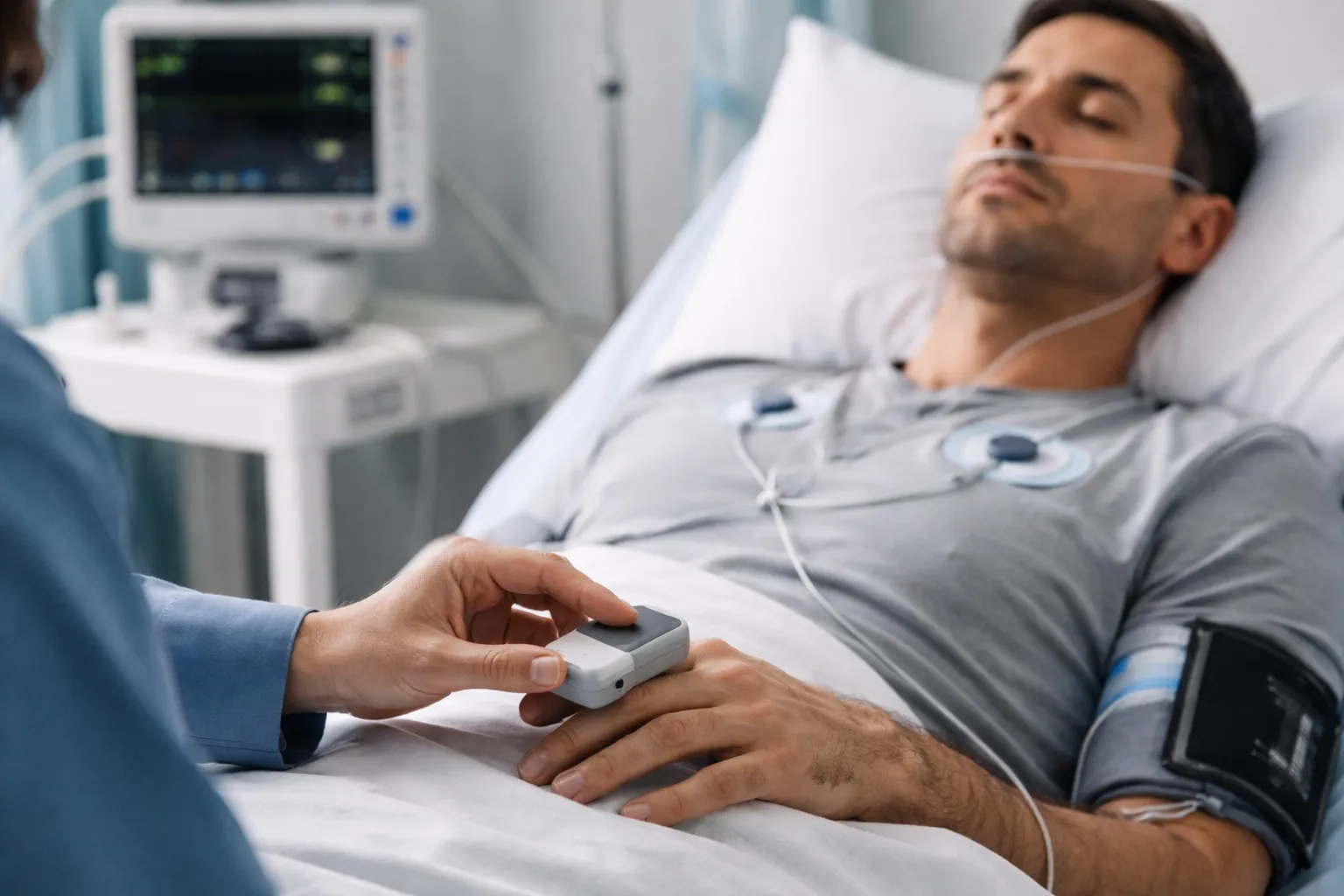
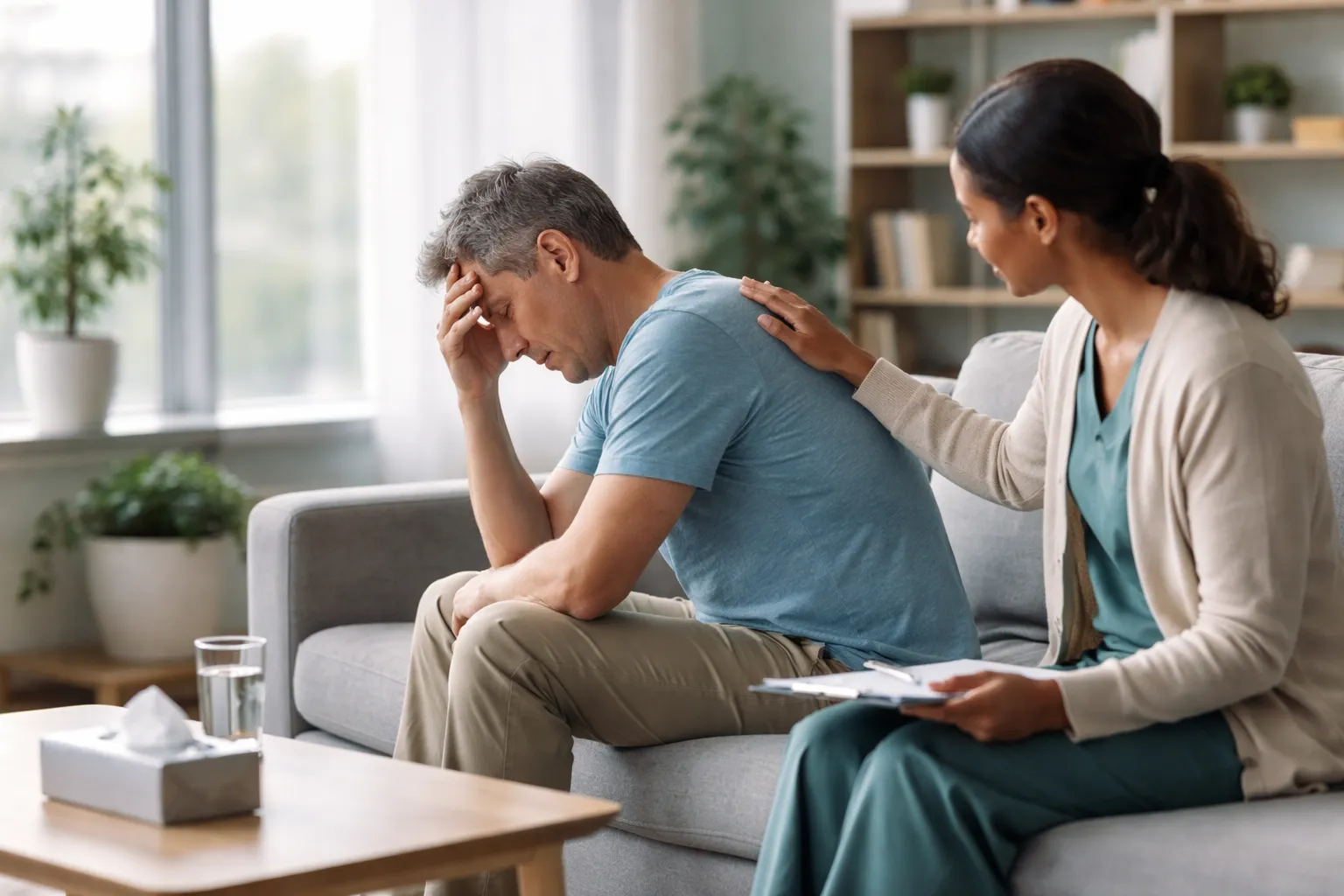
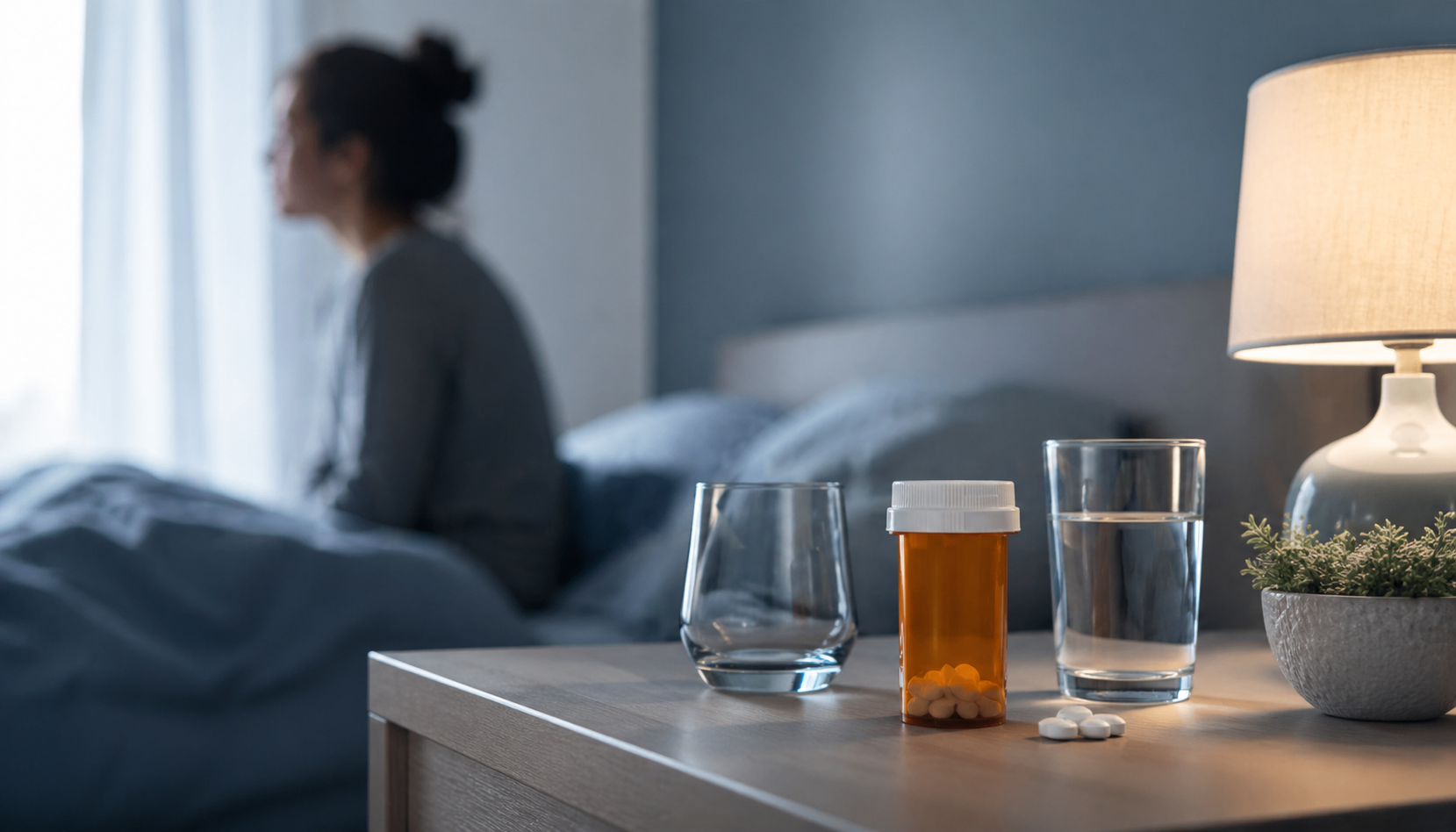
Many people in early recovery notice major changes in how they fall asleep and how well they stay asleep. Trouble sleeping can be frustrating, painful, and a real risk for relapse, but there are safe approaches that help most people. This article explains likely causes, what makes the problem dangerous, and practical, evidence based strategies to improve sleep while protecting safety and recovery.
Table of Contents
ToggleWhy sleep problems happen in early recovery
Sleep is regulated by brain chemistry and daily rhythms. Alcohol, opioids, sedatives, stimulants, and marijuana all change sleep architecture and the brain systems that control sleep. When those substances are stopped, the brain needs time to rebalance. That process commonly leads to trouble falling asleep, short sleep, frequent awakenings, vivid dreams, or daytime tiredness. These symptoms may appear in the first days of withdrawal and can persist for weeks or months in some people. Clinical reviews and research show sleep disruption is a frequent and important feature of substance use disorders and recovery, and it can increase the risk of returning to use if not addressed.
Source: clinical summaries and reviews on sleep and substance use disorder. (library.samhsa.gov)
When sleep problems are a safety concern
Most insomnia after stopping substances is uncomfortable but not life threatening. However, there are several urgent situations that require immediate medical attention:
- If you are actively shaking, losing consciousness, having a seizure, or vomiting and unable to keep fluids down, call 911 or go to the nearest emergency department. Some withdrawal syndromes, especially from alcohol or benzodiazepines, can cause seizures or delirium that are dangerous without medical treatment. (medlineplus.gov)
- If you are thinking about harming yourself or others, call 911 right now, or call or text 988 for suicide prevention and mental health crisis support. (988 is available in the United States.)
- If you are taking opioid medications or opioid agonist treatment and are unusually drowsy, difficult to wake, or have slowed breathing, seek emergency care immediately because of overdose risk.
- If you are pregnant, an adolescent, or have severe mental health symptoms such as psychosis, acute mania, or uncontrolled medical problems, get specialized care quickly: these situations need clinician assessment and sometimes inpatient treatment.
| Situation | Why it is risky | What to do |
|---|---|---|
| Seizures, severe tremor, confusion | May indicate alcohol or benzodiazepine withdrawal, which can be life threatening | Call 911 or go to emergency department immediately. Do not wait. (medlineplus.gov) |
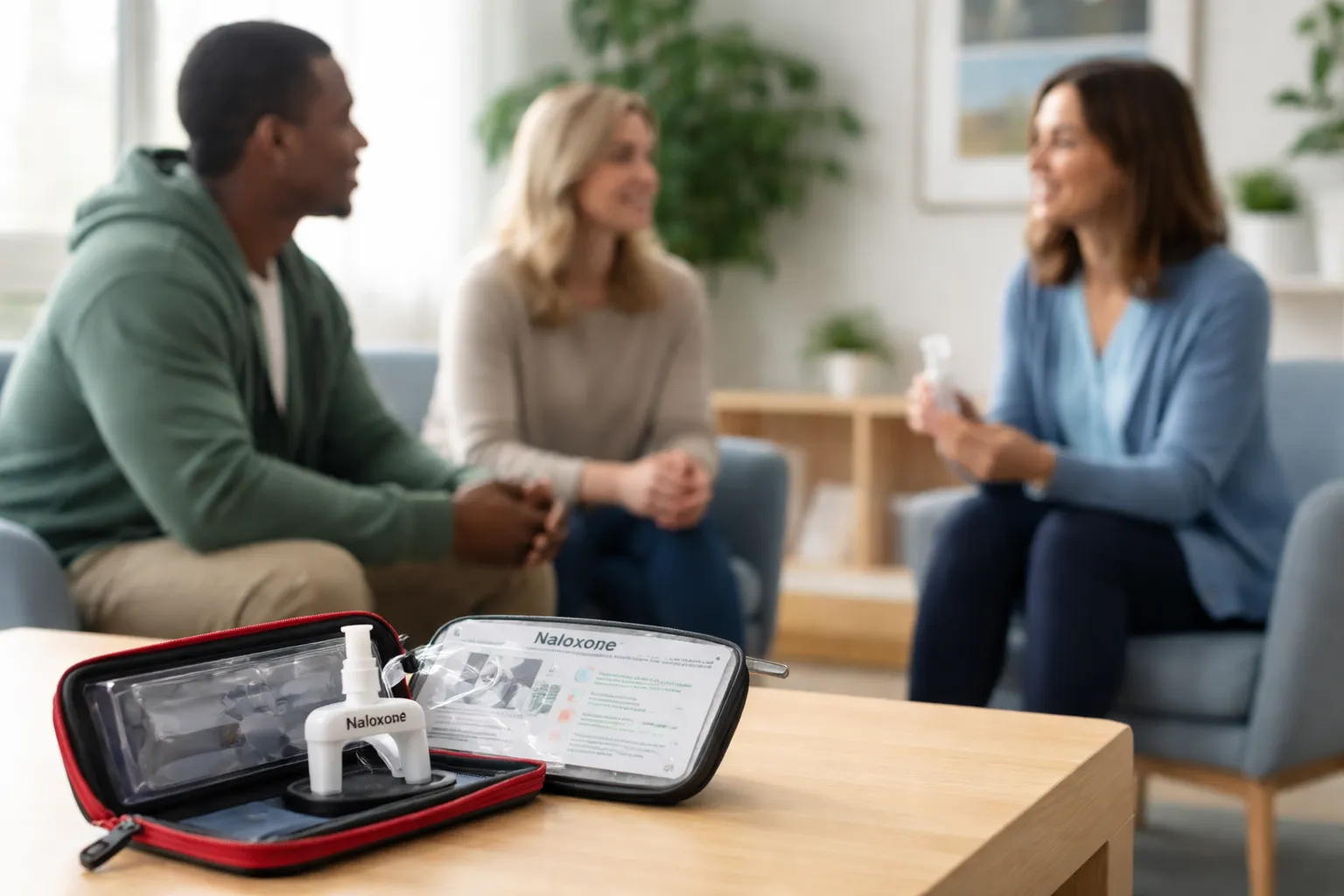
| Overdose signs (slow breathing, unresponsiveness) | Possible respiratory depression from opioids or sedative combinations | Call 911 and, if available, use naloxone for suspected opioid overdose |
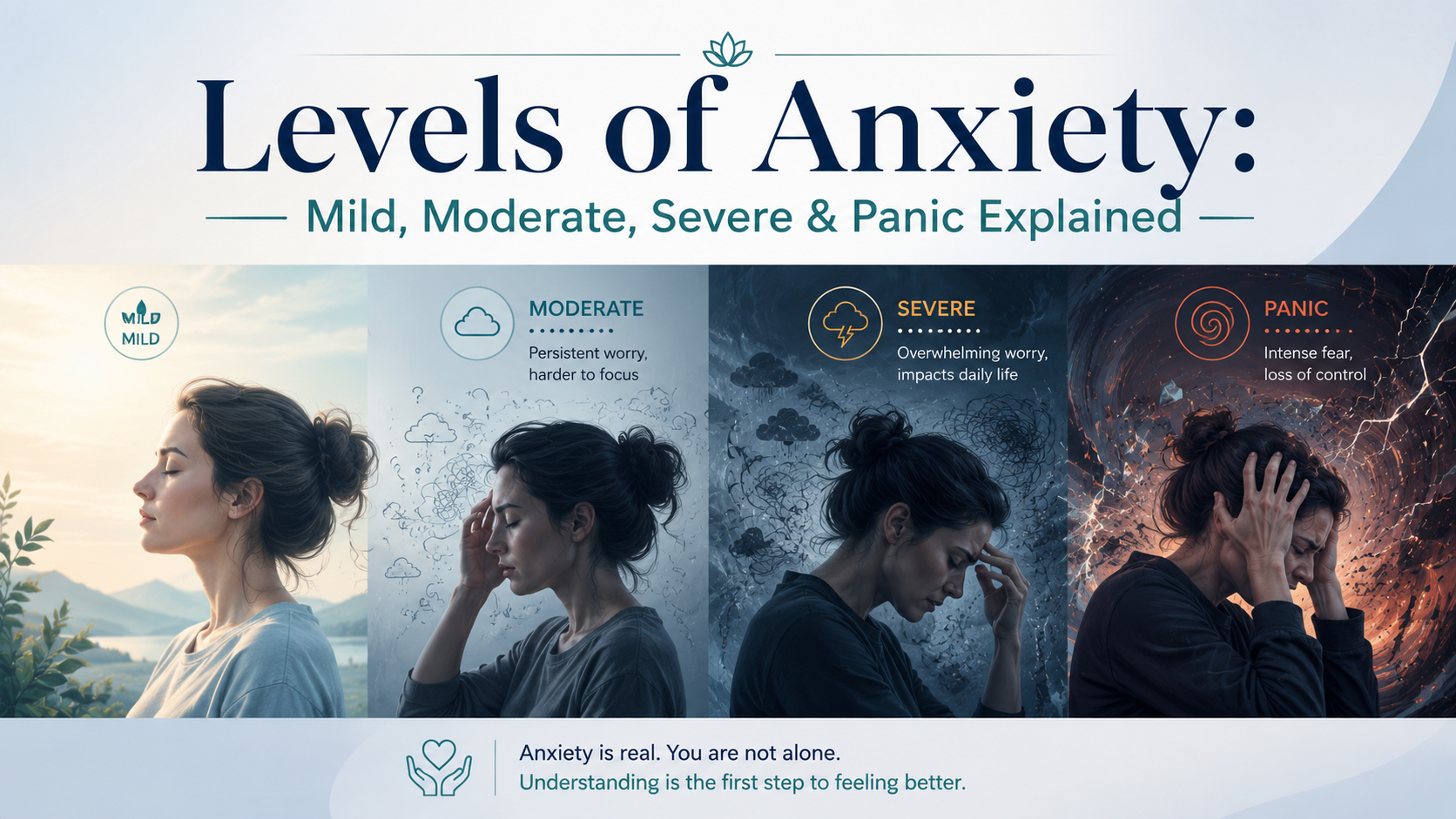
| Suicidal thoughts or severe panic | High immediate risk to life | Call 911 or call or text 988 right away |
How clinicians assess sleep problems in recovery
A clinician will ask about the pattern and timing of sleep problems, recent substance use (what, how much, how long), current medications, medical and mental health history, and safety concerns such as suicidal thinking or seizure risk. Standard tools such as the Pittsburgh Sleep Quality Index may be used, and clinicians may recommend actigraphy or a formal sleep study in selected cases. Assessment helps decide whether outpatient behavioral care is appropriate, or whether medical stabilization or specialized sleep or addiction services are needed. (datashare.nida.nih.gov)
Treatment approaches: what is safe and effective
Treatment usually combines behavioral strategies with careful, individualized medication choices when needed. Behavioral treatments are the first line for persistent insomnia and have strong evidence in adults, including people in recovery. Cognitive behavioral therapy for insomnia, known as CBT-I, targets the thoughts and habits that keep insomnia going and is effective without the dependence risks of many sleep drugs. The American Academy of Sleep Medicine recommends CBT-I as a primary treatment for chronic insomnia. (aasm.org)
The Substance Abuse and Mental Health Services Administration recommends screening for sleep problems in people in recovery and using behavioral approaches, sleep hygiene, and coordinated care between addiction and sleep specialists. Medications may be considered for short periods or specific situations, but they require careful risk benefit discussion when there is a history of substance misuse. Benzodiazepines and related sedative hypnotics have particular risks of dependence, misuse, and dangerous interactions, and the FDA has highlighted strong safety warnings about this drug class. Clinician supervision is essential for any sleep medication in recovery. (library.samhsa.gov)
Common nonpharmacologic supports
- Sleep hygiene: consistent wake and sleep times, limiting caffeine and nicotine late in the day, and keeping the bedroom cool, dark, and quiet. (cdc.gov)
- CBT-I delivered by a trained clinician or via validated digital programs when available. (aasm.org)
- Relaxation training, stimulus control (use bed only for sleep), and gradual sleep restriction when guided by a therapist.
- Treatment of coexisting mood or anxiety disorders, which commonly worsen sleep.
- Addressing medical contributors such as sleep apnea, restless legs, pain, or thyroid disease with appropriate specialists.
Medication options and cautions
Some medications may help short term, for example when insomnia is severe and threatens safety or treatment engagement. However, choices must be individualized, and a qualified prescriber should weigh the risks and benefits. In people with opioid use disorder, insomnia symptoms are common and have been associated with worse treatment outcomes in research, so clinicians often coordinate insomnia care with addiction treatment teams. Avoid benzodiazepines or combining sedatives with opioids when possible because of overdose and dependence risks. (pmc.ncbi.nlm.nih.gov)
A practical comparison: behavioral support versus medication
| Approach | Typical benefits | Typical drawbacks | When clinicians choose it |
|---|---|---|---|
| CBT-I and sleep hygiene | Durable improvement, no addiction risk, addresses underlying behaviors | Requires time, appointments, or a guided program | First line for chronic insomnia in recovery, suitable for most outpatients. (aasm.org) |
| Short term medication (nonbenzodiazepine or sedating antidepressant) | Faster symptom relief, can aid engagement with therapy | Potential side effects, some dependence risk, interactions with other meds or substances | Used when insomnia is severe, when behavioral measures have not worked, or during high relapse risk, under close supervision. (library.samhsa.gov) |
| Benzodiazepines or long term sedatives | May reduce acute anxiety and insomnia quickly | High risk of dependence, misuse, withdrawal, and dangerous interactions with opioids | Rarely used in recovery; only in tightly controlled, short term situations with careful monitoring. (fda.gov) |
Practical self help steps you can try now
- Keep a sleep log for 1 to 2 weeks: track bed and wake times, naps, caffeine, and nighttime awakenings; bring it to appointments.
- Set a consistent wake time and avoid sleeping in, even after a bad night.
- Avoid heavy meals, alcohol, and nicotine close to bedtime; limit caffeine after midday. (cdc.gov)
- Try a wind down routine: gentle stretching, warm shower, low light, and relaxation breathing for 20 to 30 minutes before bed.
- Use your bed for sleep and sex only, avoiding screens and work in bed.
- Connect with recovery supports and discuss sleep problems with your addiction treatment team-sleep problems are common and treatable when addressed together with recovery planning. (library.samhsa.gov)
Frequently asked questions
How long will sleep problems last after I stop using?
There is no single answer. Some people see improvement in days to weeks, while others have insomnia or disturbed sleep for months. The timeline depends on the substance used, duration and amount of use, coexisting medical and mental health issues, and treatment received. Good behavioral care accelerates recovery of sleep for many people. (pmc.ncbi.nlm.nih.gov)
Can I take over the counter sleep aids?
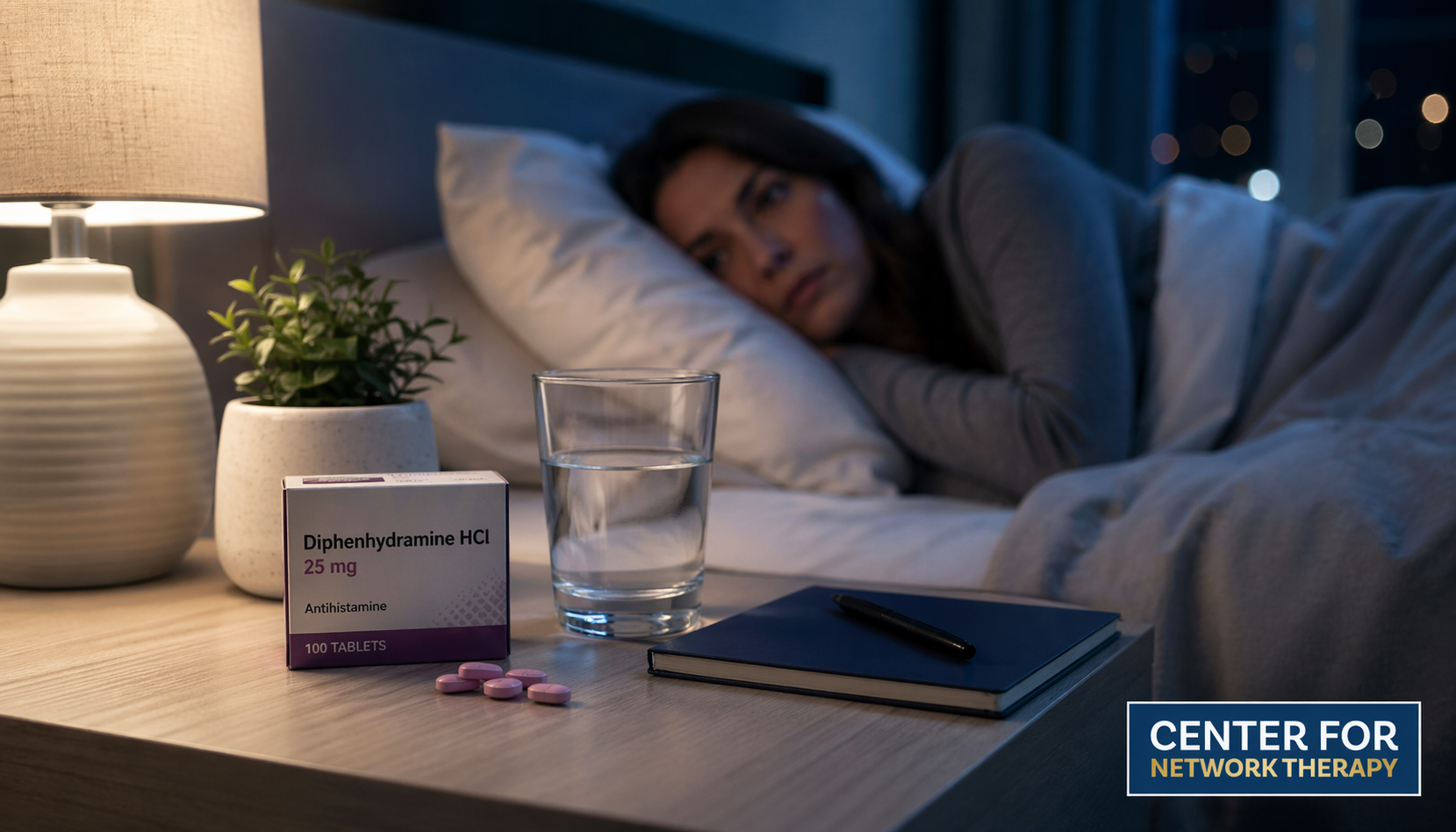
Over the counter options such as antihistamines may cause daytime drowsiness and are not ideal for ongoing use, and they do not treat the underlying causes. Always check with your clinician before taking any sleep medication, because of interactions with other medicines and with recent substance use.
Will sleeping pills cause relapse?
Some prescription sleep medicines can be misused or lead to dependence, so clinicians prefer behavioral treatments and use medications cautiously. Benzodiazepines carry a higher risk, particularly in people with a history of misuse, and should generally be avoided in recovery unless there is a compelling, closely supervised reason. (fda.gov)
Sources and further reading
- SAMHSA: Treating Sleep Problems of People in Recovery From Substance Use Disorders. (library.samhsa.gov)
- Systematic review: Sleep alterations in substance use disorders. (pmc.ncbi.nlm.nih.gov)
- Study: Sleep and substance use disorder treatment in an intensive outpatient program. (pmc.ncbi.nlm.nih.gov)
- CDC: About Sleep, basics and sleep hygiene. (cdc.gov)
- FDA: Safety information and boxed warning updates for benzodiazepines. (fda.gov)
- MedlinePlus: Insomnia and sleep disorders overview. (medlineplus.gov)
Compassionate next steps
If you or a loved one is struggling with sleep problems in early recovery, reach out for an evaluation. A clinician can assess withdrawal risk, coexisting conditions, and medication interactions, and recommend a tailored plan such as CBT-I, short term medication where appropriate, or a higher level of care. If you are in New Jersey and would like to explore outpatient options, see our treatment programs for therapies and services, our locations across the state, or contact us to request a confidential assessment and speak with the admissions team. These conversations are private and meant to help find safe, appropriate next steps.
Note: this article provides general education and does not replace individual medical advice. Placement and medication decisions require assessment by a qualified clinician. In a medical emergency call 911. For a mental health or suicide crisis in the United States, call or text 988.