Short introduction: Stopping stimulants such as methamphetamine or cocaine can produce a range of physical and emotional withdrawal symptoms. This page explains what to watch for, how withdrawal is managed, and how to find treatment and safety supports in New Jersey. This is general information, not individualized medical advice.
Table of Contents
ToggleCommon symptoms of stimulant withdrawal
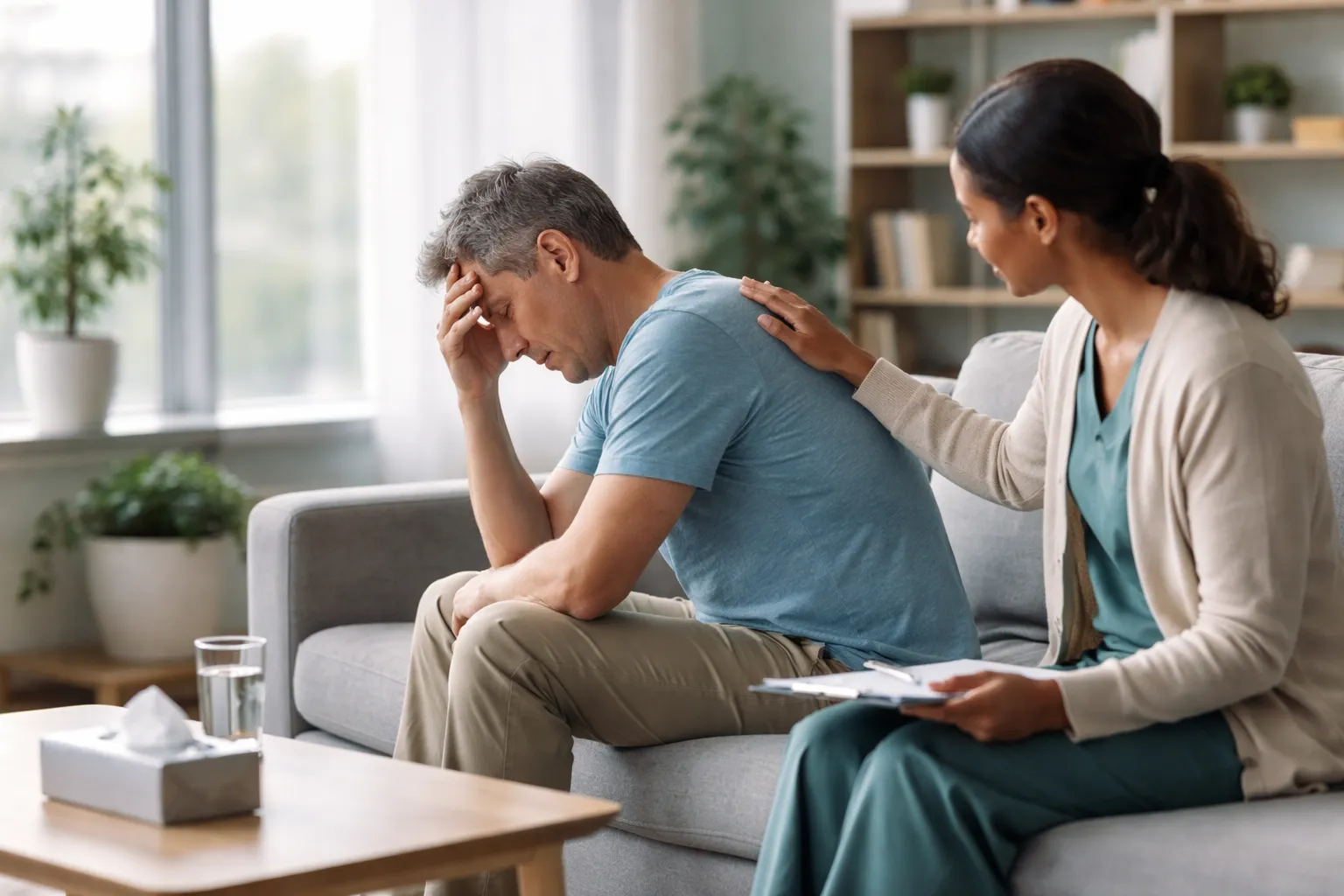
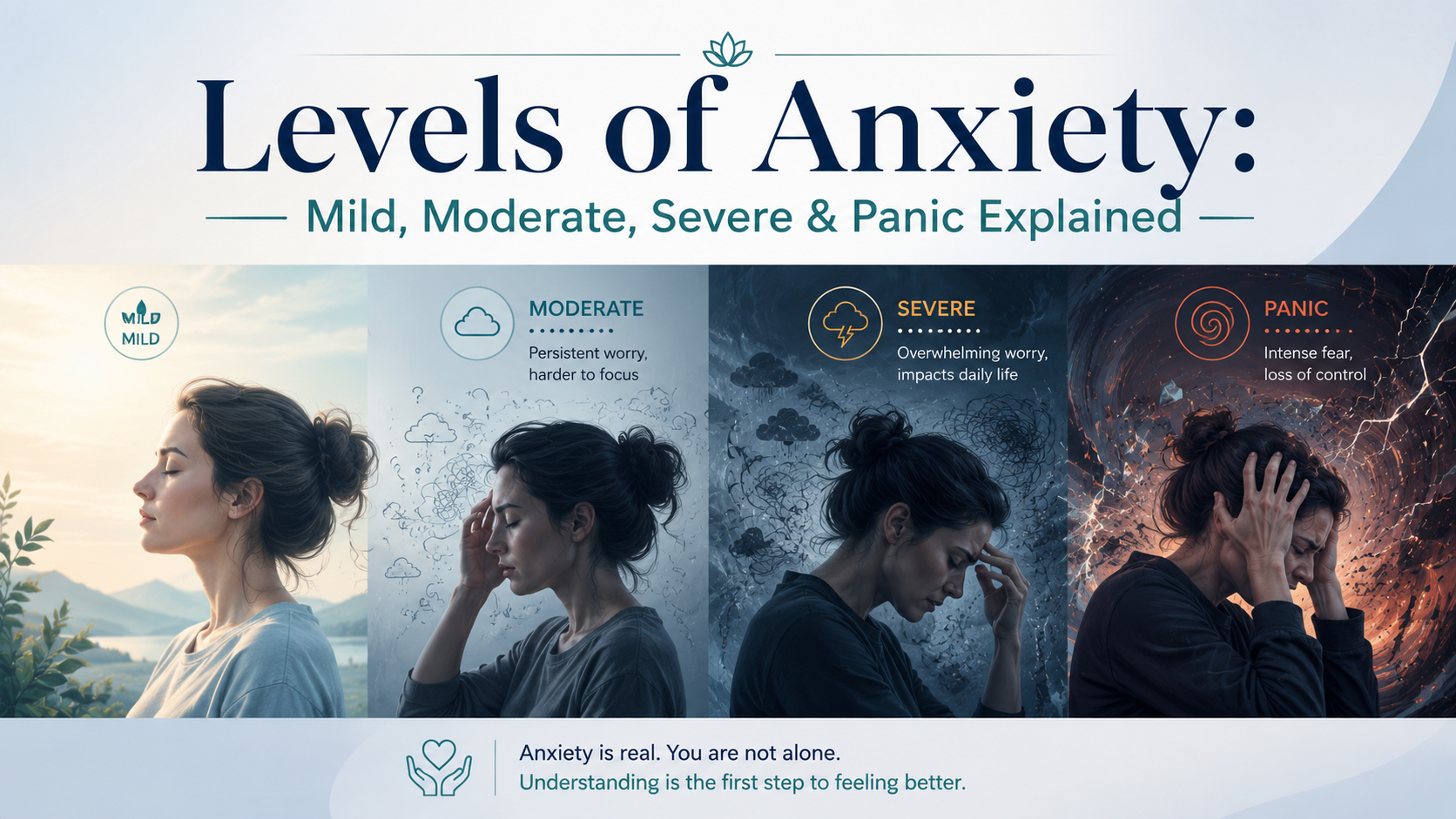
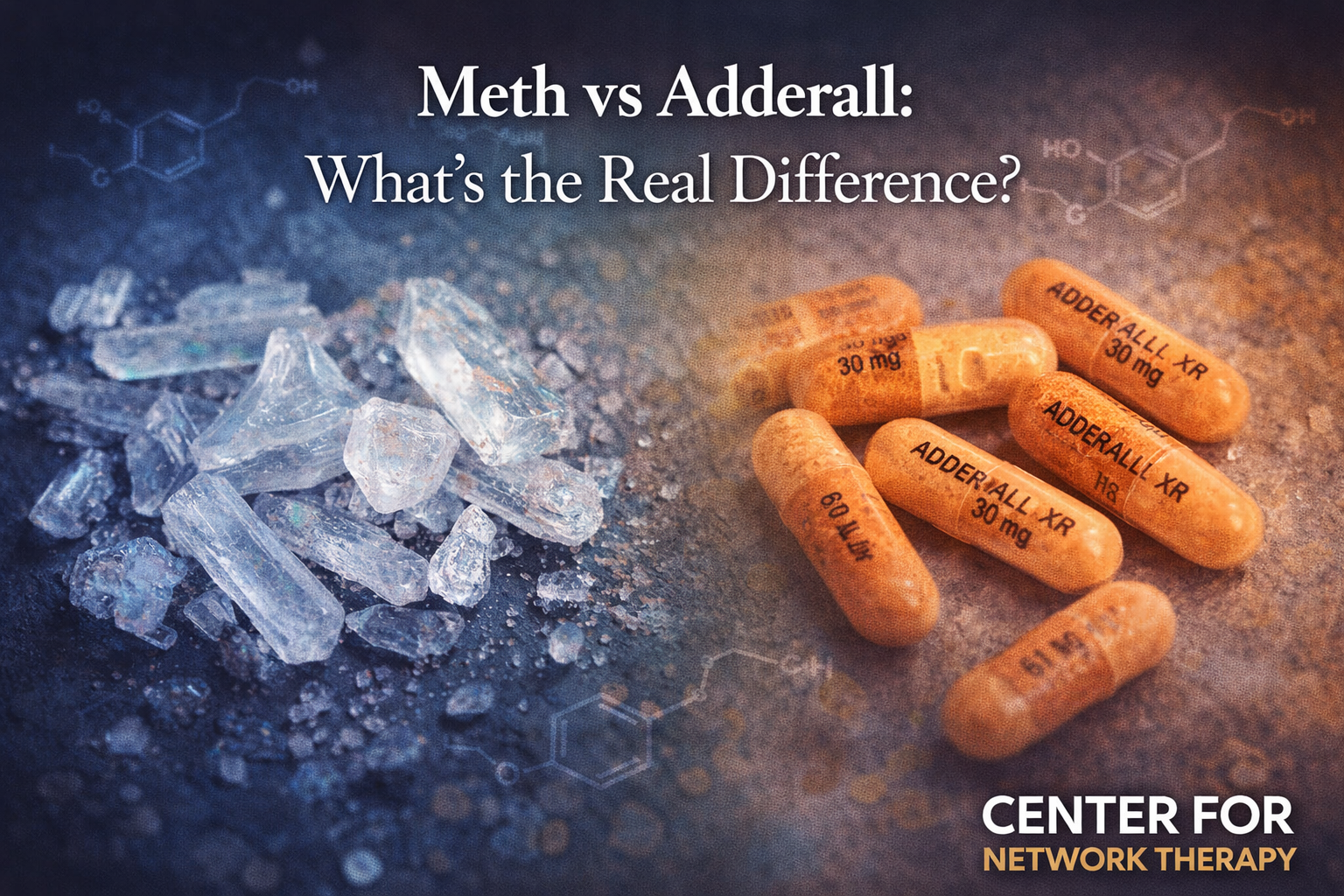
People who stop using stimulants commonly report a mix of emotional and physical symptoms. Typical symptoms include low mood or depression, anxiety, fatigue or exhaustion, increased sleep or insomnia, strong drug cravings, increased appetite, and slowed movement or lack of motivation. Symptoms often begin within hours to a day after last use, peak in the first 2 to 3 days, and can last for about one to two weeks in the acute phase, though some emotional symptoms may persist longer.
Sources describing typical timing and symptoms include federal clinical summaries and public health reviews. (irp.cdn-website.com)
Severe or dangerous signs to watch for
- Severe depression, suicidal thoughts, or self harm risk.
- Marked agitation, confusion, or disorientation.
- New or worsening medical problems such as chest pain, difficulty breathing, severe headache, seizure, or very high fever.
If any of these occur, call 911 immediately.
When to seek medical or behavioral care
Anyone stopping stimulants who has significant psychiatric symptoms, prior suicide attempts, medical problems, or unstable housing should be evaluated promptly by a clinician. Even if symptoms seem mild, strong cravings and low mood increase relapse risk and may make early treatment helpful.
The U.S. clinical guidance and reviews note that withdrawal can increase risk of harm to self or others, so early clinical assessment is recommended. Treatment placement and the need for medications should be determined by a qualified clinician after evaluation. (govinfo.gov)
How stimulant withdrawal is managed
There is no single FDA approved medication specifically for stimulant withdrawal. Care is usually supportive and symptom targeted. That means clinicians focus on safety, treating sleep disturbance, anxiety, severe agitation, or coexisting medical conditions, and providing psychological supports such as counseling and coping skills training.
Clinical guidance panels and systematic reviews emphasize supportive care and behavioral treatments, and they report mixed or limited evidence for medications to reduce withdrawal intensity. Medication may be used to relieve specific symptoms, under clinician supervision. (pmc.ncbi.nlm.nih.gov)
Typical components of care
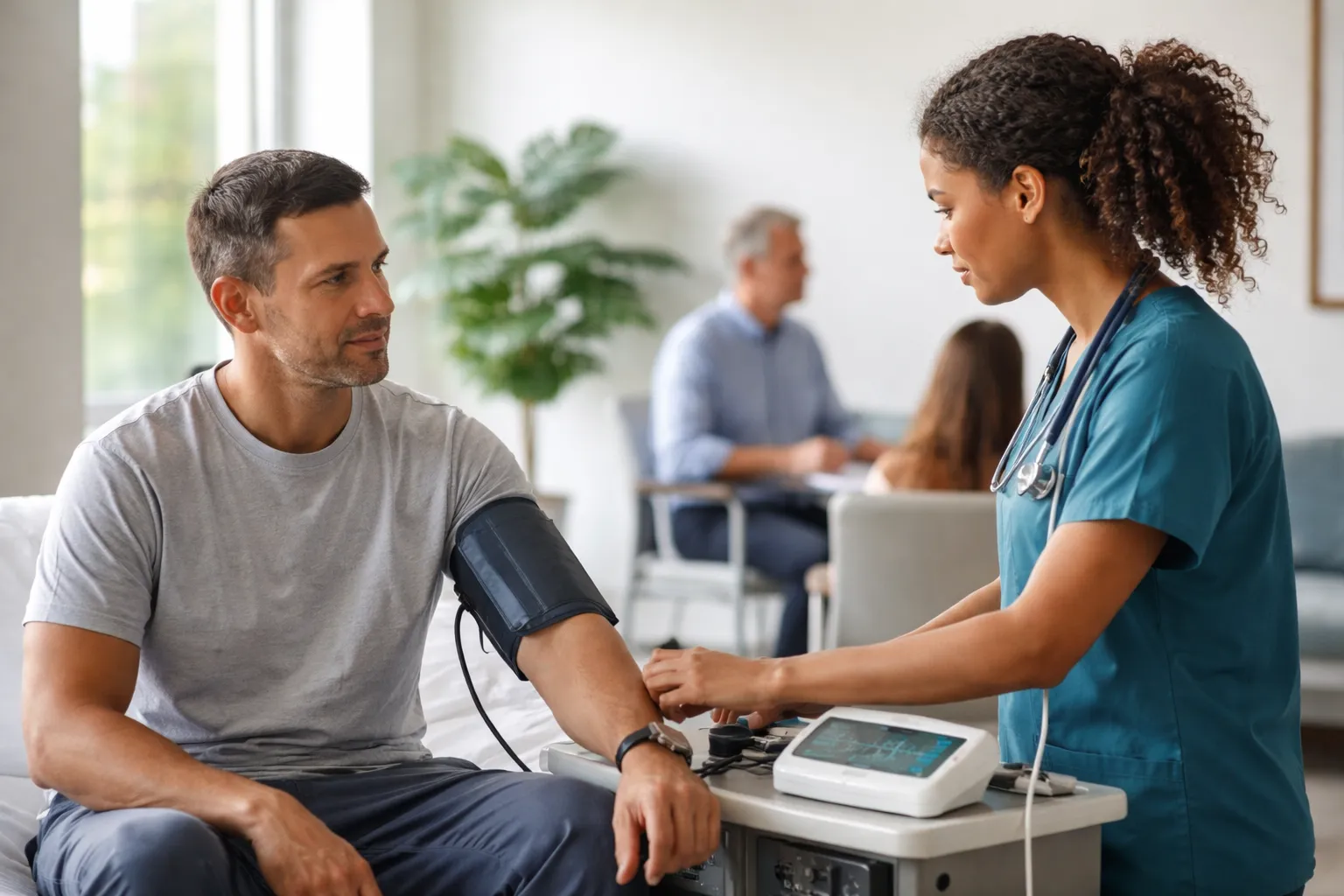
- Initial medical and psychiatric assessment, including screening for suicidality and withdrawal complications.
- Symptom-based medications when appropriate (for example short-term medicines to help sleep or treat severe anxiety), prescribed by a clinician.
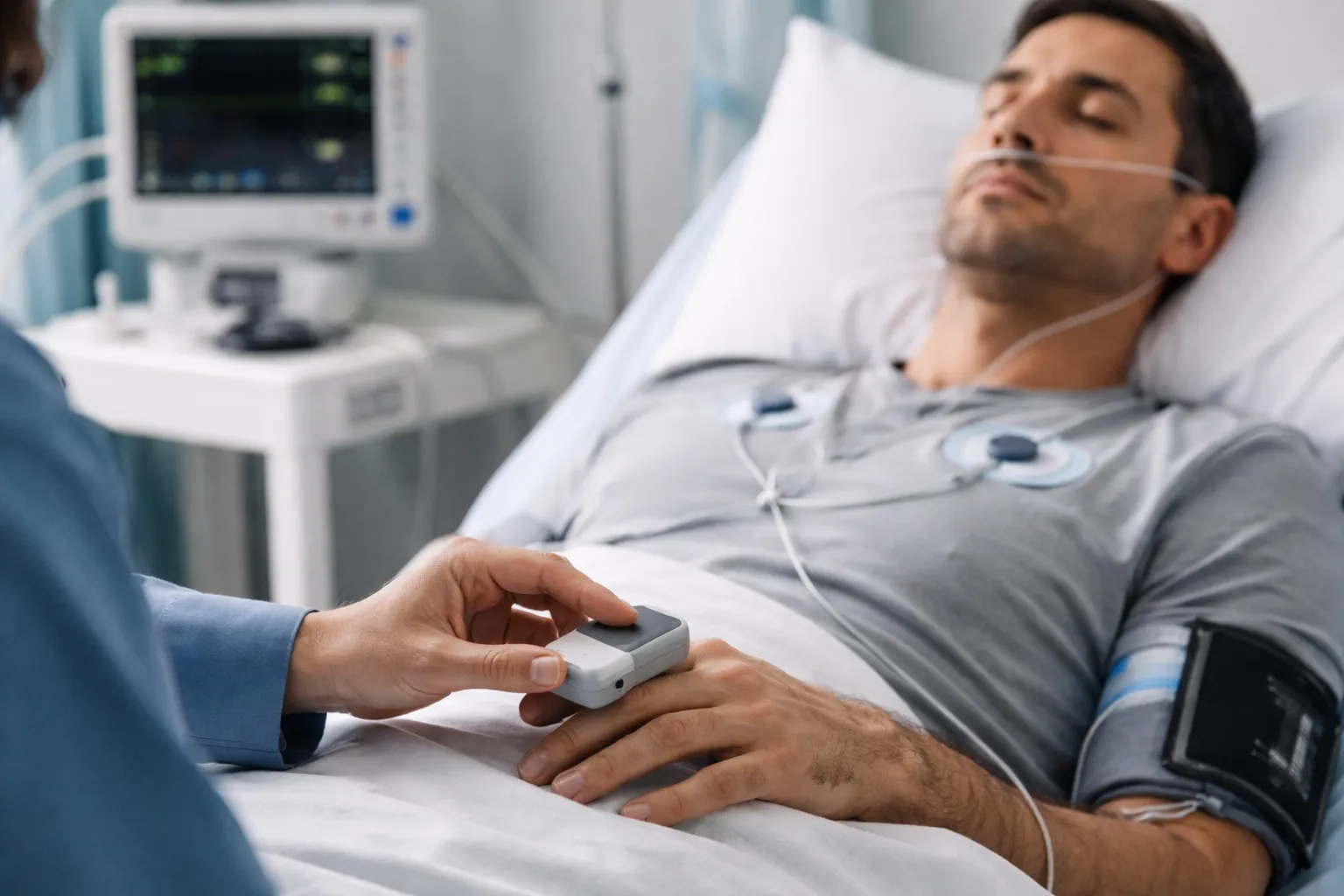
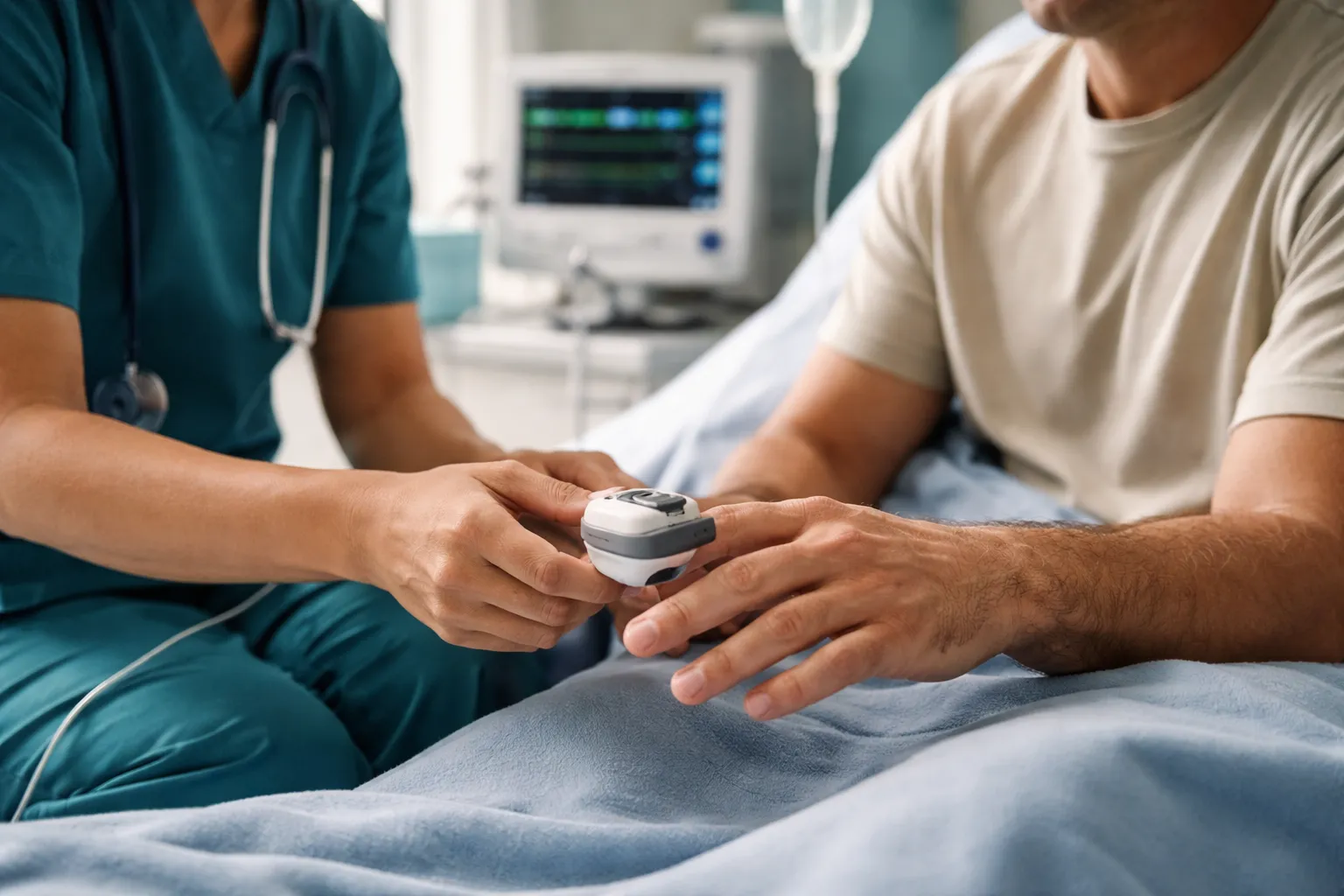
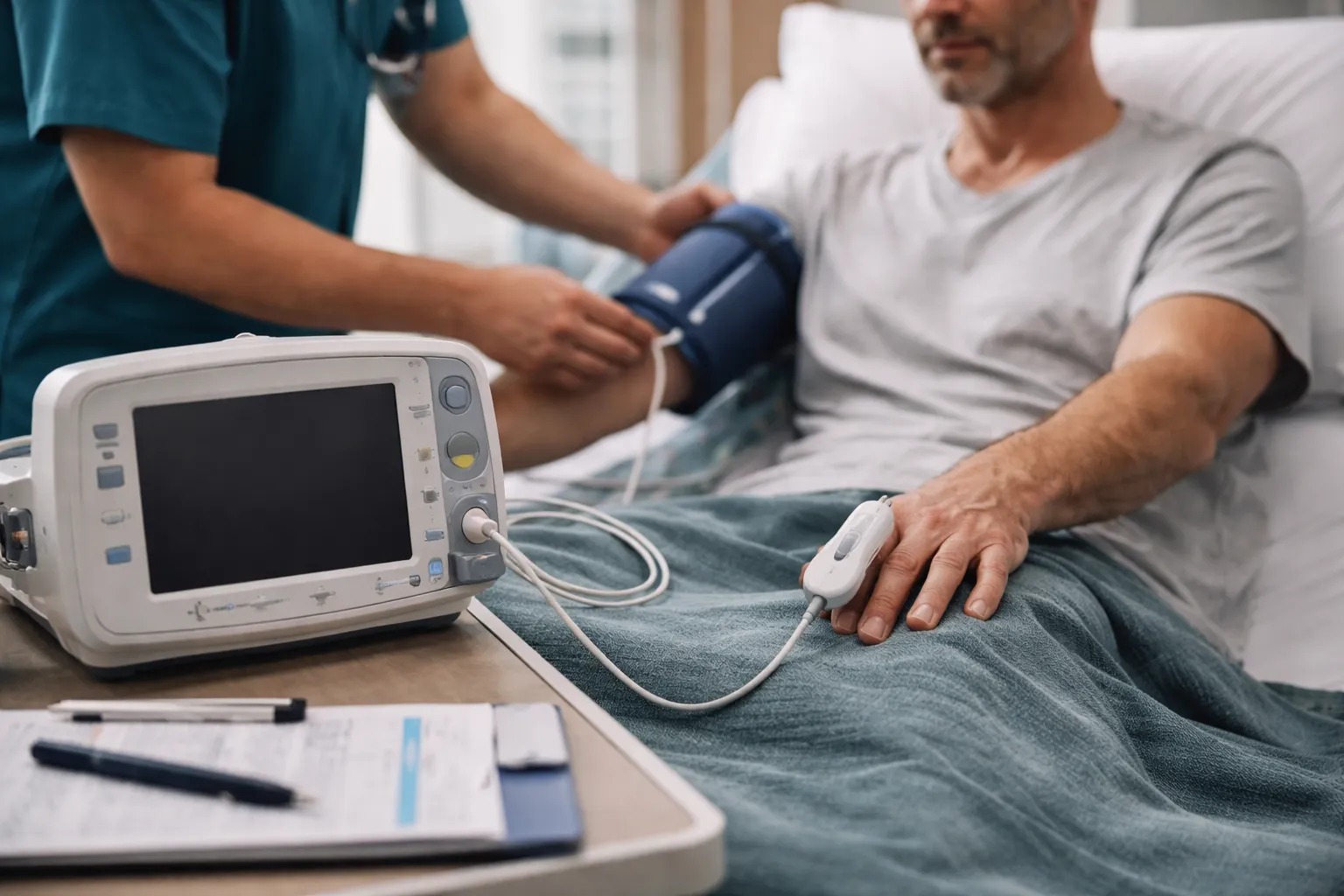
- Monitoring for medical problems and safe access to food, rest, and a calm environment.
- Engagement in outpatient counseling or structured behavioral therapies focused on stimulant use disorder.
Outpatient versus inpatient: a concise comparison
| Setting | When it may be appropriate | Typical services | Limitations |
|---|---|---|---|
| Outpatient detox and treatment | Mild to moderate withdrawal, stable medical status, strong social supports, low suicide risk | Medical evaluation, symptom management medication as needed, counseling, group therapy, medication management visits | Less supervision for severe medical or psychiatric complications, requires reliable follow-up |
| Inpatient or residential care | Severe withdrawal, co-occurring medical or psychiatric illnesses, homelessness, high suicide risk | 24-hour medical and nursing care, emergent psychiatric care, structured therapy, medication management | More resource intensive, may require prior authorization or longer wait times |
Decisions about setting should be individualized and made by a qualified clinician. Formal guidance recommends evaluation of suicide risk and co-occurring disorders when choosing the appropriate level of care. (govinfo.gov)
Safety callout
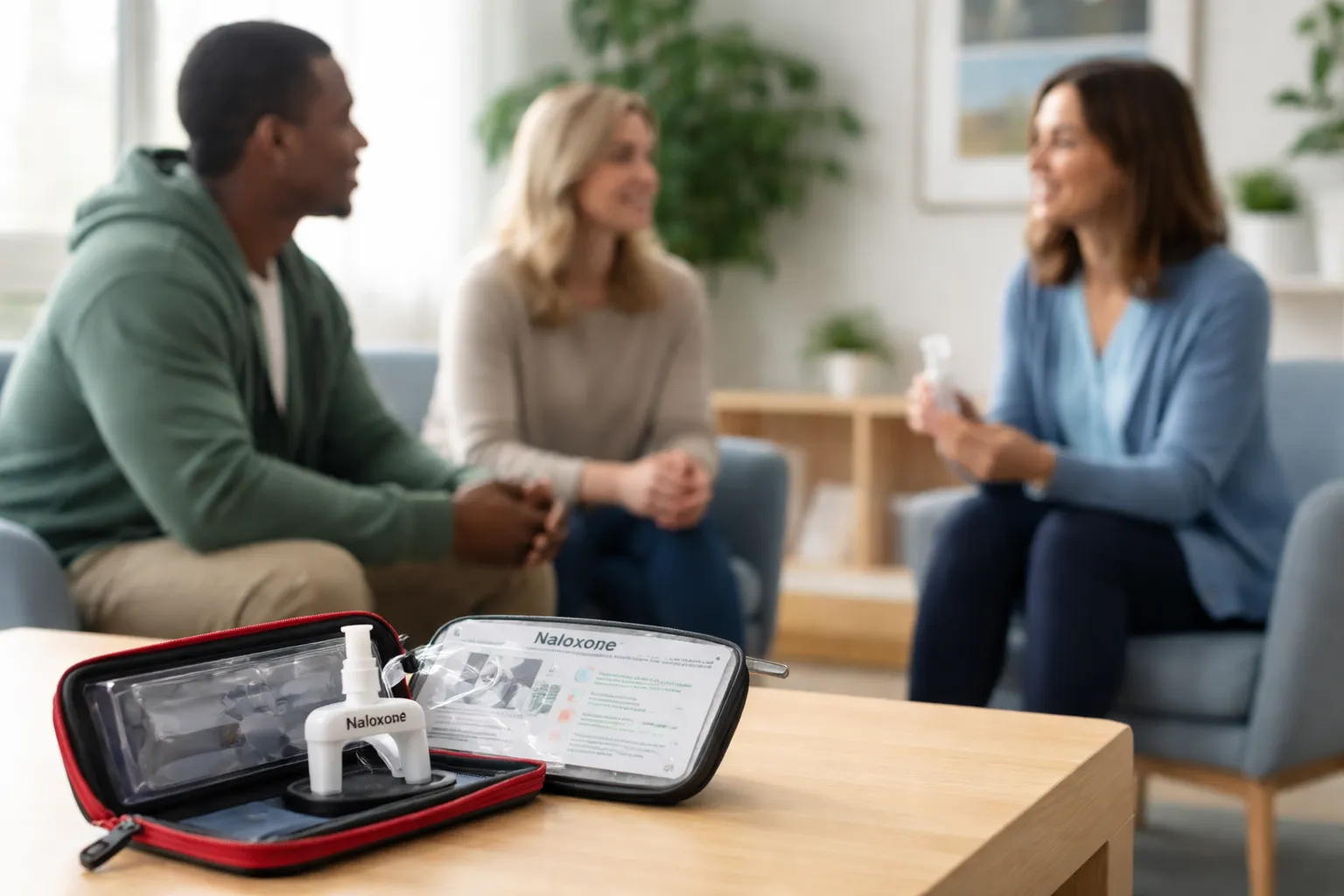
Emergency and crisis resources: If someone is having a life threatening medical emergency, call 911. If someone is thinking about suicide or is in a mental health crisis, call or text 988 in the United States for 24/7 support. If you are in New Jersey and need help finding treatment, the State of New Jersey operates ReachNJ, a 24/7 helpline that connects callers to local treatment options and supports. (nj.gov)
Frequently asked questions
Is stimulant withdrawal dangerous?
Most stimulant withdrawal is not directly life threatening, but it can cause severe depression or suicidal ideation, and it can unmask other medical or psychiatric conditions. That is why clinical assessment is important. (irp.cdn-website.com)
Are there medicines that stop withdrawal?
There is no definitive medication approved to eliminate stimulant withdrawal. Some medications may help specific symptoms like insomnia or severe anxiety, and some pharmacotherapies show promise for reducing ongoing stimulant use, but evidence is mixed and a clinician must decide on a case by case basis. (pmc.ncbi.nlm.nih.gov)
Can I do detox at home?
Some people with mild symptoms and stable supports complete withdrawal with outpatient follow-up and counseling. However, if there is a history of severe depression, suicidal thoughts, medical complications, or other substance use, supervised care is safer. Speak with a clinician to decide on the right plan.
Practical next steps in New Jersey
- If you are in immediate danger or have a medical emergency, call 911 now.
- If you or a loved one are thinking about self harm, call or text 988 for immediate crisis support.
- For help finding local treatment, New Jersey offers ReachNJ and treatment directories through state human services and DMHAS. These resources can connect you to licensed programs and peer supports. (nj.gov)
- To learn about the common services offered by outpatient programs, see information on available treatments and check locations at locations. To request an appointment or ask about a confidential assessment, use contact us.
Remember, placement and medication choices require a clinical assessment. A qualified clinician will consider medical history, current symptoms, co-occurring psychiatric diagnoses, social supports, and safety when recommending outpatient or higher levels of care.
Sources
- Substance Abuse and Mental Health Services Administration (SAMHSA) – treatment guidance and TIPs for stimulant use disorders. (govinfo.gov)
- ASAM and AAAP clinical guideline on management of stimulant use disorder. (pmc.ncbi.nlm.nih.gov)
- National Institute on Drug Abuse (NIDA) – methamphetamine information and withdrawal overview. (irp.cdn-website.com)
- Centers for Disease Control and Prevention – stimulant overdose and harms overview. (cdc.gov)
- Systematic review of pharmacological treatments for methamphetamine withdrawal. (pmc.ncbi.nlm.nih.gov)
- ReachNJ and New Jersey Division of Mental Health and Addiction Services – state resources and treatment directory. (nj.gov)
Final note and invitation
This article provides general education about stimulant withdrawal and treatment options in New Jersey. It is not individualized medical advice. If you would like help evaluating options, you can request a confidential assessment or speak with an admissions specialist to discuss next steps and available services. There is no pressure, only information and support.