Introduction
Peer support, sometimes called recovery coaching or peer recovery support services, uses people with lived experience of substance use and recovery to provide nonclinical guidance, encouragement, and practical help. When added to medical and behavioral treatment, peer support can increase engagement, link people to community resources, and provide everyday strategies that matter outside clinic hours. This article explains what peer support does, what the evidence shows, how it fits with clinical care, and how to choose programs in New Jersey.
Table of Contents
ToggleWhat is peer support in addiction treatment?
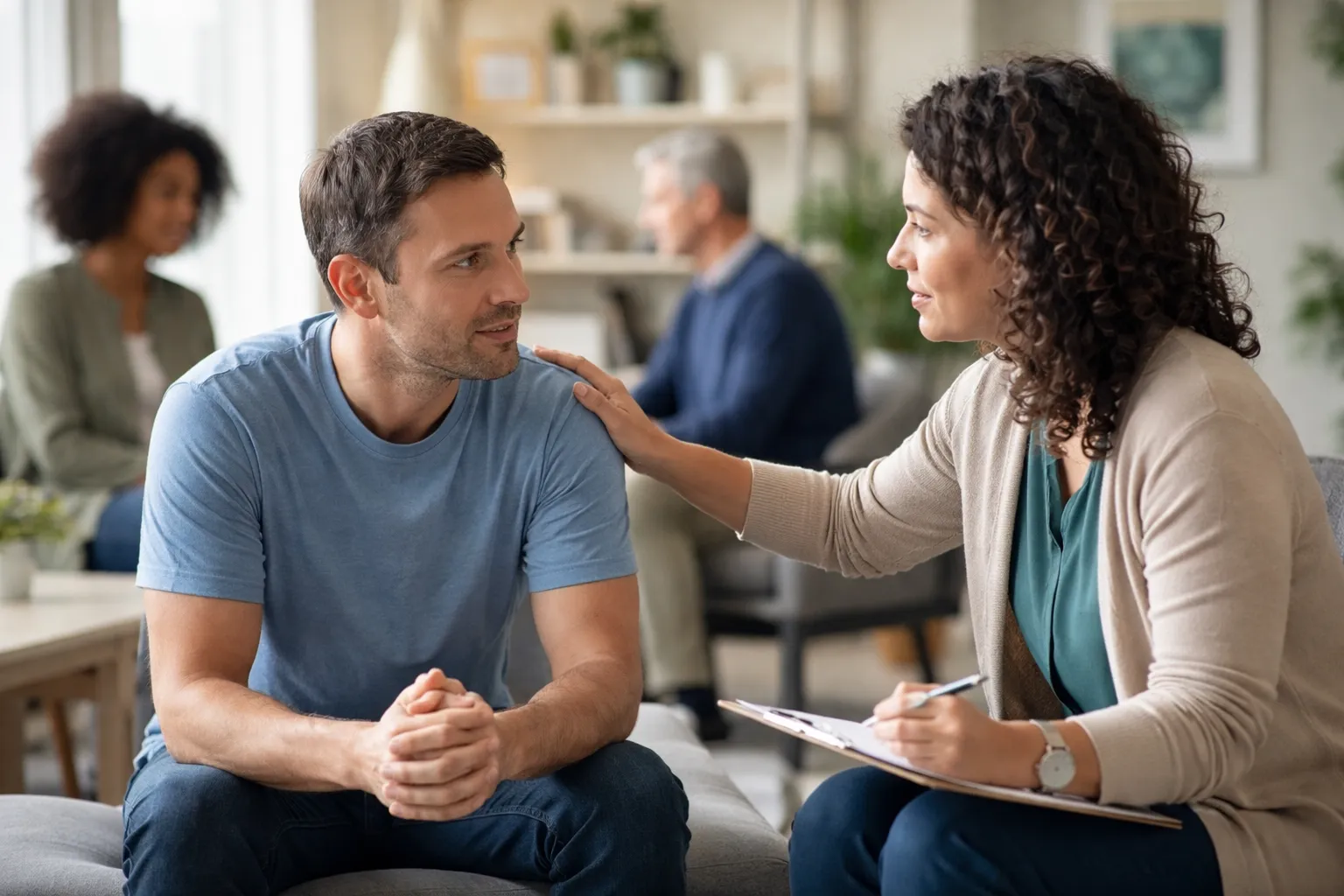
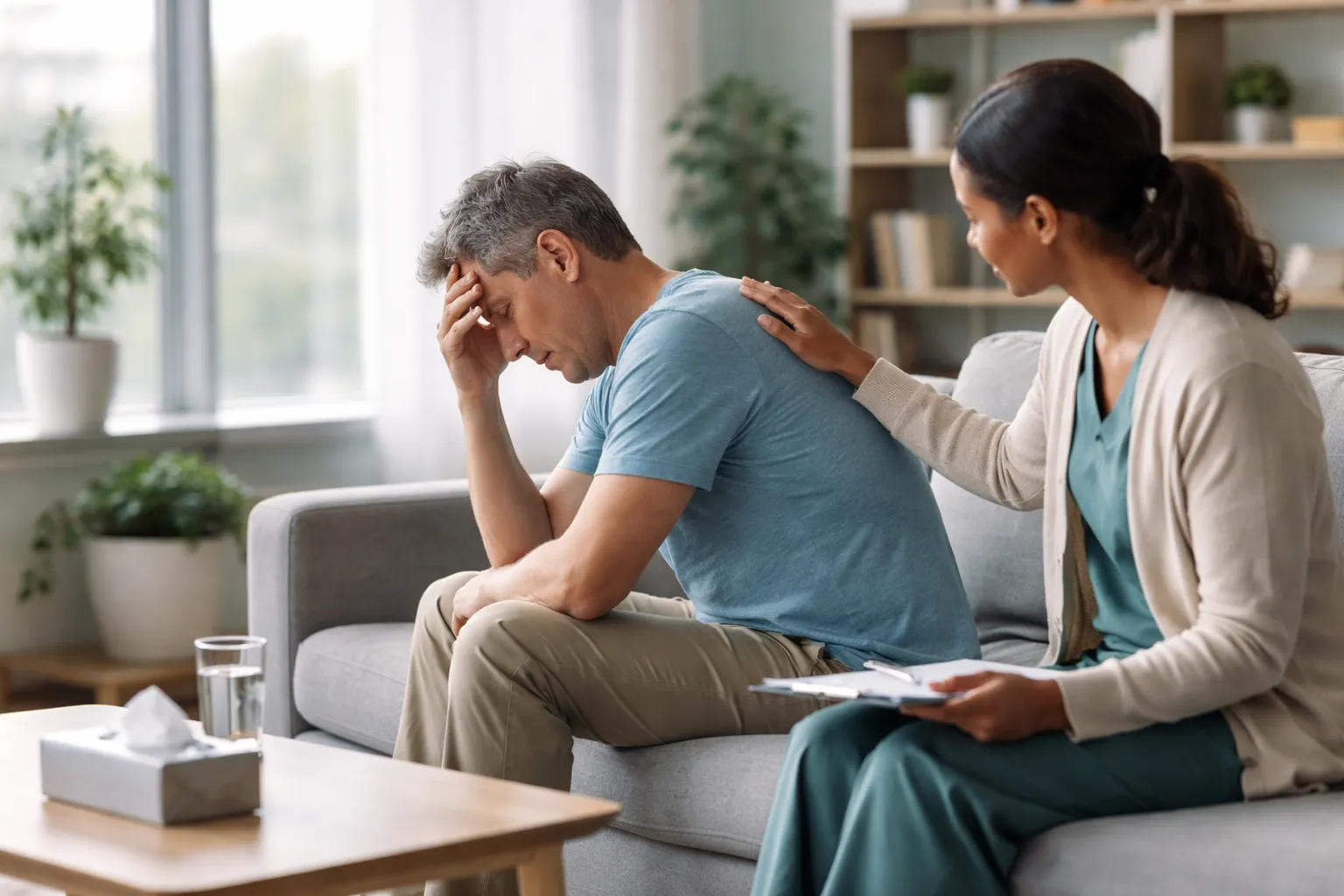
Peer support addiction recovery services are delivered by trained individuals who have personal experience with substance use and recovery. They offer strengths-based, nonjudgmental assistance such as help finding services, modeling recovery skills, crisis de-escalation, advocacy, and emotional support. Peer roles are intentionally nonclinical: peers do not diagnose, prescribe medications, or provide formal psychotherapy, but they often work alongside clinicians as part of a coordinated care team. For a national overview of peer support roles and competencies, see the Substance Abuse and Mental Health Services Administration (SAMHSA) guidance on peer workers.
What the research and public health agencies say
Research has expanded quickly in recent years. Systematic reviews find that peer recovery support services are associated with improved treatment engagement, higher rates of service use, and benefits for personal recovery measures like hope and social connectedness. Evidence for large, consistent effects on clinical outcomes such as long-term abstinence is mixed, and study designs vary. SAMHSA and recent academic reviews describe peer services as a valuable complement to clinical care while noting more rigorous research is still needed.
For summaries of the evidence and implementation guidance, review the SAMHSA resources and recent systematic reviews of peer recovery support services.
- SAMHSA on peer support workers
- Systematic review: peer recovery support services and recovery coaching
- Meta-analysis on peer support and recovery outcomes
How peer support complements clinical care
Peers fill gaps that clinic visits alone often cannot. Typical ways peer support complements clinical treatment include:
- Engagement and retention, by helping people enter and stay connected to treatment and follow-up appointments.
- Navigation, by helping with transportation, insurance paperwork, housing referrals, and linkages to community resources.
- Modeling and coaching, by sharing practical recovery strategies and coping skills grounded in lived experience.
- Immediate nonclinical support, including outreach after discharge or an overdose, and encouragement during setbacks.
- Collaboration with care teams, communicating barriers and goals to clinicians while respecting confidentiality boundaries.
These roles are described in SAMHSA implementation guidance and reflected in state programs, including New Jersey’s peer training and certification pathways.
New Jersey DMHAS: Peer recovery and related programs
When peer support is especially helpful
- Leaving inpatient detox, to reduce gaps that can lead to relapse.
- Starting or staying on medications for opioid use disorder, because peers can provide reminders, encouragement, and help navigate pharmacies and clinics.
- Managing social needs such as housing, employment, and benefits that affect recovery.
- People who are new to treatment or distrust formal systems may accept help more readily from peers with lived experience.
What peer support cannot do
Peer support is not a substitute for clinical assessment, medication management, or treatment of medical or psychiatric emergencies. Peers should not make independent medication decisions, prescribe, or provide psychotherapy beyond their training. Placement decisions, medication choices, and the management of severe withdrawal, seizures, psychosis, pregnancy-related care, or overdose all require assessment and treatment by qualified clinicians.
If you are in immediate medical danger call 911. For mental health or suicide crisis help call or text 988.
| Service | Typical provider | What it helps most |
|---|---|---|
| Clinical assessment and diagnosis | Physician, psychiatrist, nurse practitioner, licensed clinician | Medication decisions, medical risk, formal diagnosis |
| Medication for opioid use disorder (MOUD) | Physician, nurse practitioner, clinic | Reduce opioid craving and overdose risk |
| Behavioral therapy | Licensed therapist, counselor | Treat co-occurring mental health conditions and teach skills |
| Peer support | Trained peer recovery specialist, recovery coach | Engagement, navigation, lived-experience coaching, ongoing social support |
Choosing a peer program or peer worker
When evaluating peer support services, consider these practical points:
- Training and certification: In New Jersey, peers commonly complete DMHAS-approved trainings and may hold credentials such as the Certified Peer Recovery Specialist. Training and supervision standards vary by program. See New Jersey DMHAS resources for local training pathways. NJ DMHAS peer programs
- Role and boundaries: Ask how the peer will work with your clinical team, confidentiality practices, and what the peer can and cannot do.
- Availability: Ask whether peers provide outreach, phone check-ins, or accompany clients to appointments.
- Integration with care: Programs that integrate peers into a medical-behavioral team can provide better coordination than isolated services.
Safety considerations and high-risk situations
Peer support is valuable, but certain situations require urgent professional care. Seek immediate medical attention for:
- Severe withdrawal symptoms such as seizures, high fever, severe vomiting, or confusion.
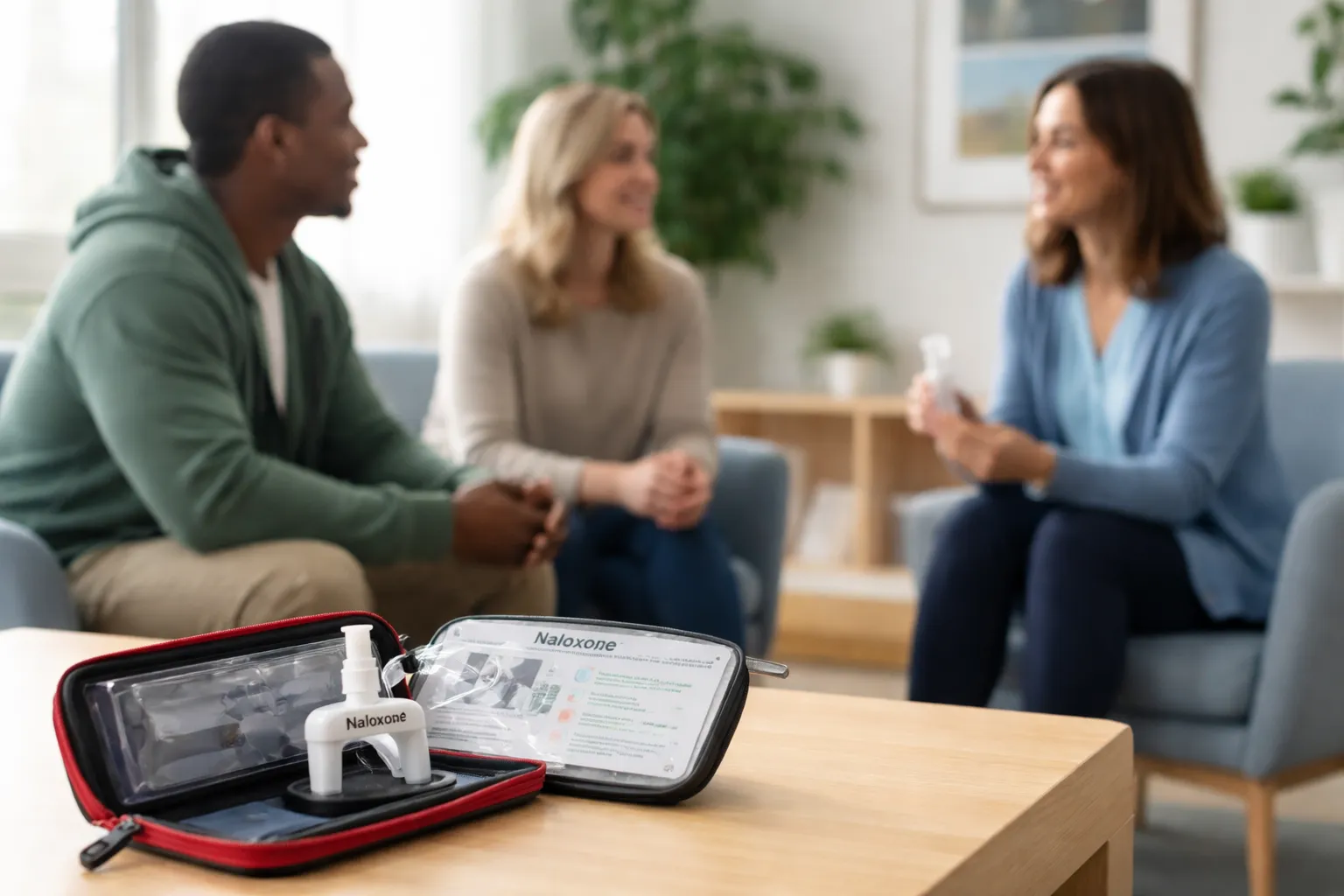
- Active overdose signs, including unresponsiveness, slow or absent breathing, blue lips or face. If you suspect an overdose give naloxone if available and call 911 right away. For official guidance on overdose response and naloxone, see the Centers for Disease Control page on overdose response.
- Serious mental health crises, suicidal thoughts, or acute psychosis. Call or text 988 for immediate mental health or suicide crisis support.
Emergency contacts: Call 911 for medical emergencies. Call or text 988 for a mental health or suicide crisis.
CDC: What to do if you think someone is overdosing
Practical tips for patients and families
- Ask whether peer support is offered as part of a coordinated treatment plan, and whether peers communicate with clinicians with your permission.
- Discuss privacy and consent, particularly when peers share details with the treatment team.
- Use peer support to help with concrete tasks: appointment reminders, transportation planning, help applying for benefits, and linkage back to care after discharge.
- Remember that setbacks are common. Peers are trained to offer support through relapse without judgment and to help reconnect to treatment.
Frequently asked questions
Will a peer worker provide medical treatment?
No. Peers provide nonclinical support and coaching. Medical treatment, medication decisions, and diagnosis are the responsibility of clinicians.
Are peer workers professionally trained?
Many are. In New Jersey peers often complete DMHAS-endorsed trainings and may pursue state or national certification. Ask any program about the peer role, training, and supervision.
Can peer support reduce overdose risk?
Peer support can improve linkage to treatment, encourage use of medications for opioid use disorder, and help people access naloxone. These activities can reduce overdose risk when combined with clinical care. See CDC guidance on overdose response for specific instructions.
Decision table: who to contact first
| Situation | First contact | Why |
|---|---|---|
| Medical emergency, overdose | Call 911 | Immediate lifesaving care needed |
| Suicidal thoughts or severe mental health crisis | Call or text 988 | 988 connects to trained crisis counselors |
| Need to start medication for opioid use disorder | Contact an addiction clinician or program | Prescribing and medical monitoring are required |
| Need everyday support, navigation, or encouragement | Ask your treatment provider about peer recovery support | Peers help with engagement, appointments, and practical barriers |
Sources and further reading
- SAMHSA: Peer Support Workers
- SAMHSA advisory: Peer Support Services in Crisis Care
- Systematic review: Peer Recovery Support Services and Recovery Coaching for Substance Use Disorder (PMC)
- The Effectiveness of Peer Support: Systematic Review and Meta-analysis (Psychiatric Services)
- CDC: What to do if you think someone is overdosing
- New Jersey DMHAS: Peer recovery and substance use resources
Compassionate next steps
This article offers general information only and is not individualized medical advice. Placement, detox decisions, and medication choices should be made after a clinical assessment by a qualified clinician. If you or a loved one are struggling now, consider asking your treatment program whether peer recovery support is part of the care plan. For local clinical services and specialty programs see our treatments page, find an office near you on our locations page, or contact the admissions team to request a confidential assessment.
We do not promise results or guaranteed admission, coverage, or safety. If you are in immediate danger call 911. For mental health or suicide crisis support call or text 988.
To learn about treatment options we offer, see our treatments and locations pages, or request a confidential assessment with our admissions team.
Last updated: September 23, 2026. This article is for general education and was not clinically reviewed.