Outpatient medical detox is an option for some people who need supervised, medication-assisted withdrawal from alcohol or drugs but do not require 24 hour inpatient care. This article explains typical eligibility factors in New Jersey, common exclusions, what clinical teams evaluate, and how to take the next step. Placement and medication decisions require a personal assessment by a qualified clinician.
Table of Contents
ToggleWhat is outpatient medical detox?
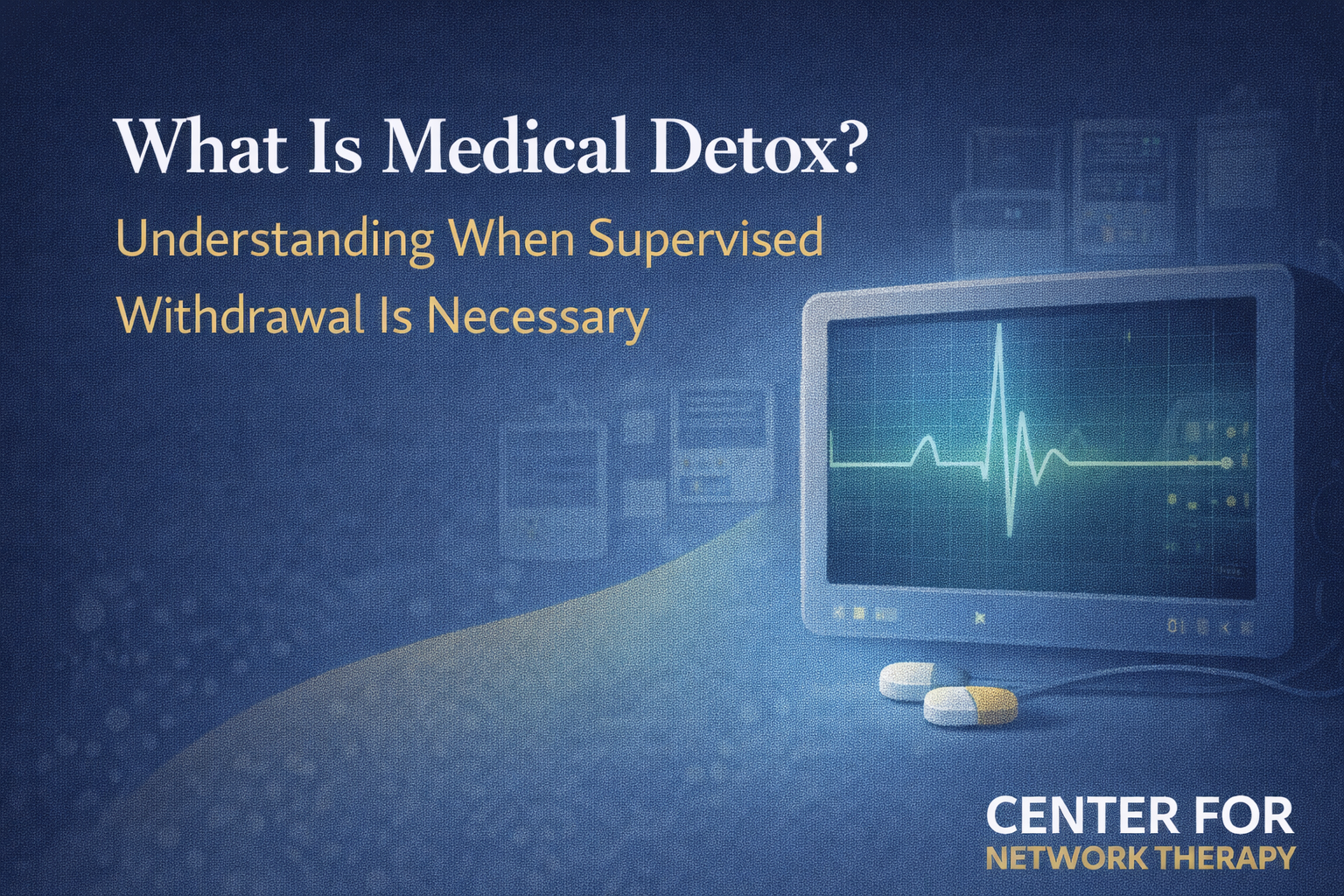
Outpatient medical detox, also called ambulatory withdrawal management, provides medical assessment, monitoring, and short term medication to reduce withdrawal symptoms while the person remains at home or in a stable living situation. Services range from brief daily visits with extended on-site observation, to structured day programs depending on the program and the person s needs. Outpatient models are intended for people with mild to moderate withdrawal risk who have reliable supports and access to rapid medical care if needed. (library.samhsa.gov)
How clinicians decide who is eligible
Clinicians use a formal level of care assessment, medical history, physical exam, recent substance use pattern, and social factors to determine whether outpatient detox is appropriate. The American Society of Addiction Medicine criteria and SAMHSA guidance describe how to match withdrawal severity, medical comorbidity, and safety concerns to the right setting. Programs also follow New Jersey licensing and outpatient detox rules which set staffing, monitoring, and medication practices. (studylib.net)
Key factors that support outpatient eligibility
- Mild to moderate withdrawal history with low risk of complications.
- Stable housing and a reliable adult who can assist if symptoms worsen.
- No recent seizures, delirium tremens, or severe medical illness related to substance use.
- Motivation to engage in follow-up treatment and the ability to attend scheduled visits.
- Access to quick medical transport or emergency care if necessary.
These are general examples only. The final determination depends on a clinical interview and monitoring plan from a licensed provider. (asam.org)
Common reasons someone would be better served by inpatient or higher level care
- Severe withdrawal risk, such as prior delirium tremens or recurrent alcohol withdrawal seizures.
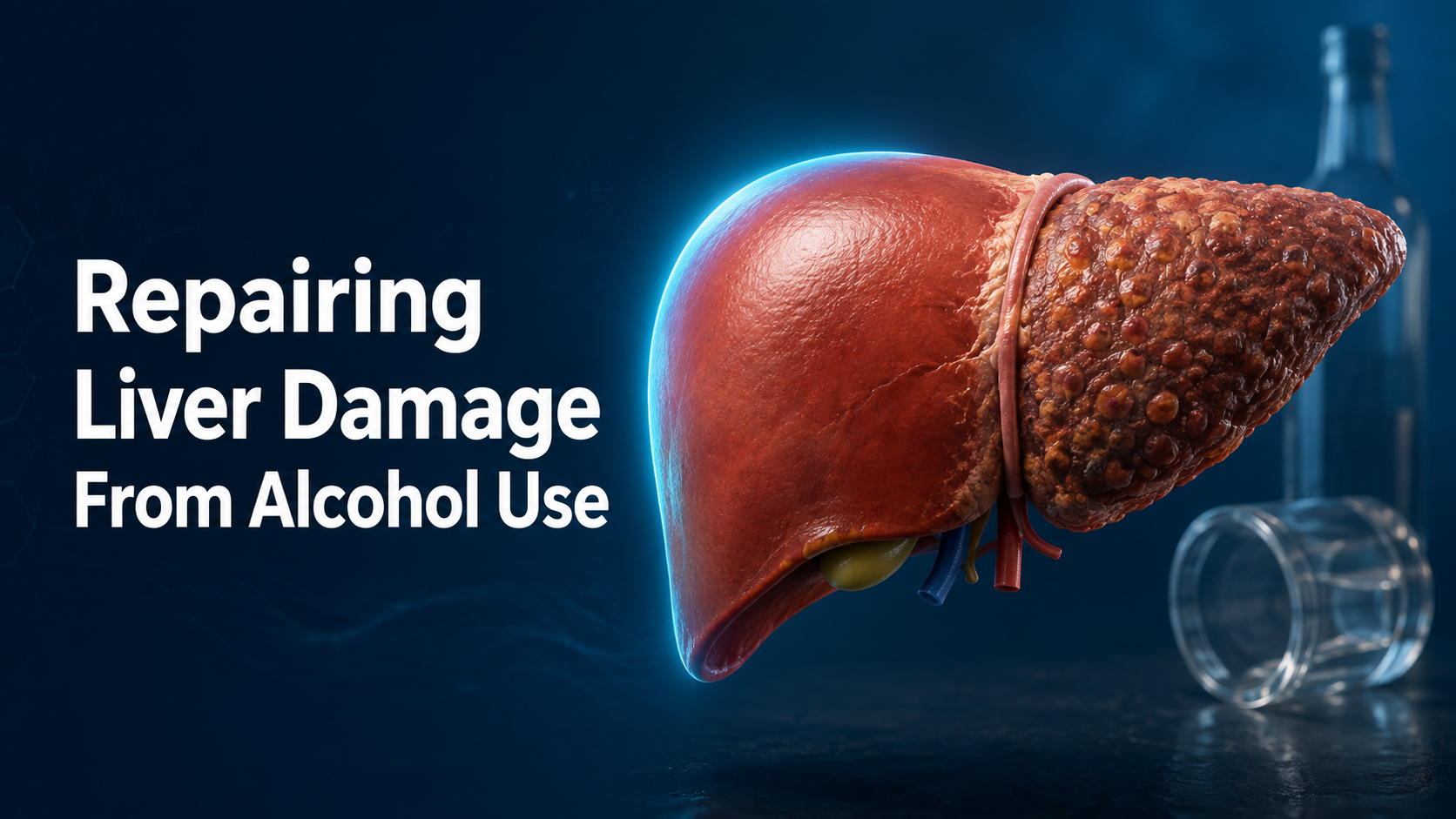
- Unstable medical conditions: advanced heart, liver, kidney, or respiratory disease.
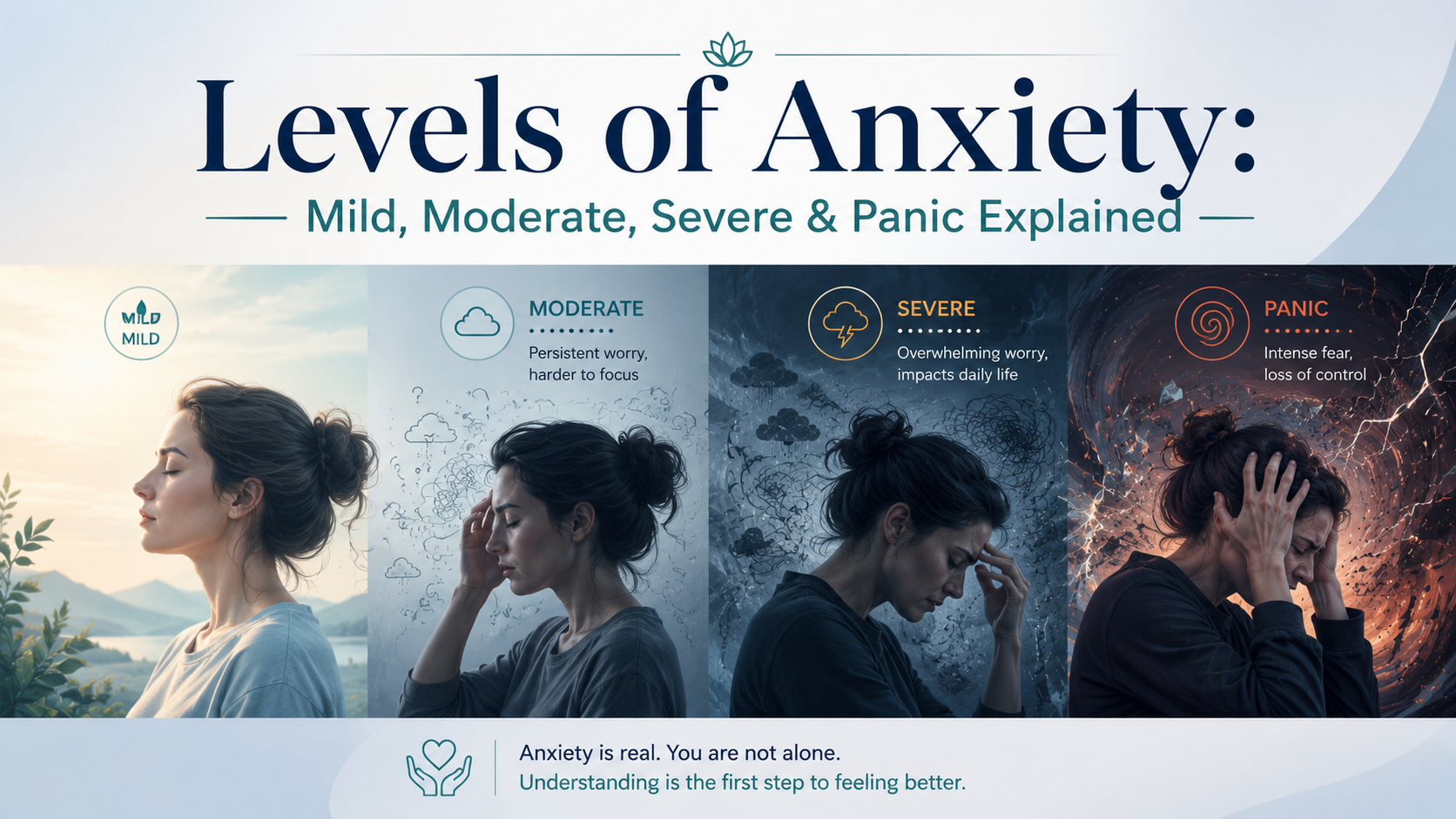
- Active suicidal ideation, uncontrolled psychosis, or acute behavioral risk that requires 24 hour supervision.
- Pregnancy, young adolescents, or other populations requiring specialized obstetric or pediatric care.
- No safe place to remain or lack of reliable supports during withdrawal.
When any of the above are present, clinicians generally recommend inpatient medically managed withdrawal to provide continuous nursing and physician care. (asam.org)
Medications and monitoring used in outpatient detox
Treatment differs by the substance involved. Common approaches include:
- Alcohol: benzodiazepine-based protocols or alternative medications guided by a validated severity scale such as CIWA-Ar, plus vitamins and monitoring. These regimens are used when risk of severe alcohol withdrawal is judged low to moderate and close monitoring is available. (asam.org)
- Opioids: office-based initiation of buprenorphine or linkage to an opioid treatment program for methadone when indicated; naltrexone may be used after detox when appropriate. Federal and state policies now allow more flexible office-based buprenorphine prescribing, but programs still follow professional and state rules. (nida.nih.gov)
- Benzodiazepines and sedative-hypnotics: these have a higher risk of complicated withdrawal and often require individualized plans; many clinicians favor slower tapers and consider inpatient care for high risk cases. (library.samhsa.gov)
New Jersey outpatient standards require medical supervision and specify dispensing limits and monitoring procedures for outpatient detox programs. For example, state rules address daily on-site monitoring and limits on take-home medication supplies in certain scenarios. Programs must be licensed and operate within the state s regulatory framework. (law.cornell.edu)
Practical eligibility checklist for patients and families
Use this checklist to prepare for a clinical screening. This is educational only, not a substitute for assessment.
- Has the person had seizures or delirium tremens during past withdrawals? If yes, inpatient care is likely safer.
- Is there stable housing and at least one sober adult nearby who can check on the person daily?
- Can the person reliably attend daily or frequent clinic visits for monitoring and medication?
- Are there significant medical problems (heart disease, severe liver disease, poorly controlled diabetes, pregnancy)? If yes, bring medical records to the evaluation.
- Is the person willing to accept medication-assisted treatment when recommended and to engage in follow-up care?
A qualified clinician will weigh these items and the ASAM dimensions to recommend the safest level of care. (studylib.net)
| Feature | Outpatient Medical Detox | Inpatient/Medically Managed Detox |
|---|---|---|
| Setting | Clinic visits, day programs, home between visits | 24 hour hospital or residential unit with nursing and physician coverage |
| Best for | Mild to moderate withdrawal, stable supports | Severe withdrawal risk, recent seizures, serious medical or psychiatric issues |
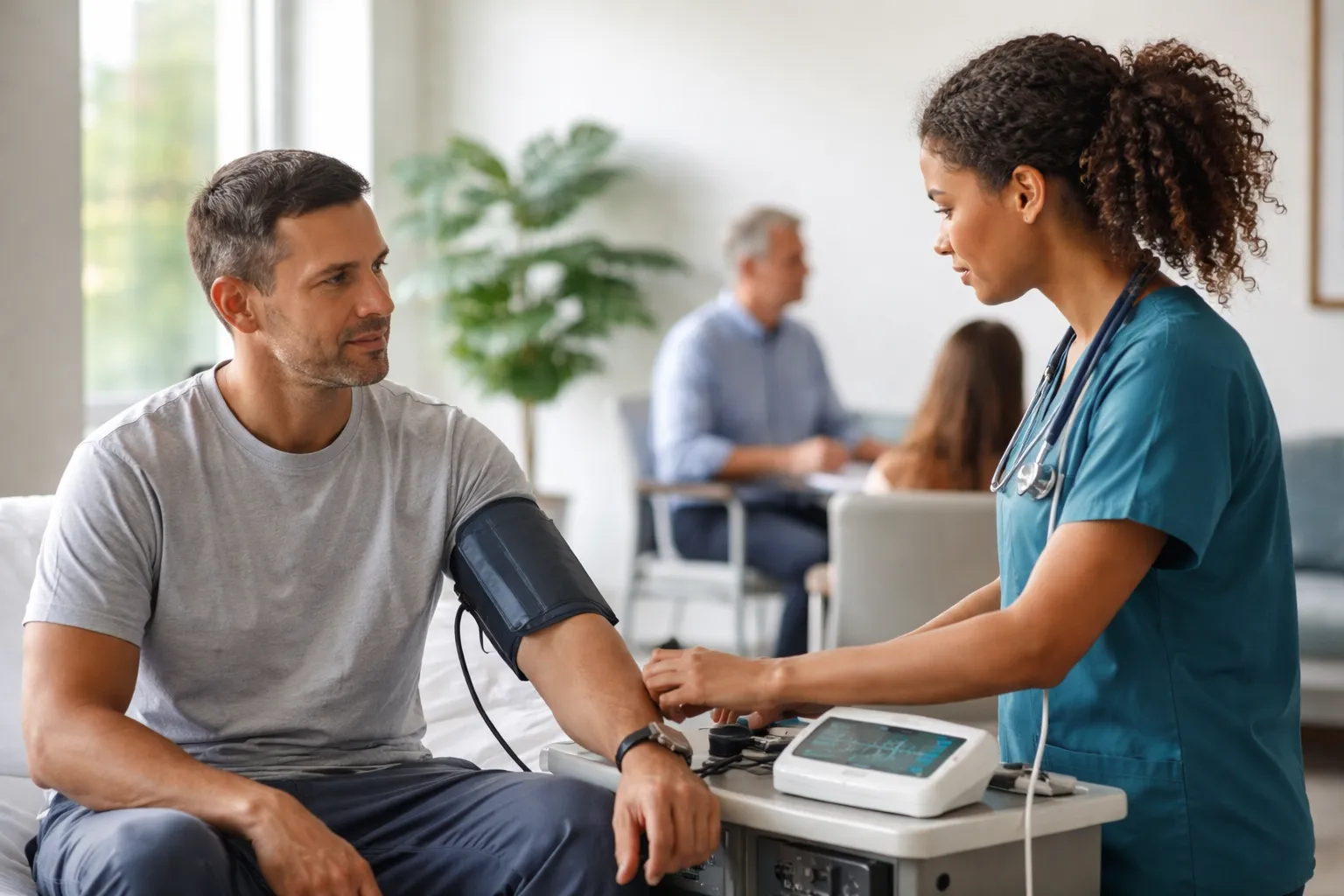
| Monitoring | Periodic vital signs, symptom scales, daily or frequent visits | Continuous monitoring, frequent medication adjustments, immediate emergency care |
| Common medications | Benzodiazepine tapers (alcohol), buprenorphine (opioid), supportive meds | Same medications with closer supervision and IV support if needed |
Safety callout
If someone is having a medical emergency, call 911 now. If someone is in a mental health or suicide crisis, call or text 988 for confidential 24 hour support. Do not delay seeking emergency care for severe withdrawal symptoms, chest pain, shortness of breath, fainting, repeated vomiting, seizures, or any behavior that threatens safety. (samhsa.gov)
How to start the evaluation in New Jersey
Steps typically include a brief phone screen, an in-person or telehealth medical evaluation, baseline vitals and laboratory testing as indicated, and a written plan for monitoring and follow-up. New Jersey s ReachNJ call line can help residents find licensed treatment providers and referrals. Licensed outpatient programs must follow state rules on staffing, monitoring, and medication dispensing. (nj.gov)
For more information about treatment options and levels of care, see available treatments and locations on our site: treatments and locations. If you are ready to speak with someone, use our contact form to request help.
Frequently asked questions
Can outpatient detox be done by phone or telehealth?
Many programs use telehealth for parts of the evaluation and follow-up. However, initial in-person assessment, vital sign checks, and supervised medication administration may be required depending on the drug and risk. Programs must ensure safe monitoring before relying solely on remote care. (library.samhsa.gov)
Will my insurance cover outpatient medical detox in New Jersey?
Coverage varies by plan, medical necessity, and state rules. New Jersey Medicaid and commercial plans generally cover licensed outpatient detox services when medically indicated, but prior authorization rules may apply. Contact your insurer and the treatment provider for verification. (nj.gov)
Is medication-assisted treatment started during outpatient detox safe?
Medications for opioid use disorder such as buprenorphine and methadone are evidence based and reduce overdose risk. Initiation in outpatient settings is common and effective when done by trained clinicians with appropriate monitoring. Clinicians will choose the right medication and setting for each person s safety and preferences. (nida.nih.gov)
What if the person is pregnant?
Pregnant people require obstetric and addiction medicine collaboration. Some outpatient approaches may be appropriate, but many clinicians refer pregnant patients to specialized programs that can provide coordinated prenatal and withdrawal care. Do not delay evaluation if pregnancy is present. (asam.org)
Next steps and how we can help
If you think outpatient medical detox might fit your situation, call the provider to request a confidential clinical screening. A clinician will assess withdrawal risk, medical history, and supports and recommend the safest level of care. If you or someone you care about is in immediate danger, call 911. For mental health or suicide crisis support, call or text 988. For help finding licensed New Jersey services, ReachNJ provides referrals. (samhsa.gov)
Please note, this page provides general education and is not individualized medical advice. Placement and medication decisions require assessment by a licensed clinician. We do not promise admission, coverage, or outcomes.
Sources
- ASAM Clinical Practice Guideline on Alcohol Withdrawal Management. (asam.org)
- SAMHSA, Detoxification and Substance Abuse Treatment (SMA 15-4131). (library.samhsa.gov)
- NIDA / TIP 63 and related resources on medications for opioid use disorder. (nida.nih.gov)
- New Jersey Division of Mental Health and Addiction Services, licensing and outpatient service standards. (nj.gov)
- SAMHSA information on 988 Suicide & Crisis Lifeline. (samhsa.gov)
- SAMHSA guidance on elimination of the buprenorphine waiver and office-based treatment. (samhsa.gov)