Introduction
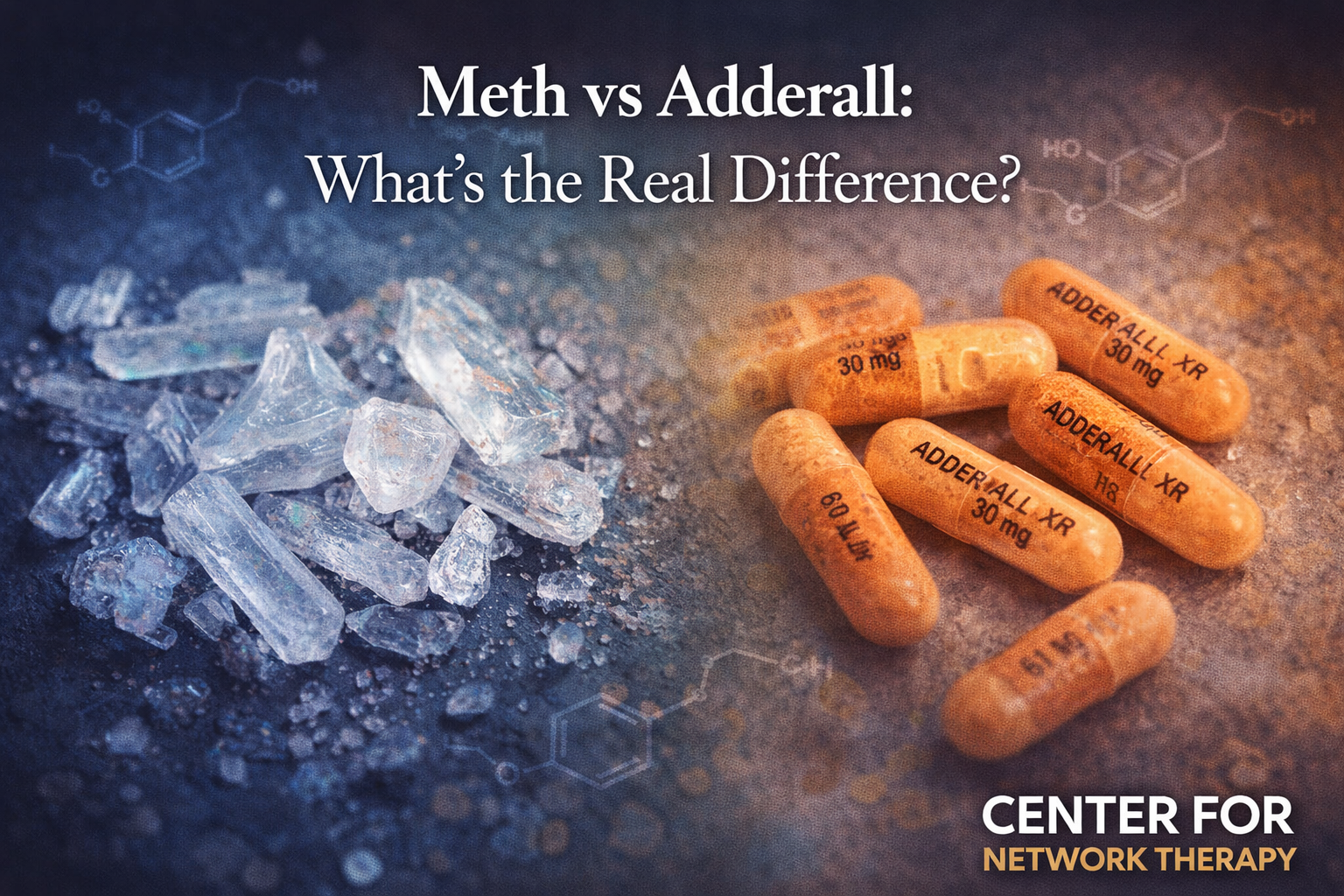
Methamphetamine withdrawal can cause distressing physical and psychological symptoms that affect safety, sleep, mood, and ability to function. This article explains common withdrawal symptoms, evidence-based approaches used in outpatient and other levels of care in New Jersey, how clinicians make placement decisions, and how to get help. This is general education, not individualized medical advice. Treatment placement and medication decisions require evaluation by a qualified clinician.
Table of Contents
ToggleWhat is methamphetamine withdrawal?
When a person who uses methamphetamine reduces or stops use, they can develop a withdrawal syndrome that typically includes fatigue, increased appetite, disturbed sleep, depressed mood, intense drug craving, and difficulty concentrating. Symptoms can begin within hours to days after stopping and vary in severity and duration between people. These symptoms are described in multiple clinical reviews and by federal research agencies. National Institute on Drug Abuse: Methamphetamine.
Common withdrawal symptoms
- Strong craving for methamphetamine.
- Low energy, fatigue, excessive sleep or insomnia.
- Depressed mood, anxiety, or irritability.
- Increased appetite and weight gain.
- Problems with attention, memory, and motivation.
These symptom clusters are well documented in clinical literature and can be medically significant for some people. NIDA, and systematic reviews of withdrawal management summarize these findings and note limitations in pharmacologic options. Systematic review of pharmacological approaches.
Is there a medicine that treats methamphetamine withdrawal?
There are currently no Food and Drug Administration approved medications specifically for stimulant use disorder or for methamphetamine withdrawal. Clinical trials have tested several medicines with mixed results, and behavioral therapies remain the mainstay of treatment. Federal agencies and guideline documents describe this status and ongoing research. FDA, SAMHSA TIP 33.
What care can address withdrawal and early recovery?
Care for methamphetamine withdrawal and early recovery is individualized and often combines medical monitoring, symptom-directed medications when clinically indicated, behavioral therapies, and social supports. Important components include:
- Medical assessment and monitoring for cardiovascular, neurologic, or psychiatric complications.
- Short term symptom management, for example treating severe insomnia or anxiety when clinically appropriate.
- Evidence-based psychosocial therapies, particularly contingency management and cognitive behavioral therapy.
- Screening and treatment for co-occurring mental health conditions such as depression, anxiety, or psychosis.
- Harm reduction measures and overdose prevention counseling, especially because illegal stimulants are increasingly found with potent adulterants. CDC: Stimulants and overdose.
SAMHSA and federal reviews identify contingency management as a leading evidence-based behavioral intervention for stimulant use disorders, often paired with counseling and case management. SAMHSA.
Where can methamphetamine withdrawal be treated in New Jersey?
New Jersey offers a range of licensed services from outpatient programs to medical detox and residential care. The state Division of Mental Health and Addiction Services maintains a treatment directory and local helplines. For New Jersey resources and help finding licensed programs see the state page. New Jersey DMHAS: Substance use resources. National directories and SAMHSA’s treatment locator can also help find local services.
| Level of care | When it may be appropriate | Monitoring and services |
|---|---|---|
| Outpatient medically monitored detox or outpatient stabilization | Symptoms are moderate, stable home environment, reliable supports | Regular clinician visits, symptom management, counseling, urine testing, contingency management |
| Inpatient medical detox or hospital care | Severe withdrawal, unstable medical or psychiatric conditions, safety concerns | 24 hour nursing and medical monitoring, medication for acute symptoms, psychiatric care |
| Residential treatment | High relapse risk, need for structured daily program, limited outpatient support | Daily therapy, group programs, case management, medical monitoring as needed |
| Outpatient treatment and intensive outpatient program (IOP) | Stable medically, needs ongoing counseling and relapse prevention | Regular therapy, group work, contingency management, vocational or social supports |
How clinicians decide level of care
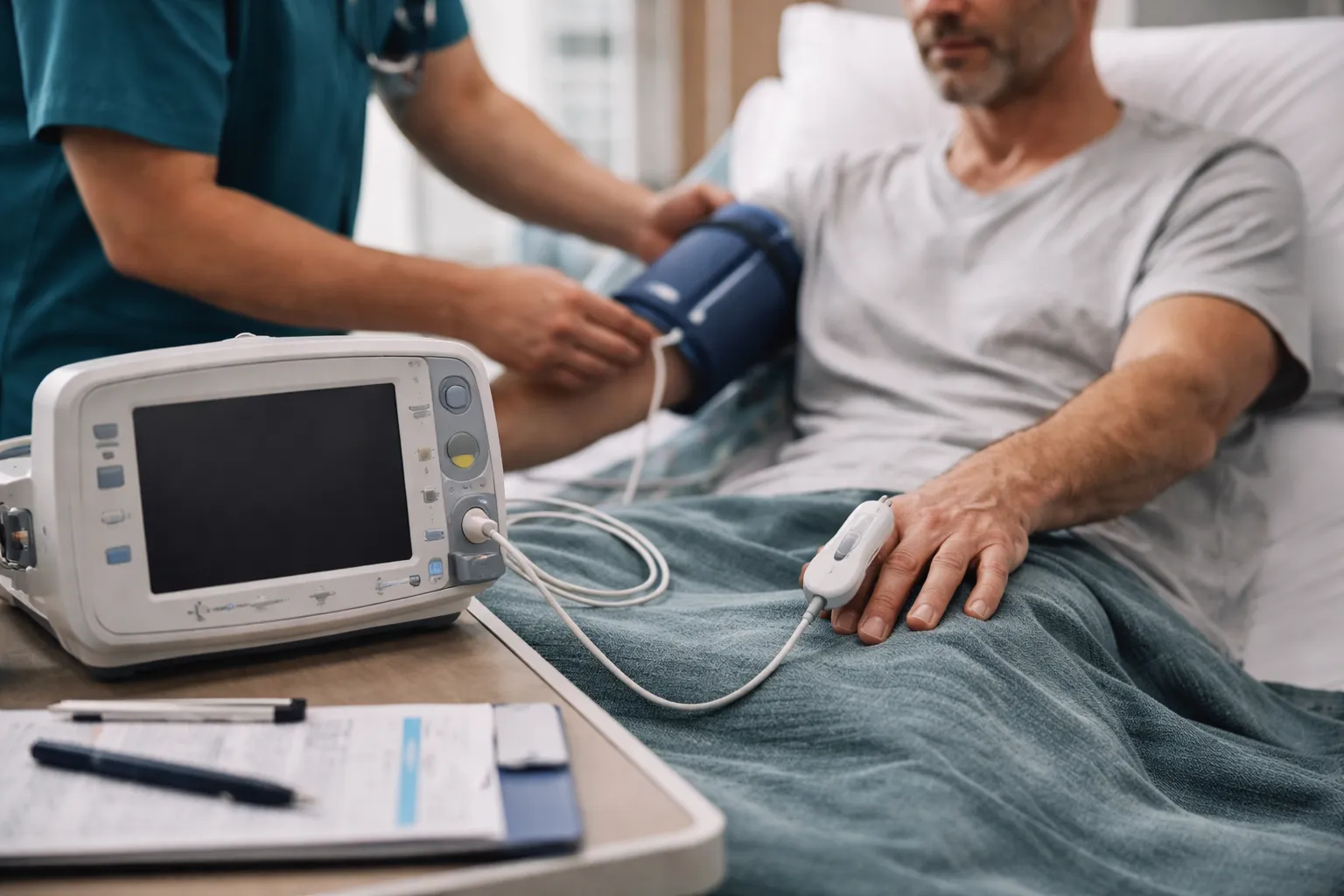
Placement is a clinical judgment based on medical and psychiatric history, current symptoms, social supports, housing and safety, risk of overdose or self harm, and the person’s own goals. Assessment should include vital signs, cardiac and neurologic review, mental status exam, and screening for co-occurring disorders. Clinicians may recommend outpatient care for people with mild to moderate, stable withdrawal and strong supports, and recommend inpatient or residential care when there are safety or medical concerns.
Special situations that need urgent or specialist care
- If there are seizures, severe chest pain, difficulty breathing, severe confusion, or loss of consciousness seek emergency care immediately, call 911.
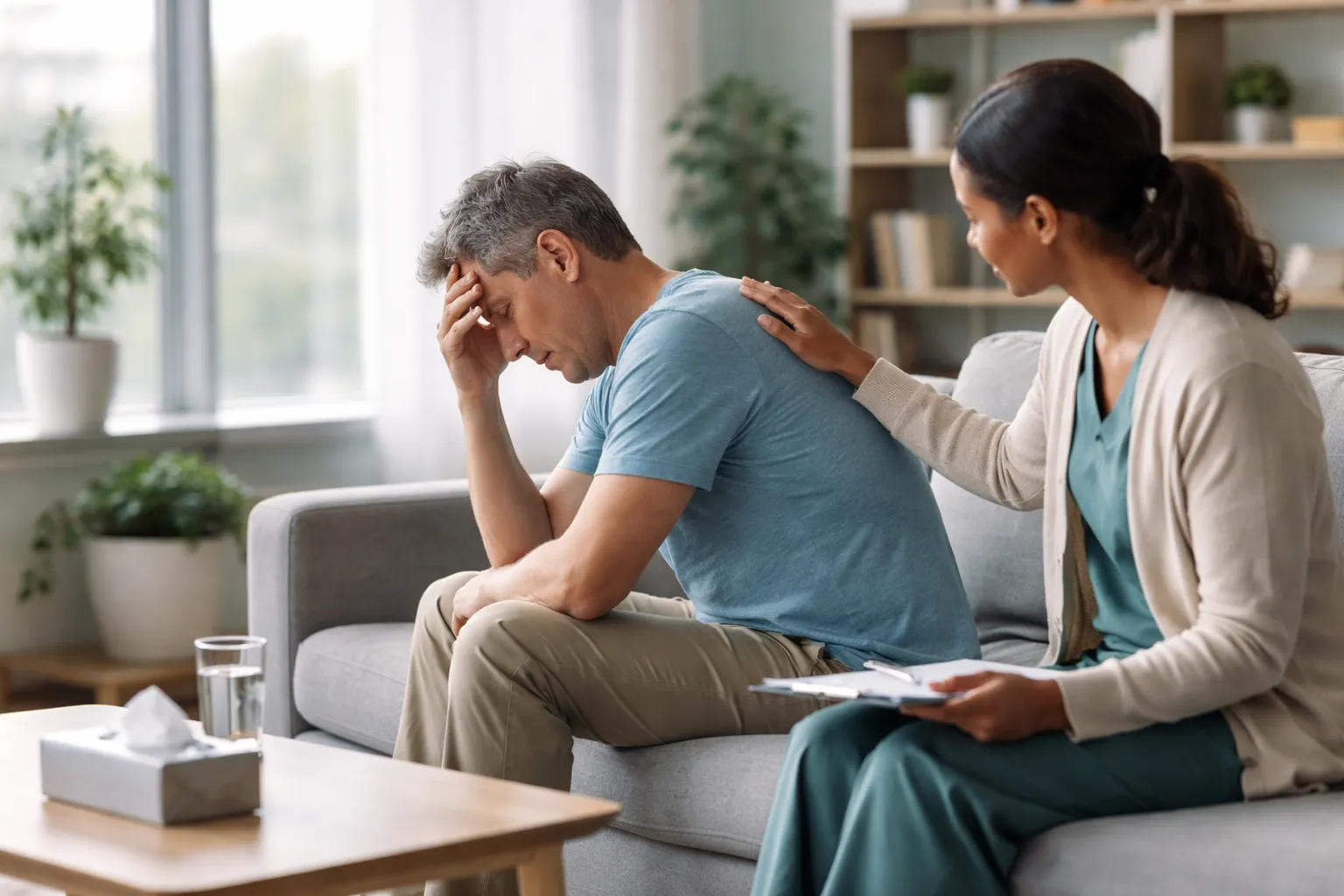
- If there is acute psychosis, suicidal thoughts, or self harm risk, seek urgent psychiatric evaluation or call or text 988 for the national Suicide and Crisis Lifeline.
- Pregnancy, adolescence, or complex medical comorbidity require obstetric, pediatric, or specialized addiction treatment teams; these situations often need higher levels of monitoring and specialist input.
Always treat high risk features as urgent. This guidance follows federal clinical resources and state recommendations. CDC, NJ DMHAS.
What outcomes can people expect?
Outcomes vary by individual and depend on the severity of use, co-occurring health conditions, the quality and intensity of treatment, and ongoing social supports. Behavioral therapies such as contingency management and cognitive behavioral therapy are linked to improved abstinence and retention in treatment for stimulant use disorders, but long term results depend on continuing care and support. Research into pharmacologic treatments is active, but evidence is still emerging and no medication is approved for methamphetamine use disorder at this time. SAMHSA, systematic reviews, FDA.
Frequently asked questions
Can withdrawal from methamphetamine be fatal?
Withdrawal itself is rarely directly fatal in otherwise healthy adults, but complications such as severe depression with suicidal behavior, uncontrolled medical problems, or co-occurring use of other drugs can be life threatening. If someone is in immediate danger call 911. For suicidal crisis or mental health emergencies call or text 988.
Will I need medicine to get through withdrawal?
Some people benefit from targeted symptom medications prescribed by clinicians, for example to treat severe anxiety, insomnia, or mood symptoms. There is no single FDA approved medication that treats methamphetamine withdrawal or dependence, so medication is used selectively and off label based on clinical needs. FDA.
What therapies work best?
Contingency management, which provides concrete incentives for evidence of abstinence, has strong evidence for effectiveness in stimulant use disorders when combined with counseling. Cognitive behavioral therapy and the Matrix model are commonly used in outpatient settings. SAMHSA.
Where can I find help in New Jersey?
New Jersey’s Division of Mental Health and Addiction Services offers a treatment directory and helplines. You can also use national locators such as SAMHSA’s treatment finder or contact local providers. NJ DMHAS.
Safety callout
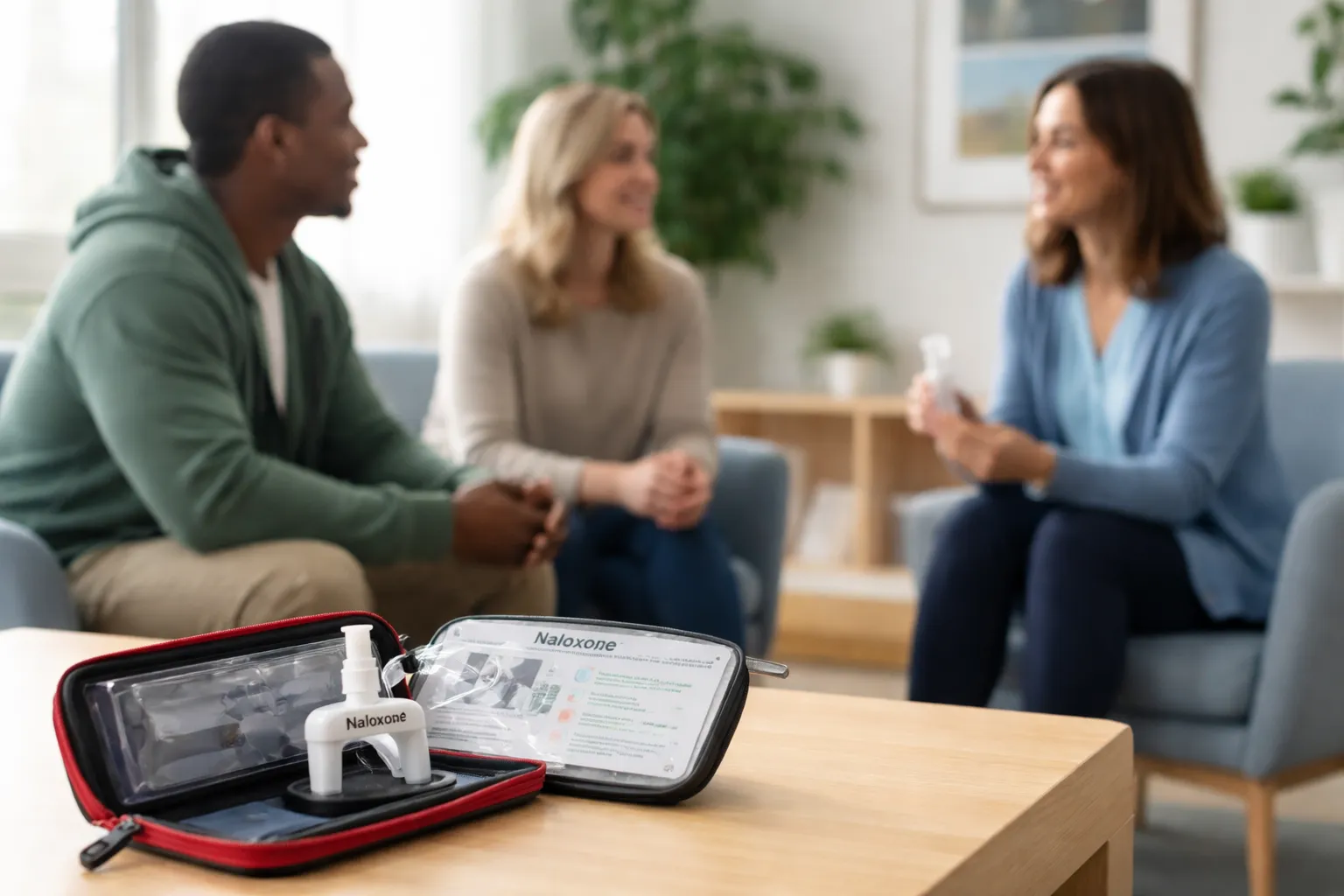
If you or someone else is experiencing a medical emergency, call 911. For suicidal crisis or severe mental health distress, call or text 988 immediately. If you are worried about overdose risk because of polysubstance use or unknown drug supply, seek urgent medical advice and carry naloxone if opioid exposure is possible, and discuss risks with your clinician. CDC guidance.
Next steps and how an outpatient program can help
If withdrawal symptoms are mild to moderate and you have a safe home situation, outpatient medically monitored detox plus evidence-based therapy can be an appropriate plan. A local assessment will consider medical history, psychiatric risk, and supports. New Jersey residents can use the state directory to find licensed programs. If you are interested in a confidential assessment to discuss outpatient options, therapies such as contingency management, and care planning, you may request an assessment or speak with an admissions professional. For information on treatments, locations, or to contact a team directly see our treatment options, locations, and contact pages: Treatments, Locations, Contact Us.
Sources
- Centers for Disease Control and Prevention, Stimulants and Overdose.
- U.S. Food and Drug Administration: Prescription Stimulant Medications and development for stimulant use disorders.
- Substance Abuse and Mental Health Services Administration, Treatment for Stimulant Use Disorders (TIP 33).
- Systematic review: Pharmacological treatment for methamphetamine withdrawal (PubMed).
- New Jersey Division of Mental Health and Addiction Services, Substance Use Resources and Treatment Directory.
Disclaimer: This page provides general information only and is not a substitute for professional medical evaluation. Placement in outpatient, inpatient, or residential care, and any prescription medication, must be decided after a clinical assessment by a qualified provider. This article was not clinically reviewed by a named clinician. If you are in crisis, call 911 or call or text 988.
Final note: If you would like a confidential assessment to discuss whether outpatient medically monitored withdrawal or another level of care is right for you, or to discuss treatment options and insurance or payment questions, please request a confidential assessment or speak with our admissions team through our Contact Us page.