Detox, or medically managed withdrawal, handles the physical effects of stopping alcohol or drugs. It does not by itself prevent return to use. This article explains common, evidence-based steps to reduce the chance of relapse after detox, how clinicians decide what comes next, and where New Jersey residents can find help.
Table of Contents
ToggleWhy relapse prevention matters
Medically supervised withdrawal stabilizes a person and treats acute withdrawal symptoms, but evidence and clinical guidance emphasize that detox alone is often followed by return to use and by increased overdose risk for people who relapse to opioids. For opioid use disorder, public health agencies advise that detoxification without linkage to ongoing treatment, including medications for opioid use disorder, is not recommended because it is associated with higher risk of resuming drug use and overdose.
For people leaving residential or inpatient detox, relapse rates vary by substance, patient factors, and the treatment and follow-up offered, but studies and recent systematic reviews consistently show relapse is common without continuing treatment and supports.
What this means for patients and families: detox is the start, not the finish. Planning for ongoing treatment, including behavioral care, medications when appropriate, naloxone access, and social supports, reduces harm and improves chances of staying safer after discharge. (cdc.gov)
Core elements of a post-detox care plan
1. Medications when appropriate
When a substance has an approved medication-based treatment, continuing medication after detox strongly improves outcomes. For opioid use disorder, three medications are FDA approved: methadone, buprenorphine, and naltrexone. Clinical guidelines and federal policy recommend offering these options and using shared decision-making to choose among them. Starting or continuing medication for opioid use disorder is associated with reduced overdose risk and lower mortality compared with no medication.
Whether a medication is right depends on the diagnosis, medical history, patient goals, and access to programs that provide each medication. Medication decisions require assessment and prescription by a qualified clinician. (samhsa.gov)
2. Evidence-based psychosocial treatments
Psychosocial therapies help people identify triggers, build coping skills, and develop a realistic relapse emergency plan (steps to take if a lapse occurs). Cognitive-behavioral therapy, relapse prevention therapy, motivational interviewing, contingency management, and family-involved approaches all have evidence of benefit for different substances and settings. Clinicians commonly combine medication with behavioral therapy for better outcomes.
Contingency management has strong evidence for stimulant and other substance use disorders, and CBT-based relapse prevention is widely recommended to build coping skills. Therapy type, duration, and setting should be tailored to individual needs and preferences. (pmc.ncbi.nlm.nih.gov)
3. Structured continuing care and follow-up
Low-intensity or one-time follow-up is less protective than structured continuing care. Continuing care might include outpatient counseling, intensive outpatient programs, medication management visits, peer recovery support, telehealth check-ins, and scheduled appointments made before discharge. Studies and reviews show that engagement with continuing care in the weeks and months after detox is an important predictor of better outcomes. (pmc.ncbi.nlm.nih.gov)
4. A written safety and relapse emergency plan
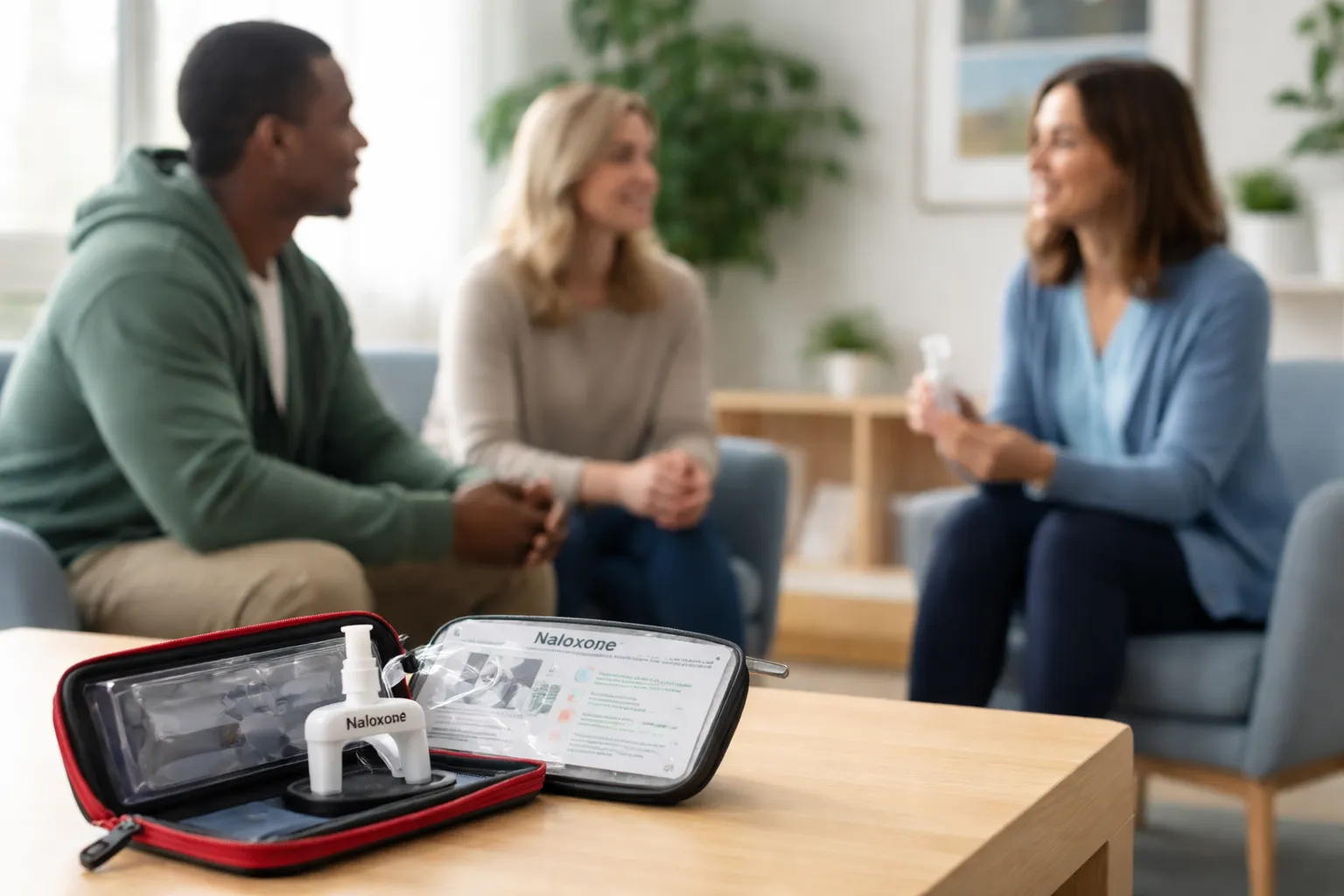
A practical plan lists warning signs of a lapse, immediate steps to protect safety, people to contact, how to get medications restarted, and where to go for urgent care. Plans should include naloxone for anyone at risk of opioid overdose, instructions on when to seek emergency care, and contact information for local treatment and recovery supports. Clinicians should review and rehearse this plan with the patient and family before discharge. (store.samhsa.gov)
5. Addressing co-occurring mental health and social needs
Untreated anxiety, depression, post-traumatic stress, sleep problems, housing instability, unemployment, and legal issues increase relapse risk. A comprehensive care plan screens for co-occurring psychiatric disorders and connects the patient to appropriate mental health treatment, social services, and community-based recovery supports. Integration of behavioral health and social supports improves engagement and safety. (ncbi.nlm.nih.gov)
Quick comparison: common post-detox options
| Option | Who it may suit | Key benefits | Considerations |
|---|---|---|---|
| Outpatient therapy only | Lower medical risk, strong supports at home | Flexible, lower cost, ongoing therapy | May be insufficient for severe dependence or unstable housing |
| Outpatient + medications (MOUD when indicated) | People with opioid use disorder or high overdose risk | Reduces cravings, lowers overdose and mortality risk | Requires prescriber access and adherence plan |
| Residential / partial hospitalization | High relapse risk, unstable environment, severe co-occurring illness | Structured day-to-day treatment, intensive monitoring | Higher cost, may require waiting list, disruption to home life |
| Peer recovery and community supports | Anyone after detox seeking connection | Ongoing social support, practical help, recovery coaching | Works best combined with clinical care |
Note: This table is a simplified comparison. A qualified clinician should assess clinical severity, medical history, and social needs before placement decisions.
Safety callout: If someone is experiencing a medical emergency, call 911 right now. If you or someone you know is in a mental health or suicide crisis, call or text 988 for immediate support. Make sure naloxone is available for people at risk of opioid overdose and that caregivers know how to use it. (cdc.gov)
How clinicians make placement and medication decisions
Clinicians use a structured assessment that includes the substance(s) used, recent use history, withdrawal severity, medical and psychiatric history, risk of overdose, social supports, and patient preferences. For opioid use disorder, clear guidelines recommend offering medication treatment and arranging rapid linkage so medication is started before or immediately after discharge when possible. These decisions must be individualized and are best made by a clinician trained in addiction medicine. This article is educational and not a substitute for clinical assessment. (samhsa.gov)
Frequently asked questions
Will detox protect my loved one from relapse?
No. Detox treats withdrawal. Continued treatment, medication when indicated, behavioral therapy, and supports reduce relapse risk and harm. Discuss a written continuing care plan before discharge. (link.springer.com)
Is medication for opioid use disorder replacing one drug with another?
No. Medications such as buprenorphine and methadone are evidence-based treatments that reduce cravings, normalize brain function, and lower risk of overdose and death. Treatment goals and medication choices are made with the clinician and the patient. (doi.org)
How soon after detox should follow-up happen?
Ideally, follow-up and linkage to ongoing treatment should be arranged before discharge, with first appointments or prescriptions available the day of discharge or within a few days. Rapid linkage improves engagement and safety. (store.samhsa.gov)
Selected sources and resources
- CDC: Treating Opioid Use Disorder and overdose prevention. (cdc.gov)
- SAMHSA and ASAM guidance on medications for opioid use disorder. (samhsa.gov)
- Addiction psychotherapeutic care, relapse prevention and CBT (NCBI Books). (ncbi.nlm.nih.gov)
- Systematic review: relapse risk after residential opioid treatment. (pmc.ncbi.nlm.nih.gov)
- New Jersey Division of Mental Health and Addiction Services and ReachNJ resources. (nj.gov)
Compassionate next steps
If you or a family member are leaving detox, ask the treating team for a written continuing care plan that covers: medications (if appropriate), a psychotherapy schedule, a relapse emergency plan including naloxone, scheduled follow-up appointments, and local peer supports. In New Jersey, ReachNJ and the State Division of Mental Health and Addiction Services list local treatment centers, peer recovery services, and hotlines you can call to find a timely appointment. (nj.gov)
This page provides general education, not individual medical advice. Placement and medication decisions require assessment by a qualified clinician. If there is a medical emergency call 911; for a mental health or suicide crisis call or text 988.
To request a confidential assessment or to speak with our admissions team about next-care options, please contact us. For more information on treatments we offer see our treatments overview, and to find a convenient location see our locations. We do not promise admission, coverage, or specific outcomes; our team can help you understand options and next steps.