Short introduction: Stopping or sharply reducing regular cocaine use often causes a predictable pattern of symptoms, sometimes called the crash or withdrawal. For many people the early phase is intensely uncomfortable but not usually life threatening, though severe depression, suicidal thinking, stimulant-induced psychosis, or contamination with fentanyl can create urgent medical risk. This page describes common symptoms, what outpatient monitoring and detox typically include, and evidence-based treatment options and resources in New Jersey. This is general education, not individual medical advice. Decisions about placement and medications should be made by a qualified clinician after assessment.
Table of Contents
ToggleWhat is cocaine withdrawal?
Cocaine withdrawal refers to the cluster of mood, sleep, energy, and craving changes that follow recent heavy or frequent use. Cocaine alters brain systems for reward and arousal, and when use stops those systems take time to rebalance, producing the characteristic symptoms people describe as the crash and weeks of low mood and strong craving. The pattern and intensity vary by how much and how often someone used, other drugs taken, medical and psychiatric history, and the social supports available. (nida.nih.gov)
Common symptoms and usual timeline
Not everyone will have every symptom, but clinicians commonly watch for:
- Early crash (hours to 48 hours): sudden fatigue, sleepiness, intense craving, hypersomnia or fragmented sleep, and appetite increase.
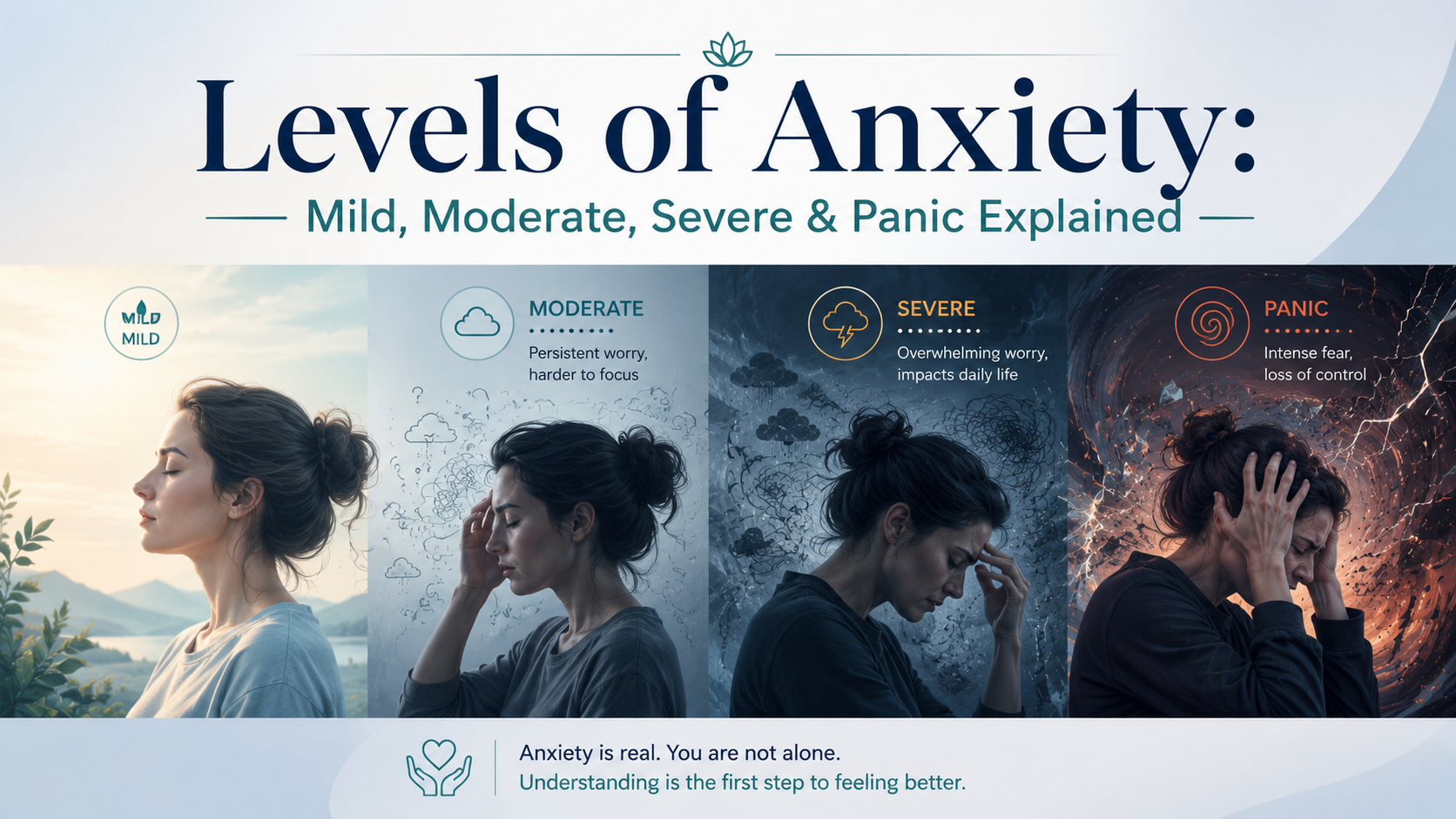
- Subacute phase (days to 1 to 2 weeks): low mood or dysphoria, anxiety, slowed thinking, irritability, and vivid or unpleasant dreams.
- Weeks to months: ongoing anhedonia (reduced ability to feel pleasure), intermittent cravings, problems with concentration, and sleep disturbances.
Compared with withdrawal from alcohol or benzodiazepines, stimulant withdrawal rarely causes the same sort of life threatening autonomic instability, but the depressive symptoms during the crash can be severe and may include suicidal ideation, which requires urgent evaluation. Medical complications from recent stimulant use, such as heart or brain injury from acute intoxication, are separate issues and may need emergency care. (nida.nih.gov)
Outpatient monitoring and what to expect
Many people can begin withdrawal management and early treatment as an outpatient when risks are low and supports are strong. Typical outpatient monitoring includes:
- An initial medical and psychiatric assessment, including suicide risk and any history of seizures or severe medical problems.
- Baseline vital signs, targeted labs as needed, and a plan for who to contact if symptoms worsen.
- Brief but frequent follow up visits or phone/video check-ins for the first days to weeks, with the option to escalate care if needed.
- Early linkage to counseling, behavioral treatment, peer support and harm reduction services.
Detoxification guidance emphasizes careful patient placement and regular reassessment: if someone has unstable medical or psychiatric conditions, limited social support, active suicidal thinking, uncontrolled intoxication, or suspected polysubstance overdose risk, a higher level of care is recommended. In other words, outpatient management is an option for people assessed as low risk and able to attend frequent follow-up. (govinfo.gov)
Monitoring for urgent problems
Outpatient plans should explicitly instruct patients and families when to seek emergency care. Call 911 immediately for signs of chest pain, difficulty breathing, loss of consciousness, seizure, severe agitation that threatens safety, or any life threatening medical event. For mental health emergencies or active suicidal thinking, call or text 988 or use the 988 chat. These are immediate resources and should be used when safety is at stake. (911.gov)
| Factor | Usually suitable for outpatient monitoring | May need inpatient or higher-level care |
|---|---|---|
| Medical stability | Normal vitals, no serious cardiovascular or neurologic problems | Chest pain, stroke symptoms, uncontrolled hypertension, seizures |
| Psychiatric risk | No active suicidal intent, manageable anxiety | Active suicidal intent, severe psychosis, inability to care for self |
| Support and logistics | Reliable transportation, safe home, able to attend frequent visits | No safe housing, inability to attend follow-up, severe social instability |
| Polysubstance risk | No co-occurring opioid dependence or heavy alcohol/sedative use | Concurrent heavy alcohol or benzodiazepine use, or uncontrolled opioid dependence |
These placement considerations are consistent with standard patient placement frameworks used by clinicians. The American Society of Addiction Medicine provides detailed criteria clinicians use to match a person to the appropriate level of care. (asam.org)
Evidence-based treatment options
There is no FDA-approved medication specifically for cocaine use disorder, so treatment relies on structured psychosocial and behavioral interventions, risk reduction, and careful management of co-occurring conditions. Clinicians may consider medications off label for specific symptoms, but medication decisions should be individualized and supervised by a clinician. (nida.nih.gov)
Behavioral therapies
- Contingency management, a treatment that provides tangible incentives for verified abstinence or for meeting treatment goals, has the strongest evidence for reducing stimulant use when it is practical to deliver. Programs that combine contingency management with community reinforcement or cognitive behavioral therapy show the best outcomes. (govinfo.gov)
- Cognitive behavioral therapy and motivational enhancement therapies help build coping skills, identify triggers, and support relapse prevention.
- Integrated care that treats co-occurring mood, anxiety, or trauma-related disorders improves safety and outcomes.
Harm reduction and overdose risk
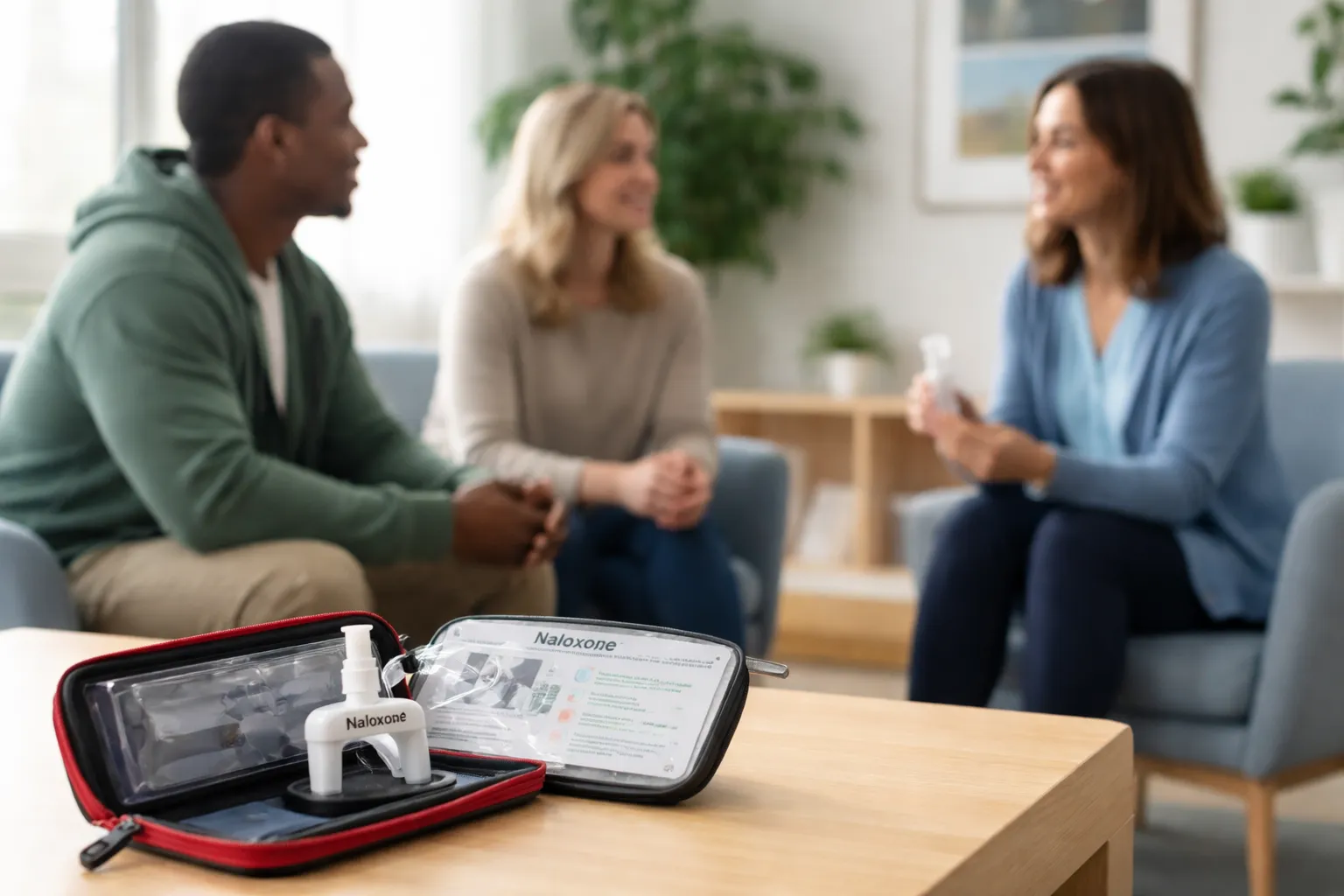
Because the illicit stimulant supply can be contaminated with fentanyl and other substances, people who use cocaine should be offered harm reduction tools: access to naloxone, training on how to use it, and information about fentanyl test strips where available. Testing and treating polysubstance use reduces overdose risk and is part of a comprehensive outpatient approach. (cdc.gov)
Practical steps for patients and families in New Jersey
- If you need help finding a licensed local program, New Jersey’s ReachNJ can connect callers to treatment and support 24 7 365 and can help regardless of insurance or ability to pay. (nj.gov)
- Ask the provider about contingency management and evidence-based counseling approaches for stimulant use disorders.
- Make a safety plan before stopping use if possible: identify who will check in, remove means of self-harm, and have crisis numbers written down.
- If you or the person in withdrawal develops chest pain, severe shortness of breath, loss of consciousness, seizures, or violent agitation, call 911 immediately. For mental health crisis or suicidal thinking call or text 988. (911.gov)
If someone is having a medical emergency, call 911 now. If someone is in a mental health or suicide crisis, call or text 988 or use the 988 chat. If you suspect a possible opioid overdose because of fentanyl contamination, administer naloxone if available and call 911. This page is for information only and is not emergency care. (911.gov)
Frequently asked questions
Will withdrawal from cocaine cause seizures or dangerous physical collapse?
Unlike alcohol or benzodiazepine withdrawal, stimulant withdrawal by itself is not typically associated with seizures or autonomic collapse, though medical complications related to recent intoxication can occur and require emergency care. Clinicians still screen for seizure risk and medical instability. (govinfo.gov)
Are there medications that cure cocaine addiction?
There are currently no FDA-approved medications specifically for cocaine use disorder. Research continues, and some medications are used off label under clinician supervision for particular symptoms or co-occurring conditions. Behavioral treatments remain the core evidence-based approach. (nida.nih.gov)
Can I do detox and treatment as an outpatient in New Jersey?
Many people start withdrawal management and treatment as outpatients when they are medically and psychiatrically stable and have supports in place. Your treating clinician will use established placement criteria to decide whether outpatient care is safe and appropriate. If you are unsure about local options, ReachNJ can help you find a nearby program. (asam.org)
Sources and further reading
- NIDA: Cocaine facts and clinical overview. (nida.nih.gov)
- SAMHSA TIP 33: Treatment for Stimulant Use Disorders (full guidance). Evidence summary for contingency management and psychosocial care. (govinfo.gov)
- SAMHSA TIP 45: Detoxification and Substance Abuse Treatment, for clinical monitoring and placement guidance. (govinfo.gov)
- CDC: Guidance on stimulant overdose risk, mixing with fentanyl, and harm reduction. (cdc.gov)
- ASAM: The ASAM Criteria, about placement and levels of care. Clinician framework used for placement decisions. (asam.org)
- ReachNJ, New Jersey state line for locating treatment and support, 24 7 365. (nj.gov)
- 988 Suicide & Crisis Lifeline, call or text 988 for immediate mental health or suicide crisis support. (988lifeline.org)
Compassionate next steps
If you or a loved one are experiencing cocaine withdrawal and want clinical help in New Jersey, ask a provider about same-day medical screening, contingency management programs, cognitive behavioral therapy, and harm reduction services such as naloxone and fentanyl test strips. To learn about treatments offered, see our treatments page, find a convenient location, or request help through our contact page. These options can connect you to a confidential assessment with a clinician who will recommend the safest, evidence-based placement and treatment plan for your situation. We invite you to request a confidential assessment or speak with our admissions team for help taking the next step without pressure.
Internal links: treatment options, locations, contact us.