Table of Contents
ToggleAlcohol and Hydroxyzine: What You Need to Know
If you’re dealing with alcohol use or withdrawal, you’ve probably come across different medications that claim to help.
Hydroxyzine is one of them.
It’s often mentioned in conversations around anxiety, sleep, and even alcohol withdrawal. But here’s the part most people miss. It’s not actually a preferred treatment for alcohol withdrawal anymore.
Let’s break this down in a way that actually makes sense.
What Is Hydroxyzine?
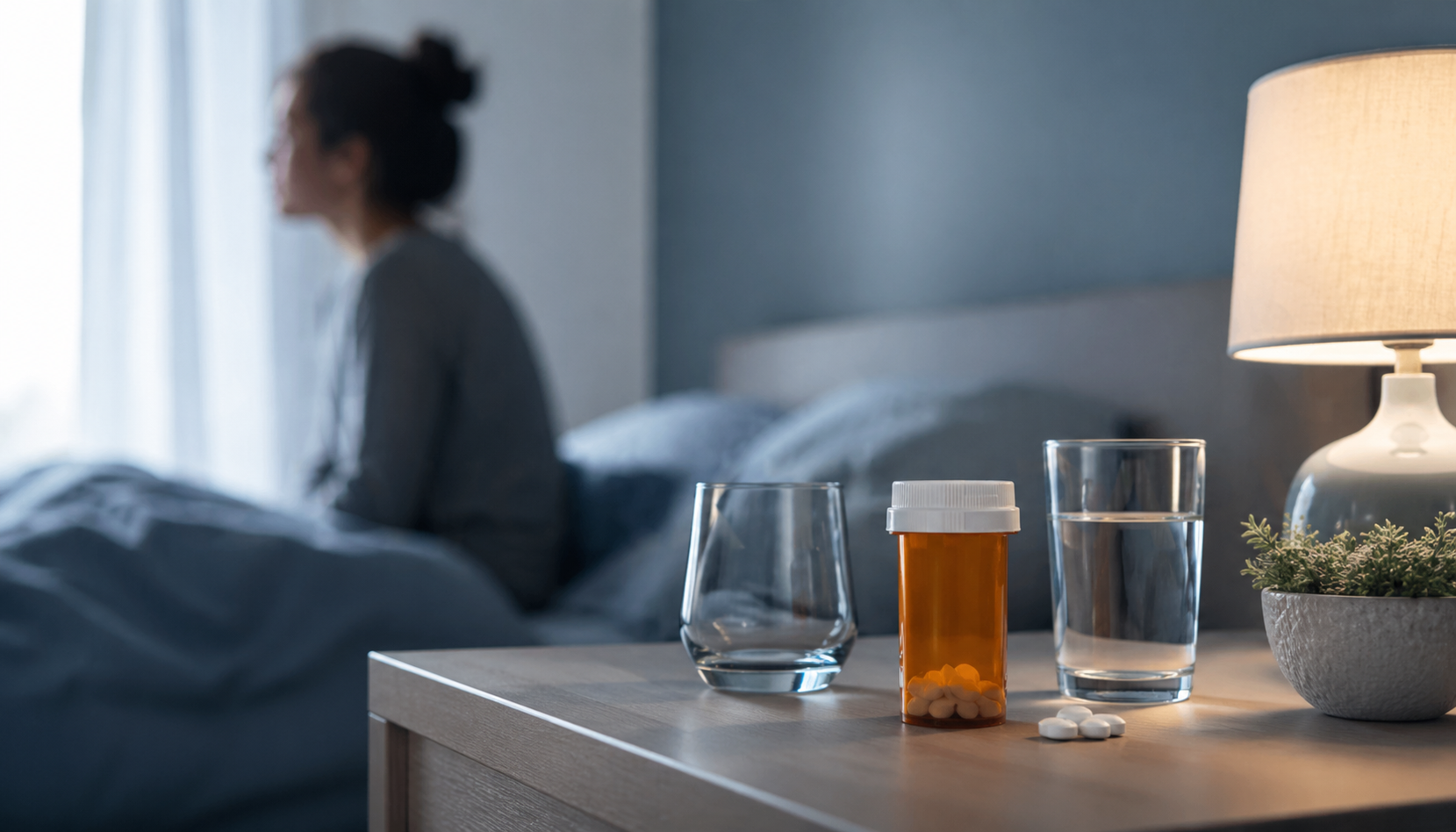
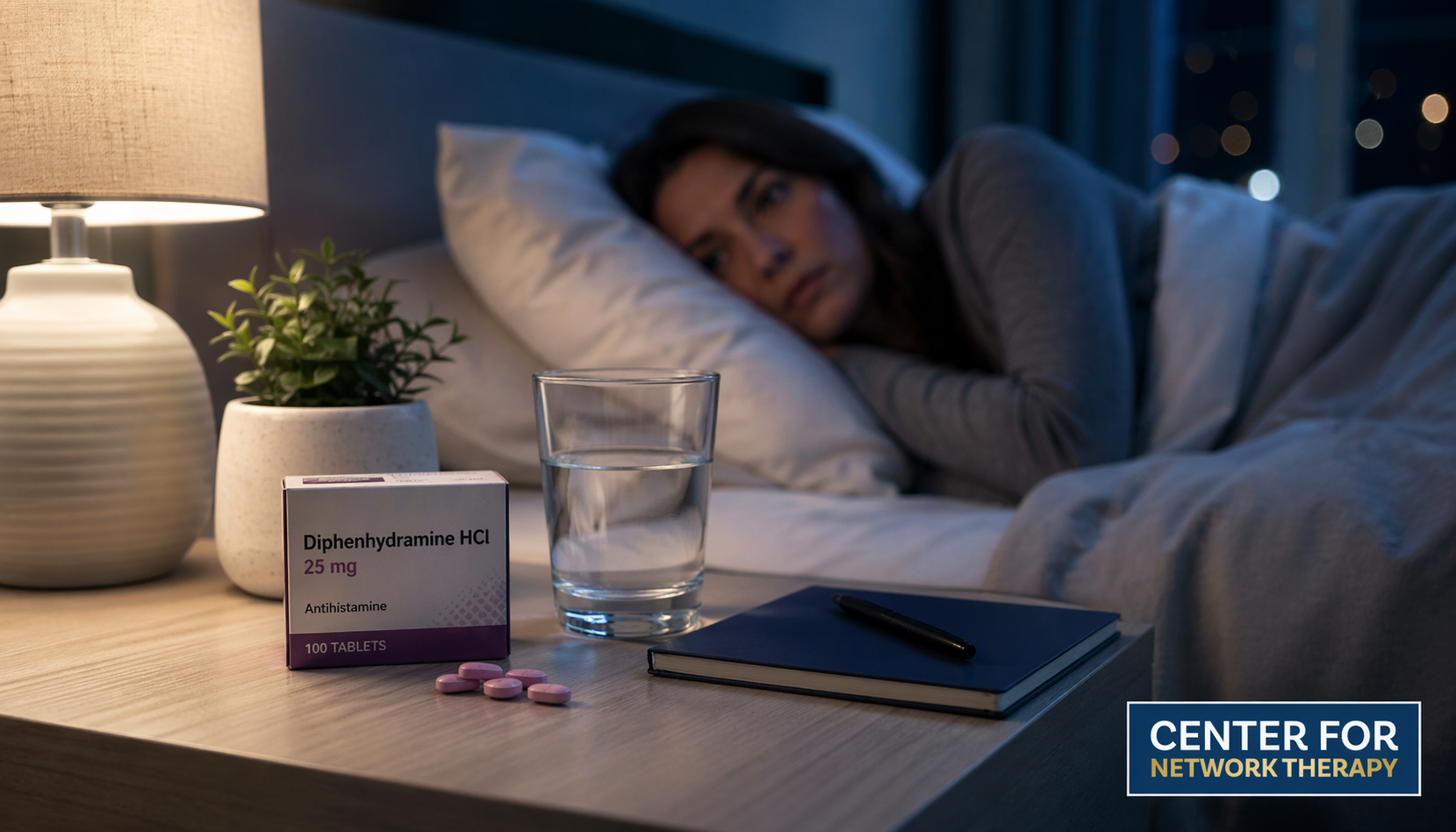
Hydroxyzine is an antihistamine.
Doctors usually prescribe it for:
- Allergies and itching
- Short-term anxiety relief
- Nausea or vomiting
- Sedation before or after medical procedures
It works by blocking histamine in your body. That reduces allergic reactions.
It also has a calming effect on the brain. That’s why it can make you feel sleepy or relaxed.
That calming effect is exactly why people assume it could help with alcohol withdrawal.
But the reality is more complicated.
Why Hydroxyzine Was Used for Alcohol Withdrawal
Years ago, doctors used hydroxyzine to manage symptoms of alcohol withdrawal syndrome (AWS).
At the time, there wasn’t enough research comparing medications. So it was used as an option.
That changed in the late 1960s.
A study showed that benzodiazepines worked far better. One of the earliest examples was chlordiazepoxide (Librium).
Since then, medical guidelines have shifted.
Today, hydroxyzine is not recommended as a primary treatment for alcohol withdrawal.
Why Hydroxyzine Doesn’t Work Well for Withdrawal
To understand this, you need to look at what alcohol does to your brain.
Your brain uses two key chemicals:
- GABA, which calms the brain
- Glutamate, which excites the brain
Alcohol boosts GABA. That’s why you feel relaxed when drinking.
Over time, your brain adapts. It reduces its natural calming response.
Now when you suddenly stop drinking:
- GABA drops
- Glutamate spikes
This creates an overactive brain state. That’s what causes withdrawal symptoms like anxiety, tremors, and seizures.
Here’s the problem.
Hydroxyzine does not act on GABA or glutamate.
So it doesn’t fix the root cause of withdrawal.
Benzodiazepines do. That’s why they’re preferred.
Why Mixing Alcohol and Hydroxyzine Is Risky
Using hydroxyzine while drinking alcohol is not safe.
Both substances slow down your central nervous system.
That means:
- Slower breathing
- Reduced alertness
- Poor coordination
- Increased sedation
In more serious cases, this combination can lead to dangerous breathing suppression.
Even if it doesn’t feel extreme at first, the risk builds with higher doses or repeated use.
Common Side Effects of Hydroxyzine
Hydroxyzine is generally considered safe when used correctly.
But side effects can still happen.
Some common ones include:
- Drowsiness
- Dry mouth
- Dizziness
- Slowed breathing at high doses
Older adults are more sensitive to these effects.
That’s why doctors are more cautious when prescribing it.
Who Should Avoid Hydroxyzine?
Hydroxyzine isn’t suitable for everyone.
You should avoid it if you:
- Are allergic to antihistamines
- Are in early pregnancy
- Have certain heart rhythm conditions
- Are currently drinking alcohol regularly
If alcohol use is part of the picture, the focus should shift to proper detox support instead.
What Actually Helps With Alcohol Withdrawal?
If you’re trying to stop drinking, the goal isn’t just symptom relief.
It’s safe stabilization.
That usually includes:
- Medications that act on GABA
- Medical monitoring
- Gradual detox plans
- Ongoing support for relapse prevention
If you’re exploring how alcohol affects your body in different contexts, this guide can help you understand broader metabolic effects as well.
Not Sure If You Need Help?
You don’t have to guess where you stand.
A quick self-check can help you reflect on your patterns and risks.
Take this confidential quiz here
FAQs
Can hydroxyzine treat alcohol withdrawal?
Not effectively. It may reduce mild symptoms like anxiety, but it does not address the brain imbalance that causes withdrawal.
Is it safe to drink alcohol while taking hydroxyzine?
No. Both slow down brain activity. Together, they can increase sedation and breathing risks.
Why are benzodiazepines preferred for alcohol withdrawal?
They act on GABA, which directly helps calm the overactive brain during withdrawal.
Can hydroxyzine help with alcohol cravings?
There’s no strong evidence that it reduces cravings. It may help with anxiety, but not addiction itself.
What should you do if you want to stop drinking?
Start with a proper assessment. Withdrawal can be unpredictable. Medical guidance makes the process safer and more manageable.
If you’re thinking about quitting alcohol, don’t try to figure it out alone.
The right support changes everything.