Table of Contents
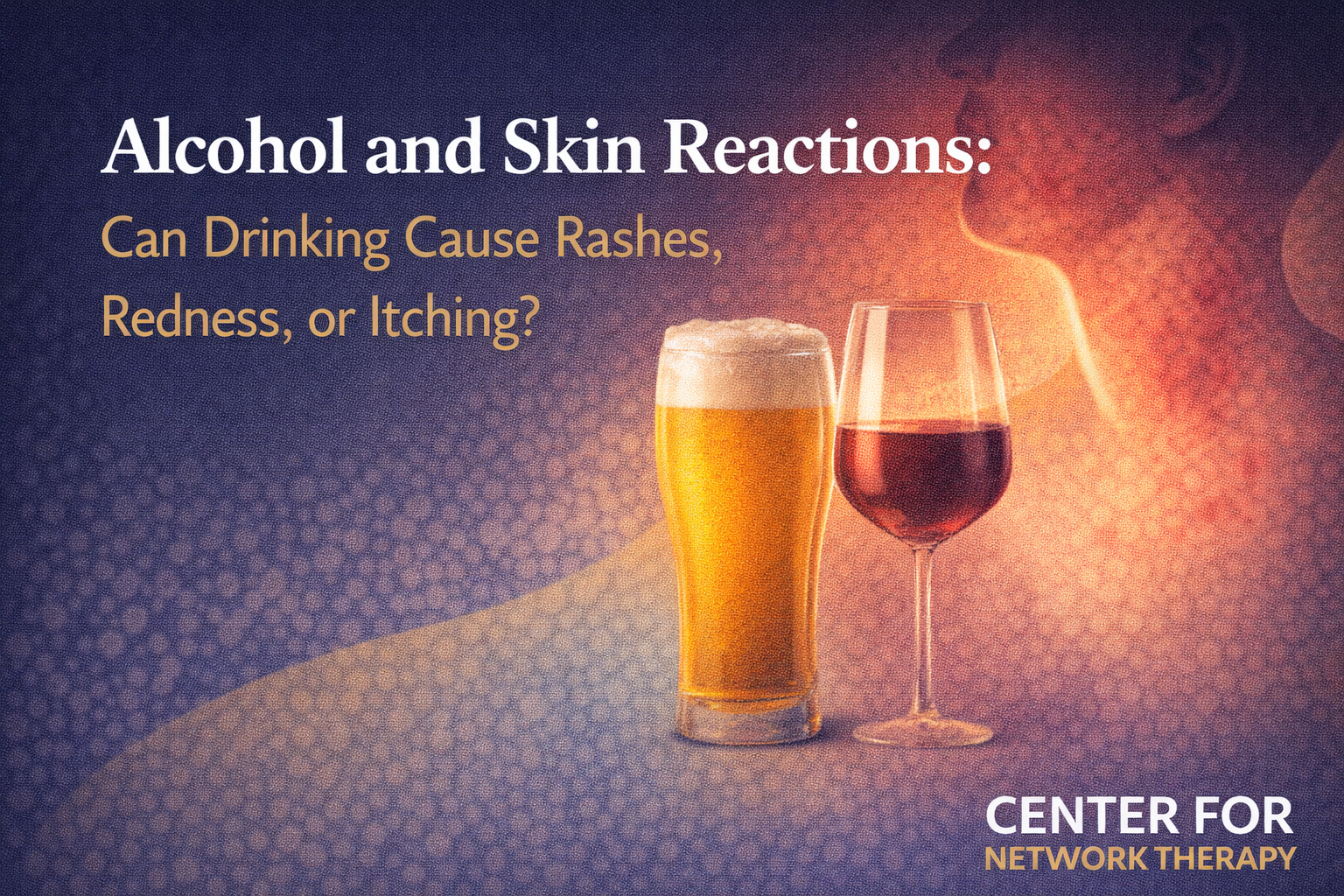
ToggleAlcohol and Skin Reactions: Can Drinking Cause Rashes, Redness, or Itching?
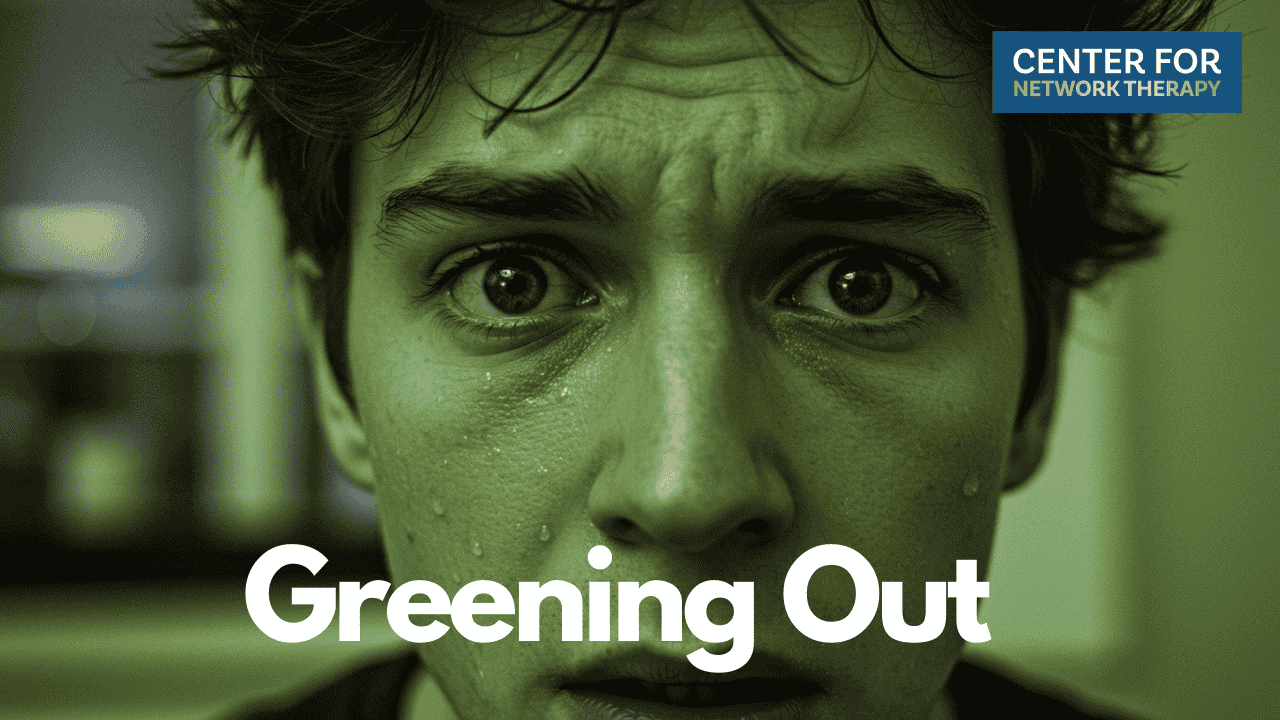
Someone has a drink. A few minutes later, their face feels warm. Their skin turns red.
Sometimes, it starts to itch. It’s confusing.
Because most people expect alcohol to affect the mind or stomach. Not the skin. But in some cases, alcohol can trigger visible skin reactions like rashes, flushing, or irritation.
These reactions are not always serious.
But they are signals worth paying attention to.
What Kind of Skin Reactions Can Alcohol Cause?
Not everyone reacts the same way.
But when alcohol affects the skin, it usually shows up as:
• Redness, especially on the face
• Flushing or sudden warmth
• Itchy patches or mild rashes
• Hives or raised bumps
• Tingling or burning sensations
For some people, it’s mild and passes quickly.
For others, it happens every time they drink.
Why Does Alcohol Trigger Skin Reactions?
There isn’t just one reason.
Most reactions come down to how your body processes alcohol or what’s mixed into it.
Here are the most common causes:
1. Your Body Can’t Break Alcohol Down Efficiently
Alcohol is processed in stages.
If your body struggles with this process, a compound called acetaldehyde builds up.
That buildup can lead to:
• Flushing
• Warm skin
• Redness
This is often seen in people with alcohol intolerance.
2. Ingredients Inside Alcohol
Sometimes, it’s not the alcohol itself.
It’s what’s inside the drink.
Certain beverages contain:
• Sulfites (common in wine)
• Grains like wheat or barley (in beer)
• Artificial additives or preservatives
If your body reacts to any of these, you may notice skin irritation after drinking specific types of alcohol but not others.
3. Medication Interactions
Mixing alcohol with certain medications can trigger skin reactions.
Some antibiotics, for example, can cause:
• Flushing
• Nausea
• Headaches
• Skin warmth
These reactions can feel intense, even if they pass once alcohol leaves your system.
4. Pre-existing Skin Conditions
Alcohol doesn’t always create a new problem.
Sometimes it triggers an existing one.
Conditions like rosacea can flare up after drinking, leading to:
• Persistent redness
• Sensitivity
• Burning sensations
You might not notice it until alcohol becomes the trigger.
Alcohol Intolerance vs Alcohol Allergy
People often confuse the two.
They are not the same.
Alcohol intolerance is more common.
It leads to symptoms like:
• Flushing
• Mild rash
• Nausea
Alcohol allergy is rare but more serious.
It may include:
• Swelling of lips or tongue
• Difficulty breathing
• Severe hives
If symptoms involve swelling or breathing issues, it needs immediate medical attention.
How Long Do These Reactions Last?
In many cases, the reaction fades as alcohol leaves the body.
That timeline depends on:
• Body weight
• Hydration levels
• Metabolism
• Liver health
For most people, symptoms settle within a few hours.
If reactions keep repeating, it’s worth looking deeper.
When Skin Reactions Are a Bigger Signal
Sometimes, a rash or flushing is not just about sensitivity.
It can be part of a larger pattern.
Frequent alcohol use can affect multiple systems in the body, including:
• Skin
• Sleep
• Mood
• Digestion
And when dependence develops, the body may react more strongly to both use and withdrawal.
What Helps Reduce Alcohol-Related Skin Reactions?
You don’t need a complicated plan.
Start simple.
• Notice which drinks trigger reactions
• Reduce or avoid those specific types
• Stay hydrated before and after drinking
• Avoid mixing alcohol with medications unless approved
If reactions are frequent, tracking patterns helps.
What did you drink?
How much?
What symptoms showed up?
That clarity makes it easier to understand what your body is reacting to.
A Thought to Carry Forward
Most alcohol-related skin reactions are not dangerous.
But they are feedback.
Your body is responding to something.
Ignoring it doesn’t make it go away.
For individuals in New Jersey, including East Brunswick, Edison, Freehold, and West Orange, repeated physical reactions to alcohol can sometimes be an early sign to reassess drinking patterns and explore safer, more supported ways to step back if needed.
Speak to Someone About Detox Options
If alcohol use is starting to feel less in your control, you don’t have to figure it out alone.
You can explore safe, supervised options and get clarity on what comes next.
👉 Take this confidential anonymous quiz
FAQ
Can alcohol directly cause a rash?
Yes, in some people alcohol can trigger rashes, itching, or redness. This may be due to intolerance, ingredients in the drink, or underlying skin conditions.
Why does my face turn red when I drink?
Facial flushing often happens when the body cannot break down alcohol efficiently, leading to a buildup of acetaldehyde.
Is alcohol allergy common?
No. True alcohol allergies are rare. Most reactions are due to intolerance or sensitivity rather than a full allergic response.
Which alcohol is most likely to cause skin reactions?
Wine and beer are common triggers because they contain sulfites, histamines, or grains that some people react to.
Should I stop drinking if I get rashes?
If reactions happen often, it’s a good idea to reduce or avoid alcohol and observe if symptoms improve. Persistent reactions should be discussed with a healthcare professional.