Table of Contents
ToggleAdderall vs Vyvanse: What’s the Difference?
Adderall and Vyvanse are both prescription stimulants.
Doctors commonly prescribe them to treat ADHD. They help improve focus, control impulsive behavior, and increase attention span.
At first glance, they seem very similar. But there are key differences in how they work, how long they last, and how the body processes them.
How Each Medication Works
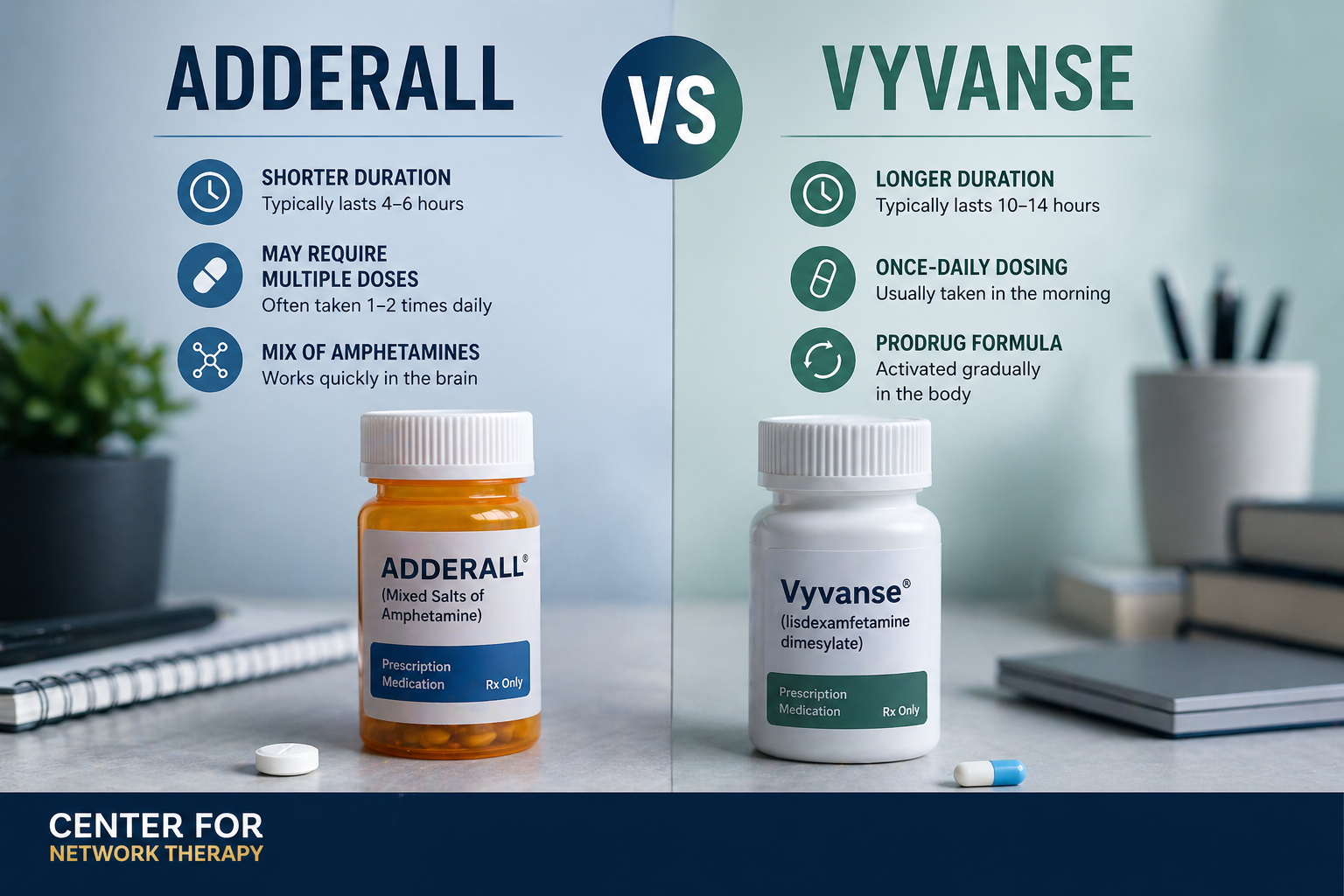
Adderall is a mix of two stimulants. It increases levels of certain brain chemicals that affect focus and alertness.
Vyvanse works differently. It is a “prodrug.” This means it becomes active only after your body processes it.
This slower activation often leads to:
- A more gradual onset
- Longer-lasting effects
- Lower chances of sudden spikes
This is one of the main reasons doctors may choose one over the other.
Common Uses
Both medications are mainly used for ADHD.
In some cases:
- Adderall may also be prescribed for narcolepsy
- Vyvanse is sometimes used for binge eating disorder
Treatment usually works best when medication is combined with therapy and lifestyle changes.
Dosage Differences
Dosage varies based on age, condition, and response.
Adderall is often taken once or twice a day. Daily doses can range widely depending on the person.
Vyvanse is typically taken once in the morning. It starts at a lower dose and is gradually increased if needed.
Because Vyvanse lasts longer, many people do not need multiple doses during the day.
Side Effects You Should Know
Both medications affect the central nervous system. Because of that, they share similar side effects.
Common ones include:
- Anxiety
- Trouble sleeping
- Reduced appetite
- Increased heart rate
- Dry mouth
Some people also experience mood changes or irritability, especially as the effects wear off.
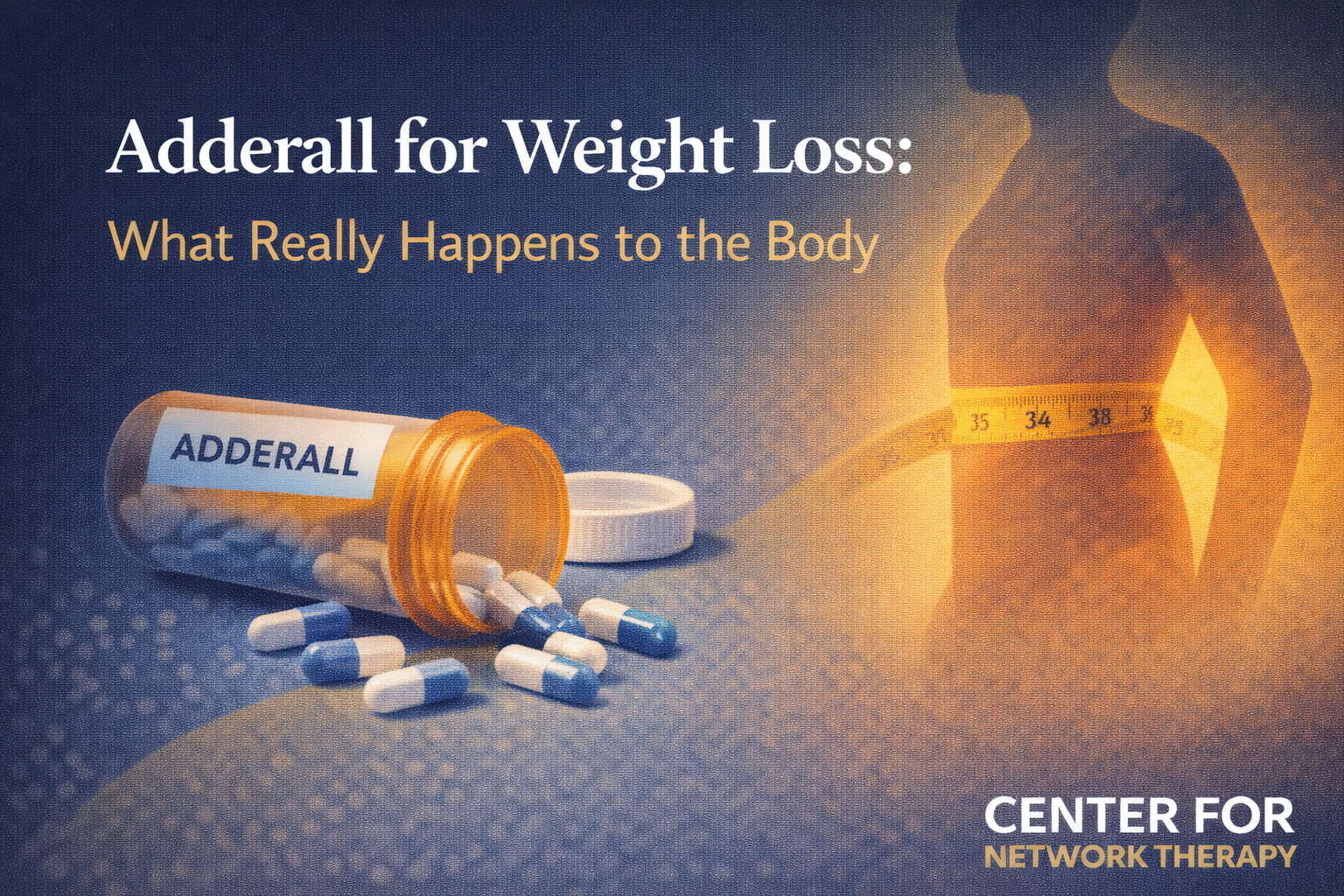
Can They Be Used for Weight Loss?
Some people misuse these medications for weight loss.
They suppress appetite. That can lead to short-term weight changes.
But this approach does not last.
- The body adapts quickly
- Appetite returns once the drug wears off
- Withdrawal can increase hunger
This makes it an unreliable and unhealthy method for weight management.
Risk of Dependence and Misuse
Both Adderall and Vyvanse carry a risk of dependence.
They affect dopamine levels in the brain. This is the same system linked to reward and habit formation.
Over time, misuse can lead to:
- Tolerance
- Increased dosage needs
- Psychological dependence
If you want to understand how stimulants compare in a broader context, you can explore this
Can You Take Adderall and Vyvanse Together?
In most cases, no.
Taking both at the same time increases the load on your nervous system.
This can lead to:
- Severe anxiety
- Insomnia
- Increased blood pressure
- Heart-related issues
Doctors usually avoid prescribing them together unless there is a very specific reason.
What Happens When the Effects Wear Off
As the medication leaves your system, some people notice a “crash.”
This may include:
- Low mood
- Fatigue
- Irritability
For some, this feeling becomes a reason to take more. That’s where misuse patterns can begin.
When to Pause and Reassess
If your use is starting to feel different, it helps to check in.
Ask yourself:
- Am I relying on this beyond my prescription?
- Have I increased my dose without guidance?
- Do I feel off when I don’t take it?
If yes, it’s worth taking a step back.
You can start with a quick, private check here
FAQs
Which is stronger: Adderall or Vyvanse?
They are both potent. Vyvanse often feels smoother because it activates slowly in the body.
Which lasts longer?
Vyvanse usually lasts longer through the day. Adderall may require more than one dose.
Is one safer than the other?
Both are safe when used as prescribed. Risks increase when misused.
Can they cause addiction?
Yes. Both can lead to dependence if not used carefully.
Which is better for ADHD?
It depends on how your body responds. Doctors choose based on your symptoms and lifestyle.