Xanax is one of the most commonly prescribed medications for anxiety and panic disorders. It is also known by its generic name, alprazolam. While it can help calm intense anxiety, it works directly on the brain. That is where both its benefits and its risks come from.
Many people start using Xanax for relief. Over time, they begin to notice changes in memory, focus or mood. These effects can feel subtle at first, but they can build with continued use.
Understanding how Xanax interacts with the brain helps you make more informed decisions about its use.
Table of Contents
ToggleHow Xanax Works in the Brain
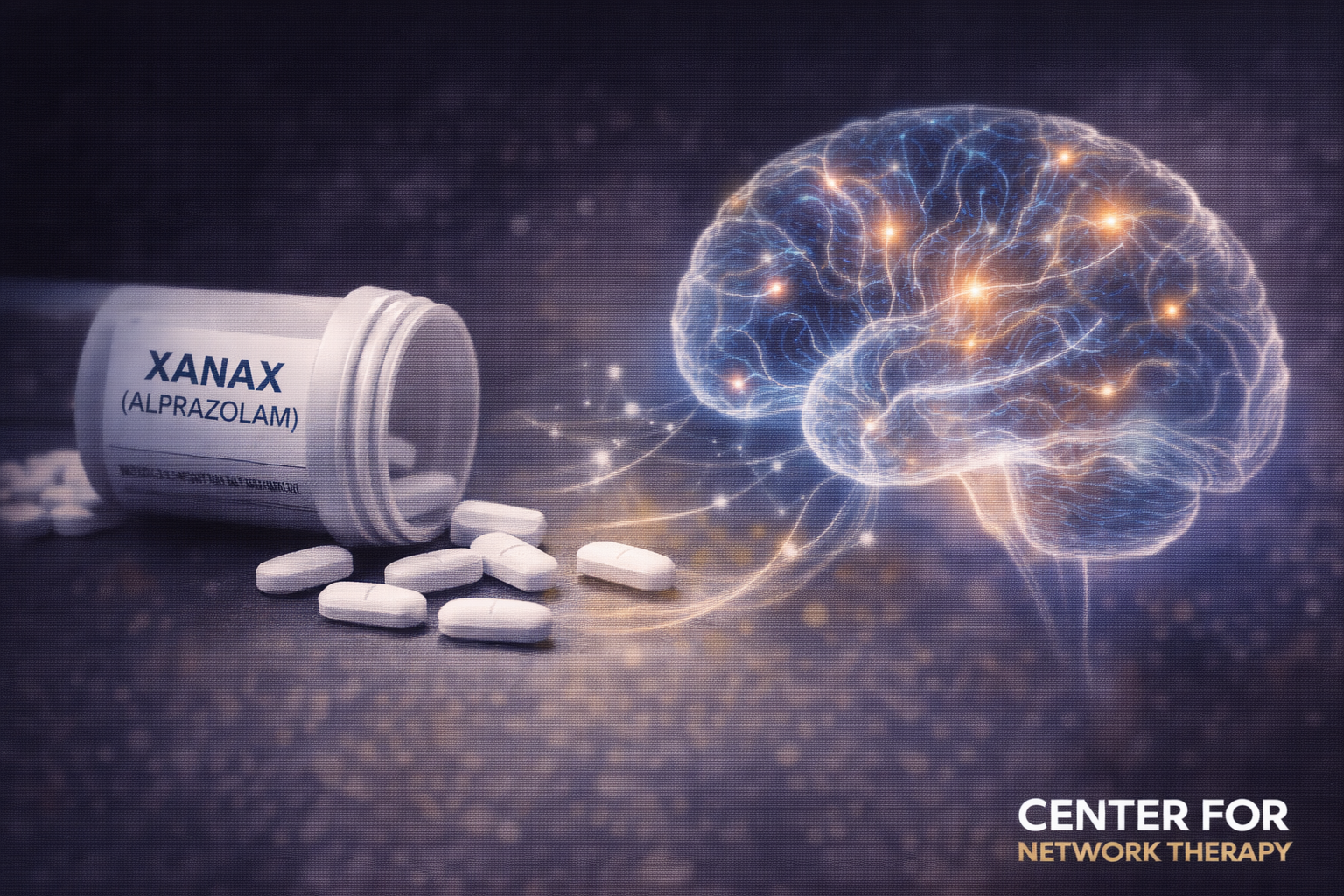
Xanax belongs to a group of drugs called benzodiazepines. These medications act on a brain chemical called GABA.
GABA plays a key role in slowing down brain activity. When levels of GABA increase, the brain feels calmer. This is why Xanax can reduce anxiety and panic so quickly.
After taking a dose, the effects usually begin within an hour. You may feel relaxed, sleepy or less tense.
This fast action is also what makes Xanax more likely to be habit-forming. The brain quickly connects the drug with relief.
Short-Term Effects on Brain Function
In the short term, Xanax changes how your brain processes information. Some effects are noticeable almost immediately.
You may feel drowsy or mentally slowed down. Many people report feeling less alert or slightly disconnected.
Memory can also be affected. It becomes harder to form new memories after taking Xanax. You might forget conversations or events that happen while the drug is active.
Other short-term effects can include dizziness, mood changes or reduced coordination. These are all tied to how the brain’s activity is being suppressed.
Why Memory Gets Affected
Xanax impacts areas of the brain responsible for learning and memory. When brain activity slows down, it becomes harder to store new information.
This is why some people experience gaps in memory. It is not always obvious right away. You might only notice it later when you try to recall something and cannot.
With repeated use, these memory issues can become more noticeable.
Long-Term Effects on the Brain
Long-term use of Xanax can lead to deeper changes in how the brain functions. These changes are often linked to dependence and tolerance.
Over time, the brain starts relying on Xanax to maintain calmness. It begins to produce less GABA on its own. This creates a cycle where you need the drug to feel normal.
Some people experience ongoing memory problems. Others notice difficulty concentrating or processing information. Learning new things may feel slower than before.
There can also be delays in reaction time and reduced mental sharpness. These effects vary from person to person, but they tend to increase with prolonged use.
Tolerance and Dependence
With regular use, the same dose may stop feeling as effective. This is called tolerance. The brain adapts and starts expecting the drug.
As tolerance builds, some people increase their dose without realizing the risks. This can lead to dependence.
At this stage, stopping the drug suddenly can feel difficult. The brain has adjusted to the presence of Xanax and struggles to function without it.
What Happens During Withdrawal
When Xanax is reduced or stopped, the brain needs time to rebalance itself. Since GABA levels were supported by the drug, the brain may not produce enough right away.
This can lead to symptoms like anxiety, restlessness and trouble sleeping. Some people feel a return of panic symptoms, sometimes stronger than before.
In more serious cases, withdrawal can include confusion or seizures. This is why stopping Xanax suddenly is not recommended without medical guidance.
If you want to understand more about severe risks, you can read here
When Use Starts Feeling Different
There is often a point where Xanax stops feeling like a solution and starts feeling like something you rely on.
You might notice you reach for it more often. Or that you feel uneasy without it. These patterns are worth paying attention to.
Recognizing these shifts early makes it easier to take control before things escalate.
Take a Confidential Self-Check
If you are unsure about your usage patterns, a quick self-check can help you reflect.
Take a confidential assessment here
It is simple and can give you clarity on what your next step could look like.
FAQs
How does Xanax affect the brain?
Xanax increases GABA levels, which slows brain activity and creates a calming effect.
Can Xanax cause memory loss?
Yes. It can make it harder to form new memories, especially while the drug is active.
Are the brain effects of Xanax permanent?
Some effects may improve after stopping, but long-term use can lead to lasting changes in some cases.
How quickly does dependence develop?
Dependence can start forming within a few weeks of regular use, especially at higher doses.
Why is Xanax addictive?
It works quickly and activates the brain’s reward system, which increases the risk of repeated use.
What happens if you stop Xanax suddenly?
You may experience anxiety, sleep issues and other withdrawal symptoms. In some cases, it can be serious.
A Thought to Carry Forward
Xanax can feel like quick relief when anxiety takes over.
But your brain adapts faster than you expect.
The goal is not just to feel better in the moment, but to protect how your mind works in the long run.