Table of Contents
ToggleWhat Does “Crack” Mean?
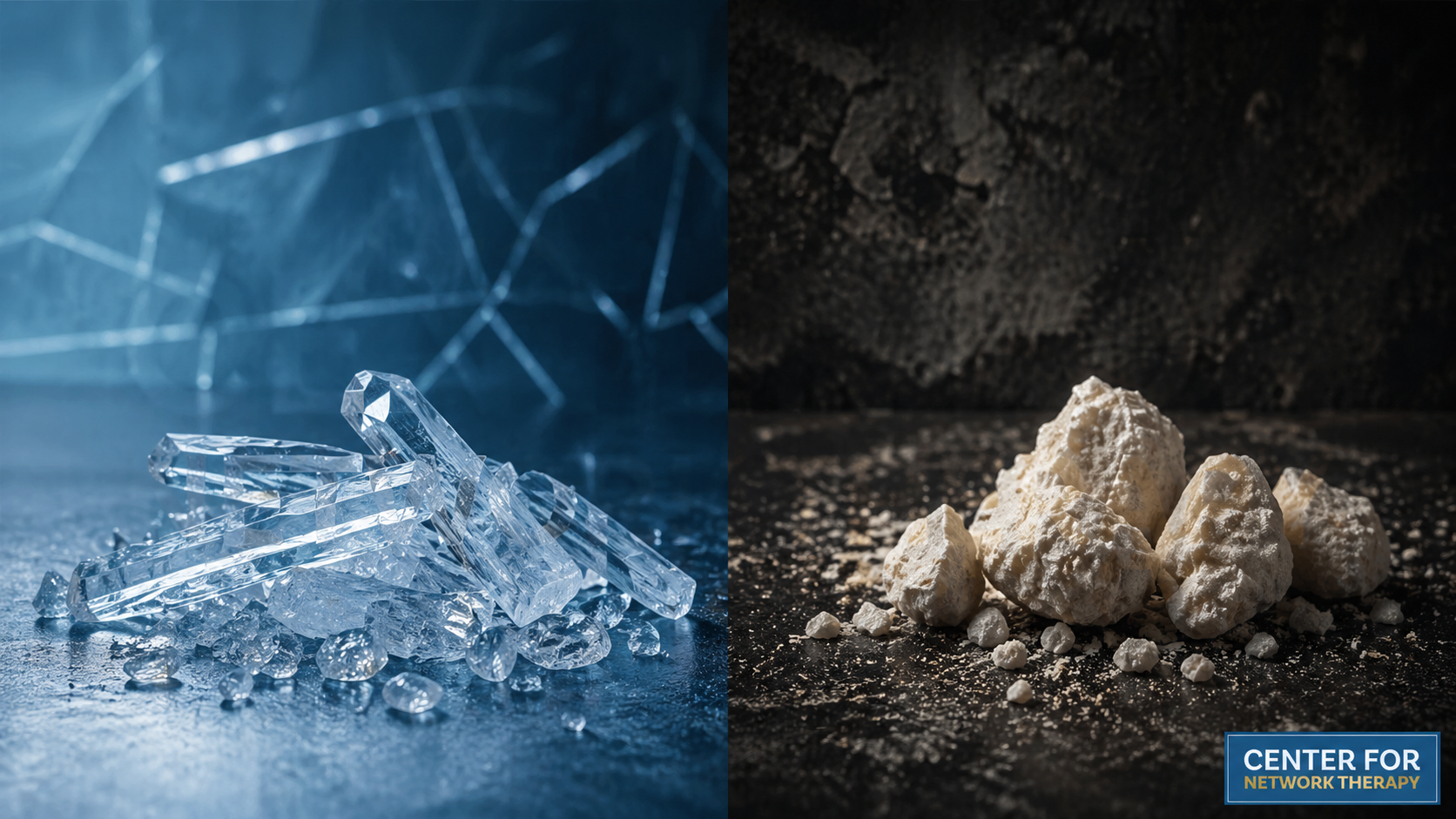
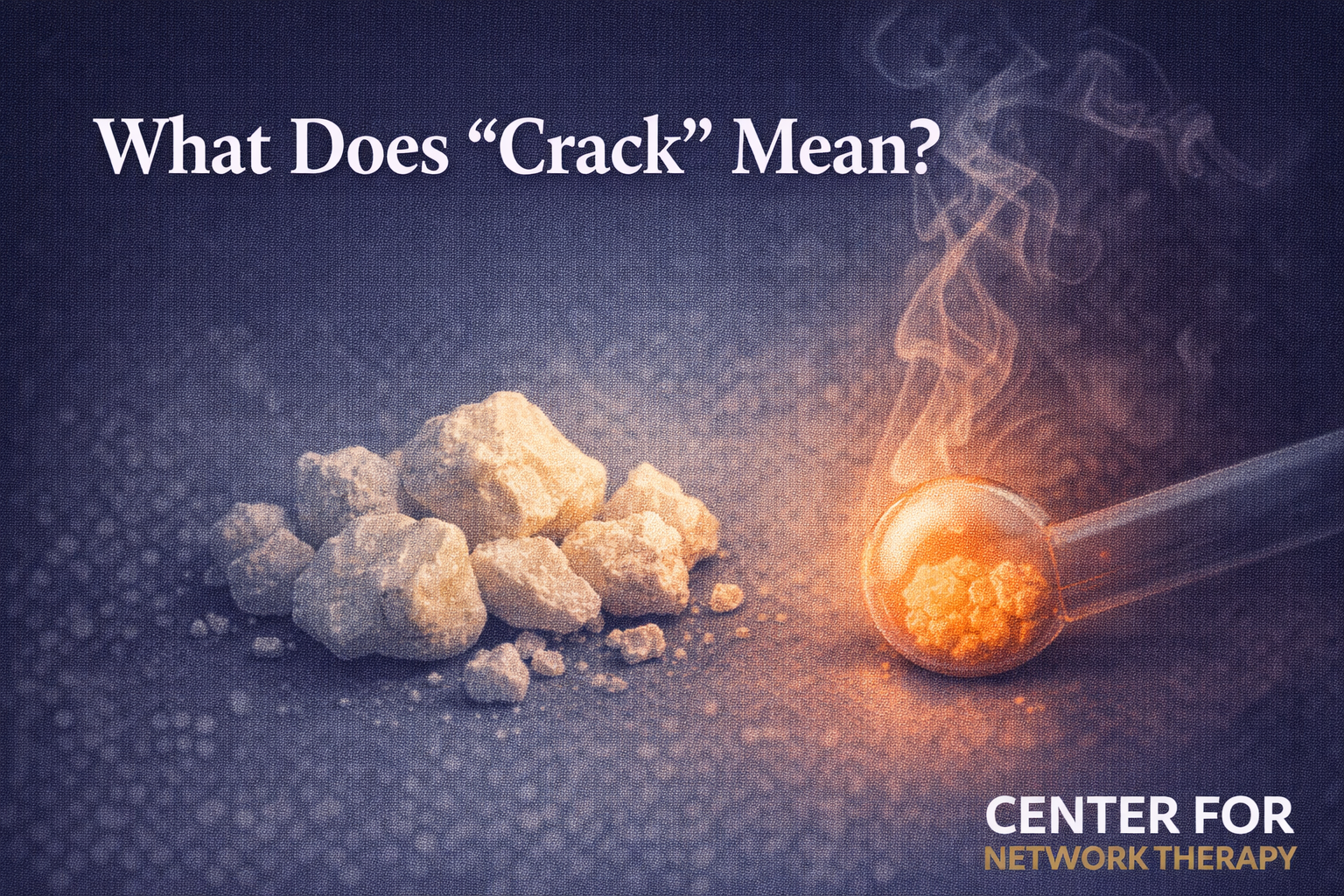
Crack cocaine is a form of cocaine that has been processed to be smoked.
It starts as powder cocaine.
Then it’s heated with substances like baking soda.
This creates small, rock-like crystals.
These rocks are smoked.
That’s what gives crack its fast, intense high.
The name “crack” comes from the sound it makes when heated.
Why Crack Cocaine Became So Common
Crack gained attention because it’s:
-
Easy to produce
-
Less expensive than powder cocaine
-
Fast-acting
The high hits within seconds.
That quick effect makes it more addictive.
You don’t wait.
You feel it immediately.
That’s where the cycle begins.
Common Street Names for Crack Cocaine
People rarely use the word “crack” directly.
Street names keep changing.
They help avoid detection.
They also blend into normal conversations.
Here are some commonly used names:
-
Rock
-
Nuggets
-
White sugar
-
Base
-
Freebase
-
Candy
-
Cookies
-
Dice
-
Rox
-
White ball
-
Fat bags
-
Moon rock
Some names describe how it looks.
Some are coded.
Some don’t make sense unless you already know.
That’s the point.
Slang Related to Crack Use
It’s not just the drug name that changes.
The language around usage also shifts.
You might hear:
-
Crack house → a place where it’s used or sold
-
Crack pipe → device used to smoke it
-
Crack spot → selling location
-
Chronic → sometimes refers to cocaine mixed with other substances
These terms can show up casually.
In texts.
In conversations.
In social media.
You might miss them if you don’t know what to look for.
Why These Names Matter?
This isn’t just about vocabulary.
It’s about awareness.
If someone around you is using unfamiliar terms, ask yourself:
-
Does this sound like coded language?
-
Has their behavior changed too?
-
Are they avoiding direct answers?
Early signs are often subtle.
Language is one of them.
The Risks Behind Crack Cocaine
Crack cocaine is highly addictive.
It affects the brain fast.
And it wears off fast.
That leads to repeated use.
Over time, this can cause:
-
Strong cravings
-
Mood swings
-
Anxiety or paranoia
-
Financial and social problems
-
Increased risk of overdose
Many people don’t realize how quickly it escalates.
When to Pay Attention
You don’t need proof.
Patterns are enough.
Watch for:
-
Sudden use of unfamiliar slang
-
Secretive behavior
-
Rapid mood changes
-
Financial stress without explanation
If something feels off, it usually is.
Getting Support Early
If you or someone close to you is dealing with cocaine use, support can make a real difference.
At the Center for Network Therapy, care is structured but flexible.
You don’t have to step away from your life completely.
You can start recovery while staying connected to work and family.
Learn more about treatment options here
A Step You Can Take Today
You don’t need to wait for things to get worse.
You can:
-
Ask questions
-
Talk to a professional
-
Explore treatment options privately
📞 Call 732-484-9661
📝 Take the confidential detox quiz to understand your next step
Outpatient programs are available across:
-
Middlesex
-
Freehold
-
West Orange, NJ
Final Thought
Sometimes, the signs aren’t obvious.
They show up in small ways.
A word.
A pattern.
A shift in behavior.
Noticing early gives you a chance to act early.
And that can change everything.