Published August 3, 2026.
Table of Contents
ToggleIntroduction
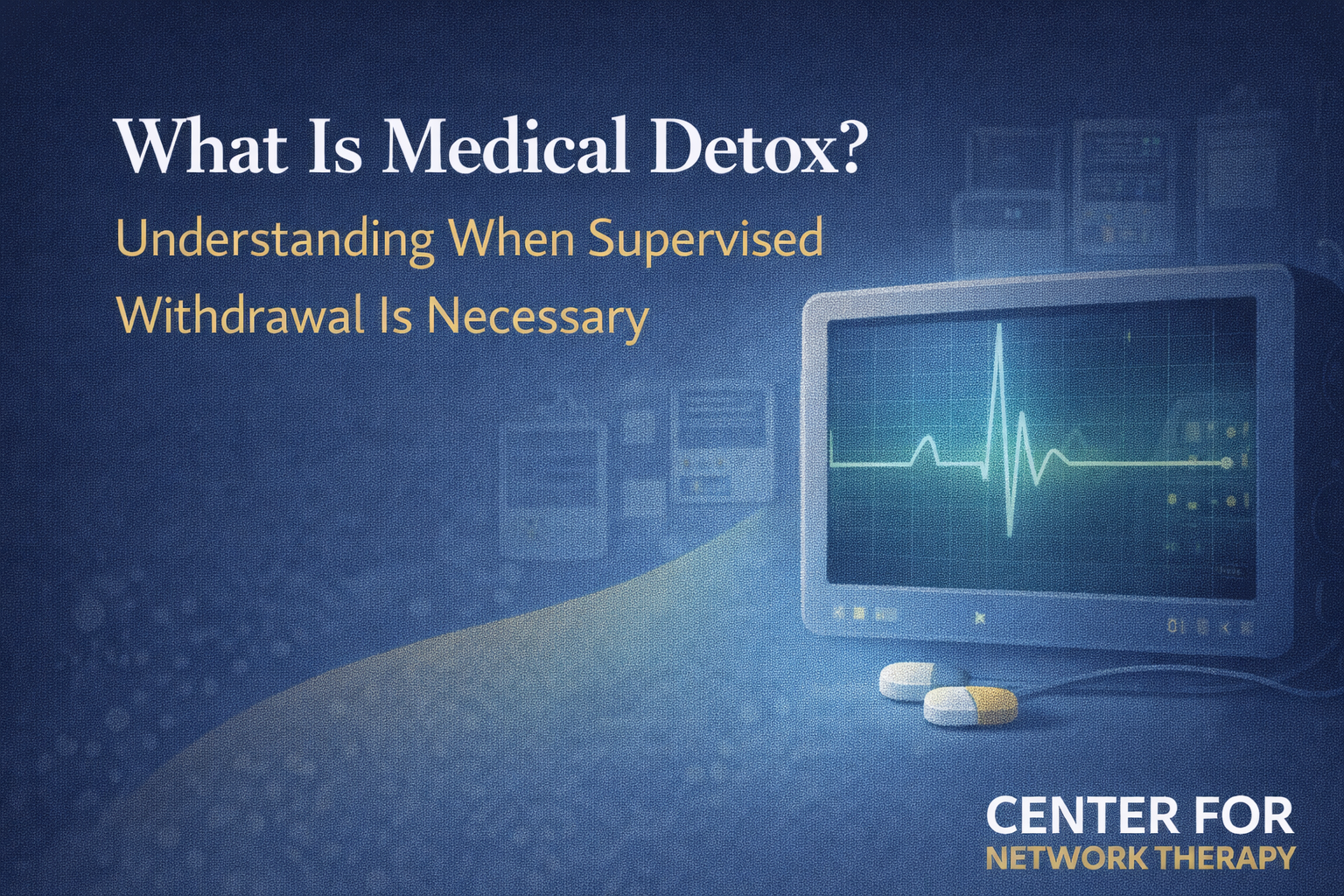
When a person stops or sharply reduces use of alcohol, opioids, benzodiazepines, or other substances, the body can respond with a range of physical and mental symptoms. Monitoring vital signs is a routine part of medically supervised detox. It helps clinicians detect dangerous changes early, guide medication and level-of-care decisions, and protect safety for the person and others. This article explains what detox vital signs monitoring means, why it is done, and when higher-level or urgent care is needed.
What nurses and clinicians watch for
Vital signs are simple, objective measures of how the body is functioning. In detox they usually include:
- Heart rate (pulse)
- Blood pressure
- Respiratory rate
- Body temperature
- Oxygen saturation, when respiratory depression or lung problems are a concern
Clinicians pair these measures with standardized withdrawal scales, such as the Clinical Institute Withdrawal Assessment for Alcohol revised version CIWA-Ar for alcohol, or the Clinical Opiate Withdrawal Scale COWS for opioids. Together the objective vital signs and symptom scales guide safe dosing of withdrawal medications and decisions about observation or transfer to a higher level of care. (asam.org)
Why objective measures matter
Symptom checklists are important, but some complications show up first as changes in vital signs. For example, alcohol withdrawal can progress to severe agitation, fever, high blood pressure, and in some cases delirium tremens and seizures. Opioid withdrawal can cause rapid heart rate and vomiting that leads to dehydration, and coexisting sedative use may raise the risk of respiratory depression. Tracking vitals helps teams identify deterioration early and intervene. (asam.org)
Where monitoring happens: common settings
Detox care is delivered in several settings. Each setting has different expectations for how often and how intensively vital signs are monitored. State regulations and professional guidelines recommend that even outpatient detox programs document vitals and withdrawal scores and provide timely medical supervision. New Jersey regulations and program guidance require daily medical supervision for outpatient detox and include vital sign checks as part of discharge readiness. (regulations.justia.com)
| Level of care | Typical monitoring | Who provides monitoring | When transfer is considered |
|---|---|---|---|
| Ambulatory detox without extended on-site monitoring | Periodic checks, symptom-triggered assessments; vitals recorded at visits. | RN, nurse practitioner, physician oversight available. | Worsening vital signs, high withdrawal scores, inability to stay safe at home. |
| Ambulatory detox with extended on-site monitoring | More frequent vitals and observation during the visit, symptom scales used to guide meds. | On-site nursing and medical staff during monitoring hours. | Escalation to inpatient or ED for severe symptoms or unstable vitals. |
| Inpatient or hospital-based detox | Continuous or frequent vital sign monitoring, electronic monitoring as needed. | 24-hour medical and nursing care, rapid access to critical care. | Persistent unstable vitals, seizures, respiratory failure, delirium. |
These descriptions are general. Individual program policies and state licensing rules determine exact monitoring schedules and staffing. New Jersey programs must meet state licensing requirements for medical supervision, withdrawal monitoring, and documentation. (regulations.justia.com)
How monitoring guides treatment decisions
Monitoring affects three common clinical decisions during detox:
- Triage and placement: unstable or rapidly changing vital signs are a reason for inpatient care or emergency transfer. Clinical guidelines list risk factors that prompt higher levels of monitoring. (asam.org)
- Medication use: sedative medications for alcohol withdrawal, and certain adjunctive agents for opioid withdrawal, are titrated using symptom scales plus vital signs to avoid under- or over-treatment. Programs use CIWA-Ar, COWS, or similar tools to guide symptom-triggered dosing. (pmc.ncbi.nlm.nih.gov)
- Discharge readiness: programs commonly require return to stable vital signs and improvement in withdrawal symptoms before moving to the next phase of treatment. State guidance may specify expectations. (nj.gov)
Examples of risks detected by vitals
- High blood pressure and fever during alcohol withdrawal, which may precede delirium tremens. (asam.org)
- Slow breathing or low oxygen saturation when sedatives or benzodiazepines are used, particularly with opioids present. (samhsa.gov)
- Tachycardia, severe vomiting, or dehydration during opioid withdrawal that requires fluids or higher-level care. (nida.nih.gov)
Who needs extra caution
Certain groups are at higher risk for complications and generally require more intensive monitoring or hospital-based detox:
- People with a past history of severe withdrawal, seizures, or delirium tremens. (asam.org)
- Pregnant people, because withdrawal can affect both the pregnant person and the fetus, care should be coordinated with obstetrics and addiction medicine specialists. (asam.org)
- Adolescents and young people, who require age-appropriate assessment and often specialist involvement. (nj.gov)
- People taking multiple sedating medicines or with serious medical conditions such as heart, liver, or lung disease. (asam.org)
In these situations, programs should offer or arrange medically supervised settings with continuous monitoring and rapid access to emergency care. If someone is pregnant or is having seizures, psychosis, or suspected overdose, urgent care or emergency services are needed. Call 911 for a medical emergency. For a mental health crisis or suicide risk, call or text 988.
What to expect during outpatient detox visits
Outpatient programs differ, but you can typically expect an initial medical assessment that documents medical history, current medications, last use, and objective measures including vitals and withdrawal scores. During the early period of withdrawal programs may do repeat vital checks and symptom assessments, and give medication according to a symptom-triggered or standing order protocol. State guidance in New Jersey requires programs to include monitoring in their treatment and discharge planning. (nj.gov)
Common questions from patients and families
How often will vital signs be checked?
There is no single answer. Frequency depends on the substance, the person’s risk level, and the care setting. Higher risk or inpatient settings use more frequent or continuous monitoring; ambulatory settings use periodic or symptom-triggered checks. Your treatment team should explain the program s monitoring plan and what changes would prompt transfer. (asam.org)
Are vital sign checks invasive?
No. Vital signs are noninvasive measures such as a blood pressure cuff, pulse check, thermometer, and pulse oximeter. They are routine, quick, and used to keep people safe while withdrawal is managed. (pmc.ncbi.nlm.nih.gov)
Can my loved one detox at home with phone check ins?
Some low-risk patients may be managed with ambulatory strategies that include caregiver support and frequent outpatient follow-up, but this requires careful assessment. If vitals are unstable, withdrawal history is severe, or there are co-occurring medical or psychiatric conditions, in-person or inpatient care is safer. State rules in New Jersey outline when ambulatory management is appropriate and require medical supervision and vital sign documentation for outpatient detox. (regulations.justia.com)
Simple checklist for families
- Ask what vital signs the program measures and how often. (nj.gov)
- Ask what withdrawal scale the team uses CIWA-Ar or COWS and how scores affect medication decisions. (nida.nih.gov)
- Confirm who will provide medical oversight and how to reach staff after hours. (nj.gov)
- Know emergency numbers: call 911 for medical emergencies, and call or text 988 for mental health or suicide crises.
Safety callout
For mental health or suicide crises, call or text 988. These are emergency resources. Detox programs cannot replace emergency medical care when a person is unstable.
Next steps and how we can help
This information is general education, not individualized medical advice. Placement and medication decisions require assessment by a qualified clinician who can review a person s full medical, psychiatric, and substance use history. If you are considering detox, ask programs about their monitoring practices, medical staffing, and transfer arrangements in case a higher level of care is needed. In New Jersey, licensed detox programs and outpatient ambulatory withdrawal services are required to provide medical supervision and document vital signs as part of safe care. (regulations.justia.com)
If you would like a confidential assessment or to speak with an admissions team about treatment options, you can request an assessment or contact us. Learn more about treatments we offer at our treatments page, find locations at our locations page, or reach out directly through our contact form. There is no pressure, only a private conversation about safety and options.
Frequently used resources and sources
- ASAM Clinical Practice Guideline, Alcohol Withdrawal Management. (Guideline on monitoring and management of withdrawal.) (asam.org)
- NIDA, Clinical Opiate Withdrawal Scale (COWS). (Tool used to assess opioid withdrawal.) (nida.nih.gov)
- SAMHSA, Treatment Options for Substance Use Disorders. (Overview of treatment and medication options.) (samhsa.gov)
- CDC, Overdose Prevention and Management. (Information on respiratory depression and overdose risks.) (samhsa.gov)
- Evaluation of CIWA-Ar use in clinical settings. (Nursing implementation and links to vital sign checks.) (pmc.ncbi.nlm.nih.gov)
- New Jersey Administrative Code and DMHAS guidance on withdrawal management. (State requirements for monitoring and documentation.) (regulations.justia.com)
This article is intended for general education and does not replace individualized clinical assessment. The site content is not a clinical review by a named clinician. For immediate life-threatening problems call 911. For mental health or suicide crises call or text 988.