Table of Contents
ToggleWhat is detox
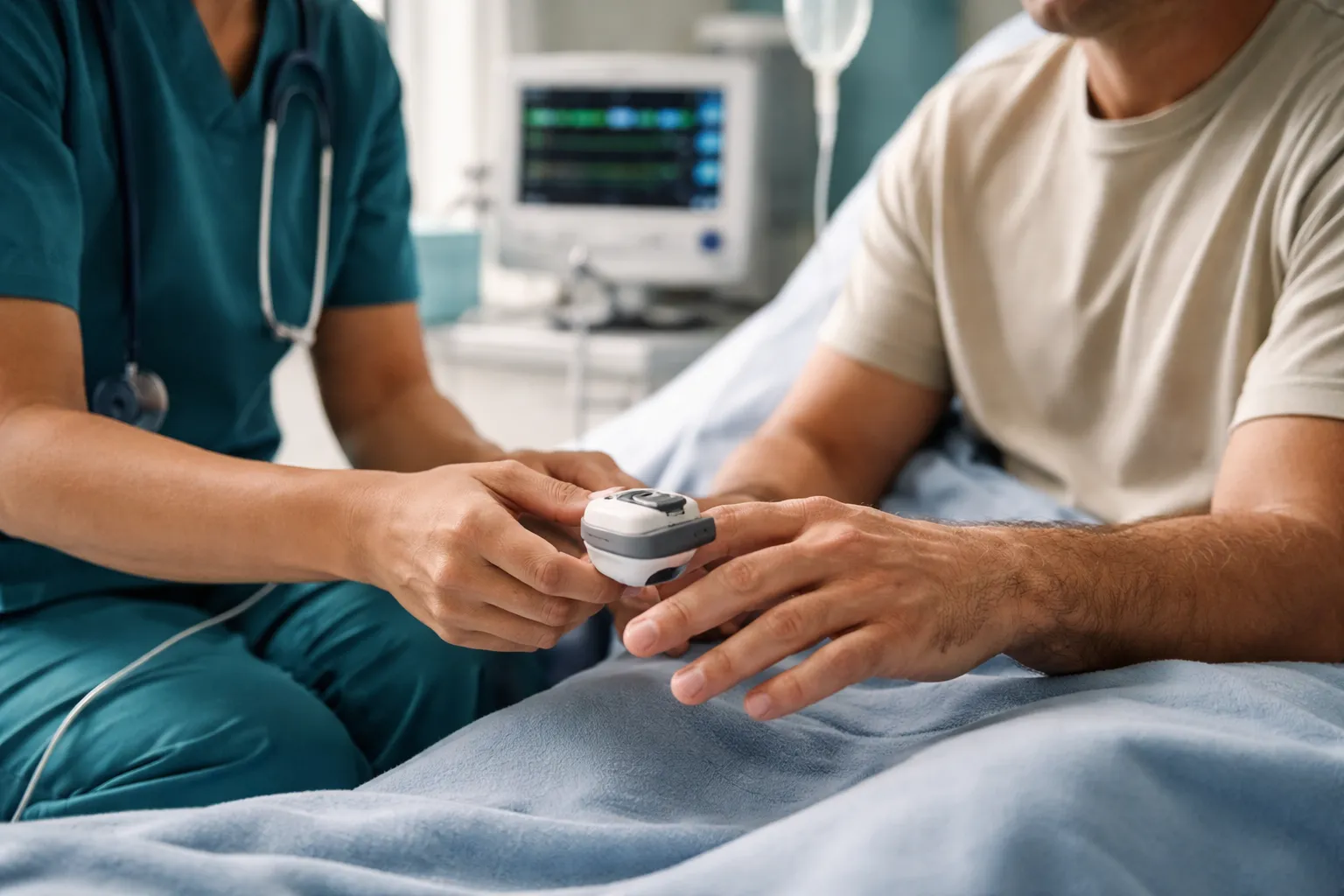
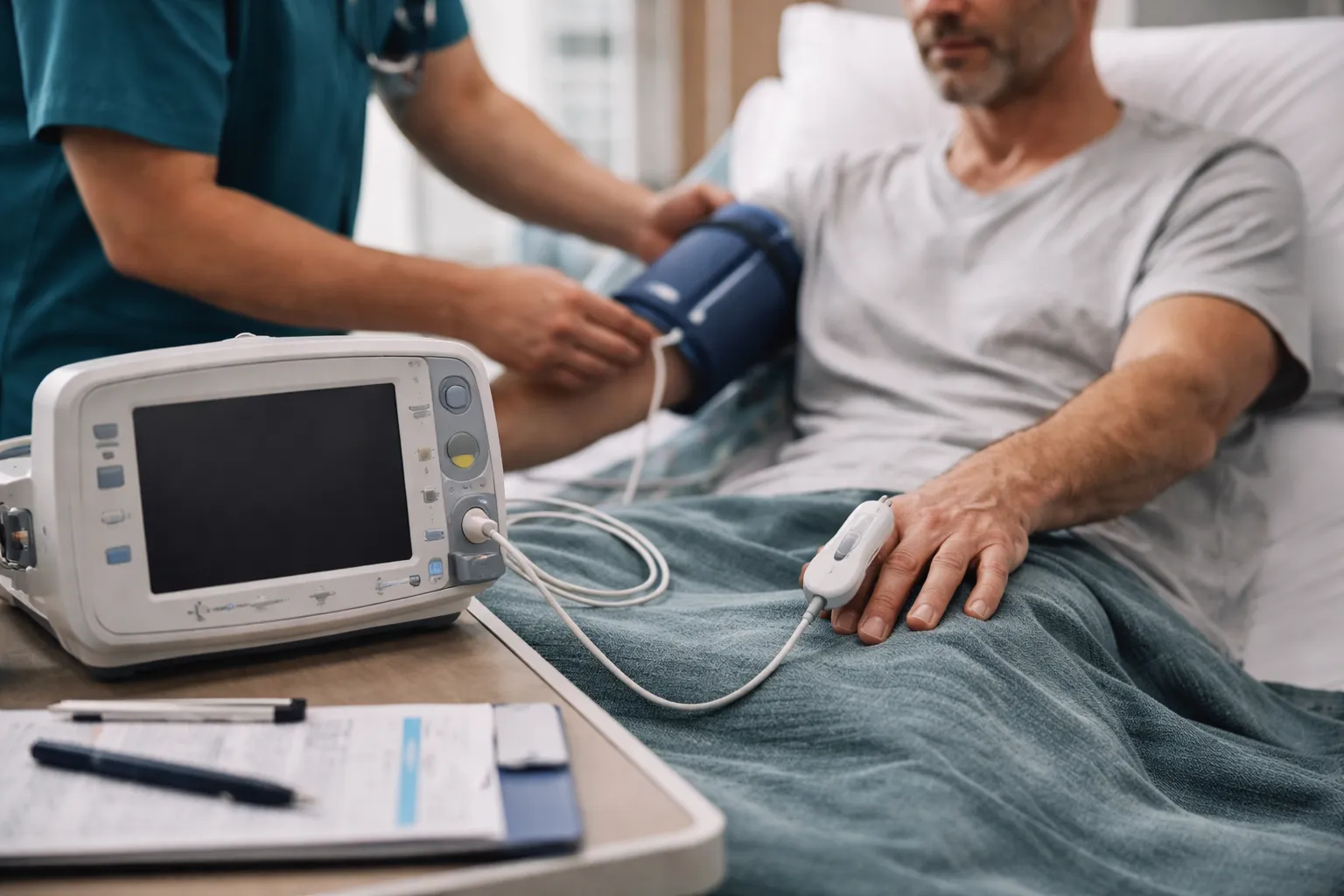
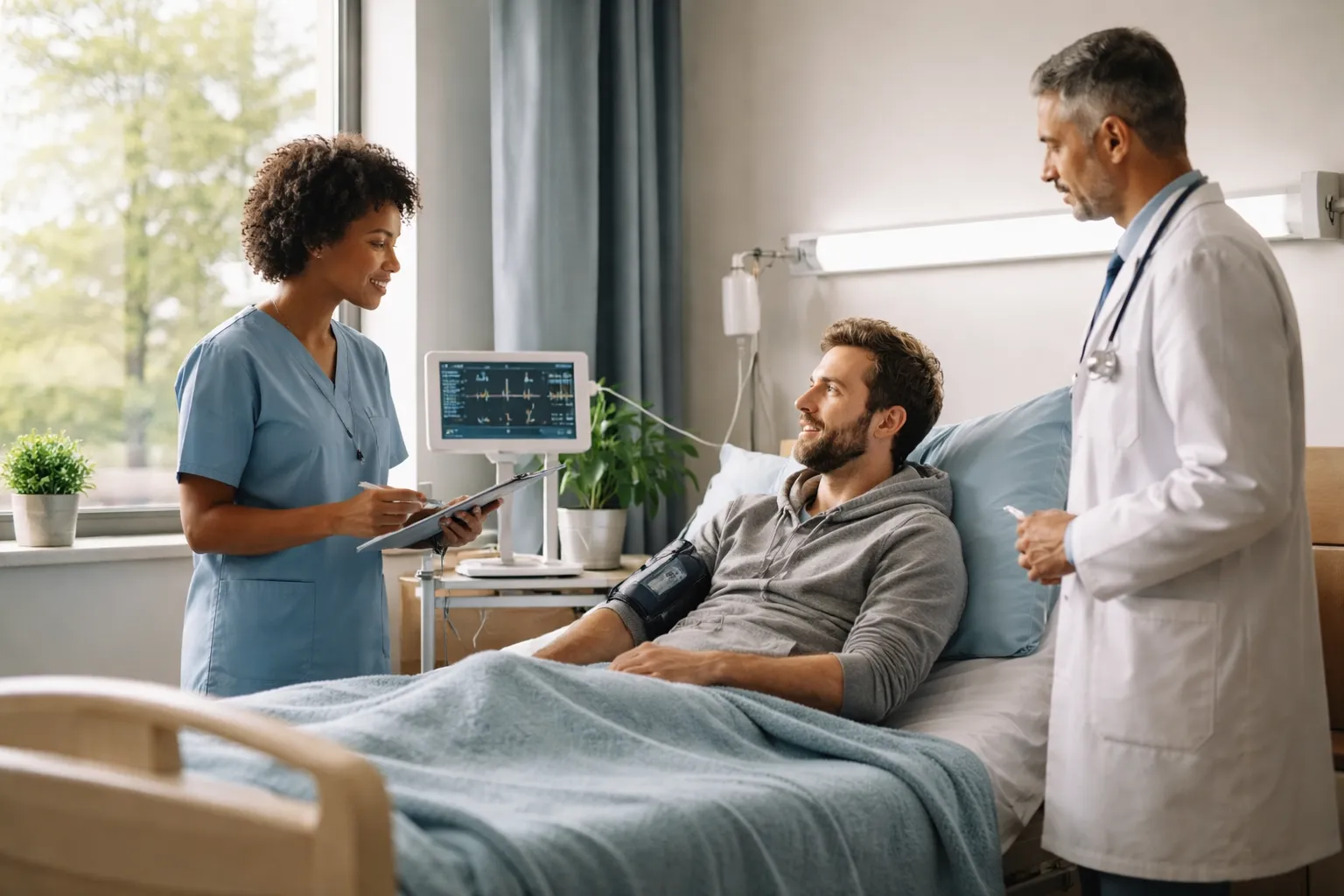
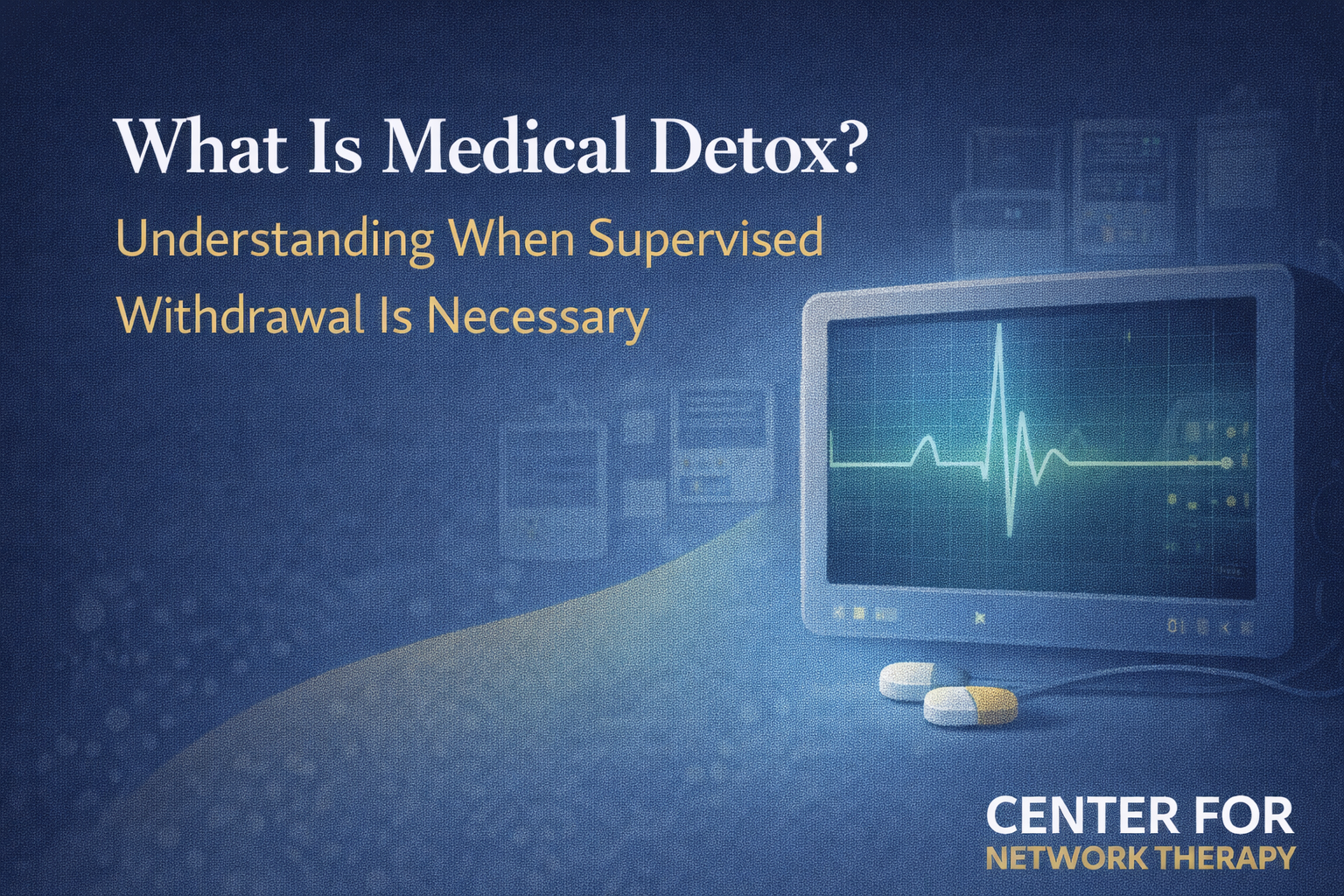
Detoxification, often called detox, means the medical and nursing care provided to manage the physical effects of stopping or reducing use of alcohol or other drugs. It is focused on evaluation, stabilization, and preparing a person to enter ongoing addiction treatment. Detox alone does not treat the underlying behavioral and social aspects of substance use disorders, it is one part of a larger care plan. (ncbi.nlm.nih.gov)
Why detox matters, and what it can do for you
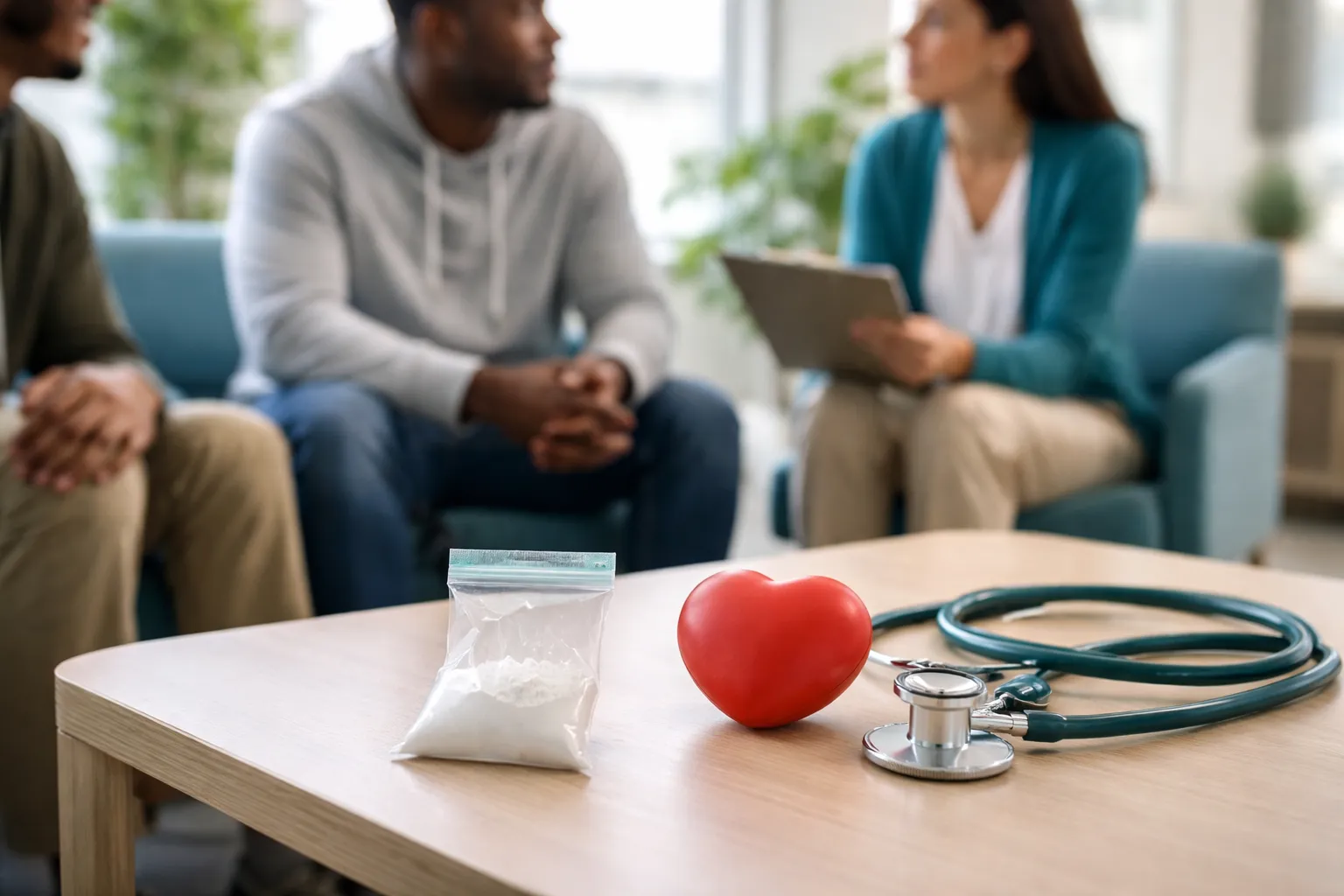
Many substances cause physical dependence. When use stops, withdrawal symptoms can range from mild discomfort to life threatening complications. Appropriate medical management reduces symptom severity, lowers the risk of complications like seizures or delirium tremens with alcohol withdrawal, and creates a safer bridge into ongoing treatment. Decisions about whether detox should include medications, and what setting is safest, require clinical assessment by a qualified clinician. (niaaa.nih.gov)
Settings and levels of care for detox in New Jersey
Detox services may be offered in outpatient clinics, hospital inpatient units, residential medically monitored programs, or specialized opioid treatment programs. New Jersey’s Division of Mental Health and Addiction Services oversees the licensed network of providers and maintains resources for people seeking help in the state. If you live in New Jersey and need help finding a program, ReachNJ is the state addiction helpline. (nj.gov)
What to expect in an initial evaluation
- Medical and psychiatric history, recent substance use, and prior withdrawal history.
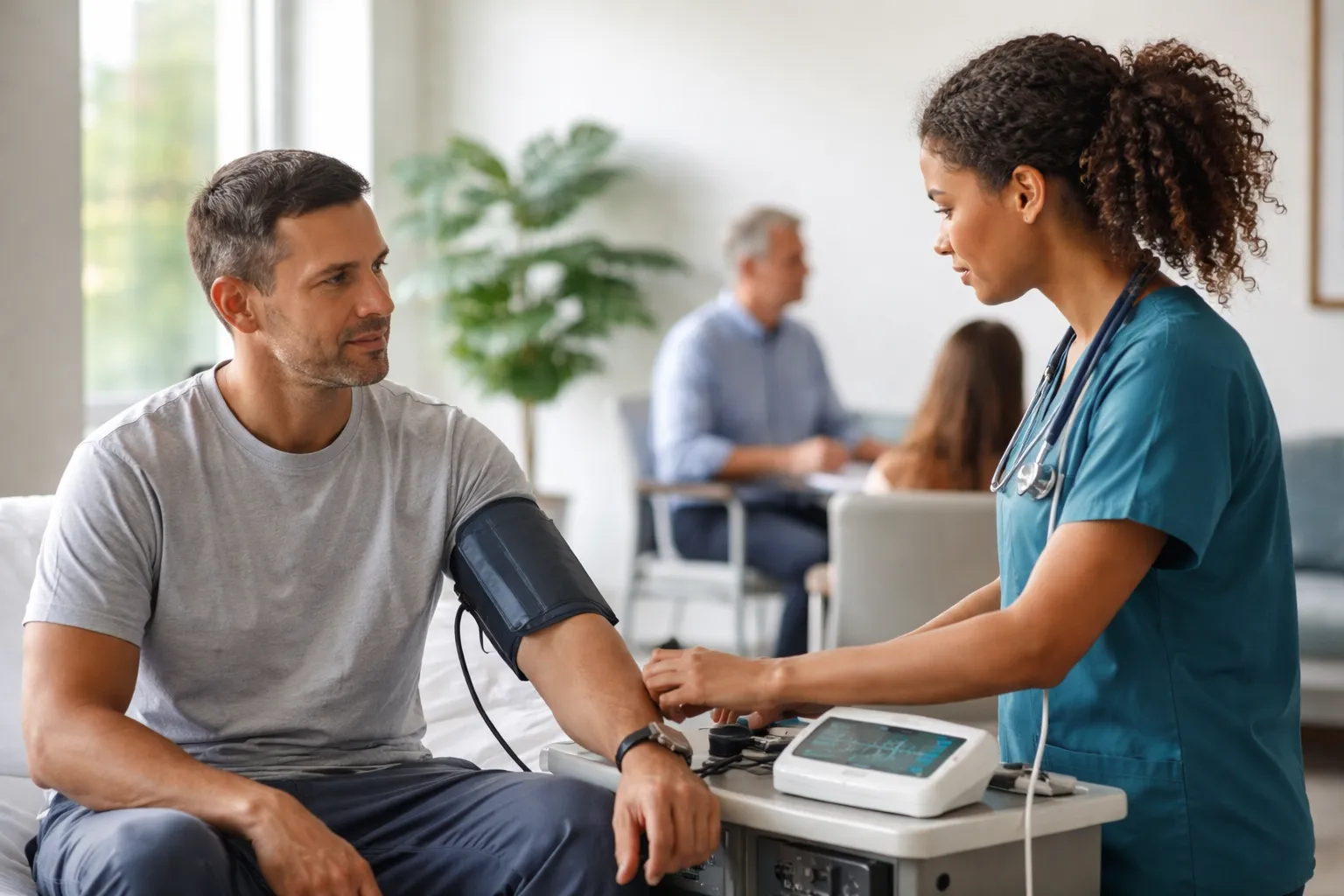
- Vital signs, focused physical exam, and laboratory testing as indicated.
- Use of validated screening tools such as the Clinical Opiate Withdrawal Scale or CIWA-Ar for alcohol to estimate severity and guide care.
- A plan for symptom management, safety monitoring, and transition to continued treatment.
Medications used during detox and key risks
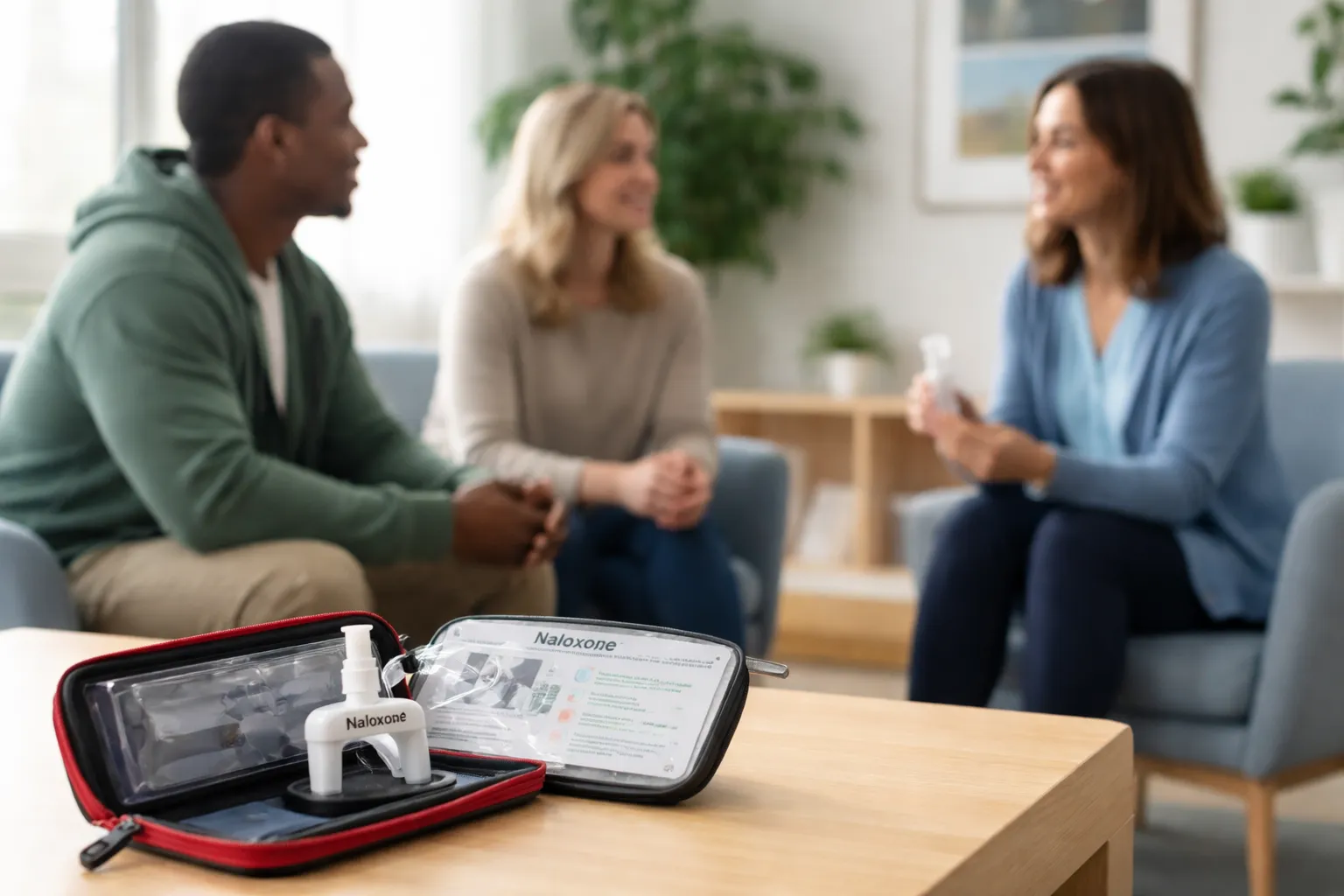
For opioid withdrawal, medications that are part of evidence-based treatment include buprenorphine, methadone, and naltrexone. These therapies, sometimes called medications for opioid use disorder or MOUD, are approved by the U.S. Food and Drug Administration and are recommended as standard of care for opioid use disorder because they reduce cravings, withdrawal, and the risk of overdose when used appropriately. The choice among them depends on medical history, current health, prior treatment response, and program availability. (fda.gov)
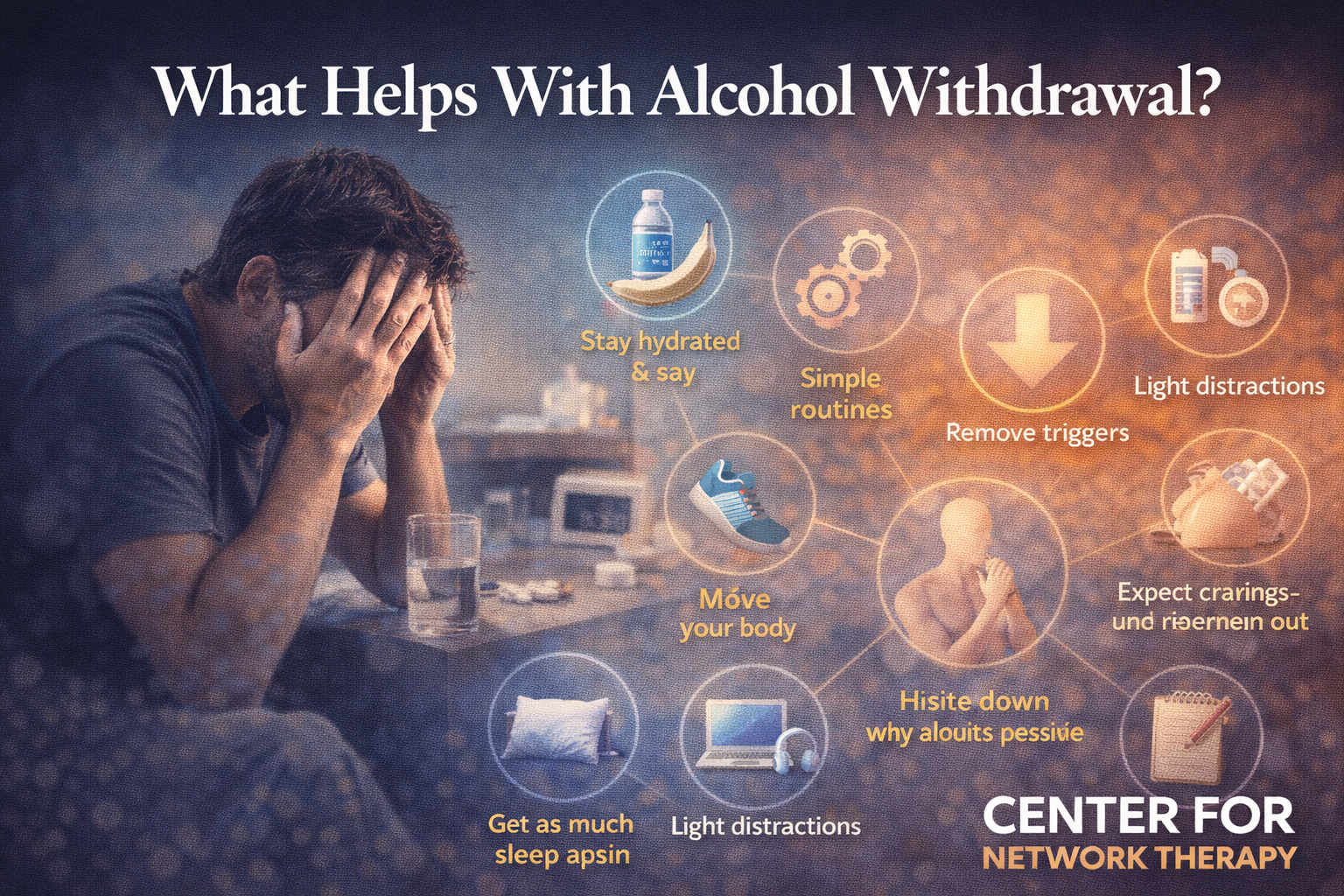
For alcohol withdrawal, benzodiazepines remain the most commonly recommended medication class for preventing seizures and delirium tremens. Other supportive measures include thiamine to reduce the risk of Wernicke encephalopathy, hydration, and monitoring of electrolytes. Severe alcohol withdrawal warrants hospital admission or a medically monitored residential setting. (ncbi.nlm.nih.gov)
Choosing outpatient detox versus inpatient care: a concise comparison
| Feature | Outpatient detox | Hospital inpatient or medically monitored residential detox |
|---|---|---|
| Best for | Mild to moderate withdrawal, stable home environment, reliable supports | Severe withdrawal risk, unstable medical or psychiatric conditions, repeated prior complicated withdrawals |
| Monitoring | Regular clinic visits, phone check-ins, vital sign checks as needed | Continuous nursing and physician oversight, rapid access to emergency care |
| Medication options | Many medications can be started outpatient depending on diagnosis and clinician skill | Full range of medications and parenteral therapies, safer for severe cases |
| Intensity and cost | Lower intensity and often lower upfront cost, but insurance and coverage vary | Higher intensity, higher cost; may be required for medical safety |
| Goal | Safe symptom control and outpatient transition into treatment | Stabilize severe physiologic risk and arrange next-level treatment |
Placement decisions use clinical criteria, including prior withdrawal history, concurrent medical or psychiatric illness, and social factors. National guidance emphasizes that detox is most effective when paired with prompt entry to ongoing treatment and recovery supports. (ncbi.nlm.nih.gov)
Safety callout: immediate help and crisis lines
If someone is in immediate danger or has a life threatening medical emergency, call 911 right away. If you or someone is in a mental health or suicide crisis, call or text 988 for 24/7 crisis support. For New Jersey residents seeking treatment referrals, call ReachNJ at 1-844-REACHNJ (1-844-732-2465). These resources can help you find urgent medical or behavioral health care. (samhsa.gov)
Frequently asked questions
Will detox cure addiction?
No. Detox manages physical withdrawal and immediate medical risks. Long term outcomes improve when detox is followed by evidence-based treatment, which may include medications, counseling, and peer supports. Placement and medication choices require assessment by a qualified clinician. (ncbi.nlm.nih.gov)
Can I do detox at home?
Attempting unsupervised withdrawal is risky for some substances. Alcohol withdrawal can cause seizures or delirium tremens, which may be life threatening. For opioids, abrupt stopping can produce intense symptoms and increase overdose risk if opioid tolerance later changes. Talk with a clinician before deciding on home management. (niaaa.nih.gov)
Will insurance cover detox in New Jersey?
Insurance coverage varies by plan, and New Jersey operates state-funded programs for residents who qualify. Verify benefits with your insurer, and call ReachNJ or your county treatment access line for help locating providers and understanding payment options. The treatment provider or admissions team can also explain likely costs after an intake. (nj.gov)
Are medications safe during detox?
Medications used in detox and to treat substance use disorders are generally safe when prescribed and monitored by clinicians. Like all medicines, they have side effects and interactions. A clinician will weigh benefits and risks during assessment. The U.S. Food and Drug Administration and national treatment guidance describe approved medications for opioid use disorder and alcohol use disorder. (fda.gov)
Sources
- SAMHSA TIP 45, Detoxification and Substance Abuse Treatment (NCBI Bookshelf). This treatment improvement protocol defines detox components and placement guidance. (ncbi.nlm.nih.gov)
- National Institute on Drug Abuse, Opioids and Treatment. Overview of medications and evidence for opioid use disorder. (drugabuse.gov)
- U.S. Food and Drug Administration, Information about Medications for Opioid Use Disorder. Describes FDA-approved medications. (fda.gov)
- National Institute on Alcohol Abuse and Alcoholism, Alcohol Use Disorder resources. Guidance on alcohol withdrawal risks and treatment. (niaaa.nih.gov)
- New Jersey Division of Mental Health and Addiction Services (DMHAS). State resources and the ReachNJ helpline for New Jersey residents. (nj.gov)
- CDC, Treating Opioid Use Disorder. Evidence and practical points about medications and care settings. (cdc.gov)
Compassionate next steps
If you or a loved one are considering detox in NJ, start by calling a trusted clinician, your primary care provider, or the state helpline ReachNJ at 1-844-REACHNJ (1-844-732-2465) to get a prompt referral. You can also explore treatment options and find locations on our site pages about treatments and locations. If you are ready to talk confidentially with admissions, please request a confidential assessment or speak with the admissions team to review options tailored to your health needs and insurance. Remember, placement and medication decisions require a clinical assessment, and in a crisis call 911 or call or text 988. (nj.gov)
This article provides general information and is not individualized medical advice. A qualified clinician must assess and recommend the safest level of care and any medications for you or your loved one.