Finding the right care can feel overwhelming. This guide explains how to verify that a program is licensed in New Jersey, which clinical services to look for, how medications and safety are handled, and questions to ask before you call. This is general education, not medical advice. Placement and medication decisions require evaluation by a qualified clinician.
Table of Contents
ToggleWhy licensure matters
Licensure shows that a program meets state rules about staffing, safety, documentation, and the specific services it may offer. In New Jersey, the Division of Mental Health and Addiction Services maintains a treatment directory and rules governing which services a program may provide. Verify a program is licensed and that its license includes the services you need, such as outpatient detox, intensive outpatient, or opioid treatment. New Jersey DMHAS: Substance Use Disorder resources and the NJSAMS directory.
Start with verification: how to check a program is licensed
Ask the program for its license or license number, then confirm it independently using state resources. New Jersey rules require that outpatient programs list the specific categories of services they are licensed to provide, for example, outpatient detox or opioid treatment programs. If a program offers services not listed on its license, that is a red flag. N.J.A.C. 10:161B: rules for outpatient SUD treatment licensure.
Key clinical features to confirm
- Comprehensive intake assessment: a medical and behavioral evaluation that informs placement and treatment goals.
- Evidence based therapies: counseling approaches such as cognitive behavioral therapy and motivational enhancement therapy, and access to peer support. Ask whether the program follows evidence based practices. SAMHSA guidance on finding quality treatment.
- Medication availability when appropriate: for opioid use disorder, FDA approved medications include methadone, buprenorphine, and naltrexone, which are most effective when combined with counseling and continuing care. Medication decisions should be made after clinical assessment. NIDA: medications to treat opioid use disorder.
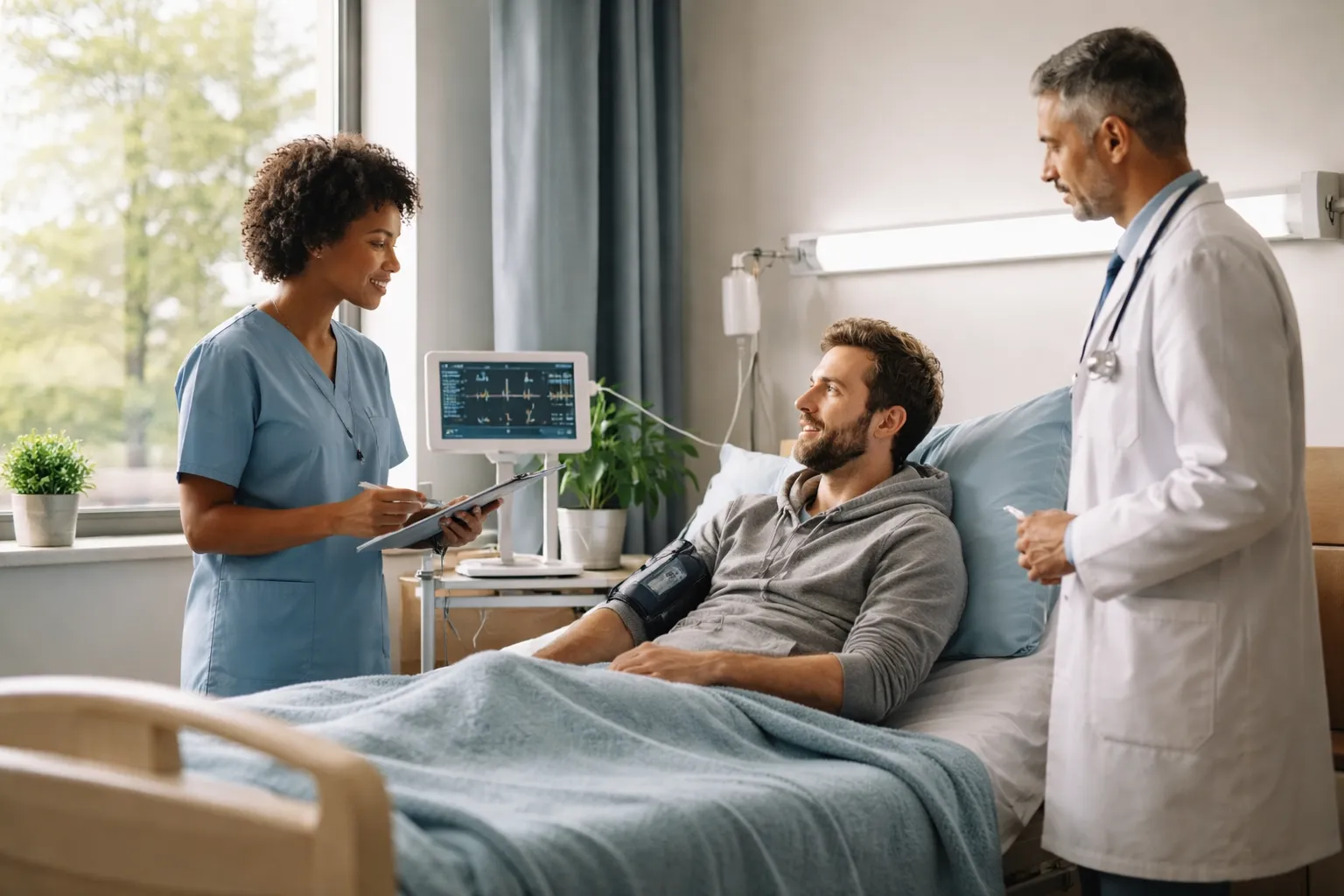
- Medical oversight and staff credentials: a medical director, licensed clinicians, and staff trained to manage withdrawal, side effects, and co-occurring mental health conditions.
- Continuity of care and discharge planning: clear plans for follow up care, referrals, and relapse prevention.
High risk situations that need specialized care
If the person is pregnant, an adolescent, experiencing severe withdrawal, seizures, psychosis, or recent overdose, ask for immediate referral to a specialized program or higher level of care. These conditions require urgent evaluation by medical professionals and may not be safe to treat in a low-intensity outpatient setting.
| Service level | Who it may suit | What to confirm |
|---|---|---|
| Outpatient | People with mild to moderate substance use who can live at home and attend scheduled visits | Licensed for outpatient services, offers counseling, medical oversight as needed, and clear intake assessment |
| Intensive outpatient (IOP) | People needing more frequent therapy while maintaining home living | Licensed for intensive outpatient services, structured therapy schedule, coordination with medical care |
| Opioid treatment program (OTP) | People needing methadone or structured medication dosing | State licensed as opioid treatment, on-site medication dispensing, clinical oversight |
| Residential | People needing 24 hour supervised care and a structured environment | Licensed as residential treatment, medical coverage for withdrawal and co-occurring conditions |
Note: New Jersey licensing rules require that a program only provide services explicitly listed on its license. Ask to see the license and confirm which categories are authorized. Read the outpatient licensure regulations.
Questions to ask every program
- Are you licensed by New Jersey to provide the specific service I need? Can I see the license or license number? DMHAS consumer resources.
- Do you offer evidence based therapies and integrate medications if indicated? Which clinicians prescribe or oversee medications?
- What are staff credentials, staff to patient ratios, and medical coverage hours?
- How do you manage withdrawal and medical emergencies? Do you transfer to hospitals when needed?
- How do you coordinate care with primary care, mental health providers, and community supports?
- What are typical costs, insurance accepted, and if I have questions about coverage, who can help me check benefits?
- What aftercare and relapse prevention services do you provide after discharge?
Medications and safety
If opioid use disorder is present, ask whether the program provides or coordinates FDA approved medications, and whether medication is combined with counseling. Research shows these medications reduce return to drug use and risk of overdose, but choices must be individualized. NIDA: medications for opioid use disorder.
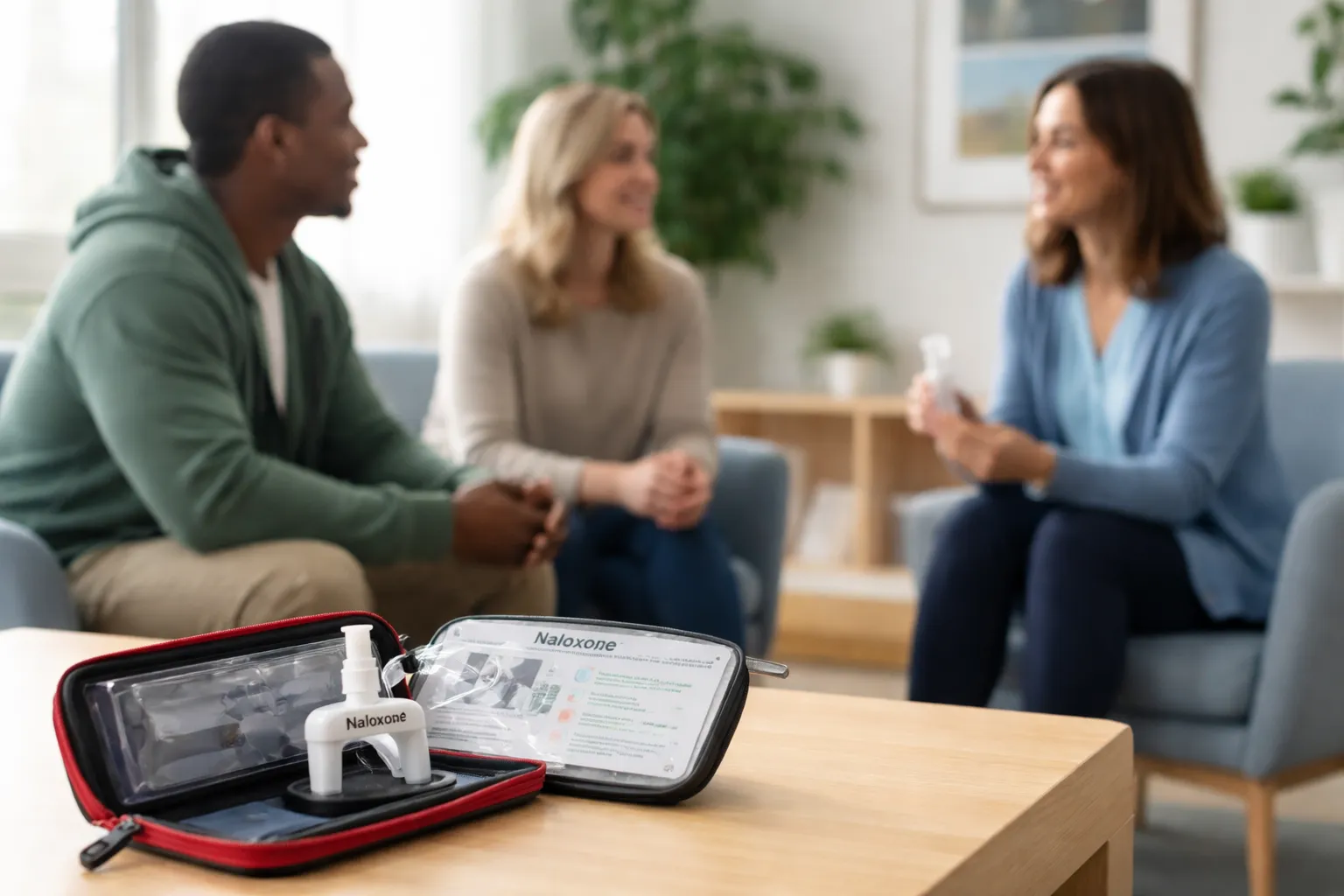
Carry or have access to naloxone if there is risk of opioid overdose. Naloxone can reverse opioid overdose and save lives. If someone is overdosing, call 911 immediately, give naloxone if available, and stay with the person until help arrives. CDC guidance on responding to suspected overdose and naloxone use. The FDA has information about naloxone products and access. FDA information on naloxone.
What accreditation and quality markers mean
Accreditation by organizations such as CARF or The Joint Commission indicates a program undergoes additional external review for quality and safety. Accreditation is not a substitute for state licensure, but it can be an additional positive indicator. Ask whether the program uses evidence based practices and tracks outcomes and patient satisfaction.
Practical considerations
- Insurance and payment: verify acceptance of your insurance, prior authorization needs, and out of pocket costs before starting.
- Location and hours: confirm whether services are in-person, telehealth, or hybrid, and how flexible scheduling is.
- Family involvement and privacy: ask how family can be involved and what privacy protections are in place under HIPAA and 42 CFR Part 2.
- Language and cultural competence: make sure services meet language needs and cultural preferences.
Safety callout
Emergency and crisis help: If someone is experiencing a medical emergency, call 911. For suicide risk or mental health crisis, call or text 988 for the Suicide and Crisis Lifeline. For treatment referrals, SAMHSA’s treatment locators and national helpline can help you find licensed providers. SAMHSA treatment locators and 988 information from SAMHSA.
Frequently asked questions
How do I know if outpatient treatment is right for my family member?
Start with a licensed program that performs a medical and psychosocial intake assessment. The assessment should explain why outpatient care is recommended, or why a higher level of care may be safer. High risk features such as unstable medical or psychiatric conditions, severe withdrawal risk, or recent overdose may indicate the need for more intensive care.
Will a program prescribe medication for opioid use disorder?
Some programs provide or coordinate medication. Ask whether medications are available on-site or by referral, who prescribes them, and how medication is monitored. Medication decisions should be made after a clinician assessment. NIDA guidance.
What if a program offers services not listed on its license?
New Jersey rules require programs to provide only the services listed on their license. If a program offers services not on its license, contact the state licensing office or DMHAS to confirm authority to provide those services. You may register a complaint with DMHAS. DMHAS substance use disorder contact and complaint information.
Sources and further reading
- New Jersey DMHAS: Substance Use Disorder resources and NJSAMS directory
- N.J.A.C. 10:161B: Licensure rules for outpatient substance use disorder treatment
- SAMHSA: Finding quality treatment for substance use disorders
- NIDA: Medications to treat opioid use disorder
- CDC: What to do if you think someone is overdosing, and naloxone information
- FDA: Information about naloxone and nalmefene
- SAMHSA: Treatment locators and national helpline
Compassionate next steps
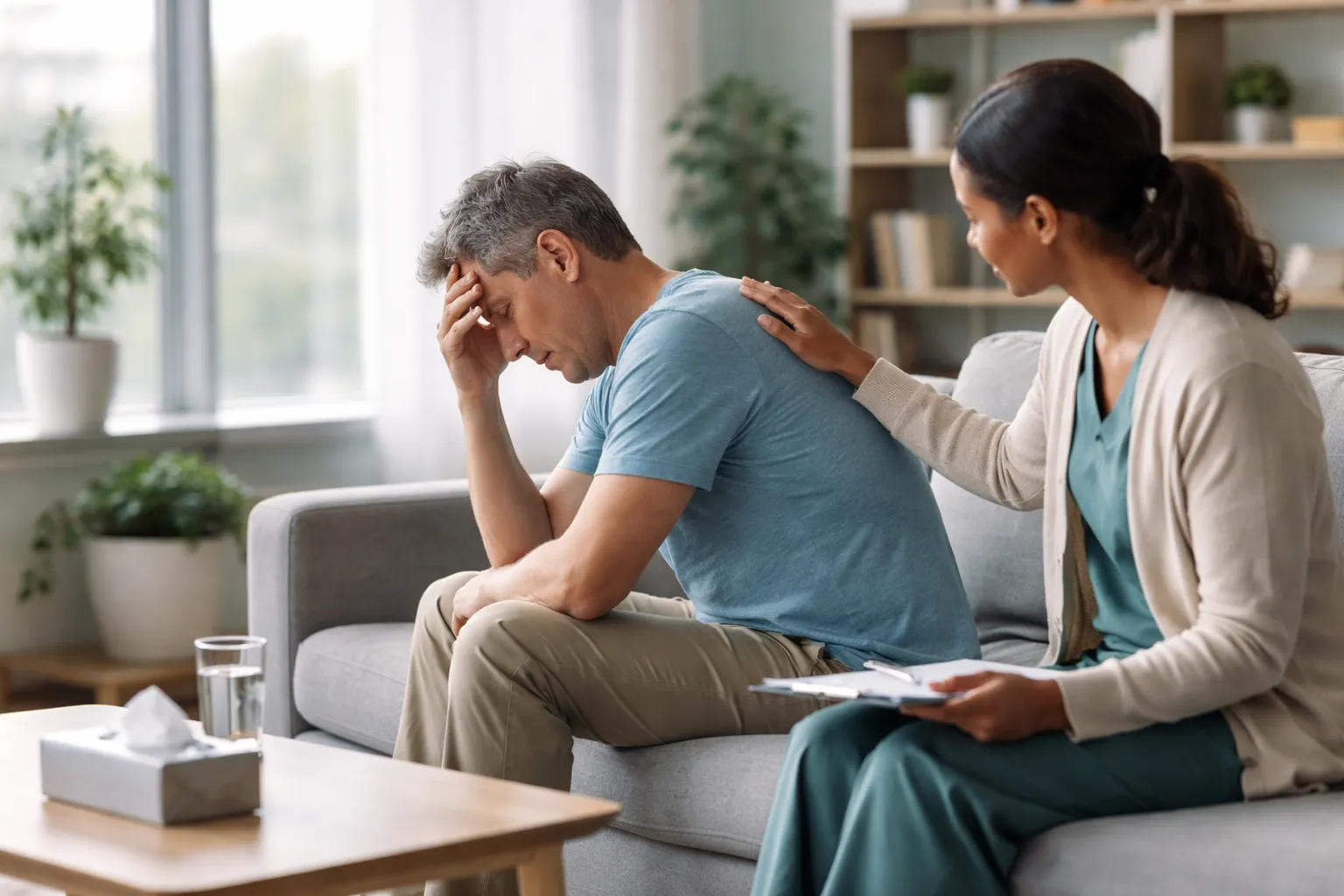
If you are ready to take the next step, prepare information for an intake call: basic medical history, current medications, recent substance use, prior treatment history, insurance details, and any urgent medical or safety concerns. If you want help finding licensed programs that offer specific services, you can use the SAMHSA treatment locator or your state directory, or contact the program directly to request an intake appointment. SAMHSA treatment locators, DMHAS New Jersey resources.
For help exploring outpatient programs and services offered by a New Jersey provider, see available treatments and locations, or request help from the admissions team to arrange a confidential assessment: treatments, locations, contact us. Remember, if there is a medical emergency call 911, and for a mental health or suicide crisis call or text 988.
This article provides general information and is not a substitute for professional assessment. Placement, medical treatment, and medication should be determined by qualified clinicians after evaluation.