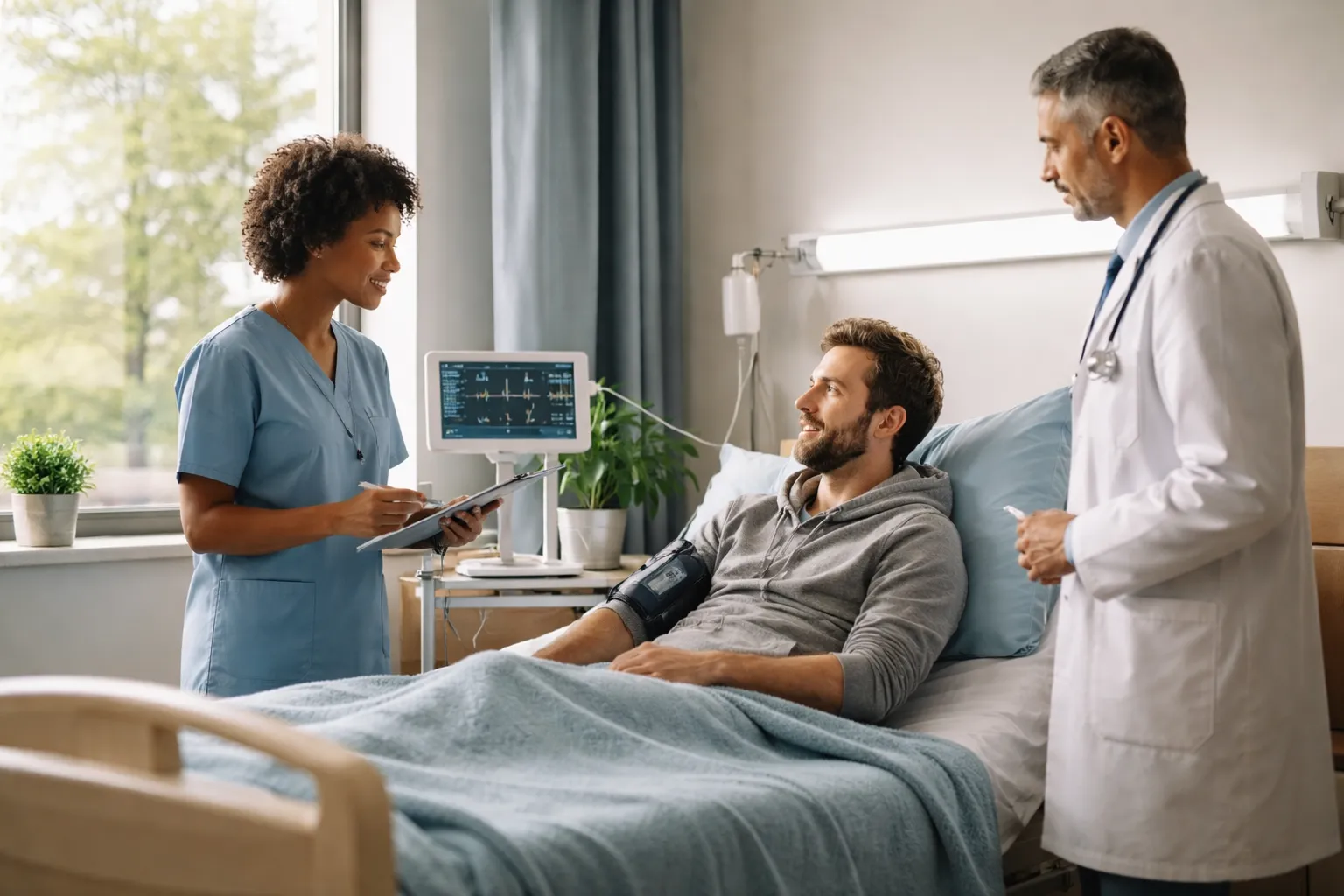
Medication assisted treatment can save lives and support recovery for people with opioid use disorder. This guide explains how the medicines work, where they are provided in New Jersey, what to expect from a clinical assessment, and safe next steps for patients and families. Placement and medication choices require evaluation by a qualified clinician.
Table of Contents
ToggleWhat is medication assisted treatment?
Medication assisted treatment, often called MOUD or MAT, combines prescription medicines with counseling and other supports to treat opioid use disorder. Federal and public health agencies state that medications for opioid use disorder reduce the risk of overdose and death, and should be offered to people with moderate to severe opioid use disorder as part of comprehensive care. CDC: Opioid Use Disorder: Treating.
Medications used in treatment
Three medications are approved in the United States to treat opioid use disorder: buprenorphine, methadone, and naltrexone. Each medication works differently and is delivered in different settings. For facts about approvals and indications, see the FDA information on MOUD and the National Institute on Drug Abuse (NIDA).
Buprenorphine
Buprenorphine is a partial opioid agonist. It reduces cravings and withdrawal and blunts effects of other opioids. It can be prescribed by qualified clinicians in office-based settings, pharmacies, or via telehealth when permitted, making it widely accessible. See CDC overview. CDC.
Methadone
Methadone is a full opioid agonist approved for opioid use disorder but may only be provided through a federally certified opioid treatment program, often called an OTP or methadone clinic. Methadone is effective at reducing cravings and preventing withdrawal. CDC.
Naltrexone
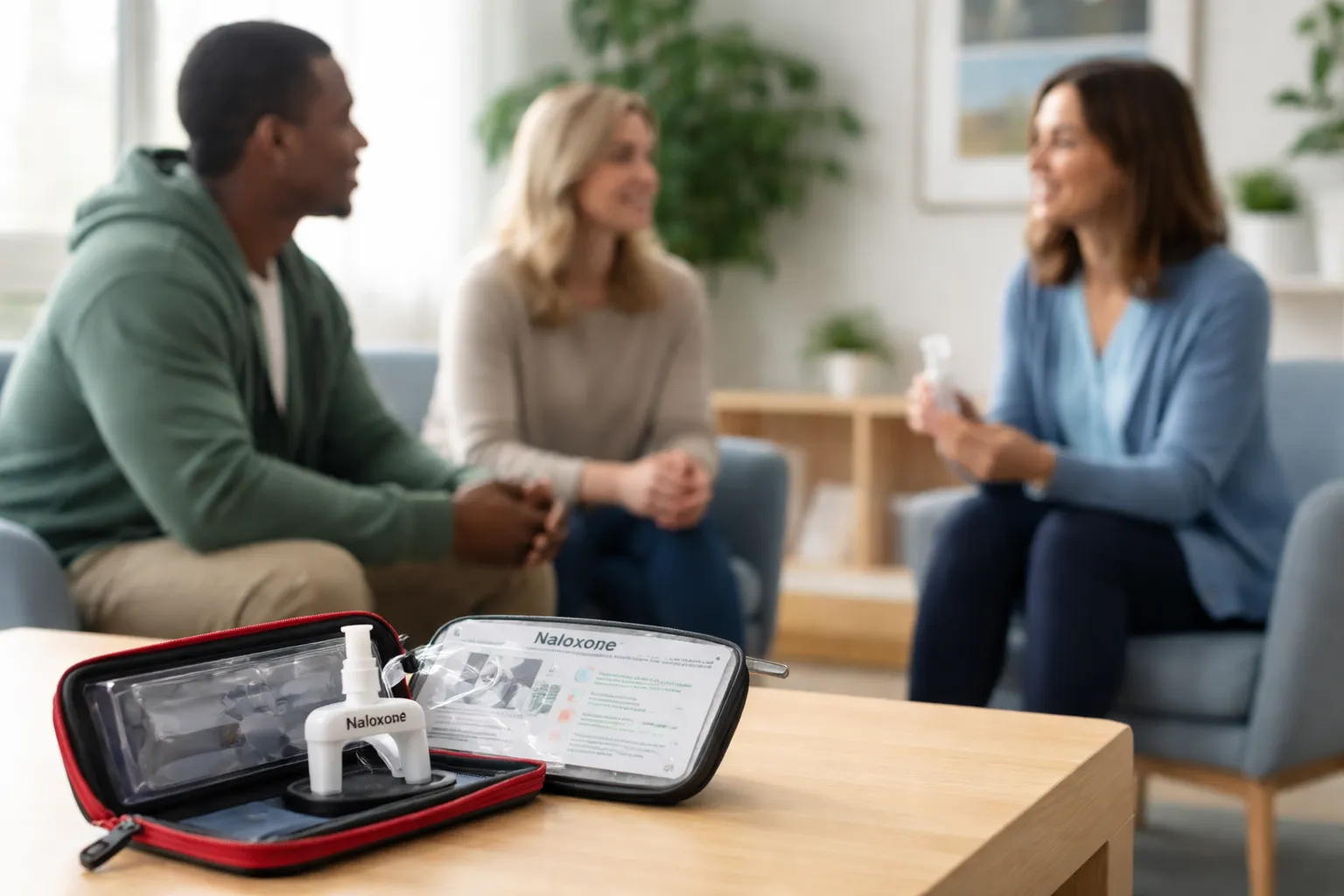
Naltrexone is an opioid antagonist that blocks opioid effects. It is available as a daily pill or as an extended-release injection. Naltrexone requires the patient be opioid-free before starting, which can make initiation more challenging for some people. The FDA provides information on formulations and approvals. FDA.
Where care is provided in New Jersey
In New Jersey, MOUD is available in a range of settings: office-based clinics that prescribe buprenorphine, certified opioid treatment programs that provide methadone and sometimes buprenorphine, and programs that offer injectable naltrexone. New Jersey state agencies have taken steps to expand access to MOUD, including aligning program rules with federal guidelines to increase take-home doses and integration with primary care. For state policy and program details, see the New Jersey Department of Human Services and Department of Health notices. NJ Human Services reform summary, NJDOH waiver notice.
If you are seeking a local treatment program, see available treatments and locations from your provider network. For treatment program listings and to contact admissions, consider this treatment page and locations page. Treatment options, Locations.
Quick comparison table: choosing among medications
| Medication | How given | Setting | Pros | Considerations |
|---|---|---|---|---|
| Buprenorphine | Oral film or tablet, extended-release injection or implant | Office-based, clinic, telehealth when allowed | Reduces overdose risk, flexible access, mild withdrawal on stopping | Requires prescriber; initial induction needs clinical oversight |
| Methadone | Daily liquid dose at clinic, may include take-home doses | Certified opioid treatment program (OTP) | Highly effective, good for high opioid tolerance | Dispensed under program rules, travel and daily dosing may be a barrier |
| Naltrexone | Oral pill or extended-release injection | Outpatient clinics, primary care with trained staff | Blocks opioid effects, no opioid agonist properties | Must be opioid-free before starting, risk of relapse if stopped |
Sources: FDA and CDC summaries on MOUD. FDA, CDC.
Safety, side effects, and precautions
All medications have potential side effects. Common effects include constipation, sleepiness, or nausea with opioid agonists. Naltrexone may cause nausea or injection site reactions. Changes to sleep, mood, or thinking should be reported to a clinician. The public health evidence indicates that opioid agonist medications, methadone and buprenorphine, are associated with reduced risk of overdose and overall mortality when used as part of treatment. CDC, NIDA.
Do not stop or change medication without talking to a clinician. Abrupt discontinuation of opioid agonists can increase risk of relapse and overdose. If you experience breathing problems, seizures, fainting, or other severe reactions, seek emergency help immediately by calling 911.
Safety callout: If you or someone else is having a medical emergency, call 911 now. If you or someone you know is in a mental health or suicide crisis, call or text 988 for the Suicide and Crisis Lifeline. SAMHSA: 988 information.
Frequently asked questions
Is medication assisted treatment the same as detox?
No. Detox is the process of stopping drugs and managing withdrawal. Medication assisted treatment uses medicines to stabilize brain chemistry, reduce cravings, and support ongoing recovery. Detox alone, without follow-up medication for opioid use disorder, is not recommended because of the risk of relapse and overdose. See CDC guidance. CDC.
Will MOUD make me dependent on another drug?
Some medications are opioid agonists and create physical dependence, similar to how insulin treats diabetes without being a cure. Clinicians aim to reduce harm and support function. Decisions about starting, continuing, or stopping medications should be made with a qualified clinician based on your goals and medical history.
Does insurance cover medication assisted treatment in New Jersey?
Coverage varies by plan and by specific services. Ask your insurer about coverage for buprenorphine, methadone at OTPs, and injectable naltrexone. Your treatment provider or admissions team can often help check benefits. For assistance contacting a provider, see the contact page. Contact admissions.
Can I get buprenorphine by telehealth?
Federal and state rules have evolved to increase access to buprenorphine, including expanded telehealth options in many cases. Availability depends on clinician practices and state policy. For recent New Jersey steps to expand access, see the state notices. NJ Human Services.
Next steps: how to find care and what to expect
1) If you are in immediate danger or have life threatening symptoms, call 911. For a mental health or suicide crisis, call or text 988. SAMHSA 988 resource.
2) Request a confidential clinical assessment. A qualified clinician will ask about your substance use history, medical history, current medicines, and treatment goals. Placement and medication decisions require an in-person or telehealth evaluation by a licensed clinician.
3) Ask questions during intake: what medication options are available, where medication will be dispensed or prescribed, frequency of visits, counseling and recovery supports, and how the program coordinates care with your primary care clinician or other specialists. If you need help contacting a local program, review treatment and location options. Treatment options, Locations.
Please remember, no single approach fits everyone. Clinicians tailor plans to the person, and treatment may include medication alone or in combination with counseling and social supports. Public health agencies emphasize offering MOUD as standard care for opioid use disorder because it reduces harm and saves lives. CDC, FDA.
Confidential next step
If you or a family member are considering medication assisted treatment in New Jersey, you may request a confidential assessment or speak with an admissions team to review options and next steps. To get help today, contact the provider’s admissions office. Request a confidential assessment or speak with admissions.
Sources
- CDC: Opioid Use Disorder: Treating
- FDA: Information about medications for opioid use disorder
- National Institute on Drug Abuse
- SAMHSA: 988 Suicide & Crisis Lifeline
- New Jersey Department of Human Services: policy updates to increase MOUD access
- New Jersey Department of Health: waiver to improve access to opioid treatment services
Disclaimer: This article provides general education and is not individualized medical advice. Placement and medication decisions require assessment and ongoing management by a qualified clinician. If you need emergency care, call 911. For a mental health or suicide crisis, call or text 988.