Many people ask, is outpatient detox safe? For some patients, outpatient detoxification is an appropriate, lower-cost, less-disruptive option. For others, medically managed inpatient care is the safer choice. This article explains clinical factors clinicians use to decide whether outpatient detox safety precautions are sufficient, what monitoring and medications are commonly used, and when to seek a higher level of care. Placement decisions require an assessment by a qualified clinician and are individualized to the person.
Table of Contents
ToggleWhat outpatient detox means
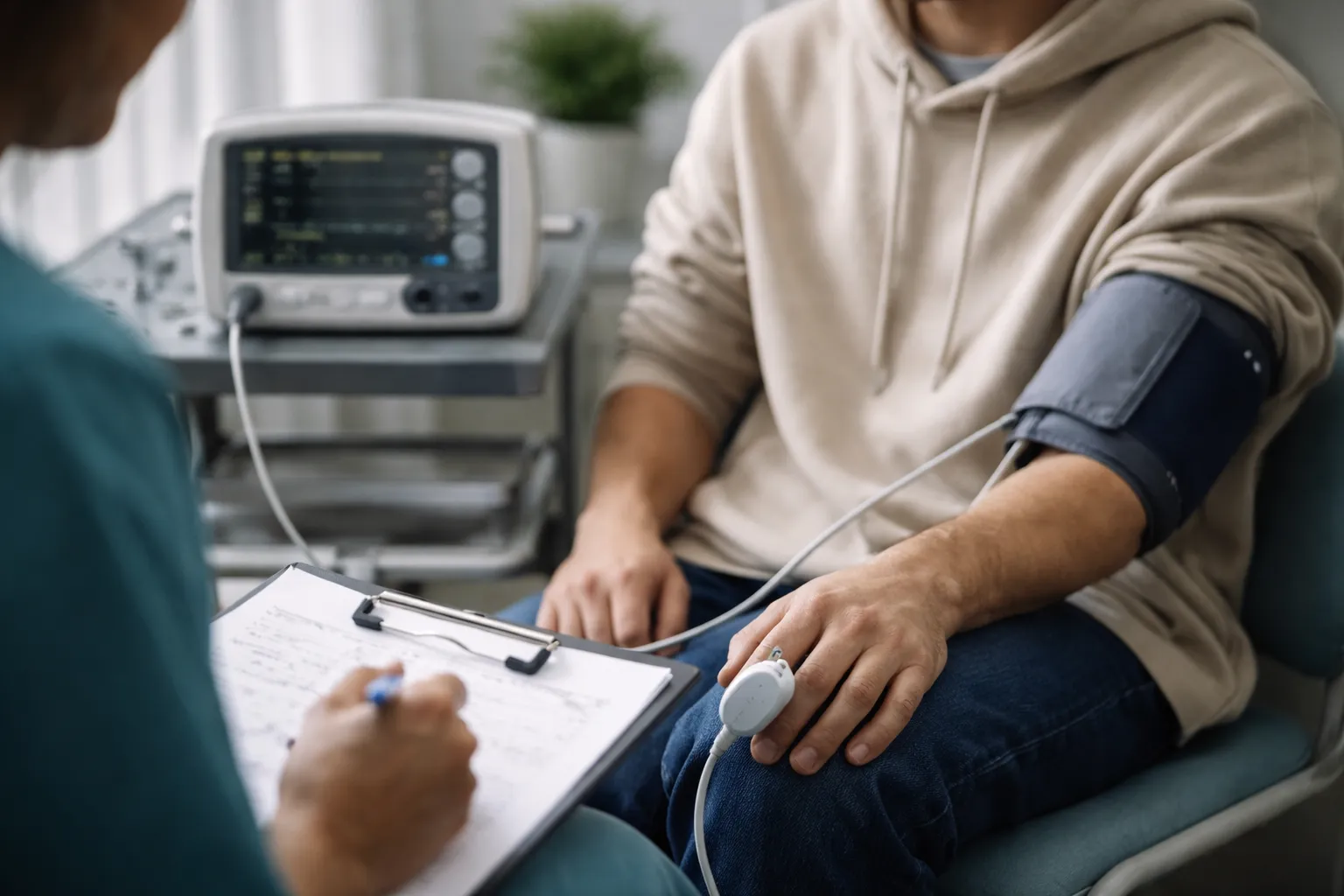
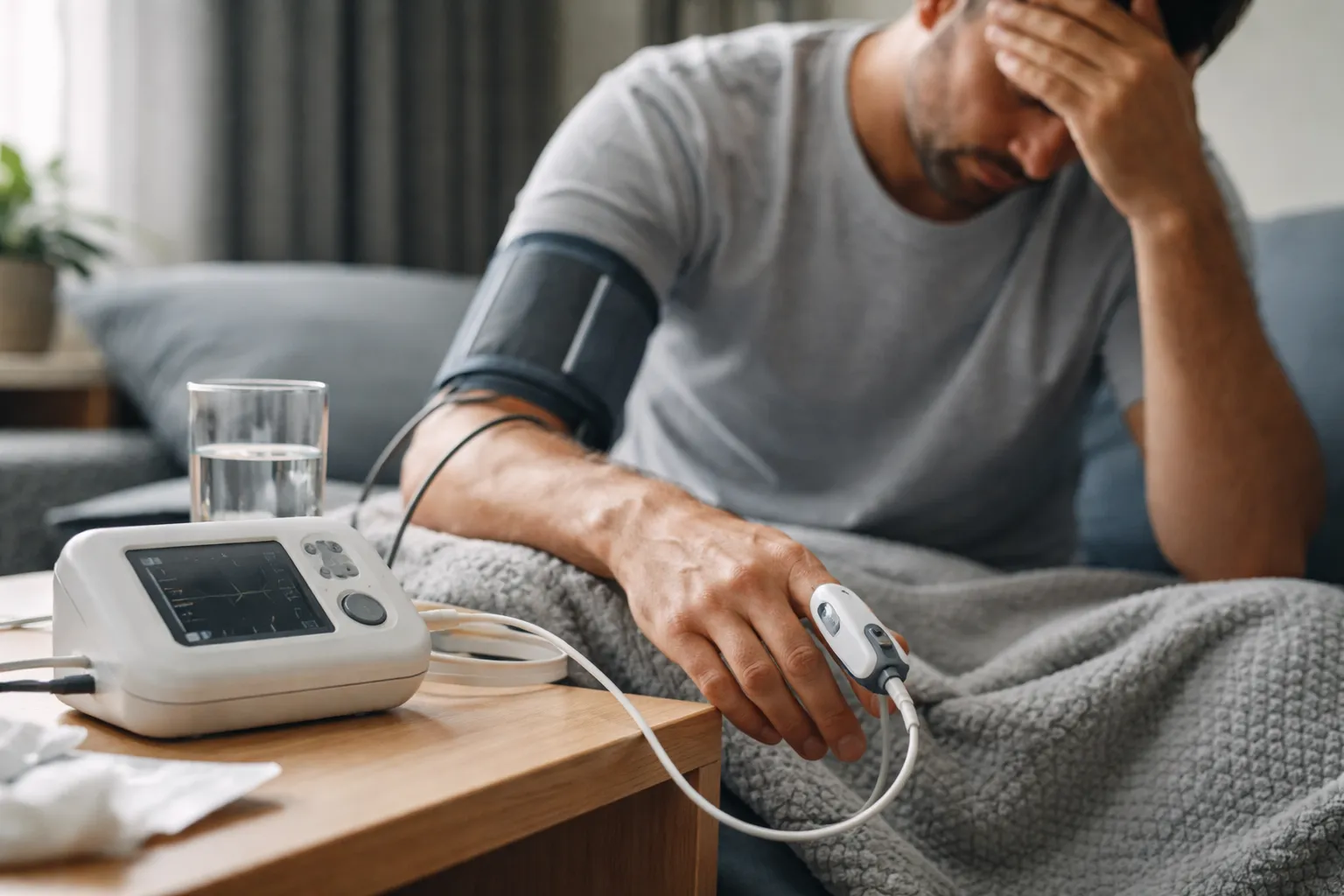
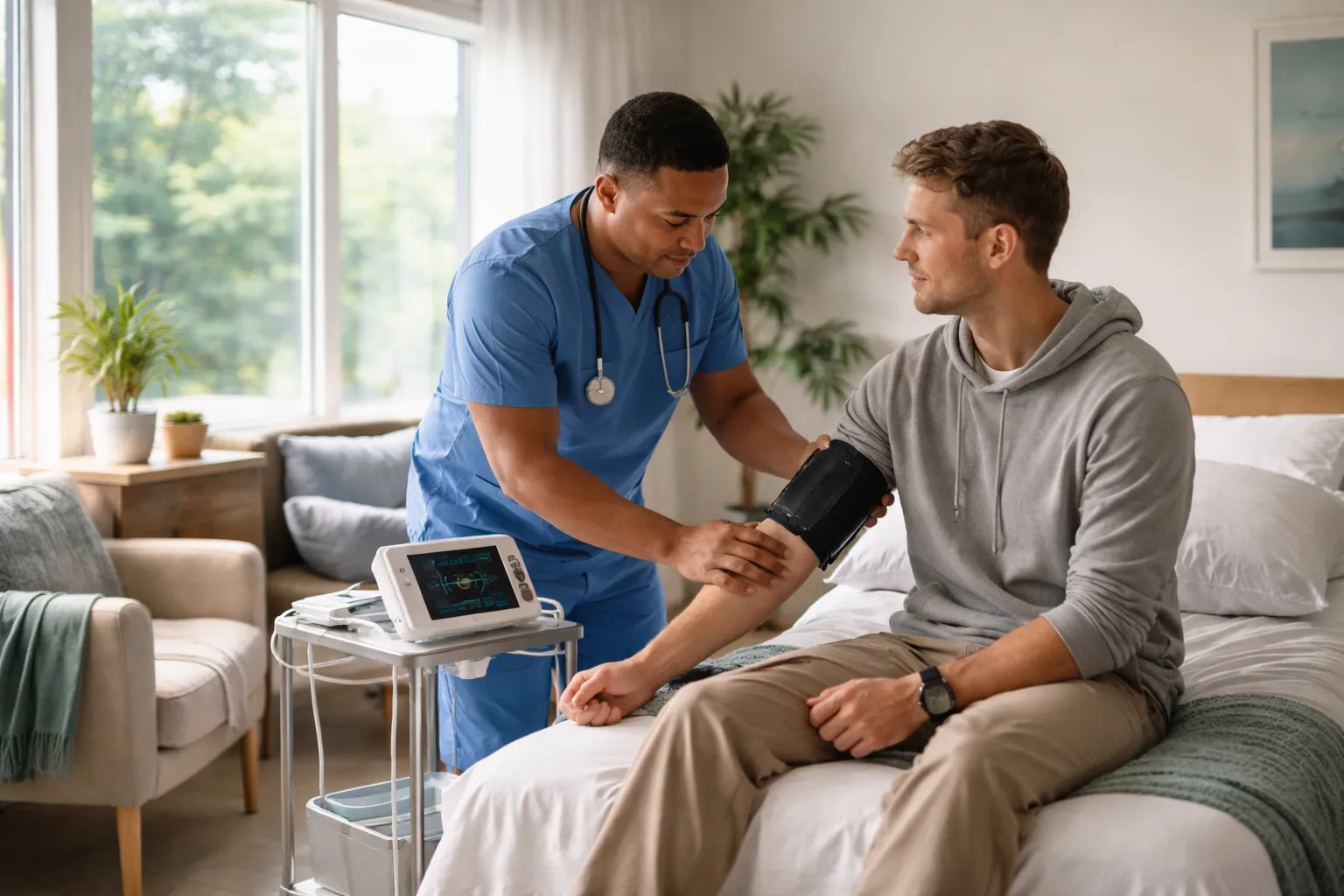
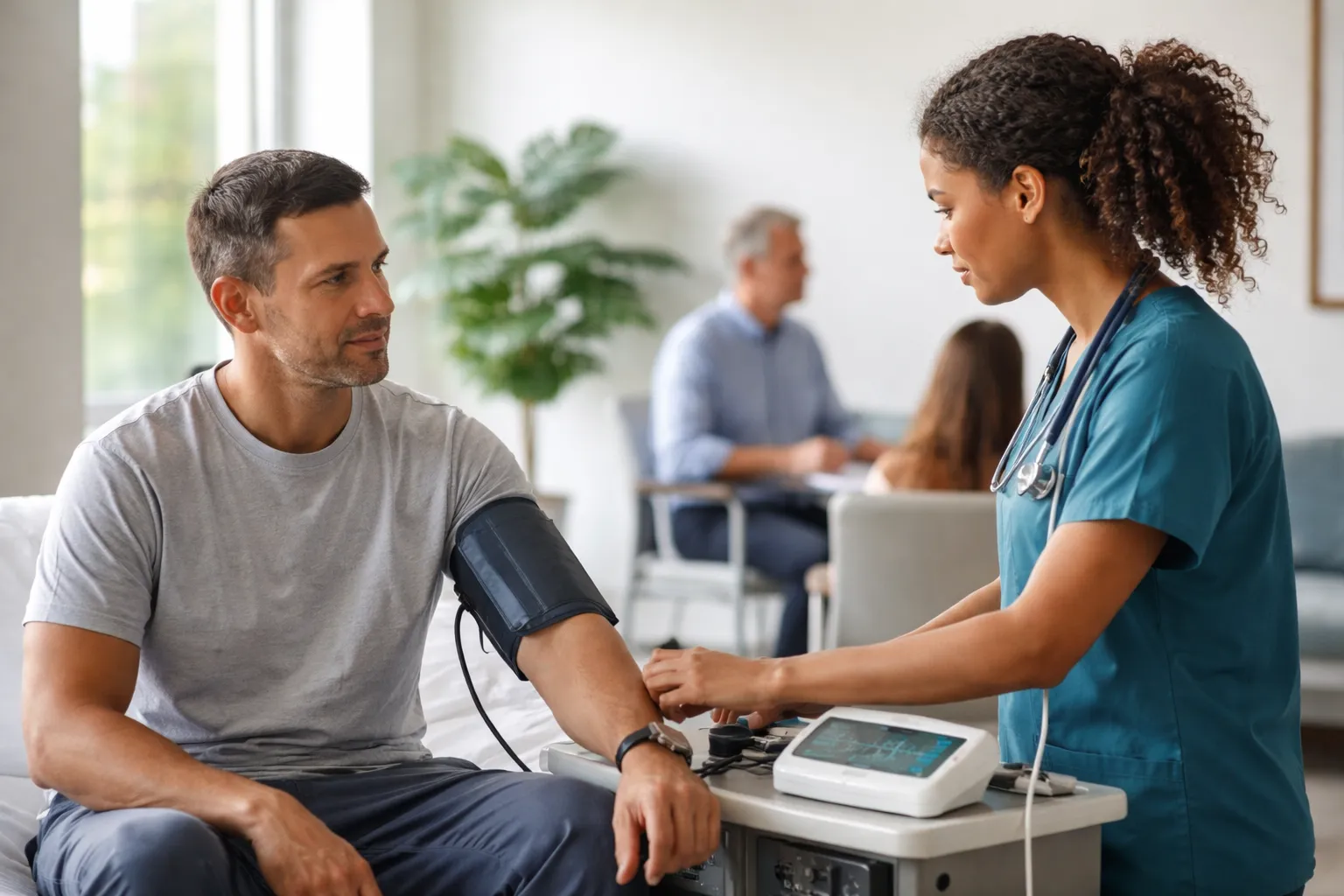
Outpatient detox refers to medical management of withdrawal while the person lives at home and attends scheduled clinic visits. Services can include medical assessment, symptom monitoring with standardized tools, prescriptions or directly observed medication doses, counseling, and referrals for ongoing treatment. Outpatient care ranges from daily clinic visits to scheduled phone or telehealth check-ins, depending on clinical need and local regulations. SAMHSA and clinical practice guidelines recognize outpatient detox as one of several appropriate care settings when risks can be managed outside the hospital. SAMHSA detox guidance. (library.samhsa.gov)
Who may be appropriate for outpatient detox?
Clinicians assess multiple domains to determine outpatient detox safety: substance(s) used, recent use pattern, prior withdrawal history, medical and psychiatric comorbidity, housing and social supports, and ability to attend monitoring visits. Patients commonly considered for outpatient detox include people with:
- mild to moderate alcohol withdrawal with no prior complicated withdrawal, and reliable supports and access to follow-up. AAFP review on outpatient alcohol withdrawal. (aafp.org)
- opioid withdrawal where office or home buprenorphine initiation is clinically appropriate and the patient can be monitored. National guidance supports office-based or home induction for many patients when clinicians provide appropriate instructions and follow-up. SAMHSA medications for OUD. (store.samhsa.gov)
- people tapering benzodiazepines with a stable medical history and no prior severe withdrawal complications, using a planned slow taper and close follow-up. Recent expert guidance supports outpatient tapers for many patients, while identifying clear risk factors that require higher-level care. Joint guideline on benzodiazepine tapering. (pmc.ncbi.nlm.nih.gov)
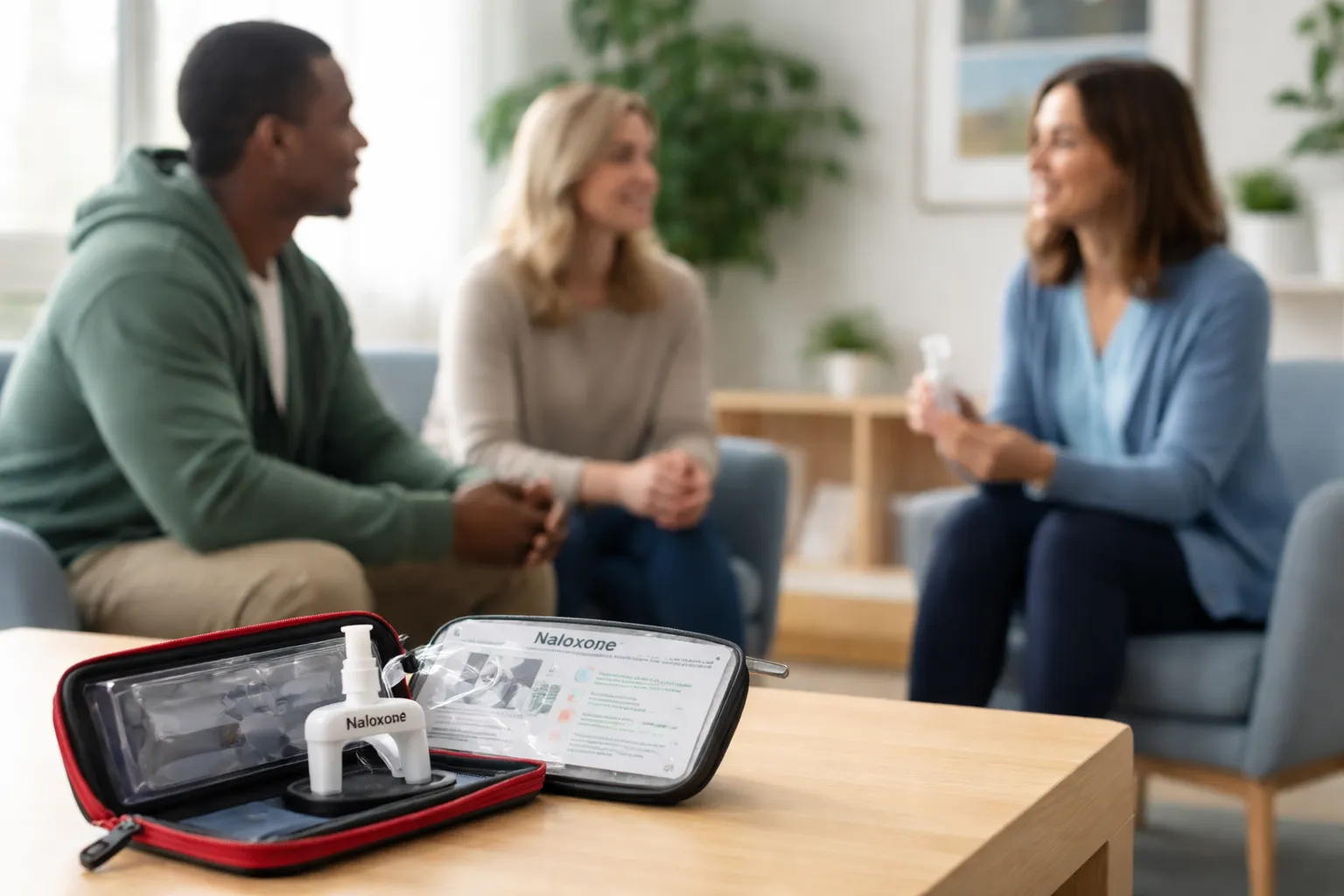
Even when outpatient care is chosen, clinicians usually document a safety plan, arrange frequent check-ins early in withdrawal, and provide overdose prevention measures such as naloxone for opioid-involved cases. Federal guidelines for opioid treatment. (store.samhsa.gov)
When inpatient care is safer
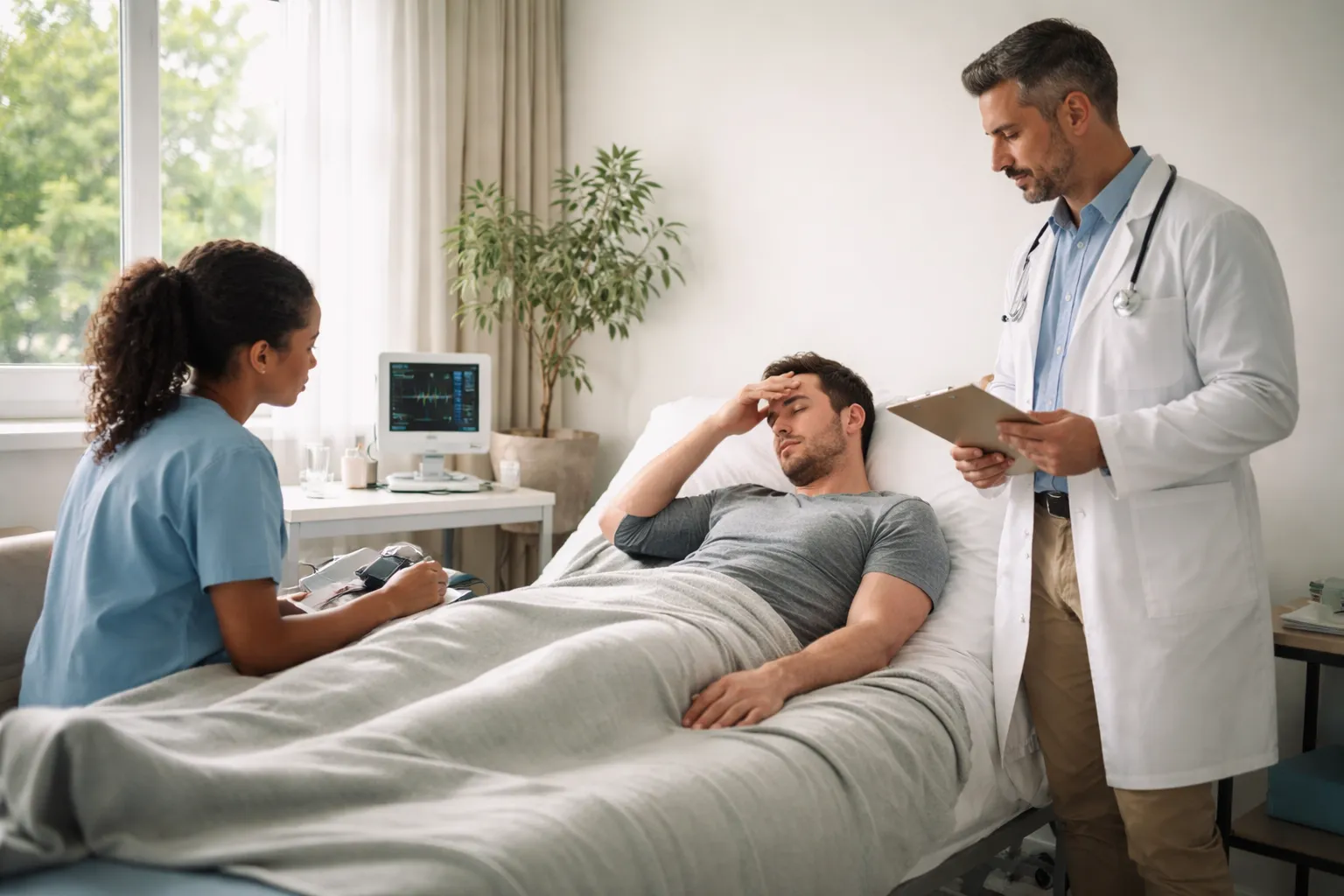
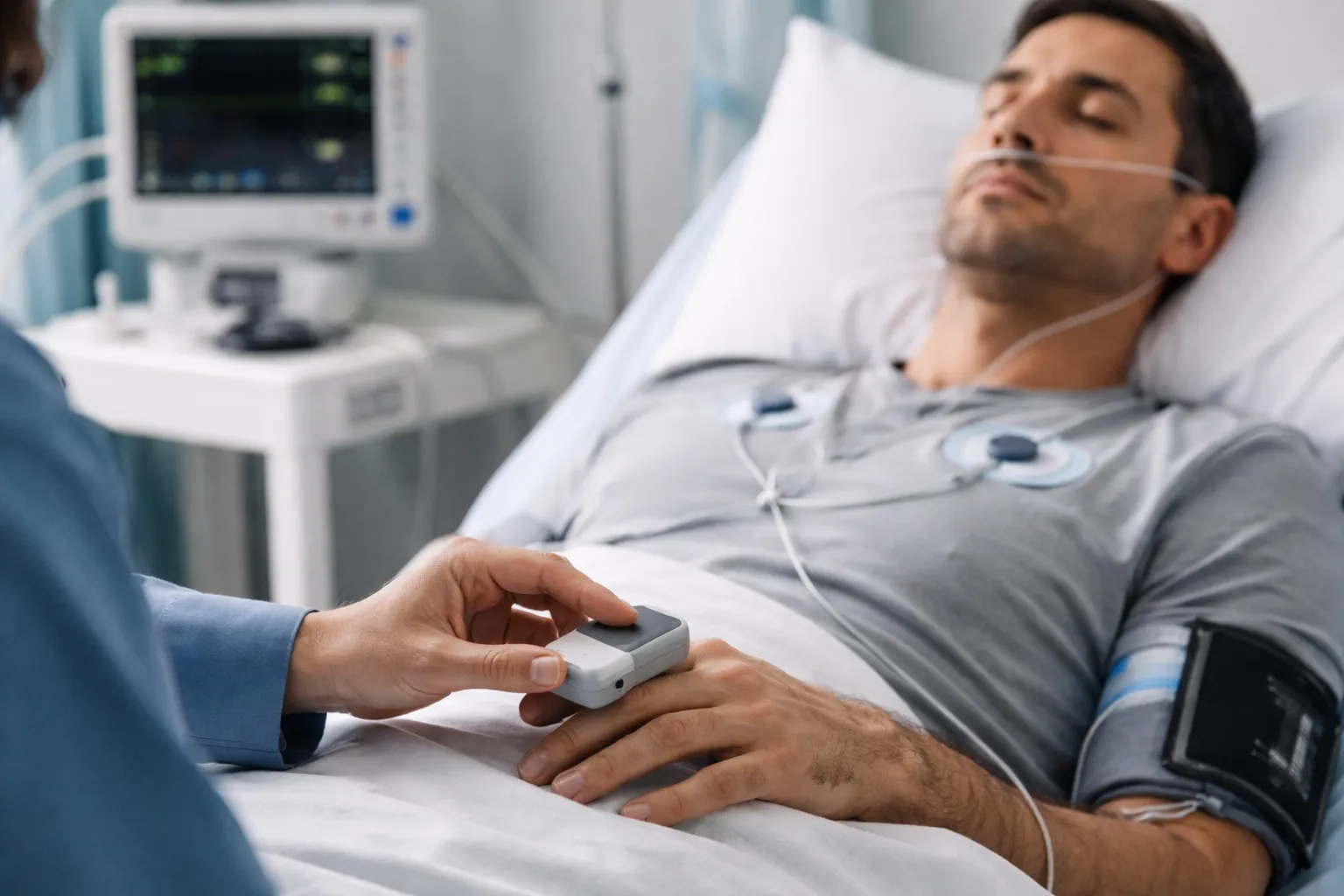
Outpatient detox safety is reduced when the risk of life-threatening complications is elevated. Factors that commonly prompt inpatient or medically managed residential care include:
- history of withdrawal seizures or delirium tremens (DTs) from alcohol or sedative-hypnotics. ASAM alcohol withdrawal guideline. (doi.org)
- unstable medical illnesses (decompensated liver disease, severe cardiopulmonary disease), or current serious infections
- active suicidal ideation, severe uncontrolled psychiatric symptoms, or lack of safe housing/supports
- concurrent heavy benzodiazepine and alcohol use, because combined sedative withdrawal and risk of respiratory depression require close monitoring and sometimes intravenous therapy. Joint guideline on benzodiazepine tapering. (pmc.ncbi.nlm.nih.gov)
- pregnancy in some cases, depending on substance and gestational age, where inpatient management or coordinated obstetric-addiction care may be needed
Tools such as the Predictive Alcohol Withdrawal Severity Scale, CIWA-Ar for alcohol, and COWS for opioid withdrawal help clinicians quantify severity and trend symptoms over time. Emergency departments and clinicians often use these to decide whether admission is needed. ED toolkit on alcohol withdrawal and PAWSS. (takecharge.ohio.gov)
Medications, monitoring, and practical safety steps
Medication options differ by substance and setting. The choice of medication and the setting should be individualized.
Opioids
Buprenorphine is widely used to manage opioid withdrawal and as ongoing treatment for opioid use disorder. Clinicians may initiate buprenorphine in the office or support home induction for selected patients, with clear instructions on timing and dosing to avoid precipitated withdrawal. Methadone for opioid withdrawal is typically delivered through licensed opioid treatment programs and is not a take-home outpatient detox medication in many jurisdictions. Buprenorphine clinical chapter, SAMHSA. (ncbi.nlm.nih.gov)
Alcohol
Benzodiazepines remain the main pharmacologic treatment for moderate to severe alcohol withdrawal because they reduce the risk of seizures and delirium. For mild to moderate withdrawal, outpatient protocols with scheduled dosing, symptom monitoring using CIWA-Ar, and rapid access to higher-level care for worsening symptoms can be used. Patients with prior severe withdrawal are usually recommended for inpatient management. ASAM alcohol guideline. (doi.org)
Benzodiazepines and sedative-hypnotics
Most tapering can occur outpatient with slow, documented dose reductions and close follow-up, but a prior history of seizures or complicated withdrawal increases the need for inpatient or medically managed settings. Clinicians also check for medications or medical conditions that raise withdrawal risk. Joint guideline on benzodiazepine tapering. (pmc.ncbi.nlm.nih.gov)
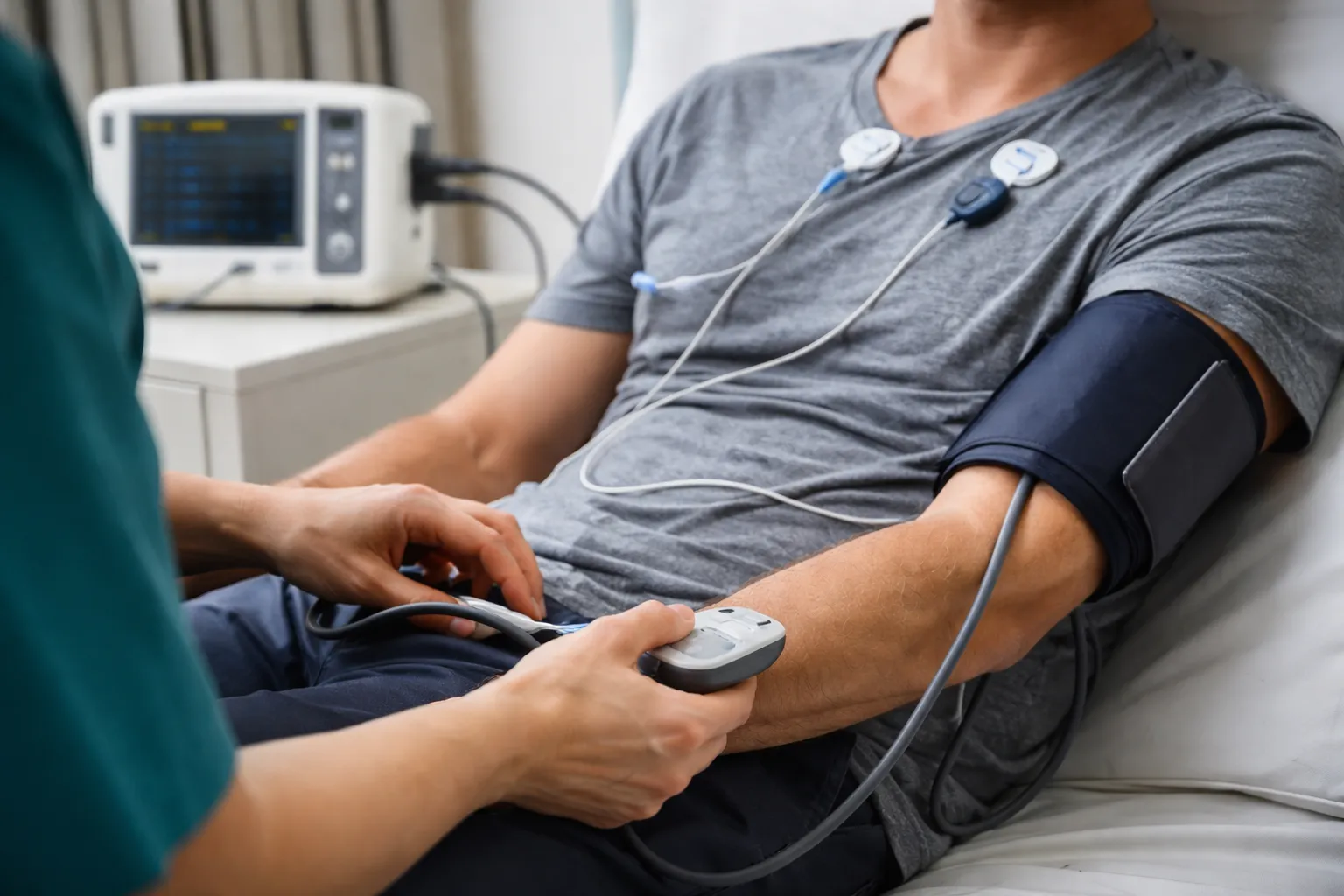
Monitoring and supports
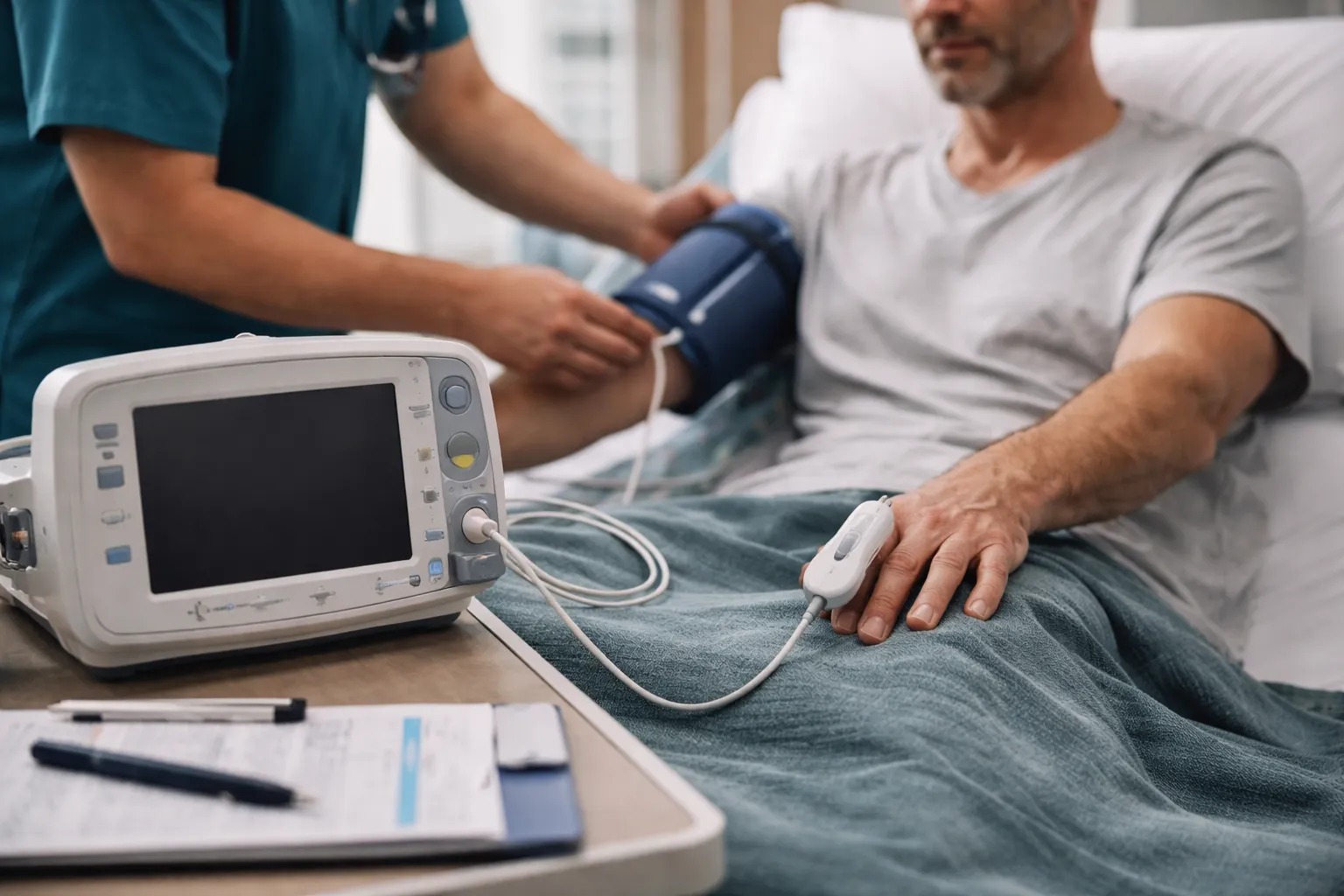
- Use standardized scales: CIWA-Ar for alcohol, COWS for opioid withdrawal. ASAM OUD guideline. (doi.org)
- Provide naloxone and overdose education if opioids are involved. Federal opioid treatment guidance. (store.samhsa.gov)
- Schedule early frequent contact: daily or every-other-day visits or telehealth during the highest-risk window
- Document an emergency plan and identify a reliable support person when possible
Quick comparison table: outpatient versus inpatient considerations
| Feature | Outpatient (may be appropriate) | Inpatient (recommended) |
|---|---|---|
| Withdrawal severity | Mild to moderate, stable vitals | Severe symptoms, unstable vitals, DTs, seizures |
| History | No prior complicated withdrawal | Prior withdrawal seizures, delirium tremens, complicated detox |
| Medical/psychiatric | Controlled comorbidities, reliable follow-up | Uncontrolled medical illness, active suicidality, severe psychosis |
| Substances | Opioids (buprenorphine induction), mild alcohol, planned benzo taper | Heavy benzodiazepine-alcohol polysubstance, uncertain substances, mixed sedative intoxication |
| Social supports | Stable housing, caregiver/support person | Homelessness, inability to attend visits, no supports |
Clinical guidelines and state licensing rules also affect outpatient medication dispensing. For example, New Jersey rules limit take-home detox supplies in outpatient programs, except for specific circumstances such as methadone in opioid treatment programs. Clinicians and programs must follow state regulations when prescribing or dispensing detox medications. New Jersey licensure rules and outpatient standards. (nj.gov)
Safety callout
If someone has trouble breathing, is unresponsive, has a seizure, or is otherwise in medical danger, call 911 immediately. For a mental health or suicide crisis, call or text 988. Discuss placement and medication decisions with a qualified clinician before starting or stopping medications. This article is general education, not individualized medical advice.
Frequently asked questions
Is home buprenorphine induction safe?
Home induction can be safe for selected patients when a clinician provides clear instructions, the patient understands timing to reduce the risk of precipitated withdrawal, and there is a plan for follow-up. Office-based induction may be preferred for people with prior complicated inductions or significant medical comorbidity. Buprenorphine guidance. (ncbi.nlm.nih.gov)
Can benzodiazepine tapering be done outpatient?
Many planned benzodiazepine tapers can occur outpatient with slow reductions, medication adjustments, and close follow-up. However, a history of withdrawal seizures or other complications usually warrants inpatient or medically managed care. Benzodiazepine tapering guideline. (pmc.ncbi.nlm.nih.gov)
Will my insurance cover inpatient detox?
Coverage varies by plan, state rules, and medical necessity determinations. Do not assume coverage. Discuss benefits with your insurer and the clinical team. Treatment programs can help with prior authorizations and appeals when appropriate.
Compassionate next steps
If you or a loved one are thinking about detox, the safest first step is a medical assessment. A qualified clinician will review substances used, history of withdrawal, medical and psychiatric conditions, housing and supports, and create a personalized plan. If you are in New Jersey and would like to learn more about outpatient services, see available treatments, locations, or contact the team for a confidential assessment:
We do not guarantee admission, coverage, safety, or outcomes. If this is an emergency, call 911. For a mental health or suicide crisis, call or text 988.
Sources
- SAMHSA: Detoxification and Substance Abuse Treatment. (library.samhsa.gov)
- ASAM Clinical Practice Guideline on Alcohol Withdrawal Management. (doi.org)
- Joint Clinical Practice Guideline on Benzodiazepine Tapering. (pmc.ncbi.nlm.nih.gov)
- SAMHSA: Medications for Opioid Use Disorder. (store.samhsa.gov)
- AAFP: Alcohol Withdrawal Syndrome, Outpatient Management. (aafp.org)
- New Jersey Administrative Code: Standards for outpatient substance use disorder treatment facilities. (regulations.justia.com)
For urgent help call 911, for a mental health or suicide crisis call or text 988. To request a confidential assessment or speak with the admissions team, please use our contact page: Request an assessment. We can help explain options, answer questions about outpatient detox safety, and arrange a clinician assessment without pressure.