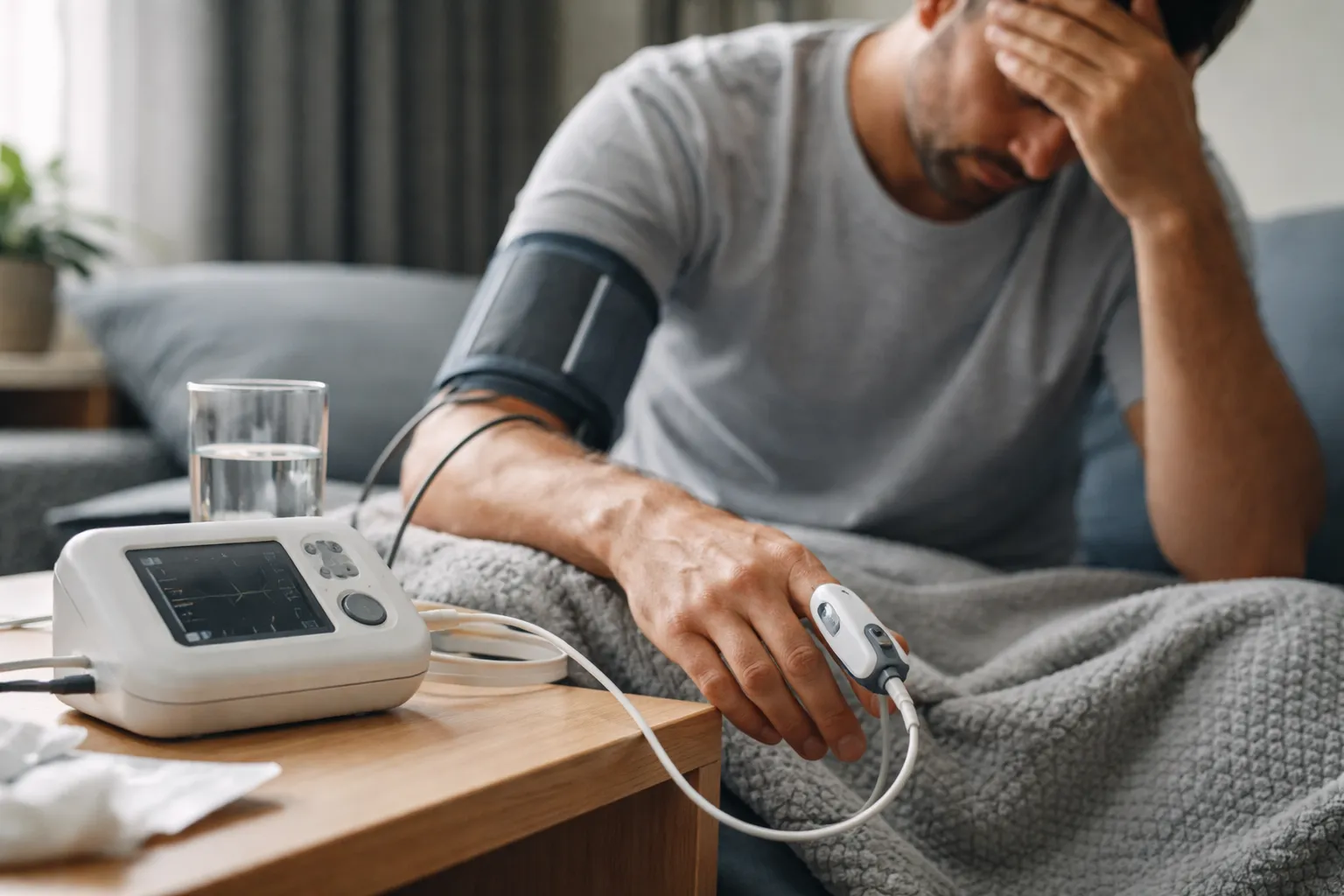
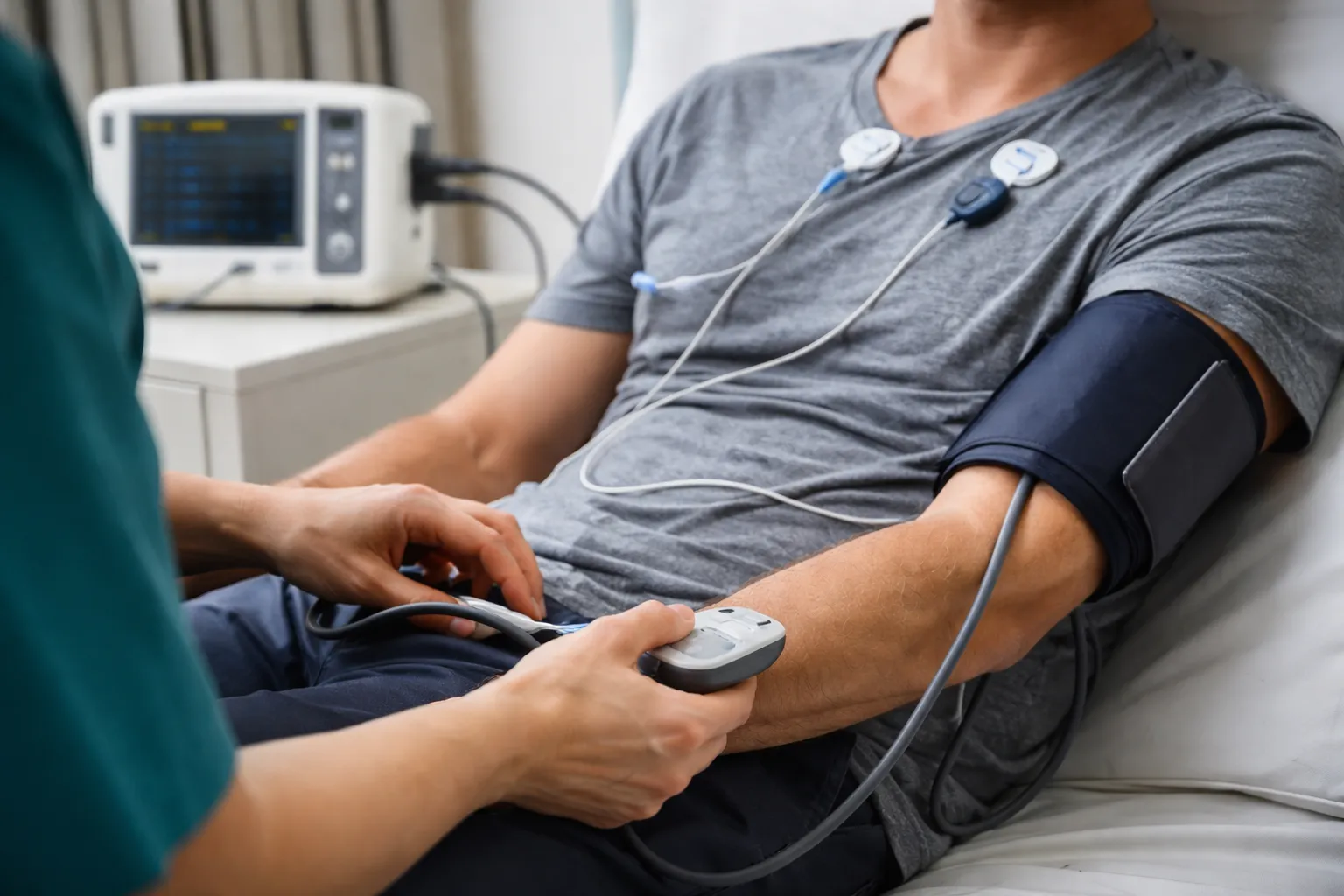
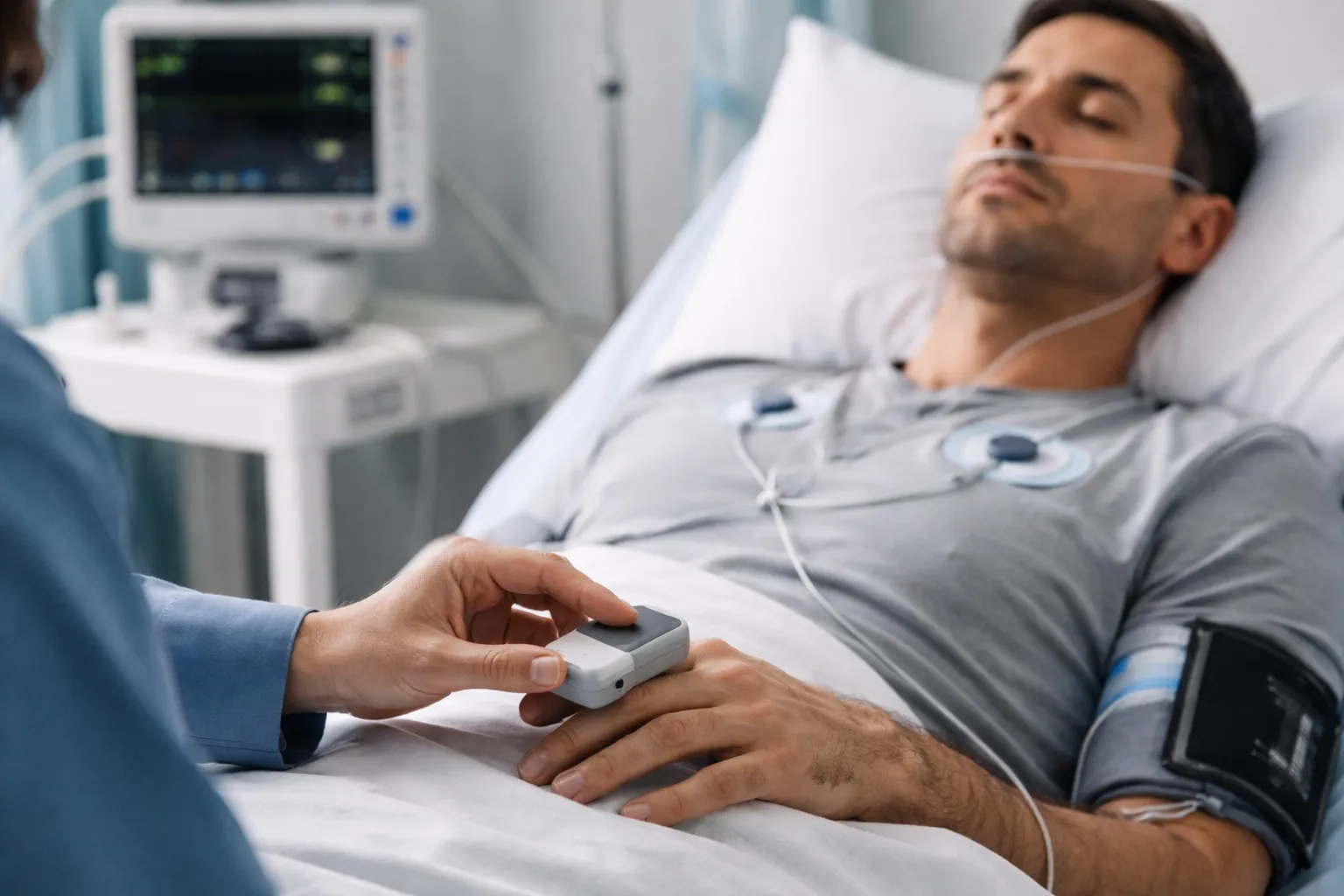
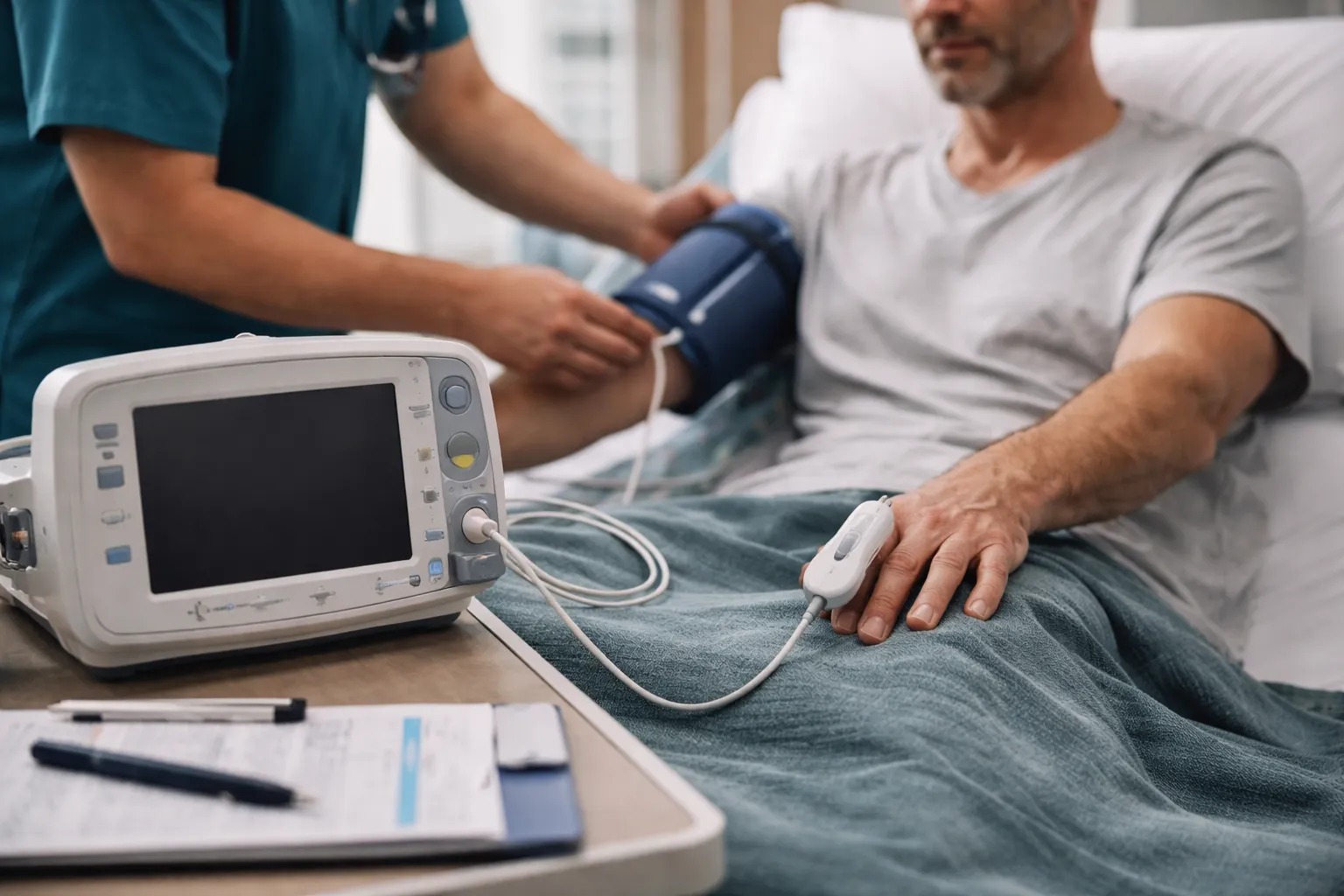
If you or a family member stops or sharply reduces heavy drinking, withdrawal symptoms can begin quickly and for some people become life threatening. This page explains a typical alcohol withdrawal timeline, common symptoms by timeframe, who is at higher risk for severe complications, how clinicians assess and treat withdrawal, and when to seek urgent care. This is general education, not individual medical advice; placement and medication decisions require assessment by a qualified clinician.
Table of contents: Timeline at a glance | Symptoms by timeframe | Who is at risk | Assessment and treatment | Choosing outpatient vs inpatient care | Safety callout | FAQs | Sources
Table of Contents
ToggleTimeline at a glance
Alcohol withdrawal symptoms can begin within hours after the last drink, often peak within the first 1 to 3 days, and usually improve over several days to a week. For some people, seizures or delirium tremens occur during the first 48 to 72 hours and require urgent medical treatment. These timeframes are typical clinical estimates and individual courses vary. (ncbi.nlm.nih.gov)
Symptoms by timeframe
Below is a condensed comparison of commonly observed symptom timing. If you see worrying changes in breathing, level of consciousness, confusion, high fever, or repeated seizures, seek emergency care. (ncbi.nlm.nih.gov)
| Hours after last drink | Typical symptoms | What to do |
|---|---|---|
| 6 to 12 hours | Mild anxiety, tremor, sweating, nausea, headache, insomnia | Monitor, stay hydrated, contact clinician if symptoms escalate |
| 12 to 48 hours | Worsening tremor, palpitations, increased blood pressure, agitation; first-time seizures may occur | Medical evaluation recommended if any seizure or marked autonomic signs |
| 48 to 72 hours | Peak risk window for delirium tremens, severe confusion, hallucinations, high fever, and autonomic instability | Urgent hospital care for suspected delirium tremens or repeated seizures |
| 3 to 7 days | Symptoms typically improve; some patients have prolonged sleep disturbance, anxiety, or mood symptoms | Follow-up care and addiction treatment planning |
Sources differ slightly on exact hour ranges, but major clinical reviews and practice guidelines agree that the first 48 to 72 hours are the highest risk period for seizures and delirium tremens. (asam.org)
Who is at higher risk for severe withdrawal?
Factors that raise the probability of complicated withdrawal include a prior history of delirium tremens or withdrawal seizures, very heavy and prolonged alcohol use, older age, certain medical illnesses (for example liver disease), low nutritional status, and concurrent use of other sedatives or opioids. Prior episodes of complicated withdrawal are one of the strongest predictors of future severe events. These risk factors guide clinicians when deciding outpatient versus inpatient management. (asam.org)
How common are severe complications?
Estimates vary by setting and population. In hospital series, delirium tremens and withdrawal seizures are uncommon but clinically important; reported rates among hospitalized patients range from a few percent to higher figures in more selected high-risk groups. Because estimates depend on how patients are selected and monitored, clinicians treat the presence of risk factors seriously rather than rely on population averages. (hospitalhandbook.ucsf.edu)
How clinicians assess and treat withdrawal
Clinicians use a structured symptom scale to monitor withdrawal severity and guide medication dosing. The Clinical Institute Withdrawal Assessment for Alcohol, revised (CIWA-Ar) is widely used in the United States and in many clinical settings to quantify symptoms and decide symptom-triggered medication dosing. Symptom measurement reduces both under-treatment and unnecessary over-sedation. (pubmed.ncbi.nlm.nih.gov)
Benzodiazepines remain the first-line medication for preventing and treating alcohol withdrawal complications, because they reduce the risk of seizures and delirium tremens when used appropriately. Selection of a specific benzodiazepine, dose, and whether to use symptom-triggered versus fixed-schedule dosing are clinical decisions based on medical history, liver function, and monitoring setting. Other medications may be used in special circumstances or as adjuncts under clinician supervision. (pmc.ncbi.nlm.nih.gov)
Choosing outpatient versus inpatient care
Not all people with withdrawal need hospital-level care. Mild to moderate withdrawal in medically stable people, with reliable supervision at home and no history of complicated withdrawal, can sometimes be managed with outpatient or ambulatory medically supervised detox programs. Patients with risk factors for complications, unstable medical or psychiatric conditions, pregnancy, or lack of a safe monitoring situation usually require inpatient or medically monitored detox. Decisions are individualized and should be made by clinicians with experience in addiction medicine. (asam.org)
| Situation | Outpatient supervision may be appropriate | Inpatient or emergency care likely needed |
|---|---|---|
| Typical clinical features | Mild tremor, anxiety, intact vitals, no prior seizures or DTs | Seizure, marked tachycardia or hypertension, fever, altered consciousness |
| Social and safety factors | Stable housing, caregiver available, able to attend frequent visits | No safe observer, intoxication with other sedatives, homelessness |
| Medical history | No major medical comorbidity, normal liver function | Prior DTs or withdrawal seizures, severe liver disease, pregnancy |
These rows are only a summary. A clinician will integrate the whole clinical picture, including vital signs and laboratory data, before recommending a level of care. (asam.org)
Safety callout
If someone has repeated or prolonged seizures, severe confusion or delirium, difficulty breathing, very high fever, fainting, or is difficult to rouse, call 911 immediately. For acute mental health crisis or suicidal thoughts, call or text 988 for the Suicide and Crisis Lifeline. For questions about less urgent withdrawal symptoms, contact your healthcare provider or a medically supervised detox program. This article is educational only and not a substitute for emergency care.
Frequently asked questions
Can alcohol withdrawal be deadly?
Yes, severe withdrawal including delirium tremens can be life threatening without prompt medical care, though modern treatment reduces mortality substantially. Anyone with signs of severe autonomic instability, hallucinations with confusion, or seizures needs urgent evaluation. (ncbi.nlm.nih.gov)
How long does withdrawal last?
Mild to moderate symptoms often begin within 6 to 12 hours and improve over several days. Many people feel residual sleep and mood disturbance for weeks. A small number develop prolonged or complicated courses that require inpatient care. (med.navy.mil)
Are medications used only in hospitals?
No. In some outpatient medically supervised programs clinicians prescribe benzodiazepines or other medications on a symptom-triggered schedule, with close follow-up. However, benzodiazepines require careful monitoring and are not suitable for unsupervised use in people at high risk of complications. (asam.org)
Sources
- ASAM Clinical Practice Guideline on Alcohol Withdrawal Management. (American Society of Addiction Medicine). (asam.org)
- Alcohol Withdrawal in Hospitalized Patients, NCBI Bookshelf. (ncbi.nlm.nih.gov)
- Alcohol Use Disorder: Causes, Symptoms, Treatment & Help, SAMHSA. (samhsa.gov)
- Assessment of alcohol withdrawal: the CIWA-Ar, original CIWA-Ar study. (pubmed.ncbi.nlm.nih.gov)
- Benzodiazepines for alcohol withdrawal, systematic review and discussion. (pmc.ncbi.nlm.nih.gov)
- Alcohol Withdrawal: UCSF Hospital Handbook, for rates and clinical features. (hospitalhandbook.ucsf.edu)
Next steps and how we can help
If you are in New Jersey and considering medically supervised detox or evaluation, speak with a qualified clinician who can assess your medical history, withdrawal risk, and the safest setting for care. For information about treatment options and locations, see our treatments page and locations page. To request confidential intake or ask about medically supervised detox, contact admissions via our contact page. Do not delay seeking emergency care for seizures, severe confusion, or dangerously abnormal vital signs.
Treatment options | Locations | Contact us
Final note: This information is educational and not individualized medical advice. Placement decisions and medication choices require direct assessment by a qualified clinician. For medical emergencies call 911. For suicide or mental health crisis call or text 988.