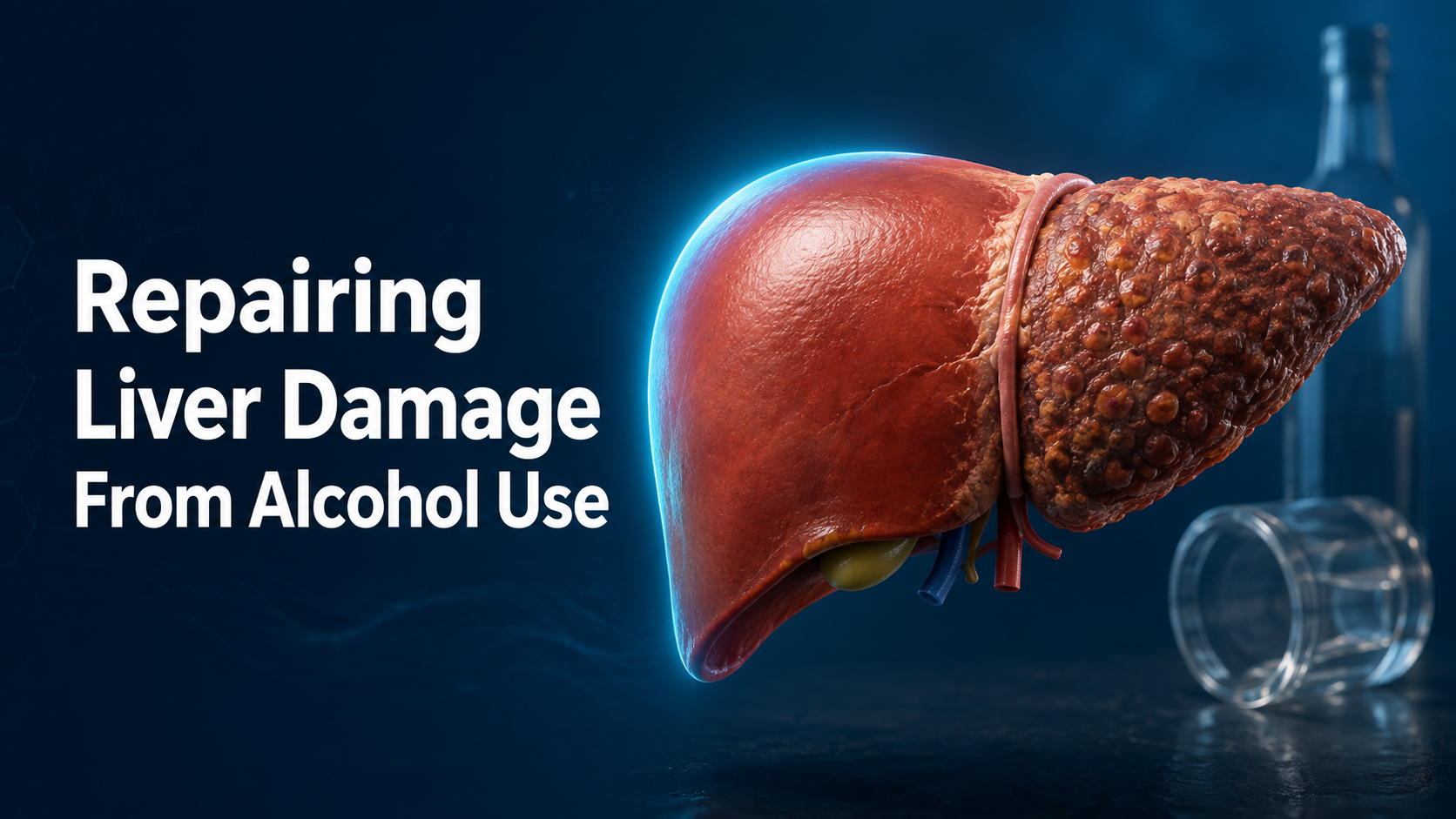
Stopping or cutting back heavy alcohol use can produce a wide range of symptoms, from shakiness and anxiety to life threatening problems such as seizures or delirium tremens. This article describes the alcohol withdrawal emergency signs that mean you should call 911, and explains safer next steps for patients and families. This is general education, not individualized medical advice. Placement and medication decisions require assessment by a qualified clinician.
Table of Contents
ToggleWhat is alcohol withdrawal?
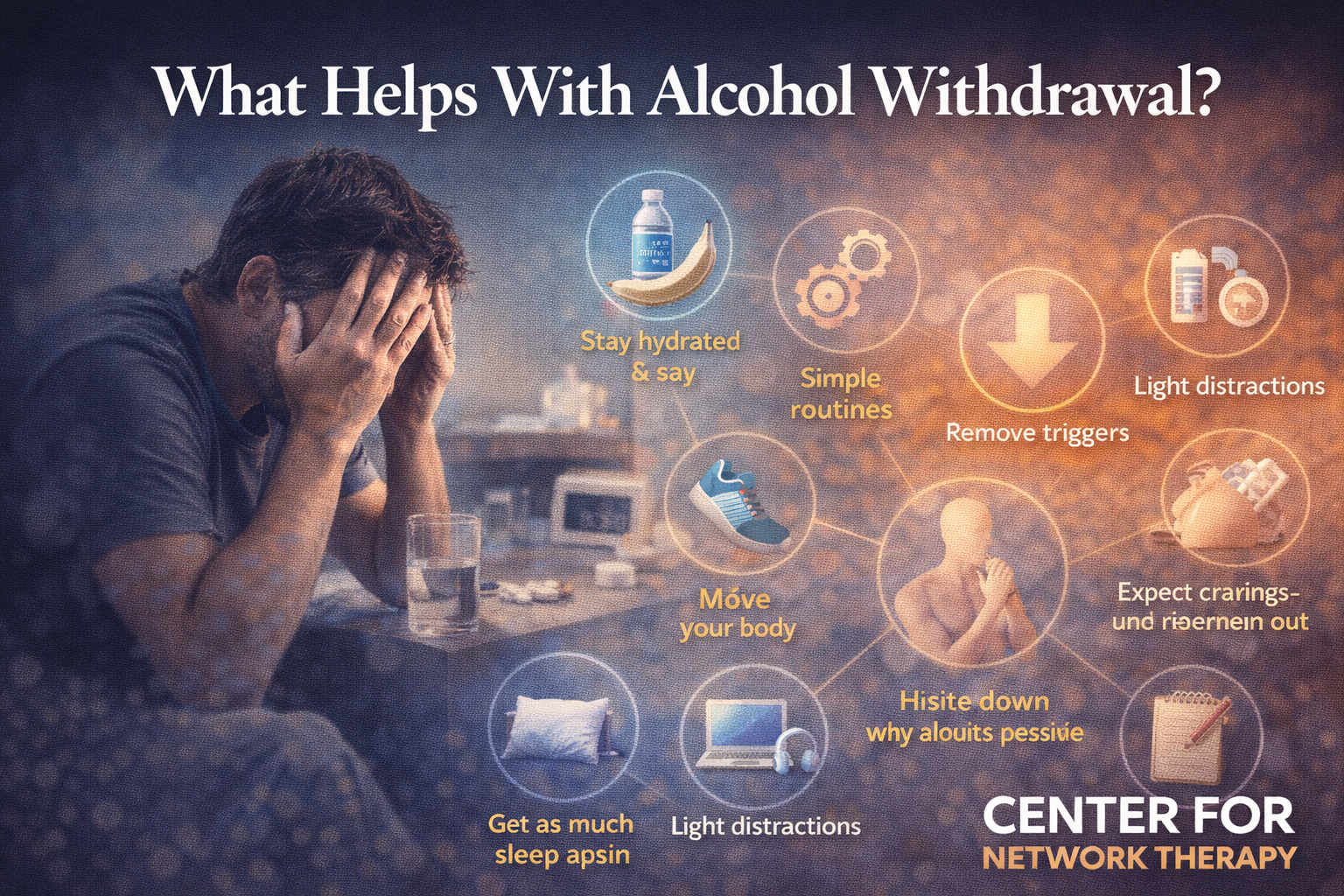
Alcohol withdrawal is the body and brain response after a person who regularly drinks heavily reduces or stops alcohol use. Symptoms range from mild, uncomfortable effects such as tremor and insomnia, to severe reactions including hallucinations, seizures, and delirium tremens, sometimes called DTs. Up to half of people with alcohol use disorder experience withdrawal when they stop drinking, and a minority develop serious complications. (pmc.ncbi.nlm.nih.gov)
Typical timeline
Symptoms usually begin within 6 to 24 hours after the last drink. Symptoms often peak between 36 and 72 hours, although the most dangerous complications may appear a little later. The acute withdrawal period commonly lasts several days, though some symptoms can persist longer. If you suspect withdrawal, early clinical assessment is important. (ncbi.nlm.nih.gov)
Emergency signs – when to call 911
Call 911 right away if any of the following alcohol withdrawal emergency signs are present:
- Active, repeated, or prolonged seizure activity. Any seizure in the context of recent heavy drinking requires emergency evaluation. (ncbi.nlm.nih.gov)
- Marked confusion, disorientation, or sudden inability to wake or cooperate, especially with fever or rapid heart rate. These may signal delirium tremens. (library.samhsa.gov)
- High fever or very fast heart rate or breathing, low blood pressure, or signs of shock. These are life threatening and need emergency care. (library.samhsa.gov)
- Visual, auditory, or tactile hallucinations that are frightening, or severe agitation that risks harm to the person or others. (library.samhsa.gov)
- Severe vomiting and inability to keep fluids down with signs of dehydration, confusion, fainting, or chest pain. (medlineplus.gov)
- Pregnancy, adolescents, or people with major medical problems who are withdrawing from alcohol – these groups need urgent professional assessment rather than home detox. (gov.uk)
Why these signs are dangerous
Seizures in alcohol withdrawal can lead to injury, aspiration, or prolonged brain stress. Delirium tremens is a severe state of confusion with autonomic instability such as dangerously high heart rate and body temperature, and it can be fatal without timely medical care. Proper monitoring, thiamine and other vitamins, fluid and electrolyte management, and often benzodiazepine medication are standard treatments in acute settings. Evidence-based guidelines recommend using validated tools such as the CIWA-Ar scale to guide assessment and symptom-triggered medication when appropriate. (ncbi.nlm.nih.gov)
How treatment reduces risk
Benzodiazepines are the preferred medication to prevent progression of withdrawal and to reduce seizure risk. Symptom-triggered benzodiazepine therapy and inpatient monitoring reduce serious complications when used appropriately under clinical supervision. One review found that treating withdrawal with benzodiazepines significantly reduces the risk of seizures compared with placebo. Clinical judgment, medical history, and laboratory testing guide medication choice and setting. (aafp.org)
Quick decision table: what to do now
| Situation | What to do right away | Why |
|---|---|---|
| Mild symptoms only, can speak coherently | Contact your clinician or addiction treatment provider for same-day advice. Consider outpatient medically supervised detox if recommended. | Mild withdrawal can often be managed with outpatient support and scheduled follow up. (samhsa.gov) |
| Moderate symptoms, persistent nausea, tremor, insomnia, or anxiety | Arrange prompt medical assessment, possibly urgent clinic or ED. Do not attempt unmonitored home detox if you have prior complications. | Moderate symptoms may escalate; early treatment reduces risk of severe complications. (pmc.ncbi.nlm.nih.gov) |
| Any emergency signs listed above | Call 911 immediately. | Seizures, delirium, or autonomic instability are potentially life threatening and require emergency care. (library.samhsa.gov) |
What to expect in the emergency department or medically managed detox
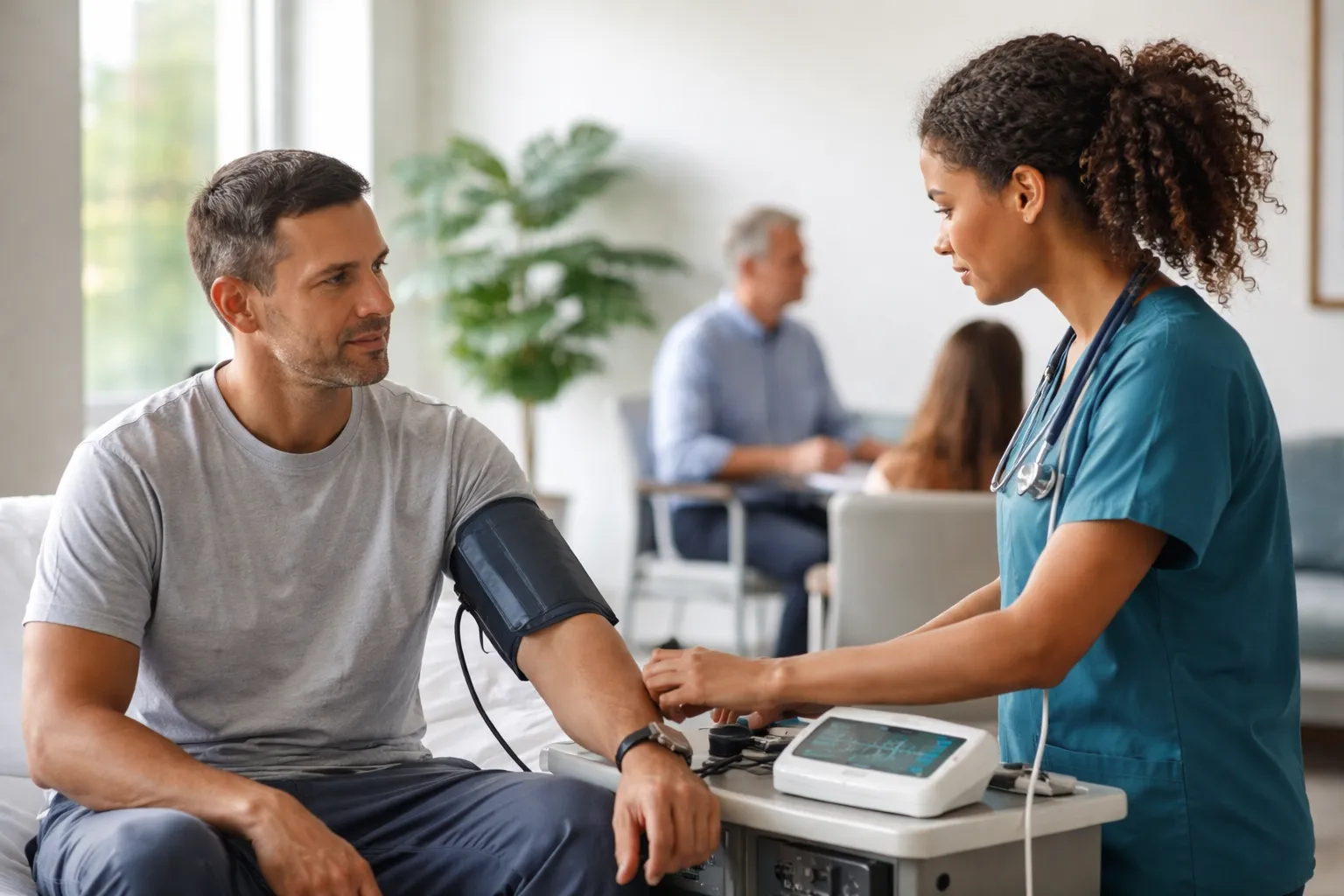
Emergency teams will stabilize breathing, circulation, and temperature, treat active seizures, replete thiamine and other vitamins, check labs, and start benzodiazepines when needed. Patients with severe withdrawal are often admitted for close monitoring because dosing and clinical response can change quickly. For people with liver disease or other special medical conditions, clinicians may choose shorter acting agents and adjusted dosing. (ncbi.nlm.nih.gov)
Special situations
Pregnancy: Alcohol withdrawal during pregnancy requires obstetric and addiction medicine collaboration because both maternal and fetal risks must be balanced. Do not attempt home detox during pregnancy. Seek urgent medical care. (gov.uk)
Adolescents: Young people need pediatric or adolescent addiction specialists and often different monitoring and social supports. If an adolescent has emergency signs call 911. (cchcs.ca.gov)
Co-occurring psychiatric illness or suicide risk: If someone is thinking about harming themselves, call 911 or contact 988 for immediate help. Acute agitation or psychosis requires emergency evaluation.
Common questions
Can a single seizure happen even without a prior history?
Yes. Alcohol withdrawal seizures can occur in people without a previous seizure disorder, typically within the first 48 hours after stopping heavy drinking. Any seizure in this context is an emergency. (pmc.ncbi.nlm.nih.gov)
Is it safe to try to detox at home?
That depends. People with mild, well controlled use and no prior complications may be able to do outpatient detox with close clinician supervision, but anyone with a history of seizures, prior delirium tremens, significant medical disease, pregnancy, or severe current symptoms should not try home detox and should be evaluated for medically managed settings. (samhsa.gov)
What if I cannot get to treatment right away?
If you have any emergency signs call 911. For non-emergency but concerning symptoms, contact your clinician, local urgent care, or an addiction treatment provider for same-day evaluation. Your provider can advise whether you need managed detox, medication, or closer monitoring.
Next steps and local resources
If you or a loved one may be entering withdrawal, do not wait if emergency signs appear. For non-emergency planning, reach out for a confidential assessment so a clinician can determine the safest setting for detox and treatment. Our outpatient programs can provide medically informed care plans, and we can connect you to the appropriate level of care. Learn more about our treatments, find a location, or contact us for confidential help.
Treatments and services | Locations | Contact us
Sources
- ASAM Clinical Practice Guideline on Alcohol Withdrawal Management. SAMHSA.
- Alcohol Use Disorder information. SAMHSA.
- Alcohol Use Disorder: Risk, Diagnosis, Recovery. NIAAA, NIH.
- Assessment and management of alcohol dependence and withdrawal in the acute hospital. BMJ Open / PubMed Central.
- Alcohol withdrawal. MedlinePlus, National Library of Medicine.
- First aid for seizures. Centers for Disease Control and Prevention.
Remember, this page provides educational information. Only a qualified clinician can determine the best setting and medications for a particular person. If you are in immediate danger call 911. For mental health or suicide crises call or text 988. If you would like to request a confidential assessment or speak with our admissions team, contact us and we will help guide next steps without pressure.