Fentanyl detox in New Jersey describes the medical and supportive steps taken when someone stops using fentanyl or other opioids. This page explains common withdrawal symptoms, treatment options recognized by U.S. authorities, and practical next steps for patients and family members. It is general education, not individualized medical advice. Placement decisions and medication choices require evaluation by a qualified clinician.
Table of Contents
ToggleWhy fentanyl withdrawal can be serious
Illicitly made fentanyl is a very potent synthetic opioid that is now the leading driver of opioid overdose deaths in the United States, and fentanyl or its analogs are involved in most recent fatal overdoses. Fentanyl may be more than 50 times as potent as heroin, and its strength and variability raise both overdose risk and clinical uncertainty during detoxification. (cdc.gov)
Common withdrawal symptoms
- Early: anxiety, muscle aches, yawning, sweating, watery eyes, runny nose. (pubmed.ncbi.nlm.nih.gov)
- Later: nausea, vomiting, diarrhea, abdominal cramping, tremor, insomnia, and strong drug craving. (pubmed.ncbi.nlm.nih.gov)
- High-risk signs: fever, severe dehydration, seizure, confusion, or psychosis require urgent medical attention. When these occur seek emergency care. (pubmed.ncbi.nlm.nih.gov)
Evidence-based medical approaches
Contemporary clinical guidance emphasizes offering medications for opioid use disorder as the first-line treatment rather than withdrawal management alone. Approved medications include methadone, buprenorphine, and naltrexone. These medicines reduce withdrawal, lower craving, and reduce the risk of fatal overdose when used as part of a plan supervised by qualified clinicians. (samhsa.gov)
Key medicines and their clinical role
- Buprenorphine: A partial opioid agonist that can reduce withdrawal and craving and be started in outpatient settings; studies have shown it can be initiated safely in people who use fentanyl under clinical protocols. Decisions about timing of the first dose are individualized to reduce risk of precipitated withdrawal. (nih.gov)
- Methadone: A full opioid agonist given through certified opioid treatment programs, effective for withdrawal suppression and long term stabilization for many patients. Methadone requires daily dispensing in most settings and clinical oversight. (samhsa.gov)
- Naltrexone: An opioid antagonist that blocks opioid effects, used for prevention of relapse after full detoxification and only when a patient is opioid-free for a clinically appropriate interval. It is not used to ease acute withdrawal. (samhsa.gov)
- Lofexidine or clonidine: Nonopioid medicines that reduce sympathetic symptoms like sweating and rapid heart rate, and may help relieve some withdrawal discomfort; lofexidine is FDA approved for mitigation of opioid withdrawal symptoms in adults. These are supportive medications and do not prevent overdose after detox. (dailymed.nlm.nih.gov)
| Medication | Typical setting | What it helps with | Important limits |
|---|---|---|---|
| Buprenorphine | Office-based outpatient or emergency department | Reduces withdrawal and craving, safer overdose profile | Requires careful timing to avoid precipitated withdrawal; prescriber assessment required. (nih.gov) |
| Methadone | Certified opioid treatment program (OTP) | Controls withdrawal, useful for stabilization and long term care | Dispensed through OTPs with regulatory requirements; not started in most general clinics. (samhsa.gov) |
| Naltrexone | Outpatient after opioid-free interval | Blocks opioid effects, reduces relapse risk if initiated after detox | Not for acute withdrawal; requires patient to be opioid-free first. (samhsa.gov) |
| Lofexidine or clonidine | Outpatient or inpatient supportive care | Relieves autonomic symptoms like sweating and anxiety | Symptom relief only, does not prevent overdose; monitor blood pressure and heart rate. (dailymed.nlm.nih.gov) |
Choosing a safe care setting in New Jersey
Choice of setting depends on medical complexity, pregnancy, age, recent overdose, co-occurring medical or psychiatric conditions, and social supports. Outpatient medically supervised detox can be safe for many people, but inpatient or hospital-based care is appropriate when severe symptoms, unstable medical conditions, pregnancy, young people, or high overdose risk exist. A clinician will assess and recommend the safest placement. (samhsa.gov)
When urgent or specialized care is needed
- Severe withdrawal with high fevers, uncontrolled vomiting, dehydration, seizure, confusion, or psychosis: go to an emergency department or call 911. (pubmed.ncbi.nlm.nih.gov)
- Pregnancy or postpartum: consult obstetric providers and clinicians experienced in treating opioid use disorder in pregnancy because medication choices and risks differ. (library.samhsa.gov)
- Adolescents and young adults: require specialized pediatric or adolescent addiction care and family-centered planning. (samhsa.gov)
Safety and overdose prevention
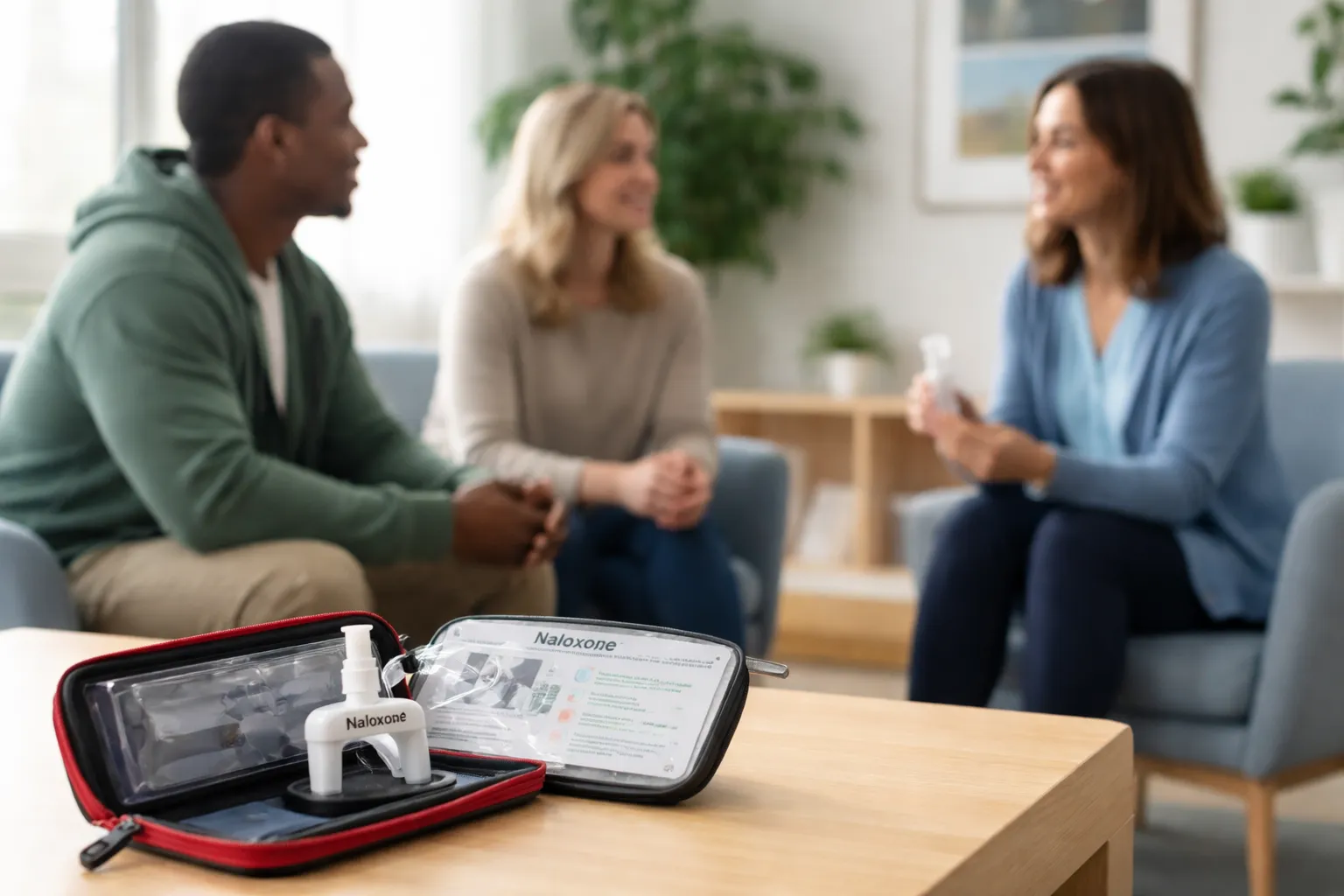
Someone who completes detox remains at increased risk of overdose if they return to the same opioid dose they used previously, because tolerance falls during abstinence. Providing naloxone and overdose education is a standard safety practice. If an overdose is suspected, call 911 immediately. For mental health or suicide crisis, call or text 988. (cdc.gov)
If someone is not waking up, breathing poorly, or you suspect an overdose, call 911 now. For a suicide or mental health crisis call or text 988. If you are unsure about next steps in withdrawal that look severe, visit an emergency department. (cdc.gov)
What to expect from an outpatient fentanyl detox program
A responsible outpatient program will start with a medical and psychosocial assessment, review recent substance use and overdose history, evaluate co-occurring medical and psychiatric conditions, and discuss treatment preferences and goals. Programs commonly offer medication options when indicated, counseling, case management, and linkage to harm reduction services such as naloxone and fentanyl test strips. New Jersey has expanded harm reduction and referral infrastructure to support timely treatment. (samhsa.gov)
Costs, insurance, and access
Insurance coverage and program availability vary. A confidential clinical assessment is the only way to determine treatment recommendations and likely coverage. Contact a program directly to learn about intake procedures, insurance, and financial assistance. For a list of treatment types and services, see the treatments page, and to find local options see the locations page.
Frequently asked questions
Can buprenorphine cause worse withdrawal if someone uses fentanyl?
Clinicians monitor timing and symptoms to reduce the risk of precipitated withdrawal. Research and clinical trials have shown buprenorphine can be initiated safely in many people who use fentanyl when providers follow evidence-based protocols. Individual risk varies and should be discussed with a prescriber. (nih.gov)
Is a short detox enough?
Short detox without follow-up medication or support has a high risk of return to opioid use and overdose. Guideline groups recommend offering long-term medication for opioid use disorder when indicated rather than withdrawal management alone. (samhsa.gov)
What if I am pregnant?
Do not stop opioids or detox on your own in pregnancy. Consult obstetric and addiction specialists promptly because treatment decisions differ in pregnancy and specialized care is safer for mother and baby. (library.samhsa.gov)
Sources and further reading
- CDC: Fentanyl and overdose prevention. (cdc.gov)
- NIDA: Opioids and fentanyl facts. (drugabuse.gov)
- NIH/NIDA: Buprenorphine initiation in the emergency department study. (nih.gov)
- SAMHSA TIP 63: Medications for opioid use disorder. (samhsa.gov)
- FDA / DailyMed: LUCEMYRA (lofexidine) prescribing information. (dailymed.nlm.nih.gov)
- New Jersey Department of Health: Harm reduction and overdose response updates. (nj.gov)
Compassionate next steps
If you or a loved one is considering fentanyl detox in New Jersey, arrange a confidential assessment with a qualified clinician to review medical history, pregnancy or age considerations, recent overdose history, and treatment goals. If you need help finding services, request a confidential assessment or speak with an admissions team to discuss options and intake. For program types, see our treatments page, to find nearby care see our locations page, or to contact admissions directly use the contact form. Remember, call 911 for medical emergencies and call or text 988 for suicide or mental health crises.
Request a confidential assessment or speak with the admissions team to learn which evidence-based option is clinically appropriate for you or your family member. We are available to help with next steps without pressure.