Early recovery from substance use often brings stomach upset, poor appetite, or a sense of fogginess that makes eating and drinking feel difficult. Thoughtful, practical support for nutrition and hydration can reduce complications, improve energy, and support participation in treatment. This article summarizes clinically important steps patients and families can take in the first days and weeks after stopping alcohol or other drugs, and it explains when urgent medical care is needed.
Table of Contents
ToggleWhy focus on nutrition and hydration in early recovery
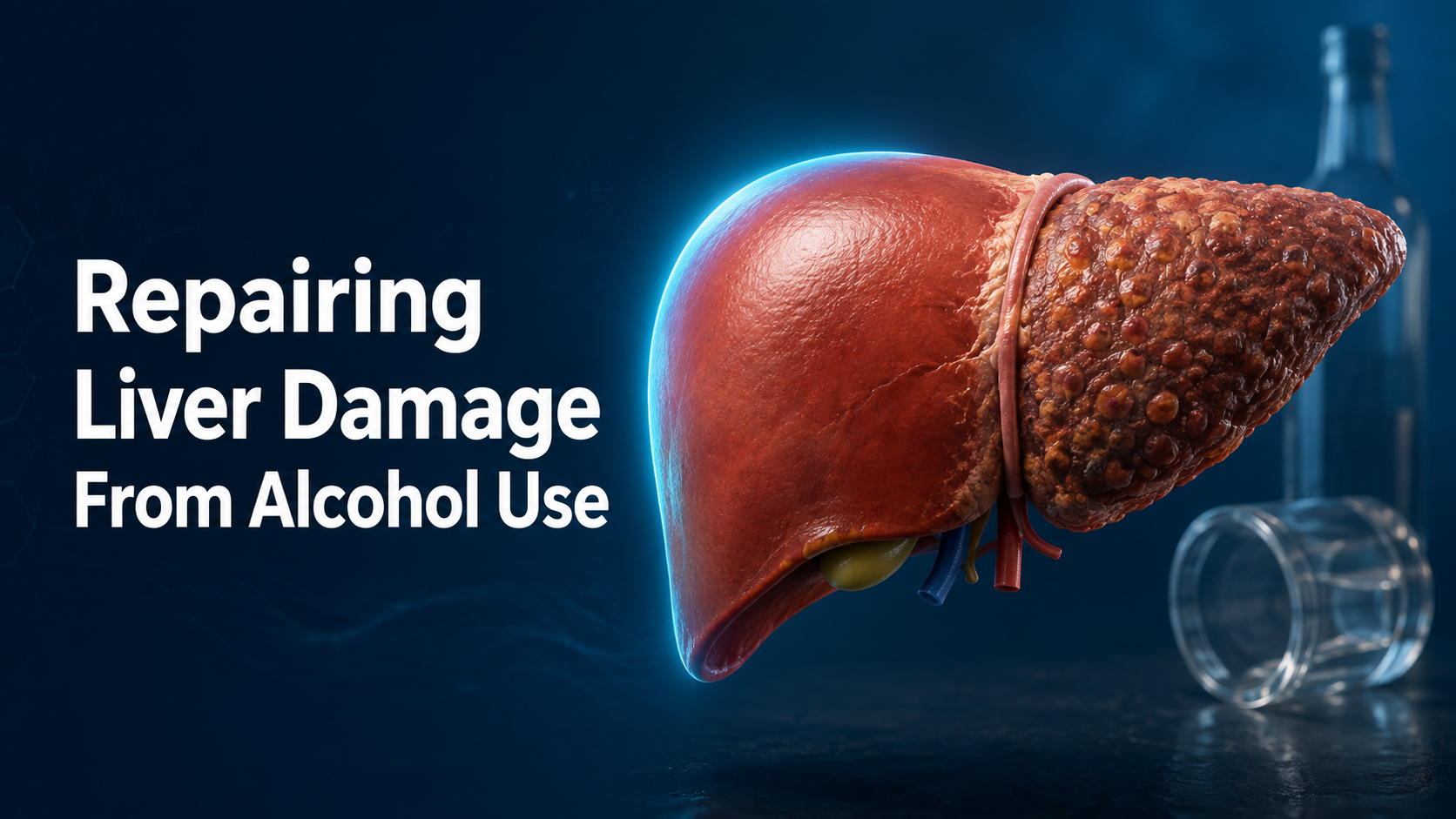
Chronic heavy alcohol or drug use can change appetite, nutrient absorption, liver function, and fluid and electrolyte balance. Refeeding and rehydration often improve cognition, strength, and mood as withdrawal symptoms settle, but they must be managed with attention to medical risks, including low electrolytes and vitamin deficiencies. Clinicians commonly include basic nutrition and hydration checks as part of early assessment and stabilization. Recent reviews summarize how poor intake and alcohol driven metabolic changes affect recovery and organ health, and they discuss practical nutrition interventions. (pmc.ncbi.nlm.nih.gov)
Initial clinical steps patients and families can expect
When someone presents to an outpatient detox or treatment program, standard clinical steps include a medical screening, basic blood tests for electrolytes and selected vitamins, and an evaluation for withdrawal risk. These assessments guide decisions about medications, need for laboratory correction, or higher levels of care. Placement and medication decisions require evaluation by a qualified clinician who can weigh medical history, current medications, comorbid conditions, pregnancy status, and local resources. Clinical treatment manuals describe this approach and the need for individualized plans. (archives.nida.nih.gov)
Red flags that need urgent or emergency care
- If the person has seizures, severe vomiting or diarrhea, fast heartbeat, confusion that gets worse, fainting, difficulty breathing, or other signs of medical instability, call 911 right away.
- If there is risk of self harm or suicidal thoughts, call or text 988 for immediate mental health crisis support.
- Pregnant people, adolescents, or anyone with suspected severe alcohol withdrawal, delirium tremens, or psychosis should be seen urgently in a hospital setting or by specialists. Reviews of alcohol withdrawal emphasize early medical intervention in these high risk groups. Clinical reviews discuss these risks and typical in‑hospital nutrition practices. (pubmed.ncbi.nlm.nih.gov)
| Problem | Immediate clinical action | Why |
|---|---|---|
| Seizure, loss of consciousness, or breathing trouble | Call 911 | Life threatening, needs emergency care |
| Severe dehydration or electrolyte abnormality on labs | Same day medical care; possible IV fluids or monitored correction | Electrolyte shifts can cause arrhythmia and seizures |
| Mild to moderate poor intake, nausea, or vomiting | Outpatient nutrition plan, oral rehydration, small frequent meals | Usually manageable at clinic level with follow up |
Practical guidance: safe rehydration and fluid choices
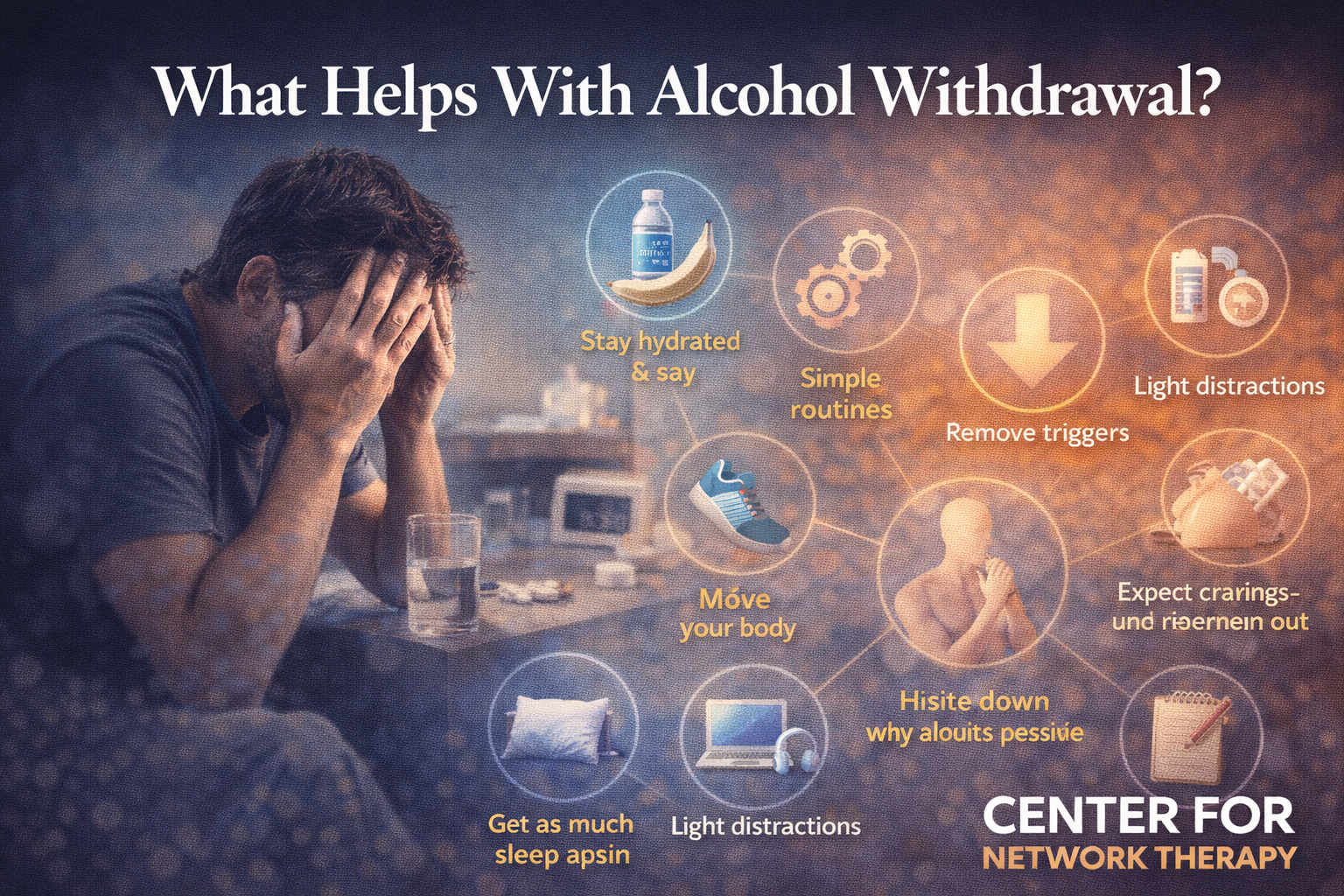
Maintaining volume and replacing electrolytes is often a first priority. Plain water is a good baseline fluid for most adults, but oral rehydration solutions provide a more balanced mix of sodium and glucose when vomiting, heavy sweating, or diarrhea cause electrolyte loss. Sports drinks contain electrolytes but often have high sugar and lower sodium than rehydration solutions. For specific daily water targets, official recommendations vary by age, sex, pregnancy status, and activity level: Institute of Medicine estimates are about 3.7 liters per day for men and 2.7 liters per day for women from all foods and beverages combined, but these are general guides rather than strict rules. CDC guidance on water. (cdc.gov)
| Fluid | When useful | Pros | Cons |
|---|---|---|---|
| Plain water | Daily use, mild dehydration | Zero sugar, widely available | Does not replace sodium or potassium lost with severe vomiting |
| Oral rehydration solution (ORS) – example Pedialyte | Vomiting, diarrhea, heavy sweating, moderate dehydration | Balanced electrolytes and glucose to support absorption | Less palatable to some, not a substitute for medical care if severe |
| Sports drinks | Light to moderate dehydration during activity | Some electrolytes, palatable | Often lower sodium than ORS, higher sugar content |
| Fruit juice or milk | Calorie boost when appetite poor | Provides calories, some electrolytes and micronutrients | High sugar, may worsen nausea in some people |
| Caffeinated beverages | Occasional use | May improve alertness | Can irritate stomach, mild diuretic effects at high amounts |
When dehydration or electrolyte loss is suspected and oral intake is not possible or the person is medically unstable, emergency or same day medical care is required. The U.S. Food and Drug Administration and clinical reviews caution that over the counter supplements and unmonitored treatments can interact with prescription medications and safety varies by product. FDA consumer guidance. (fda.gov)
Nutrition targets and practical meal ideas
Early recovery goals are simple: reestablish a pattern of eating, correct obvious nutrient gaps, and provide enough calories and protein to support healing. Many people do better with small, frequent, easy to digest meals rather than three large meals. Aim to include a source of protein, a carbohydrate, and some fruit or vegetable at each sitting to support blood sugar stability and micronutrient intake.
Simple, clinic friendly meal choices
- Soft cooked eggs, whole grain toast, and a banana
- Greek yogurt with fruit and a spoonful of nut butter
- Chicken or tofu soup with vegetables and crackers
- Sandwich with lean protein and a side salad or piece of fruit
- Fortified nutrition shakes or meal replacement beverages, under clinician guidance, when appetite is poor
If alcohol use is the primary problem, clinicians often check for thiamine deficiency because low thiamine can cause Wernicke encephalopathy, a medical emergency. Clinical guidance commonly recommends thiamine and multivitamin supplementation when indicated by history or labs. High quality reviews describe the range of vitamin and nutrient strategies used in alcohol withdrawal care, and they emphasize the need for individualized clinical decisions. Reviews of vitamin supplementation in alcohol-related care. (pubmed.ncbi.nlm.nih.gov)
Supplements: proceed with clinical oversight
Dietary supplements are widely available, but they are not uniformly regulated for safety or effectiveness. The FDA does not review most supplements for effectiveness before marketing. Because supplements can interact with medications used in detox or in ongoing mental health care, discuss any supplement use with the prescribing clinician or pharmacist before starting them. FDA guidance. (fda.gov)
Coordination with outpatient treatment and next steps
An outpatient detox and addiction treatment provider will commonly coordinate initial medical screening, laboratory testing, medication management, and nutrition guidance. Registered dietitians or clinicians with experience in addiction medicine can provide targeted nutrition plans and follow up. If you are looking for local services, your provider can discuss inpatient versus outpatient options and help with scheduling, or you can learn more about available programs and locations. For information about treatments, visit the clinic treatment page. For local sites or to speak with intake, see the locations and contact pages. Treatments, Locations, Contact us.
Frequently asked questions
Can a person who has been drinking heavily start a normal diet right away?
Not always. Many clinicians recommend starting with small, low fat meals and monitoring for nausea, poor absorption, or signs of thiamine deficiency. If there is prolonged vomiting, confusion, or lab abnormalities, further medical care is needed. See clinical reviews on nutrition during alcohol withdrawal for details. Systematic reviews. (pubmed.ncbi.nlm.nih.gov)
Should I buy electrolyte solutions or sports drinks?
Oral rehydration solutions are preferred when a balanced replacement of sodium and glucose is needed. Sports drinks are acceptable for mild dehydration and activity related use, but they tend to have higher sugar and different electrolyte profiles. For moderate to severe losses, clinicians often recommend ORS or medical evaluation. CDC guidance. (cdc.gov)
Are there special rules for pregnant people or adolescents?
Yes. Pregnant people and adolescents require specialized clinical assessments. Pregnancy amplifies certain risks and requires obstetric and addiction medicine coordination. Adolescents may need family involvement and pediatric expertise. If pregnancy or young age is a factor, ask for urgent referral to the appropriate specialty. Clinical manuals and public health guidance emphasize specialized care in these groups. (archives.nida.nih.gov)
Safety callout
If someone is experiencing a medical emergency, call 911. If someone is in a mental health or suicide crisis, call or text 988 for immediate support. For symptoms such as seizures, severe confusion, fever, very fast heartbeat, or inability to keep fluids down, seek emergency care immediately. These problems can be life threatening and require urgent medical evaluation.
Sources and further reading
- A Complex Interplay between Nutrition and Alcohol use Disorder: Implications for Breaking the Vicious Cycle, peer reviewed review article. (pmc.ncbi.nlm.nih.gov)
- Systematic review of nutritional interventions for people admitted for alcohol withdrawal, PubMed. (pubmed.ncbi.nlm.nih.gov)
- About Water and Healthier Drinks, Centers for Disease Control and Prevention. (cdc.gov)
- Data Brief on Total Water Intake, CDC National Center for Health Statistics (Institute of Medicine intake reference). (cdc.gov)
- NIDA therapy manual and clinical guidance, National Institute on Drug Abuse. (archives.nida.nih.gov)
- Mixing medications and dietary supplements can endanger your health, U.S. Food and Drug Administration. (fda.gov)
This information is general education and not a substitute for medical evaluation. Placement and medication decisions require assessment by a qualified clinician. If you are ready to discuss a confidential assessment or speak with admissions staff about outpatient detox and treatment options, you can request a confidential assessment or contact the team through the clinic contact page. Request an assessment or contact us.