This page describes how clinicians and families commonly identify high functioning alcohol use disorder, what assessment looks like, and safe next steps for outpatient detox and addiction care in New Jersey. This is general education and not personal medical advice. Placement and medication decisions require assessment by a qualified clinician.
Table of Contents
ToggleWhat is meant by high functioning alcohol use disorder?
The phrase high functioning alcohol use disorder describes people who meet clinical criteria for alcohol use disorder yet are able to keep up work, family, or social responsibilities for long periods. The person may appear successful at home or at work, while alcohol causes hidden harms. High functioning does not mean safe, and it does not protect against medical or psychiatric complications of alcohol use. Many people with alcohol use disorder do not get treatment even when they qualify for a diagnosis. (samhsa.gov)
Common signs to watch for
Signs of high functioning alcohol use disorder can be subtle. Look for patterns in several areas rather than a single behavior. Common signs include:
- Drinking to relieve stress or to get through the day, even when responsibilities remain intact.
- Increasing tolerance, needing more alcohol to feel the same effect.
- Cravings or a strong urge to drink, sometimes at predictable times like after work.
- Episodes of heavy drinking or binge drinking that are followed by normal functioning the next day or after a short period of recovery.
- Attempts to cut down or control drinking that fail or are short lived.
- Secretive behavior about the amount or timing of drinking, or using alcohol alone more often than before.
- Work or relationship problems that are minimized or blamed on other causes, even if the person still performs adequately on the job.
- Physical signs such as poor sleep, unexplained bruises, frequent hangovers, memory lapses, or early morning drinking.
Because many people who drink heavily do not have outward impairment, clinicians use structured screening tools and diagnostic criteria to detect alcohol use disorder rather than relying on appearance alone. (pmc.ncbi.nlm.nih.gov)
How clinicians screen and assess alcohol use?
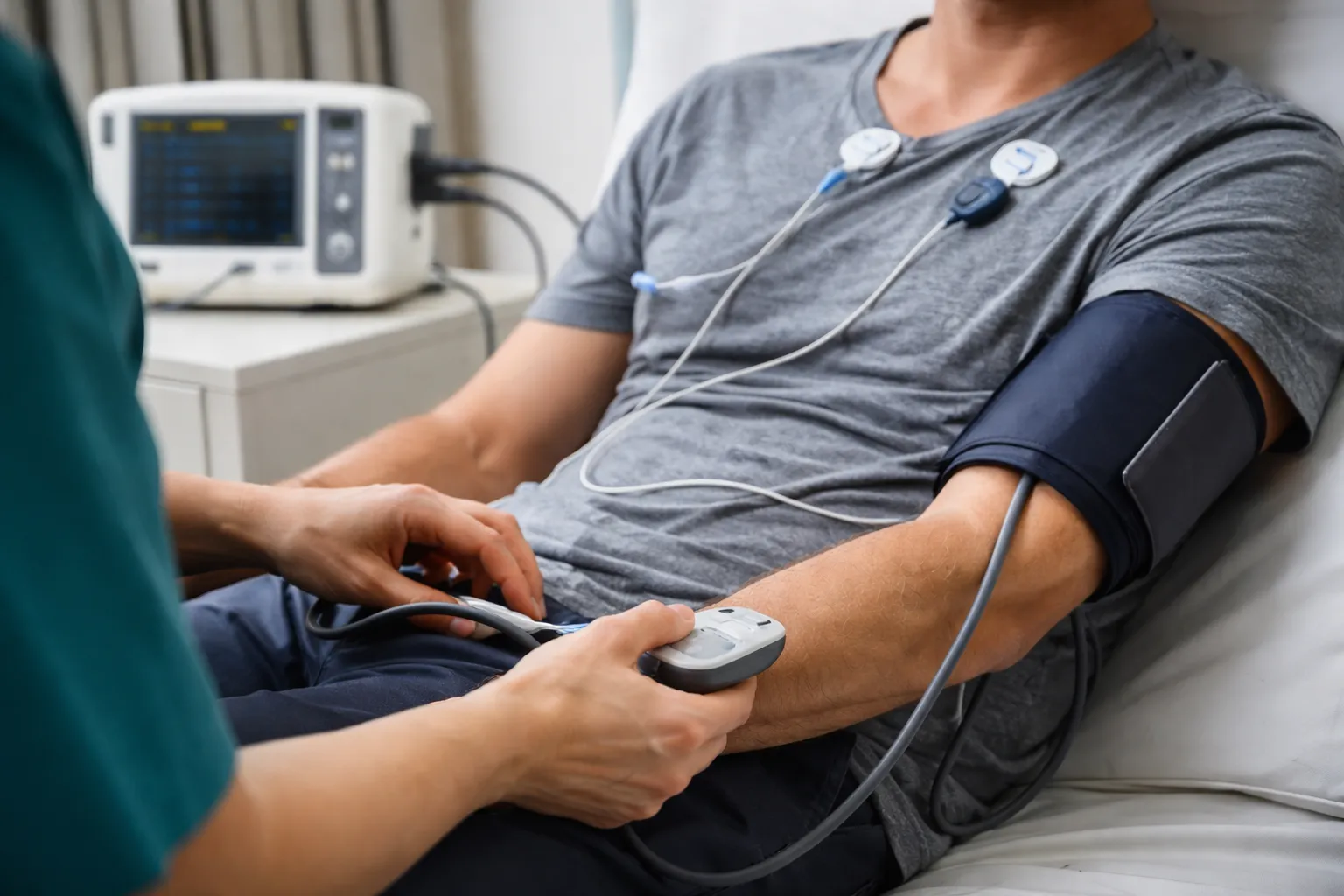
Screening typically begins with brief validated questionnaires, for example the single screening question about heavy episodic drinking, or the three item AUDIT-C. A positive screen prompts a focused clinical interview using the Diagnostic and Statistical Manual of Mental Disorders fifth edition criteria to determine whether alcohol use disorder is present and its severity. Clinician evaluation also checks for co-occurring mental health conditions, medical problems related to alcohol, and recent withdrawal history. Guidelines recommend moving quickly from screening to a diagnostic interview when a patient reports problems controlling use or clear alcohol related harms. (cde.nida.nih.gov)
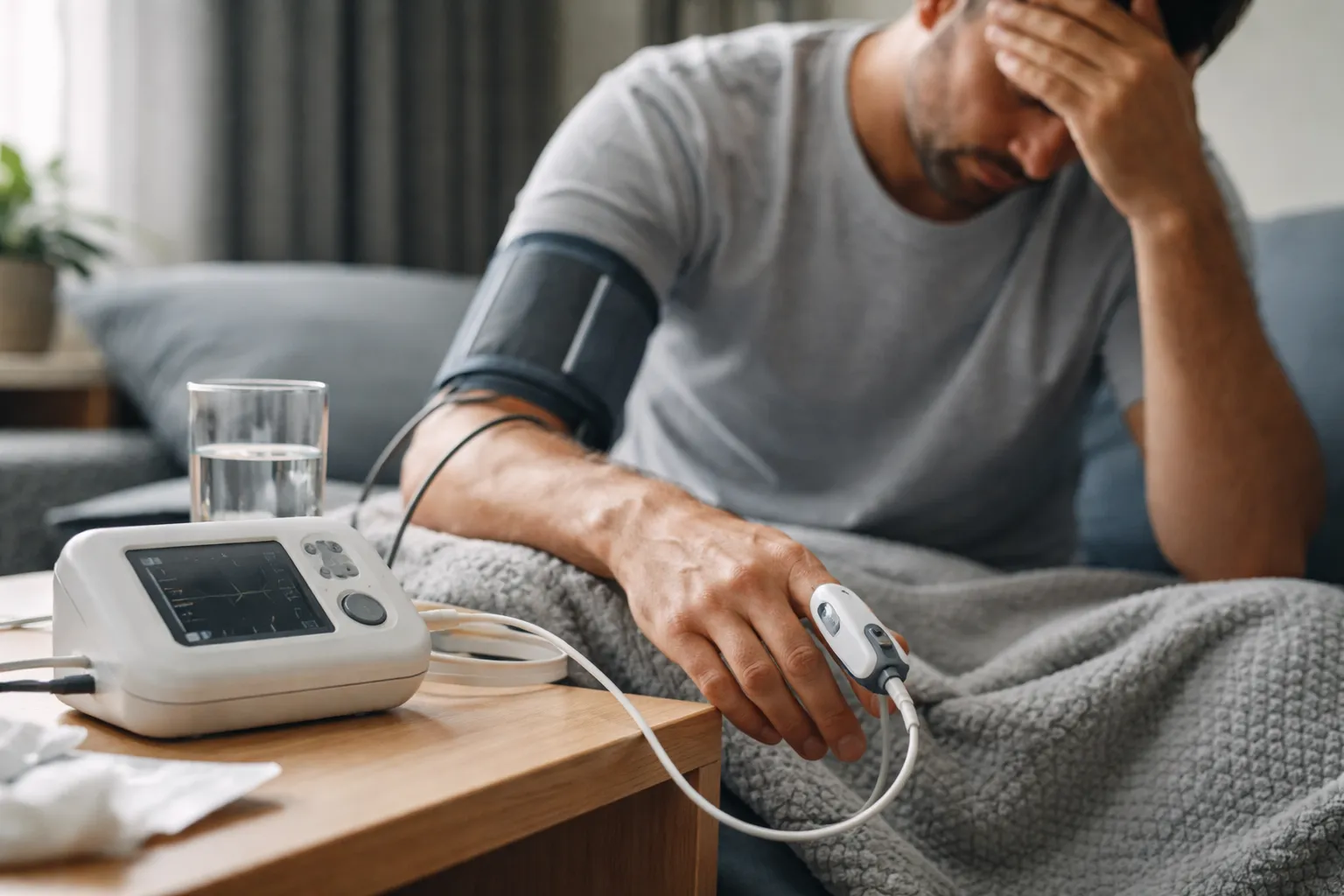
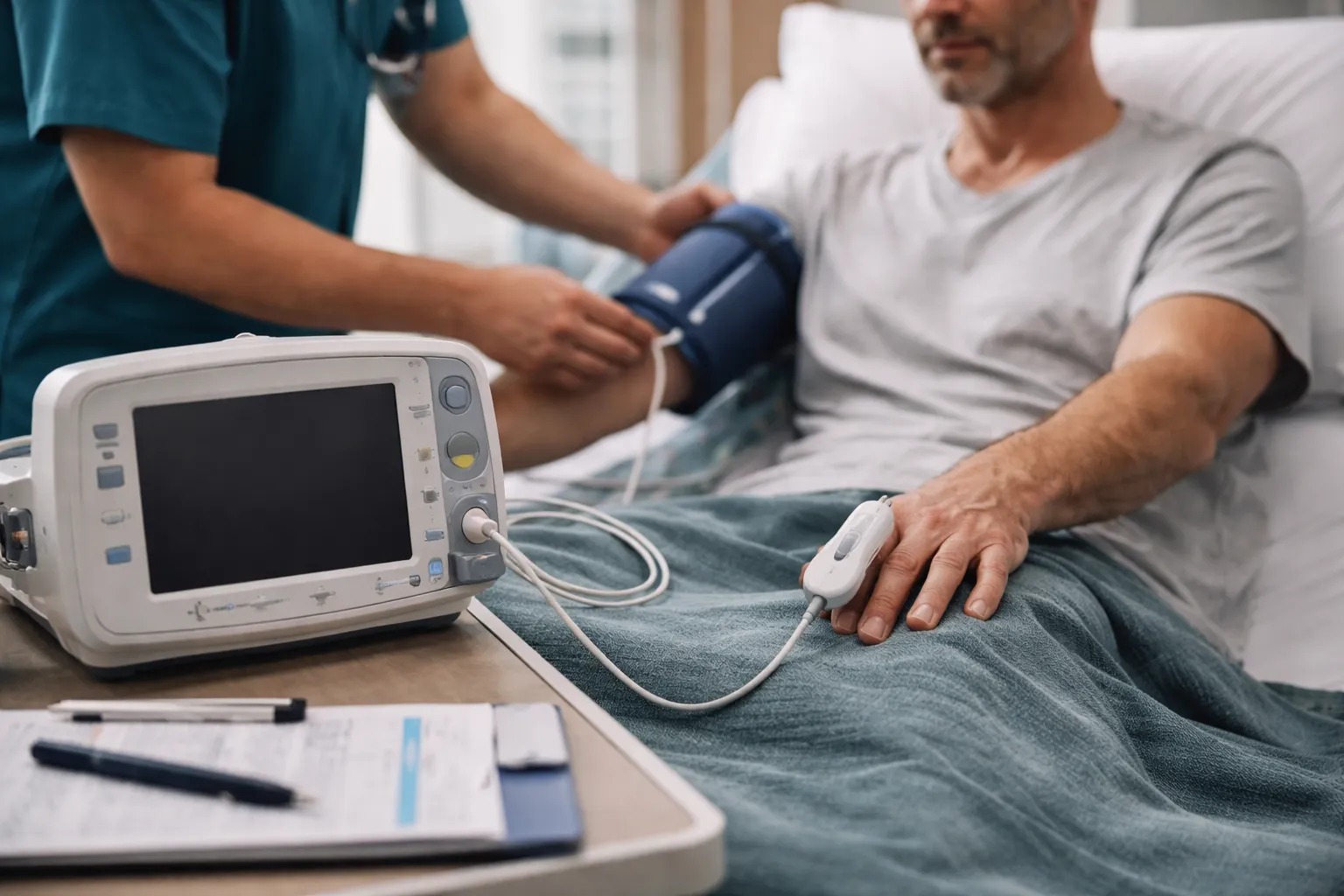
When assessing risk, clinicians ask about prior withdrawal symptoms such as tremor, seizures, confusion, or hallucinations. These symptoms affect decisions about whether outpatient detox is safe, or whether inpatient medical detox is required. For people with moderate to severe physiologic dependence, medication assisted treatments can be an effective part of a comprehensive plan. (niaaa.nih.gov)
Comparison: high functioning AUD versus heavy social drinking
| Feature | High functioning alcohol use disorder | Heavy social drinking |
|---|---|---|
| Daily life impact | May be hidden but contributes to relationship stress, health risk, or job instability over time | Usually no persistent negative medical or social consequences from drinking, though risk exists |
| Control over drinking | Attempts to cut down often fail or are short lived | Person usually can reduce or stop without prolonged difficulty |
| Withdrawal | Possible history of withdrawal symptoms after stopping or reducing alcohol | Unlikely to have physiologic withdrawal |
| Risk for progression | Higher risk for persistent or worsening disorder without treatment | Risk depends on drinking pattern and other clinical factors |
Treatment options and safety steps
Treatment is individualized. Options include brief counseling and behavioral therapies delivered in outpatient settings, medications that reduce cravings or support abstinence, mutual support groups, and medical detox when withdrawal risk is high. The Food and Drug Administration has approved three medications for alcohol use disorder: naltrexone, acamprosate, and disulfiram. These medications are generally prescribed as part of a broader care plan that includes counseling and follow up. A clinician will check medical history and current medications before starting any medication. (niaaa.nih.gov)
Decisions about outpatient detox depend on the person’s withdrawal history, medical stability, and support at home. People with prior severe withdrawal, seizures, delirium, significant medical problems, or unstable living situations are often referred for inpatient medical detox. Outpatient programs may offer medication assisted treatment, counseling, and regular medical follow up. Always consult a qualified clinician for placement decisions. (aafp.org)
Safety callout
If you or someone is thinking about self harm or suicide, call or text 988 to reach the National Suicide and Crisis Lifeline. If you are in New Jersey and need help finding substance use services, call ReachNJ at 1-844-732-2465 for a confidential referral and support. (nj.gov)
Frequently asked questions
Can someone be high functioning and still need treatment?
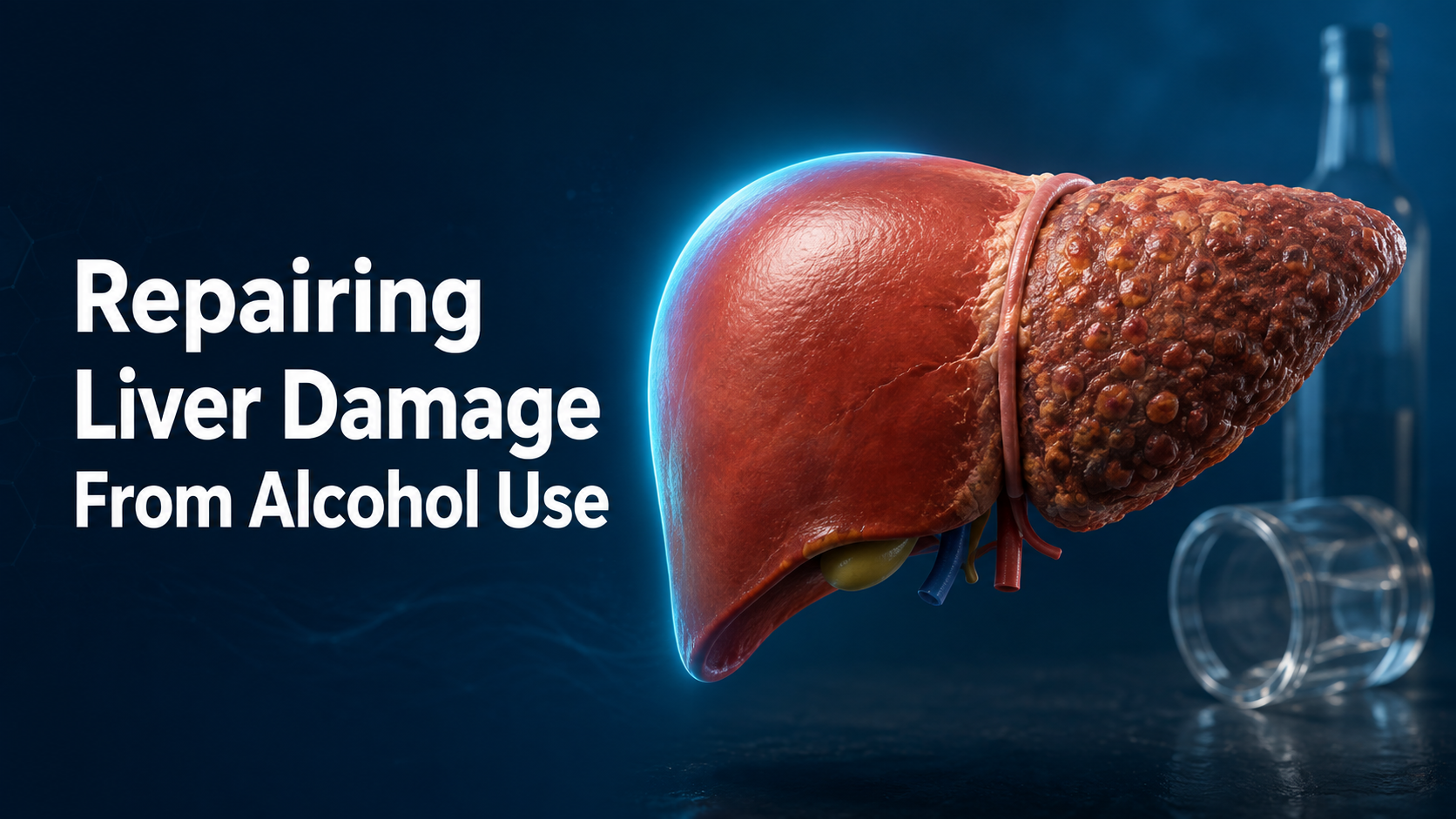
Yes. High functioning appearance does not protect against liver disease, cancer, accidental injury, or worsening mental health. Treatment can reduce these risks and improve quality of life. Medication and counseling decisions require clinical assessment. (cdc.gov)
How will a clinician decide whether outpatient detox is safe?
Clinicians evaluate prior withdrawal history, current medical and psychiatric conditions, recent drinking patterns, and home support. Tools such as the Clinical Institute Withdrawal Assessment for Alcohol may be used. If withdrawal risk is high, inpatient medical detox is usually recommended. (aafp.org)
What if I want to reduce drinking but not stop entirely?
Reducing use can be a valuable goal and some medications and behavioral treatments support reduction as well as abstinence. A clinician can help set realistic goals and design a plan that minimizes risk. This article is educational and not individualized medical advice.
Sources
- SAMHSA, National Survey on Drug Use and Health 2023, national report. This report describes prevalence of alcohol use disorder in the United States. (samhsa.gov)
- CDC, Data on Excessive Alcohol Use. Facts about health risks and mortality related to excessive alcohol use. (cdc.gov)
- Clinical guideline review on screening for high risk drinking and AUD. Discussion of screening tools and steps to a DSM-5 interview. (pmc.ncbi.nlm.nih.gov)
- NIAAA, Treatment for Alcohol Problems. Information about medications approved for alcohol use disorder and treatment options. (niaaa.nih.gov)
- SAMHSA, Medication for the Treatment of Alcohol Use Disorder: A Brief Guide. Practical guidance on medication assisted treatment. (samhsa.gov)
- New Jersey Division of Mental Health and Addiction Services, Hotlines and Helplines. ReachNJ contact information and state resources. (nj.gov)
Next steps
If you recognize signs of high functioning alcohol use disorder in yourself or a family member, consider requesting a confidential assessment with a qualified clinician. A clinical assessment will determine the level of care, whether outpatient detox is safe, and whether medications may be appropriate. For information about treatment types, visit our treatments page. To find locations or ask admissions questions, please see our locations page or contact the admissions team. These links go to the provider site for treatment and appointments: treatments, locations, contact us.
Thank you for reading. If you would like to request a confidential assessment or speak with the admissions team, please reach out through the contact page. A qualified clinician can help design a safe, individualized plan without pressure.
Disclaimer: This information is educational and not a substitute for professional medical evaluation. Placement and medication decisions require assessment by a qualified clinician. For emergencies call 911. For suicide or mental health crisis call or text 988.