If you or a loved one is considering detox, a detox assessment is the first clinical step to determine immediate safety, medical needs, and the most appropriate next level of care. This page explains what to expect in New Jersey outpatient settings, how clinicians make decisions, and where to get help. This is general education and not a substitute for individualized clinical assessment.
Table of contents: What is a detox assessment | Who conducts the assessment | What to expect, step by step | Outpatient versus inpatient: quick comparison | Safety callout | FAQs | Sources | Next steps
Table of Contents
ToggleWhat is a detox assessment?
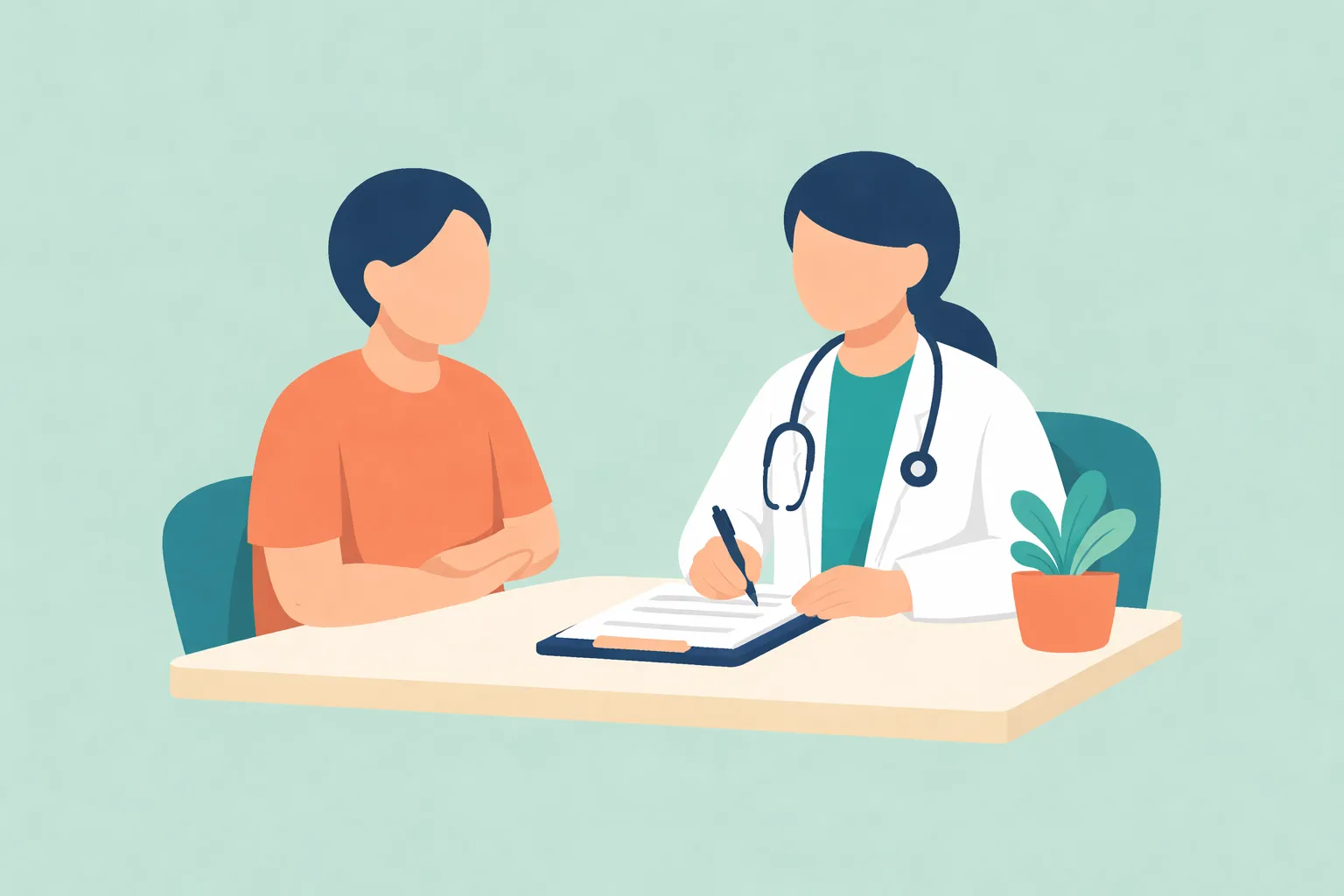
A detox assessment is a focused, time-limited clinical evaluation that determines whether a person is safe to begin withdrawal management in the outpatient setting, or whether they need higher levels of medical care, such as inpatient detox, emergency care, or an opioid treatment program. A complete assessment reviews medical history, current substance use and patterns, withdrawal signs and symptoms, mental health risk, social supports, and immediate safety concerns. Detox itself is the process of managing acute intoxication and withdrawal and does not, by itself, replace ongoing addiction treatment. The three core components of detox are evaluation, stabilization, and linking to further treatment. (library.samhsa.gov)
Who conducts the assessment and where it happens in New Jersey?
In New Jersey, detox assessments in outpatient programs are typically done by a combination of licensed clinicians and medical staff: nurses, nurse practitioners, physician assistants, physicians, and licensed counselors. State standards require licensed outpatient programs that offer detox to use a recognized assessment instrument and to confirm appropriateness for outpatient care, with daily medical supervision available during withdrawal. Women of childbearing age should receive pregnancy testing as part of admission testing. These rules are described in New Jersey licensure standards for outpatient detox services. (regulations.justia.com)
What to expect, step by step
1. Triage and immediate safety screening
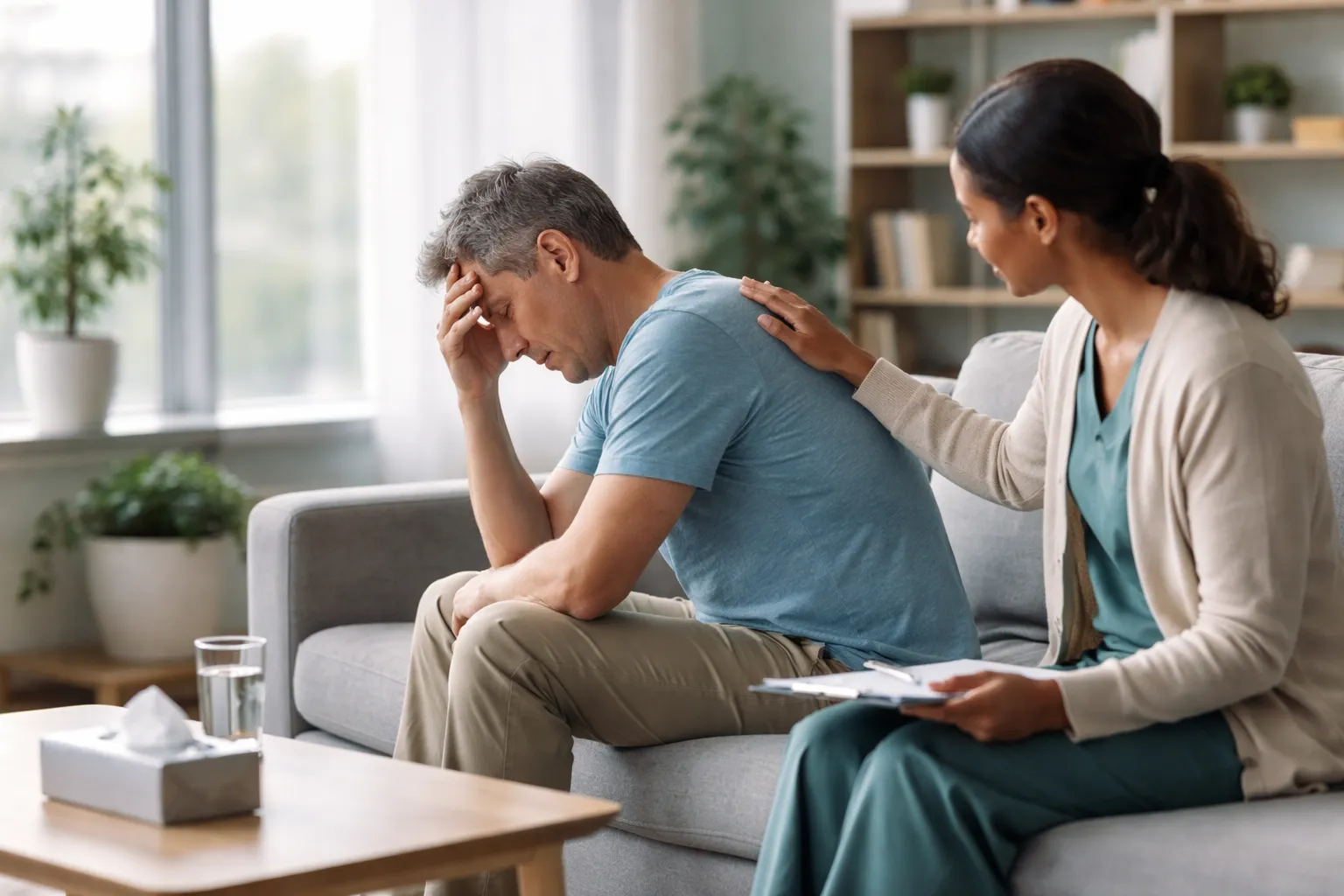
On arrival, staff will ask whether you have any immediate medical emergencies such as trouble breathing, active chest pain, severe confusion, seizures, or uncontrolled bleeding. If there is an emergency, staff will arrange emergency medical care or call 911. If you are in a mental health or suicide crisis, call or text 988 for immediate crisis support. (samhsa.gov)
2. Medical and medication history
The clinician will ask about current and past medical problems, prescribed medications, allergies, recent alcohol or drug use (what, how much, when), prior withdrawal history (including seizures or delirium tremens), and prior responses to medications. They will ask about pregnancy, breastfeeding, or plans for pregnancy. This information helps identify risks and guide medication choices. State guidance requires a biopsychosocial assessment and a physical exam for detox admissions. (library.samhsa.gov)
3. Vitals, focused exam, and basic testing
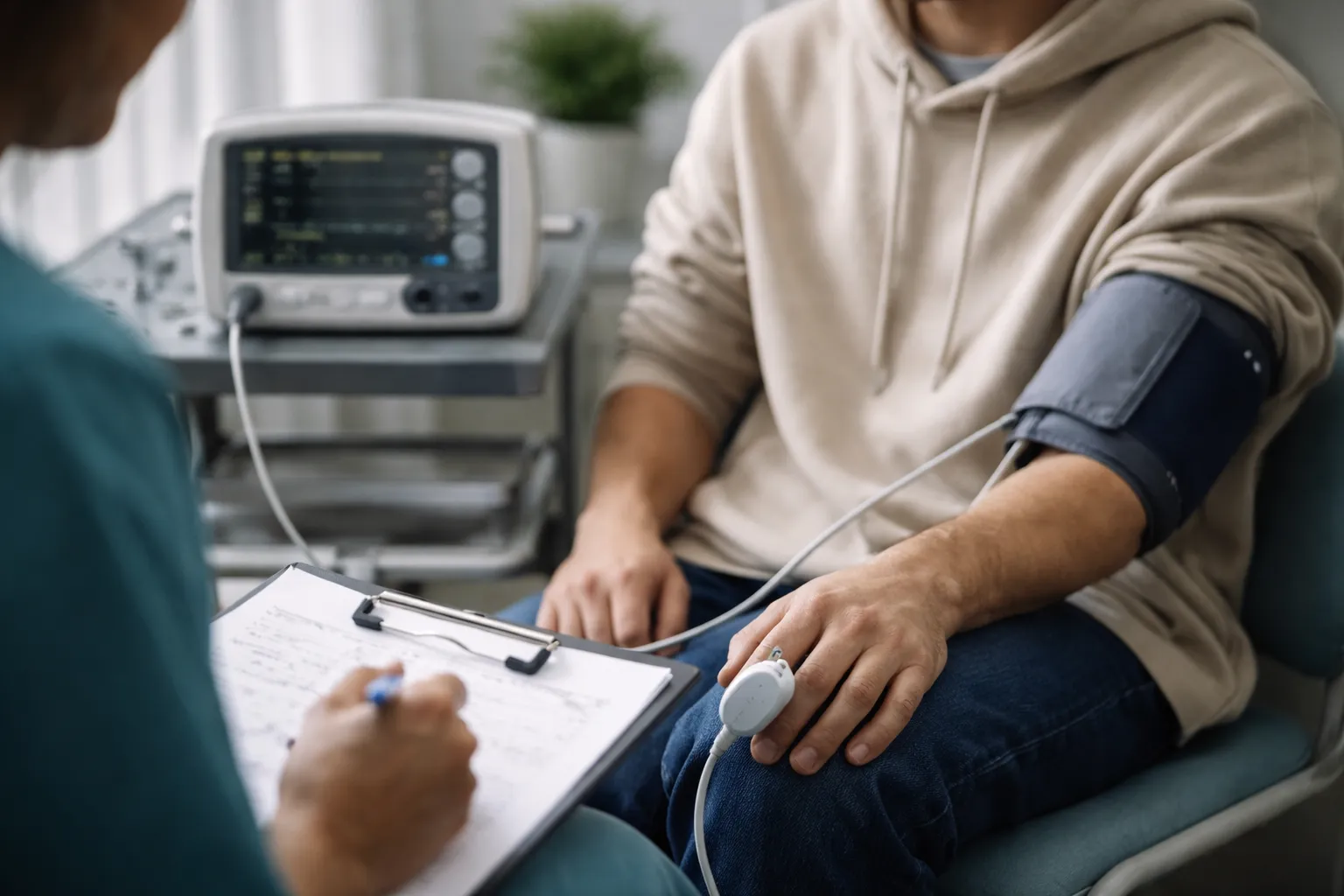
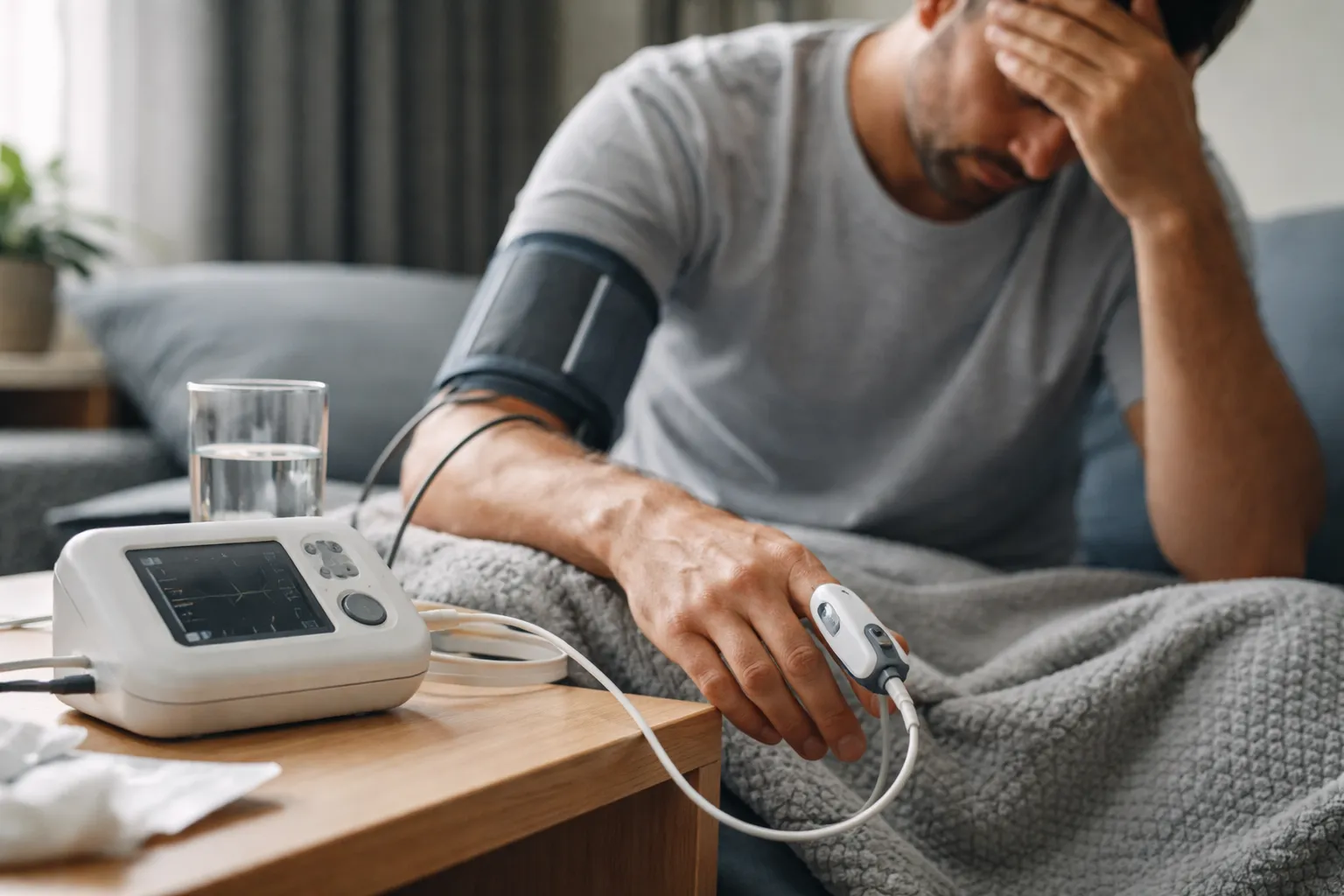
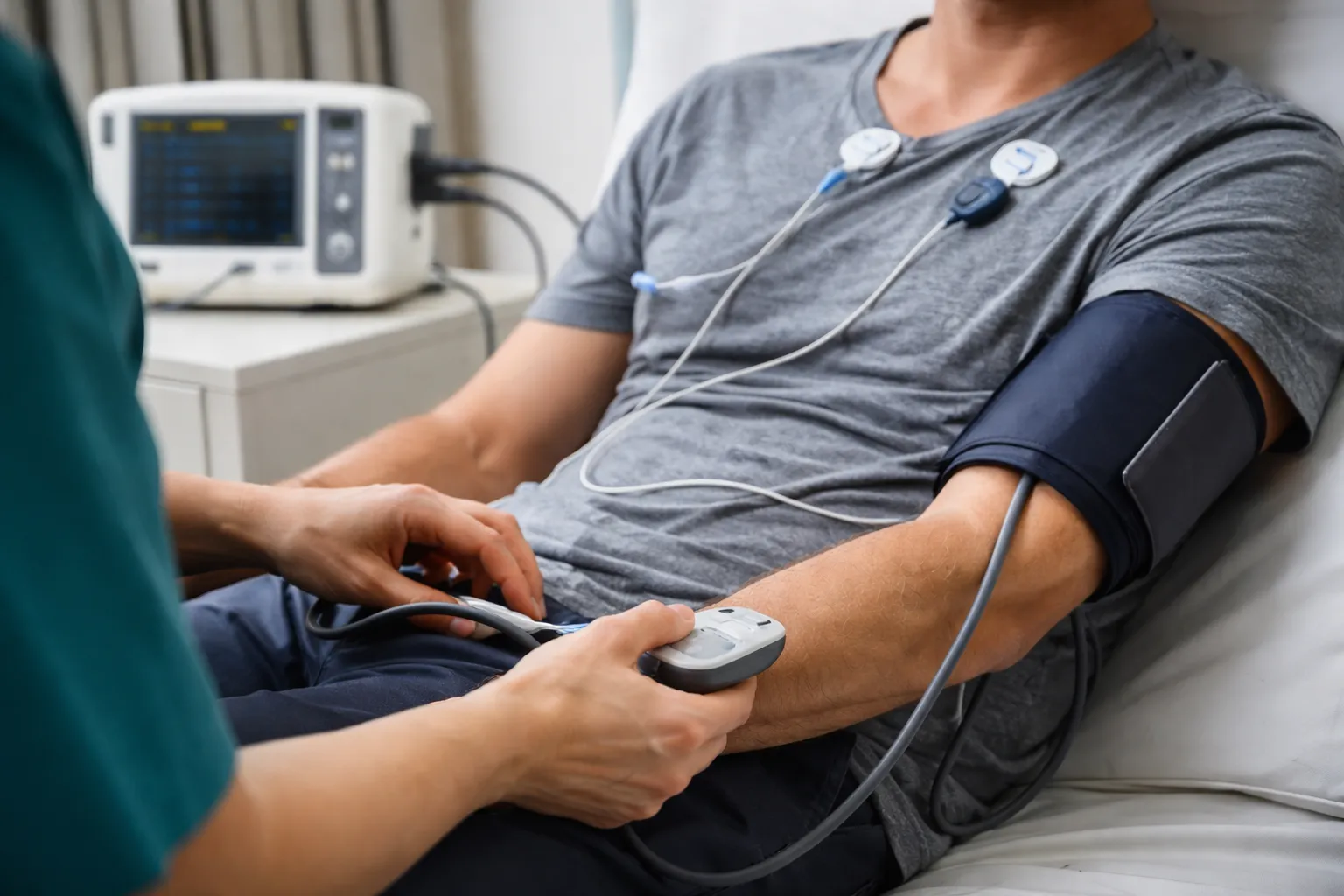
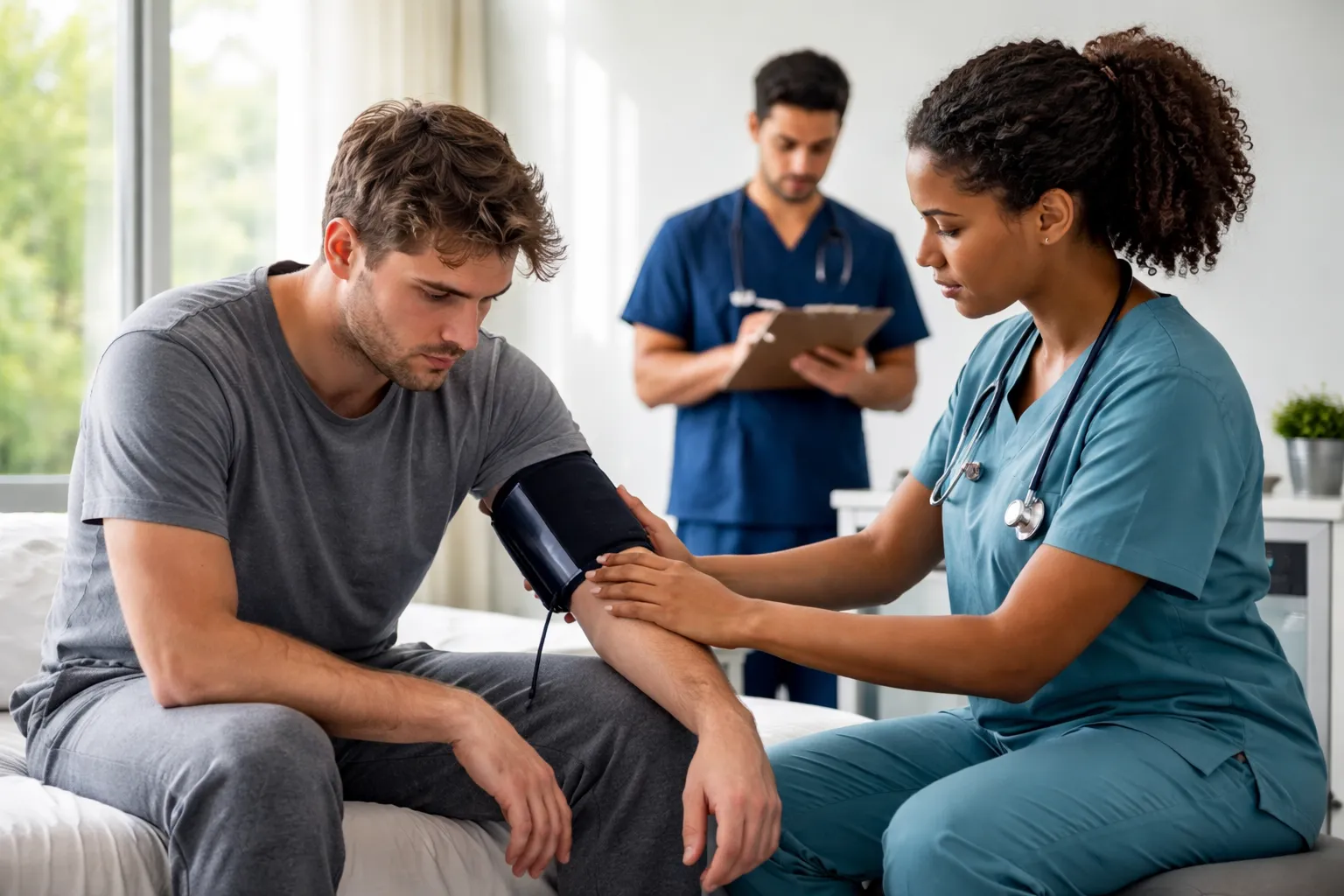
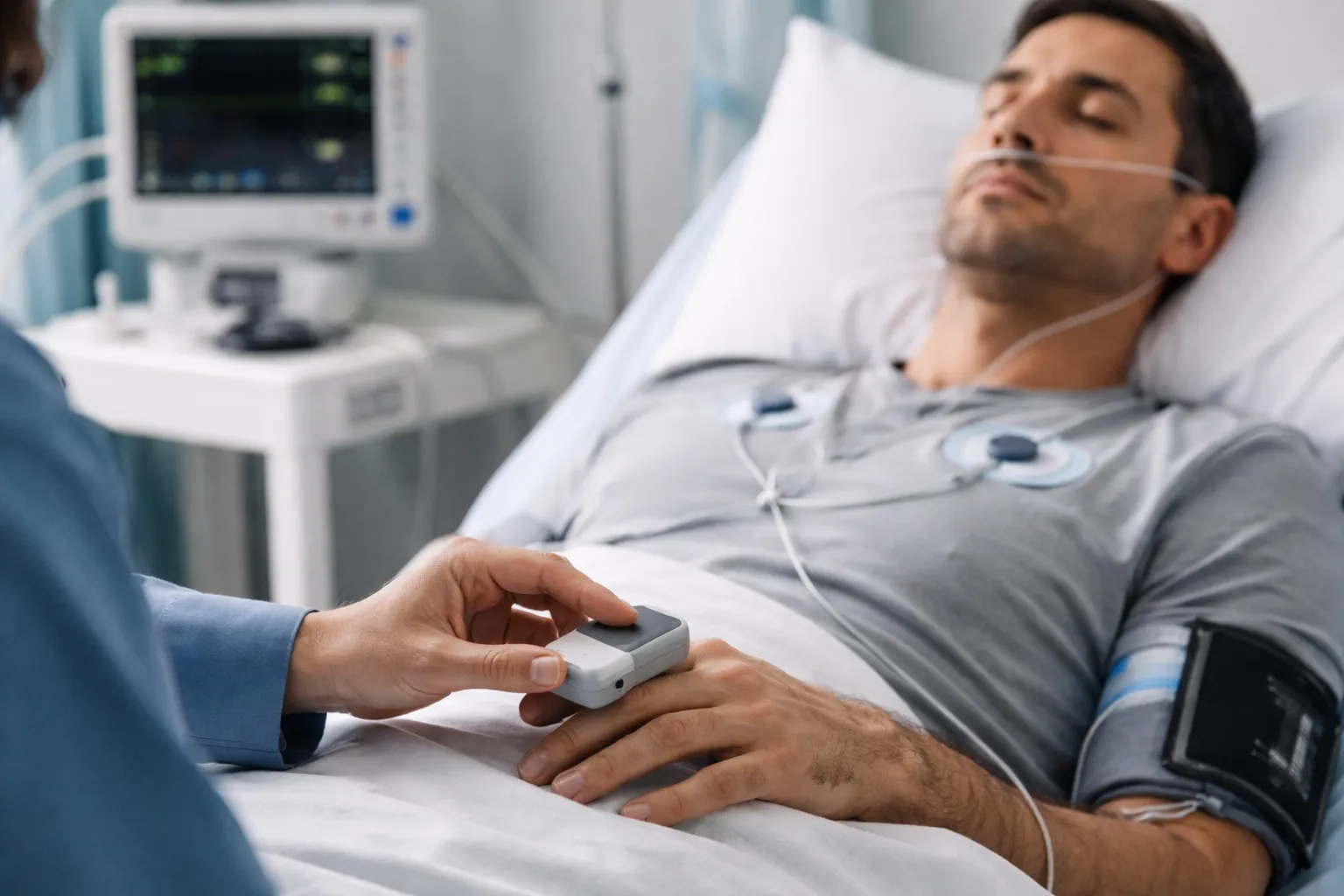
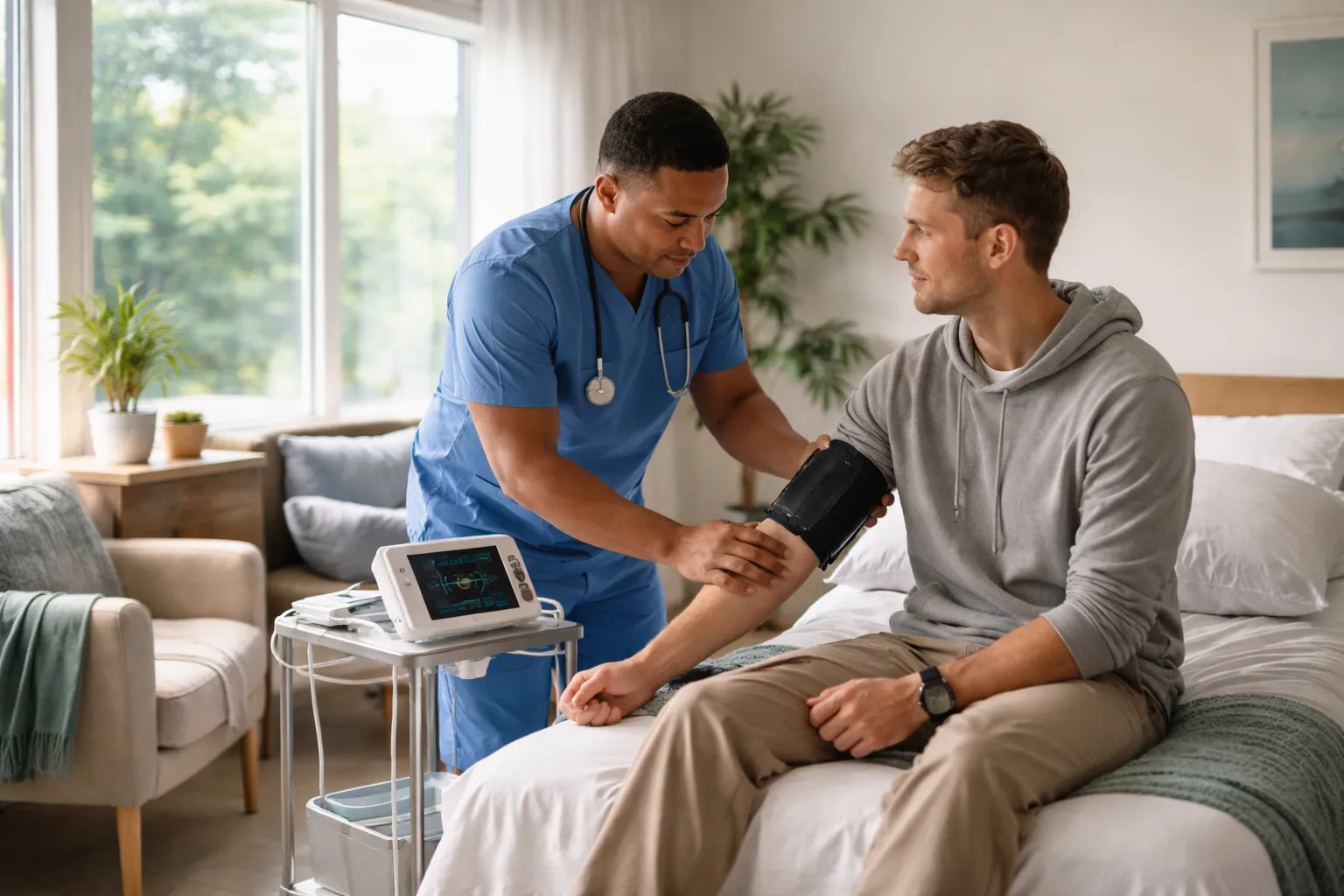
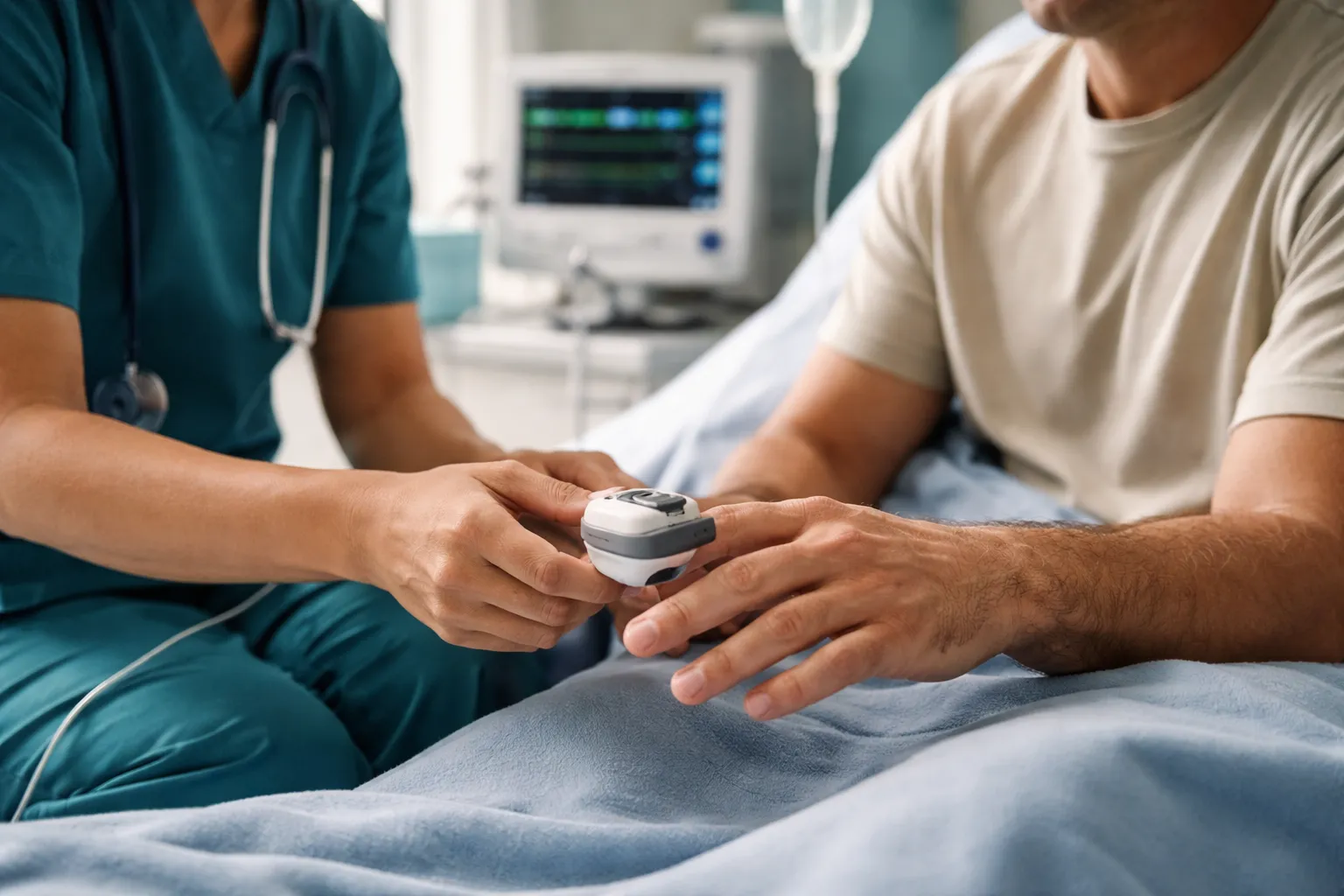
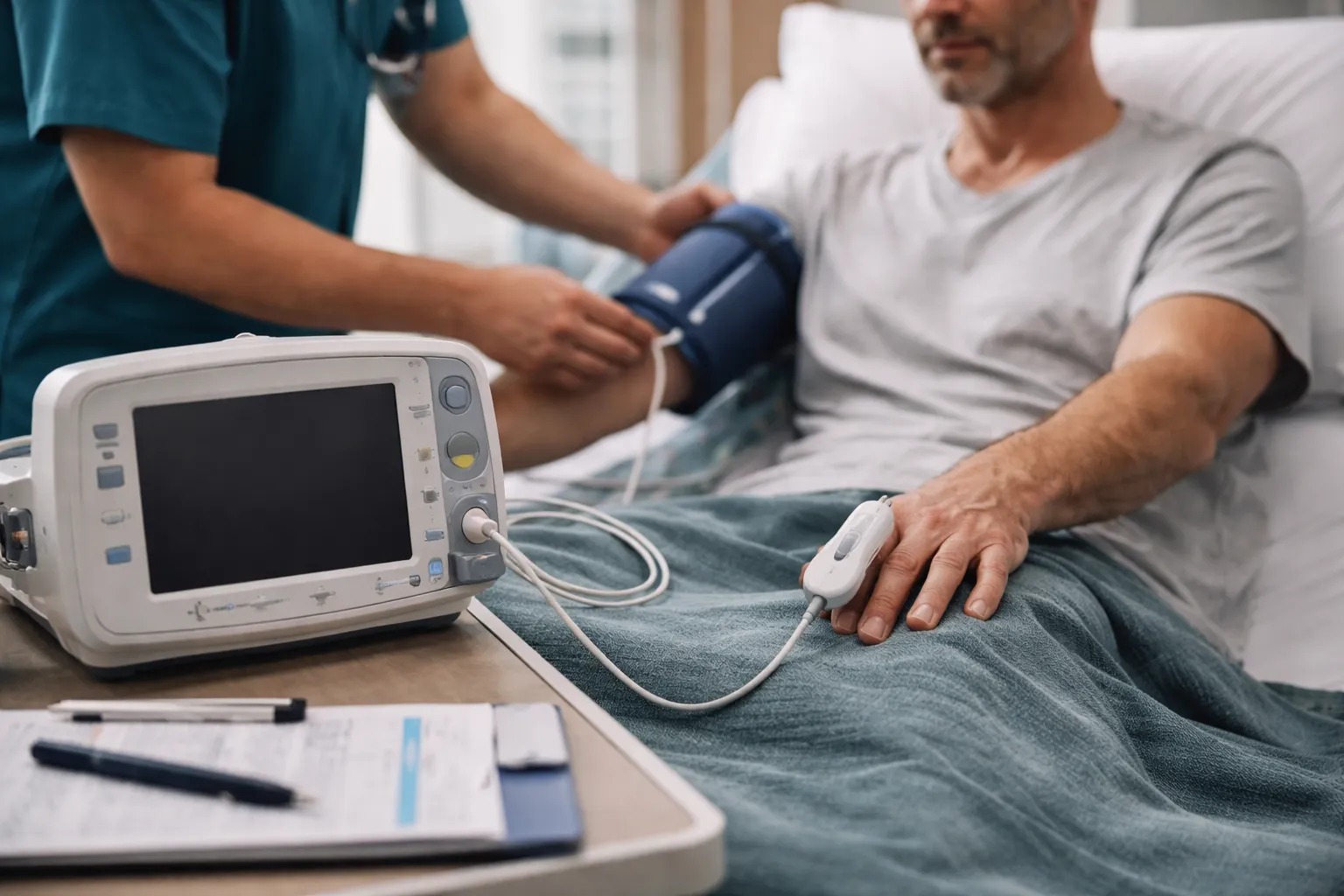
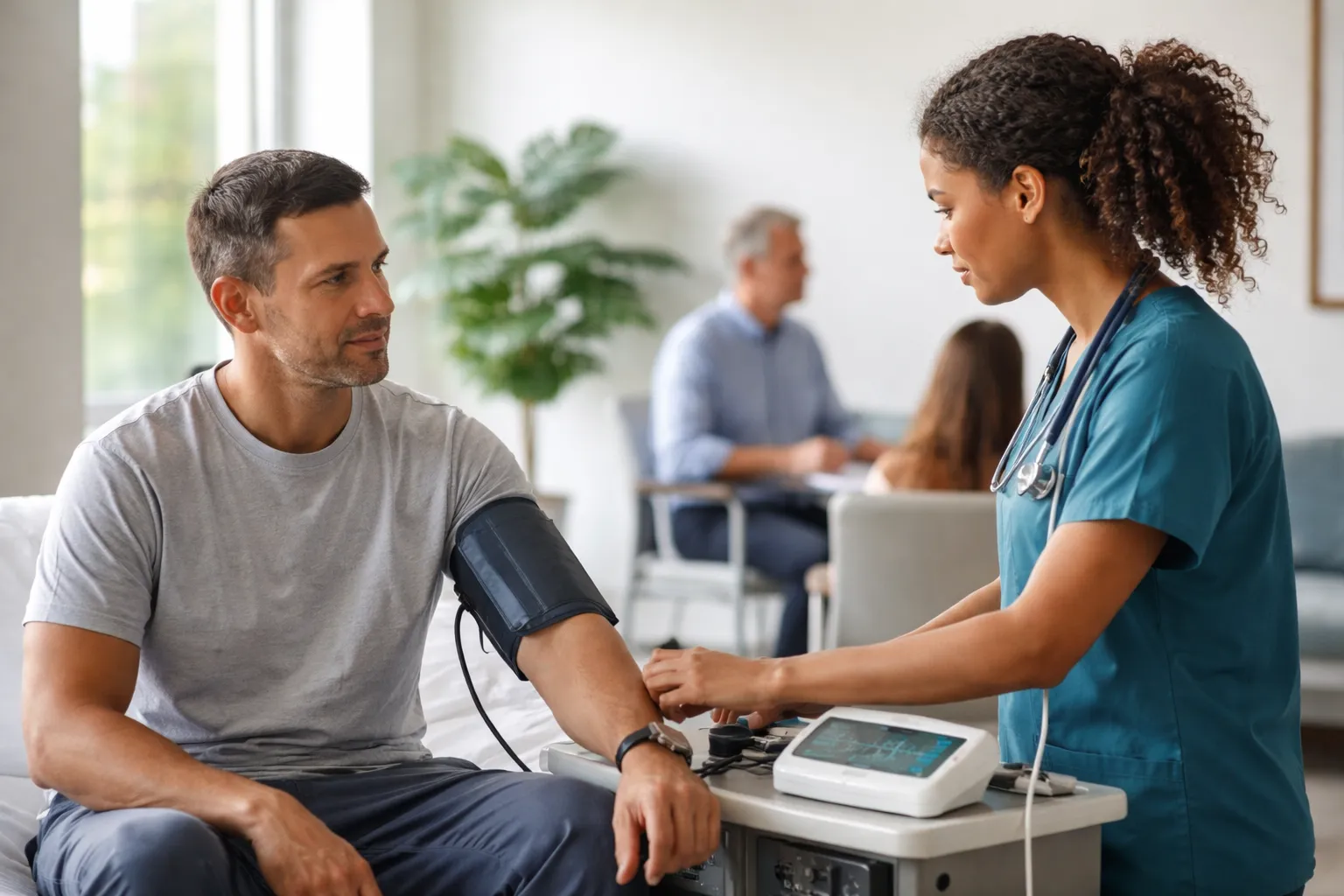
Expect measurement of vital signs (blood pressure, pulse, temperature, respiratory rate), a focused physical exam, and often point-of-care testing such as a blood alcohol breath test, urine drug screen, pregnancy test when indicated, and blood tests as clinically needed. Clinicians may not delay treatment while waiting for lab results if immediate stabilization is required. (asam.org)
4. Withdrawal assessment tools
Clinicians use structured scales to rate withdrawal severity. For opioid withdrawal, the Clinical Opiate Withdrawal Scale, or COWS, is a common 11-item clinician tool that helps determine whether medication-assisted initiation is appropriate. For alcohol, scales such as the CIWA-Ar (used in many guidelines) inform treatment choices including whether benzodiazepines or other medications are needed and whether outpatient care is safe. These tools guide monitoring frequency and medication dosing. (nida.nih.gov)
5. Mental health and suicide risk screening
Because co-occurring mental health concerns are common, the assessment includes screening for current suicidal thoughts, psychosis, severe anxiety, or acute psychiatric symptoms. If a person is judged to be at high risk for self-harm or poses a danger to others, higher-level care is arranged. If someone is in immediate crisis, call 911 or 988. (samhsa.gov)
6. Social supports and environment check
Clinicians evaluate housing stability, availability of a sober or supportive environment for recovery, transportation for follow-up visits, and whether a caregiver can observe for worsening withdrawal. Outpatient detox requires a level of home stability and a responsible adult available if higher-risk situations arise. New Jersey regulations specifically require programs to evaluate these supports when admitting patients to outpatient detox. (regulations.justia.com)
7. Brief treatment plan and linkage
If outpatient detox is appropriate, staff will explain the expected monitoring schedule, medication plan if used, warning signs that require urgent evaluation, and next steps toward ongoing treatment, such as counseling or medication for opioid use disorder. Detox programs are expected to help patients transition into continuing treatment rather than viewing detox as a stand-alone cure. (library.samhsa.gov)
Outpatient versus inpatient detox: quick comparison
| Feature | Outpatient detox (when acceptable) | Inpatient/medical detox (when recommended) |
|---|---|---|
| Withdrawal severity | Mild to moderate, stable vitals, manageable symptoms with periodic monitoring | Severe withdrawal, high CIWA-Ar or COWS scores, seizures, delirium tremens |
| Medical history | No major unstable medical illness, reliable medication history | Severe liver disease, unstable cardiopulmonary disease, pregnancy with complications |
| Psychiatric risk | No active suicidal ideation or severe psychosis | Active suicidal intent, severe psychosis, or inability to cooperate with outpatient care |
| Home/supports | Stable housing, caregiver available, reliable transportation | No safe home, recent homelessness, or inability to have an observer |
| Monitoring | Frequent clinic visits, phone check-ins, nurse on-call | Continuous on-site monitoring and nursing/medical staff |
Note: This table is a simplified comparison for patient education. Individual placement decisions are clinical judgments made by qualified clinicians using validated tools and local regulations. (asam.org)
Safety callout
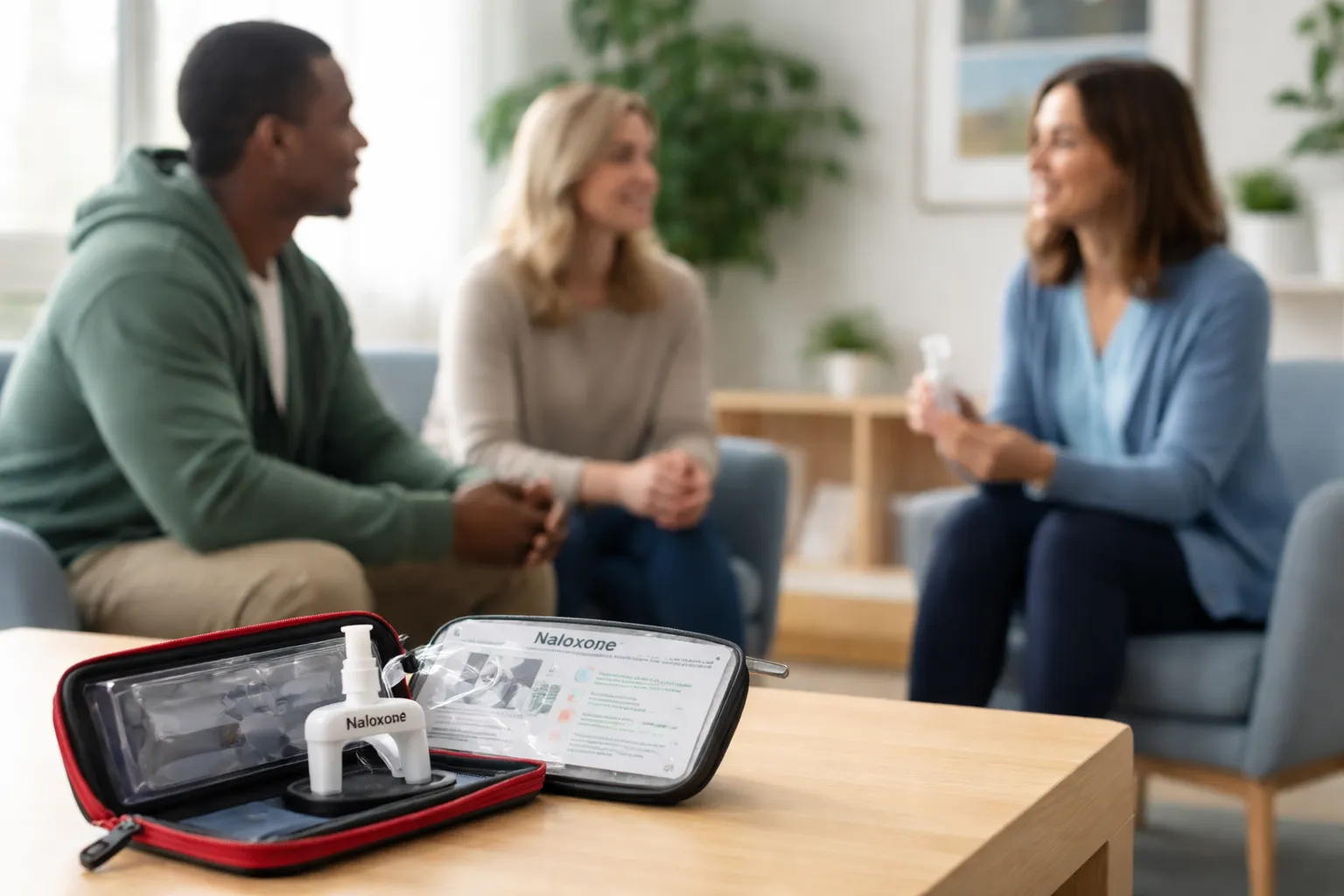
If someone is having a medical emergency, call 911 now. If you or someone is in a mental health or suicide crisis, call or text 988 for immediate help. If opioid overdose is suspected, give naloxone if available and call 911; naloxone is widely available and can reverse opioid overdose. Do not leave a person alone after an overdose.
These resources and guidance are maintained by national agencies. (samhsa.gov)
Frequently asked questions
Will the assessment tell me what medications I will get?
The assessment team will discuss medication options that may be appropriate, such as buprenorphine, methadone, or naltrexone for opioid use disorder, or benzodiazepines or other agents for alcohol withdrawal when clinically indicated. Final medication and placement decisions require a clinician evaluation and may change based on exam, vital signs, labs, and monitoring. The FDA maintains up-to-date information about medications for opioid use disorder. (fda.gov)
How long does a detox assessment take?
Initial assessments vary, frequently lasting 30 to 90 minutes, depending on history complexity, required testing, and whether the clinician needs to observe withdrawal signs. Follow-up monitoring times vary with the chosen level of care. (library.samhsa.gov)
Can I be admitted to outpatient detox if I live alone?
Some outpatient programs accept people who live alone if other safety factors are favorable and if reliable follow-up and contact are arranged. Programs must confirm a safe home environment, transportation, and the availability of supports before admitting someone to outpatient detox. (regulations.justia.com)
Will I need a urine drug screen or blood tests?
Often yes. Urine drug screens, pregnancy tests, and targeted blood tests are commonly used to guide safe medication choices and to identify co-occurring medical problems. Clinicians may not delay necessary stabilization while waiting for test results. (asam.org)
Is detox enough to treat addiction?
No. Detox manages acute withdrawal but does not by itself treat the underlying substance use disorder. Effective care usually includes medication when indicated, counseling, behavioral therapies, and ongoing follow-up. Good detox programs provide or arrange linkage to ongoing treatment. (library.samhsa.gov)
Sources
- SAMHSA, Detoxification and Substance Abuse Treatment (TIP 45). (library.samhsa.gov)
- NIDA, Clinical Opiate Withdrawal Scale (COWS). (nida.nih.gov)
- ASAM Clinical Practice Guideline on Alcohol Withdrawal Management. (asam.org)
- FDA, Information about Medications for Opioid Use Disorder. (fda.gov)
- New Jersey Administrative Code, Standards for outpatient detoxification services. (regulations.justia.com)
- CDC, Naloxone toolkit and overdose response resources. (cdc.gov)
- SAMHSA, Crisis resources and 988 information. (samhsa.gov)
Next steps, and how we can help
If you are in New Jersey and want help, call your local provider or use SAMHSA’s treatment locator to find services, or contact your county alcohol and drug administrator. If you would like to explore outpatient detox and ongoing treatment options, you can review available approaches and therapies here: treatments, find local sites here: locations, or contact the admissions team to request a confidential assessment. Placement and medication choices require evaluation by a qualified clinician, and this article is not individualized medical advice.
If someone is in immediate danger call 911 now. For a mental health or suicide crisis, call or text 988. If you suspect opioid overdose, give naloxone if available and call 911. (samhsa.gov)
Compassionate closing: Getting a detox assessment is a practical first step toward safer withdrawal and connection to continuing care. Clinicians use validated tools and state standards to help keep you safe and to match treatment to your needs. If you want a confidential conversation about options, request an assessment or speak with the admissions team to learn about next steps.