Gabapentin is a widely prescribed medicine for seizures and nerve pain. It can be helpful when taken as directed, but gabapentin misuse and withdrawal are increasingly recognized concerns. This article explains what withdrawal can look like, who is at higher risk, safe approaches to stopping or tapering, and where to get help.
Table of Contents
ToggleWhat gabapentin is and how it is used
Gabapentin is an anticonvulsant medicine approved for certain seizure disorders and for postherpetic neuralgia. Clinicians also prescribe it off label for other types of neuropathic pain, restless legs, anxiety, and other conditions. The drug is sold under brand names such as Neurontin and as generic gabapentin. For some people gabapentin reduces pain or helps sleep, but it can also cause dependence and adverse effects when misused or combined with other sedating drugs. FDA prescribing information notes that withdrawal symptoms have been observed after stopping gabapentin in some patients. (dailymed.nlm.nih.gov)
Why gabapentin misuse occurs
People may misuse gabapentin in several ways: taking higher doses than prescribed, using it without a prescription, or combining it with opioids or other sedatives to intensify effect. Surveys and analyses indicate gabapentin detection in overdose deaths rose in recent years, often together with opioids. Misuse appears more common in people with a history of opioid use disorder. (pmc.ncbi.nlm.nih.gov)
What gabapentin withdrawal looks like
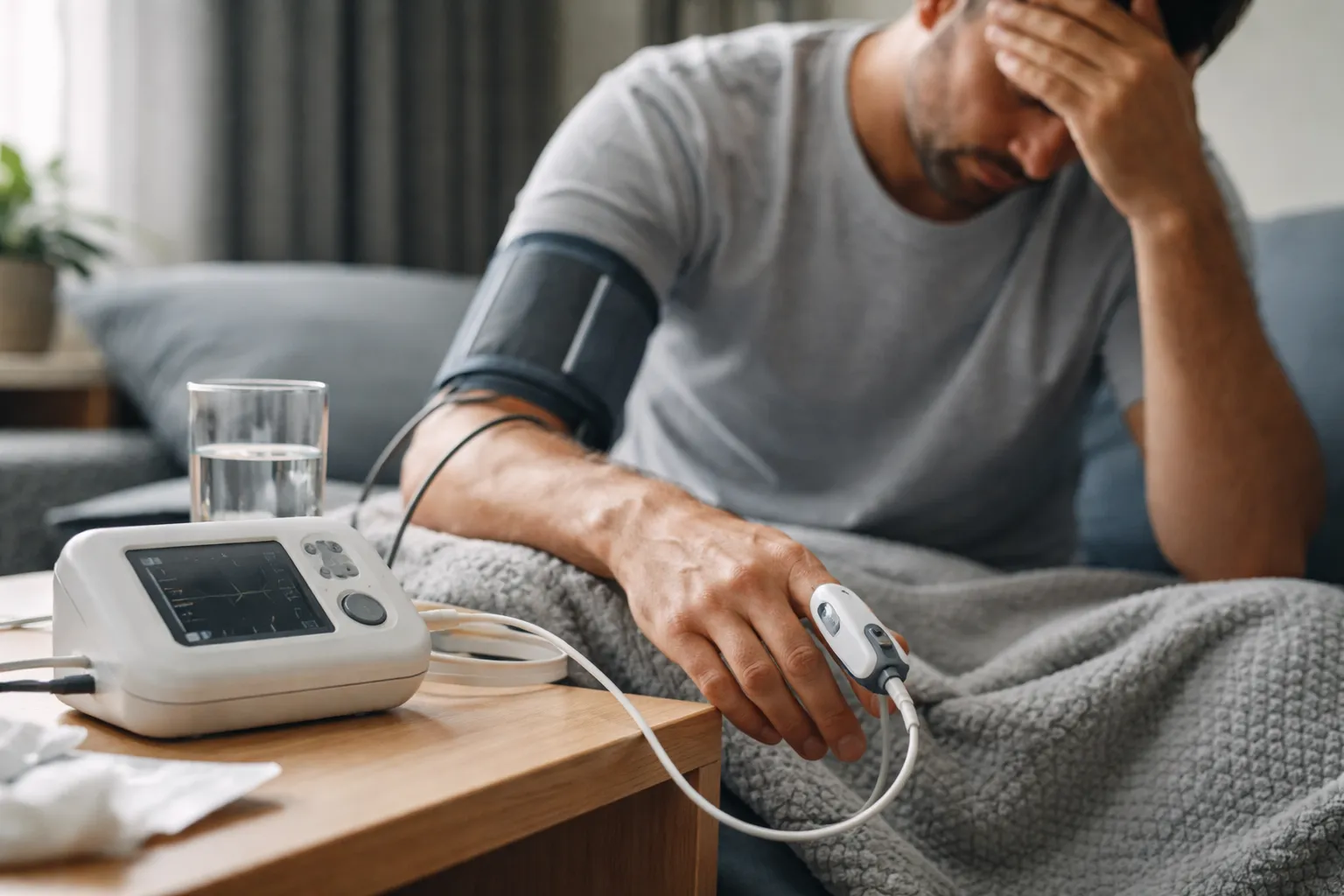
After stopping gabapentin, some people develop discontinuation or withdrawal symptoms. Typical symptoms reported in case series and reviews include anxiety, insomnia, agitation, flu-like sensations, sweating, palpitations, gastrointestinal upset, and increased pain. In rare cases reported in the literature, abrupt discontinuation has been associated with seizures or severe neuropsychiatric symptoms, particularly when doses were high or when gabapentin had been used for a long time. Case reports and clinical reviews document a spectrum from mild, transient symptoms to more severe, prolonged withdrawal needing medical care. (agsjournals.onlinelibrary.wiley.com)
How soon symptoms can begin
Symptoms may begin within 1 to 3 days after abrupt stopping for many people, but timing varies by dose, duration of use, and individual factors. Some patients who used very high doses for months or years have required weeks to months of gradual tapering to prevent recurrence. (agsjournals.onlinelibrary.wiley.com)
Risks, especially when combined with opioids or other sedatives
Co-use of gabapentin with opioids or other central nervous system depressants increases risk. Studies and public health reports link co-prescription or co-detection with higher rates of overdose and respiratory depression. For people taking both gabapentin and opioids, clinicians should carefully evaluate risks and consider closer monitoring. (pubmed.ncbi.nlm.nih.gov)
Safe tapering and treatment options
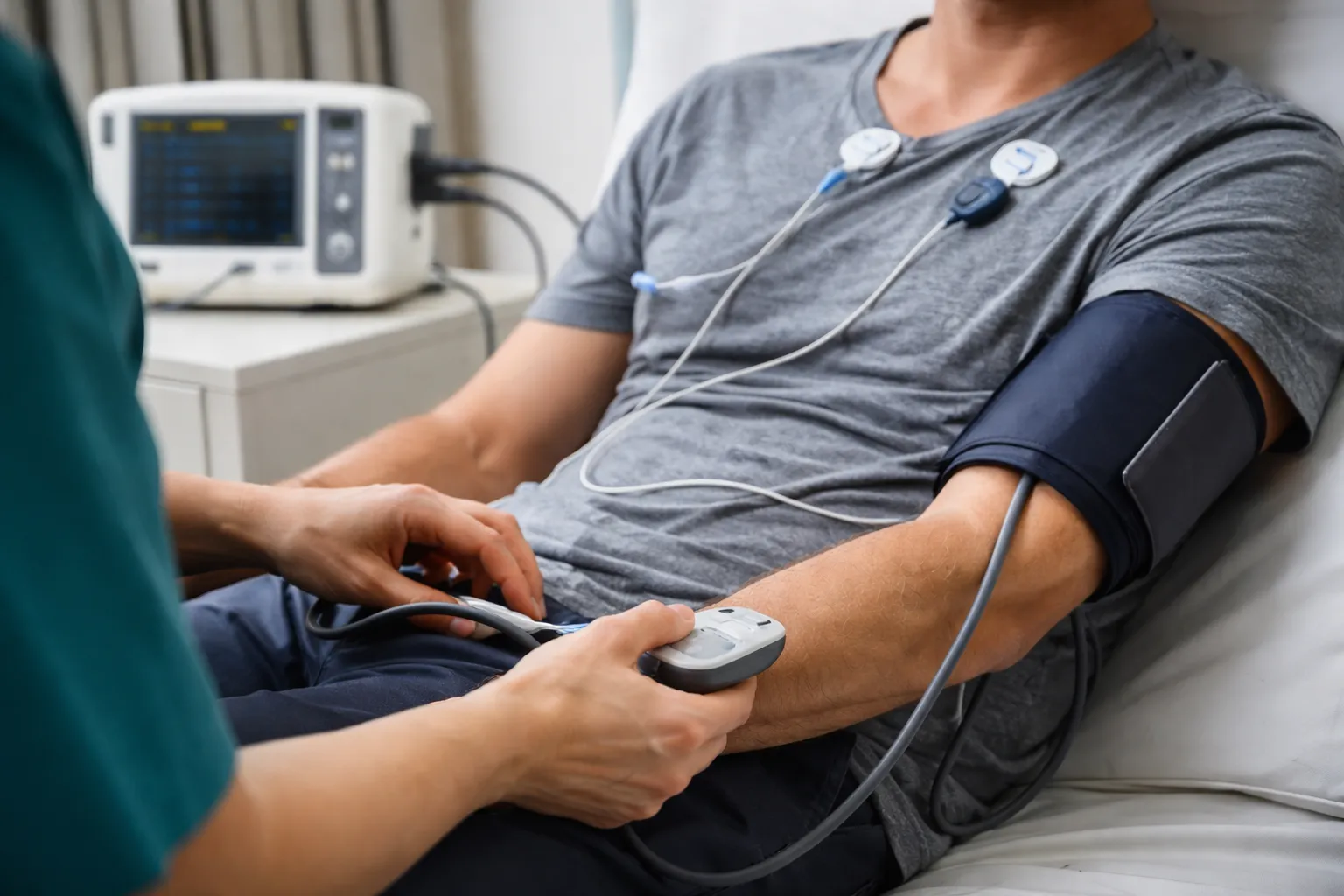
Stopping gabapentin is safest when done under clinical supervision, using a planned taper tailored to dose, duration, medical history, and current symptoms. There is no single evidence-based taper schedule that fits everyone, and recommendations come from clinical consensus and case literature. Suggested approaches commonly used include gradual dose reductions over weeks to months, slower tapering for long-term or high-dose use, and restarting gabapentin temporarily if severe withdrawal occurs while a supervised taper is planned. Where appropriate, clinicians may consider alternative treatments for the original condition being treated, and symptomatic medications to relieve sleep or anxiety during taper. (journals.sagepub.com)
| Situation | Typical clinical option | When to consider inpatient care |
|---|---|---|
| Short term, low dose, no other sedatives | Outpatient gradual taper, primary care or addiction clinic follow up | No, unless severe symptoms develop |
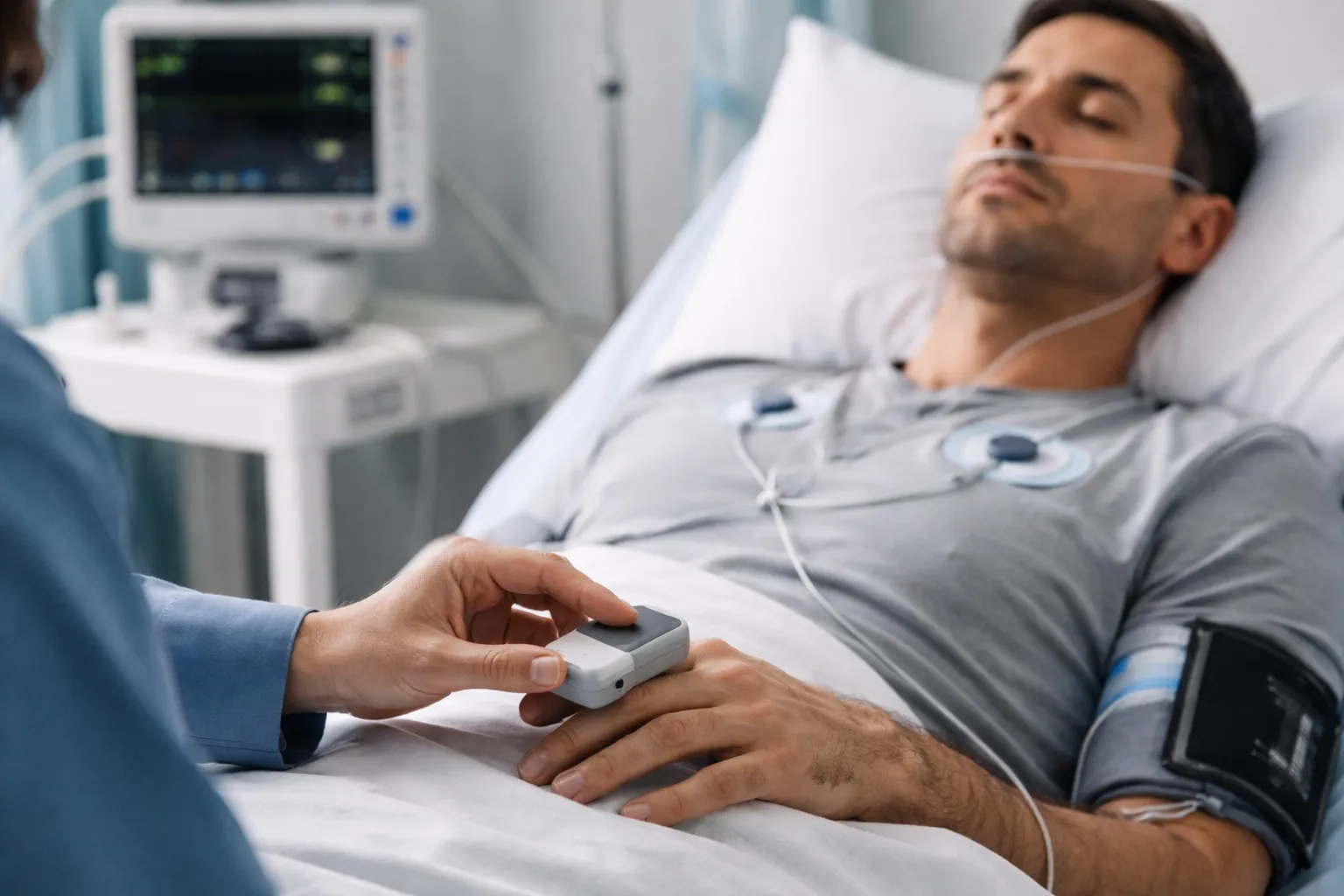
| Long term or high dose gabapentin | Slower outpatient taper with frequent monitoring, consider specialist consult | Consider inpatient taper if prior severe withdrawal or seizures |
| Concurrent opioid or benzodiazepine use | Coordinated management of all sedatives, possible medication adjustments | Often consider higher-support setting if polysubstance use and overdose risk |
| Seizure history or recent seizures | Neurology or inpatient involvement, careful anticonvulsant planning | Yes, inpatient monitoring recommended |
Quick decision guide: outpatient versus higher support
Use the table above to think about level of care. These are guiding considerations only: final decisions depend on a qualified clinician assessment.
Safety callout
If you or someone else has trouble breathing, is unresponsive, or has a seizure, call 911 immediately. For a mental health or suicide crisis, call or text 988 for the U.S. lifeline. This article is general education, not medical advice. Placement decisions and medication changes require assessment by a qualified clinician. If you are in New Jersey and need help finding treatment, our admissions team can help with local options and referrals. See contact information below. (dailymed.nlm.nih.gov)
Frequently asked questions
Can gabapentin cause addiction?
Gabapentin is not an opioid, but misuse can lead to physical dependence and compulsive use in some people, especially those with prior substance use disorder. Reports of misuse and diversion exist, and clinicians should assess risk before prescribing. (pubmed.ncbi.nlm.nih.gov)
Will I have withdrawal if I stop gabapentin?
Not everyone will have withdrawal, but withdrawal symptoms have been reported after stopping gabapentin, particularly after high doses or long-term use. A supervised taper reduces the chance of significant withdrawal. (dailymed.nlm.nih.gov)
How will a clinician decide on inpatient versus outpatient taper?
Clinicians consider dose and duration, co-use of opioids or benzodiazepines, medical and psychiatric history, past withdrawal severity, and support at home. Severe withdrawal risk, recent seizures, unstable medical conditions, or active polysubstance use may prompt higher levels of care. (pubmed.ncbi.nlm.nih.gov)
Sources
- CDC MMWR: Trends in gabapentin detection and involvement in overdose deaths, 2019-2020. (cdc.gov)
- FDA/DailyMed: Gabapentin prescribing information (Neurontin). (dailymed.nlm.nih.gov)
- Trends in overdose deaths involving gabapentinoids and Z-drugs, 1999-2020 (peer reviewed). (pmc.ncbi.nlm.nih.gov)
- Case report: Gabapentin dependence and withdrawal requiring an 18-month taper. (doi.org)
- Trends in gabapentin exposures reported to U.S. poison centers, 2013-2017. (pubmed.ncbi.nlm.nih.gov)
- Co-prescribing of opioids and gabapentinoids among Medicare beneficiaries, 2017-2022. (pubmed.ncbi.nlm.nih.gov)
Next steps and how we can help
If you are worried about gabapentin misuse withdrawal for yourself or a loved one, start with a medical assessment. A clinician will review current medications, medical history, and substance use, and recommend an individualized plan: outpatient tapering, medication adjustments, or a higher level of care if needed. Placement and medication choices require clinical assessment by a qualified provider. If you are located in New Jersey and would like help finding local outpatient detox or addiction treatment options, see our locations and treatments pages, or contact our admissions team for a confidential assessment.
Remember: for a life threatening emergency call 911. For mental health or suicide crises call or text 988. If you want to speak with an admissions specialist about a confidential assessment, request an assessment or call our team to learn treatment options and next steps.
Disclaimer: This article is general educational information only. It does not replace medical advice. Clinicians should make individualized treatment decisions based on a full clinical assessment. This article was not clinically reviewed.