Many people in outpatient addiction treatment use nicotine or vape during recovery. This article explains why vaping matters for treatment, how clinicians assess and treat nicotine dependence, practical medication and counseling options, and when to get urgent care. This is general education, not individualized medical advice. Placement and medication decisions require evaluation by a qualified clinician.
Table of Contents
ToggleWhy nicotine and vaping are important in addiction recovery
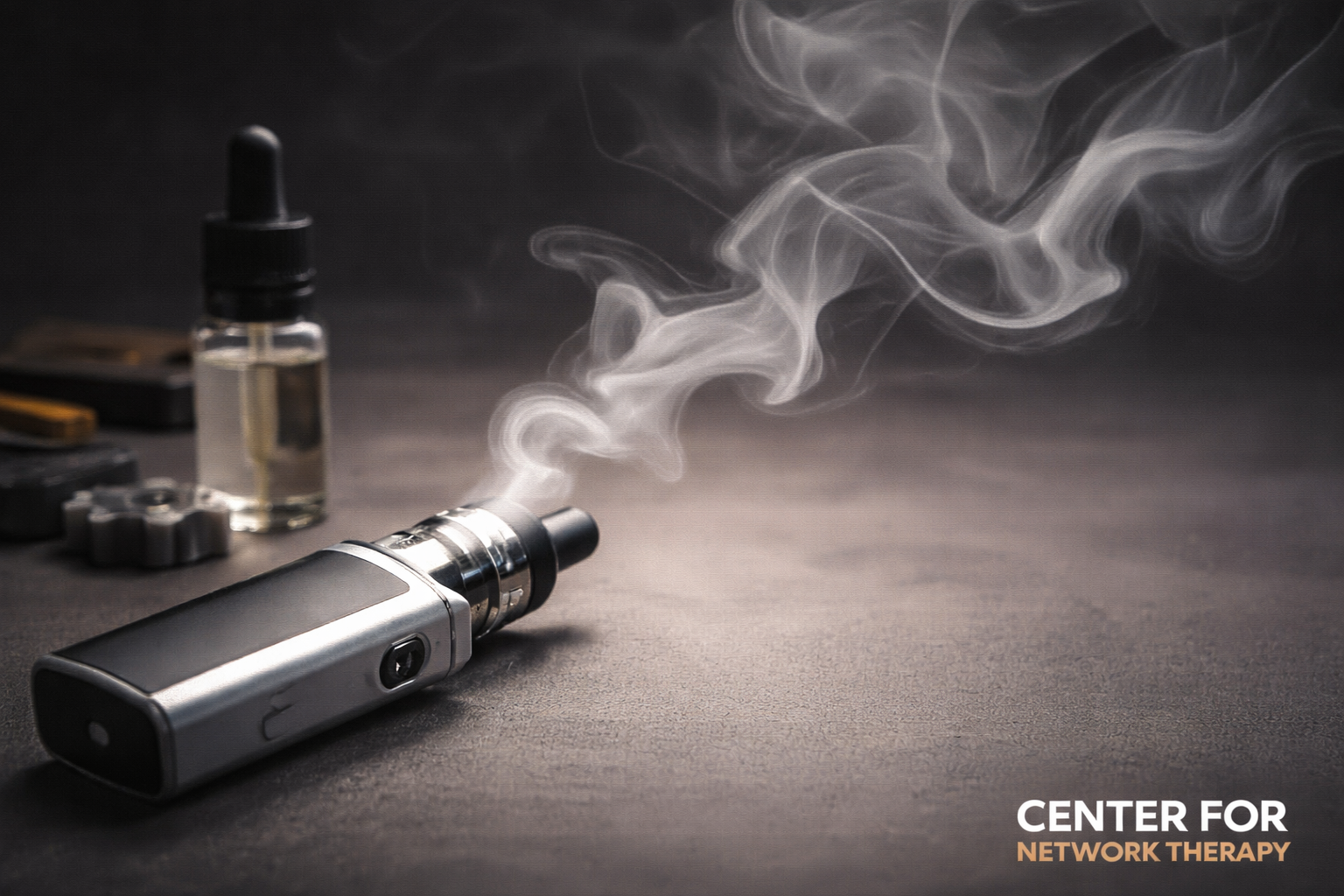
Most e-cigarettes contain nicotine, which is highly addictive and can sustain dependence even when other substances are being treated. Nicotine exposure affects the brain and can complicate mood, sleep, and cravings, which in turn can influence engagement with recovery from alcohol, opioids, stimulants, or other drugs. Clinicians commonly identify tobacco and vaping as another substance use issue to address during recovery, because quitting nicotine can improve overall health and treatment outcomes for many people. CDC: Health effects of vaping. (cdc.gov)
Clinical guidance from behavioral health authorities recommends assessing and offering cessation help for tobacco and nicotine use in substance use treatment settings. Many treatment programs integrate tobacco counseling and pharmacotherapy into care plans when patients are ready, while others sequence care depending on medical and psychiatric stability. SAMHSA guidance on tobacco cessation during substance use treatment. (library.samhsa.gov)
Key clinical concepts
Assessment and staging
A clinical assessment usually documents current vaping and tobacco use, device type, nicotine concentration, previous quit attempts, co-occurring psychiatric symptoms, pregnancy status, medications, seizure history, and medical conditions such as heart disease or COPD. This information helps determine whether immediate medical stabilization is needed, which pharmacotherapies may be safe, and whether a specialist referral is required.
When nicotine use occurs alongside active withdrawal or intoxication from other substances, clinicians may prioritize medical stabilization for the more dangerous substance first, while still planning nicotine treatment. Decisions about medication choices are individualized and require clinician assessment.
Pharmacotherapy options
Medications proven to help tobacco or nicotine cessation in adults include nicotine replacement therapy, varenicline, and bupropion. These treatments are used in outpatient settings when clinically appropriate and monitored by prescribers. The relative effectiveness of different options may vary by patient factors and prior treatment responses. Systematic reviews and clinical evidence summaries. (ncbi.nlm.nih.gov)
Nicotine replacement therapy, or NRT, includes patches, gum, lozenges, inhalers, and nasal spray. NRT provides controlled nicotine doses without combustion, and it is often used to reduce withdrawal and cravings while behavioral support is provided. NCI Smokefree resources. (smokefree.nci.nih.gov)
Varenicline and bupropion are prescription non-nicotine medications that reduce cravings and withdrawal. Their use requires medical evaluation for contraindications and monitoring. Clinicians discuss potential benefits and side effects with patients before prescribing.
Vaping as a substitution or cessation tool
Research on using nicotine vaping products to help people stop combustible cigarettes is mixed. Some randomized trials show higher quit rates with nicotine e-cigarettes compared with NRT, while other analyses find uncertain benefits and potential long term nicotine use. These differences may reflect study design, product types, or the importance of behavioral support alongside product use. Clinicians weigh the potential harm reduction role of nicotine vaping against risks of continuing nicotine dependence. Cochrane review and systematic analyses. (pmc.ncbi.nlm.nih.gov)
Practical outpatient treatment strategies
Treatment plans commonly combine pharmacotherapy with counseling. Practical steps include:
- Set goals: complete cessation, gradual reduction, or staged quitting depending on patient readiness.
- Choose medication based on medical history, previous quits, pregnancy status, and patient preference.
- Provide behavioral support: brief counseling, motivational interviewing, cognitive behavioral strategies, and referral to quitlines or digital programs.
- Monitor progress and side effects, adjust medications as needed, and coordinate with the addiction care team.
Integration with the broader addiction treatment plan helps manage cross-substance cravings and mood changes, and supports retention in treatment.
| Option | When considered | Benefits | Risks or limits |
|---|---|---|---|
| Nicotine replacement therapy (patch, gum, lozenge, inhaler) | Patient wants nicotine support, medically safe | Reduces withdrawal, available over-the-counter or by Rx | Continued nicotine dependence, must dose correctly |
| Varenicline (prescription) | High nicotine dependence, prior NRT failure, medically appropriate | One of the most effective single agents for cessation | Requires medical monitoring, potential neuropsychiatric or sleep effects |
| Bupropion (prescription) | Smoking and co-occurring depression or as alternative to varenicline | Helps reduce cravings, also an antidepressant | Seizure risk in some patients, drug interactions |
| Nicotine vaping as harm reduction | Adult smokers who find quitting difficult and when other options fail | May reduce exposure to some toxicants from combusted tobacco | Ongoing nicotine exposure, younger people and pregnancy should avoid |
Special populations and high risk situations
Pregnancy: Nicotine in any form is not considered safe during pregnancy. Pregnant people who use nicotine should discuss options with obstetric and addiction specialists; some clinicians may recommend carefully supervised medication-assisted cessation rather than continued vaping. CDC: e-cigarettes and pregnancy. (cdc.gov)
Adolescents: Because youth brains are still developing, e-cigarette use in adolescents carries a high risk of addiction and harms. Youth-focused prevention and treatment require specialized assessment and family-engaged approaches. Surgeon General report on youth e-cigarette use. (stacks.cdc.gov)
Severe withdrawal, seizures, psychosis, overdose, or other urgent medical complications require emergency care or specialist referral. If someone is having a medical emergency, call 911 immediately. If there is a mental health or suicide crisis, call or text 988.
Common questions patients and families ask
Will vaping make it harder to recover from other substances?
Vaping can maintain nicotine dependence, which may worsen mood and sleep, and can interact with motivation and stress management. Treating nicotine dependence alongside other substance use is common and often beneficial, but timing depends on individual clinical factors. SAMHSA resources on tobacco in treatment settings. (library.samhsa.gov)
Is switching from cigarettes to vaping safer?
Vaping generally exposes users to fewer combustion-related toxicants than combustible cigarettes, but it is not harmless. Long term health effects of vaping are still being studied, and continued nicotine exposure has its own harms. Clinicians consider both harm reduction and cessation goals when advising patients. FDA: e-cigarettes and health. (fda.gov)
Should I use e-cigarettes to quit?
Some adults have used nicotine vaping products to quit smoking, and some trial evidence shows higher quit rates compared with some NRT products. Evidence is mixed, and vaping may result in continued nicotine use. Discuss the risks and benefits with your clinician, including approved medications and counseling options. Systematic reviews on e-cigarettes and cessation. (pmc.ncbi.nlm.nih.gov)
Next steps for patients and families
If you or a loved one is using nicotine or vaping during addiction recovery, consider these actions:
- Talk with your outpatient treatment team about nicotine use and your goals for quitting or reduction.
- Ask for a clinical assessment to determine safe medication options and behavioral supports.
- Use evidence based resources such as national quitlines, digital programs, and counseling in combination with medication when appropriate.
- If you need help locating treatment, see our treatment options and locations. Treatment services, Locations.
To discuss confidential assessment or treatment planning, contact the admissions team through our contact page. Contact us.
Sources and further reading
- CDC: Health effects of vaping. (cdc.gov)
- FDA: E-cigarettes, vapes, and other ENDS. (fda.gov)
- CDC: E-cigarettes and pregnancy. (cdc.gov)
- SAMHSA: Tobacco cessation during substance use treatment. (library.samhsa.gov)
- Cochrane and systematic reviews: electronic cigarettes for smoking cessation. (pmc.ncbi.nlm.nih.gov)
- NCBI Bookshelf: smoking cessation medicines and e-cigarettes systematic review. (ncbi.nlm.nih.gov)
Reminder: This page provides educational information only. It is not a substitute for medical evaluation. Placement and medication decisions must be made by a qualified clinician who has assessed your full medical, psychiatric, and pregnancy status. In a medical emergency call 911. For mental health or suicide crises call or text 988.
If you would like a confidential assessment or to speak with our admissions team about outpatient support, please request an assessment or contact us through our confidential contact page. Request a confidential assessment.