Prescription opioid detox in New Jersey requires careful clinical assessment, a safety plan, and clear goals for treatment and aftercare. This article describes how outpatient detox is evaluated and planned, the common medication options used to manage withdrawal, when higher levels of care are needed, and how families can help. Placement and medication decisions always require a qualified clinician’s assessment.
Table of Contents
ToggleWhy specialized outpatient detox matters
Detoxification is the process of managing the acute physical signs and symptoms that occur when a person reduces or stops opioid use. For people using prescription opioids, a structured outpatient program can reduce discomfort, connect patients to ongoing treatment, and preserve work or family responsibilities when clinically appropriate. However, detox alone without follow-up medications or ongoing treatment is associated with increased risk of return to opioid use and overdose, so it is generally not considered a complete treatment for opioid use disorder (OUD).
National public health guidance emphasizes using medication-based treatment to reduce overdose risk and improve outcomes, and recommends that detox programs include plans for continuing care and access to medications for OUD when indicated. (cdc.gov)
Initial assessment: what clinicians evaluate
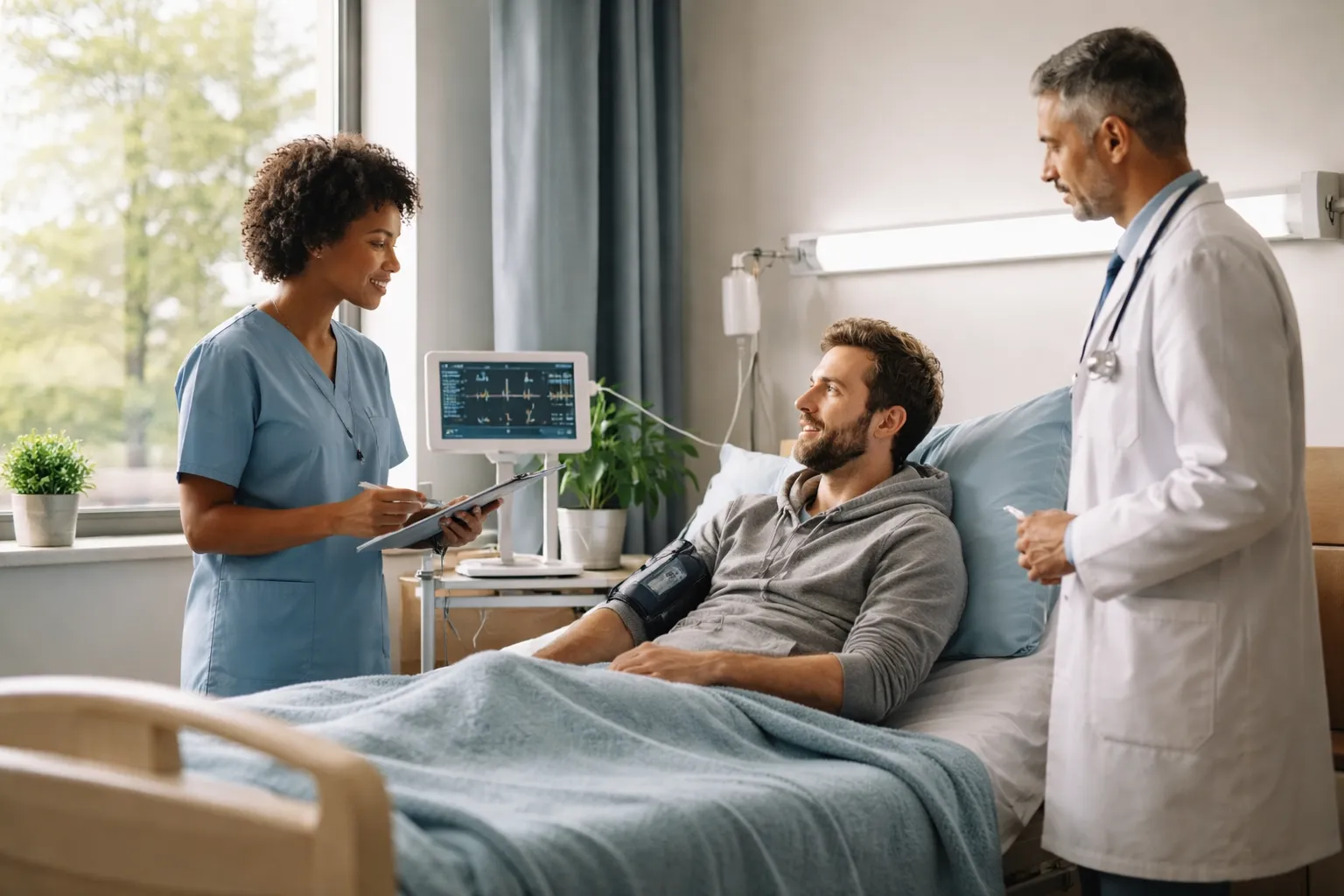
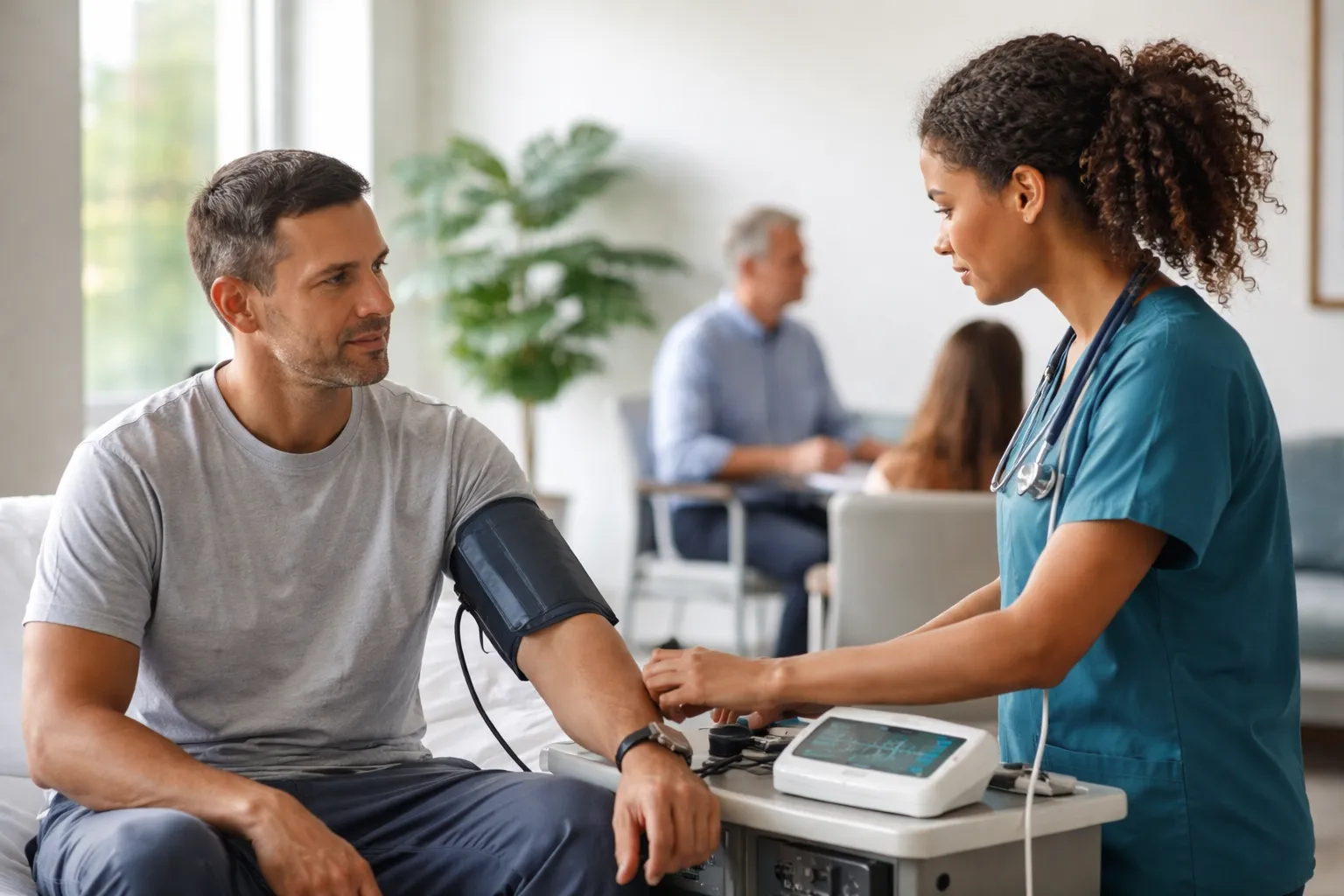
A clinician will perform a comprehensive assessment to determine whether outpatient detox is appropriate, and to create a safe treatment plan. Key assessment elements include:
- Type, dose, frequency, and route of the opioid used, including prescribed medications and nonprescribed opioids.
- Time of last use and any previous withdrawal history, including severe symptoms such as seizures, fainting, or delirium.
- Medical history, including heart disease, pregnancy, liver or kidney problems, and current medications (for example benzodiazepines), which affect safety and medication selection.
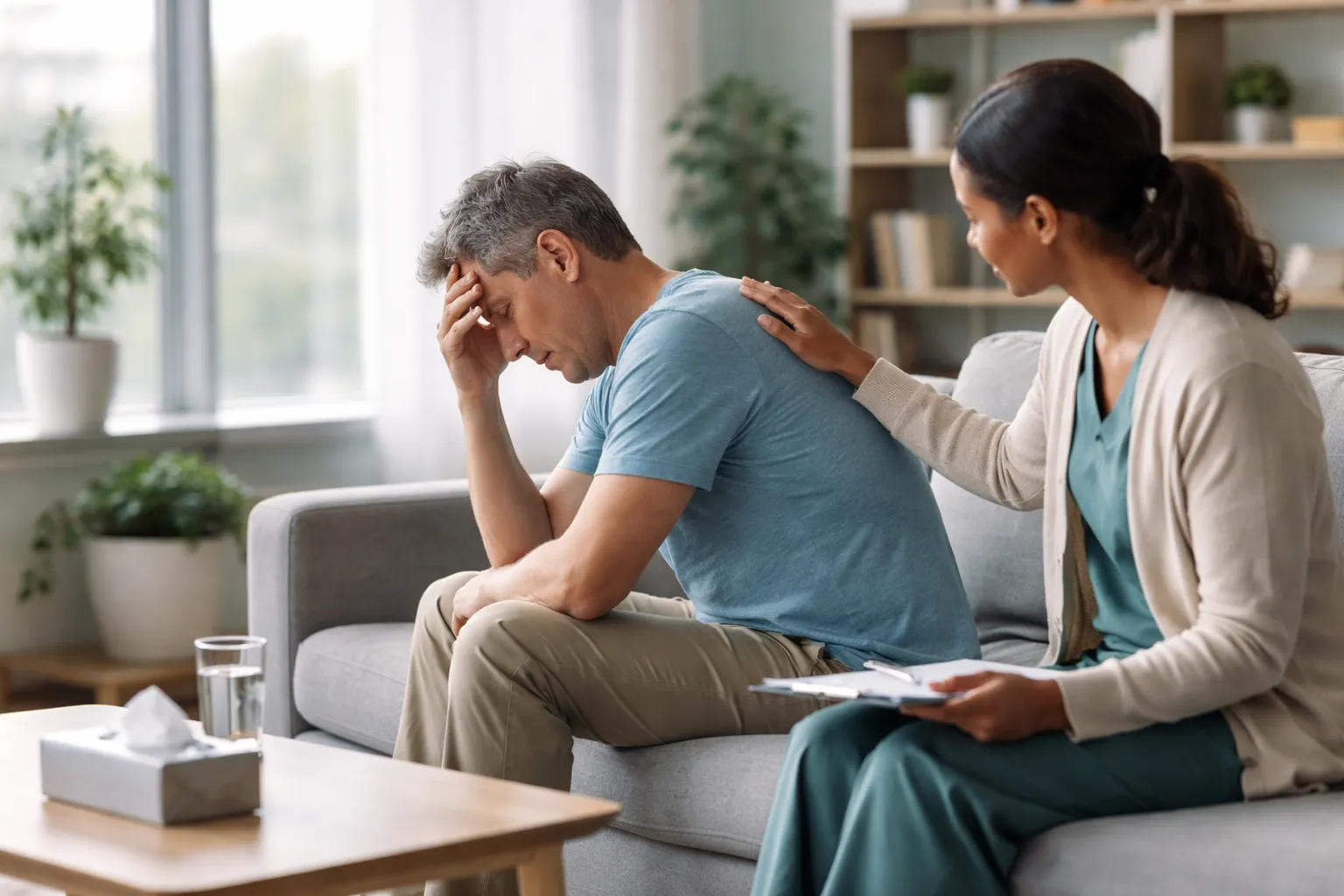
- Mental health history and current suicide risk or active psychosis.
- Social supports, housing stability, transportation, and ability to attend visits and supervised dosing if required.
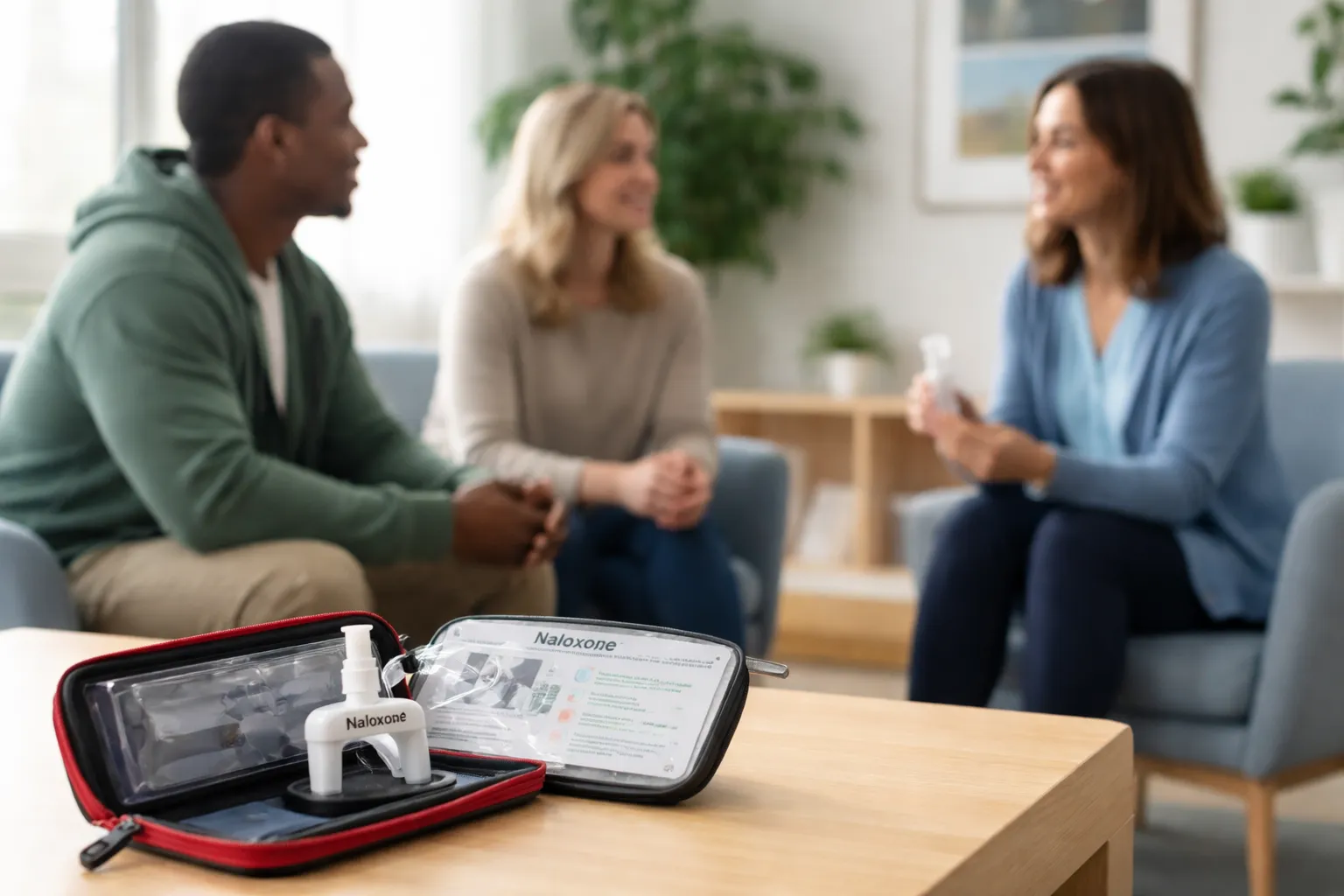
- Readiness for ongoing treatment and access to community resources, including overdose prevention tools such as naloxone.
Assessment should follow accepted clinical practice guidelines and include tools to grade withdrawal severity as part of safe decision-making. For some patients, outpatient management is appropriate; for others, higher intensity treatment such as an opioid treatment program or inpatient care is needed. (samhsa.gov)
Medications and common approaches
Medications are central to safe opioid withdrawal management and to treating OUD. Below is a concise comparison of common medication approaches used during detox or as part of a transition to ongoing treatment. Choice depends on the diagnosis (for example OUD versus short-term prescribed opioid discontinuation), clinical risks, and patient preferences.
| Medication or approach | Typical use in detox or transition | Advantages | Limitations and safety notes |
|---|---|---|---|
| Buprenorphine | Used to manage withdrawal and as maintenance medication for OUD, prescribed in office-based settings. | Reduces withdrawal and cravings, lowers overdose risk, can be continued long term. | Must be started when withdrawal has begun to avoid precipitated withdrawal; requires clinician prescription and monitoring. Not for all patients (medical assessment required). (samhsa.gov) |
| Methadone | Dispensed by certified opioid treatment programs for withdrawal management and long-term maintenance. | Highly effective for some patients, reduces illicit opioid use and mortality. | Available only from certified clinics, daily dosing initially; careful monitoring for sedation and respiratory depression. (cdc.gov) |
| Naltrexone (extended-release) | Can be started after full detoxification and a sufficient opioid-free interval, used for relapse prevention. | No opioid effect, blocks opioid receptors, monthly injections available. | Must wait until patient is opioid-free to avoid precipitated withdrawal; not ideal when immediate withdrawal relief is needed. (cdc.gov) |
| Lofexidine (non-opioid) | Short-term symptom management for autonomic withdrawal symptoms (for example sweating, rapid heart rate) during the first days after stopping opioids. | Reduces some withdrawal symptoms without being an opioid. | Symptom relief only, does not prevent cravings or reduce long-term overdose risk; dosing and monitoring required. (dailymed.nlm.nih.gov) |
| Nonpharmacologic supports | Behavioral counseling, peer support, case management, naloxone distribution. | Improve engagement in ongoing care and reduce overdose risk. | Should be combined with medications when OUD is present. (cdc.gov) |
How clinicians decide which medication to use
Clinicians weigh diagnosis, prior response to medications, pregnancy status, co-occurring medical or psychiatric conditions, and patient preference. National guidelines and practice statements support offering methadone or buprenorphine to people with OUD, and connecting patients who undergo detox to ongoing medication-based treatment rather than detox alone. (cdc.gov)
When outpatient detox is not appropriate
Outpatient detox is not the right choice when there is severe medical or psychiatric instability, pregnancy requiring specialized obstetric-addiction care, recent or recurrent seizures related to withdrawal, active suicidal intent, or lack of reliable social supports and safe housing. In those cases, inpatient or residential care, or enrollment in an opioid treatment program, may be recommended. These higher levels of care provide continuous medical monitoring and rapid response to complications. (samhsa.gov)
What to expect during outpatient detox
- Frequent visits at first, vital signs and symptom checks, and medication adjustments as needed.
- Education about overdose risk and provision of naloxone when appropriate.
- Coordination with counselors or community supports to plan ongoing treatment after withdrawal symptoms are controlled.
- Clear safety instructions about when to seek emergency care, for example worsening breathing, fainting, seizure, or severe mental health symptoms.
Outpatient programs should also help arrange longer-term care such as office-based buprenorphine, opioid treatment programs offering methadone, or community support and counseling. If you are looking for available services in New Jersey, ReachNJ is a central state line that connects residents to local treatment providers and supports. (nj.gov)
If someone has stopped breathing, is unresponsive, or you suspect an overdose, call 911 immediately. For any mental health or suicide crisis, call or text 988 or chat at 988lifeline.org to reach a trained crisis counselor 24 hours a day. For other urgent concerns related to substance use, contact your local emergency services or your treatment provider. (samhsa.gov)
Special situations to discuss with a clinician
- Pregnancy, lactation, and family planning: pregnant people with OUD generally require specialized perinatal addiction care and should not stop treatment without medical supervision. Methadone and buprenorphine are frequently used in pregnancy under clinical guidance. (samhsa.gov)
- Adolescents: youth need age-appropriate assessment and family involvement; medication decisions require pediatric addiction expertise. (nida.nih.gov)
- Severe withdrawal, seizures, or psychosis: these are reasons for emergency or inpatient care rather than outpatient detox. (samhsa.gov)
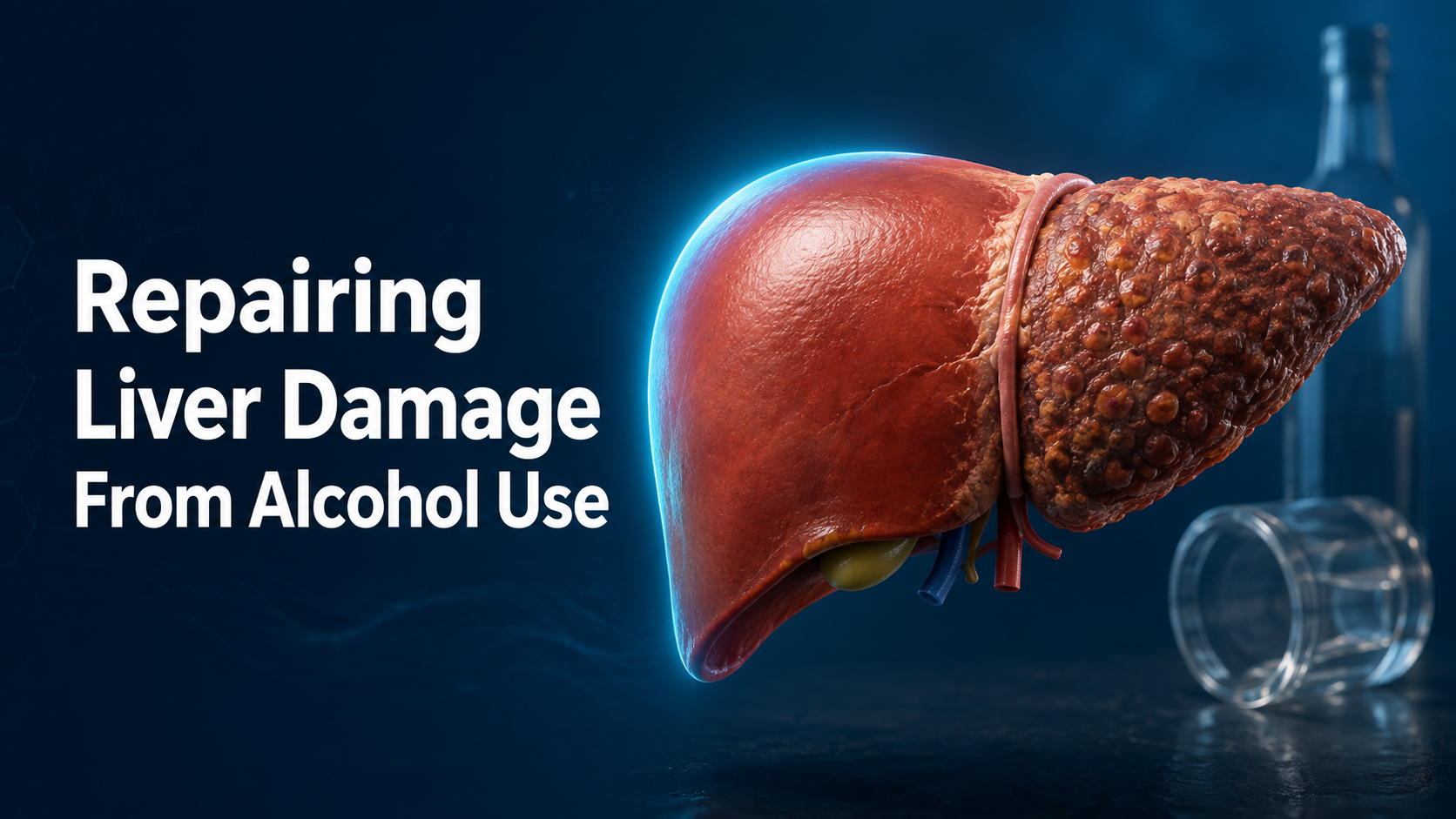
- Co-prescribed benzodiazepines or heavy alcohol use: these increase sedation and overdose risk and need careful management. (cdc.gov)
Frequently asked questions
Can outpatient detox stop addiction?
Detox treats the immediate physical dependence and withdrawal, but addiction or opioid use disorder is a chronic medical condition that usually requires ongoing treatment, which often includes medications, counseling, and social supports. Detox alone is not sufficient for most people with OUD. Talk to a clinician about long-term treatment options. (cdc.gov)
Is it safe to drive during withdrawal?
Withdrawal and some medications can impair concentration and reaction times. Do not drive until your clinician confirms it is safe. If you are prescribed medication that causes drowsiness, follow guidance about operating machinery or driving.
Will insurance cover outpatient detox?
Insurance coverage varies by plan, by clinical need, and by program. A treatment provider or the admissions team can help verify benefits and explain out-of-pocket costs. For New Jersey residents, ReachNJ and the state treatment directory can also help locate licensed programs and contacts. (nj.gov)
How soon can buprenorphine be started?
Buprenorphine is typically started when a person is in early withdrawal to avoid precipitated withdrawal. Timing depends on the type of opioid used and the last dose. A trained clinician will assess withdrawal severity and use established protocols for initiation. (samhsa.gov)
Sources and further reading
- CDC: Opioid Use Disorder, Treating. (cdc.gov)
- SAMHSA: Buprenorphine for OUD. (samhsa.gov)
- ASAM National Practice Guideline (SAMHSA-hosted). (samhsa.gov)
- FDA: LUCEMYRA (lofexidine) information. (fda.gov)
- NIDA TIP 63: Medications for Opioid Use Disorder. (nida.nih.gov)
- New Jersey DMHAS: Substance Use Disorder resources. (nj.gov)
- SAMHSA: If you are in crisis, call 911 or 988. (samhsa.gov)
Next steps: getting a confidential assessment
If you or a loved one are considering outpatient prescription opioid detox in New Jersey, call a licensed treatment provider for a confidential clinical assessment. A clinician will evaluate medical and mental health needs, discuss medication options, and make a placement recommendation. For local treatment options and program details, see our treatment pages and locations, or contact the admissions team for help:
This information is general education, not individualized medical advice. Only a qualified clinician who has evaluated you can determine the right placement and medication plan. If someone is having a medical emergency, call 911. If someone is in a mental health or suicide crisis, call or text 988 or chat at 988lifeline.org. If you would like a confidential assessment or to speak with the admissions team, please request an assessment or call the number on our contact page to discuss options and next steps without pressure.