When a loved one needs help for substance use, family members can play a crucial role in admission to outpatient detox and addiction treatment. This article explains practical steps families can take, what to expect during admission, safety precautions, and where to find New Jersey resources. This is general education and not individualized medical advice. Placement and medication decisions require assessment by a qualified clinician.
Table of Contents
ToggleHow family involvement helps during admission
Research and clinical guidance consistently show that family support can increase engagement in treatment and improve the chances a person will enter care, remain in treatment, and follow recommendations for medications or therapy. Family involvement can also help address practical barriers, such as transportation, insurance navigation, and scheduling. Families do best when they combine compassionate support with clear boundaries and by working with treatment professionals.
See the Substance Abuse and Mental Health Services Administration for recommendations about family roles and family-based approaches in substance use disorder care. (samhsa.gov)
Immediate safety steps to take before and during admission
- If there are signs of a medical emergency, call 911 right away. Examples include loss of consciousness, difficulty breathing, seizures, chest pain, or signs of an overdose.
- If someone is having a mental health or suicide crisis, call or text 988 for immediate help and local crisis center connection. (samhsa.gov)
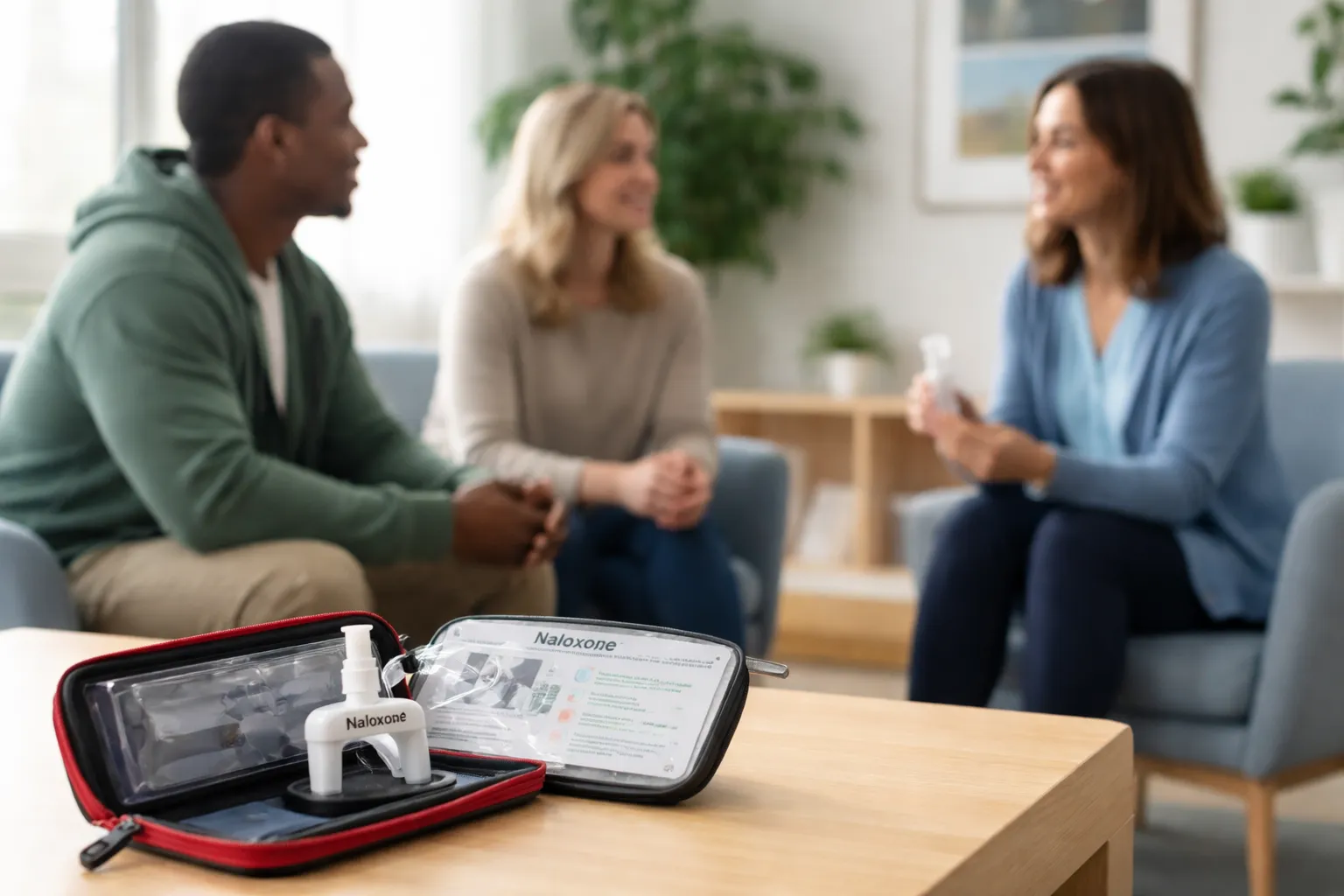
- If opioid overdose is a risk, keep naloxone available and learn how to use it. Naloxone can rapidly reverse opioid overdose and is recommended for people at risk and their families. (cdc.gov)
- If you suspect dangerous or severe withdrawal is possible (alcohol, benzodiazepines, or stimulants with complicated symptoms), seek medical evaluation promptly: some withdrawals can cause seizures or medical complications that need supervised detox. Treatment programs can triage medical needs and arrange inpatient medical detox if required. (library.samhsa.gov)
Practical steps families can take to support admission
1. Prepare information for the admissions team
Have basic health information ready: current medications, past medical and psychiatric diagnoses, substance use history (types, amounts, last use), allergies, and current or past medications for addiction such as buprenorphine, methadone, or naltrexone. This helps clinicians assess medical risk, suitability for outpatient detox, and need for medication assisted treatment. The FDA lists the medications approved for opioid use disorder and related prescribing considerations. (fda.gov)
2. Help with logistics and navigation
- Call treatment programs in advance to ask about admission criteria, hours, and whether an intake appointment or immediate walk-in evaluation is required.
- Check insurance coverage and bring insurance information to the first appointment, or use state and national helplines for navigation support. New Jersey’s ReachNJ program and other state resources can help connect families with local treatment options. (nj.gov)
- Offer transportation or a sober support person to accompany your loved one to intake, if they agree.
3. Support compassionate communication and readiness
Approach conversations with empathy and curiosity, not blame. Motivational strategies focus on listening, asking open questions, and helping your loved one identify what matters to them, rather than confronting or shaming. Families often benefit from brief coaching or family therapy to learn effective communication techniques; SAMHSA resources cover family-based approaches. (samhsa.gov)
4. Coordinate with clinicians and respect confidentiality
Health privacy laws mean clinicians may not share certain information without the patient’s permission, but family members can share relevant medical history and concerns, and ask what support the program recommends. If your loved one signs a release, you can participate more actively in planning. Treatment teams can advise on next steps and whether outpatient detox is appropriate versus inpatient or medical detox services. (samhsa.gov)
A quick comparison table: family actions and when to seek professional help
| Family action | What it helps | When professional help is needed |
|---|---|---|
| Offer transportation to intake | Removes a practical barrier to admission | If the person refuses transport and is at immediate risk, call 911 |
| Share medical and medication history with admissions | Enables safe medication decisions and triage | When severe withdrawal, pregnancy, or recent overdose is present |
| Learn naloxone use and keep it on hand | Can reverse opioid overdose and save lives | Always; call 911 after administering naloxone |
| Attend family sessions if invited | Improves communication and treatment engagement | When family conflict or child safety issues require social services input |
Working with resistance, denial, or fear
Many people resist treatment because of shame, fear of withdrawal, concerns about work or family, or previous negative experiences. Families can reduce resistance by acknowledging fears, offering choices, and arranging a low-pressure initial evaluation. If a loved one is unwilling to accept help, family members can still set limits, reduce enabling behaviors, and seek support for themselves through family peer specialists or support groups. SAMHSA notes that family involvement should balance support with safety and appropriate boundaries. (samhsa.gov)
Special situations that require urgent or specialized care
- Pregnancy: Pregnant people with substance use should receive specialized obstetric and addiction care; medication for opioid use disorder is recommended and decisions require clinical evaluation. Do not attempt abrupt cessation without medical oversight. (fda.gov)
- Adolescents: Young people often need family-based specialty programs and consent rules vary by state; involve pediatric and adolescent specialists. SAMHSA and NIDA discuss family therapy models for adolescents. (library.samhsa.gov)
- Severe withdrawal, seizures, psychosis, or recent overdose: Seek emergency medical or inpatient services; outpatient detox is not appropriate for every situation. (library.samhsa.gov)
New Jersey resources and how families can connect
New Jersey’s ReachNJ (NJ Department of Human Services) provides a call-in line and treatment navigation for residents looking for substance use services and family support. Families can also use national resources such as SAMHSA’s treatment locators and helplines to find programs that offer family therapy or outpatient detox. (nj.gov)
Frequently asked questions
Can family members insist on admission?
Legal authority to admit someone varies by jurisdiction and the person’s capacity. If someone is an immediate danger to themselves or others, emergency services can assist. For nonemergent situations, families can encourage, negotiate, and use community resources and civil options where applicable. Consult the admissions team or local social services for options in New Jersey. (nj.gov)
Will the clinic use medications during outpatient detox?
That depends on the clinical assessment. For opioid use disorder, medications such as buprenorphine, methadone, and naltrexone are FDA approved and commonly used; a clinician will recommend if they are appropriate. Medication decisions should be made by qualified prescribers following assessment. (fda.gov)
How can families get support for themselves?
Families should consider family therapy, peer support groups, and education programs to manage stress, set boundaries, and reduce caregiver burnout. SAMHSA offers family-focused resources and guidance on coping with mental health and substance use disorders. (samhsa.gov)
Sources and further reading
- SAMHSA family resources for coping with mental health and substance use. (samhsa.gov)
- SAMHSA TIP 39: Substance Use Disorder Treatment and Family Therapy. (library.samhsa.gov)
- National Institute on Drug Abuse overview of family roles in treatment. (nida.nih.gov)
- CDC guidance on naloxone and overdose response. (cdc.gov)
- FDA information about medications for opioid use disorder. (fda.gov)
- ReachNJ – New Jersey Department of Human Services treatment navigation. (nj.gov)
- SAMHSA crisis resources and 988 information. (samhsa.gov)
Compassionate next steps
If you are ready to seek an outpatient admission for a loved one, contact treatment programs to describe your concerns and ask about intake procedures. If you are in New Jersey and want help finding a program or need navigation assistance, ReachNJ can help connect you to local services. You can also explore treatment options and services offered by local providers, including outpatient detox and family therapy, at our treatments and locations pages. If there is an immediate danger, call 911. For a mental health or suicide crisis, call or text 988.
For confidential assistance, request a confidential assessment or speak with an admissions specialist to discuss next steps and available support. You do not need to manage this alone; help is available.
Note: This page provides general information and does not substitute for individualized medical evaluation. Admission decisions and medication choices must be made by qualified clinicians after assessment.