Short introduction: If you or a family member are facing opioid withdrawal, understanding safe, evidence-based options can help you make informed decisions about outpatient detox and follow-up care. This page summarizes common symptoms and timelines, the treatments clinicians use, and how to find help in New Jersey. It is general education, not individualized medical advice. Decisions about medications and placement require assessment by a qualified clinician.
Table of Contents
ToggleWhat is opioid withdrawal, and how long does it last
Opioid withdrawal is a predictable set of symptoms that can follow abrupt reduction or stopping of opioids after repeated use. Typical symptoms include anxiety, sweating, yawning, runny nose, muscle aches, abdominal cramping, nausea, diarrhea, insomnia, and strong drug craving. While extremely uncomfortable, withdrawal itself is rarely life threatening in otherwise healthy adults, although complications are possible in people with serious medical problems. Medically supervised treatment reduces complications and improves comfort. (pmc.ncbi.nlm.nih.gov)
Timing depends on the opioid used. For short acting opioids, symptoms often begin within 6 to 12 hours, peak around 36 to 72 hours, and generally taper over 5 to 10 days. For longer acting opioids such as methadone, onset and peak may be later and withdrawal can last longer. These are general ranges; an individualized clinical assessment is needed to plan safe care. (doi.org)
Evidence-based options clinicians use
Modern care aims to reduce acute withdrawal symptoms, prevent overdose, and engage people with ongoing treatment that reduces harm. The most strongly evidence-supported strategy for people with opioid use disorder is medication treatment, sometimes called medications for opioid use disorder or MOUD. Available FDA-approved medications for treating opioid use disorder include buprenorphine, methadone, and naltrexone. These medications reduce cravings and risk of overdose, and continuing them under clinical supervision is associated with lower mortality. Detoxification alone without ongoing medication is not recommended for most people with moderate or severe opioid use disorder because it leaves patients at increased risk for relapse and overdose. (cdc.gov)
1. Buprenorphine (office-based or clinic)
Buprenorphine is a partial opioid agonist that can reduce withdrawal and cravings while lowering overdose risk. It can be prescribed in many outpatient settings, including office-based clinics, and can be started after an evaluation. Initiation timing depends on the last opioid used to avoid precipitated withdrawal; newer low-dose or microinduction approaches are used by experienced clinicians in some settings. Maintenance buprenorphine treatment is associated with better retention and reduced mortality compared with no medication. (samhsa.gov)
2. Methadone (opioid treatment programs)
Methadone is a full opioid agonist available through federally certified opioid treatment programs. For some patients, methadone is highly effective for suppressing withdrawal and cravings and for long term stabilization. Methadone programs require daily administration initially and specific program enrollment. Like buprenorphine, methadone treatment is associated with reduced risk of death while patients remain in care. (cdc.gov)
3. Naltrexone (extended release injectable)
Naltrexone is an opioid antagonist that blocks the effects of opioids. Because naltrexone requires full detoxification before use, it is not a first-line choice for someone in active withdrawal who cannot achieve a period of opioid-free stabilization. When someone has completed withdrawal and chosen antagonist therapy, extended release injectable naltrexone may be offered with careful counseling about overdose risk if opioids are resumed. (samhsa.gov)
4. Symptom-targeted medications: lofexidine and alpha-2 agonists
The FDA approved the non-opioid medication lofexidine specifically to reduce symptoms of opioid withdrawal in adults. Lofexidine and other alpha-2 adrenergic agonists such as clonidine can reduce some withdrawal symptoms like sweating, anxiety, and rapid heart rate, but they do not block cravings the way agonist medications do. These medicines are used to increase comfort while a patient transitions to a longer term plan or to help complete a taper under supervision. (dailymed.nlm.nih.gov)
Outpatient detox: who it may suit, and what to expect
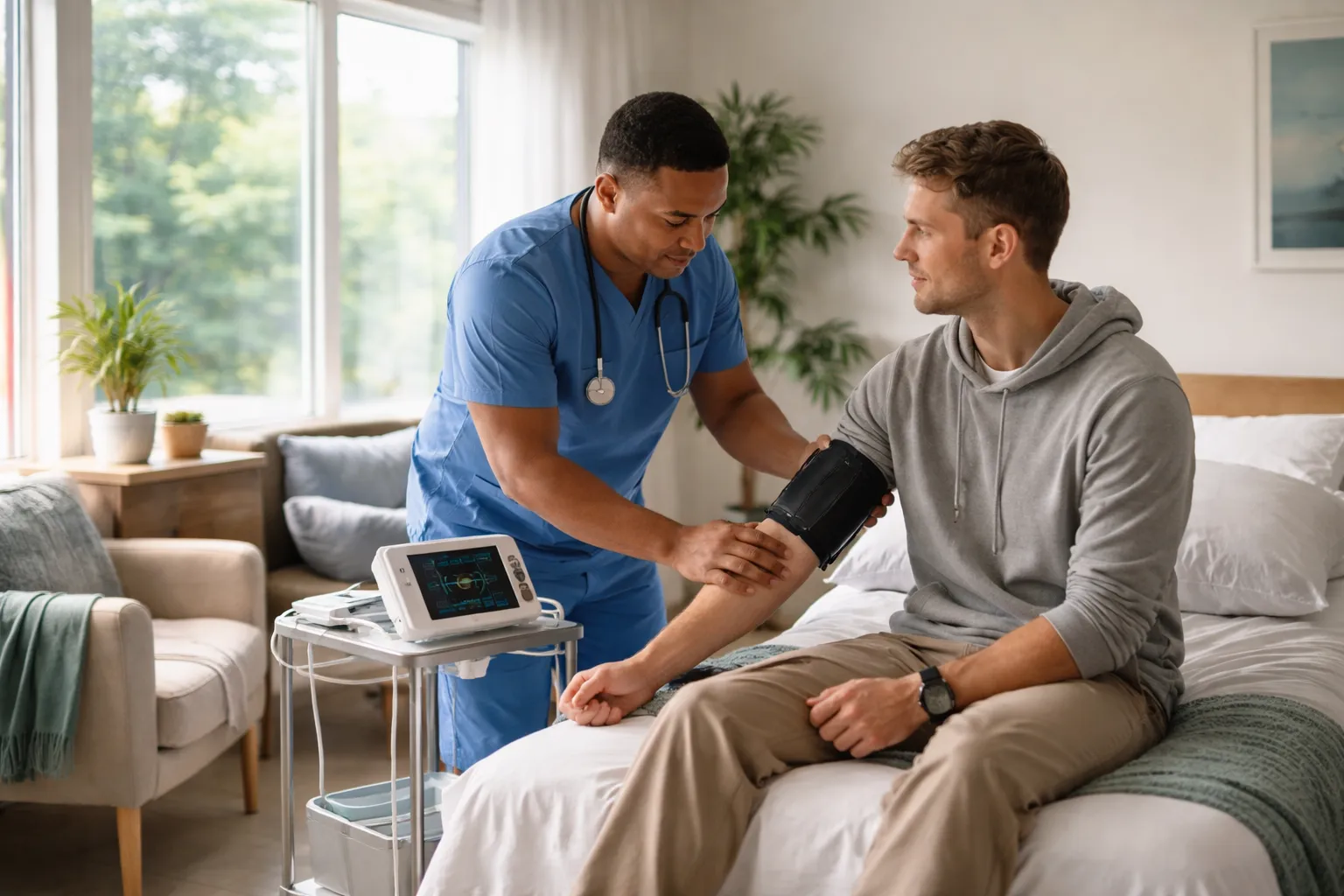
Outpatient detox may be appropriate for patients with stable housing, no serious medical or psychiatric problems, and reliable social supports. Outpatient programs often combine medical visits for medication management, counseling, and some monitoring such as urine testing. For people with heavier opioid dependence, unstable medical or psychiatric conditions, or high overdose risk, inpatient or intensive outpatient options may be safer. New Jersey maintains directories and referral lines to help find an appropriate level of care. A clinician will assess risks, discuss medication options, and recommend the right placement. (nj.gov)
| Approach | Typical use | Pros | Limitations |
|---|---|---|---|
| Buprenorphine | Outpatient initiation and maintenance | Reduces cravings, lowers overdose risk, office-based prescribing | Requires timing to avoid precipitated withdrawal, needs follow-up |
| Methadone | Opioid treatment program enrollment, maintenance | Effective for severe dependence, reduces mortality while in care | Program enrollment requirements, daily dosing initially |
| Naltrexone (XR) | After confirmed detox, maintenance to block opioids | Non-opioid blocker, monthly injection option | Cannot start until opioid-free, risk if used again after relapse |
| Lofexidine, clonidine | Symptom relief during withdrawal | Non-opioid relief for autonomic symptoms, available outpatient | Does not treat cravings or long-term OUD, blood pressure monitoring needed |
How clinicians choose a plan: a short decision checklist
- Assess severity of opioid use and medical/psychiatric comorbidity.
- Consider MOUD (buprenorphine or methadone) first for moderate or severe OUD, because these reduce overdose risk and mortality. (cdc.gov)
- If immediate symptom relief is needed while arranging MOUD, consider alpha-2 agonist medications like lofexidine under clinical supervision. (dailymed.nlm.nih.gov)
- If the person wants opioid antagonist treatment, plan for supervised detox and careful counseling about loss of tolerance and overdose risk. (samhsa.gov)
Safety callout
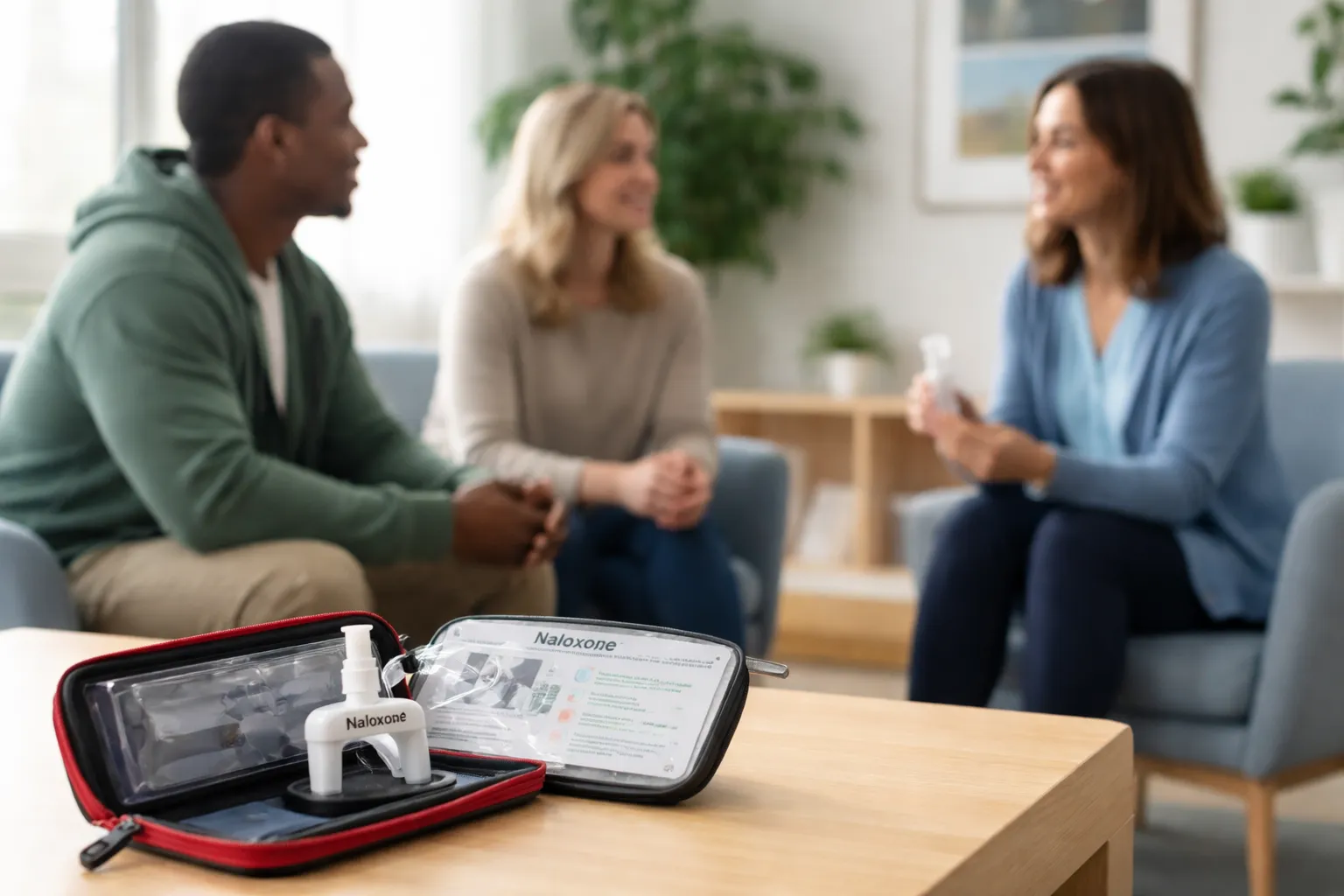
If someone is in immediate danger or has life-threatening symptoms, call 911 now. If you or a loved one are experiencing a mental health or suicide crisis, call or text 988 for the 988 Suicide & Crisis Lifeline. For opioid overdose emergencies, naloxone can reverse an overdose and emergency services should be called after administering naloxone. Carrying or having naloxone available is recommended for people at risk of opioid overdose and for their family or friends. These emergency steps save lives, but they are not a substitute for medical assessment and ongoing treatment. (samhsa.gov)
Frequently asked questions
Will I have to be admitted to a hospital for withdrawal?
Not always. Many people undergo medically supervised outpatient detox, particularly when they are medically stable and have supports. However, people with unstable medical conditions, pregnancy, severe psychiatric illness, or high overdose risk may require inpatient or higher level care. A clinician will help decide the safest setting. (nj.gov)
Can lofexidine stop withdrawal completely?
Lofexidine can reduce several withdrawal symptoms but it does not eliminate cravings the way buprenorphine or methadone can. It is a tool to improve comfort and support transition to further treatment, not a stand-alone cure. (dailymed.nlm.nih.gov)
Is it safer to detox and then stop all medications?
Detox alone, without planning for ongoing treatment such as MOUD when appropriate, is associated with a higher risk of return to opioid use and overdose. For many people with opioid use disorder, starting and staying on MOUD is the safest evidence-based choice. Decisions should be individualized by a clinician. (cdc.gov)
Next steps and local resources in New Jersey
If you want outpatient detox and opioid withdrawal treatment in New Jersey, call ReachNJ or consult the New Jersey Division of Mental Health and Addiction Services for help finding licensed programs and local supports. Your clinician can also help you weigh buprenorphine, methadone, naltrexone, or symptom-targeted medicines and refer you to an appropriate level of care. Consider these actions:
- Call ReachNJ or use New Jersey DMHAS treatment directories to find local services. (nj.gov)
- Ask your provider about MOUD options and whether outpatient initiation is clinically appropriate. See general treatment options pages for more detail. Treatments.
- If you want to know which CNT Recovery locations may offer outpatient services, view locations. Locations.
- Contact the admissions team directly to request a confidential assessment. Contact us.
Sources and further reading
Selected authoritative sources used to prepare this summary:
- CDC: Opioid Use Disorder, Treating. (cdc.gov)
- ASAM National Practice Guideline, via SAMHSA. (samhsa.gov)
- DailyMed: LUCEMYRA (lofexidine) label. (dailymed.nlm.nih.gov)
- Systematic review and meta-analysis: opioid agonist treatment and mortality (JAMA Psychiatry, PMC). (pmc.ncbi.nlm.nih.gov)
- ReachNJ, New Jersey Department of Human Services. (nj.gov)
- SAMHSA: Crisis and 988 Lifeline. (samhsa.gov)
Important note: This page provides general information only. A clinician must assess medical history, current health, pregnancy status, other medications, and social circumstances before recommending a medication or level of care. This article is not individualized medical advice. If you are in immediate danger, call 911. For mental health or suicide crisis, call or text 988. For help finding treatment in New Jersey, call ReachNJ. If you would like a confidential assessment or to speak with an admissions clinician about outpatient opioid withdrawal treatment in New Jersey, please request a confidential assessment or contact the admissions team through our contact page.