Short introduction
This page explains how detoxification works, the differences between inpatient and outpatient settings, common medications used during detox, safety considerations, and how families can find care in New Jersey. This information is general education and is not a substitute for individualized clinical assessment.
Table of Contents
ToggleWhat is detox and who needs it
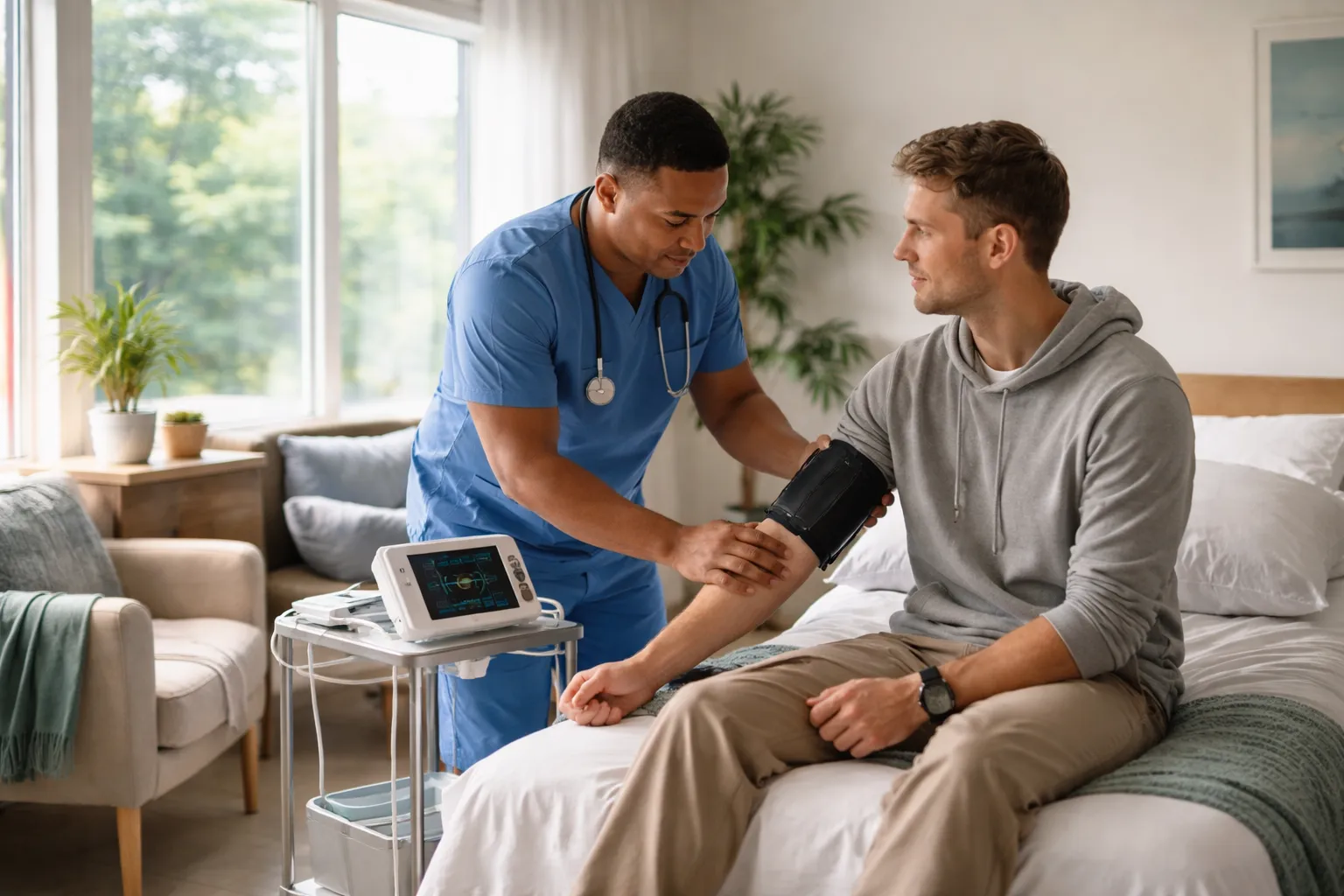
Detoxification, often called detox, is the medically supervised process of managing withdrawal symptoms after stopping or reducing use of alcohol, opioids, benzodiazepines, or other substances. The goal is to safely stabilize a person so they can transition to ongoing treatment for substance use disorder. Medical needs range from outpatient monitoring to hospital-level care depending on the substance, severity of dependence, co-occurring medical or psychiatric conditions, and risk of complications. Clinical placement should be determined by a qualified clinician following an evaluation. (library.samhsa.gov)
Levels of care: inpatient, residential, outpatient
Inpatient or medically managed intensive detox
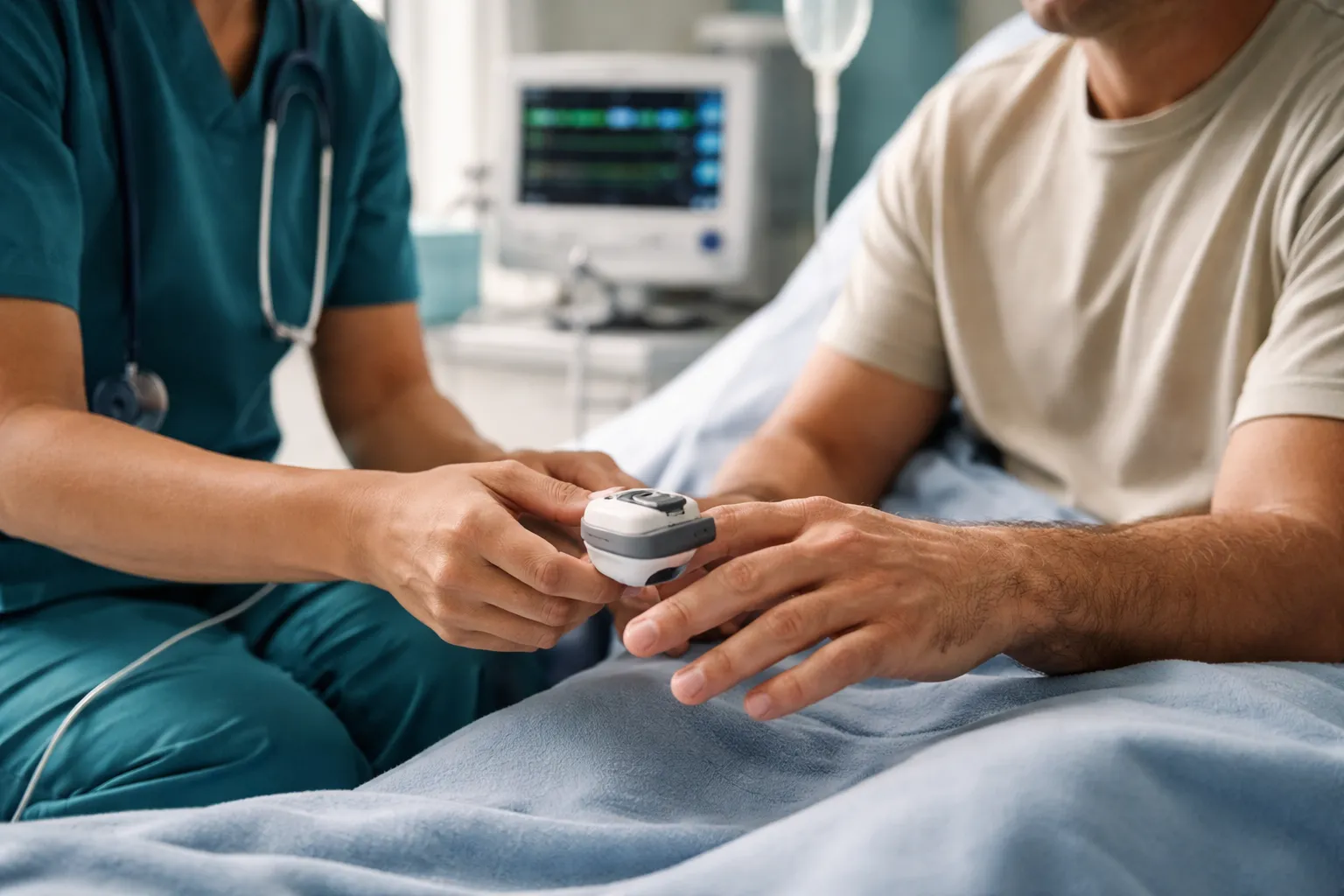
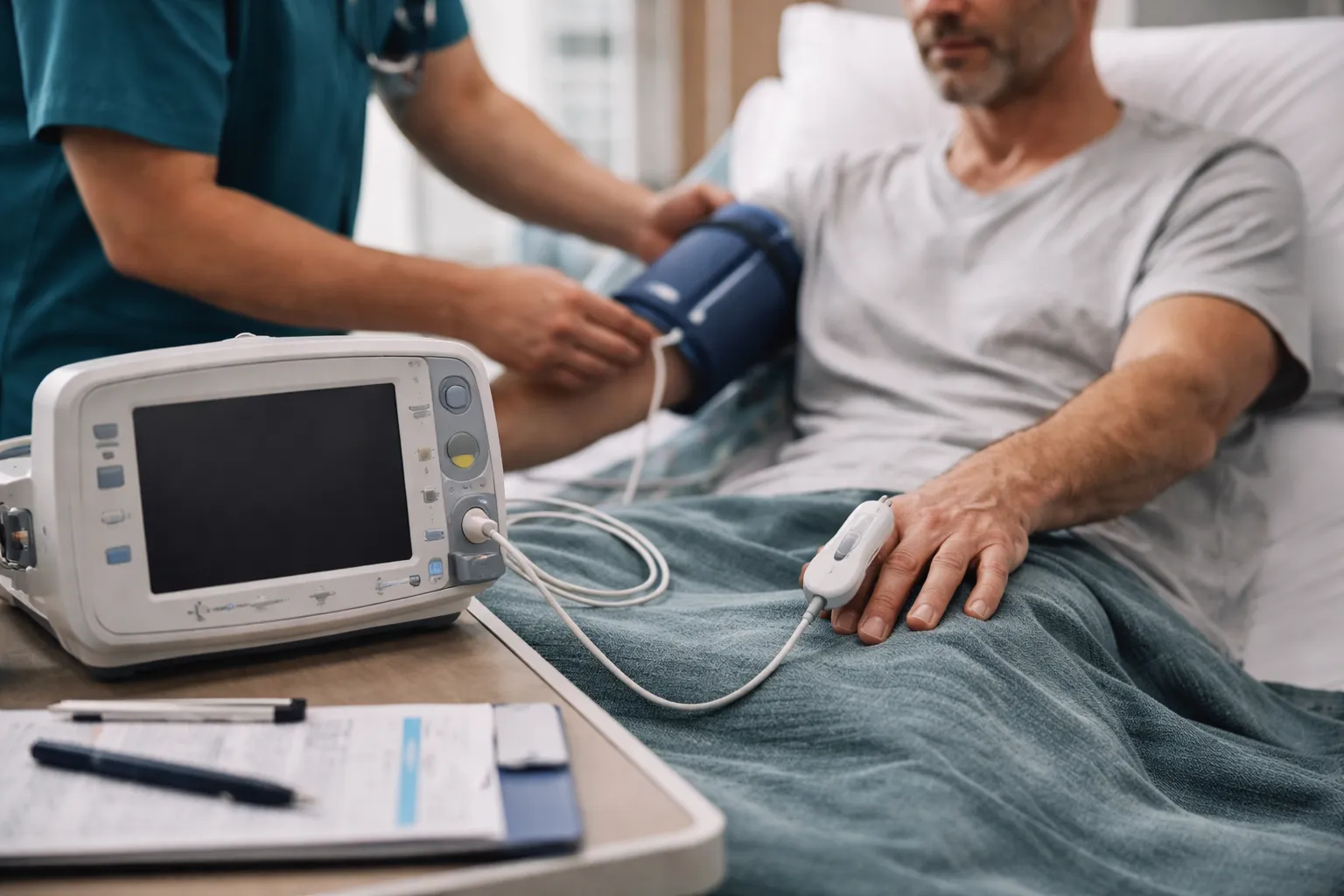
Medically managed inpatient detox is delivered in hospitals or facilities that provide 24-hour nursing and medical support. This level is appropriate for people at high risk of life threatening withdrawal, including severe alcohol withdrawal with delirium tremens, complicated benzodiazepine withdrawal, or unstable medical problems that require continuous monitoring. The ASAM criteria describe medically managed intensive inpatient withdrawal as a highest level of care. (asam.org)
Residential and clinically managed withdrawal
Residential settings offer 24-hour nonhospital supervision and structured supports. They are appropriate for people who need close observation and psychosocial supports but do not require hospital medical services. Assessment by a clinician helps determine whether residential care is an option. (asam.org)
Outpatient detox
Outpatient detox occurs in clinics or office settings, sometimes with daily visits or multiple visits per week. For people with mild to moderate withdrawal risk, outpatient programs can be safe and effective when combined with appropriate medication, monitoring, and follow-up treatment. Outpatient care is often more accessible and less disruptive to daily life, but it requires reliable supports at home and prompt access to emergency care if symptoms worsen. (library.samhsa.gov)
Medications and treatments used during detox
- Benzodiazepines: commonly used for alcohol withdrawal to reduce seizures and agitation, following established clinical protocols. (asam.org)
- Medications for opioid use disorder, also called medication assisted treatment or MOUD: methadone, buprenorphine, and naltrexone, reduce opioid craving and overdose risk and are standard of care when indicated. Decisions about which medication to use depend on clinical history and should be made by a clinician. (nida.nih.gov)
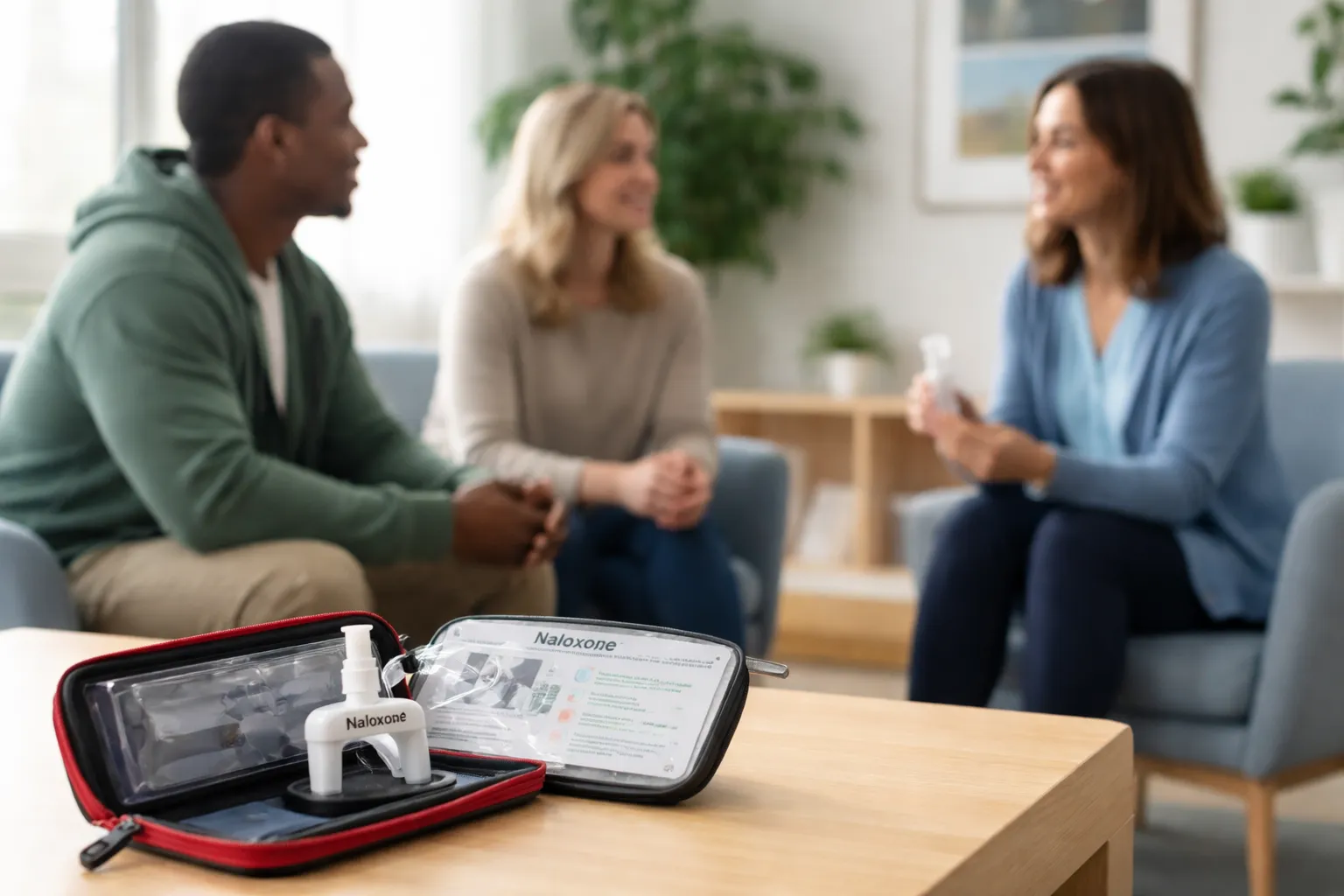
- Naloxone: an opioid overdose reversal drug, now available over the counter in nasal spray formulations and widely promoted for overdose prevention. Families and patients are encouraged to obtain naloxone and learn how to use it. (fda.gov)
Medication choices and dosing are clinical decisions. Placement, the need for inpatient monitoring, and whether a medication is appropriate require a qualified assessment. This article does not provide individualized medical advice. (nida.nih.gov)
How clinicians decide inpatient versus outpatient
Clinicians use structured criteria and clinical judgment to match a patient to the safest level of care. Common considerations include:
- Type of substance and typical withdrawal risks, for example alcohol and benzodiazepines can cause seizures and delirium; opioids have lower immediate physiologic risk from withdrawal but high overdose risk after detox. (asam.org)
- Severity of prior withdrawal, presence of unstable medical conditions, pregnancy, or acute psychiatric symptoms. (library.samhsa.gov)
- Home supports, transportation, and ability to attend frequent outpatient visits.
- Access to medications for opioid use disorder and local regulations or availability. Note, federal waiver requirements for prescribing buprenorphine were removed in 2023 but clinicians still need appropriate DEA registration and training supports. (samhsa.gov)
Quick comparison table
| Feature | Inpatient detox | Outpatient detox |
|---|---|---|
| Medical monitoring | 24-hour medical and nursing care | Periodic clinician visits, monitoring during sessions |
| Appropriate for | Severe withdrawal risk, unstable medical or psychiatric issues | Mild to moderate withdrawal risk, stable home supports |
| Typical length | Short term, until medically stable (days to a week typical) | Days to weeks, with follow-up treatment recommended |
| Medication availability | Full range, including IV treatments if needed | Oral and clinic-administered medications, MOUD where available |
| Disruption to daily life | High | Lower |
Safety callout
If someone is having a medical emergency, call 911 immediately. For a mental health or suicide crisis, call or text 988. Families should keep naloxone on hand if there is any risk of opioid overdose, and seek immediate care for signs of severe alcohol or benzodiazepine withdrawal such as hallucinations, fever, severe tremor, fainting, or seizures. Obtaining naloxone is easier now that FDA has approved some naloxone nasal sprays for over-the-counter sale, and New Jersey supports harm reduction distribution in community programs. (fda.gov)
Frequently asked questions
Can detox be done at home?
Detox at home without clinical support is risky for substances that can cause life threatening withdrawal, such as alcohol and benzodiazepines. Home plans should only be used if a clinician has assessed the person and arranged appropriate monitoring and follow-up. (asam.org)
Will I be started on medication for opioid use disorder during detox?
Many programs start MOUD such as buprenorphine or methadone during detox or immediately afterward, because these medications reduce craving and overdose risk. The specific medication and timing depend on the clinical evaluation and the person’s medical history. Speak with a clinician about options. (nida.nih.gov)
Does insurance cover detox?
Insurance coverage varies by plan and by level of care. Coverage questions are best directed to the insurer, benefits coordinator, or the admissions office of the treatment program. Do not assume coverage; verify before admission.
Next steps and how to get help
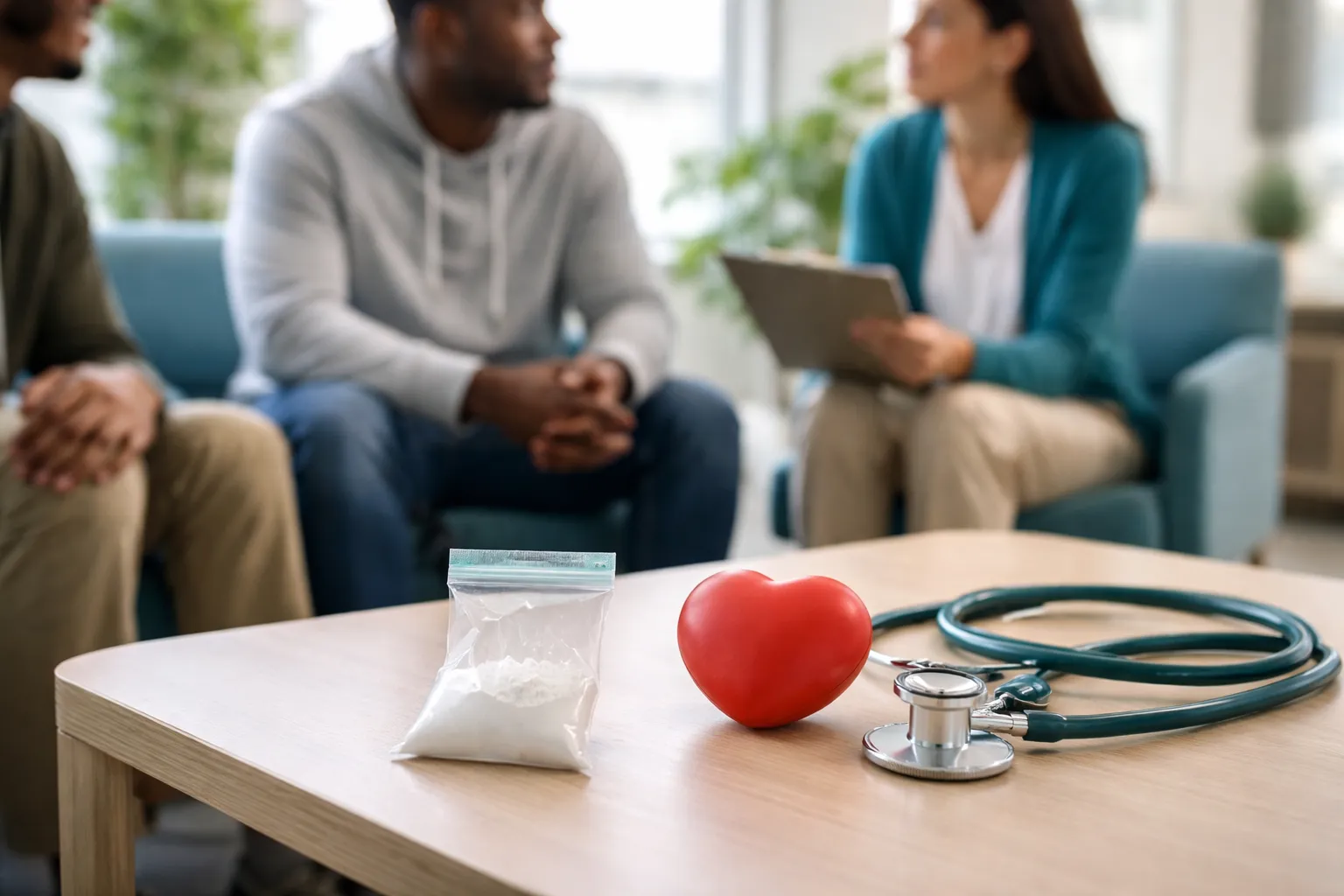
If you or a family member needs help in New Jersey, start with a confidential assessment by a qualified clinician. Local facilities can explain which level of care is appropriate and whether medications are indicated. For outpatient treatment options and services, see our treatments page. For locations in New Jersey, see our locations page. To speak confidentially with our team, use the contact page to request a confidential assessment or speak with admissions. Remember, this information is educational and not a substitute for individualized clinical assessment.
If you are worried about an immediate risk, call 911. For a mental health crisis, call or text 988.
Sources
- SAMHSA, Detoxification and Substance Abuse Treatment (TIP). (library.samhsa.gov)
- ASAM Clinical Practice Guideline on Alcohol Withdrawal Management. (asam.org)
- NIDA, Medications to Treat Opioid Use Disorder. (nida.nih.gov)
- SAMHSA, MAT Act and buprenorphine waiver changes. (samhsa.gov)
- FDA, OTC naloxone approval and related information. (fda.gov)
- New Jersey Department of Health, overdose data and harm reduction updates. (nj.gov)
Compassionate next step: If you would like help arranging a confidential assessment or learning which level of care may be most appropriate, please request a confidential assessment or speak with our admissions team through our contact page. No pressure, just information and support.