Short introduction: If you or a family member are considering drug detox in New Jersey, this article explains the goals of detox, how outpatient medical detox differs from inpatient care, common medications and monitoring, safety considerations, and next steps in treatment. This is general educational information and not individualized medical advice. Placement and medication decisions require assessment by a qualified clinician.
Table of Contents
ToggleWhat is drug detox?
Detoxification, often called detox, refers to short term medical and supportive care to manage acute withdrawal symptoms after someone stops or reduces use of a substance. The primary goals are to reduce withdrawal symptoms, treat complications, and stabilize the person so they can begin ongoing treatment for substance use disorder when needed. Detox is an important first step, but by itself it is not sufficient treatment for opioid use disorder or alcohol use disorder; ongoing treatment is usually needed to reduce risk of relapse and overdose. samhsa.gov
Detox settings and monitoring
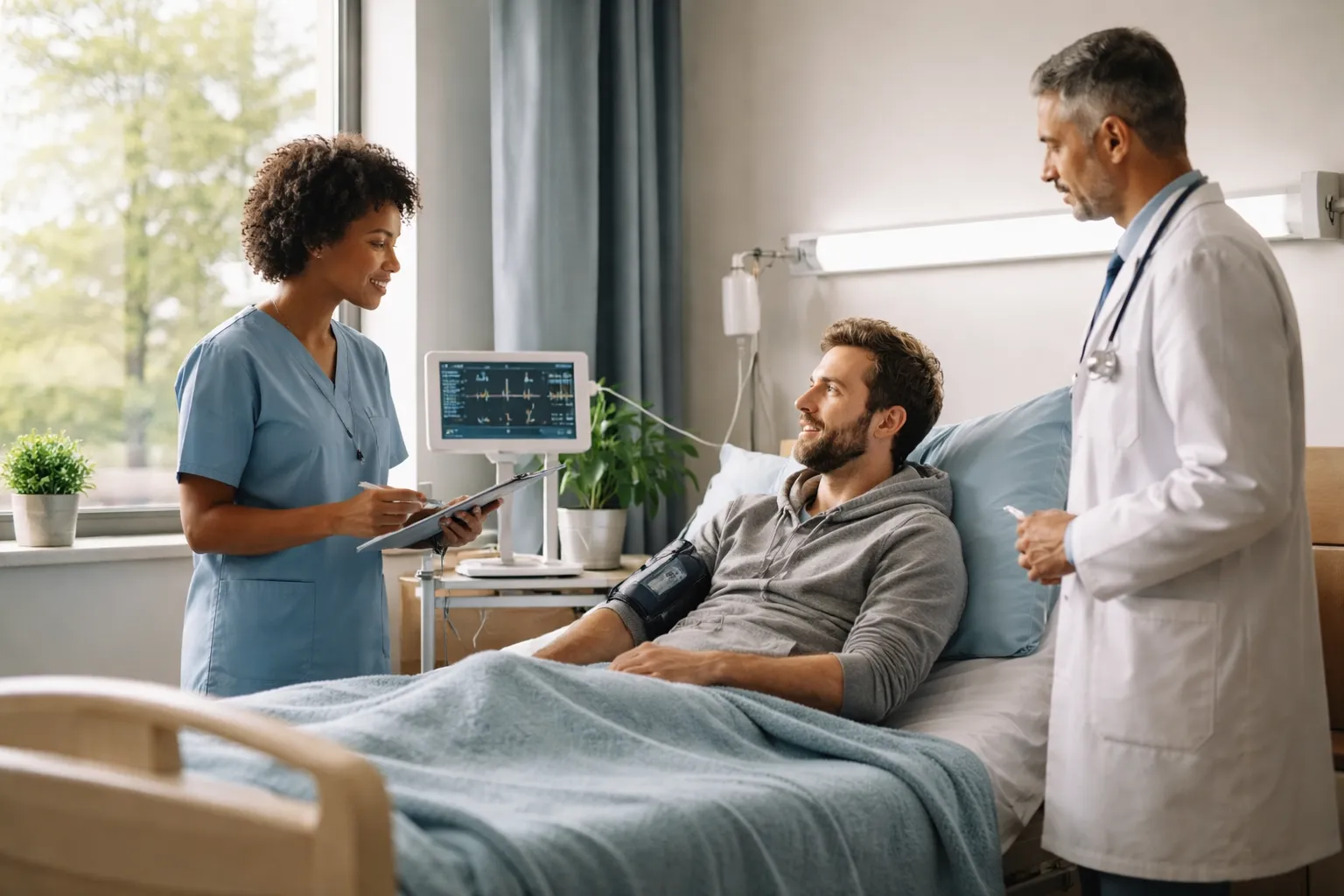
Detox can take place in several settings, including outpatient clinics with medical supervision, specialized ambulatory programs, residential withdrawal units, or hospital care for medically complex cases. The setting is chosen after a clinical assessment of medical and psychiatric risk, social supports, and the substances involved. Outpatient programs typically offer scheduled visits, medication management, and remote or in-person monitoring for patients who are medically stable. samhsa.gov
Outpatient medical detox: what monitoring looks like
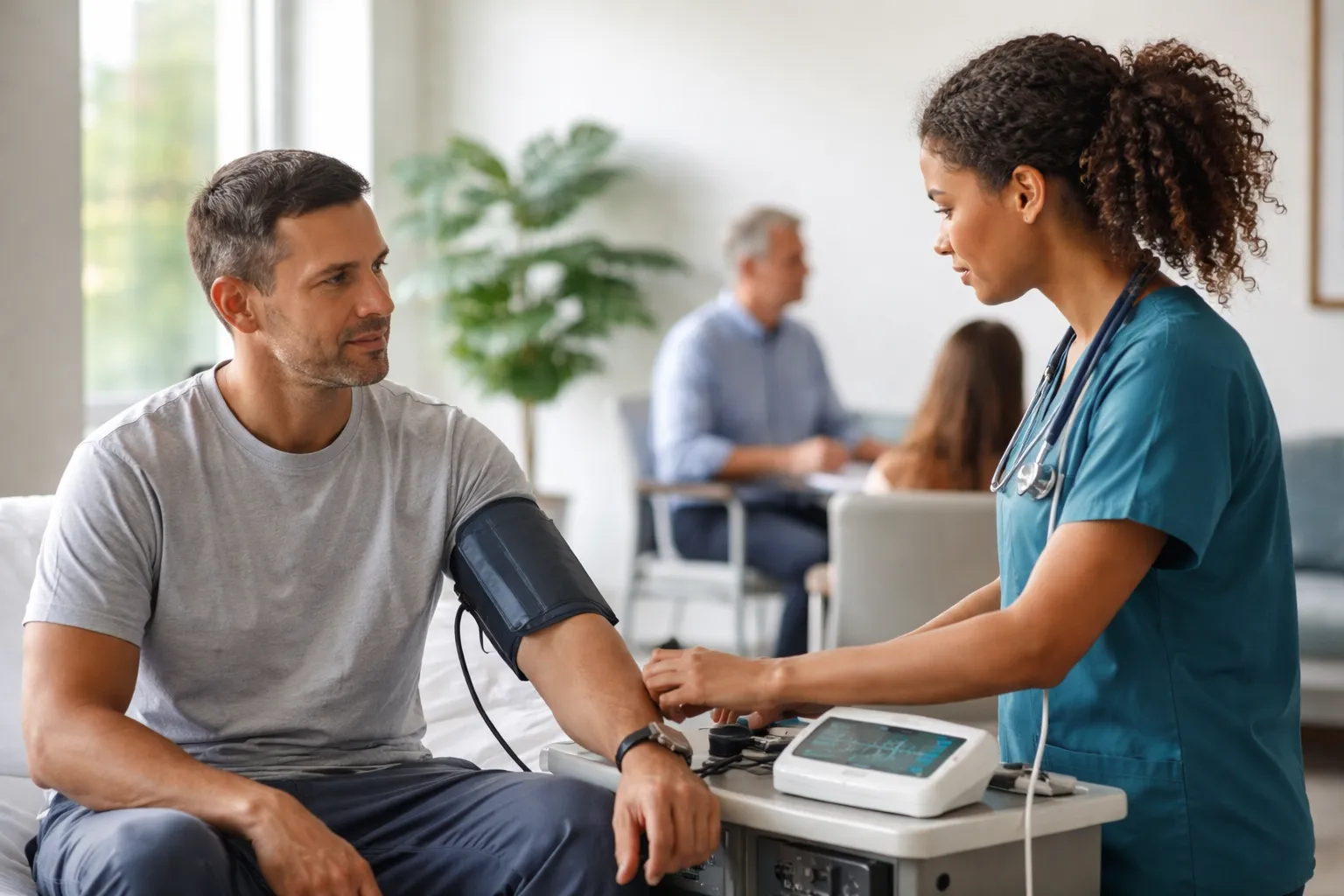
- Initial clinical assessment including medical history, mental health screen, recent substance use, and vital signs.
- Regular follow up visits (daily or several times per week early on), medication adjustments, and urine drug screening when clinically indicated.
- Use of standardized assessment tools for symptom severity, such as CIWA for alcohol withdrawal, and clinician observation for opioid or stimulant withdrawal.
- Access to same-day escalation (transfer to higher level care) if symptoms worsen.
Outpatient care may be appropriate when withdrawal risk is judged low to moderate, and when reliable supports are present. High-risk conditions often require residential or hospital care. pubmed.ncbi.nlm.nih.gov
Common medications used during detox and clinical risks
Medications used during detox vary by substance. They are selected and dosed by clinicians based on the substance, severity of withdrawal, medical history, and preferences.
Opioids
Medications shown to reduce opioid withdrawal and support ongoing treatment include buprenorphine, methadone, and extended release naltrexone. Methadone for opioid use disorder must be dispensed through a certified Opioid Treatment Program, while buprenorphine may be initiated in outpatient settings by qualified prescribers under federal and state rules. Initiation of buprenorphine is usually timed so the patient is in early withdrawal (typically at least 12 to 24 hours after the last dose of a short acting opioid) to reduce risk of precipitated withdrawal. Decisions about which medication to use should be made by the treating clinician and take into account the patient’s history and setting. samhsa.gov
Alcohol and benzodiazepines
Alcohol withdrawal can be life threatening, with risks including seizures and delirium tremens. Benzodiazepines are commonly used to prevent and treat severe alcohol withdrawal, under medical supervision. Because benzodiazepines have their own dependence and safety concerns, prescribers follow evidence based protocols and monitor closely. The FDA has also updated safety information about benzodiazepines to support safer use. A qualified clinician should determine whether outpatient management is safe for a person withdrawing from alcohol or benzodiazepines. pubmed.ncbi.nlm.nih.gov
Who may be suitable for outpatient detox
Outpatient medical detox may be appropriate for people who are medically stable, have a reliable support system, do not have a significant coexisting medical or psychiatric condition that would increase risk during withdrawal, and who can attend frequent visits. Individuals with severe alcohol withdrawal history, active suicidal thoughts, unstable medical problems, or lack of safe housing commonly need residential or hospital care. Final placement decisions must be individualized and made by a licensed clinician. pubmed.ncbi.nlm.nih.gov
Quick decision table: outpatient vs inpatient vs hospital
| Setting | Typical clinical severity | Supervision and monitoring | Common medications used |
|---|---|---|---|
| Outpatient clinic | Mild to moderate withdrawal, stable medical/psychiatric status | Frequent clinic visits, phone check-ins, possible urine testing | Buprenorphine, short term benzodiazepine protocols for selected alcohol cases, supportive meds |
| Residential/ambulatory unit | Moderate to severe withdrawal, limited supports | Daily nursing and clinician checks, structured environment | Methadone at OTPs, buprenorphine, benzodiazepines where indicated |
| Hospital inpatient | Severe withdrawal, medical complications, suicidal risk | Continuous monitoring, access to rapid medical and critical care | IV fluids, benzodiazepines, higher level medical interventions |
Safety callout
In a medical emergency, call 911 right away. If you or someone is having a mental health crisis or is thinking about suicide, call or text 988 for the Suicide and Crisis Lifeline. If withdrawal symptoms escalate, for example increasing confusion, uncontrolled vomiting, seizure, trouble breathing, or fainting, seek emergency medical care immediately. This page provides general information only and does not replace urgent clinical evaluation.
After detox: what commonly comes next
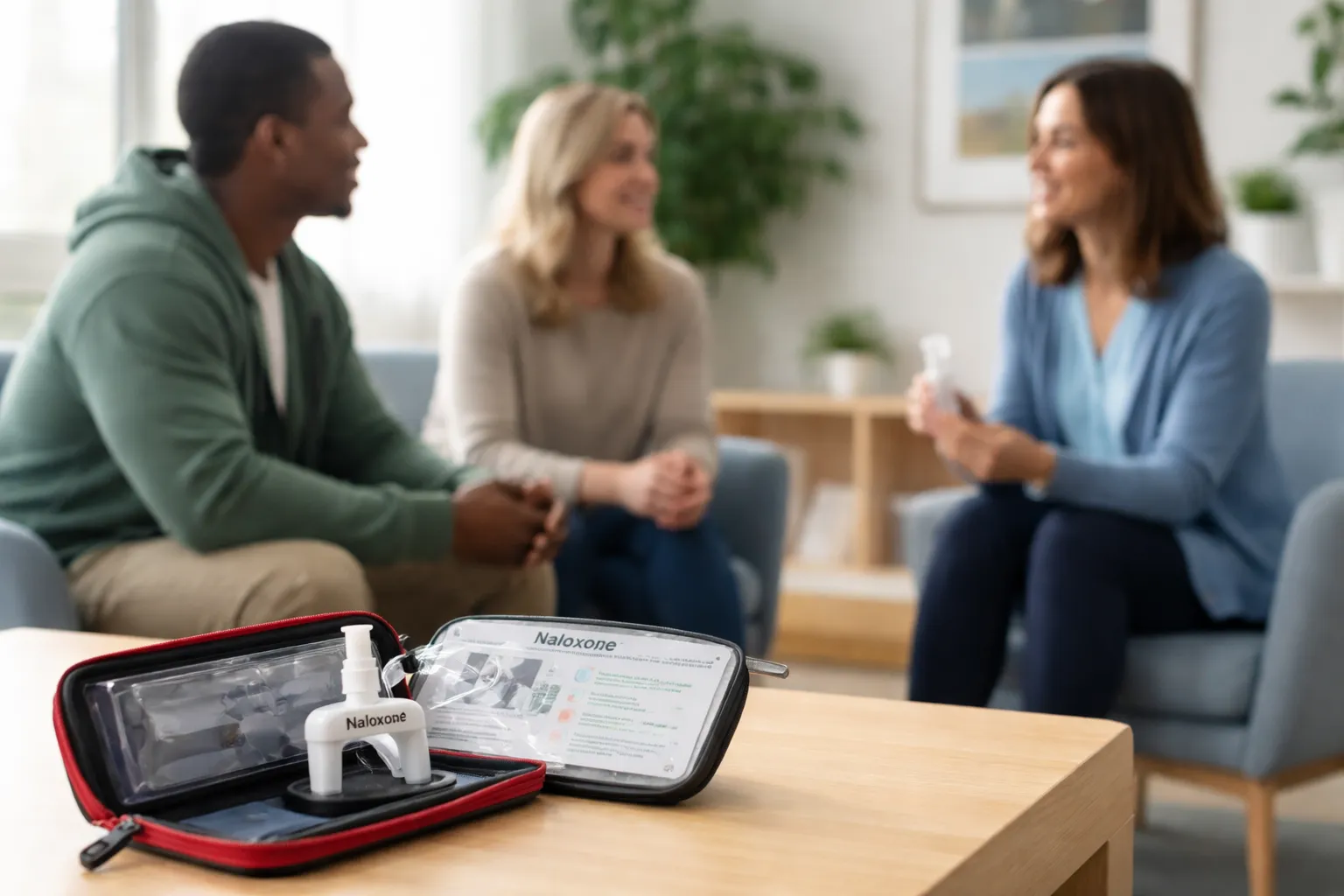
Detox stabilizes the acute withdrawal period. For most people, continuing care is recommended to reduce relapse and overdose risk. Options commonly include medication for opioid use disorder, outpatient counseling, cognitive behavioral therapy, mutual support groups, case management, housing assistance, and overdose prevention including naloxone distribution. Treatment is most effective when medications are combined with psychosocial support and when the plan is individualized. samhsa.gov
For information about specific programs and services offered, learn more about available care options on our treatments page. Treatment options.
Questions to ask a detox provider in New Jersey
- What clinical assessment will you perform on intake and who will do it?
- Which medications for withdrawal and ongoing treatment do you offer, and how are they prescribed?
- How often are visits and what happens if my symptoms worsen?
- How do you handle coexisting mental health conditions and suicide risk?
- Do you accept my insurance, and what are my options if I do not have coverage?
- What aftercare and recovery supports do you coordinate?
Frequently asked questions
Can I do detox at home?
Mild, low risk withdrawal from some substances may be managed with outpatient medical supervision, but unsupervised home detox can be dangerous, particularly for alcohol, benzodiazepines, or in people with medical comorbidities. Discuss options with a clinician. pubmed.ncbi.nlm.nih.gov
Will detox prevent overdose?
Detox alone does not prevent later overdose. After detox, reduced tolerance increases overdose risk if substance use resumes. Evidence based ongoing treatment, including medications where appropriate, and access to naloxone reduce overdose risk. samhsa.gov
How long does outpatient detox take?
Duration varies by substance, severity, and chosen medication. Early withdrawal typically lasts days to weeks, but clinical stabilization and transition to ongoing treatment can take longer. Your clinician will provide an individualized timeline. samhsa.gov
Are medications like methadone available in New Jersey?
Yes, methadone is available through certified Opioid Treatment Programs, and buprenorphine is provided by waivered or otherwise authorized prescribers in outpatient settings. Specific availability varies by clinic and region. Contact programs directly or review local resources for current options. samhsa.gov
Sources
- SAMHSA, TIP 63: Medications for Opioid Use Disorder. samhsa.gov
- ASAM Clinical Practice Guideline on Alcohol Withdrawal Management. pubmed.ncbi.nlm.nih.gov
- SAMHSA: Buprenorphine information for treatment. samhsa.gov
- SAMHSA: Methadone for treatment of opioid use disorder. samhsa.gov
- FDA: Benzodiazepine safety information. fda.gov
- CDC National Vital Statistics System: Drug overdose deaths. cdc.gov
- New Jersey Department of Health: overdose trends and state context. nj.gov
Compassionate next steps
If you are considering drug detox in New Jersey, the next step is a confidential clinical assessment to determine the safest placement and whether medications are appropriate. Policies and program availability vary by location and by clinical needs. If you are in immediate danger call 911 now. For mental health crises or suicidal thoughts call or text 988 for the Suicide and Crisis Lifeline.
If you would like to learn more about treatment options we provide, see our treatment options and locations pages, or contact us to request a confidential assessment or to speak with an admissions team member. There is no pressure to decide on the spot, and our clinical staff can help explain options based on an assessment. Remember, this page is general education and does not replace individualized medical evaluation.