This article describes how alcohol can affect the liver, common alcohol liver damage warning signs, what clinicians look for, and treatment considerations for outpatient detox and addiction care in New Jersey. It is intended for patients and families as general education and not individualized medical advice. Placement and medication decisions require evaluation by a qualified clinician. For a medical emergency, call 911. For a mental health or suicide crisis, call or text 988.
Table of Contents
ToggleSigns and symptoms to watch for
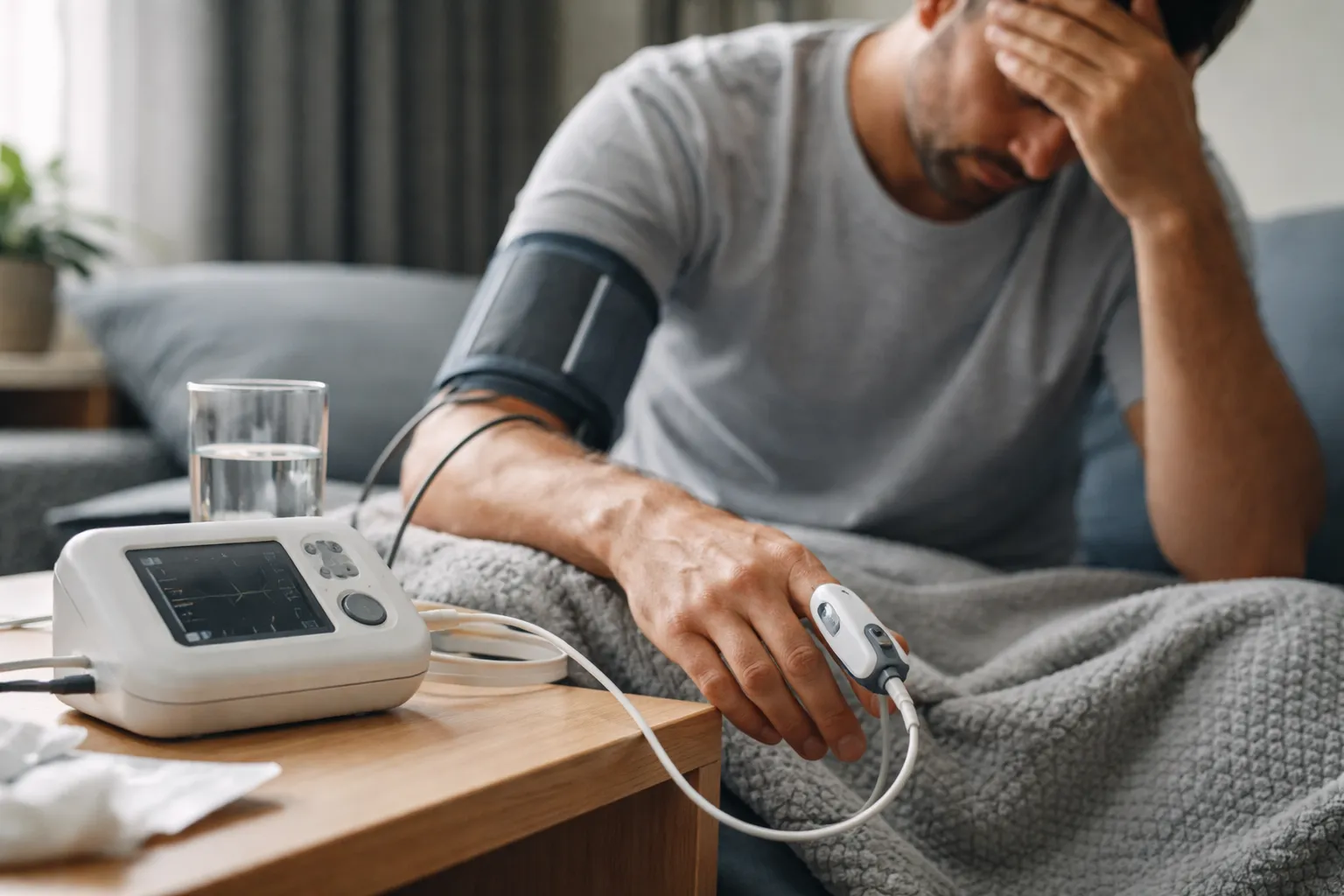
Early liver injury from alcohol often has few symptoms. When signs appear they can include fatigue, poor appetite, nausea, abdominal discomfort, and subtle yellowing of the eyes or skin. More advanced injury causes swelling in the abdomen or legs, increased bruising, itching, confusion, and dark urine. Any new jaundice, sudden severe abdominal pain, vomiting blood, confusion, or fainting requires urgent medical care.
Alcohol related liver damage warning signs may also overlap with signs of other conditions. People who drink heavily may develop vomiting, tremor, sweating, fast heart rate, or seizures during withdrawal. Withdrawal can be life threatening in some people, which is why medical assessment before stopping prolonged heavy drinking is essential.
Alcohol use contributes substantially to preventable deaths and to liver specific harm in the United States. Recent national estimates show tens of thousands of alcohol attributable deaths each year, with alcohol associated liver disease among the leading causes. (cdc.gov)
How clinicians evaluate liver health
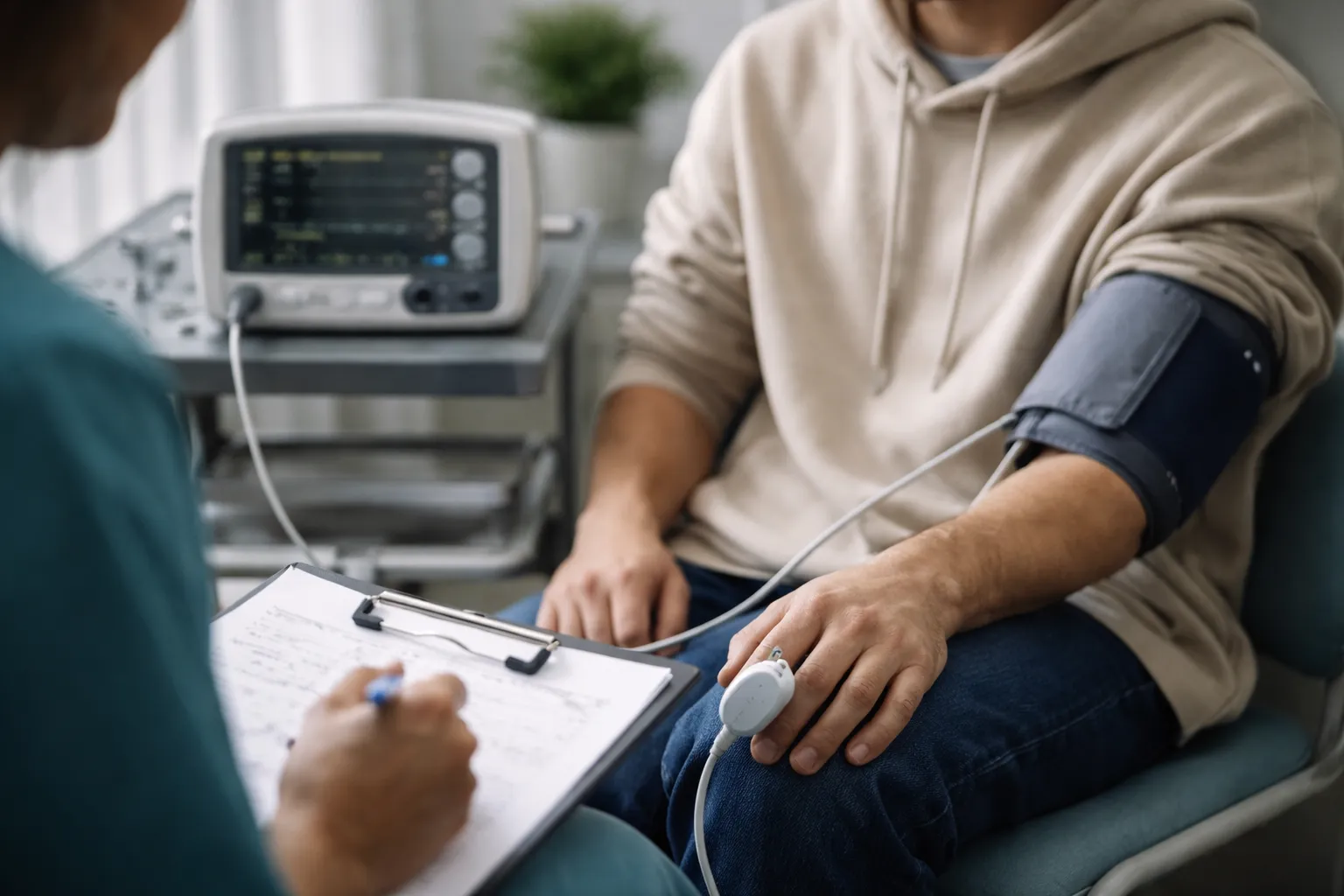
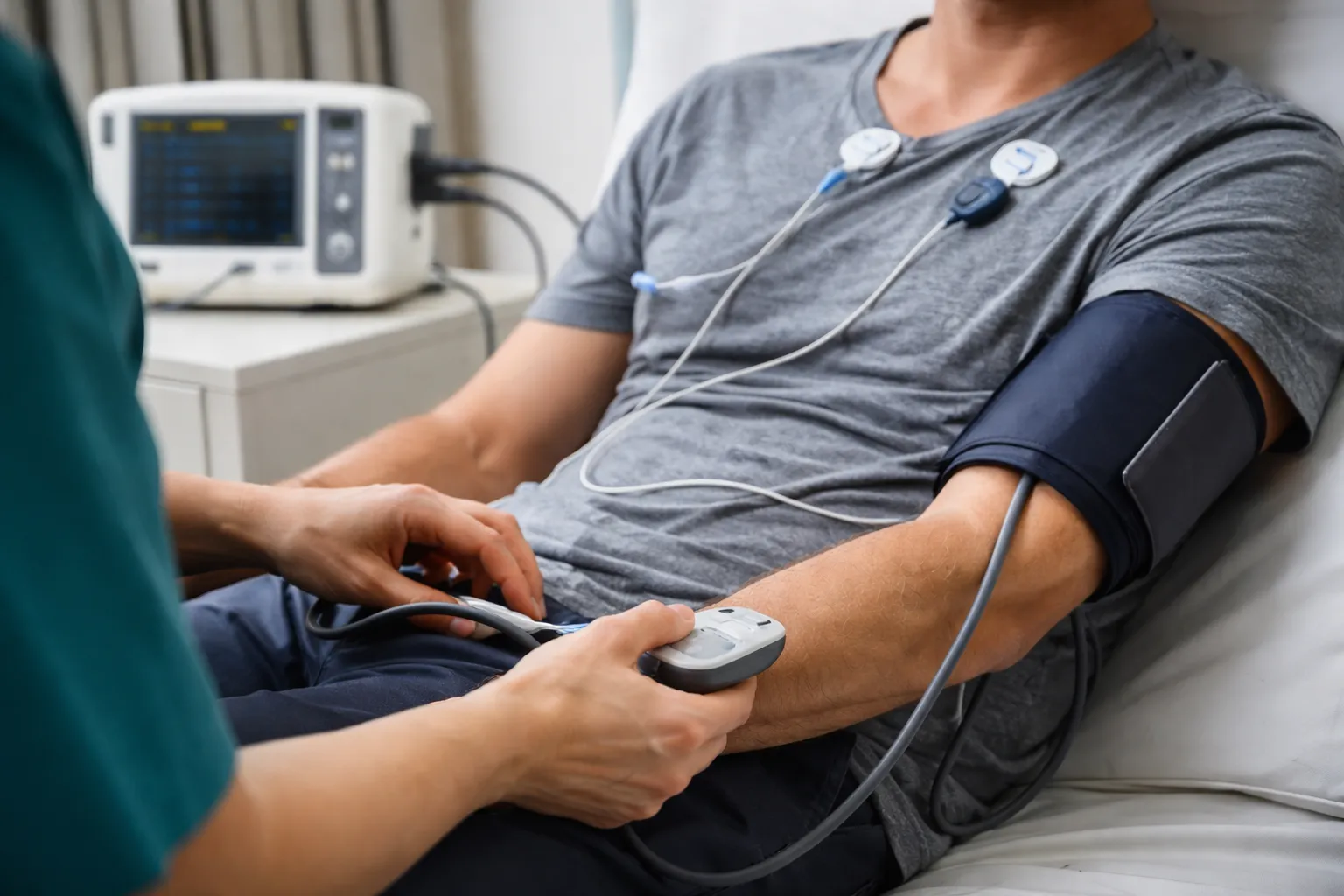
Initial evaluation usually includes a careful history of alcohol use, review of medications and supplements, a physical exam, and laboratory tests. Common blood tests include liver enzymes such as aspartate aminotransferase AST and alanine aminotransferase ALT, total bilirubin, albumin, and blood clotting tests. In alcoholic liver disease AST is often higher than ALT, but test results can be normal even when damage is present. Imaging with ultrasound and, in some cases, specialized elastography or biopsy may be used to assess fibrosis or inflammation. A liver specialist will combine tests, imaging, and the clinical picture to determine severity. (medlineplus.gov)
Laboratory and clinical clues
- AST higher than ALT, often with modest elevations, can suggest alcohol related injury. (ncbi.nlm.nih.gov)
- High bilirubin and a prolonged international normalized ratio INR suggest more severe dysfunction and may indicate the need for urgent care. (aasld.org)
- Low platelets, low albumin, and signs of portal hypertension such as enlarged spleen or ascites reflect advanced disease. (pmc.ncbi.nlm.nih.gov)
Stages of alcohol associated liver disease
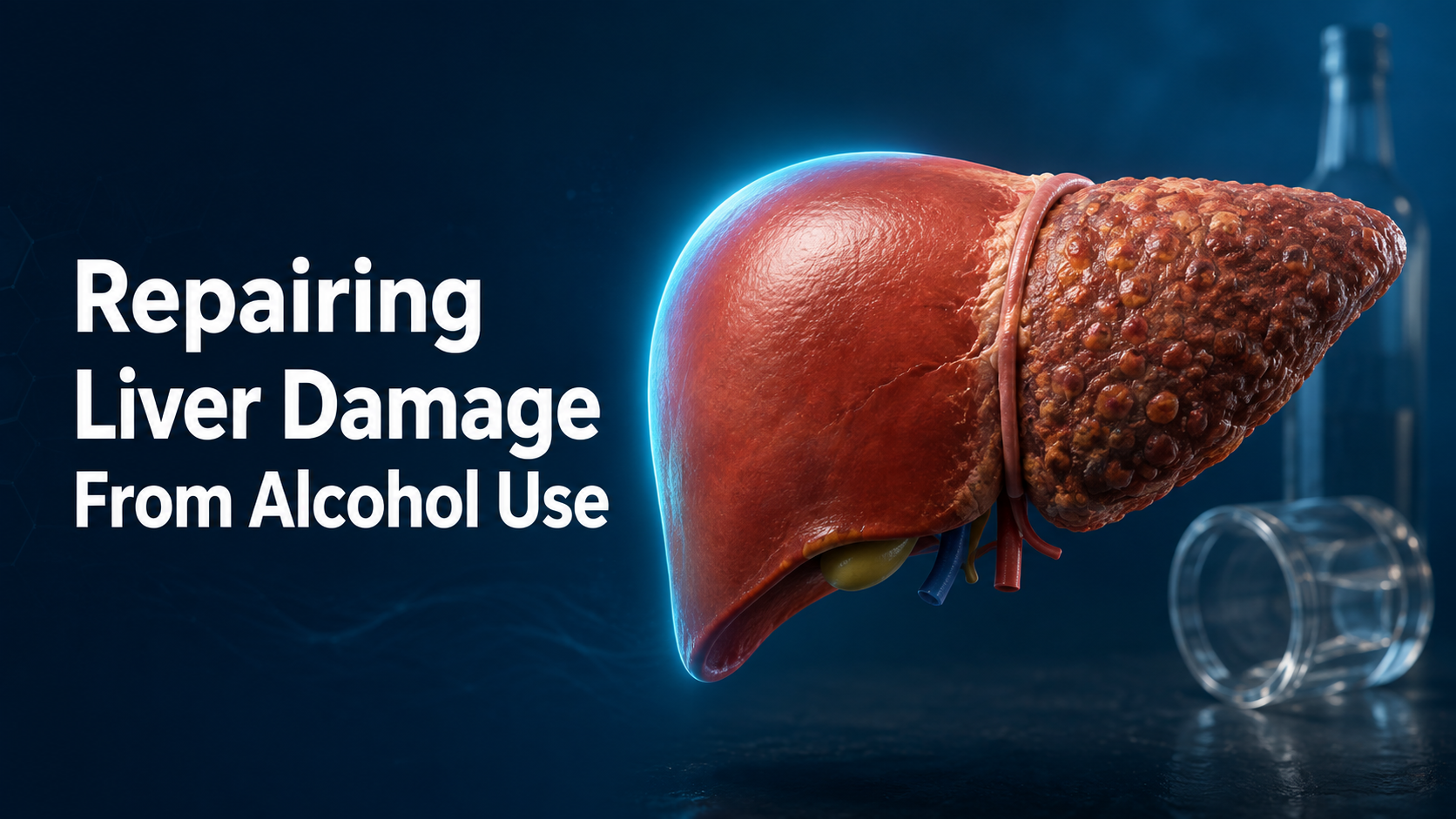
Clinicians view alcohol associated liver disease as a spectrum from reversible fatty change to inflammation and to permanent scarring. The major stages are:
- Fatty liver, which can reverse with abstinence.
- Alcohol associated hepatitis, an inflammatory and sometimes acute condition that can cause jaundice and systemic illness.
- Cirrhosis, which is scarring of the liver that can lead to complications such as variceal bleeding, ascites, infection, and hepatic encephalopathy. Continued drinking increases the risk of progression. A multidisciplinary approach is needed in advanced disease. (aasld.org)
Treatment considerations in detox and addiction care
Decisions about where to start care, what medications may be appropriate, and whether inpatient medical detox is needed depend on withdrawal risk, liver disease severity, coexisting medical or psychiatric problems, and social supports. Some people can safely begin outpatient detox with close monitoring. Others need hospital or medically supervised inpatient detox if they have a history of seizures, prior delirium tremens, unstable medical conditions, or signs of severe liver failure. Structured tools and clinical judgment guide these placement decisions. (asam.org)
Medication and liver disease
Several medications are approved to help treat alcohol use disorder. Choice of medication requires assessment of liver function and other medical conditions. For example, naltrexone can reduce cravings but may require caution in patients with acute hepatitis or severe hepatic impairment. Acamprosate is eliminated by the kidneys and may be preferred when liver disease limits options. Disulfiram has safety risks when alcohol is consumed. These choices and dosing decisions require clinician oversight and laboratory monitoring. (samhsa.gov)
Quick comparison table for signs, likely meaning, and action
| Symptom or sign | What it may suggest | When to seek urgent care |
|---|---|---|
| New yellowing of skin or eyes | Jaundice, suggests significant liver dysfunction | Call 911 or go to emergency department |
| Confusion or drowsiness | Possible hepatic encephalopathy or severe withdrawal | Call 911 immediately |
| Vomiting blood or passing black stools | Possible bleeding from varices or upper GI source | Call 911 immediately |
| Increasing abdominal swelling, shortness of breath | Ascites and/or portal hypertension complications | Contact clinician same day or seek ED if severe |
| Tremor, sweating, rapid heartbeat after stopping alcohol | Alcohol withdrawal, risk of seizures and delirium tremens | Call clinician right away, consider ED or medical detox admission |
Safety callout
If someone has trouble breathing, is losing consciousness, has severe confusion, or is vomiting blood, call 911 now. If a person is thinking about harming themselves, call or text 988 for immediate crisis support. If you plan to stop heavy, prolonged alcohol use, consult a clinician first because withdrawal can be life threatening. Structured monitoring and medications can reduce risk. (asam.org)
Frequently asked questions
What should I do if I am worried about my liver?
Talk with your primary care clinician or a specialist in liver disease. They will ask about drinking patterns, perform a physical exam, and order blood tests and imaging as needed. In New Jersey you can also call ReachNJ, the state addiction helpline, for referrals to local treatment options. (nj.gov)
Can stopping alcohol reverse liver damage?
Early fatty change is often reversible with sustained abstinence and improved nutrition. Inflammation may also improve, but established cirrhosis is not fully reversible. Stopping alcohol reduces progression and lowers the risk of complications. Clinical follow up and supportive care are needed. (aasld.org)
Is it safe to detox at home?
That depends on your risk for severe withdrawal. People with prior withdrawal seizures, prior delirium tremens, very heavy prolonged drinking, or unstable medical problems usually need medically supervised detox in a hospital or specialty unit. Others may be appropriate for outpatient, closely monitored detox. Assessment by a qualified clinician is required to decide placement. (asam.org)
Are medications safe if I have liver disease?
Some medications for alcohol use disorder are safe in the presence of liver disease, others require caution. Choice depends on current liver tests and other conditions. Medication decisions require lab testing and clinician oversight. Do not start or stop medications without consulting a clinician. (samhsa.gov)
Sources
- CDC facts about excessive alcohol use and deaths. Centers for Disease Control and Prevention. (cdc.gov)
- Alcohol associated liver disease practice guidance, American Association for the Study of Liver Diseases. (aasld.org)
- Steatotic liver disease overview, MedlinePlus, National Library of Medicine. (medlineplus.gov)
- ASAM Clinical Practice Guideline on Alcohol Withdrawal Management, American Society of Addiction Medicine. (asam.org)
- Medication for the Treatment of Alcohol Use Disorder: A Brief Guide, SAMHSA. (samhsa.gov)
- New Jersey Division of Mental Health and Addiction Services, ReachNJ and treatment resources. State of New Jersey. (nj.gov)
Next steps and confidential help
If you or a loved one has possible signs of alcohol related liver damage, arrange urgent evaluation with a medical provider. If you need help finding local addiction treatment or medical detox in New Jersey, ReachNJ and the DMHAS treatment directory can help connect you to services. If you would like to discuss outpatient detox and addiction treatment options, visit our treatments page to learn about programs, see locations, or request help. You can also request a confidential assessment or speak with an admissions team member by visiting our contact page. Please remember that placement and medication decisions require assessment by a qualified clinician, and this article is general education, not individualized medical advice. (nj.gov)