Stopping heavy or prolonged alcohol use can cause withdrawal symptoms that range from mild discomfort to life threatening complications. This article explains when alcohol detox in New Jersey should be delivered under medical supervision, how clinicians make placement decisions, and how families can find local, licensed help.
Table of Contents
ToggleWhat is alcohol withdrawal
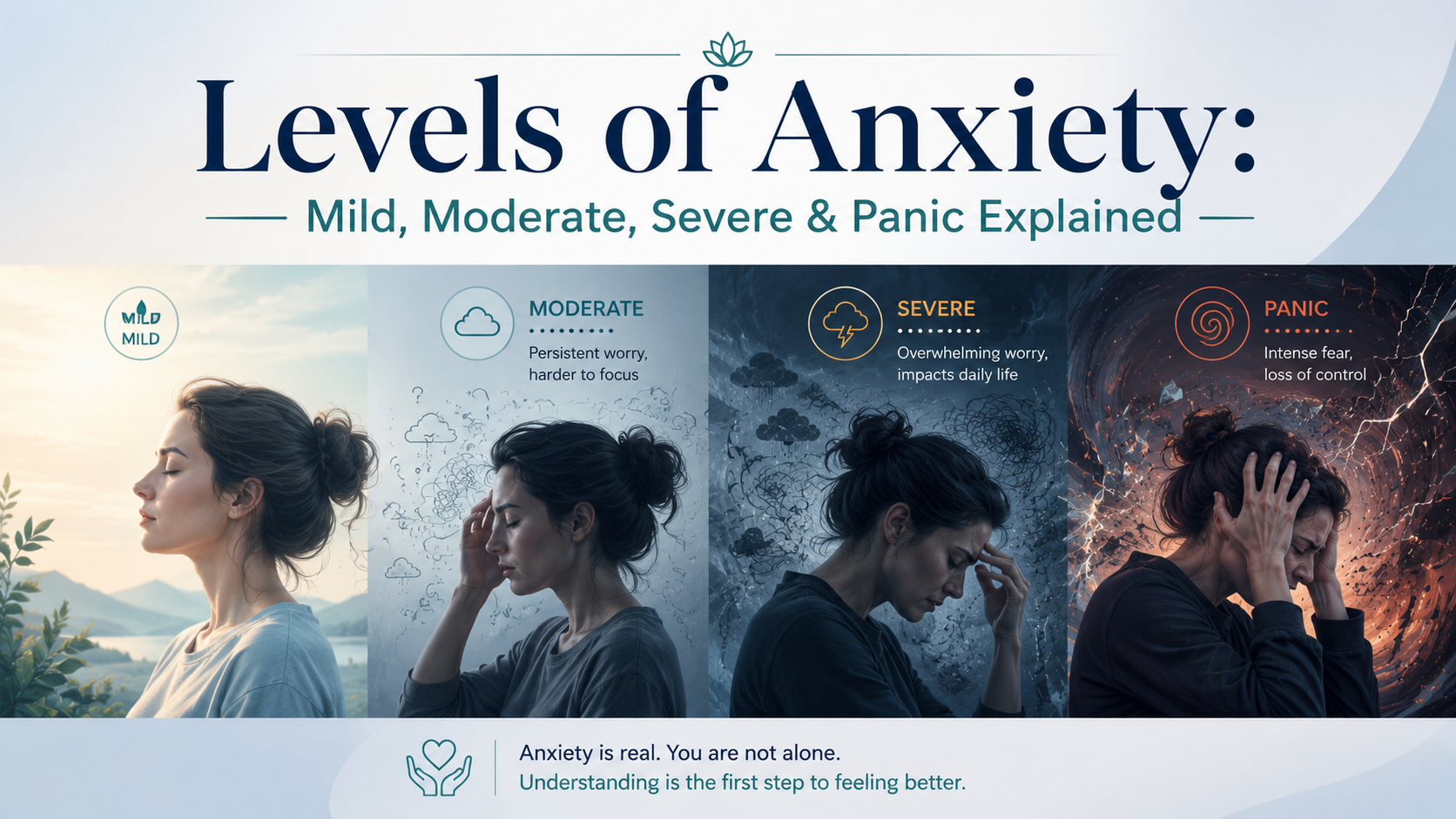
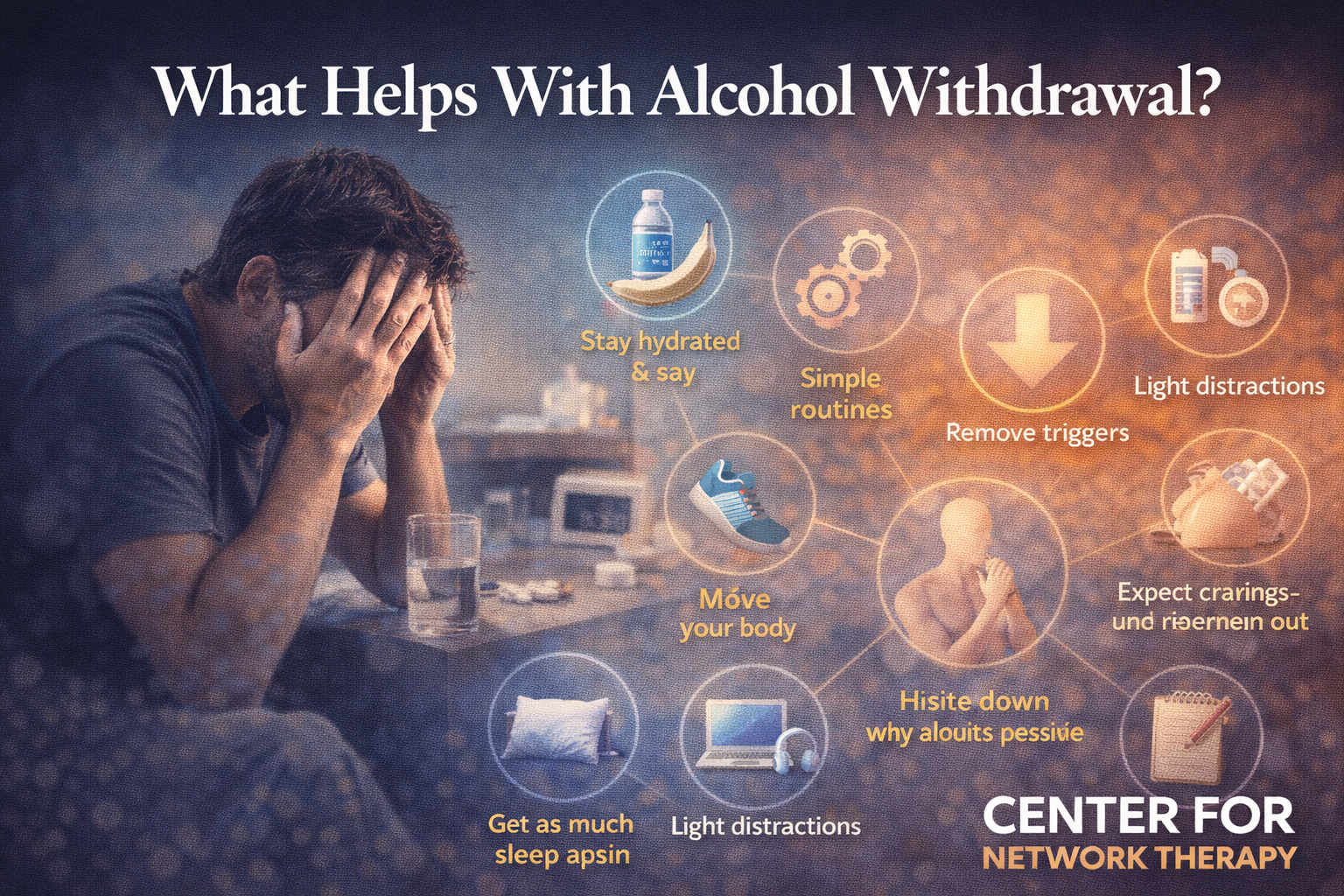
Alcohol withdrawal is a cluster of symptoms that can occur after a person who has been drinking heavily for days, weeks, or longer suddenly reduces or stops drinking. Symptoms commonly include tremor, sweating, fast heart rate, insomnia, anxiety, nausea, and, in some cases, hallucinations, seizures, or delirium tremens, which is a severe state of confusion with autonomic instability. Up to half of people with alcohol use disorder experience some withdrawal symptoms when they stop, while a smaller proportion develop severe complications that require medical care. NIAAA overview on alcohol withdrawal. (niaaa.nih.gov)
Who needs medical detox
Not everyone who stops drinking needs inpatient or hospital care. Clinicians decide on the level of supervision using a structured assessment that evaluates recent drinking history, previous withdrawal experiences, co-occurring medical or psychiatric problems, and current vital signs. Indicators that medical detoxification should be considered include:
- Past history of severe withdrawal, including delirium tremens or alcohol withdrawal seizures. (asam.org)
- Daily heavy alcohol use for days to years, especially with recent escalation. (niaaa.nih.gov)
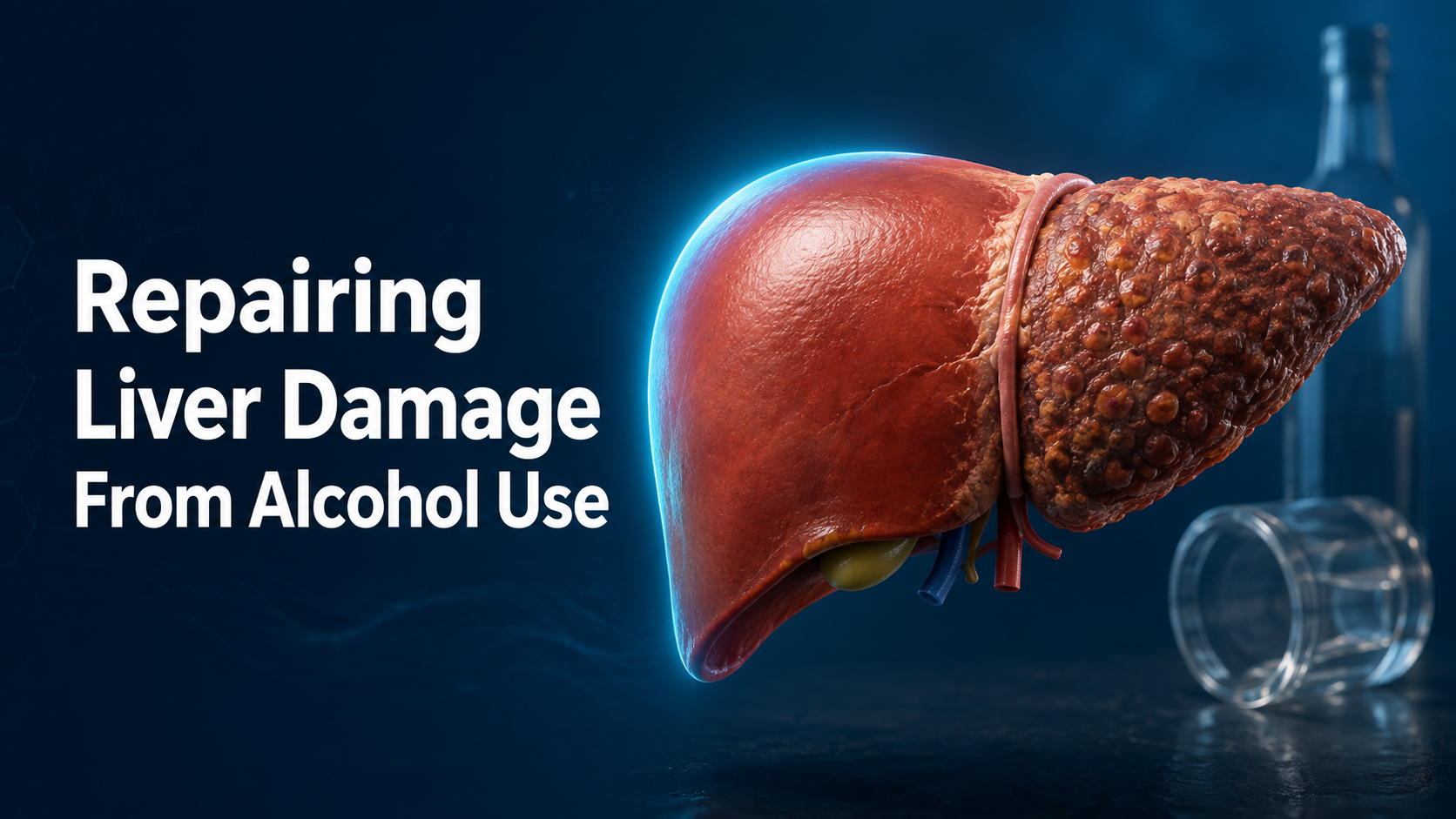
- Unstable medical conditions, such as advanced liver disease, uncontrolled heart disease, infection, or pregnancy. (asam.org)
- Co-occurring sedative-hypnotic dependence (for example benzodiazepines or barbiturates) because withdrawal risks are higher. (library.samhsa.gov)
- Active suicidal thoughts or severe behavioral disturbance requiring close monitoring. (asam.org)
These features mean outpatient self-detox or unmonitored tapering could be unsafe. Decisions require a clinician assessment in person or, when available, by telehealth. The ASAM Clinical Practice Guideline provides evidence-based placement guidance clinicians use when deciding between ambulatory, residential, or hospital care. ASAM Clinical Practice Guideline on Alcohol Withdrawal Management. (asam.org)
Levels of care and how they differ
Ambulatory outpatient detox
Ambulatory outpatient detox is structured medical supervision provided without overnight hospital admission. It may include scheduled clinic visits, daily phone or in-person checks, medication management, and early referral into ongoing treatment. Some New Jersey outpatient programs may offer licensed outpatient detox services under state rules, but those programs must follow specific policies and have appropriate clinical staff. New Jersey outpatient detox standards (N.J.A.C.). (law.cornell.edu)
Medically monitored residential detox
This level offers 24 hour observation in a nonhospital facility with nursing and medical staff available. It is appropriate when patients need continuous observation but not intensive ICU-level support. ASAM describes residential medically monitored services as appropriate for certain patients at risk for complications. (asam.org)
Inpatient hospital detox
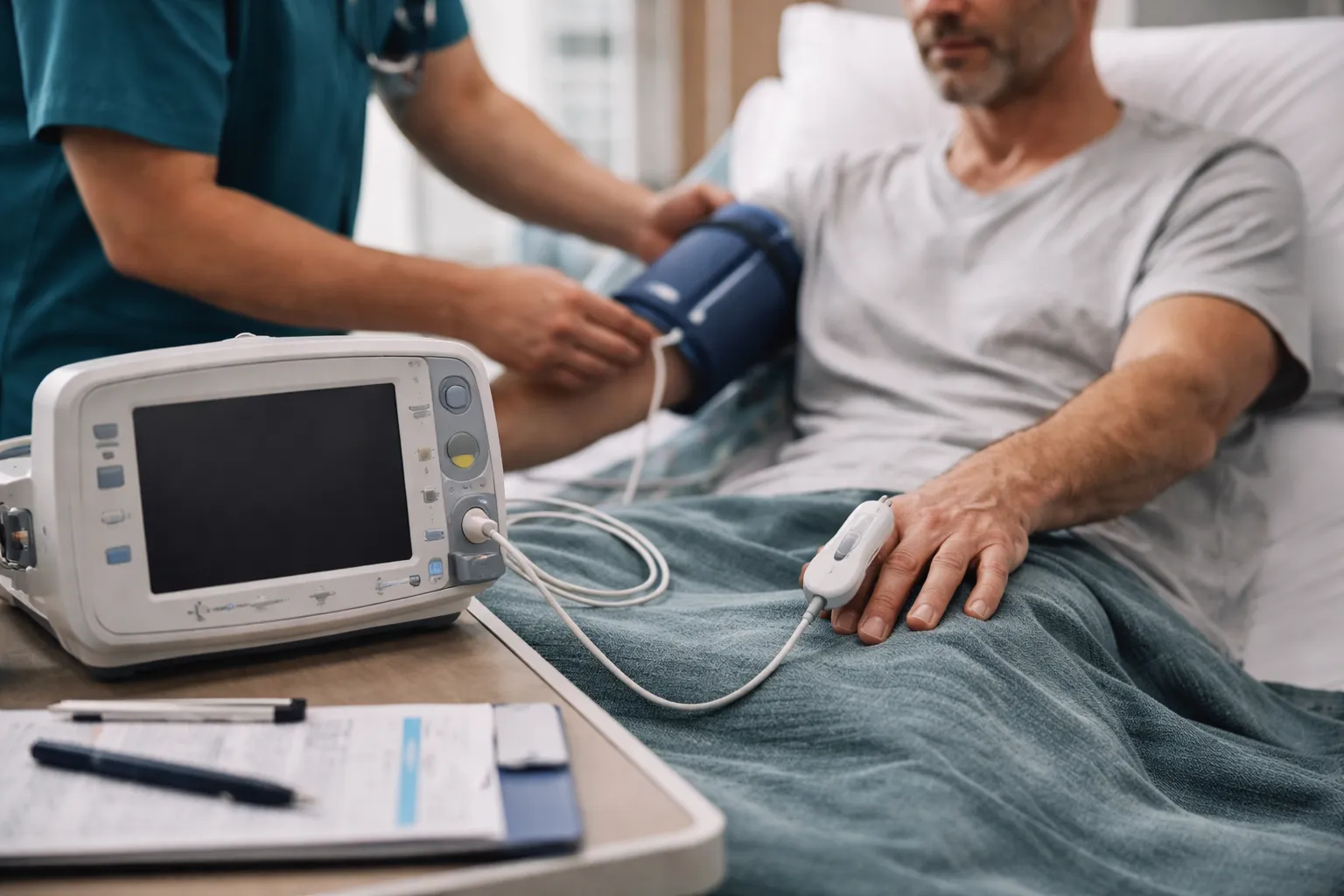
Hospital admission is required for patients with severe withdrawal, active seizures, delirium, significant medical comorbidity, or instability of vital signs. Hospitals can provide continuous monitoring, laboratory support, and rapid treatment if complications arise. (asam.org)
Quick comparison table
| Setting | Level of monitoring | Typical candidates | Common interventions |
|---|---|---|---|
| Outpatient ambulatory detox | Daily or frequent clinic checks, no overnight observation | Mild to moderate withdrawal, reliable social support, no major medical issues | Scheduled benzodiazepine taper or symptom triggered dosing, thiamine, counseling referral |
| Residential medically monitored | 24 hour on-site staff, nursing observation | Moderate risk for complications, limited home support, prior severe withdrawal without current instability | Continuous monitoring, medication management, nursing care |
| Hospital inpatient detox | Continuous vital sign monitoring, rapid access to ICU care | Seizures, delirium, unstable medical conditions, pregnancy | IV therapies, benzodiazepines, critical care support |
Placement decisions should reference the ASAM guideline and local licensure rules. For New Jersey residents, programs listed in the state treatment directory and ReachNJ can assist with placement. ReachNJ central call-in line. (nj.gov)
What to expect during medical detox
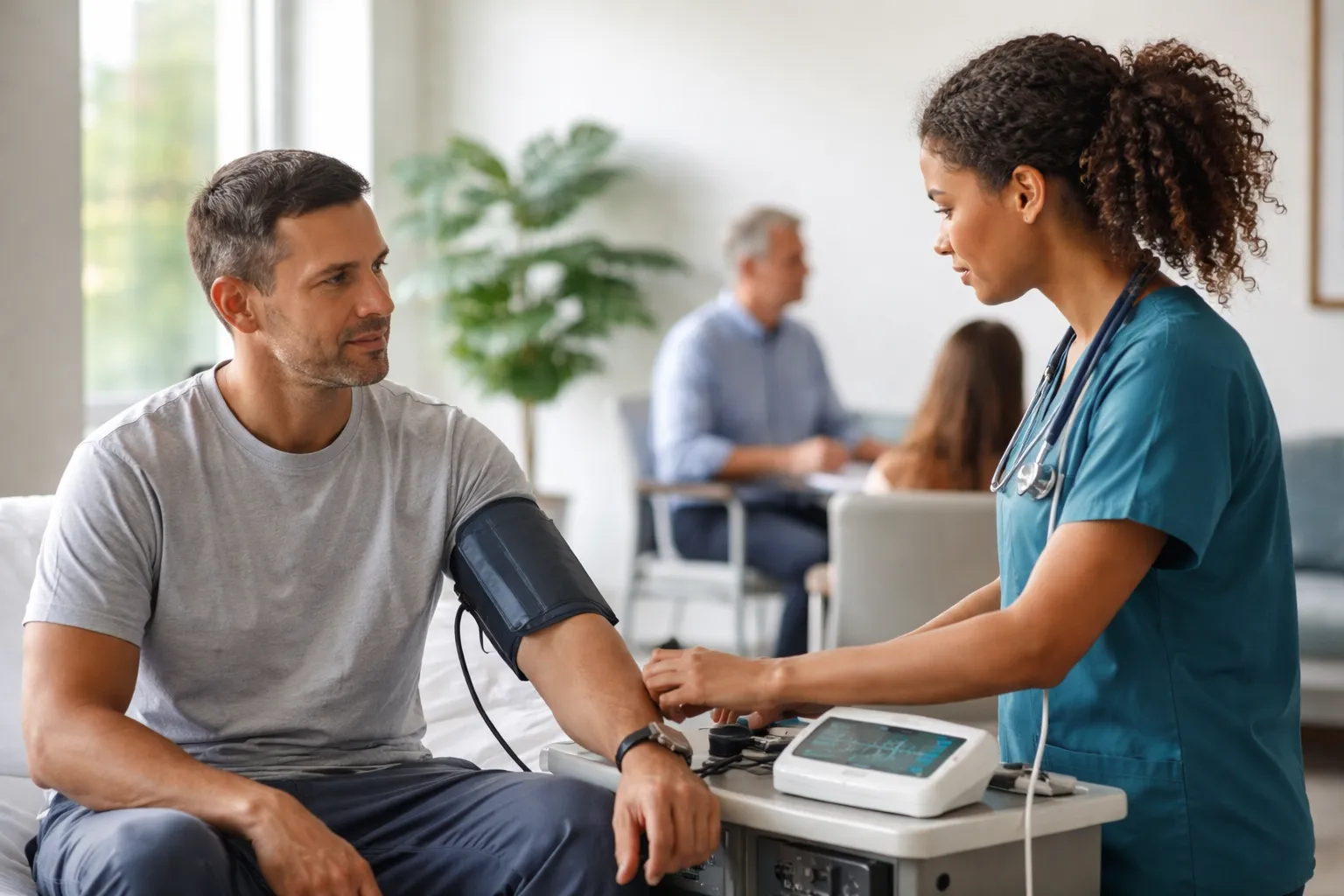
Medical detox begins with a clinical evaluation including recent alcohol use history, past withdrawal complications, vital signs, and basic laboratory tests as indicated. Patients may receive:
- Benzodiazepines for symptom control and seizure prevention. Benzodiazepines remain the standard medication class for treating acute alcohol withdrawal when medication is required. (niaaa.nih.gov)
- Thiamine supplementation to reduce the risk of Wernicke encephalopathy when nutritional deficiency is suspected. (niaaa.nih.gov)
- Monitoring for complications such as infection, electrolyte imbalance, or concurrent drug intoxication. (library.samhsa.gov)
After acute withdrawal is managed, clinicians will discuss ongoing treatment for alcohol use disorder, including counseling and medications approved for relapse prevention when appropriate. Shared decision making with a clinician guides which medications or psychosocial services are offered. SAMHSA medication guide for alcohol use disorder. (store.samhsa.gov)
Safety callout
If someone has seizures, severe confusion, difficulty breathing, fainting, or other life threatening symptoms, call 911 immediately. For mental health or suicide crisis support in the United States, call or text 988 for the Suicide and Crisis Lifeline. This article is general education, not personalized medical advice. Placement and medication decisions require evaluation by a qualified clinician.
Frequently asked questions
Can I stop drinking at home safely?
Some people with mild withdrawal symptoms and strong support can safely stop with outpatient medical supervision, if a clinician confirms it is appropriate. Anyone with prior seizures, delirium tremens, unstable medical problems, or heavy daily drinking should not try unsupervised home detox. Clinical assessment is required. (asam.org)
Are medications used during detox addictive?
Benzodiazepines are used short term to manage acute withdrawal and prevent seizures. Their use is time limited and occurs under clinical supervision during detox. Long term treatment for alcohol use disorder usually involves nonaddictive medications when appropriate. Discuss risks and benefits with your prescribing clinician. (niaaa.nih.gov)
How do I find a licensed outpatient detox program in New Jersey?
New Jersey maintains directories and centralized help lines, including ReachNJ, that connect residents to licensed treatment providers and outpatient detox services. State rules require outpatient detox programs to follow ASAM criteria and maintain appropriate policies. ReachNJ, New Jersey outpatient detox standards. (nj.gov)
Next steps and resources
If you or a family member is preparing to stop drinking, contact a qualified clinician for an assessment that includes recent drinking pattern, past withdrawal history, and medical risks. For New Jersey residents, ReachNJ can offer referrals and initial guidance. If you prefer to contact an outpatient provider directly, you can review local services and treatment types, or request a confidential assessment. See our pages on treatments, locations, and contact the admissions team for help arranging an evaluation.
Sources
- ASAM Clinical Practice Guideline on Alcohol Withdrawal Management, 2020. (asam.org)
- SAMHSA, Detoxification and Substance Abuse Treatment. (library.samhsa.gov)
- NIAAA, Alcohol Use Disorder: From Risk to Diagnosis to Recovery. (niaaa.nih.gov)
- New Jersey Administrative Code, standards for outpatient detox. (law.cornell.edu)
- ReachNJ, New Jersey centralized call-in line for substance use services. (nj.gov)
- MedlinePlus, Alcohol withdrawal. (medlineplus.gov)
For immediate help request a confidential assessment or speak with the admissions team to discuss appropriate next steps for alcohol detox in New Jersey. A clinician will review your history and recommend the safest placement without pressure.