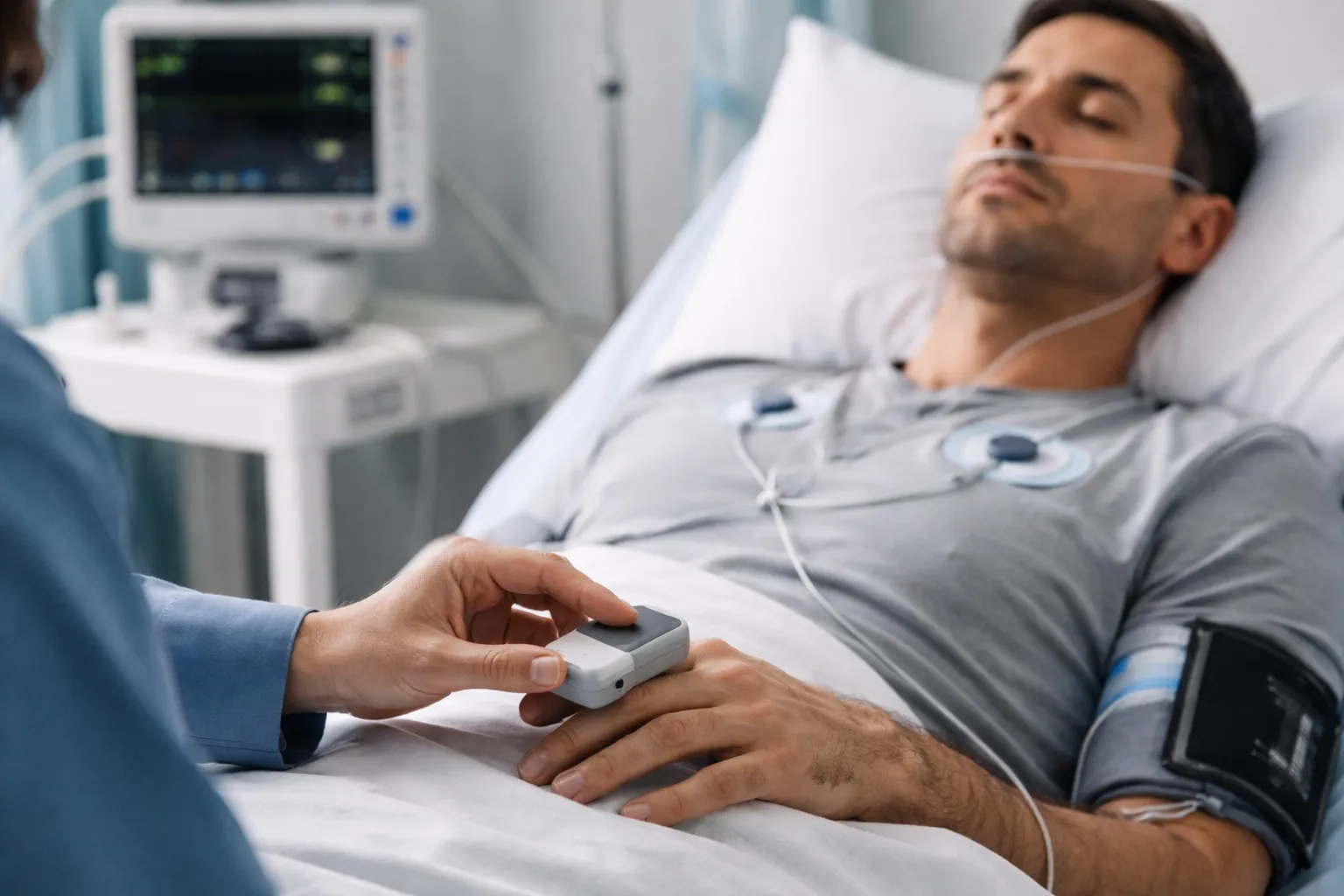
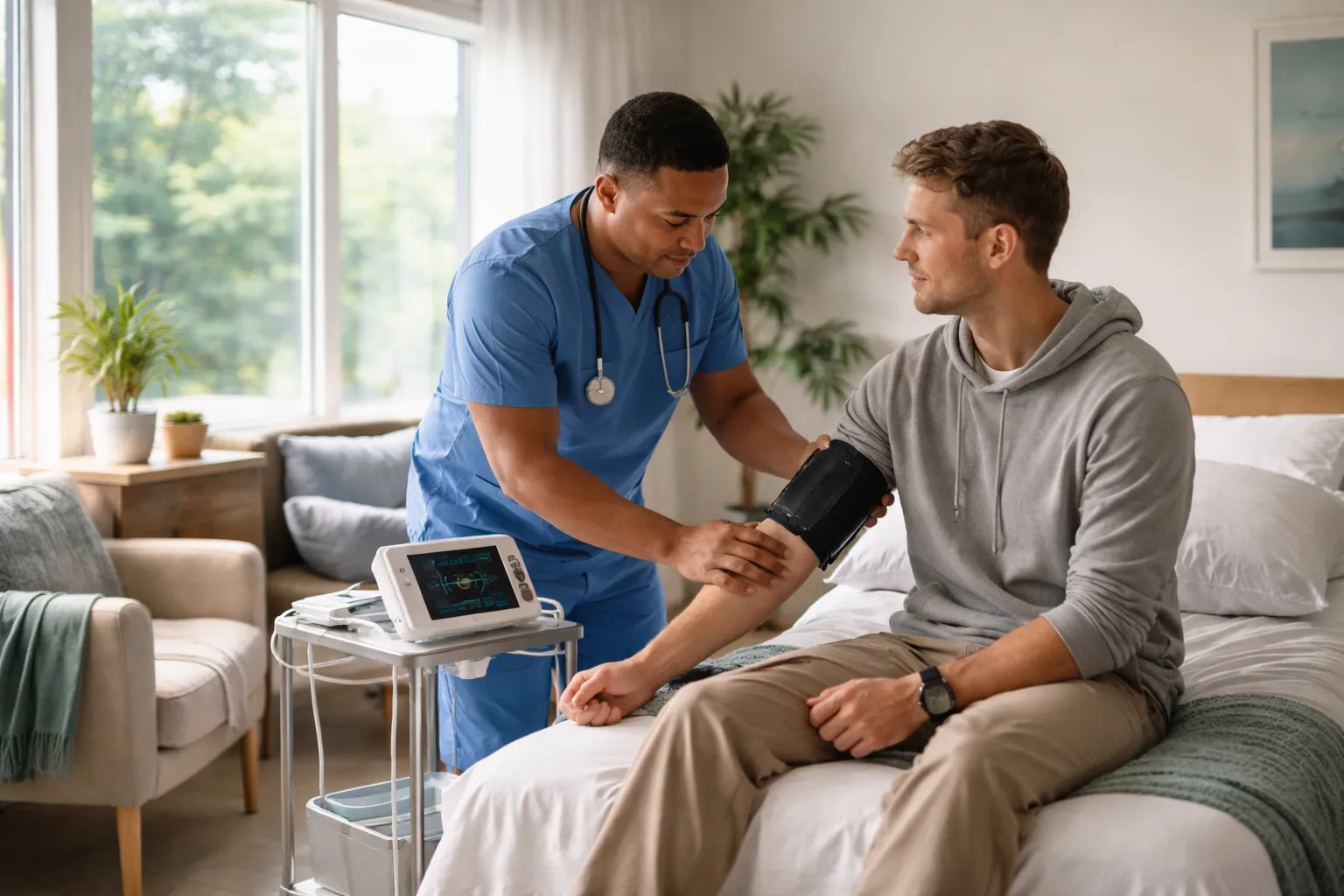
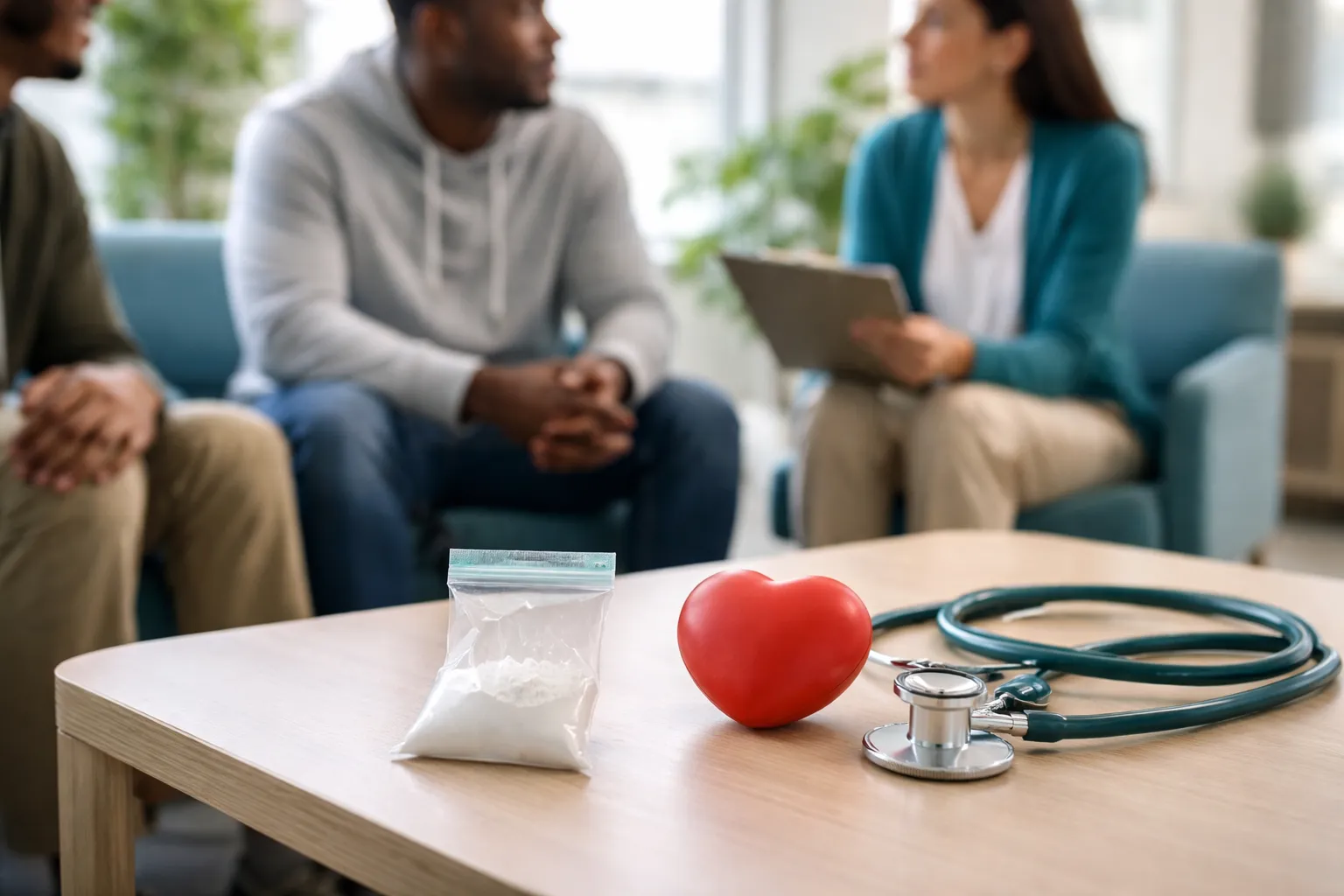
When someone in your family is seeking help for substance use, family involvement can improve engagement, safety, and outcomes. This article explains how family members can offer practical support, when to get emergency help, and how to find family-focused services in New Jersey.
Table of Contents
ToggleWhy family involvement matters
Family members are often the first to notice changes and the key source of emotional and practical support. Research shows family-based approaches can reduce substance use and improve family functioning for adolescents and adults, and targeted family strategies can engage people who otherwise avoid treatment. Family involvement also helps with safety planning, follow-through on appointments, and medication adherence when needed. For practical guidance and caregiver resources, see the federal family support pages. SAMHSA family resources.
Practical ways families can help
Below are actions family members can take while respecting the individual s autonomy and privacy. Not every step is appropriate for every situation. Placement, detox, and medication choices require evaluation by a qualified clinician.
Immediate practical supports
- Offer nonjudgmental listening and express concern calmly, avoiding threats or public shaming.
- Help with scheduling appointments, arranging transportation, and attending intake visits if the person consents.
- Learn about local services and insurance navigation, or encourage use of national finding tools such as FindTreatment.gov via SAMHSA (see SAMHSA family pages).
Behavioral supports
- Encourage participation in outpatient programs or evidence-based therapies, and offer to attend family sessions when appropriate.
- Use positive reinforcement for treatment attendance and safe behaviors rather than punishment alone.
- Set clear, consistent household rules and consequences that are explained kindly and followed reliably.
Family therapy and evidence
Multiple rigorous reviews and trials support family-involved interventions for substance use. Approaches include behavioral couples therapy, Multidimensional Family Therapy for adolescents, and Community Reinforcement and Family Training, or CRAFT, which helps concerned family members engage treatment-resistant individuals in care. Systematic reviews find family interventions can reduce substance use and improve relationships and functioning. For summaries of the evidence, see the Community Reinforcement approaches and recent family therapy reviews. CRAFT pilot and materials, and a recent evidence update on family and couple therapies (peer reviewed).
Supporting treatment and medications
Decisions about level of care and medication require individualized assessment using accepted clinical criteria. The American Society of Addiction Medicine provides the recommended multidimensional assessment framework clinicians use to match a person to the appropriate level of care. Families should not make placement or medication changes without a clinician s guidance. ASAM Criteria information.
Medications for opioid use disorder
If opioid use disorder is present, medications are the standard of care and are most effective when combined with counseling. The main FDA approved medicines are methadone, buprenorphine, and naltrexone. Families can help by learning about these options, encouraging continuity of medication, and discussing concerns with the treatment team. For an authoritative overview, see NIDA s guidance on medications for opioid use disorder. NIDA medications overview.
Harm reduction and safety
Safety planning is one of the most important ways a family can help. Prepare for emergencies, reduce risks at home, and learn life saving steps.
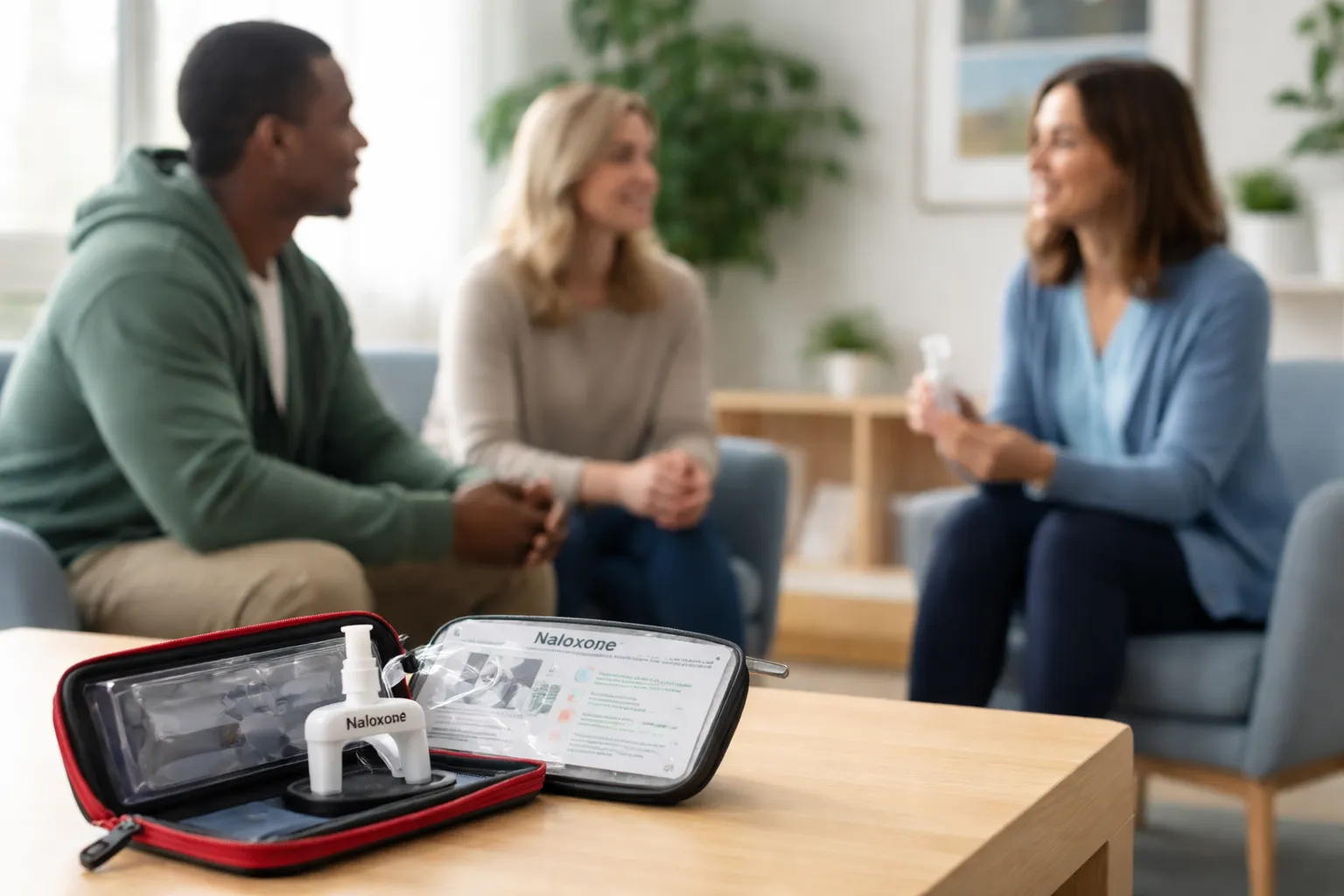
- Naloxone: Learn how to recognize an opioid overdose and keep naloxone available if there is opioid use. Naloxone is safe and effective at reversing opioid overdose. Training and kits are often available through public health programs. CDC naloxone information.
- Emergency and crisis lines: In a medical emergency call 911. For mental health or suicide crisis support, call or text 988 or chat at 988lifeline.org for free, 24/7 support. SAMHSA crisis and 988 guidance.
- Safe storage: Secure medications and remove unused pills or substances when possible, following public health guidance and local drug take-back options.
If someone is unresponsive, not breathing, or having a medical emergency, call 911 right away. If someone is in emotional crisis or having thoughts of self harm, call or text 988 immediately.
Communication and boundaries
Families often struggle to balance support and accountability. Helpful principles include clarity, consistency, compassion, and follow-through.
- Use short, specific requests, for example: “I will drive you to your appointment on Tuesday if you agree to check in afterwards.”
- Avoid enabling behaviors that unintentionally maintain substance use, such as paying for drugs or lying to cover for use.
- Consider family therapy or support groups for affected family members to reduce isolation and learn skills.
Quick decision table for families
| Situation | Immediate family action | When to involve professionals |
|---|---|---|
| Unresponsive or not breathing | Call 911, give naloxone if opioid overdose suspected, start rescue breathing/CPR | Always call 911 immediately |
| Suicidal thoughts or imminent harm | Stay with the person if safe, remove dangerous items, call or text 988 | Call 911 if immediate danger |
| Refuses treatment but family worried | Use motivational, nonpunitive approaches like CRAFT, seek family counseling | Contact a treatment provider or behavioral health professional for engagement strategies |
| Stable in outpatient care but at risk for relapse | Support appointments, encourage medication adherence, attend family sessions if invited | Coordinate with the treatment team and prescriber as needed |
Frequently asked questions
Can family members force someone into treatment in New Jersey?
Laws about involuntary treatment vary and involuntary civil commitment is limited and clinically specific. Placement and legal options should be discussed with a clinician or an attorney familiar with New Jersey law. The Division of Mental Health and Addiction Services lists state supported resources. NJ DMHAS resources.
Is family therapy covered by insurance?
Coverage depends on the plan and medical necessity. Many insurers cover behavioral health services when billed by credentialed providers. Families should check their plan and ask the treatment provider about billing and prior authorization.
What if my loved one is on medication for opioid use disorder and wants to stop?
Stopping medication should always be discussed with the prescribing clinician because abrupt discontinuation increases risk of relapse and overdose. Clinician supervised tapering and alternative plans are medical decisions that require assessment. See NIDA for guidance on medications for opioid use disorder. NIDA MOUD overview.
Sources
- SAMHSA family resources and caregiver guidance.
- Community Reinforcement and Family Training materials and pilot studies, PubMed Central.
- Couple and family therapy evidence update, peer reviewed.
- ASAM Criteria for assessment and placement.
- CDC naloxone and overdose reversal information.
- NJ Division of Mental Health and Addiction Services resources.
- NIDA overview of opioids and medications for opioid use disorder.
Next steps
This information is educational and not a substitute for medical assessment. Placement and medication decisions require evaluation by a qualified clinician. If you are in New Jersey and want to discuss programs, CNT Recovery offers outpatient detox and family-inclusive treatment services; see the treatments and locations pages for program details, or contact us to request a confidential assessment. If someone is in immediate danger call 911. For a mental health or suicide crisis, call or text 988 now.
If you would like help locating family therapy options, finding naloxone training, or preparing questions to bring to an intake appointment, contact the admissions team to request a confidential assessment or speak with a member of the team.