This article explains why benzodiazepine detox in New Jersey should be done with medical supervision, what outpatient detox programs offer, and how families can find care. This information is general education, not individualized medical advice. Placement and medication choices require assessment by a qualified clinician.
Table of Contents
ToggleWhy medical supervision matters
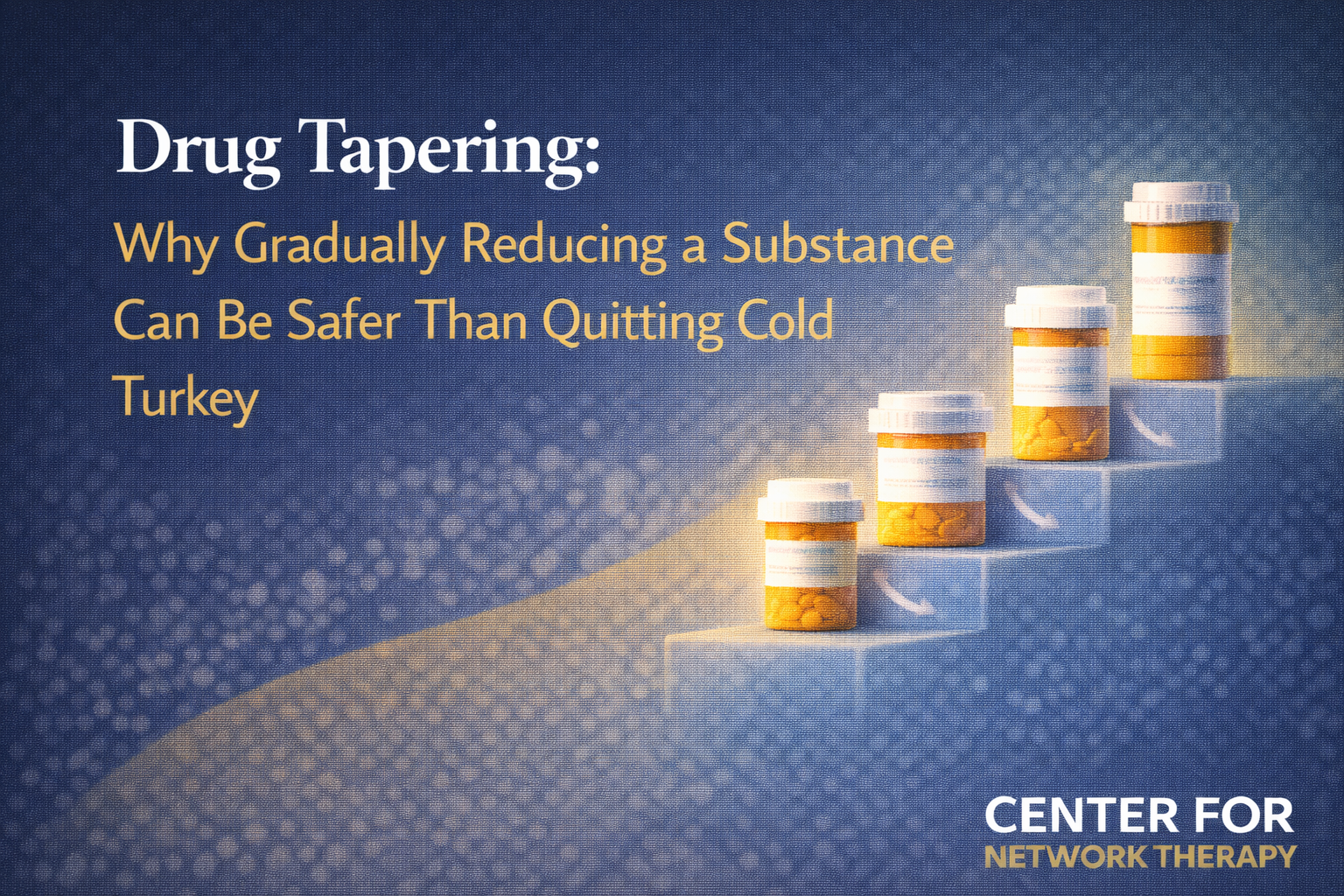
Benzodiazepines are central nervous system depressants commonly prescribed for anxiety, sleep problems, and seizures. Stopping benzodiazepines suddenly, or reducing the dose too quickly after weeks to months of regular use, can cause withdrawal that ranges from unpleasant to life threatening, including seizures, delirium, and prolonged psychological symptoms. For this reason clinical guidance emphasizes gradual, individualized tapering and close monitoring. The U.S. Food and Drug Administration advises against abrupt discontinuation and recommends patient specific tapers and frequent follow-up.
Federal and specialty guidance also notes that benzodiazepine harms are often greatest when combined with other sedating substances, for example opioids or alcohol, increasing the risk of respiratory depression and death. Careful medication management and clinician oversight reduce these risks. FDA safety information highlights these combinations as a major safety concern.
U.S. and international expert groups now provide detailed tapering recommendations emphasizing a patient centered, slow approach. The 2025 Joint Clinical Practice Guideline on Benzodiazepine Tapering recommends starting with small reductions and adjusting the schedule based on each person’s response, for example a 5 to 10 percent reduction of the total daily dose every 2 to 4 weeks in many patients. Clinical teams should be prepared to slow or pause a taper when withdrawal symptoms occur. The Joint Guideline is a primary source for contemporary tapering best practices.
What to expect from outpatient benzodiazepine detox
Initial assessment
A clinician will review the medication name, dose, how long the medication has been taken, other medicines, medical history, and any prior withdrawal problems. This assessment determines whether outpatient tapering is appropriate, or whether a higher level of care is needed. SAMHSA guidance on detoxification stresses that benzodiazepine withdrawal should not be attempted without medical oversight.
Individualized taper plan
There is no single taper schedule for everyone. A safe outpatient taper is individualized by the prescriber and may involve switching a short acting benzodiazepine to a longer acting agent, then reducing the equivalent dose slowly. The Joint Guideline and FDA both recommend a patient specific taper and warn that some people need very gradual reductions over months. Joint Clinical Practice Guideline, FDA.
Monitoring and support
- Regular follow-up visits or virtual check ins to assess symptoms and safety.
- Medication adjustments if withdrawal becomes severe.
- Coordination with primary care, mental health, or addiction specialists as needed.
- Behavioral interventions such as cognitive behavioral therapy for anxiety or insomnia may be offered to reduce relapse risk.
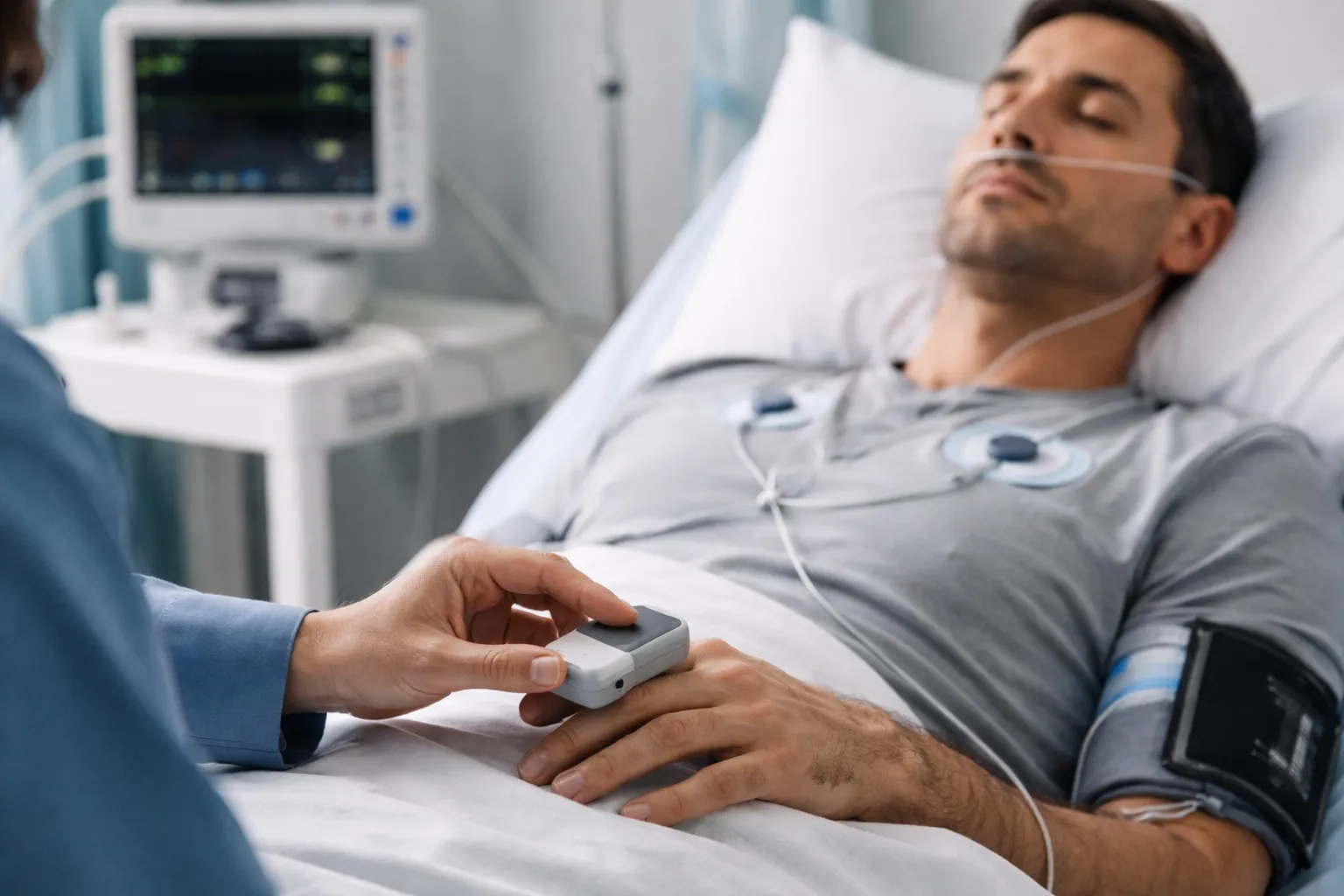
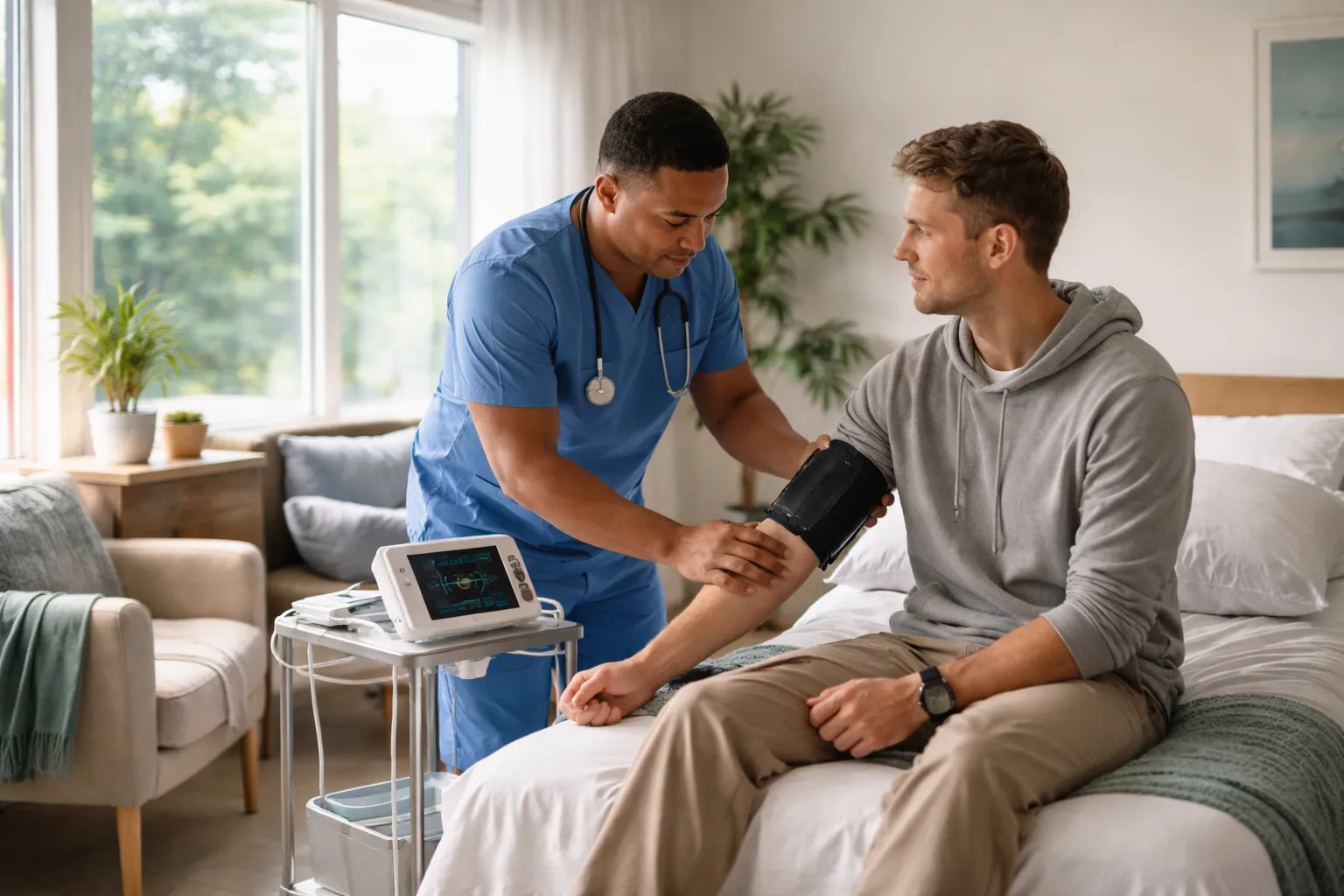
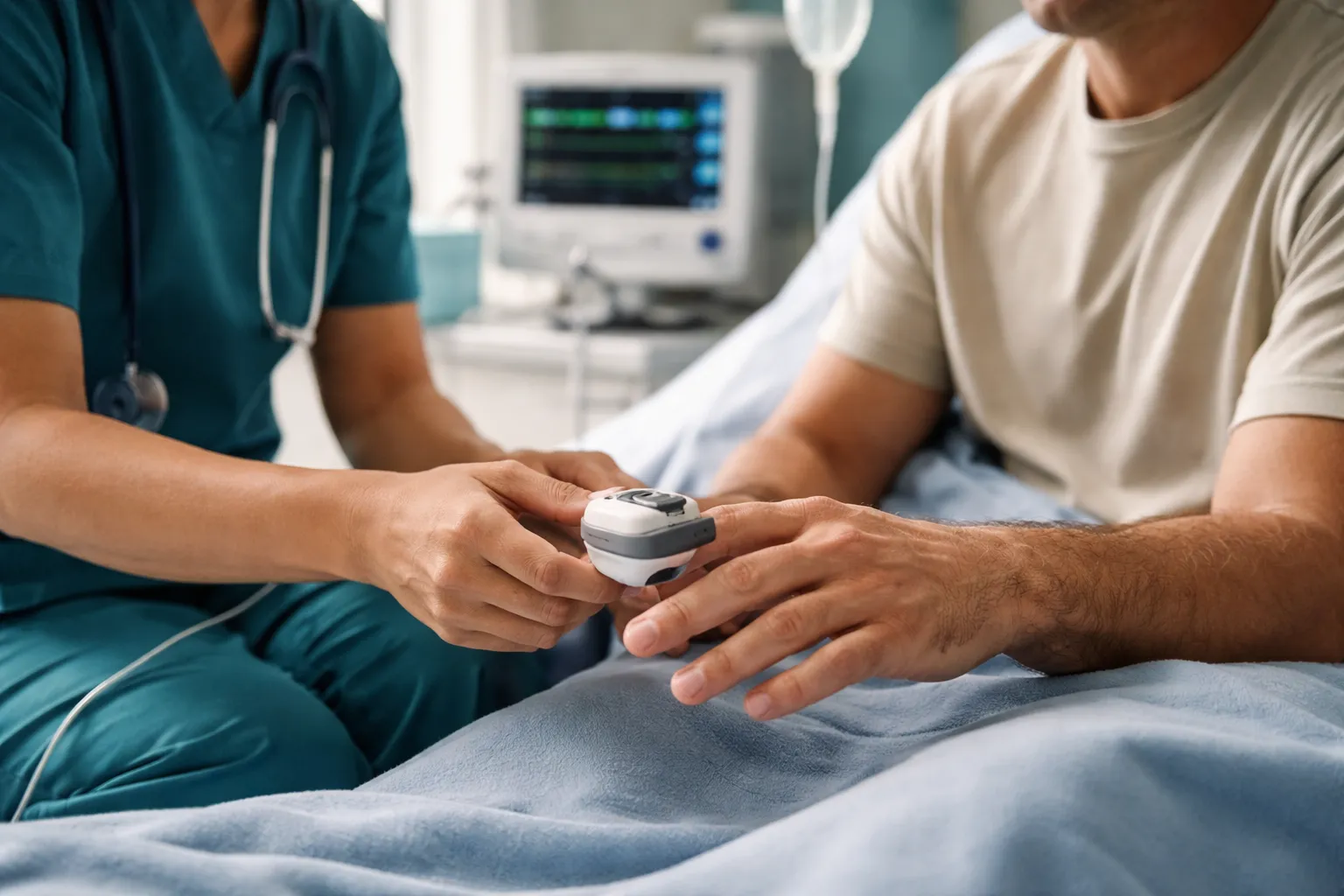
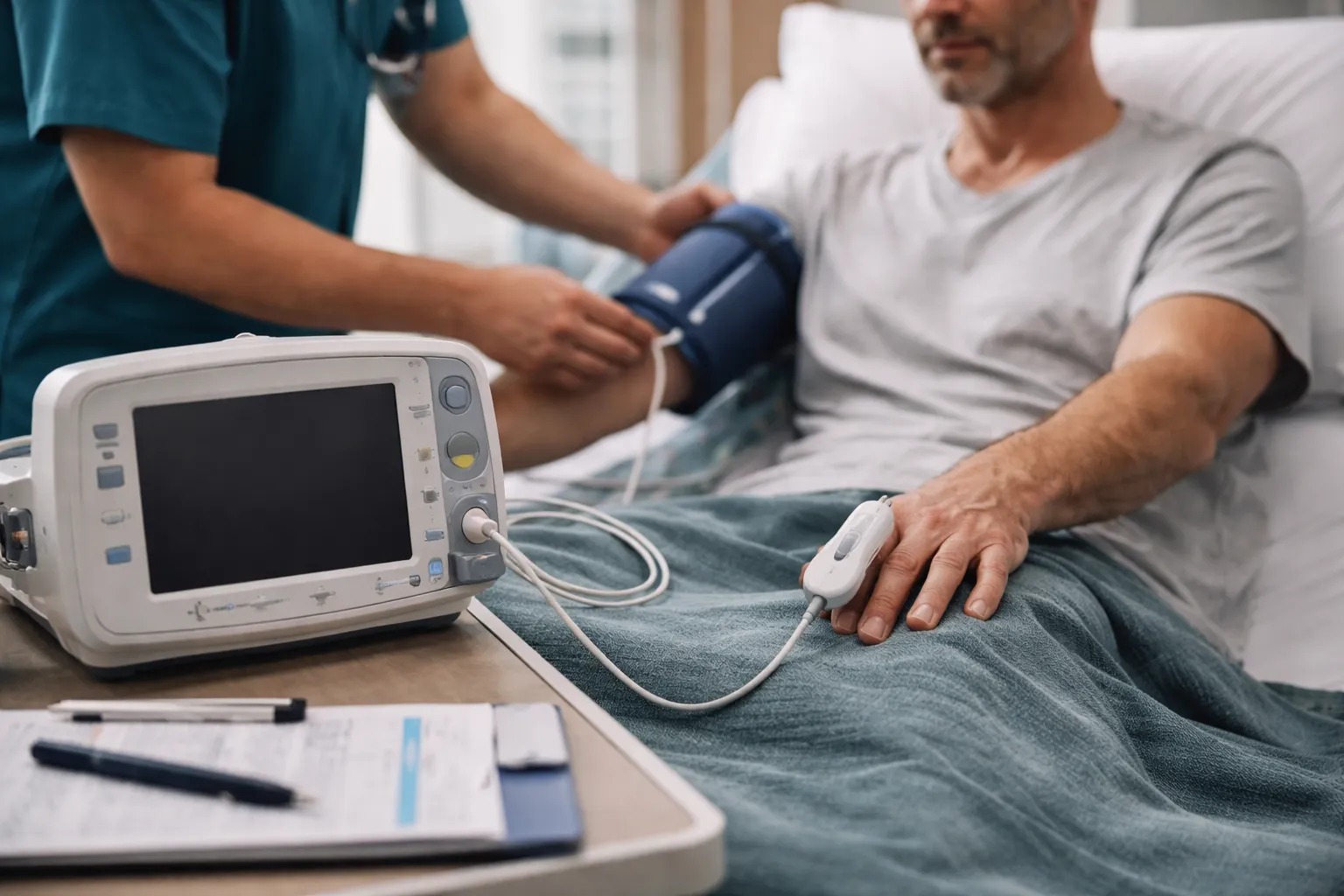
SAMHSA notes that medically supervised detoxification includes assessment, monitoring of vital signs, and contingency plans for medical complications. SAMHSA TIP 45 provides operational guidance for programs providing detox services.
When inpatient or higher intensity care is recommended
Some people are better served in inpatient or medically monitored settings rather than outpatient detox. Consider higher level care if:
- There is a history of benzodiazepine withdrawal seizures or severe withdrawal reactions. FDA.
- There is regular heavy use of other sedating substances, such as opioids or alcohol, or evidence of unstable medical or psychiatric illness. FDA.
- The person cannot reliably follow an outpatient plan, or lacks safe housing or social supports.
- Clinician judgment identifies imminently elevated medical risk that cannot be managed safely in outpatient care.
New Jersey outpatient detox programs must operate under state rules and evaluate patients using accepted placement criteria such as ASAM levels for detox, which helps determine whether outpatient Level I-D or a higher level is appropriate. See New Jersey administrative standards for outpatient detox services. N.J. Admin. Code § 10:161B-12.1.
| Approach | Typical setting | When chosen | Pros and limitations |
|---|---|---|---|
| Outpatient medically supervised taper | Clinic visits, telehealth | Stable home, no seizure history, good supports | Least disruptive, individualized, requires reliable follow-up |
| Medically monitored inpatient detox | Hospital or residential unit | Seizure history, unstable medical or psychiatric illness, polysubstance risk | Higher safety for severe withdrawal, more resources, more costly |
| Primary care gradual reduction | Primary care office | Mild dependence, low risk, supportive PCP | Accessible, but may need specialist backup if problems arise |
| No supervision, abrupt stop | At home | Not recommended | High risk of severe withdrawal, including seizures and death |
Safety callout
If you or someone you know is thinking about suicide or is in a mental health crisis, call or text 988 for the Suicide and Crisis Lifeline. For benzodiazepine withdrawal symptoms that are severe, including seizures, difficulty breathing, or marked confusion, seek emergency care immediately. New Jersey Department of Health guidance also stresses rapid re-connection to care when prescriptions are abruptly interrupted.
Frequently asked questions
Can I stop taking benzodiazepines on my own?
Stopping without medical guidance can be risky. National guidance recommends individualized, medically supervised tapering rather than abrupt cessation because of seizure and other risks. FDA.
How long does a taper take?
Taper length varies. Some people taper over weeks, others over many months, sometimes longer. The 2025 Joint Guideline describes common approaches and emphasizes tailoring the pace to the individual. Joint Guideline.
Will I be prescribed other medicines during detox?
Some clinicians use long acting benzodiazepines to stabilize dosing before reducing, or short term adjunctive medications for specific symptoms. Medication decisions depend on history, other medicines, and medical risks. All medication choices require clinician assessment. SAMHSA, Joint Guideline.
Sources
- FDA: Benzodiazepine boxed warning and safety information
- Joint Clinical Practice Guideline on Benzodiazepine Tapering, 2025 (PMC)
- SAMHSA TIP 45, Detoxification and Substance Abuse Treatment
- Trends in concurrent opioid and benzodiazepine prescriptions, Ann Intern Med 2016-2019 (CDC Stacks)
- New Jersey Department of Health: Health Alert on benzodiazepine and opioid withdrawal
- N.J. Admin. Code § 10:161B-12.1, outpatient detoxification services
Next steps and how to get help
If you or a loved one is taking benzodiazepines and you are concerned about dependence or withdrawal, the first step is a clinical assessment. Contact a licensed clinician who can review your medications, medical history, and supports, and who can recommend an appropriate setting. In New Jersey, outpatient detox programs follow state placement rules and may provide medically supervised tapers when appropriate. Find local locations or review treatment options for substance use and co-occurring disorders at our treatments page.
If you want immediate assistance or a confidential conversation about a possible assessment, please contact our admissions team. A confidential assessment can clarify whether outpatient benzodiazepine detox in New Jersey is appropriate or whether a higher level of care is safer. We do not promise admission, coverage, or specific outcomes; we offer assessment and help connecting to clinically appropriate care.