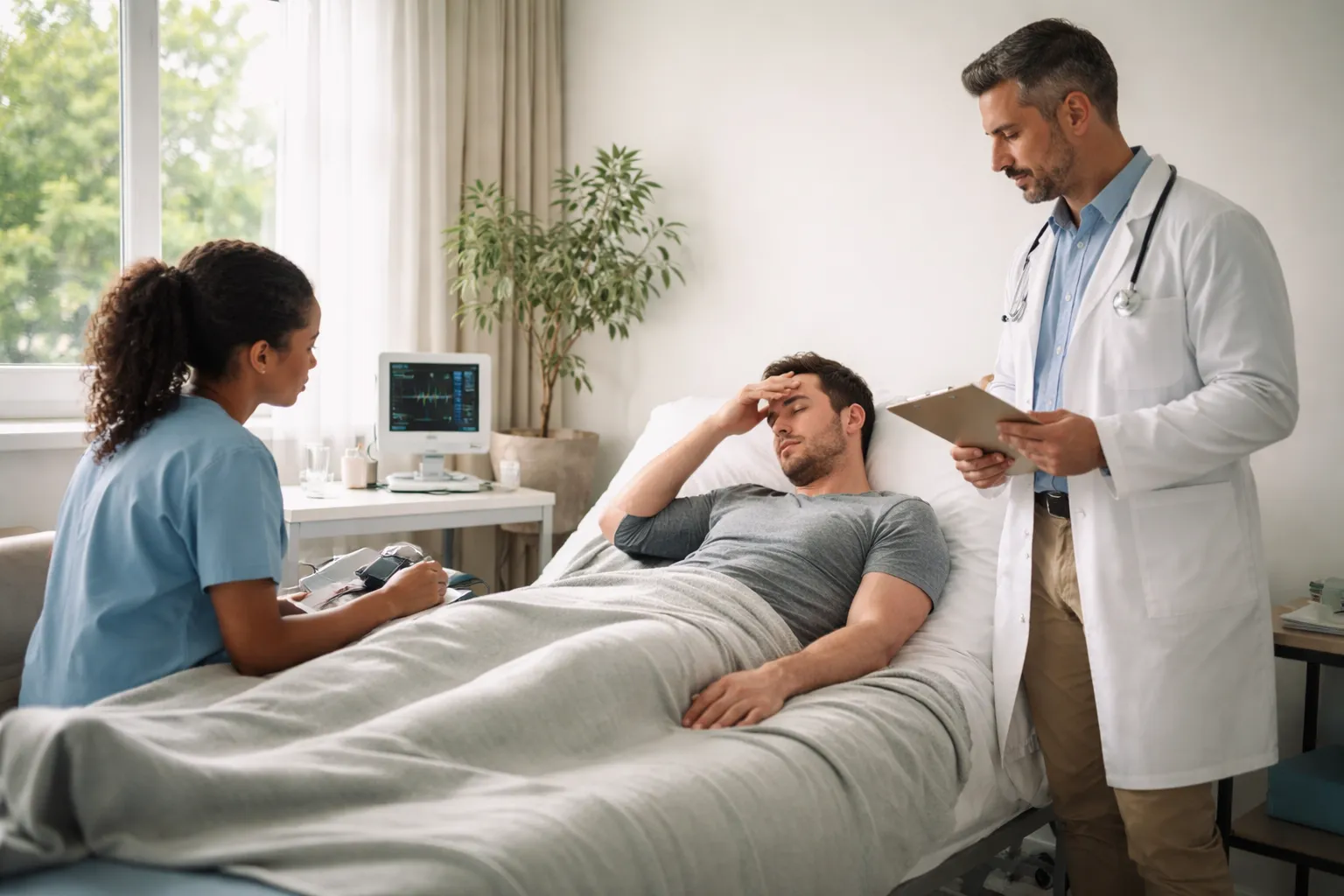
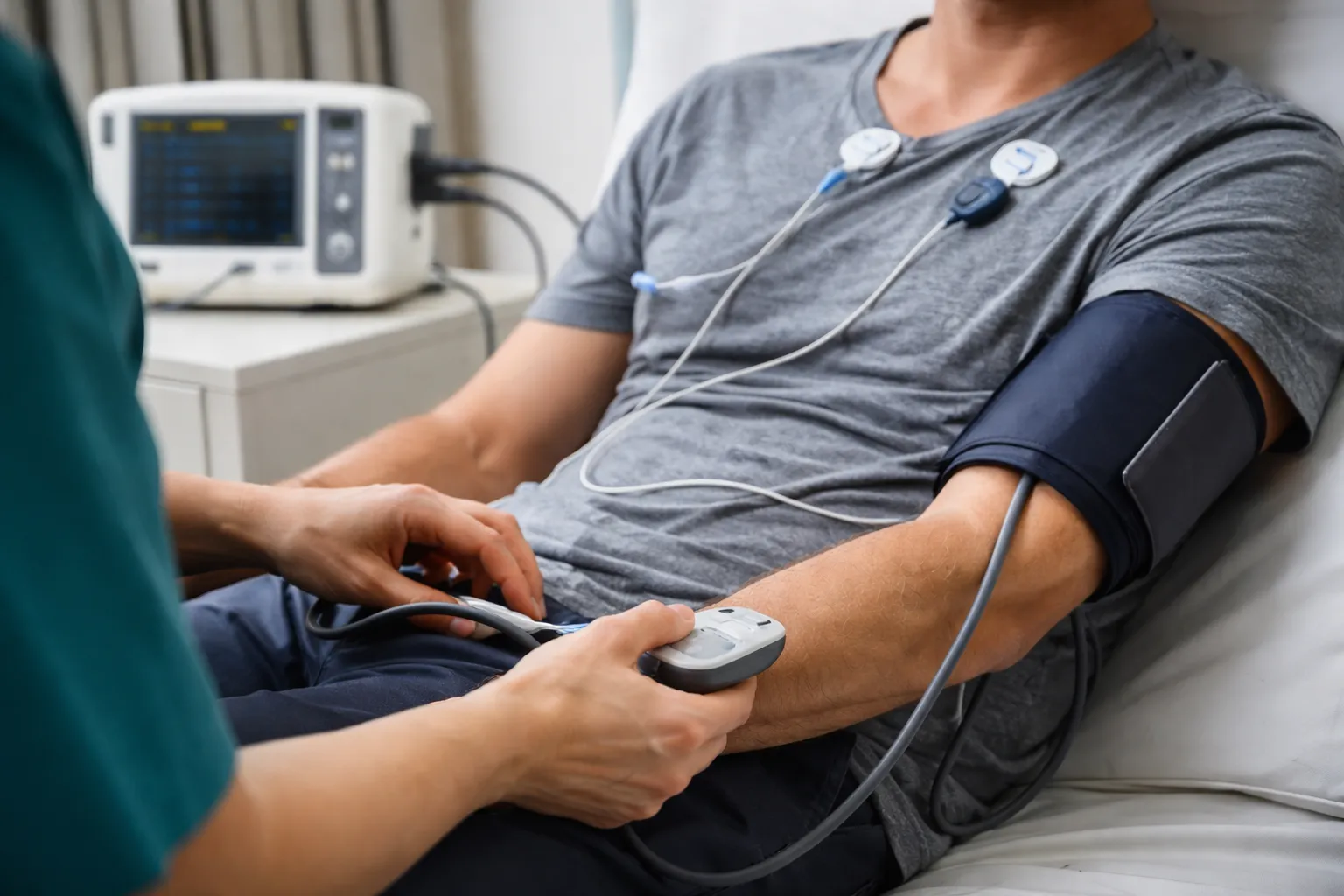
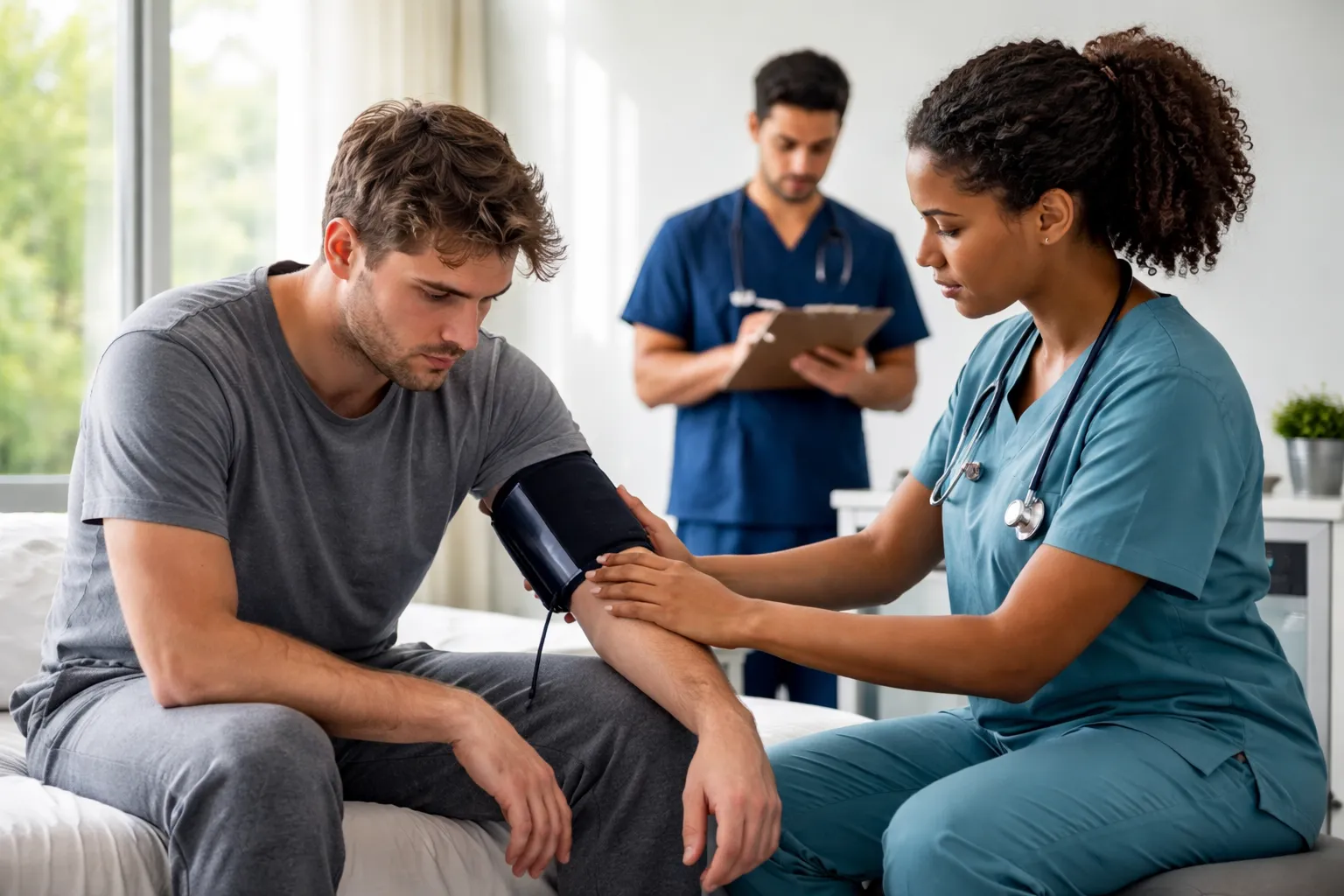
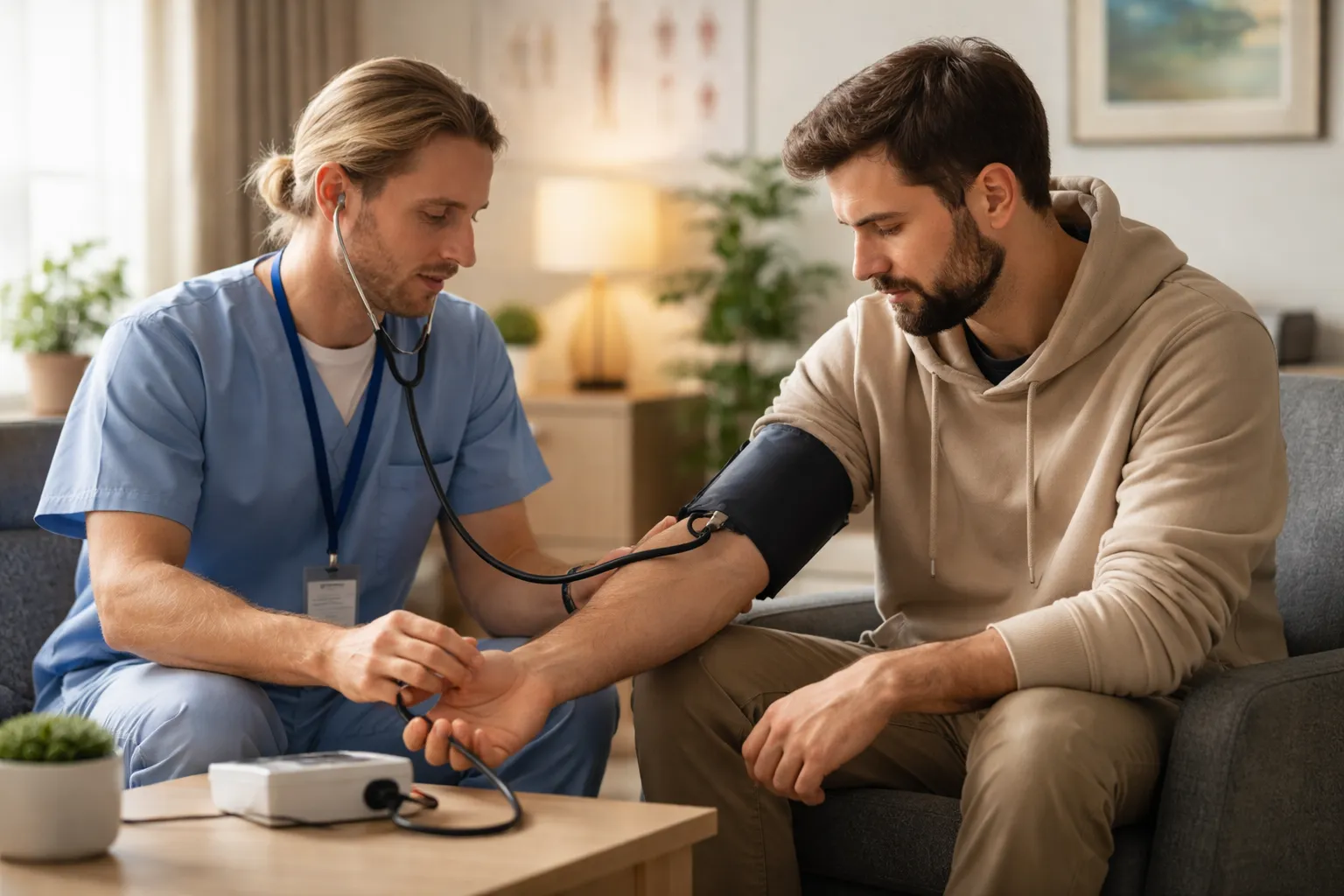
If you or a family member is considering oxycodone detox in New Jersey, it helps to know what withdrawal can look like, which medical options reduce risk, and how outpatient programs typically plan safe care. This article gives clear, evidence based guidance to help you ask the right questions and reach a qualified clinician for assessment.
Table of Contents
ToggleWhy planning matters
Unsupervised, abrupt cessation of oxycodone can cause uncomfortable and sometimes dangerous withdrawal symptoms, and returning to opioid use after detox raises the risk of accidental overdose. For most people with opioid dependence, medication and a care plan reduce those risks and improve outcomes. Clinical guidelines and public health agencies recommend that withdrawal care be managed by clinicians who can offer medications and follow up care when appropriate. (cdc.gov)
What to expect during withdrawal
Oxycodone is a short acting semi synthetic opioid. With short acting opioids, withdrawal symptoms often begin within about 8 to 24 hours after the last dose, typically peak around 36 to 72 hours, and gradually ease over several days. Symptoms commonly include anxiety, muscle aches, runny nose, excessive yawning, sweating, abdominal cramping, nausea, diarrhea, poor sleep, and strong drug craving. Severity and timing vary by dose, duration of use, other substances, medical conditions, and individual biology. (samhsa.gov)
Medical options during detox
Medications commonly used
Medications that reduce withdrawal severity or support treatment include:
- Buprenorphine, a partial opioid agonist, which can be started to reduce withdrawal and cravings when initiation is timed appropriately. (samhsa.gov)
- Methadone, a full opioid agonist provided through certified opioid treatment programs for withdrawal management and maintenance. (samhsa.gov)
- Naltrexone, an opioid antagonist used after full detoxification as a relapse prevention option for some patients. (fda.gov)
- Non opioid symptom medications, such as anti nausea agents, anti inflammatory pain relievers, and alpha 2 agonists like clonidine or lofexidine, for short term symptom relief. (doi.org)
Clinical guidelines emphasize that medication based treatment is the standard of care for opioid use disorder, and that medically supervised withdrawal alone, without a plan for ongoing medication when indicated, is associated with higher risk of return to use and overdose. Treatment choice and timing require assessment by a qualified clinician. (cdc.gov)
Comparing common care options
| Care option | Typical setting | Who it may suit | Key benefits and limits |
|---|---|---|---|
| Outpatient medically supervised withdrawal | Clinic visits, telehealth, or daily dosing at an office | Stable housing, low medical risk, reliable supports | Lower cost and less disruption, but requires reliable attendance and rapid access to higher care if needed |
| Opioid treatment program (OTP) detox/maintenance | Certified methadone clinics or OTPs | Moderate to high dependence, need for daily observed dosing | Highly structured, supports retention and overdose risk reduction, requires travel and program rules |
| Inpatient medically supervised detox | Hospital or residential detox unit | High medical or psychiatric risk, unstable environment, polysubstance withdrawal | Intensive medical monitoring, higher cost, short term focus |
This comparison is general. Placement decisions require a clinical assessment that takes medical history, mental health, social supports, and patient goals into account. (samhsa.gov)
Safety and overdose prevention
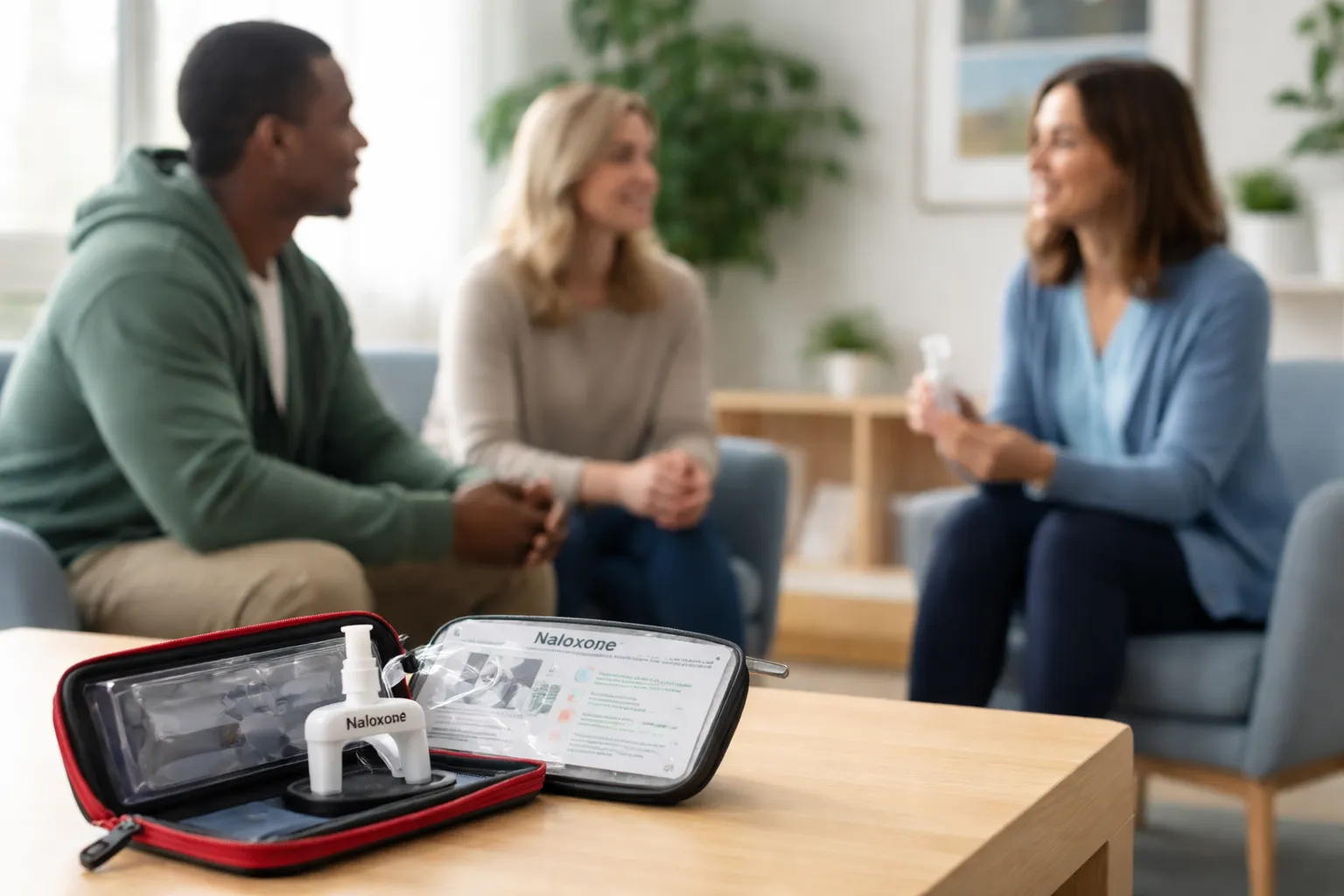
Key safety actions during and after detox include carrying or having naloxone available, having a written safety plan, avoiding solitary use, and linking quickly to ongoing treatment. In March 2023 the U.S. Food and Drug Administration approved the first over the counter naloxone nasal spray, increasing public access to this life saving medication. Naloxone can reverse an opioid overdose and should be used when breathing is slow or absent. (fda.gov)
Safety callout: If someone has slow or no breathing, turned blue, or is unresponsive, call 911 immediately. If you or someone is in a mental health or suicide crisis, call or text 988 for 24 hour support. These steps can save a life. (cdc.gov)
Finding care in New Jersey
New Jersey operates a state Division of Mental Health and Addiction Services that oversees licensed treatment services and a searchable treatment directory. Local outpatient detox and medication services vary by county; contacting the state directory or a local provider is the fastest way to check availability and whether a program offers buprenorphine, methadone, or medical supervision for withdrawal. (nj.gov)
If you are looking for outpatient treatment options offered by an established provider, see treatments, locations, and contact pages for program details and confidential assessments. For example, learn about treatment types here: Treatment options, find NJ locations here: Our locations, or reach an admissions team here: Contact us.
Frequently asked questions
Can I detox from oxycodone at home?
Some people try to taper at home, but unsupervised withdrawal can be unpredictable and increases risk of complications and return to use. Discuss home tapering only with a clinician who can advise on safety and whether medication treatment is recommended. (cdc.gov)
How soon can buprenorphine be started?
To avoid precipitated withdrawal, buprenorphine is usually started when there are objective signs of opioid withdrawal, commonly 12 to 24 hours after the last dose for short acting opioids. Exact timing is individualized and should be supervised by a clinician experienced with buprenorphine. (samhsa.gov)
Does detox mean I will be cured?
No. Detox manages physical dependence and short term symptoms. Long term treatment often includes medication, counseling, and supports tailored to the person. No one should promise a cure; treatment is an ongoing process that reduces risk and supports recovery goals. (cdc.gov)
Compassionate next steps
If you are considering oxycodone detox in New Jersey, here are practical next steps:
- Contact a licensed outpatient or OTP program to request a confidential assessment. Use the state directory or a local facility to confirm services. (nj.gov)
- Ask whether the program can offer medications for opioid withdrawal or link you to maintenance medication after detox. Discuss transport, family support, and any medical or psychiatric conditions that may change placement. (samhsa.gov)
- Obtain naloxone and a safety plan before, during, and after detox. Keep naloxone where others in your home can find it. (fda.gov)
- If you are in immediate danger or someone is unresponsive, call 911. For mental health crisis or suicide risk, call or text 988. (samhsa.gov)
Placement and medication decisions always require assessment by a qualified clinician. This article provides general education only, and is not individualized medical advice.
Sources
- CDC: Opioid Use Disorder, treating and overdose prevention. (cdc.gov)
- SAMHSA TIP 63: Medications for Opioid Use Disorder. (samhsa.gov)
- FDA: Information about medications for opioid use disorder. (fda.gov)
- FDA: Approves first over the counter naloxone nasal spray. (fda.gov)
- New Jersey Division of Mental Health and Addiction Services, substance use resources. (nj.gov)
- SAMHSA: 988 Suicide & Crisis Lifeline. (samhsa.gov)
Final invitation: If you would like a confidential assessment or to speak with an admissions specialist about outpatient detox options in New Jersey, please request a confidential assessment or call the admissions team. We can help explain local options, next steps, and how to arrange a safe, clinician supervised plan when appropriate.