Date: November 6, 2026
Table of Contents
ToggleWhy people try detox at home
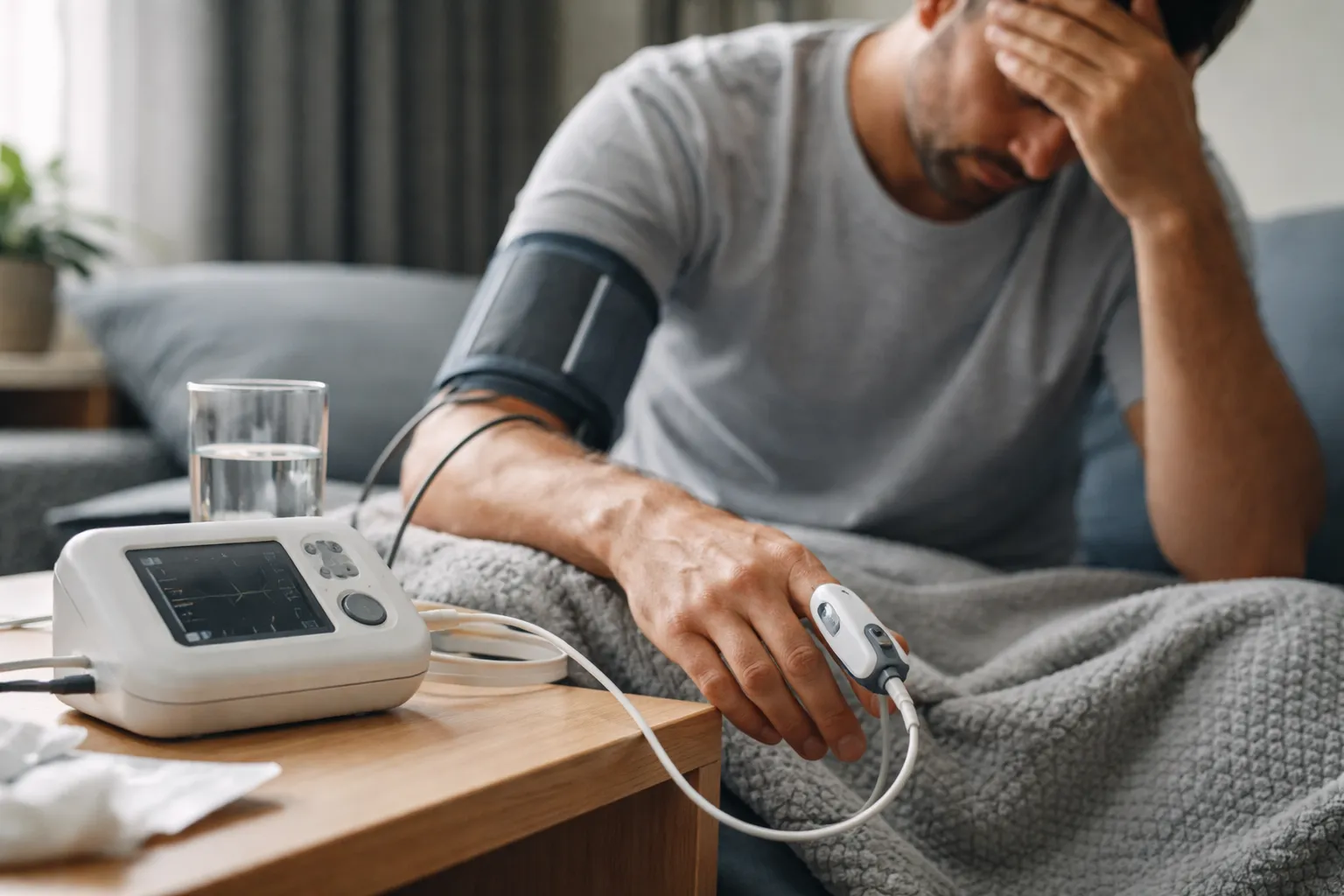
Many people try to stop drinking at home because they want privacy, to avoid cost, or because they believe they can manage symptoms themselves. For some with mild dependence, stopping in a safe home setting and using outpatient follow-up is reasonably effective, when done under a clinician
ssessment and with clear safety plans. However, choosing to stop drinking at home without medical evaluation may miss clinical risk factors that predict serious withdrawal. For context, up to half of people with alcohol use disorder experience some withdrawal symptoms when they stop drinking; a small but important proportion will develop severe, complicated withdrawal that requires medical care. (NIAAA)
Medical risks of home detox
Seizures
Alcohol withdrawal lowers the seizure threshold. Seizures typically occur 6 to 48 hours after the last drink and can be a single generalized tonic-clonic seizure or a series of seizures. Published reviews report seizure rates as high as about 15% among people who develop withdrawal, meaning seizures are a real and unpredictable threat. If a seizure happens at home without immediate medical support, there is risk of injury, aspiration, or cardiac complications. (PubMed review)
Alcohol withdrawal delirium (delirium tremens)
Delirium tremens, sometimes called DTs, is a severe form of withdrawal marked by confusion, hallucinations, fever, very fast heart rate, and unstable blood pressure. It most often begins 48 to 96 hours after the last drink and can last several days. Estimates vary, but DTs may occur in a few percent of people who are withdrawing; left untreated historically it has carried very high mortality. Modern, prompt medical treatment reduces the risk of death substantially. (NIH/NLM) (ASAM guideline)
Cardiovascular and metabolic instability
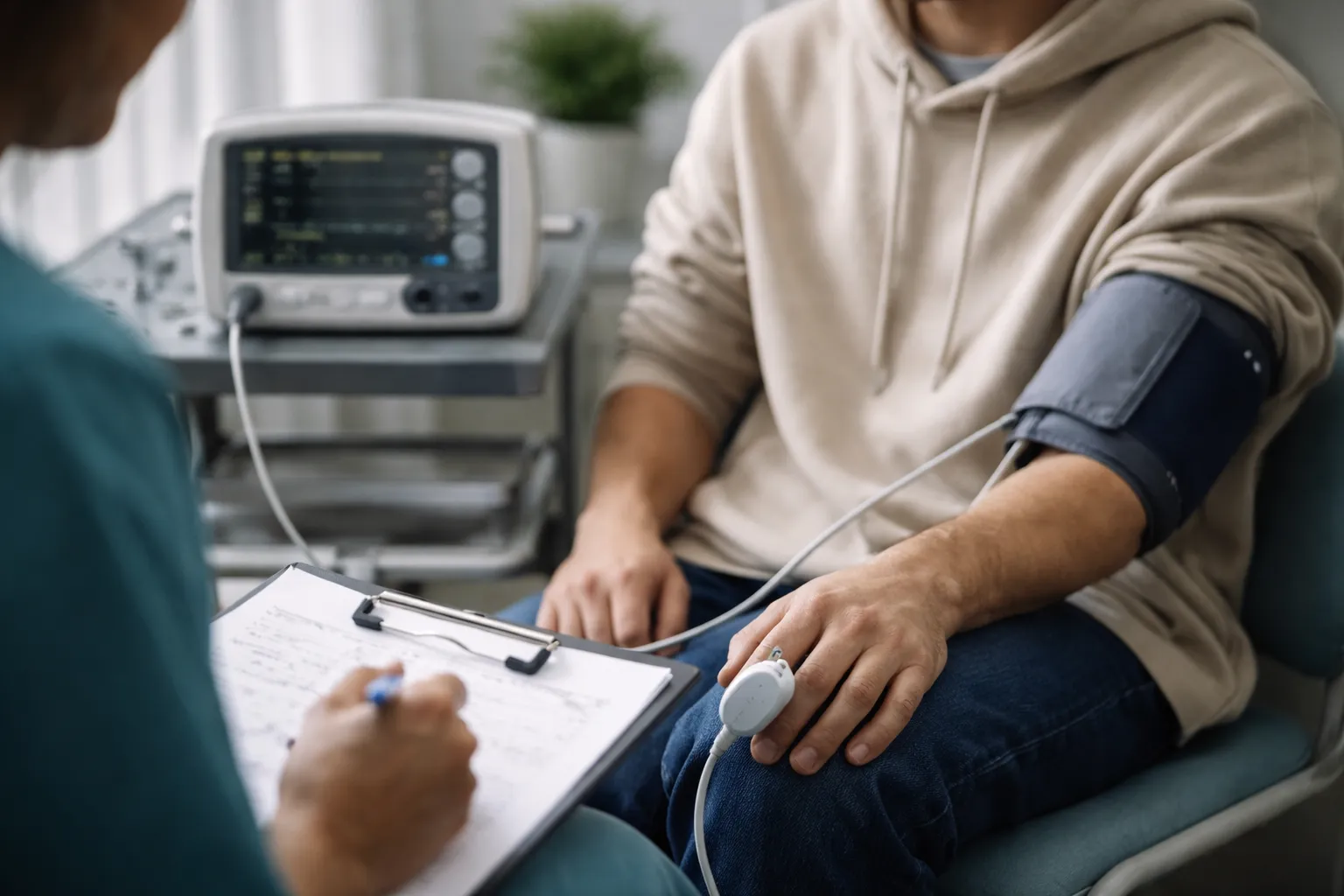
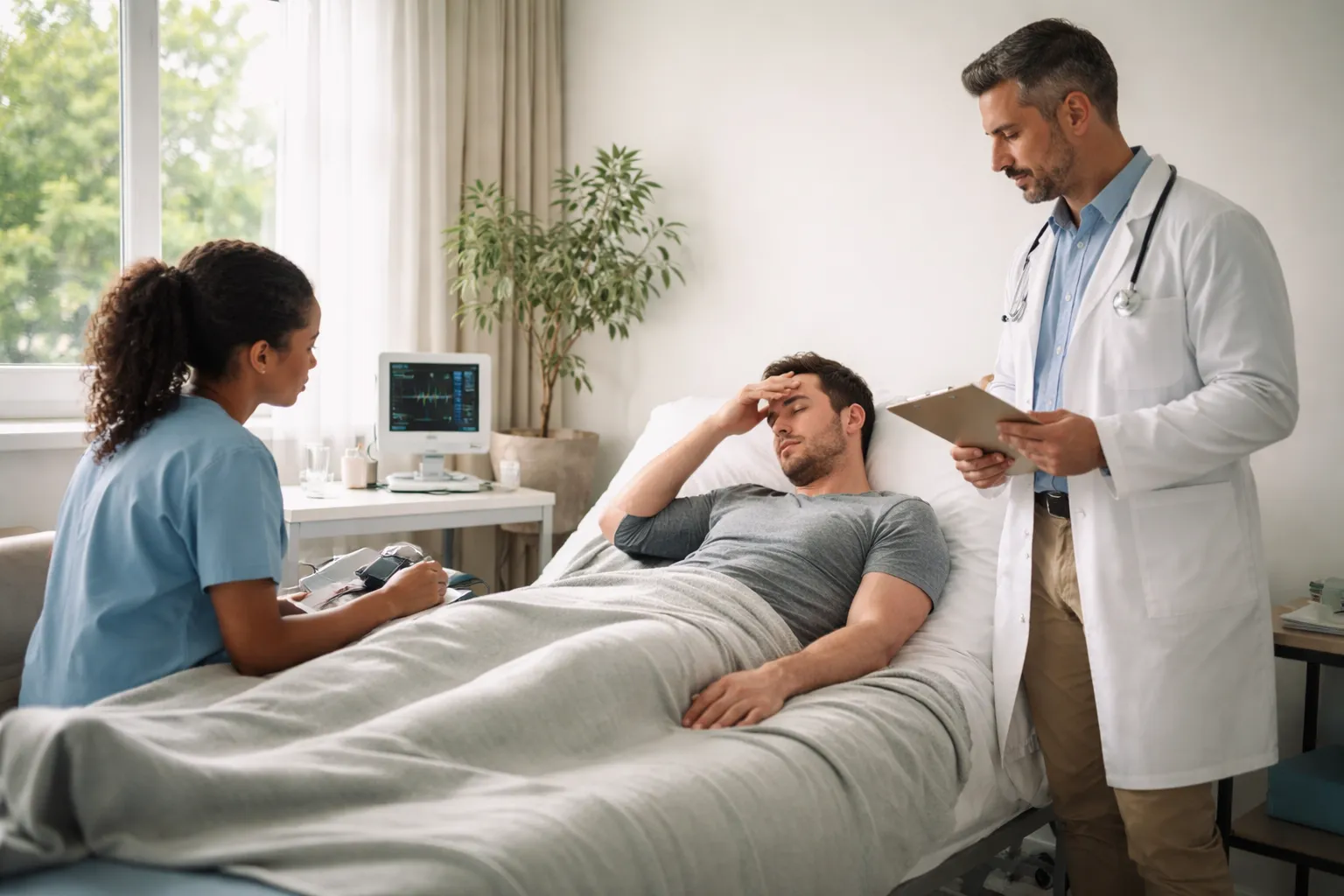
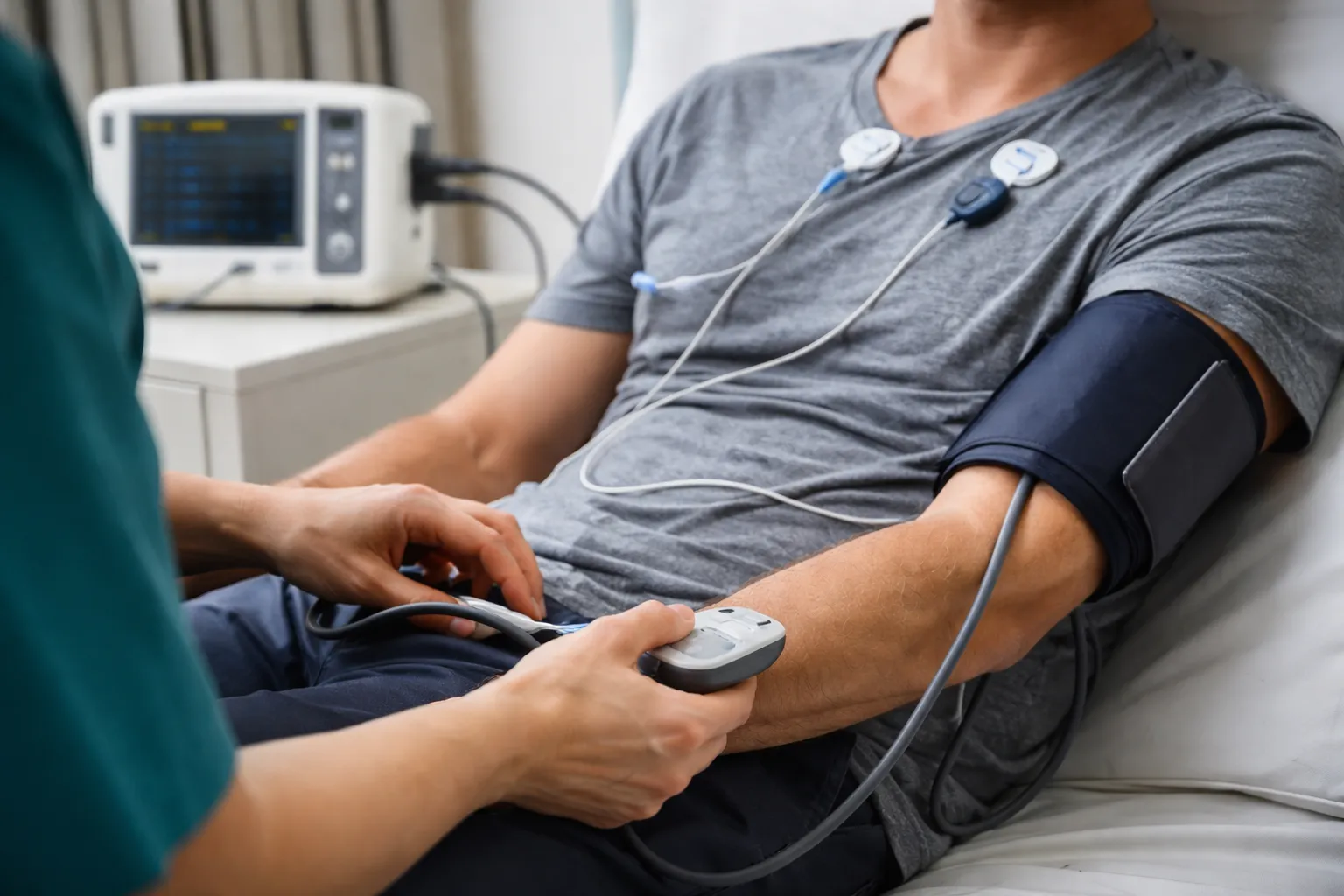
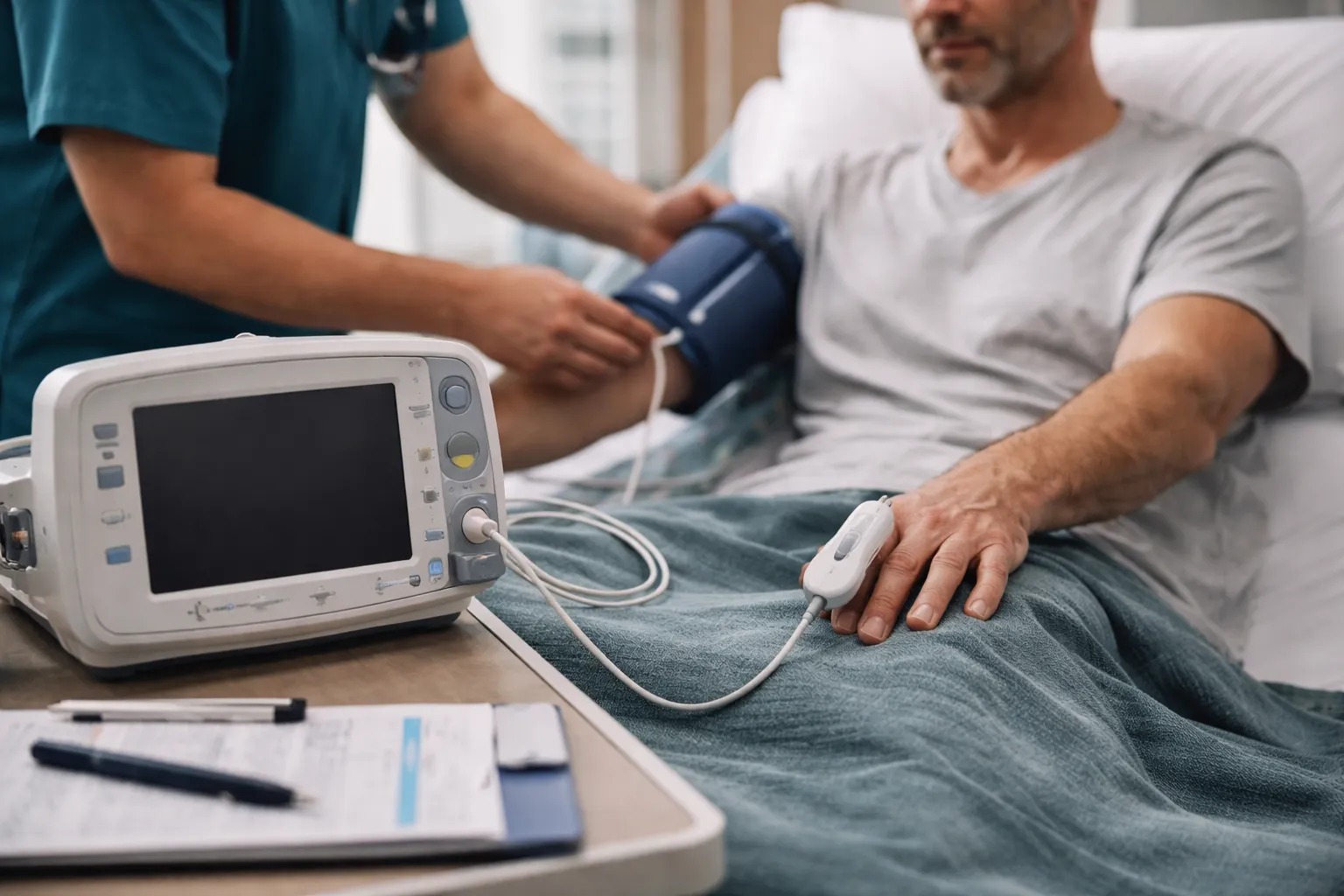
Severe withdrawal produces autonomic hyperactivity: high blood pressure, rapid heart rate, fever, and dehydration. These changes can worsen heart disease, precipitate arrhythmias, or cause organ stress in people with liver disease, diabetes, or other conditions. Home settings usually lack the monitoring needed to detect and treat such instability quickly. (BMJ Best Practice)
Complicated co-occurring conditions and medication interactions
People who stop drinking at home may be on other medications (for example opioids, sedatives, or certain psychiatric medicines) or have infections or metabolic problems that make withdrawal more dangerous. Medication adjustments, intravenous fluids, thiamine replacement, and supervised benzodiazepine dosing are often needed for safe management. (ASAM guideline)
Who is at higher risk when detoxing at home?
- History of prior withdrawal seizures or delirium tremens. (PubMed)
- Very heavy or prolonged alcohol use, or daily high intake. (NIAAA)
- Older age, serious heart, lung, liver, or kidney disease. (ASAM)
- Concurrent use of other central nervous system depressants, including benzodiazepines or opioids. (ASAM)
- Limited social supports or inability to reliably follow a treatment plan. (AAFP: outpatient management review)
Safe options and when to seek medical detox
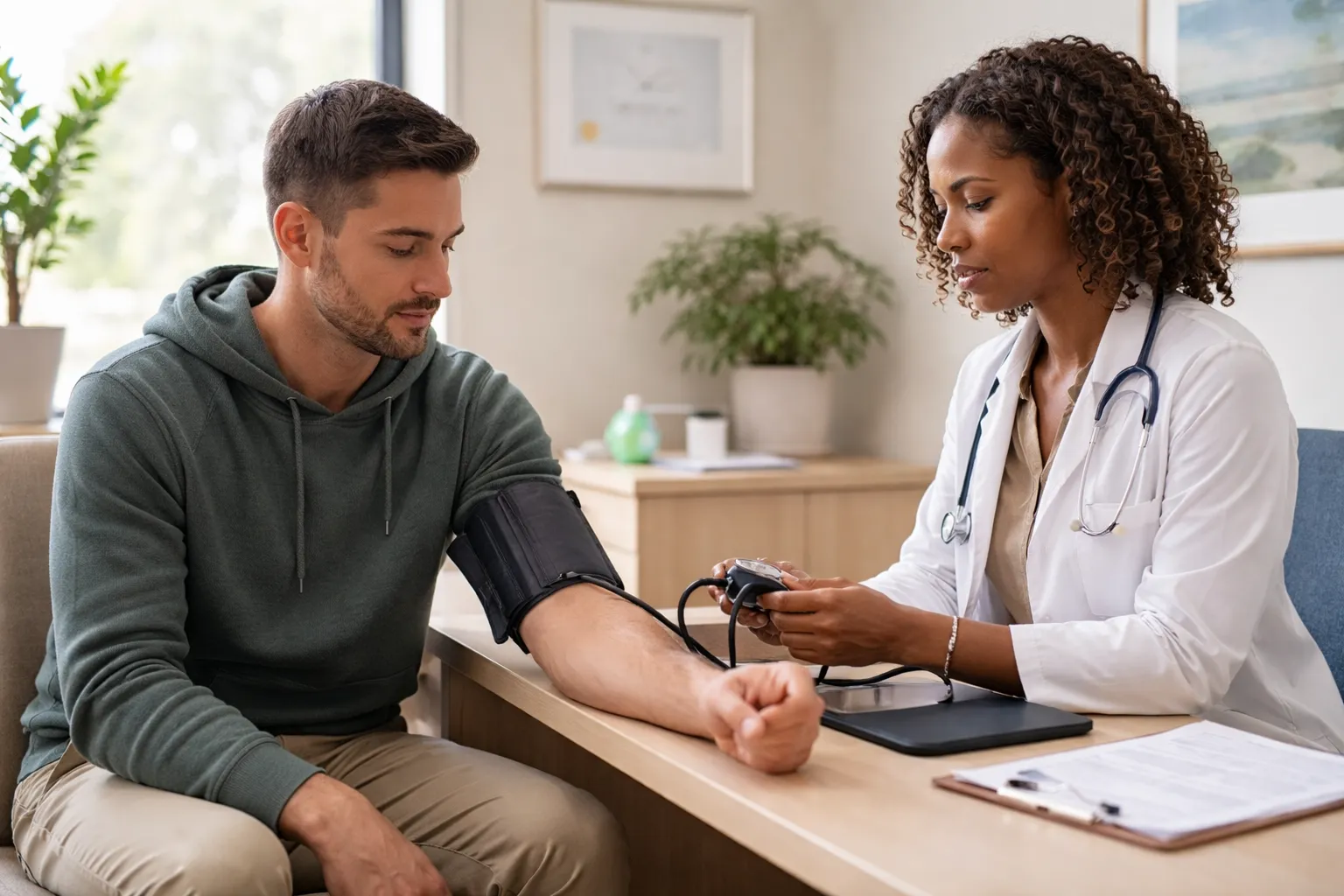
Decisions about where to detox should be based on a clinical assessment. For selected low-risk people, outpatient or clinic-based withdrawal management with frequent follow-up, caregiver support, and access to medication can be safe. For people with higher risk features, monitored inpatient or residential detox with nursing and medical staff is the safer choice. (AAFP) (ASAM)
Medications: Benzodiazepines are first-line therapy to control agitation and prevent progression to seizures and delirium in most protocols. Choice of agent and dosing strategy varies; these medications should be prescribed and monitored by clinicians familiar with alcohol withdrawal. (BMJ Best Practice) (ASAM)
| Setting | Typical level of monitoring | Who it may suit | Main advantages |
|---|---|---|---|
| Detox at home without clinical oversight | None to minimal | Not recommended for most people with dependence | Privacy, low cost, but higher risk of missed complications |
| Outpatient medically supervised detox | Regular clinical checks, medication protocols | Low-risk patients with strong supports and clinician evaluation | Balance of safety and convenience, medication available |
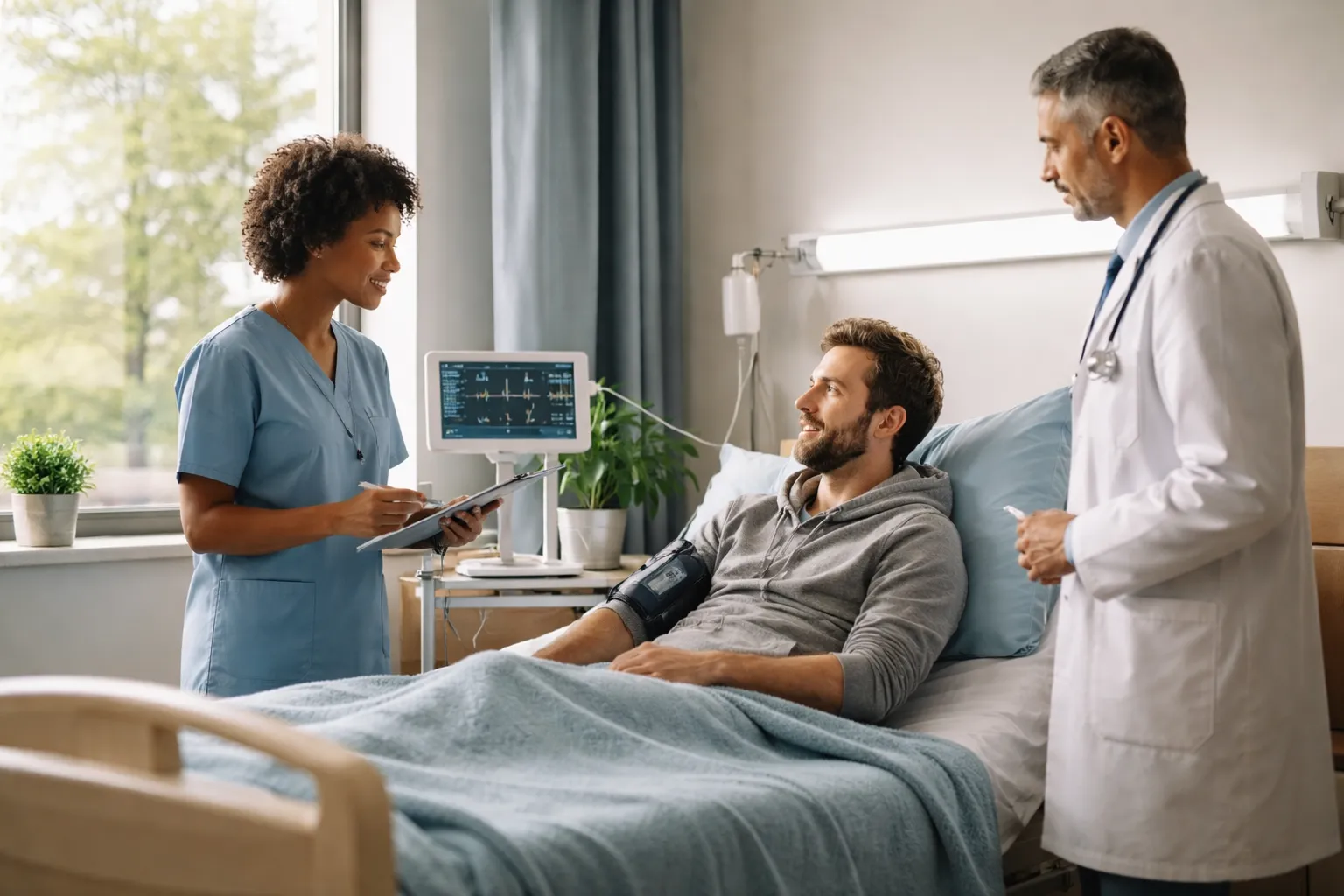
| Inpatient or medically monitored detox | Continuous monitoring, nursing, rapid access to emergency care | People with prior seizures/DTs, serious medical comorbidity | Highest level of safety for severe withdrawal |
When home detox might be considered
Some people with mild symptoms and reliable supports can be managed in outpatient settings, but this requires a clinician to assess risk, agree on a clear monitoring plan, and provide access to rapid escalation if symptoms worsen. Outpatient treatment should use a standardized assessment tool and written instructions for the patient and a responsible caregiver. (AAFP)
Safety callout
If someone has seizures, severe confusion, breathing problems, collapse, high fever, or uncontrolled bleeding call 911 immediately. For mental health or suicide crisis support, call or text 988 in the United States to reach the 988 Suicide and Crisis Lifeline. (SAMHSA: 988)
Frequently asked questions
Q: Is it ever safe to stop drinking at home?
A: For carefully selected people with mild dependence, strong supports, and clear clinician follow-up, stopping at home or in an outpatient program can be safe. However the determination must be made by a clinician familiar with alcohol withdrawal risk. (AAFP)
Q: What medications are used during detox?
A: Benzodiazepines are the main class used to control withdrawal symptoms and reduce the risk of seizures and delirium. Dosing, agent choice, and monitoring are clinical decisions. (BMJ Best Practice)
Q: Will I have to be admitted to a hospital?
A: Not always. Admission depends on medical history, severity of dependence, prior withdrawal complications, co-occurring conditions, and local resources. A clinician will assess and recommend outpatient or inpatient care based on safety. (ASAM)
Q: What if I feel ashamed or worried about cost?
A: These concerns are common. Many programs offer confidential assessments, and your insurance, employer programs, or state resources may cover care. For immediate help finding resources, SAMHSA provides a national helpline and local referrals. (SAMHSA helplines)
Compassionate next steps
This information is general patient education, not individualized medical advice. Placement, medication choices, and risks require a clinical assessment by a qualified clinician. If you or a family member are thinking about stopping alcohol, consider these steps:
- Contact your primary care clinician or an addiction medicine clinician for an assessment.
- If you have a history of withdrawal seizures, DTs, severe medical problems, or take opioids or sedatives, seek medically monitored detox. (ASAM)
- If you are ready to get help in New Jersey, you can review treatment options and locations at our treatments and locations pages, or contact the admissions team for a confidential assessment. (Treatments) (Locations) (Contact us)
The final decision about the appropriate level of care is clinical. If you are worried about immediate danger, call 911 now. For a behavioral health or suicide crisis, call or text 988. (SAMHSA)
Sources
- ASAM Clinical Practice Guideline on Alcohol Withdrawal Management
- National Institute on Alcohol Abuse and Alcoholism (NIAAA): Alcohol Use Disorder, Risk to Recovery
- PubMed review: Alcohol Withdrawal (recent review summarizing seizures, delirium tremens, and risks)
- BMJ Best Practice: Alcohol withdrawal
- American Academy of Family Physicians: Alcohol Withdrawal Syndrome, Outpatient Management
- SAMHSA: Crisis Help and the 988 Lifeline
Note: This article is intended to provide general information. It does not replace a medical evaluation. If you would like a confidential assessment or to speak with an admissions team about options, you may request an assessment or contact us through our admissions page. Request confidential assessment