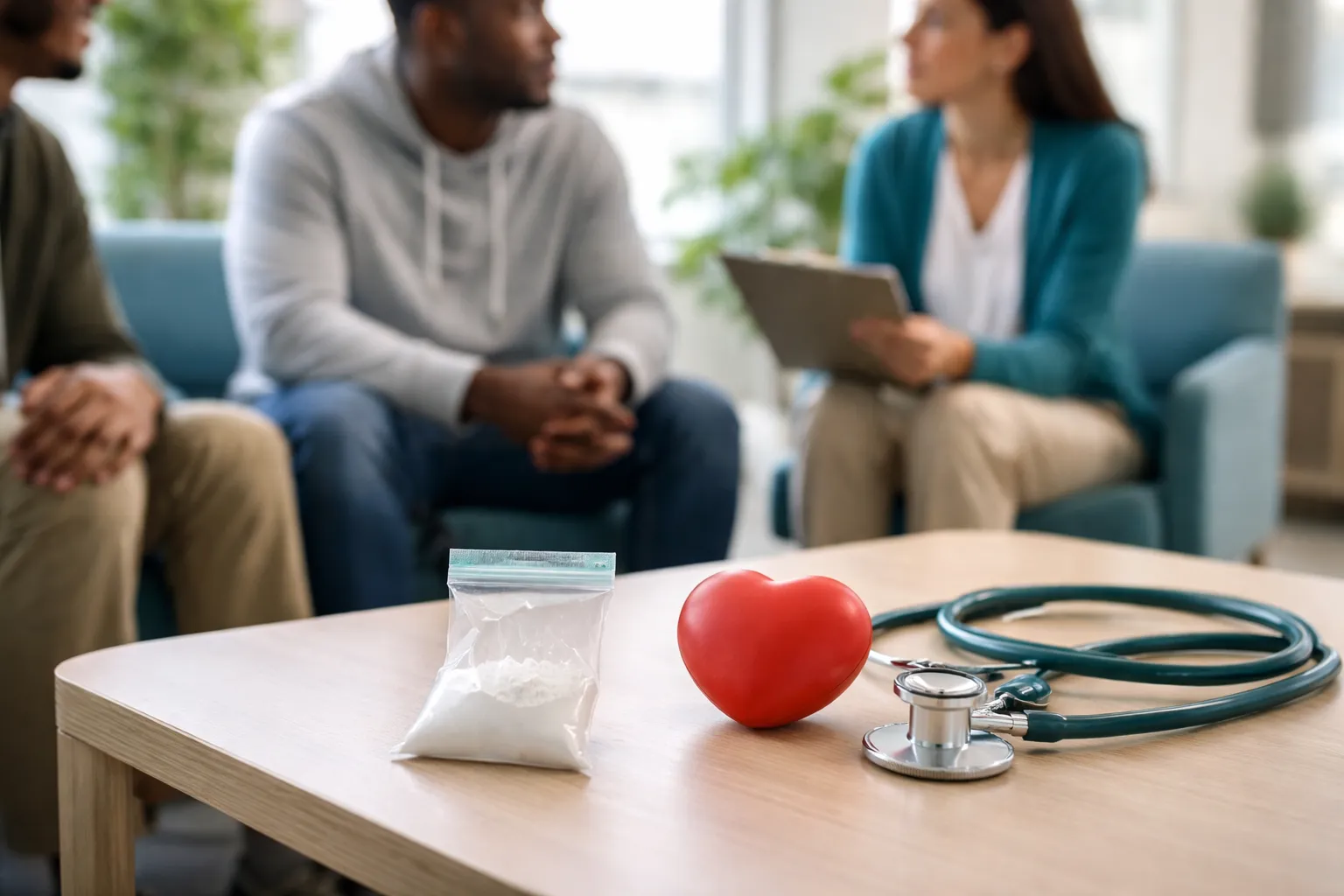
If you or a loved one is seeking a same-day detox admission in NJ, this article explains how outpatient detox works in New Jersey, what clinicians evaluate, how medications are used, and practical steps to prepare. This is general education, not individualized medical advice: final placement and medication decisions require assessment by a qualified clinician.
Table of Contents
ToggleHow same-day admissions work in New Jersey
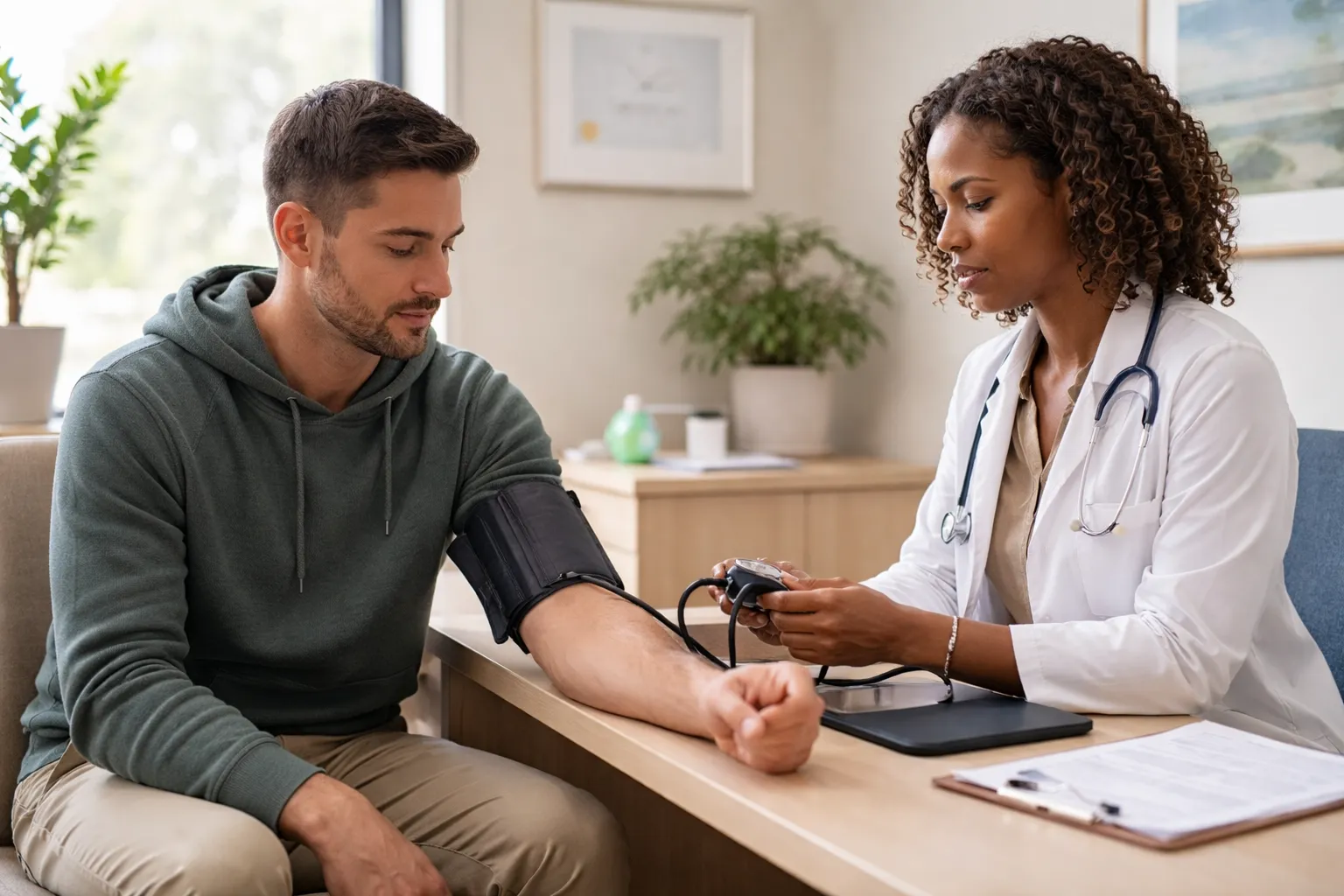
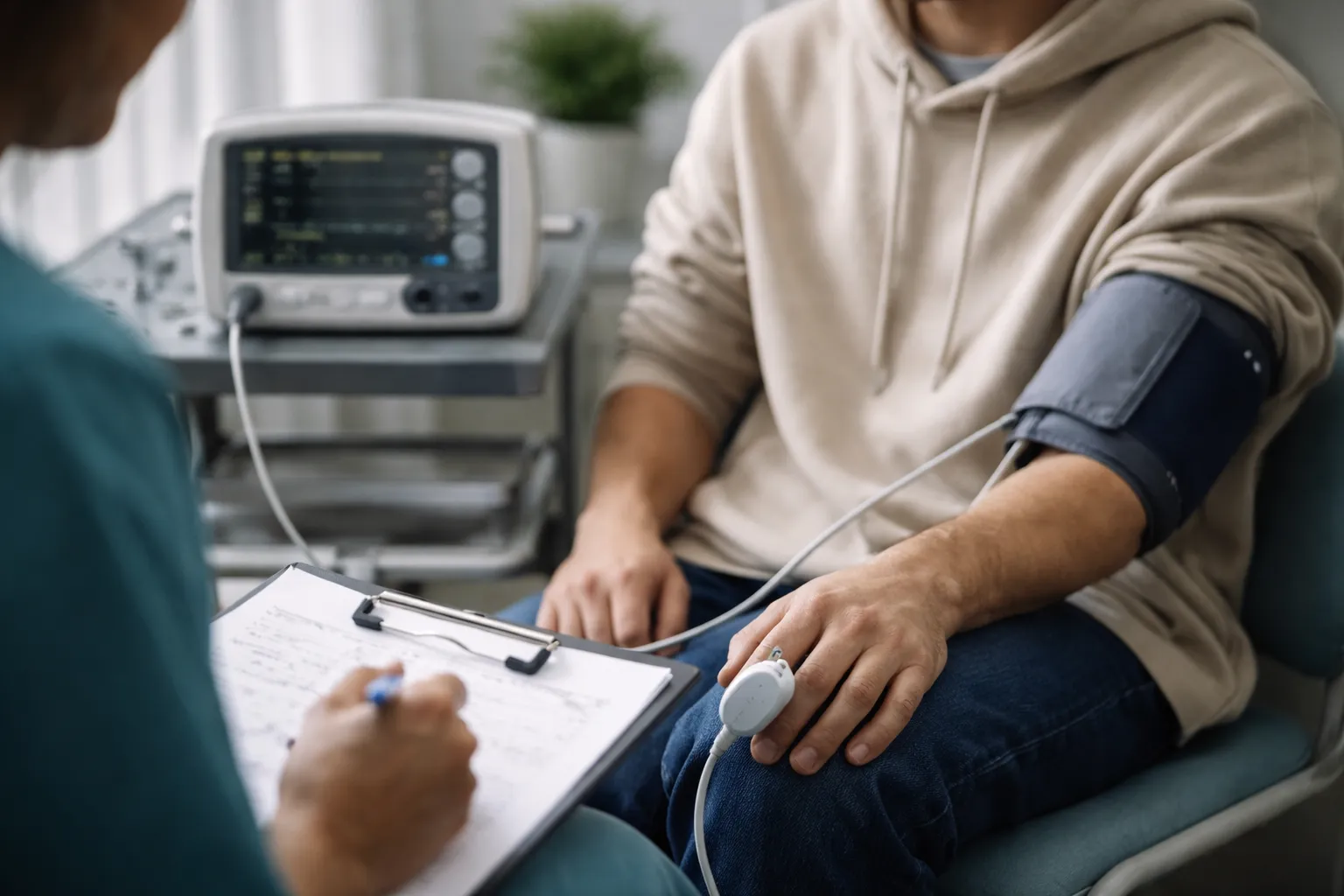
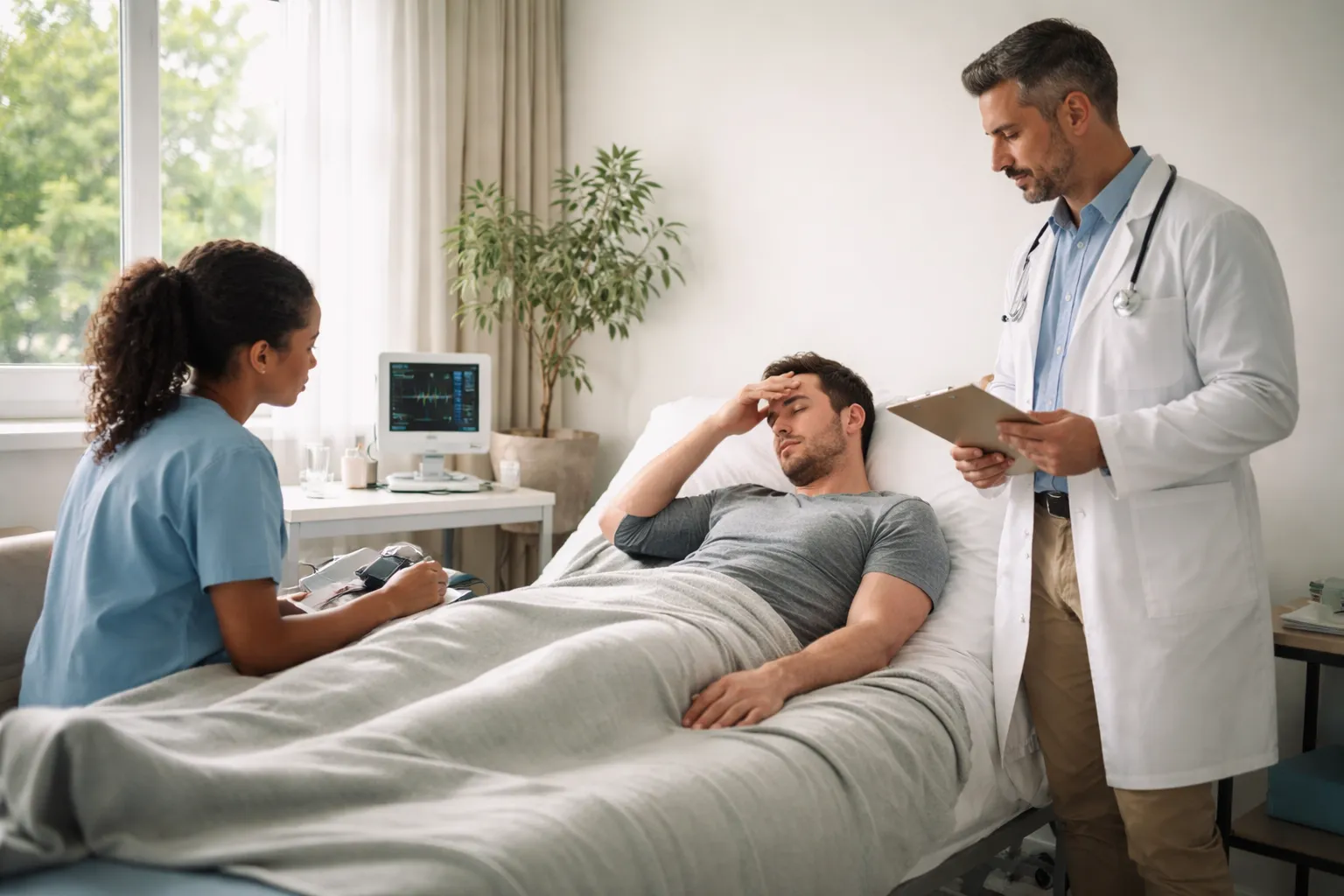
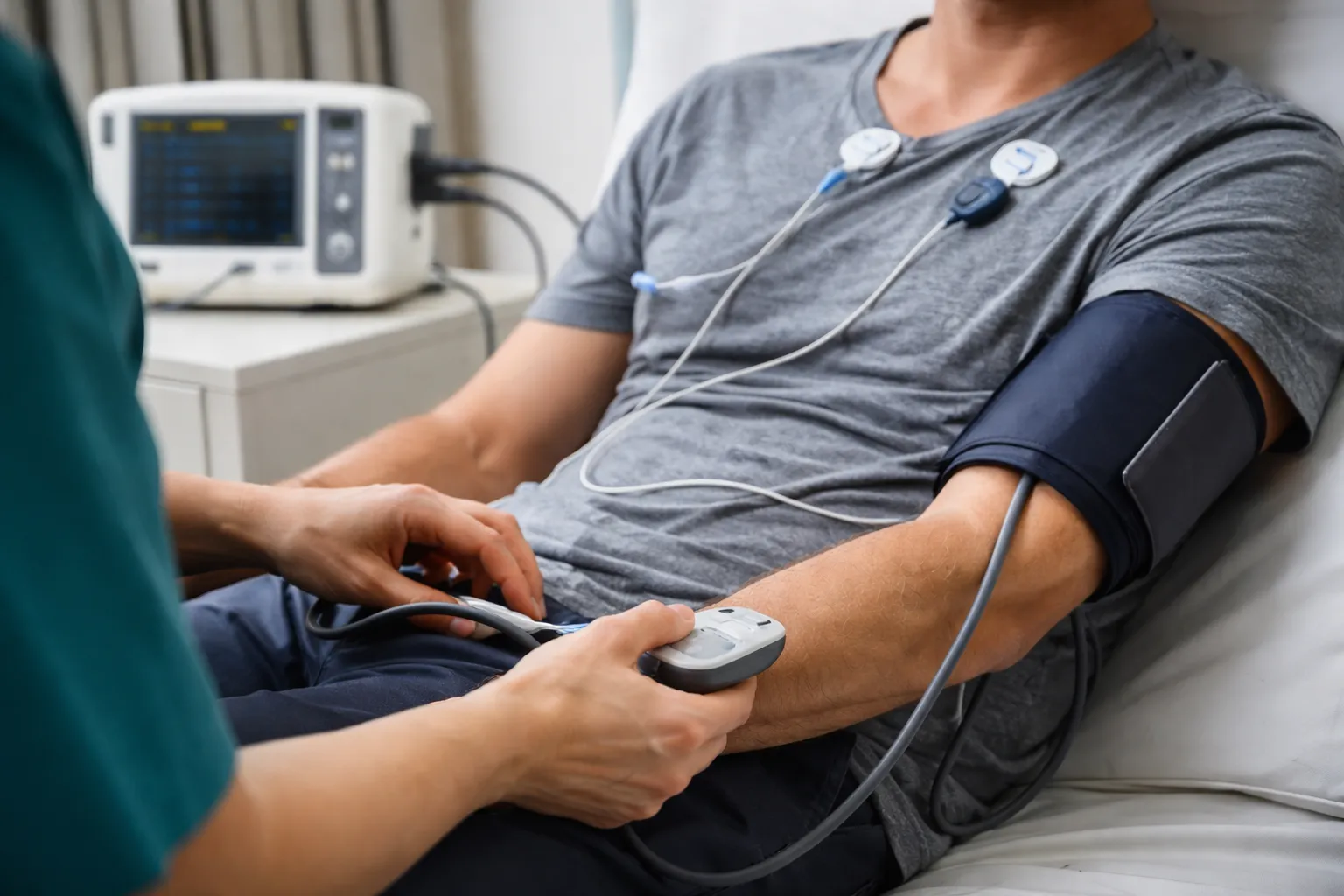
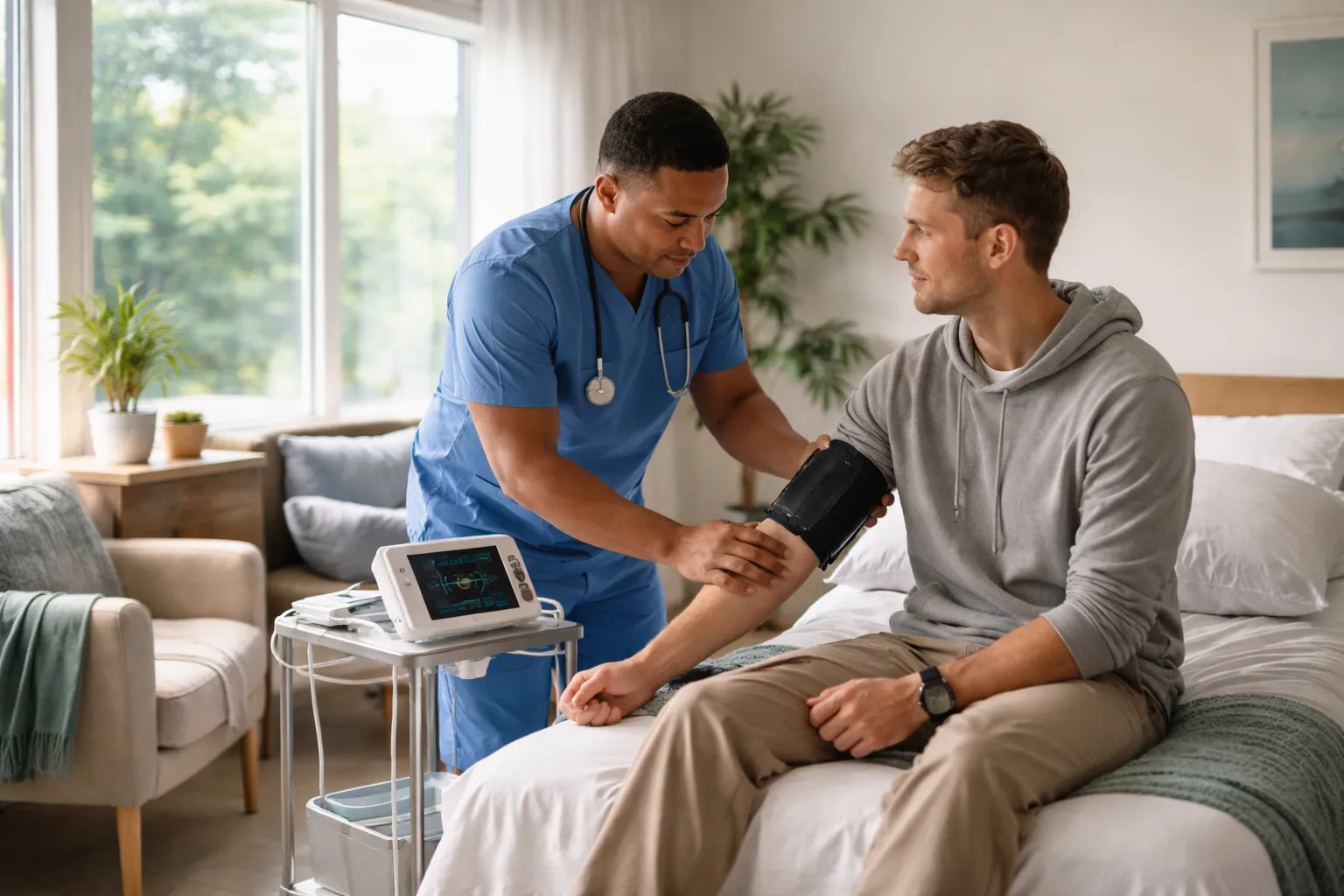
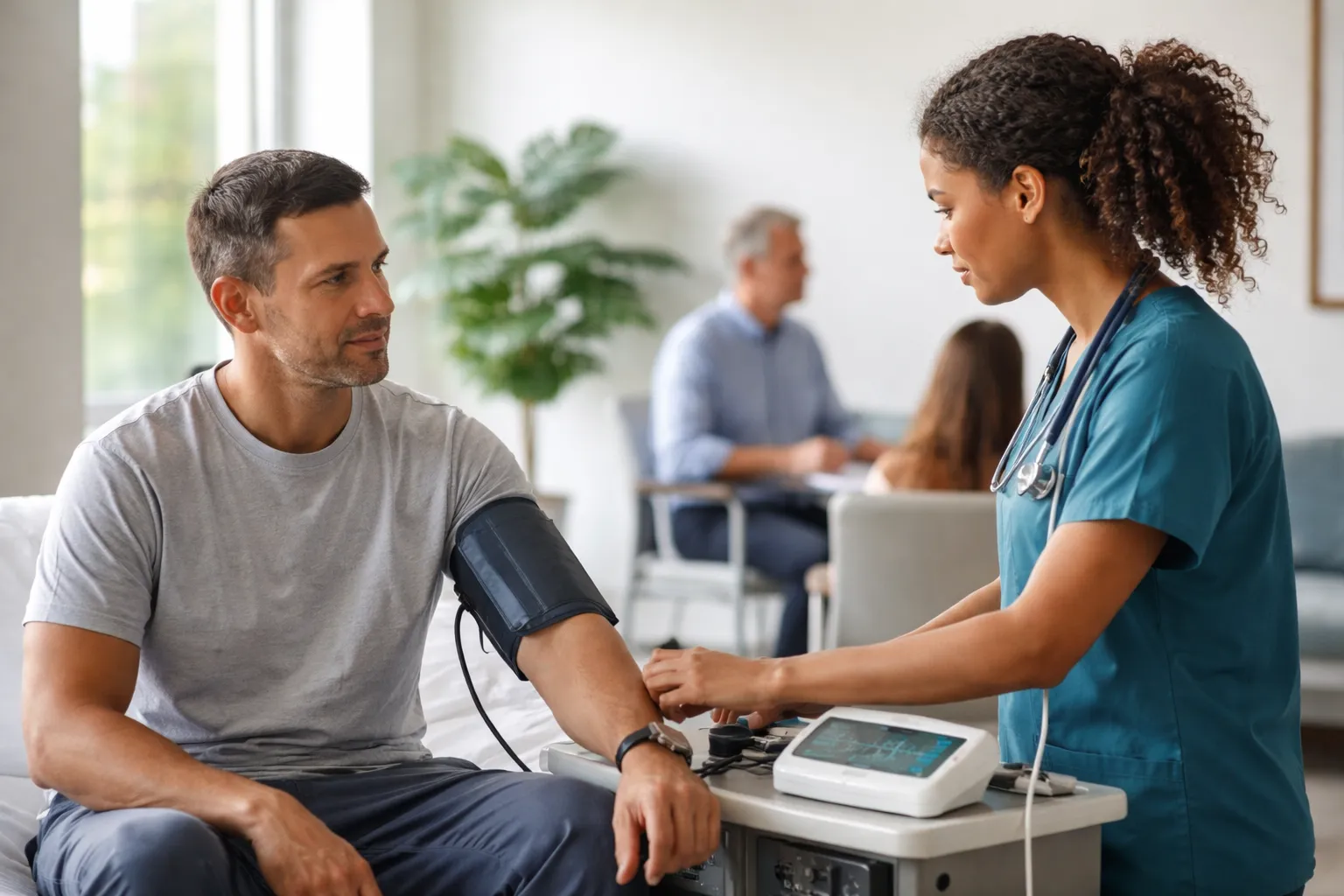
Many New Jersey providers offer ambulatory withdrawal management, sometimes called outpatient detox, that can accept urgent or same-day requests after an initial medical screening. New Jersey defines ambulatory withdrawal management as an organized outpatient service that can include on-site monitoring, medical assessment, medication administration, and coordination with other treatment services. A qualified clinician must determine whether outpatient care is safe for a given person based on medical, psychiatric, and substance use history. New Jersey DMHAS: Definition of Services. (nj.gov)
Commercial note about timing: for urgent outpatient SUD services the State contract requires managed care organizations to treat prior authorization requests as urgent and issue a decision within 24 hours, which is one reason same-day processing and admissions are sometimes possible. This does not guarantee admission. New Jersey MCO contract, Jan 2026. (nj.gov)
Who may be eligible for same-day outpatient detox?
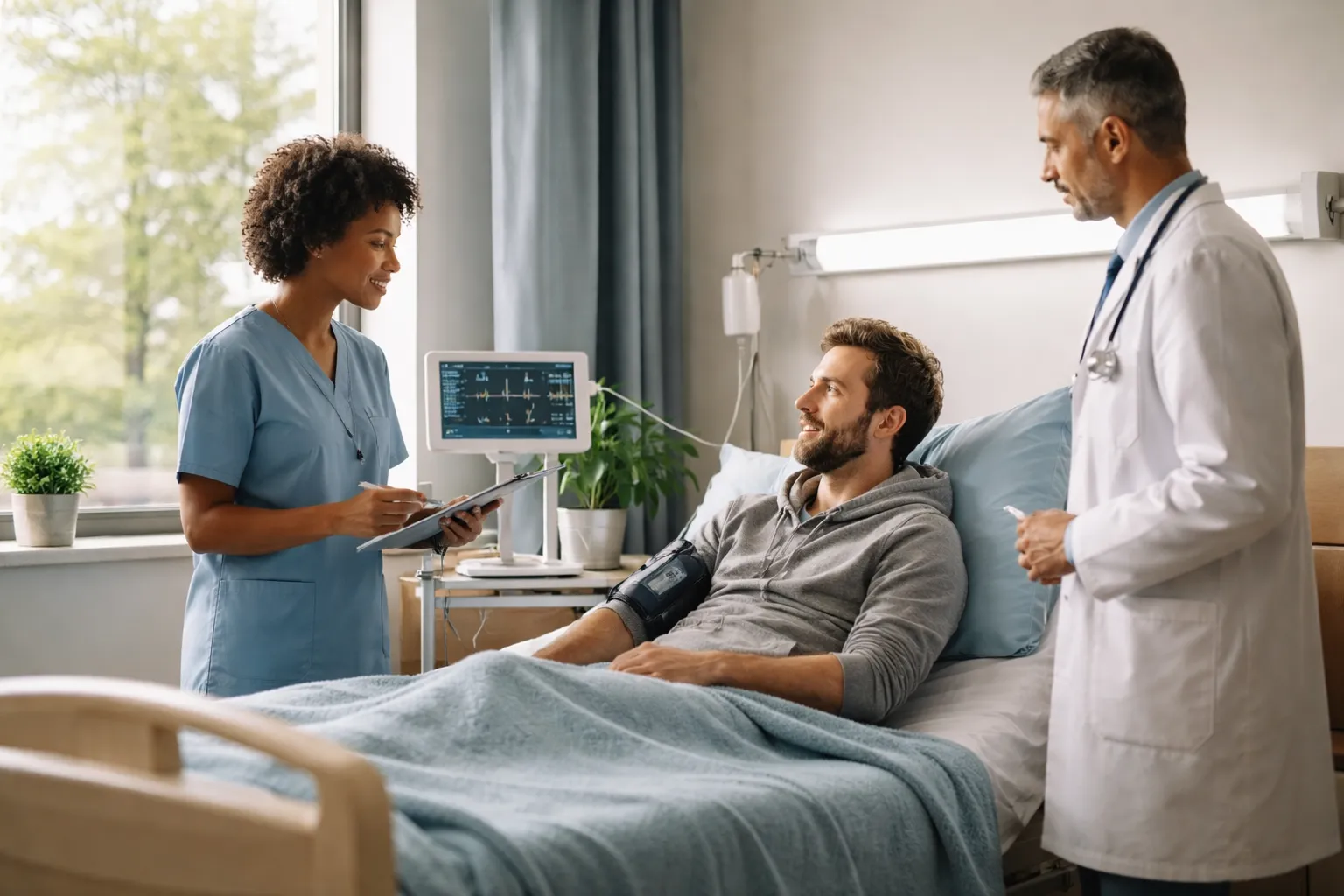
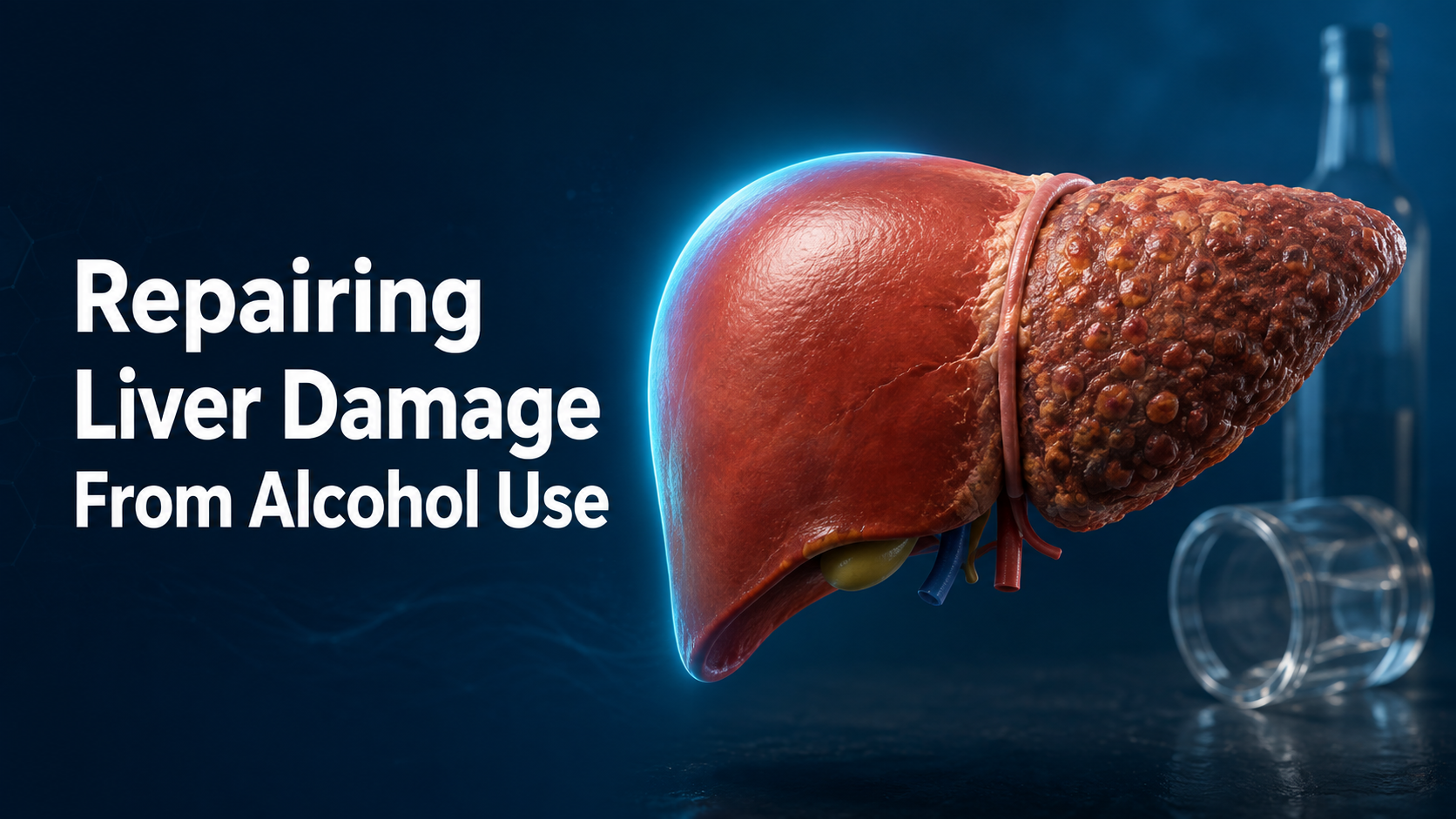
Eligibility is clinical, not just administrative. Typical factors clinicians consider include: recent substance use and pattern, vital signs and withdrawal severity, history of withdrawal complications (for example prior seizures or delirium tremens), current medical problems such as advanced liver disease or unstable heart or lung disease, and active suicidal or psychotic symptoms. ASAM guidelines describe criteria that guide placement decisions between ambulatory and inpatient withdrawal management. ASAM Clinical Practice Guideline on Alcohol Withdrawal Management. (doi.org)
Common reasons a clinician will recommend inpatient detox instead
- History of alcohol withdrawal seizures or delirium tremens.
- Severe medical disease that needs 24-hour nursing or physician care.
- Active suicidal intent, severe agitation, or uncontrolled psychosis.
- Unable to take oral medications safely, or there is a high risk of harm at home.
What to bring for a same-day detox admission
Bring items that speed clinical assessment and keep you safe during the first 24 to 72 hours. Check with the provider before arrival, but commonly requested items include:
- Photo ID and insurance card, if available.
- A list of current medications (prescription and over-the-counter) and allergies.
- Contact information for a family member or support person.
- Comfortable clothing, a phone charger, and any mobility aids you use.
- Any recent lab results or discharge summaries, if you have them.
If transportation or childcare is a barrier, tell the admissions team when you call. Some programs can help arrange supports or schedule the safest placement option.
Medications commonly used, and why careful evaluation matters
Medication decisions are individualized. For alcohol withdrawal, benzodiazepines are the well established treatment to reduce agitation, prevent seizures, and lower the risk of delirium tremens. A qualified prescriber will choose the medication, dose, and monitoring plan based on history and liver function. NIAAA: alcohol withdrawal risks and management. (niaaa.nih.gov)
For opioid withdrawal and opioid use disorder, evidence-based medications include buprenorphine and methadone. Buprenorphine induction can be done in an office or at home under supervision, and many outpatient programs use induction strategies that allow rapid initiation of treatment. These medications reduce withdrawal distress and lower overdose risk when used as part of an evidence-based plan. Clinical guidance is available from SAMHSA and from national protocols. SAMHSA TIP 63, Medications for Opioid Use Disorder. (samhsa.gov)
It is important to tell clinicians about all medications and substances you use, including alcohol, benzodiazepines, opioids, prescription stimulants, and over-the-counter sleep aids. Mixing central nervous system depressants increases the risk of respiratory depression and requires close clinical oversight. Any medication or placement decision must be made by an on-site clinician after assessment.
Quick comparison: outpatient ambulatory detox, inpatient medical detox, and emergency care
| Service | Typical setting | Monitoring | Who it may suit |
|---|---|---|---|
| Same-day outpatient ambulator y detox | Clinic, day-hospital, or ambulatory program | Regular medical checks, brief on-site observation | Mild to moderate withdrawal, stable medical/psychiatric status |
| Inpatient medical detox | Hospital or medically managed inpatient unit | 24-hour nursing and physician care | Severe withdrawal risk, prior seizures, unstable medical issues |
| Emergency department / 911 | Hospital emergency department | Immediate, high-acuity stabilization | Medical emergency, overdose, severe intoxication, uncontrolled agitation |
These care options align with ASAM levels of withdrawal management and placement criteria. Decisions are clinical and individualized. ASAM guideline. (doi.org)
Safety callout
If someone is having a medical emergency, call 911 right away. If someone is in a mental health or suicide crisis, call or text 988 or use 988 Lifeline resources. Tell the admissions team about any recent fainting, breathing trouble, ongoing chest pain, seizures, high fever, or active suicidal thoughts before arrival. 988 information. (samhsa.gov)
Frequently asked questions
Q: Can I get admitted the same day I call?
A: Many programs offer urgent phone screening and can schedule same-day assessments. However admission depends on clinical eligibility, staffing, and bed or program capacity. New Jersey rules treat urgent SUD requests as time‑sensitive, and managed care prior authorization for urgent outpatient SUD services must be processed quickly, which can support same-day intake in appropriate cases. NJ MCO contract. (nj.gov)
Q: Will treatment staff give me medications the same day?
A: Possibly. If clinically indicated, staff may start medications for withdrawal management or begin medications for opioid use disorder on the day of assessment, following evidence-based protocols. These decisions require clinician evaluation. See SAMHSA guidance for buprenorphine induction and opioid treatment. SAMHSA TIP 63. (samhsa.gov)
Q: Should I bring naloxone?
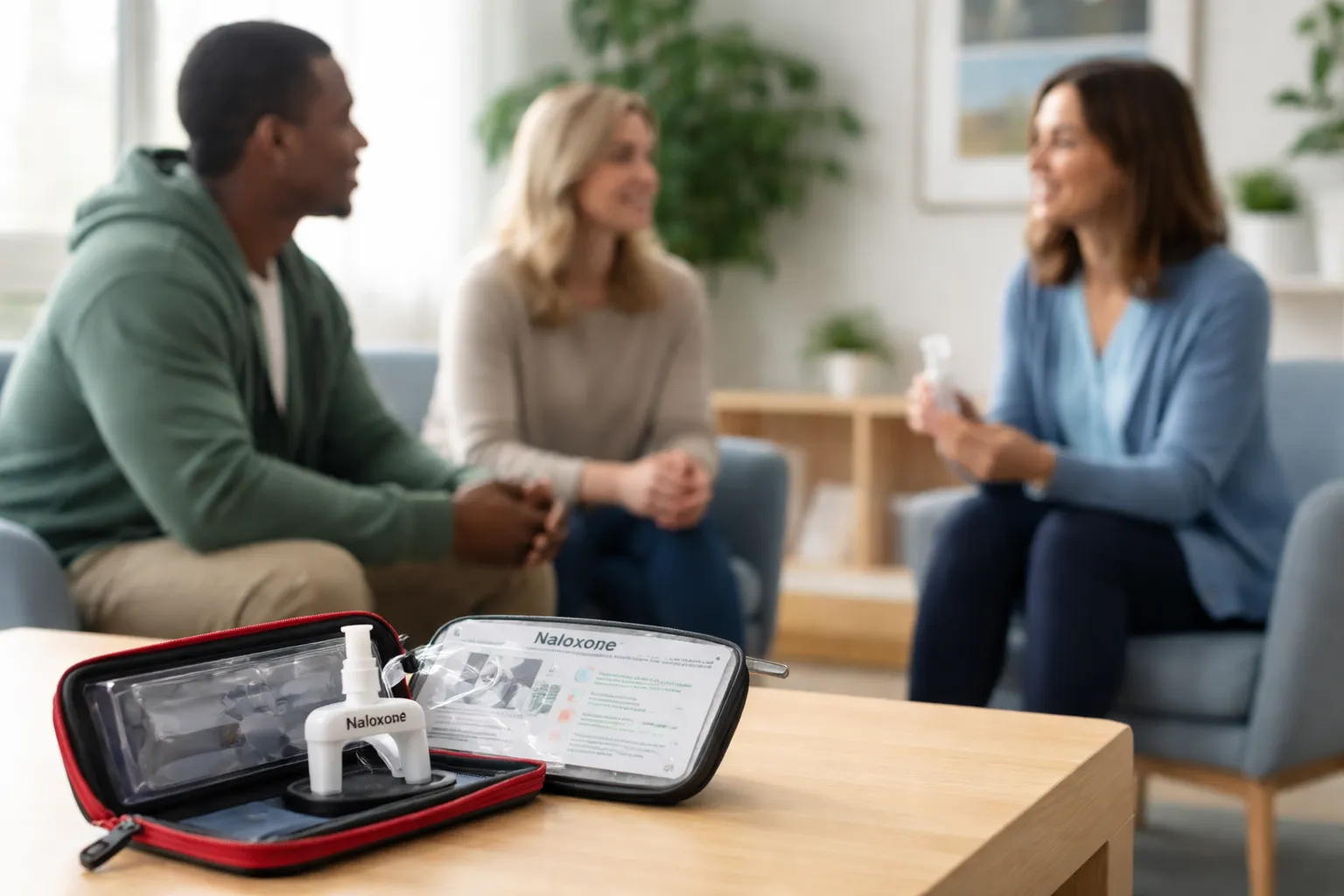
A: Yes, take-home naloxone is recommended for people with opioid use disorder or those at risk of returning to opioid use after reduced tolerance. FDA information on naloxone products and community access is available. FDA: naloxone information. (fda.gov)
Sources
- SAMHSA: 988 Suicide & Crisis Lifeline. (samhsa.gov)
- NIAAA: Alcohol use disorder, withdrawal risks and management. (niaaa.nih.gov)
- ASAM Clinical Practice Guideline: Alcohol Withdrawal Management. (doi.org)
- SAMHSA TIP 63: Medications for Opioid Use Disorder. (samhsa.gov)
- FDA: naloxone nasal spray and overdose prevention. (fda.gov)
- New Jersey MCO contract and guidance on urgent SUD service determinations. (nj.gov)
Compassionate next steps
If you need a same-day detox admission in NJ, call the program early in the day and describe recent use, any past withdrawal complications, and current medical or mental health concerns. If you are already connected to a prescriber, ask whether an office-based induction or ambulatory withdrawal management is clinically appropriate. For details about treatments and locations, you may find these pages useful: treatments, locations, and contact us.
Please remember, this article is educational and not a substitute for clinical evaluation. If you are in immediate danger, call 911. If you or someone is in a suicide or mental health crisis, call or text 988.
When you are ready, request a confidential assessment or speak with an admissions team to discuss options and next steps: there is no pressure, only information and support.