Detoxification, often called detox, is the medical management of withdrawal from alcohol, opioids, benzodiazepines and other drugs. This page describes clinical signs that someone needs detox, how clinicians decide the safest setting, and practical next steps for patients and families. This is educational material only and not individualized medical advice; a qualified clinician must assess placement and medication choices.
Table of Contents
ToggleWhat is detox and who needs it?
Detoxification, or detox, refers to the short-term medical care and monitoring provided while the body clears substances and withdrawal symptoms appear or resolve. For some substances, withdrawal can be uncomfortable but manageable at home or in outpatient settings. For alcohol, sedatives and some complex cases, withdrawal can be life-threatening and needs medical monitoring. Clinical guidelines and federal treatment protocols emphasize matching the level of care to the predicted medical and psychiatric risks. (ncbi.nlm.nih.gov)
Common clinical signs that someone needs detox
Look for changes that show physiologic withdrawal, impaired self-care, psychiatric instability or risk of serious complications. The most important signs that someone may need medically supervised detox include:
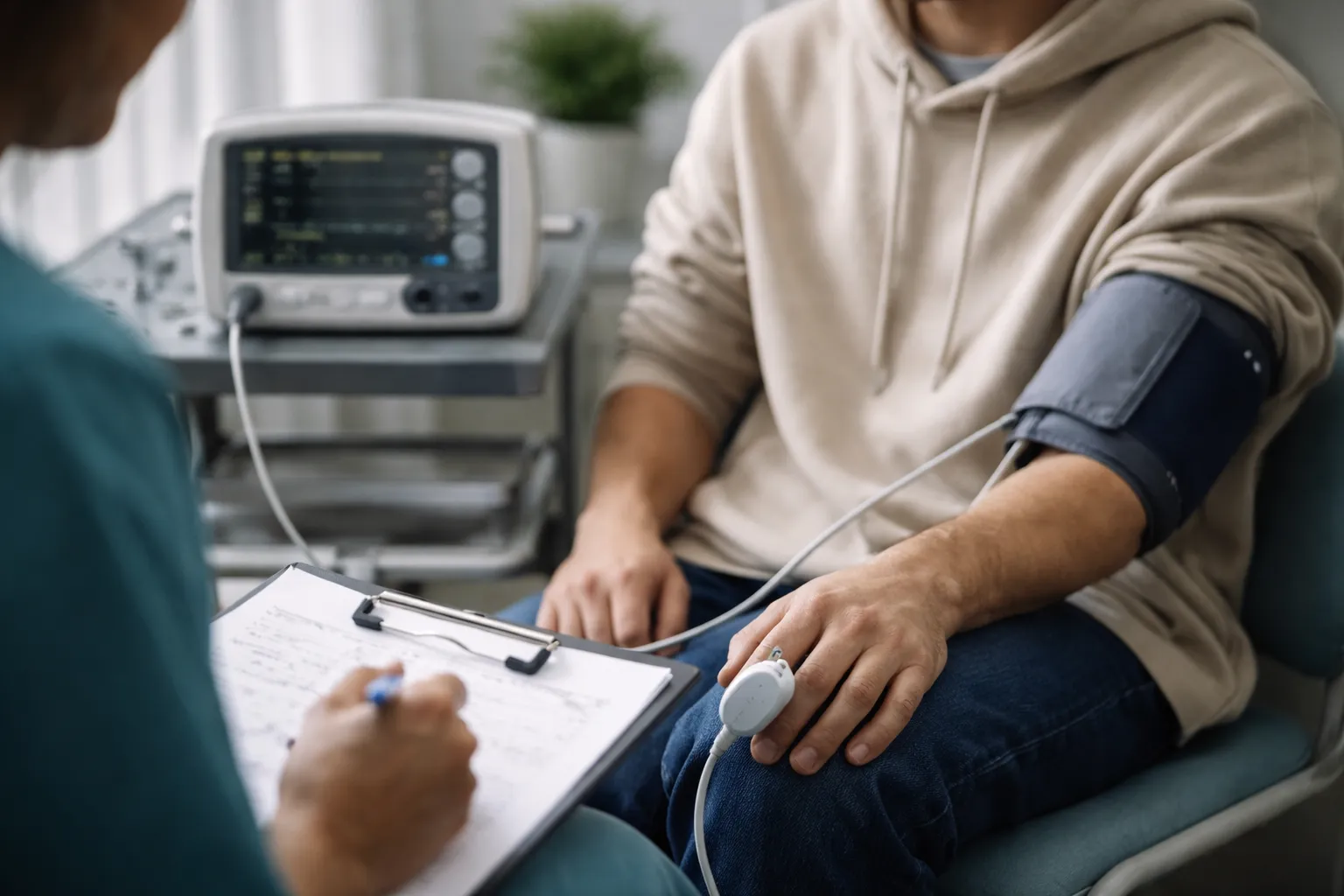
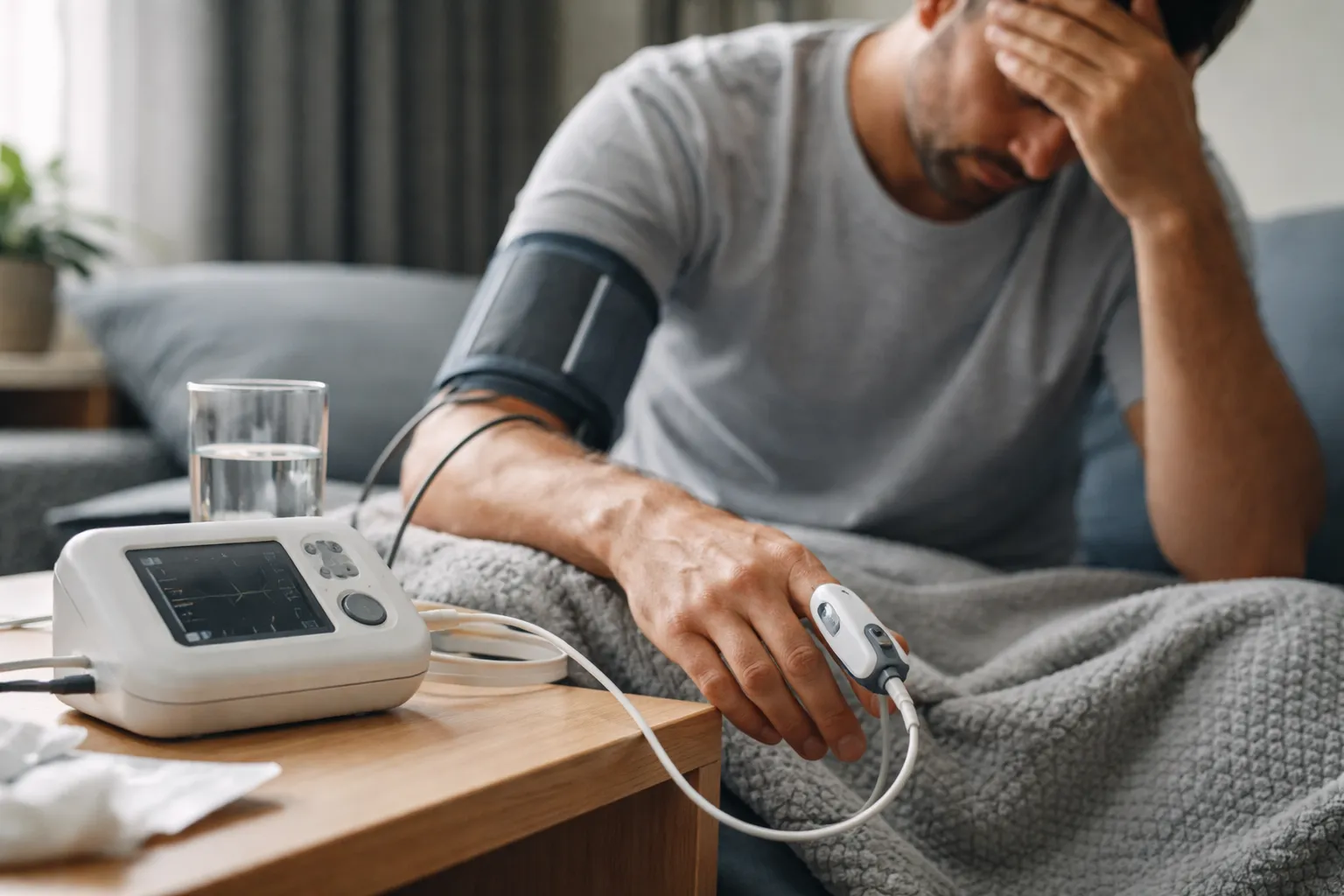
- Fast heart rate, low or high blood pressure, fever, heavy sweating and marked tremor, suggesting autonomic instability. (ncbi.nlm.nih.gov)
- Severe confusion, new or worsening disorientation, visual or tactile hallucinations, or problems following simple instructions. These signs suggest complicated withdrawal such as alcohol withdrawal delirium. (doi.org)
- Any seizure or repeated jerking movements that are not explained by a known seizure disorder. Alcohol and benzodiazepine withdrawal can cause seizures that require urgent care. (ncbi.nlm.nih.gov)
- Uncontrolled vomiting, inability to keep fluids down, or signs of severe dehydration. (library.samhsa.gov)
- Active suicidal thoughts, severe agitation, or psychosis. Behavioral risks may require inpatient psychiatric or medical admission. (ncbi.nlm.nih.gov)
- Shortness of breath, very slow breathing or other signs of opioid overdose, or loss of consciousness. Call 911 immediately for these emergencies. (cdc.gov)
- Inability to care for basic needs, unsafe living situation, or no reliable support person to observe and help during withdrawal. Setting and supervision are part of the safety decision. (ncbi.nlm.nih.gov)
Key signs by substance
Alcohol
Alcohol withdrawal commonly begins within 6 to 36 hours after the last drink and can progress to severe complications 48 to 96 hours later. Mild signs include tremor, anxiety, nausea, and insomnia. Dangerous signs include high fever, marked confusion, visual or tactile hallucinations, and seizures, which may indicate delirium tremens. People with a history of complicated withdrawal, heavy prolonged drinking, serious medical problems or poor nutrition deserve inpatient monitoring. (ncbi.nlm.nih.gov)
Opioids
Uncomplicated opioid withdrawal is usually intensely uncomfortable: runny nose, yawning, muscle aches, anxiety, diarrhea and insomnia. Opioid withdrawal itself is rarely directly life-threatening, but stopping opioids reduces tolerance, and resuming prior doses after abstinence can cause fatal overdose. For opioid use disorder, clinical guidance recommends offering medications for opioid use disorder rather than detoxification alone, because detox without ongoing medication increases the risk of return to use and overdose. (cdc.gov)
Benzodiazepines and other sedatives
Stopping benzodiazepines abruptly can cause severe, potentially life-threatening withdrawal, including seizures and severe agitation. Benzodiazepine withdrawal often requires slow tapering or medically supervised care. Advise a clinician if someone has been using benzodiazepines daily for weeks or months and wants to stop. (library.samhsa.gov)
Stimulants and polysubstance use
Stimulant withdrawal commonly produces severe fatigue, depression and intense cravings. Depressive symptoms can include suicidal thinking in some people and should prompt urgent evaluation. Polysubstance withdrawal complicates prediction and monitoring because combined effects vary widely and interactions can raise medical risk. (ncbi.nlm.nih.gov)
Choosing outpatient versus inpatient detox: a quick comparison
| Deciding factor | Outpatient detox appropriate | Inpatient or 24-hour medical detox appropriate |
|---|---|---|
| Severity of past withdrawal | Mild or no prior withdrawal | Prior seizures, delirium tremens, or complicated withdrawal history |
| Current vital signs and mental status | Stable vitals, alert, able to follow instructions | Autonomic instability, confusion, severe agitation, or psychosis |
| Substance | Most short opioid withdrawals, some stimulant or cannabis cases | Alcohol with moderate-severe symptoms, benzodiazepine withdrawal, complex polysubstance use |
| Support and supervision | Reliable caregiver, safe housing, transportation to appointments | No safe home, homelessness, or inability to ensure observation |
| Medical comorbidities | Generally well controlled chronic illness | Advanced heart, liver, kidney, or other serious medical illness |
These categories are illustrative, not prescriptive. Clinicians integrate the full medical, psychiatric and social picture when recommending an appropriate setting. Guidelines from ASAM, SAMHSA and specialty societies guide these placement decisions. (doi.org)
Assessment tools clinicians use
Clinicians commonly use validated scales to objectify withdrawal severity and direct treatment:
- CIWA-Ar, the Clinical Institute Withdrawal Assessment for Alcohol, is widely used to measure alcohol withdrawal severity and guide medication dosing. A high score suggests need for inpatient care. (doi.org)
- COWS, the Clinical Opiate Withdrawal Scale, is used to quantify opioid withdrawal symptoms and monitor treatment response. (ncbi.nlm.nih.gov)
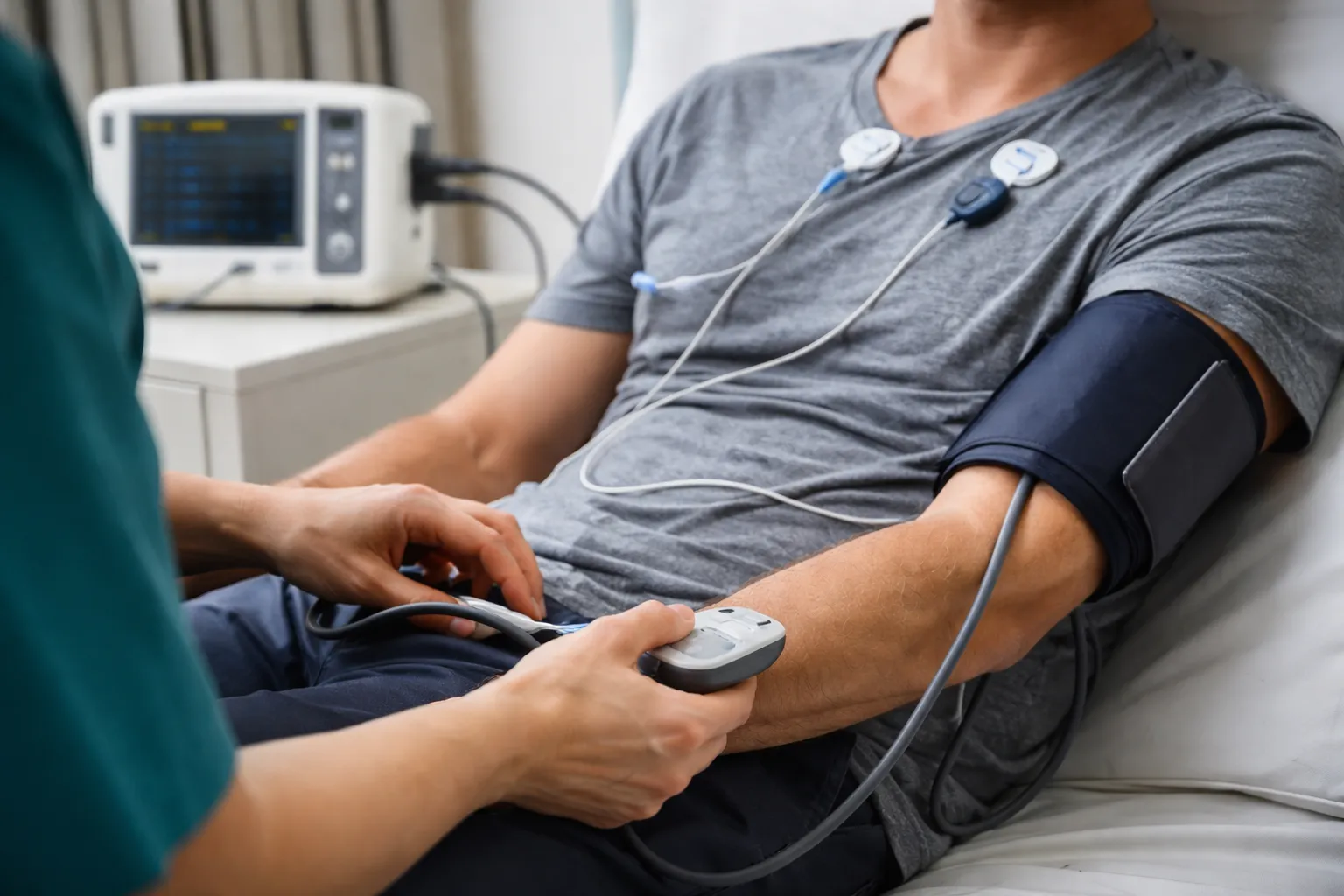
Laboratory tests, vital signs and urine or blood toxicology may also help in clinical decision making. The final placement and medication plan should be made by a qualified clinician after direct evaluation. (ncbi.nlm.nih.gov)
Safety callout: when to call for help
Medical emergency: If someone has chest pain, trouble breathing, is unresponsive, seizing, or has uncontrolled bleeding, call 911 immediately.
Mental health or suicide crisis: For urgent mental health or suicide risk, call or text 988 to reach the National Suicide and Crisis Lifeline.
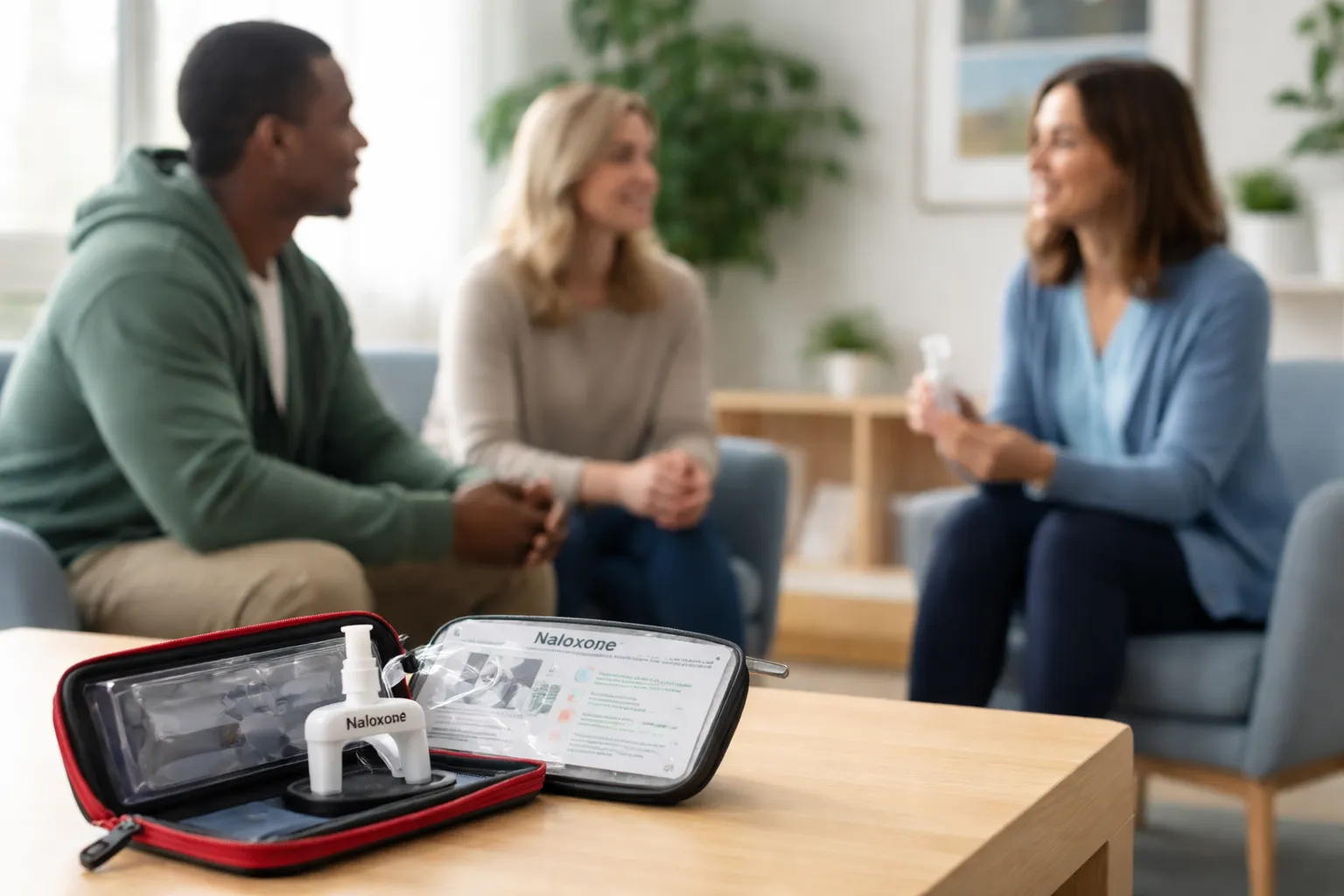
Opioid overdose: If you suspect an opioid overdose use naloxone if available and call 911 right away. Emergency response is critical. (cdc.gov)
Frequently asked questions
Is detox the same as addiction treatment?
No. Detox manages physical withdrawal and immediate medical risks. Most people benefit from ongoing addiction treatment after detox, including counseling and, when indicated, medication for opioid use disorder. Guidelines note that detox alone is not sufficient for opioid use disorder. (ncbi.nlm.nih.gov)
Can medications be started during or after detox?
Yes. For opioid use disorder, methadone, buprenorphine and naltrexone are FDA-approved options and may be started based on clinical assessment. For alcohol use disorder, several medications are available. Medication choices and timing should be decided by a clinician experienced in addiction medicine. (fda.gov)
Is outpatient detox safe?
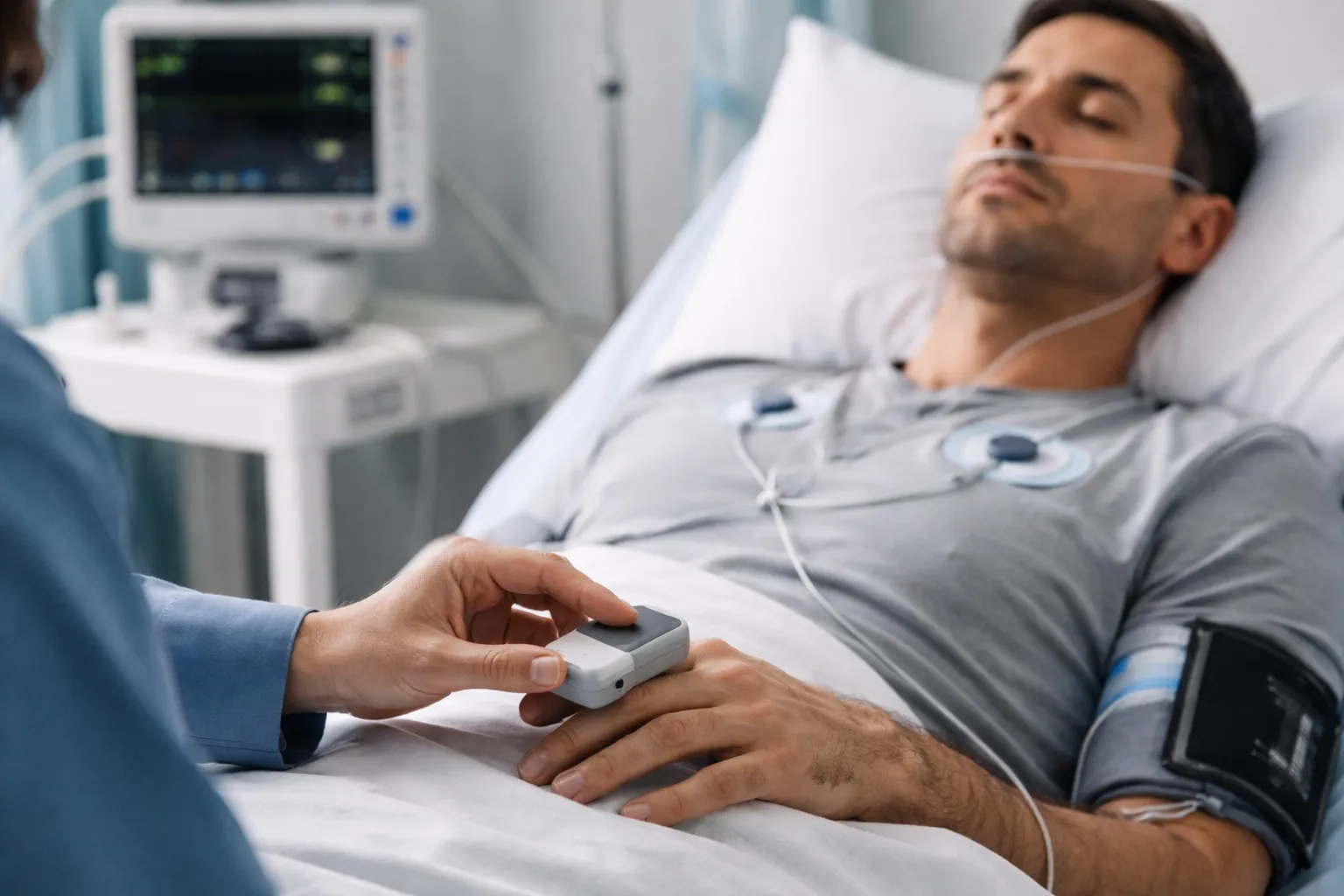
Outpatient detox can be safe for carefully selected people with mild withdrawal, reliable supports and no high-risk medical or psychiatric conditions. When there is concern about seizures, severe autonomic instability, or inability to supervise, inpatient monitoring is safer. (ncbi.nlm.nih.gov)
Sources
- ASAM Clinical Practice Guideline on Alcohol Withdrawal Management. (doi.org)
- NIAAA: Understanding Alcohol Use Disorder. (niaaa.nih.gov)
- SAMHSA TIP 45, Detoxification and Substance Abuse Treatment (NCBI Bookshelf). (ncbi.nlm.nih.gov)
- CDC: Opioid Use Disorder, Treating. (cdc.gov)
- FDA: Information about Medications for Opioid Use Disorder. (fda.gov)
- New Jersey Division of Mental Health and Addiction Services: Help for Substance Use. (nj.gov)
Note: This page uses current, trustworthy clinical guidance sources. It is general educational information and not a substitute for individualized assessment. Placement and medication decisions must be made by a qualified clinician after evaluation. Every precise medical or statistical point above is supported by the sources listed.
Compassionate next steps
If you are worried about a loved one, consider these steps: keep them safe and supervised, remove access to dangerous combinations of medications or alcohol if possible, and seek clinical evaluation promptly. If the situation meets any emergency criteria above call 911. For nonemergent help in New Jersey, ReachNJ and the Division of Mental Health and Addiction Services can provide referrals and a central line for treatment navigation. (nj.gov)
If you would like professional help, request a confidential assessment or speak with an admissions team to discuss appropriate placement and care options. For more information about treatment options and levels of care see our treatments page, view locations near you, or contact us for a confidential intake. Treatments, Locations, Contact us.
Remember, detox is the first step toward recovery for many people, but it must be matched to medical need and followed by ongoing treatment and safety planning. If you are ever unsure whether someone needs emergency care, call 911. If there is suicidal intent or an immediate mental health crisis, call or text 988 now.