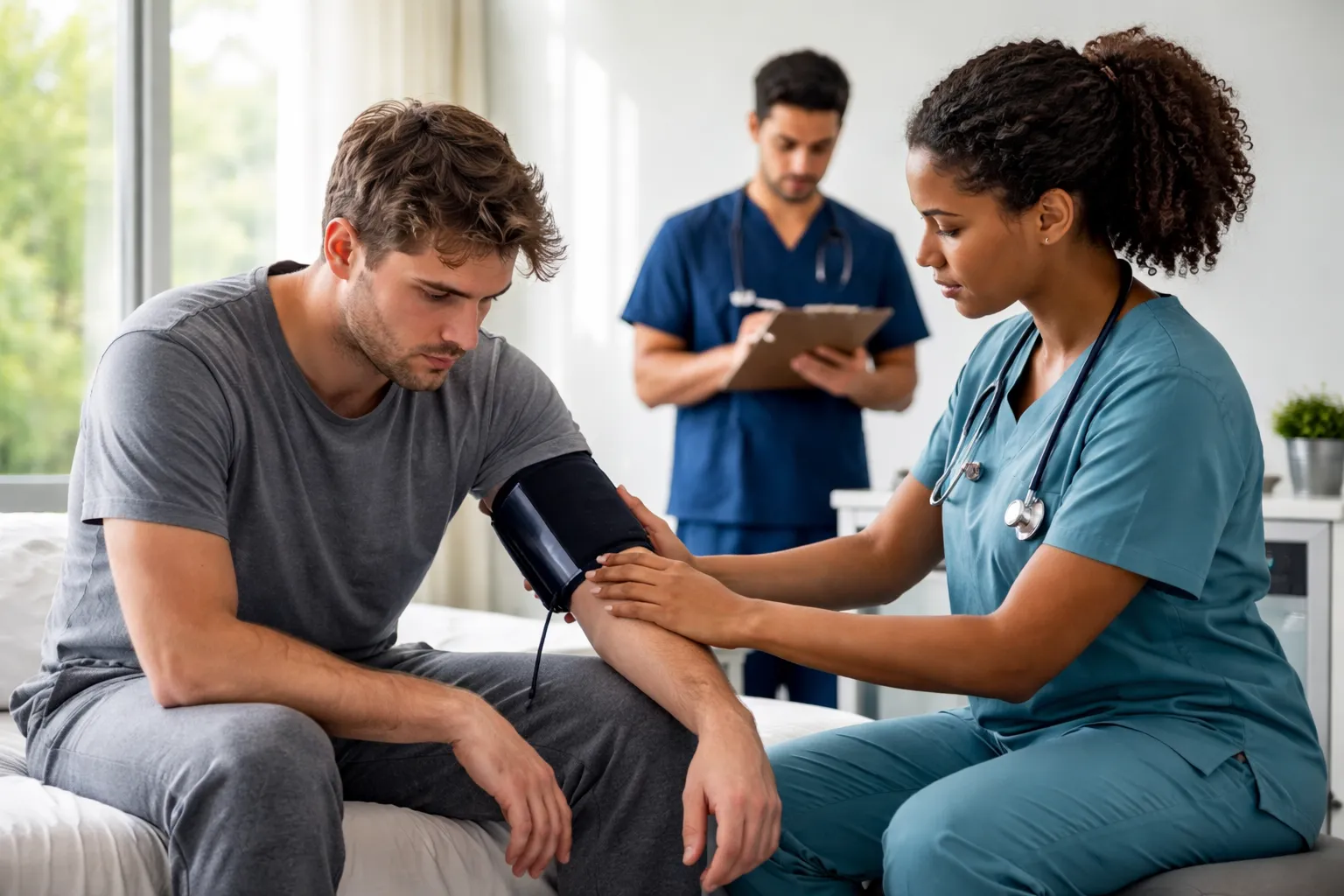
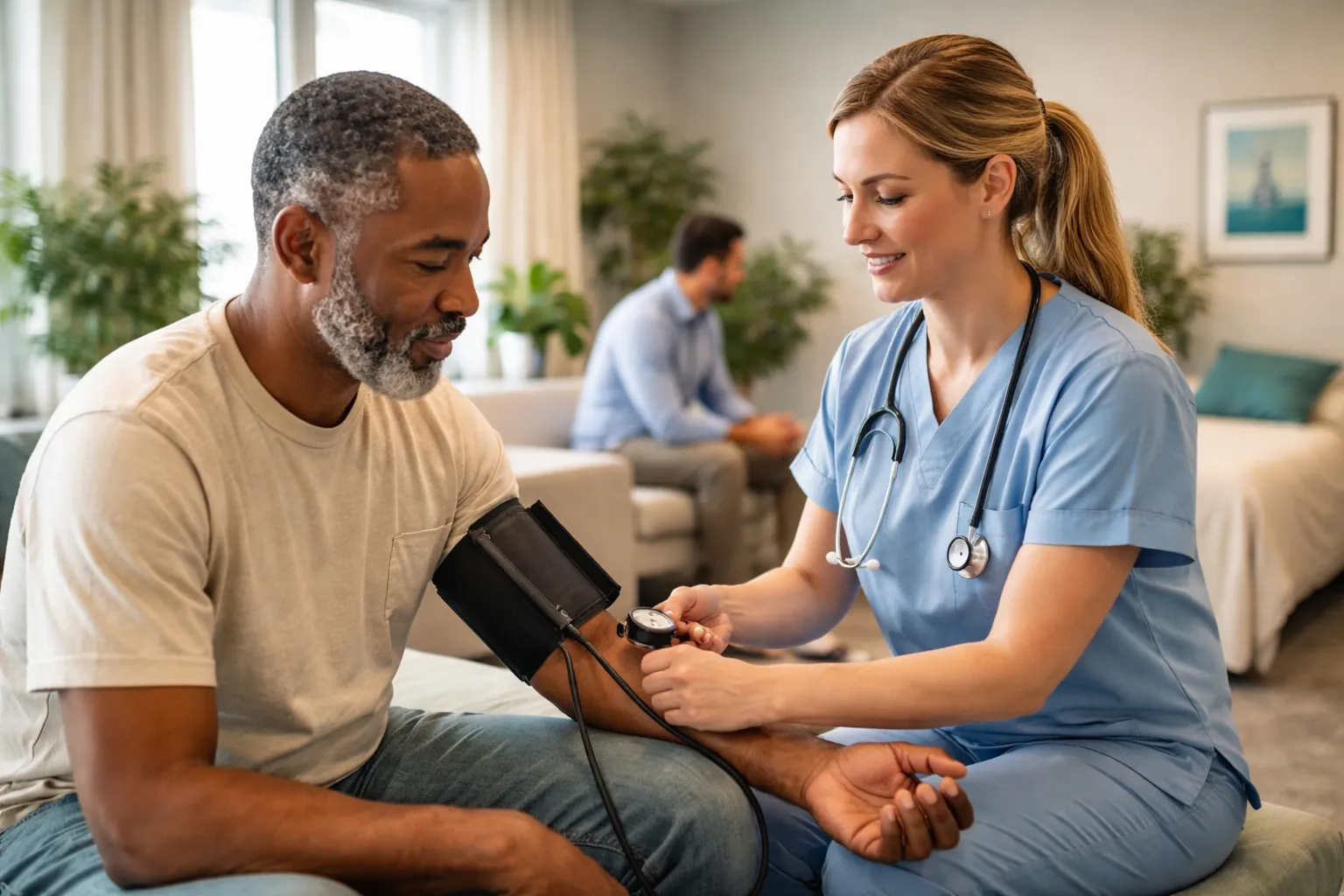
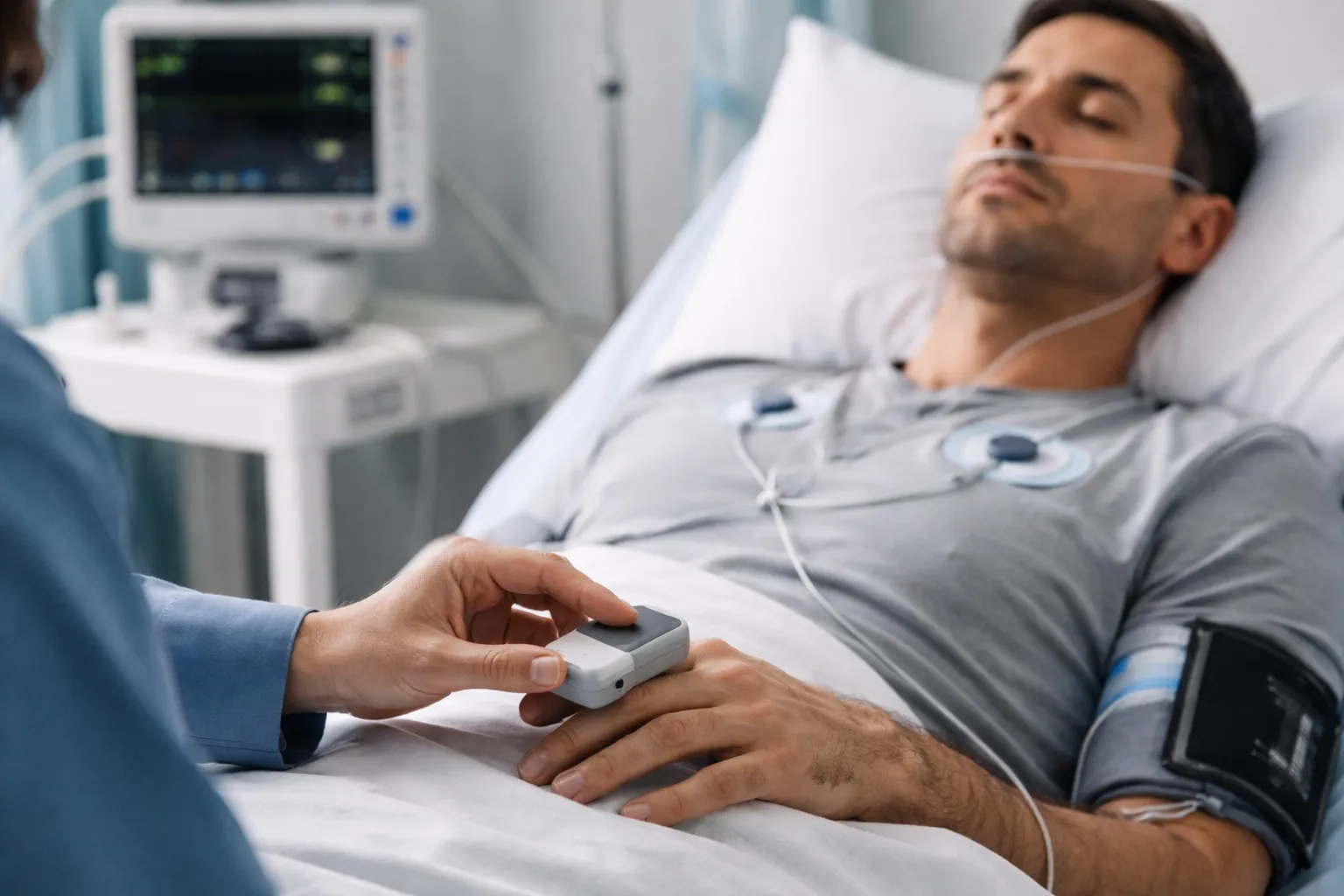
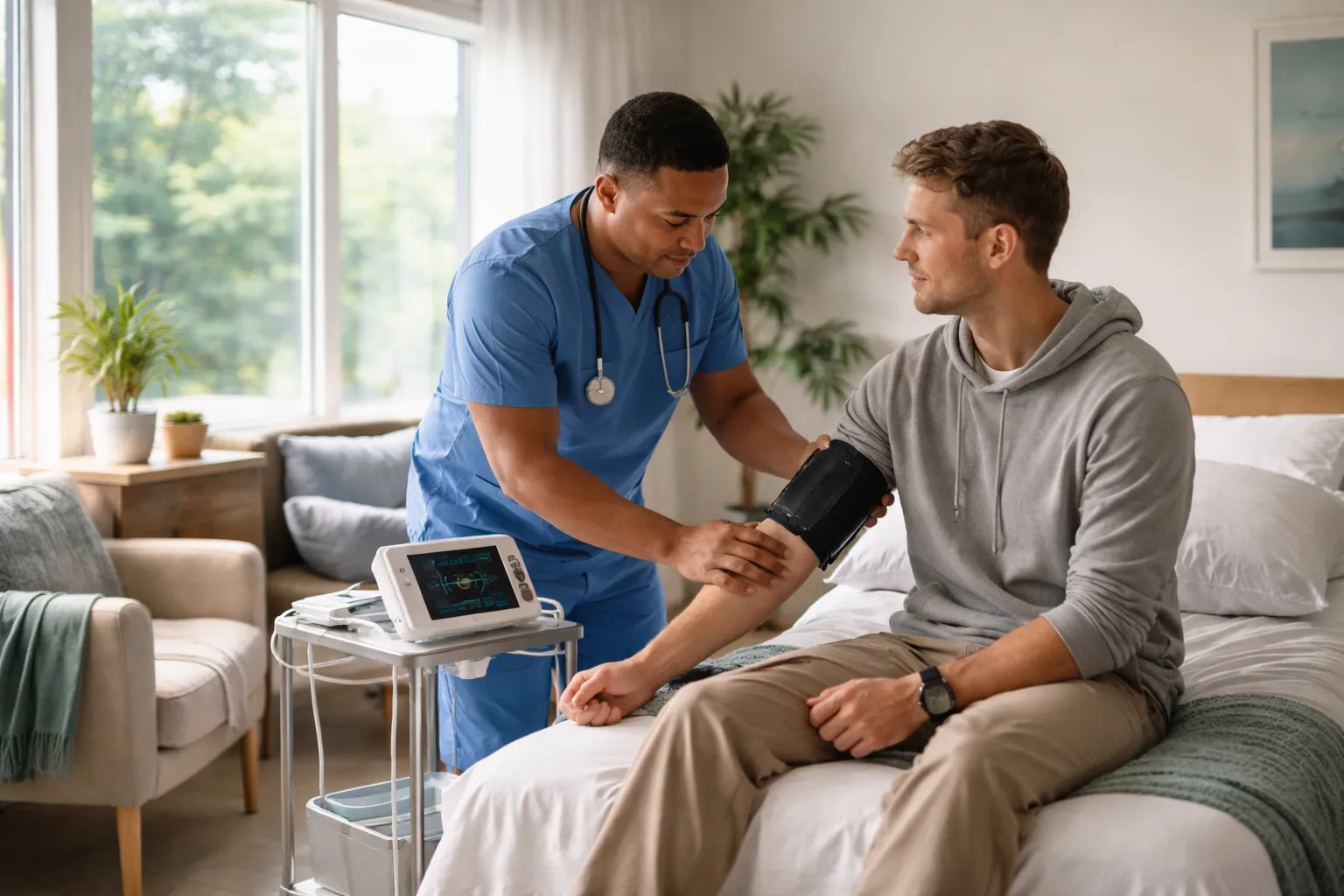
Medical detox is the first clinical step many people take when stopping or reducing alcohol or drug use that causes physical withdrawal. This page explains what medical detox in New Jersey looks like, who may need it, common medications, safety considerations, and how families can help. This is general education, not individualized medical advice. Placement and medication decisions require an assessment by a qualified clinician.
Table of Contents
ToggleWhat is medical detox?
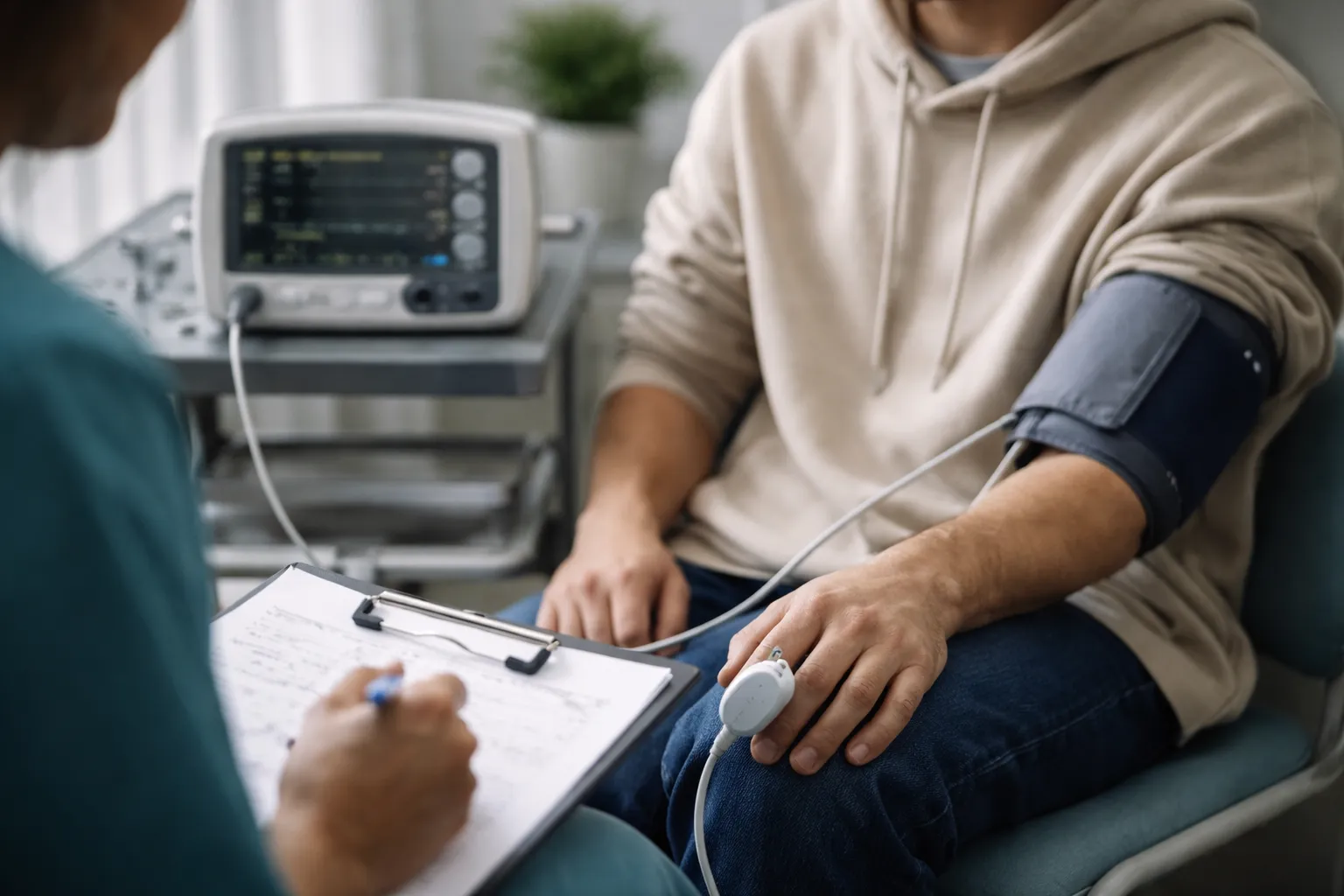
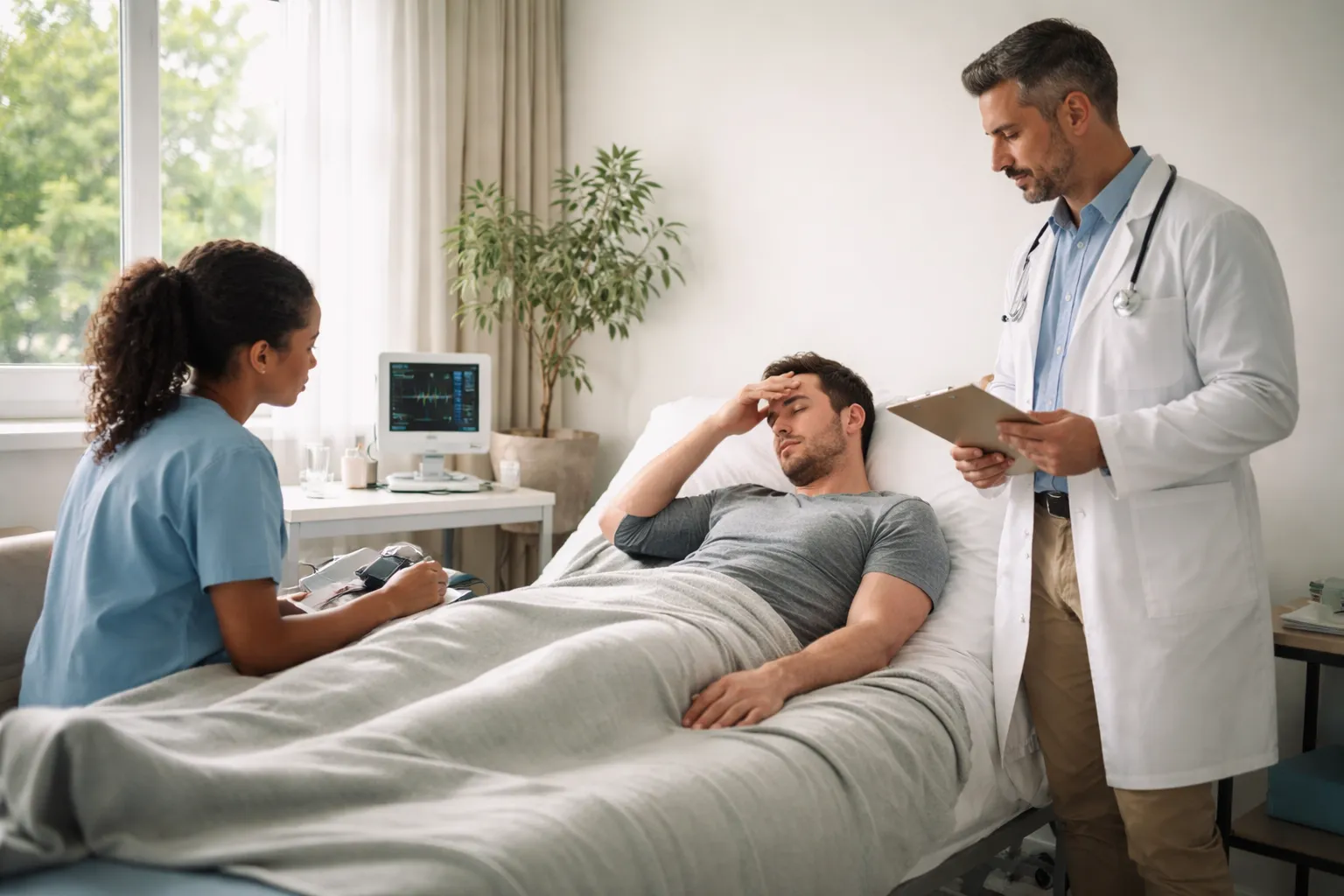
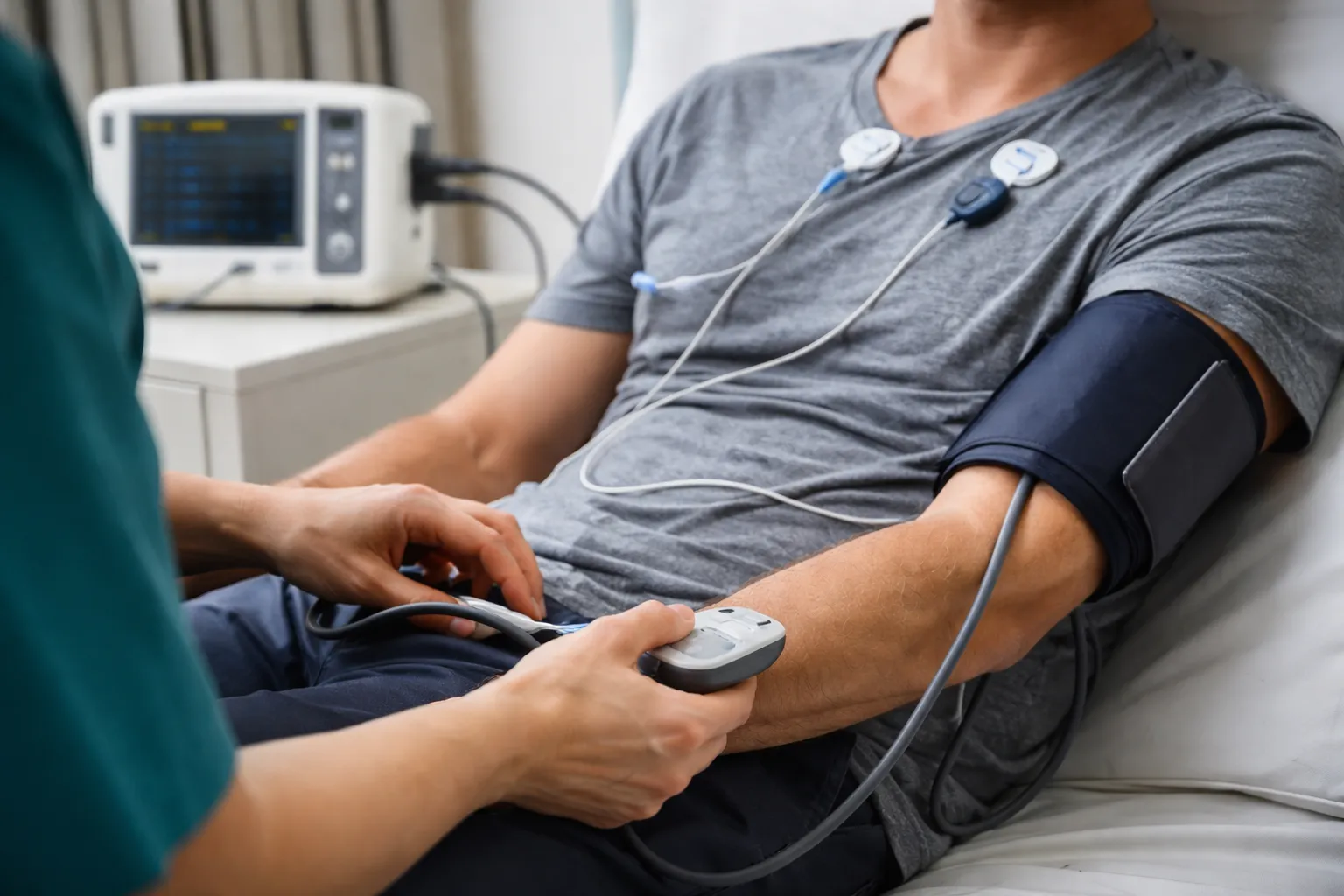
Medical detox, sometimes called withdrawal management, refers to the medical and nursing care used to make the physical process of stopping a substance safer and more comfortable. Detox focuses on stabilizing medical problems caused or revealed by withdrawal, reducing acute symptoms, and linking the person into continuing treatment after withdrawal. Programs should evaluate medical and psychiatric history, medications, and social needs before starting detox. (library.samhsa.gov)
Who may need medical detox?
Not everyone who uses substances needs medical detox. Common reasons to consider medically supervised withdrawal include:
- Moderate to severe alcohol dependence, because alcohol withdrawal can produce seizures and life threatening complications.
- Long term benzodiazepine use, where tapering under medical supervision is safer than abrupt stopping.
- High tolerance or recent heavy opioid use combined with medical or psychiatric risk factors.
- Pregnancy, serious medical conditions, or a history of complicated withdrawals.
Decisions about setting and medications require a clinical assessment by a clinician trained in addiction medicine or addiction psychiatry. Detox alone does not address the behavioral and social aspects of substance use disorder. (library.samhsa.gov)
Medications and treatments commonly used
For opioid use disorder there are three FDA approved medications: buprenorphine, methadone, and naltrexone. These medications, often called medications for opioid use disorder or MOUD, are associated with reduced risk of overdose and death when appropriately prescribed as part of ongoing treatment. Detox that only removes opioids without offering ongoing medication treatment is associated with higher risk of return to use and overdose. (fda.gov)
Other medications may be used to ease symptoms during withdrawal from alcohol, benzodiazepines, stimulants, or other substances. The drug choice, dosing, and monitoring plan depend on the substance, severity of dependence, and other medical conditions. Behavioral supports and treatment planning should begin during detox to increase the chance of engagement in ongoing care. (library.samhsa.gov)
Key clinical points
- Detox is stabilization, not definitive treatment. Staying engaged with ongoing care improves outcomes. (library.samhsa.gov)
- For opioid use disorder, the best evidence is for continued medication treatment after detox. Abrupt detox without MOUD increases overdose risk. (cdc.gov)
- Alcohol and benzodiazepine withdrawal can be medically dangerous; inpatient medical supervision is often recommended for moderate to severe cases. (library.samhsa.gov)
Levels of care: quick comparison
| Setting | Who it is for | Typical duration | Pros | Cons |
|---|---|---|---|---|
| Outpatient medical detox | People with mild to moderate withdrawal, stable housing, reliable support | Days to 2 weeks | Lower cost, allows home responsibilities, integrated with outpatient therapy | Not appropriate for severe alcohol or benzodiazepine withdrawal or unstable medical conditions |
| Residential detox (24 hour non hospital) | Moderate withdrawal needing close observation, limited home supports | 3 days to 2 weeks | Continuous observation, fewer distractions, structured environment | Less medical capability than hospital; variable availability |
| Inpatient hospital detox | Severe withdrawal, medical complications, pregnancy, serious psychiatric risk | Varies, often several days | Highest level of medical monitoring and emergency care | Higher cost, may require inpatient admission criteria |
Which setting is right depends on the substance, withdrawal severity, medical and psychiatric history, and social supports. A clinician will use validated tools and clinical judgment to recommend a setting and medications. (library.samhsa.gov)
What to expect during outpatient medical detox in New Jersey
Outpatient medical detox programs typically include:
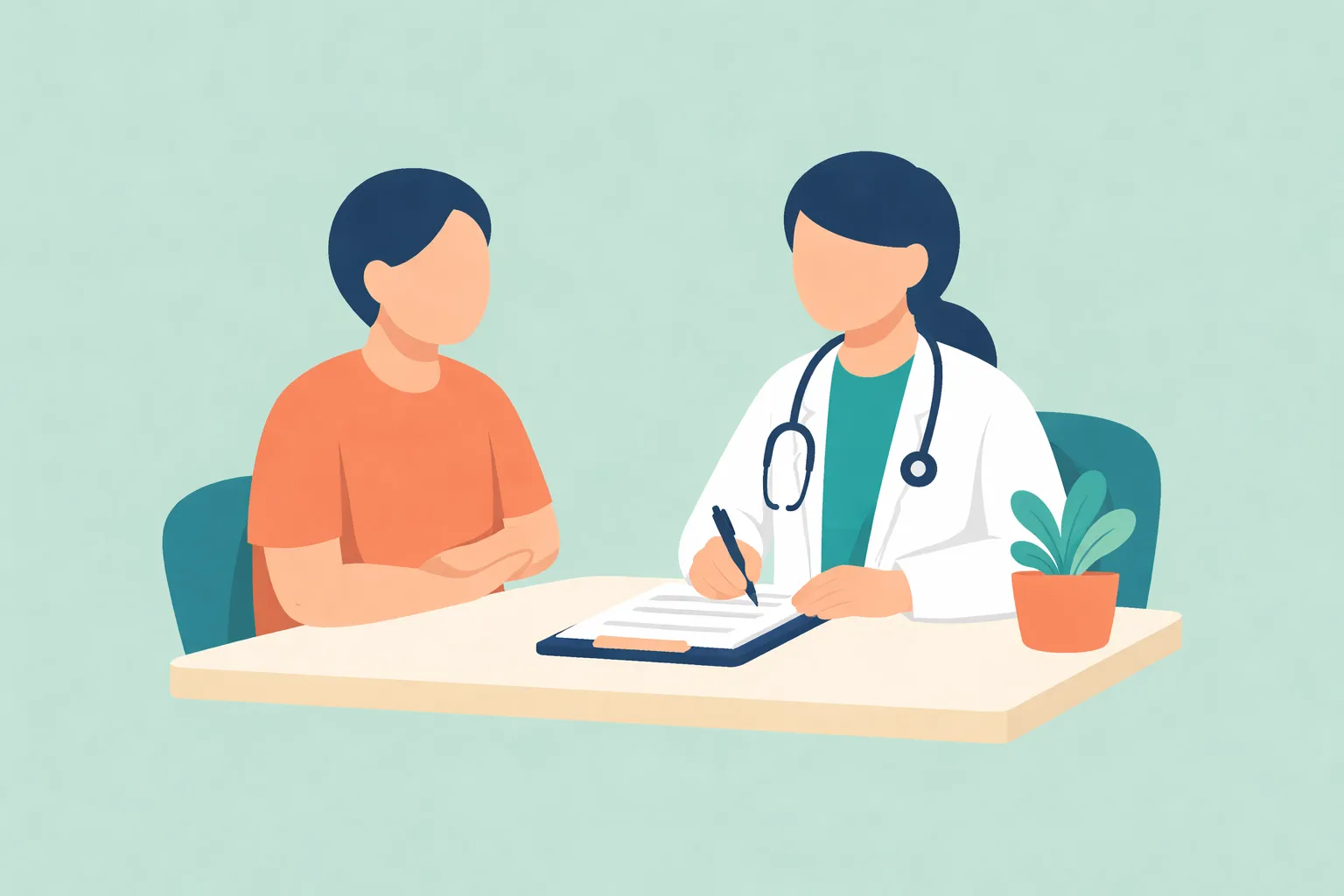
- An initial medical and behavioral health assessment, including medication review and suicide risk screening.
- A written plan for medication management, symptom monitoring, and emergency contact procedures.
- Scheduled clinic visits and nursing check-ins, sometimes daily early in withdrawal.
- Automatic linkage or warm handoffs to longer term treatment, such as outpatient therapy, MOUD programs, or residential treatment when appropriate. (library.samhsa.gov)
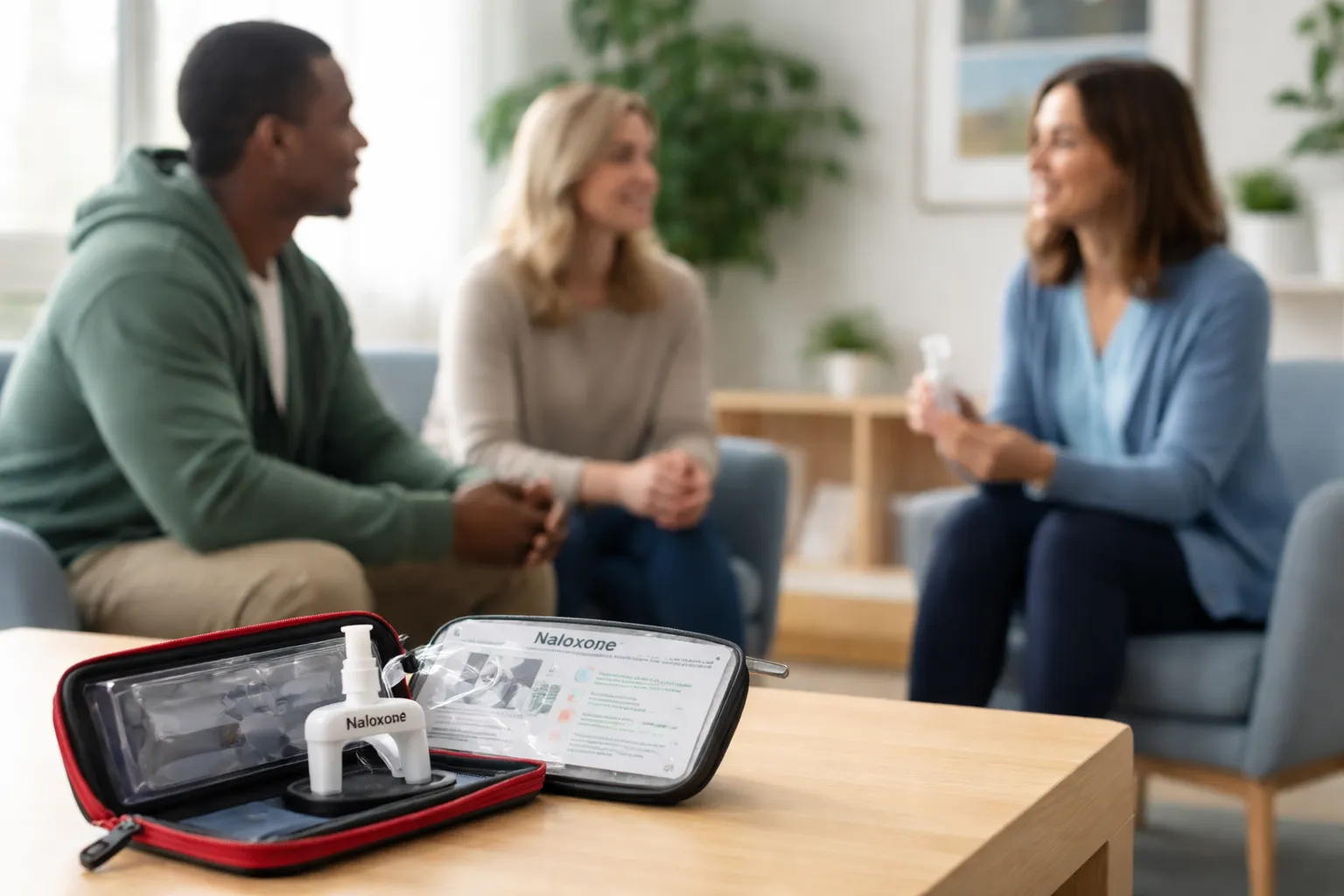
In New Jersey there are state resources and hotlines that can help find treatment or harm reduction supplies, such as naloxone. New Jersey public health and behavioral health agencies maintain referral resources to help people locate providers and free naloxone by mail. If you live in New Jersey ask your provider about local referral options and harm reduction resources. (nj.gov)
Safety callout
If someone is having a medical emergency call 911 immediately. For suicide risk, self-harm, or a mental health crisis call or text 988, the national Suicide and Crisis Lifeline, for immediate support. For questions about naloxone or to request a mailed kit in New Jersey call or text 1-877-4NARCAN or follow your state health guidance. These resources are available 24 hours a day. (samhsa.gov)
Frequently asked questions
Will I be forced to take medications during detox?
No. Medication decisions are made with informed consent. Clinicians will discuss risks and benefits for your specific situation. For opioid use disorder the best outcomes are seen when medication treatment continues after detox, but starting and continuing medication is ultimately the patient and clinician decision. (cdc.gov)
How long does withdrawal last?
Duration varies by substance, dose, frequency, and individual health. Acute symptoms for many opioids may peak within a few days and improve over a week, while alcohol and benzodiazepine withdrawal can last longer and require medically supervised tapering. Your clinician will describe expected timelines and warning signs that require escalation of care. (library.samhsa.gov)
Will insurance cover medical detox?
Coverage varies by insurer, plan, and level of care. Many commercial and public plans cover medically necessary detox and treatment services, but preauthorization or specific facility networks may apply. Ask the provider or your insurer about coverage for the recommended level of care and medications. Do not rely on online price quotations without confirming with the provider and payer.
Is detox the same as treatment?
No. Detox manages physical withdrawal. Effective long term treatment commonly includes evidence based medications when indicated, counseling, peer support, case management, and social services. Programs should help patients transition from detox into ongoing care. (library.samhsa.gov)
Sources
- CDC: Treating opioid use disorder and the role of medication treatment. (cdc.gov)
- FDA: Information about medications for opioid use disorder. (fda.gov)
- SAMHSA: Detoxification and Substance Abuse Treatment guidance. (library.samhsa.gov)
- NIDA: Opioids overview and treatment. (drugabuse.gov)
- New Jersey Department of Health: opioid resources and naloxone information. (nj.gov)
- SAMHSA: 988 Suicide & Crisis Lifeline information. (samhsa.gov)
Next steps and getting help
If you or a loved one is considering medical detox in New Jersey, the next step is a confidential clinical assessment to determine the safest setting and whether medications are indicated. Placement decisions require review of medical history, current medications, and social supports by a qualified clinician. If you need help finding treatment or a warm handoff to medication treatment, state resources and hotlines can assist with referrals and harm reduction supplies. (nj.gov)
For information about treatment options offered at our organization see our treatments page, our locations page, or contact us to request a confidential assessment. You may also call 911 for a medical emergency, or call or text 988 for a mental health or suicide crisis. Requesting an assessment connects you with clinicians who can recommend the appropriate setting and explain medication options without pressure.
Note: This article is general educational information only. It is not a substitute for professional medical advice, diagnosis, or treatment. Always follow the advice of your qualified health provider about placement, medications, and safety planning.