This article explains what binge drinking means, the short term and long term health risks, how to recognize a medical emergency, and options for help. It is general education only. Placement and medication decisions require assessment by a qualified clinician.
Table of Contents
ToggleWhat is binge drinking?
Binge drinking is a pattern of drinking that brings blood alcohol concentration to 0.08 percent or higher during a single occasion. In practical terms this usually means four or more standard drinks for people assigned female at birth, or five or more standard drinks for people assigned male at birth, within about 2 hours. A U.S. standard drink contains about 14 grams of pure alcohol. This definition is used by major U.S. health agencies. (niaaa.nih.gov)
How common is binge drinking in New Jersey?
Binge drinking is common across the United States and remains a public health concern in New Jersey. Recent state reports estimated that about 22.5 percent of people aged 12 or older in New Jersey reported binge alcohol use in the past month during the 2021 to 2023 period. State household surveys have also shown lower and higher estimates depending on age group and the survey used. These figures come from federal and state behavioral health surveys. (samhsa.gov)
Health risks of binge drinking
Immediate risks
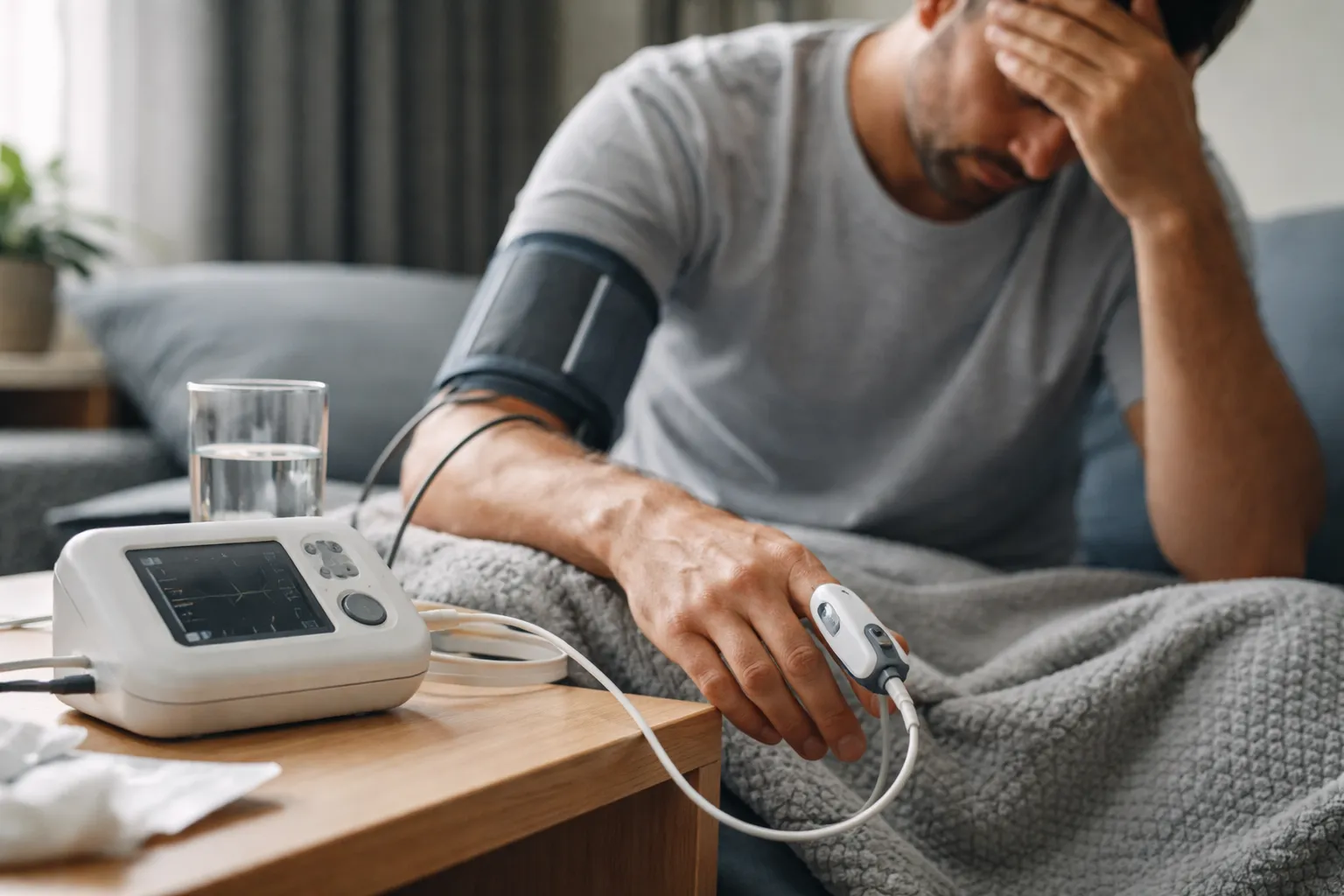
A single episode of binge drinking can cause acute harms. These include alcohol blackouts, accidents and falls, motor vehicle crashes, injuries from violence, risky sexual behavior, and sudden cardiac events such as atrial fibrillation. Binge drinking also increases the risk of alcohol poisoning, which can be life threatening. These immediate harms are well documented in medical and public health sources. (niaaa.nih.gov)
Short term risks that affect daily life
- Impaired judgment and coordination, which raise the risk of driving incidents and accidental injuries. (cdc.gov)
- Memory gaps or blackouts after heavy drinking episodes. (niaaa.nih.gov)
- Interactions with prescription or over the counter medications that increase sedation or dangerous side effects. (niaaa.nih.gov)
Long term risks
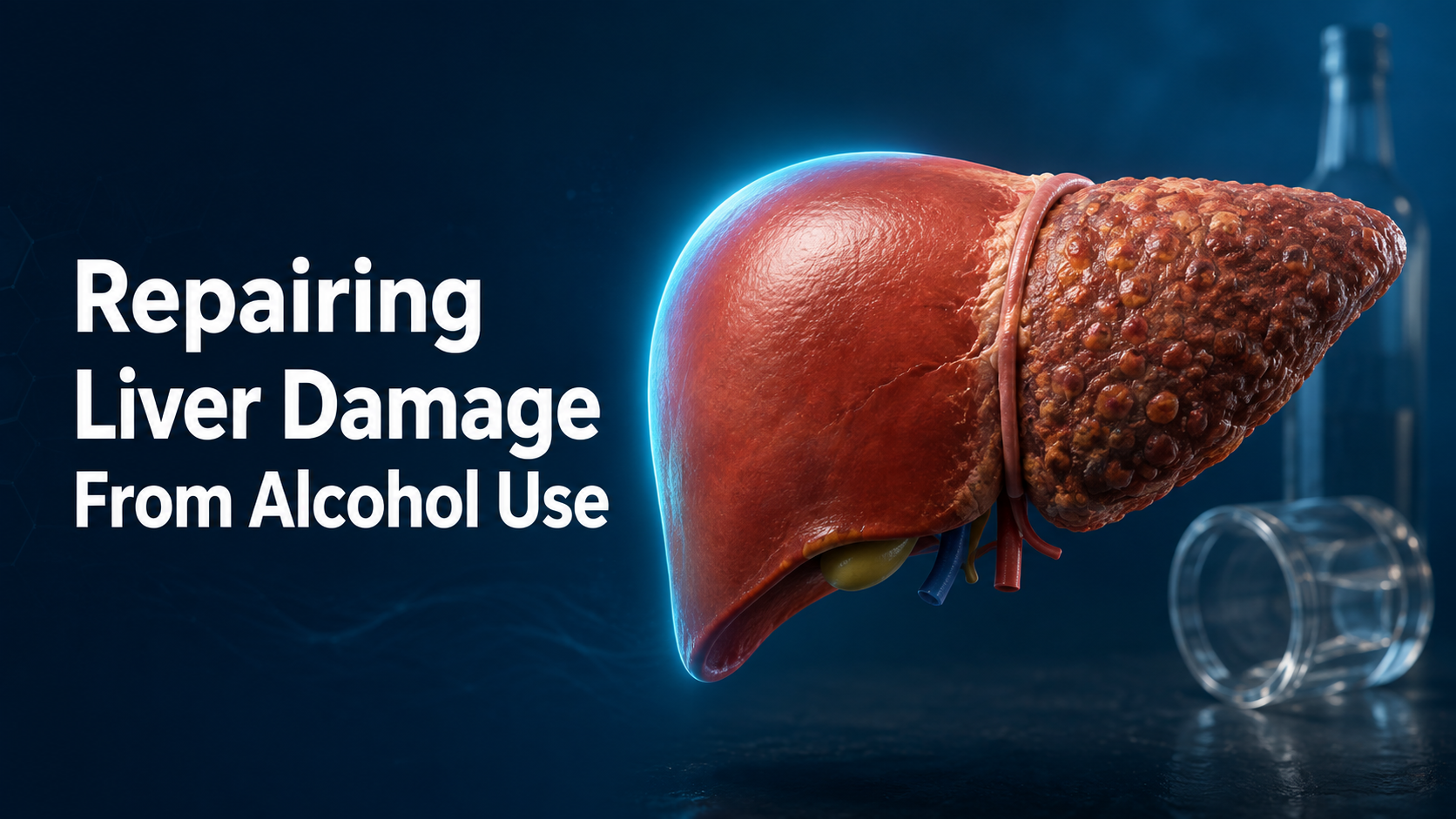
Repeated binge drinking over time increases the chance of developing alcohol use disorder, liver disease, high blood pressure, heart rhythm problems, and some cancers. Alcohol is classified as a carcinogen for several cancers including cancers of the mouth, throat, esophagus, colon, rectum, liver, and female breast, and risk rises with greater consumption. Even lower levels of alcohol contribute to some cancer risks. (niaaa.nih.gov)
Alcohol poisoning and warning signs
Alcohol poisoning is a medical emergency. It happens when blood alcohol concentration is high enough to depress brain centers that control breathing, heart rate, and temperature. Signs that someone may have alcohol poisoning include severe confusion or stupor, vomiting while not fully conscious, slow or irregular breathing (fewer than 8 breaths per minute or less than 10 seconds between breaths), low body temperature, pale or bluish skin, and inability to wake. If you see these signs, call 911 immediately. (medlineplus.gov)
When should I seek emergency or medical help?
Seek emergency help if the person shows any signs of alcohol poisoning described above, has stopped breathing or is hard to wake, or if they have a suspected coingestion of other sedatives such as benzodiazepines or opioids. If someone is vomiting and cannot stay awake, do not leave them alone. For nonemergency concerns, such as repeated episodes of binge drinking, strong cravings, or withdrawal symptoms when trying to cut down, contact a medical or addiction specialist for an assessment. Decisions about medication assisted treatment, supervised detoxification, or outpatient programs require a clinical assessment. (niaaa.nih.gov)
Choosing a level of care, comparison table
Below is a concise comparison to help families understand typical levels of care. This is general guidance only, not clinical advice. A qualified clinician should determine placement after assessment.
| Level of care | When it is often appropriate | What to expect |
|---|---|---|
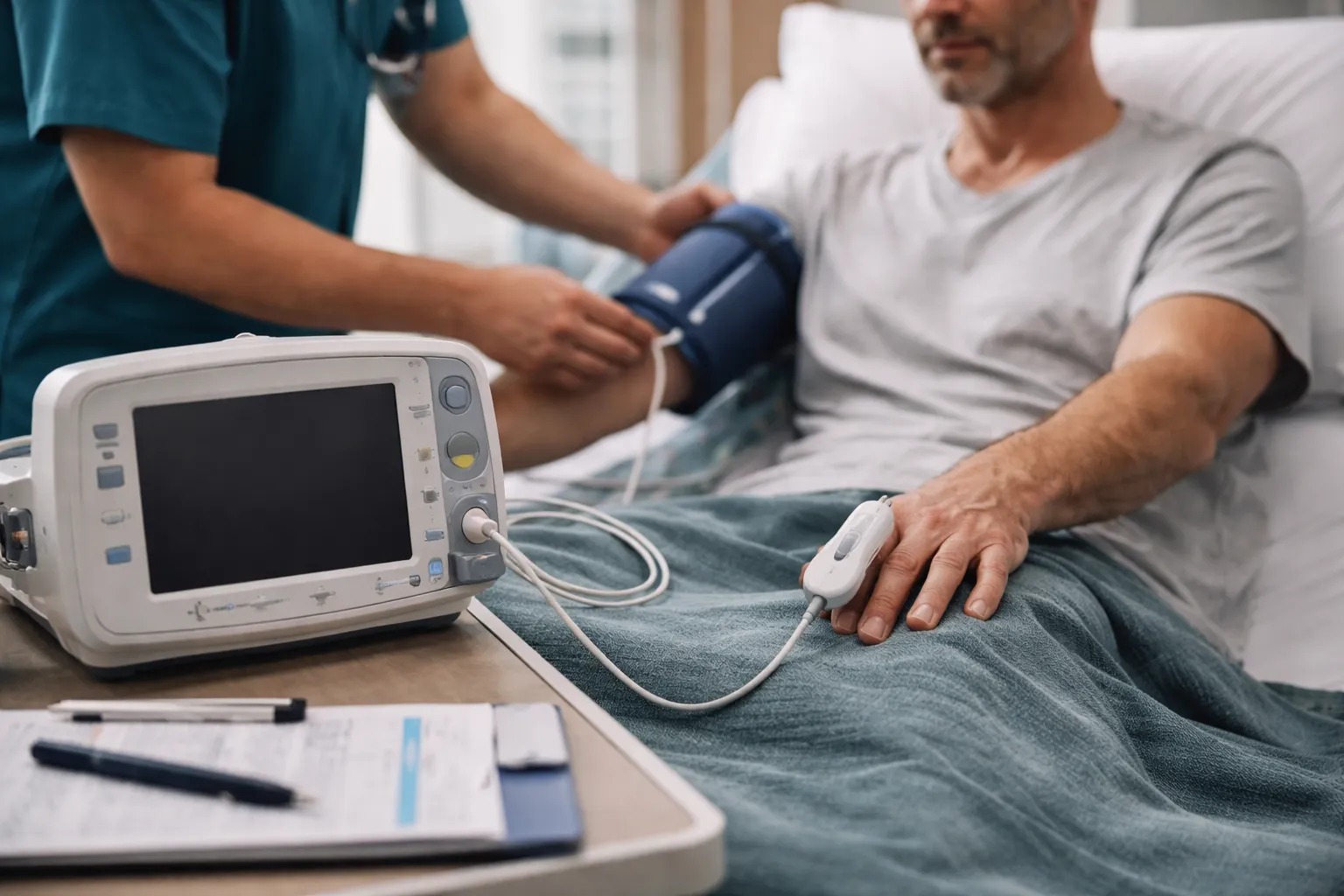
| Emergency care | Signs of alcohol poisoning, uncontrollable bleeding, severe injury, respiratory depression | Immediate life saving care, stabilization, possible hospital admission |
| Medically supervised detox | High risk for withdrawal, history of severe withdrawal or seizures, heavy daily drinking | Inpatient monitoring, medications to reduce withdrawal risk, medical management |
| Outpatient detox or partial hospitalization | Milder withdrawal risk, strong supports at home, able to attend frequent visits | Daily or frequent medical visits, medication options, therapy |
| Outpatient treatment and counseling | Low to moderate risk, motivated to change, needs therapy and relapse prevention | Individual and group therapy, medication options evaluated by clinician, flexible scheduling |
For a local outpatient treatment overview, you may find our treatment options helpful. For facility locations or to speak with admissions, see our locations and contact pages. These links connect to the provider site for program and contact details: treatment options, locations, contact us.
Frequently asked questions
Can one binge episode cause long term damage?
One binge episode can cause immediate harm such as a crash or alcohol poisoning. Long term damage typically follows repeated heavy use, but severe acute events from a single episode can have lasting consequences. (niaaa.nih.gov)
How do I know if drinking has become an alcohol use disorder?
Alcohol use disorder is diagnosed based on specific criteria that include loss of control over drinking, continued use despite harms, and increased tolerance or withdrawal. A clinician will use structured interviews and diagnostic criteria to assess severity and recommend treatment. For a self screen, validated tools exist, but they do not replace a professional evaluation. (niaaa.nih.gov)
Is medication available to help reduce cravings or manage withdrawal?
Yes, several medications can help reduce cravings, decrease the rewarding effects of alcohol, or ease withdrawal under medical supervision. Which medication is appropriate depends on medical history and current health, and requires clinician assessment. Do not start or stop medications without clinician guidance. (niaaa.nih.gov)
Should family members get involved in treatment?
Family involvement is often helpful. Family members can support safety planning, help arrange assessments, and participate in family therapy when appropriate. Confidentiality rules mean treatment teams will discuss clinical details only with the patient unless the patient provides consent, or there is an immediate safety concern. (samhsa.gov)
Sources
- NIAAA, Understanding Binge Drinking. (niaaa.nih.gov)
- Centers for Disease Control and Prevention, Alcohol Use and Your Health. (cdc.gov)
- NIAAA, Medical Complications of Alcohol. (niaaa.nih.gov)
- SAMHSA, Behavioral Health Barometer New Jersey. (samhsa.gov)
- New Jersey Department of Human Services, household survey on drug use and health. (nj.gov)
- SAMHSA, 988 Suicide and Crisis Lifeline. (samhsa.gov)
This article is educational and not a substitute for professional medical assessment. Placement and medication decisions must be made by a qualified clinician after evaluation. If someone has signs of life threatening alcohol poisoning, call 911 immediately. For mental health crises or suicidal thoughts, call or text 988.
Compassionate next steps
If you are worried about a loved one or yourself after episodes of binge drinking, consider requesting a confidential assessment with a licensed clinician to review safety and treatment options. If you want to learn more about outpatient programs we offer, see our treatment options. To find a nearby office or speak directly with an admissions specialist, visit locations or contact us. The admissions team can help arrange a confidential assessment by a clinician, without pressure, so you can consider your options.