Table of Contents
ToggleIntroduction
If you or a family member is considering nj detox centers, choosing the right program matters for safety, comfort, and the next steps in treatment. Detox, short for medically managed withdrawal, is the first clinical step for many people who are physically dependent on alcohol, opioids, benzodiazepines, or other substances. This article explains what to ask, how levels of care differ, and how to confirm medical oversight and aftercare planning. It is general education, not individualized medical advice. Placement and medication decisions require assessment by a qualified clinician.
Key questions to ask before you call or visit
Use the following checklist when you contact a facility. Write down answers and ask for names and credentials when you can.
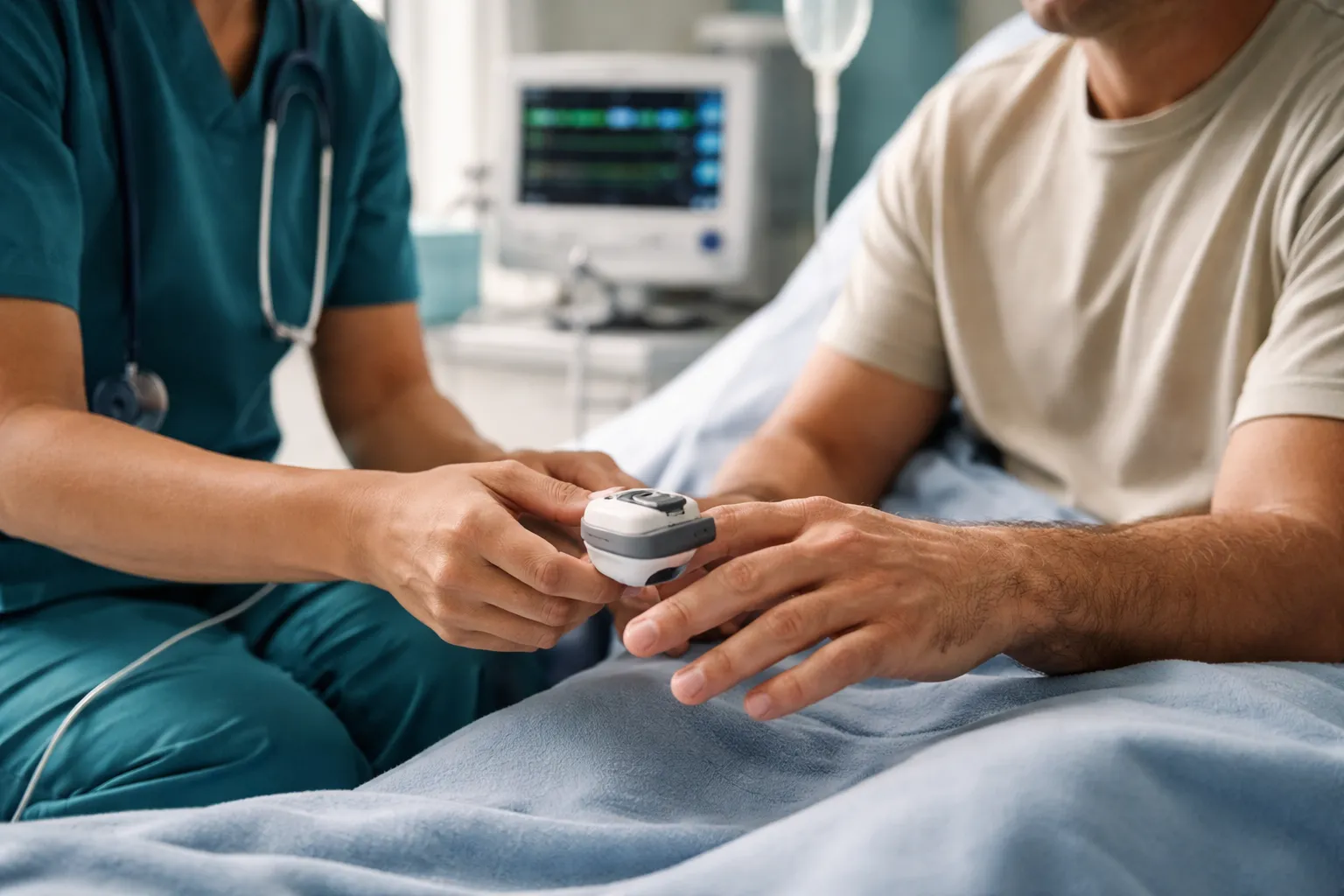
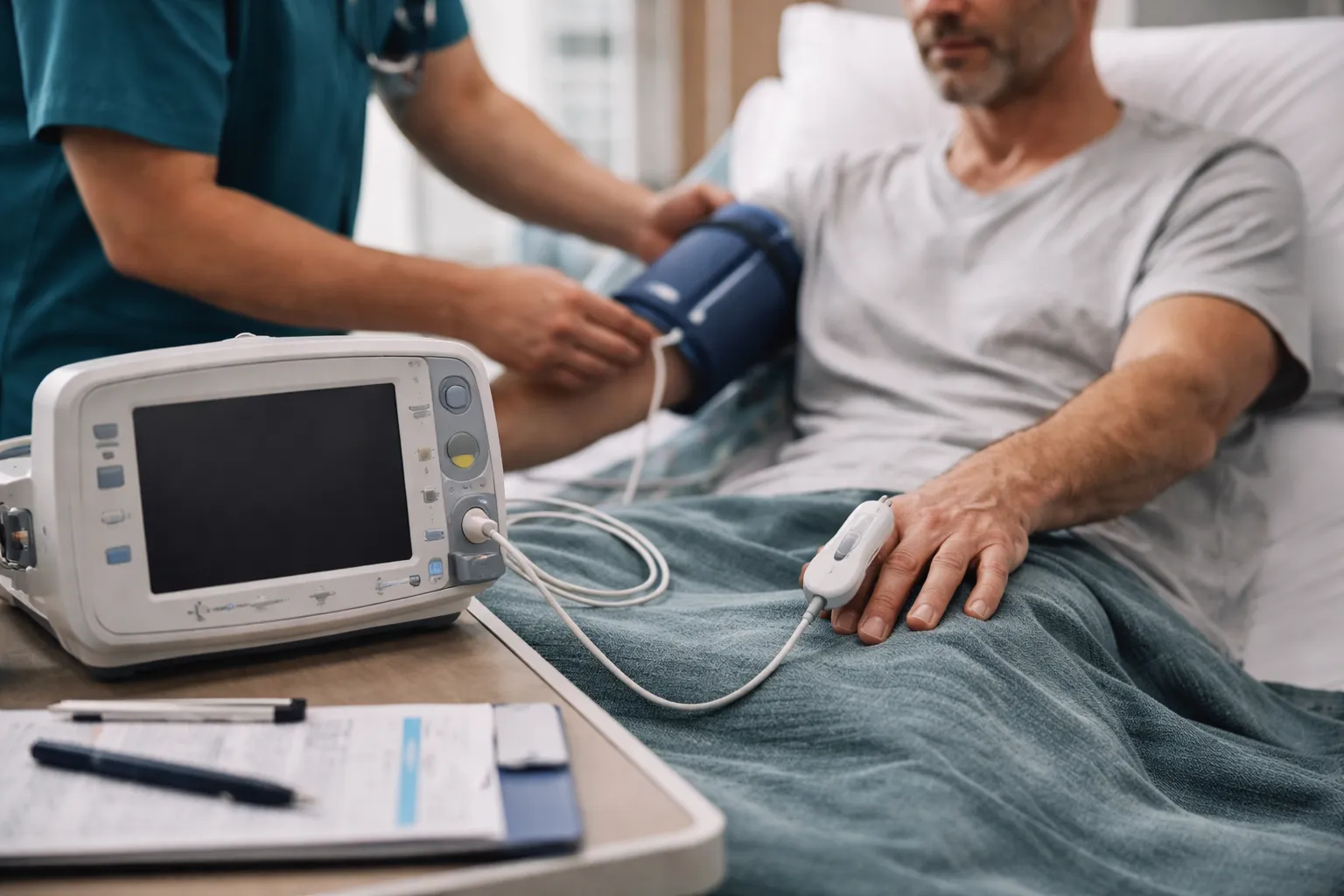
- What level of medical oversight is available 24 hours a day? Is there an on-site physician and nursing staff experienced in withdrawal management?
- Does the program provide medications for withdrawal and, when indicated, medications for ongoing treatment of opioid or alcohol use disorders? Ask which medications are offered and whether a prescriber who treats medication for opioid use disorder (MOUD) is available. (See clinical guidance on medications for opioid use disorder.) SAMHSA TIP 63.
- How do you assess medical risk before admission? Will the center accept people with a history of seizures, serious medical problems, or active psychiatric symptoms?
- What monitoring and protocols do you use for alcohol withdrawal, including use of the CIWA-Ar or similar clinical tools?
- What happens after detox? Is there a clear transition plan to outpatient therapy, medication management, peer support, or residential treatment?
- Does the facility assist with insurance verification, prior authorization, and out of pocket cost estimates? What payment options are available?
- Does the program offer family support, case management, or help with housing and employment resources after discharge?
- What are typical lengths of stay, and what factors could change that estimate?
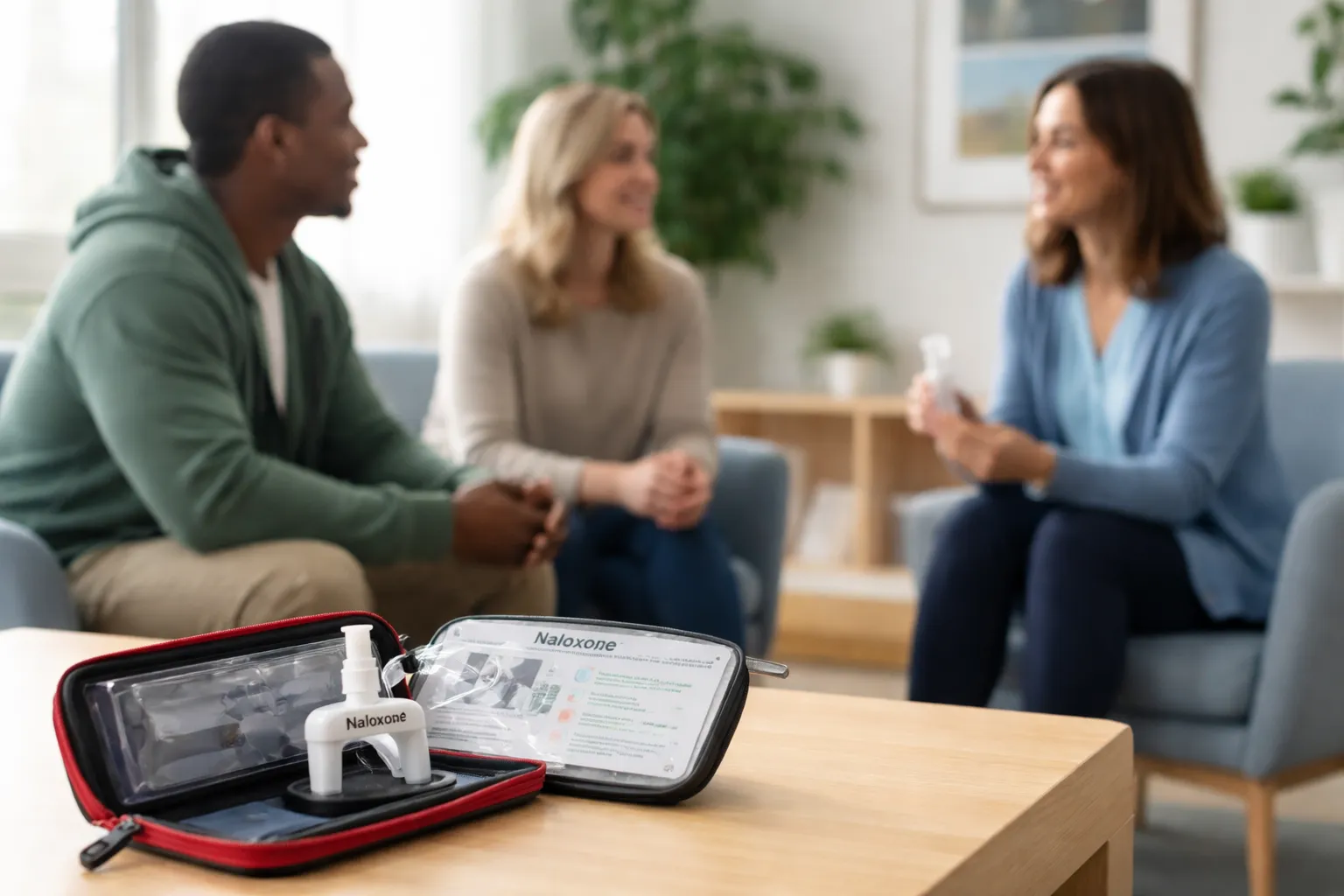
- What safety measures are in place for overdose prevention, including availability of naloxone and training for family members? The FDA recommends discussing naloxone when opioids are involved. FDA on naloxone.
Care settings: a short comparison table to guide decisions
| Care setting | When it is appropriate | What to ask the center |
|---|---|---|
| Outpatient detox (clinic/office) | Mild withdrawal risk, stable home environment, reliable support, no history of severe withdrawal or seizures | How often are vital signs and symptoms checked, who prescribes medications, and when will I be referred to higher care if needed? |
| Medically supervised outpatient – enhanced monitoring | Moderate withdrawal risk, medical comorbidities manageable outside hospital, needs daily nursing or prescriber visits | Is 24 hour medical backup available, and what emergency transfer plan exists? |
| Residential inpatient detox | History of complicated withdrawal, limited social supports, unstable housing, or co-occurring psychiatric illness | Are nurses and physicians on-site 24/7, what is staff to patient ratio, and what are discharge planning services? |
| Hospital inpatient detox | Severe withdrawal symptoms, medical or surgical complications, pregnancy, or need for critical care monitoring | Will the hospital manage withdrawal and engage addiction specialists to plan follow-up care? |
Clinicians commonly use the American Society of Addiction Medicine criteria to match patients to the right level of care. Ask whether the program uses these criteria during assessment. ASAM Criteria overview.
Medications, safety, and common clinical practices
Medications for opioid and alcohol-related care
Evidence-based medications reduce withdrawal symptoms and improve safety during and after detox. For opioid use disorder, methadone, buprenorphine, and naltrexone are FDA approved and are integral parts of many treatment plans. Ask whether the center starts or links you to ongoing medication treatment when appropriate. SAMHSA treatment options.
For alcohol withdrawal, benzodiazepines remain the most widely used medications to prevent complications including seizures and delirium tremens. Programs commonly use validated tools such as the CIWA-Ar to guide symptom-triggered medication dosing. If liver disease or other risks exist, ask how dosing or alternative regimens will be handled. NIAAA guidance on alcohol withdrawal.
Overdose prevention and naloxone
Any program treating opioid withdrawal should discuss overdose risk and ensure access to naloxone on discharge. Naloxone reverses opioid overdose and is recommended by federal guidance to be made available to people at risk and their families. Ask whether the center provides naloxone and brief training before discharge. FDA information on naloxone.
Clinical assessment and what to expect
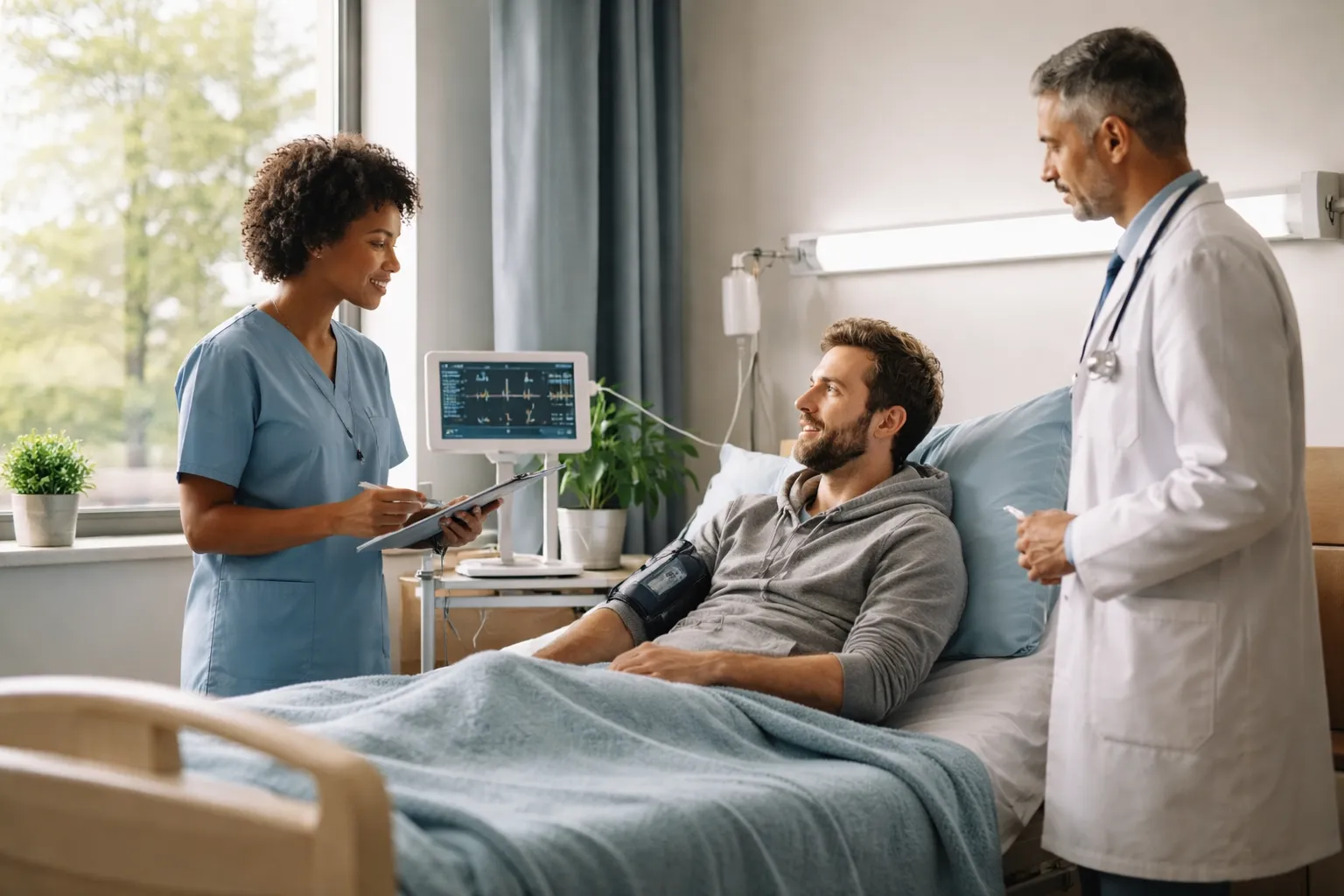
A responsible program performs a structured assessment that includes medical history, substance use history, current medications, mental health status, and social supports. That assessment determines whether detox can be safely managed in an outpatient setting or whether residential or hospital care is required. Placement decisions should be documented and explained to you. Clinical tools and consensus guidance such as the ASAM Criteria help guide these decisions. ASAM Criteria overview.
If the facility recommends medication, expect an explanation of risks and benefits and a plan for follow-up care. Medication decisions depend on individual factors such as pregnancy, liver disease, breathing problems, or interactions with other drugs. Only a clinician who has examined the patient can make safe medication choices.
Frequently asked questions
Will detox alone fix addiction?
No. Detox treats physical dependence and acute withdrawal, not the behavioral and social drivers of addiction. Good programs provide or arrange continuing care, counseling, medication management when indicated, and community supports.
How long will detox take?
Length varies by substance, dose, duration of use, medical history, and the chosen protocol. Alcohol or benzodiazepine withdrawal can require several days to a week of monitored care. Opioid withdrawal is typically shorter for acute symptoms but ongoing medication treatment may be recommended. Ask the program for expected length of stay and discharge criteria.
Will insurance cover detox?
Coverage varies by plan, medical necessity, and state rules. Ask the center to verify benefits for your plan and to explain what will need prior authorization or preapproval. Many programs provide benefit verification as a standard service.
Safety callout
If you are in immediate medical danger, call 911 now. If you or someone is in a mental health or suicide crisis, call or text 988 for the 988 Suicide and Crisis Lifeline. These services are available 24 hours a day. 988 Lifeline information.
Compassionate next steps
Start by calling the admissions team at the centers you are considering and use the checklist above. If you want help locating local services, New Jersey provides a treatment directory and local resources through its Division of Mental Health and Addiction Services. New Jersey DMHAS resources.
If you or your loved one are ready to learn more about available programs, treatments, or locations, you may find it useful to explore treatment options or request a confidential assessment. For clinical services and to learn about programs offered, see our treatments page CNT Recovery treatments, find nearby centers on our locations page CNT Recovery locations, or contact an admissions representative CNT Recovery contact.
Sources
- SAMHSA, TIP 63: Medications for Opioid Use Disorder.
- NIAAA: Alcohol Use Disorder, assessment and withdrawal management.
- FDA: Access to naloxone can save a life.
- CDC National Vital Statistics System: Drug overdose deaths data.
- ASAM: The ASAM Criteria for patient placement.
- New Jersey Division of Mental Health and Addiction Services: Treatment resources.
- SAMHSA: 988 Suicide and Crisis Lifeline information.
Last reviewed: October 15, 2026. This article provides general information only. For personalized medical advice about detox placement or medications, speak with an addiction medicine clinician or the admissions clinical staff at the program you are considering. If you are experiencing a medical emergency, call 911 immediately. If you or someone is in a mental health or suicide crisis, call or text 988.
Call to action: If you would like a confidential assessment or to speak with an admissions team member about options and next steps, please request a confidential assessment or contact admissions to learn more.