Short introduction: This guide explains outpatient drug rehab in New Jersey, how clinicians decide on placement, common services, medication options, and immediate safety steps for people and families. It is general education, not individualized medical advice. Placement and medication decisions require assessment by a qualified clinician.
Table of Contents
ToggleWhat is outpatient drug rehab
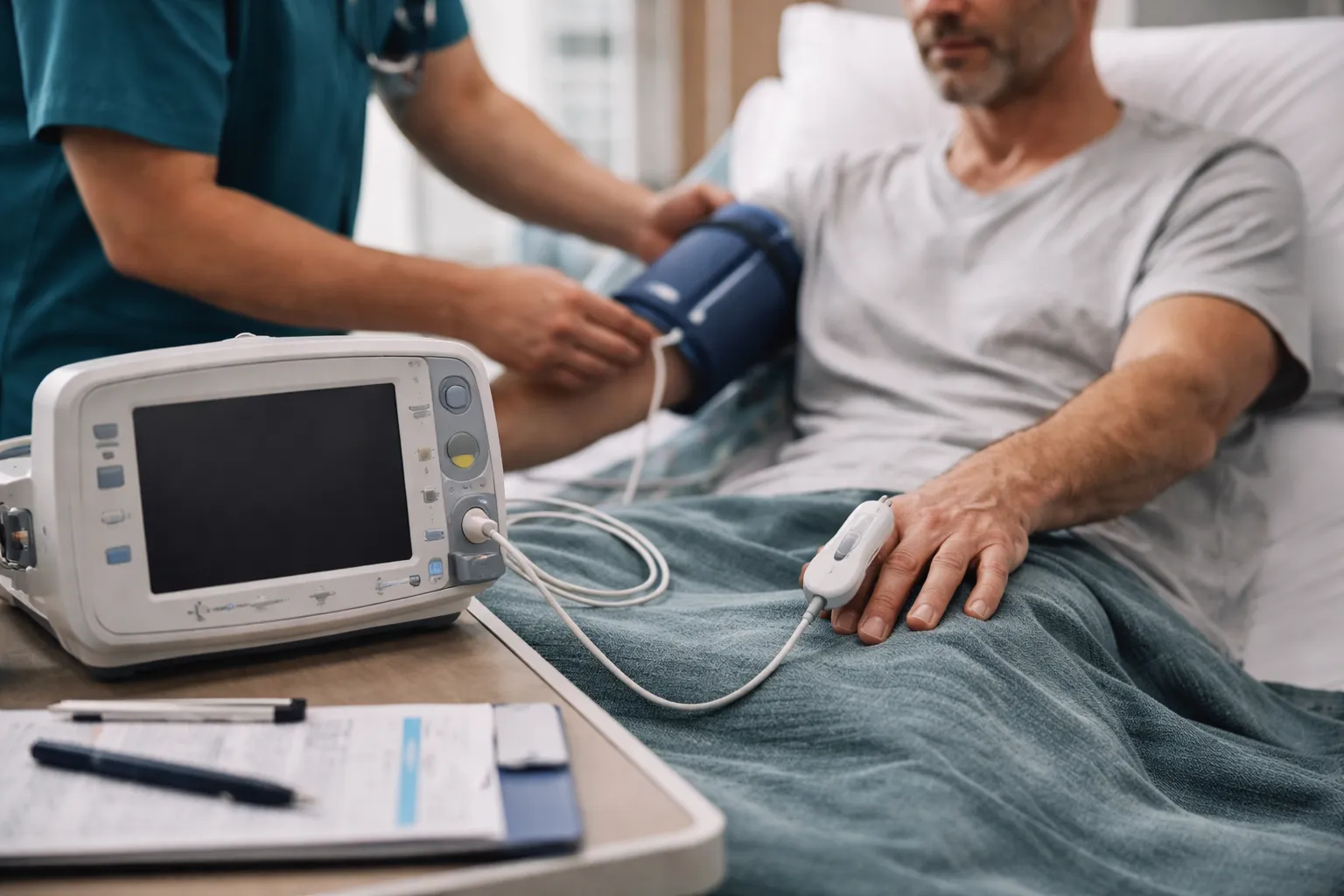
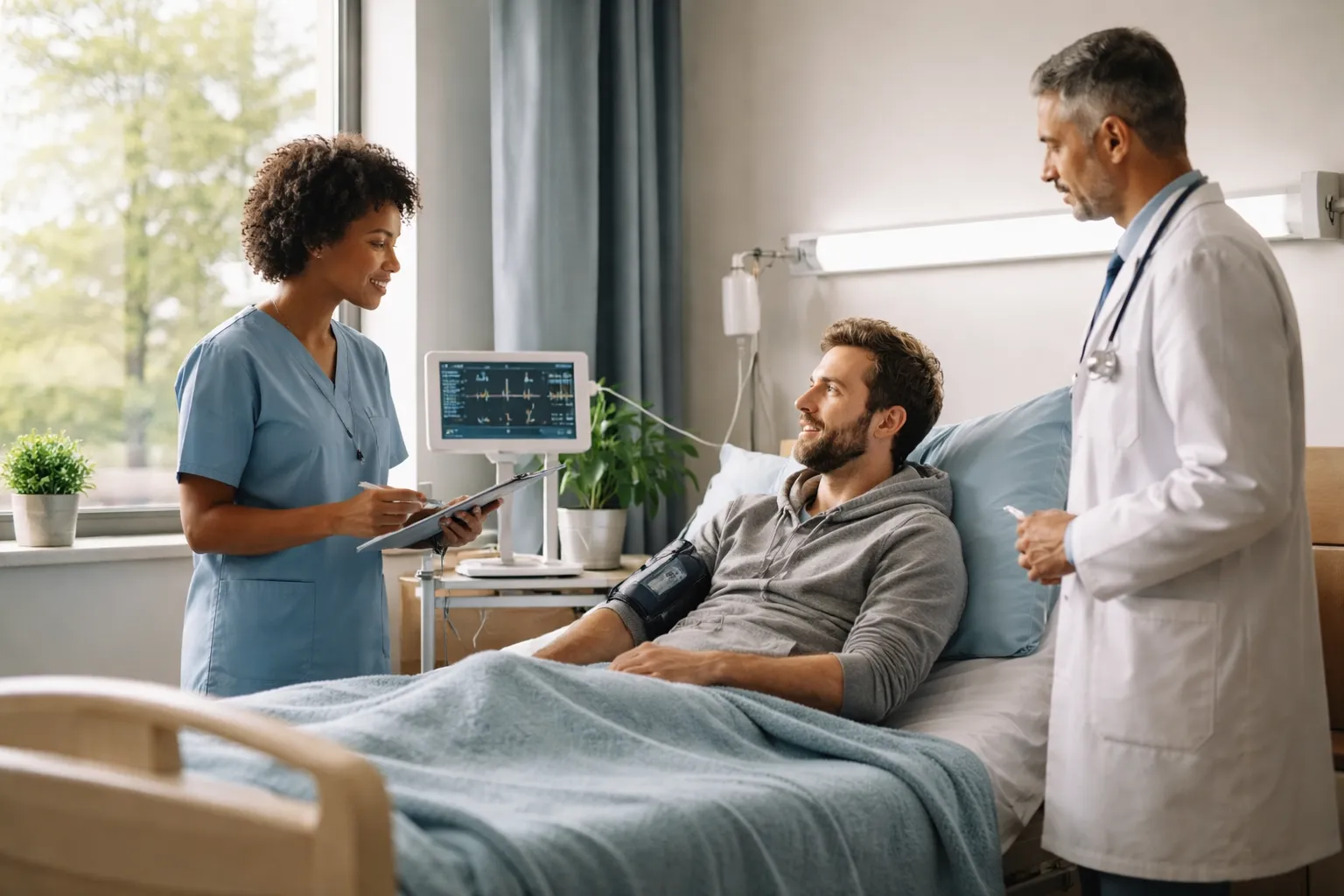
Outpatient drug rehab treats substance use disorders without overnight stays. Visits can be short clinical appointments, structured multi-hour days, or recurring group and individual sessions. Outpatient care may include counseling, medication management, case coordination, and linkages to community supports. These programs can be delivered in clinics, hospital outpatient departments, primary care offices, or specialized addiction treatment centers. (samhsa.gov)
Levels of outpatient care commonly used in New Jersey
Clinicians choose a level of care based on medical needs, substance use severity, co-occurring mental health conditions, living situation, and safety concerns. The American Society of Addiction Medicine and federal guidance describe a continuum that includes standard outpatient, intensive outpatient, and partial hospitalization. (library.samhsa.gov)
Common outpatient levels
- Standard outpatient, weekly or biweekly counseling and medication follow up as needed. (samhsa.gov)
- Intensive outpatient program, often structured 9 or more hours per week for several weeks, for people who need more support but not 24 hour supervision. (library.samhsa.gov)
- Partial hospitalization, daytime programs with several hours daily of treatment, for people requiring high intensity but who can return home in the evening. (store.samhsa.gov)
Who may be appropriate for outpatient care
Outpatient care is often appropriate when withdrawal is medically manageable without daily supervised dosing, the person has a safe home environment, and the clinical assessment finds no immediate medical or psychiatric instability. Deciding placement requires a clinical assessment by a licensed provider. If there is active medical withdrawal risk, unstable housing, or high acute suicide or overdose risk, a higher level of care may be safer. (store.samhsa.gov)
Medication options and how they are used in outpatient settings
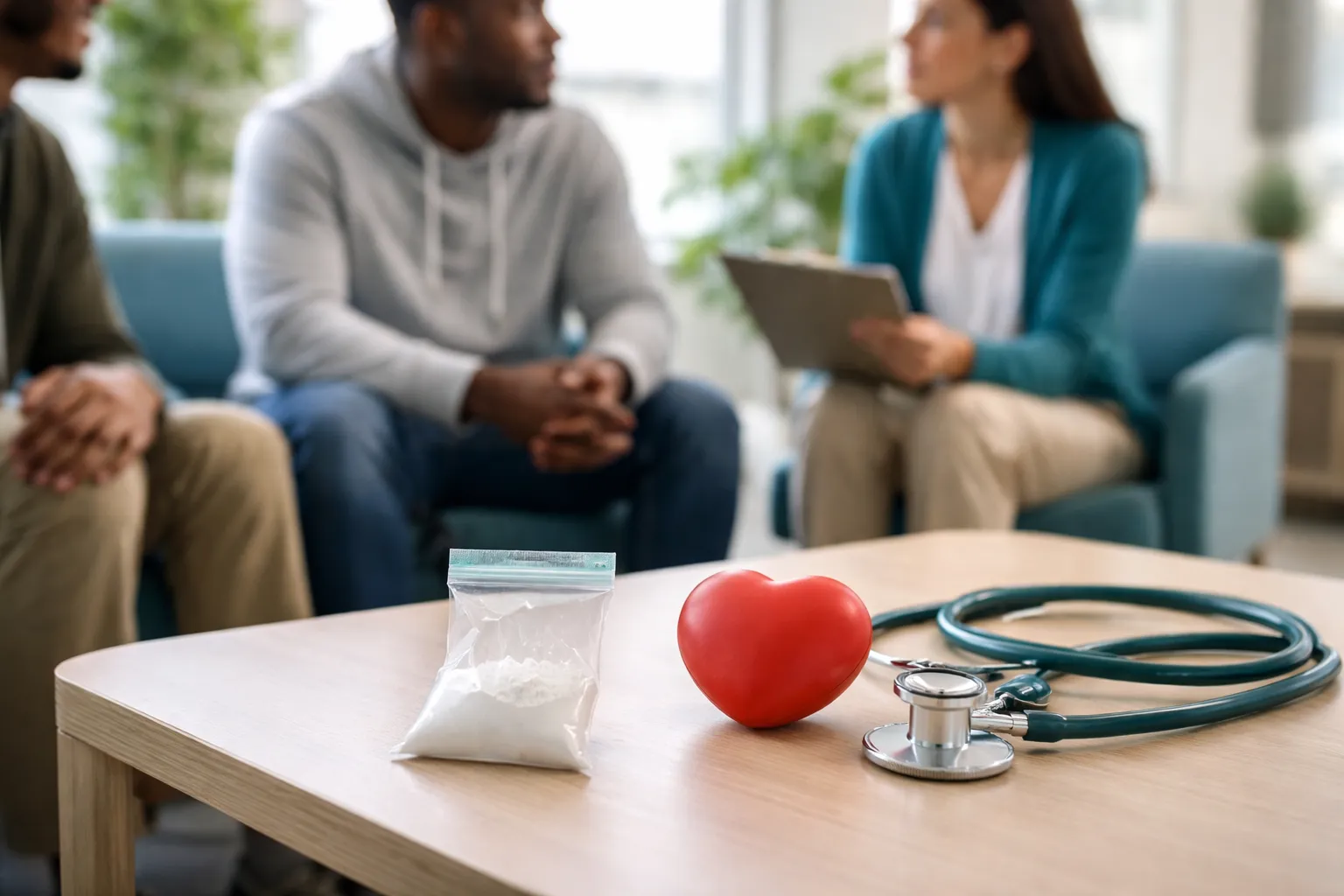
For opioid use disorder, three FDA approved medications are commonly used: buprenorphine, methadone, and naltrexone. These medications reduce cravings and overdose risk when used as part of a treatment plan. Many patients do well with office based buprenorphine or with methadone or buprenorphine through certified opioid treatment programs. Decisions about medication choice, dosing, and monitoring must be made by a clinician familiar with the patient’s medical history and local program availability. (cdc.gov)
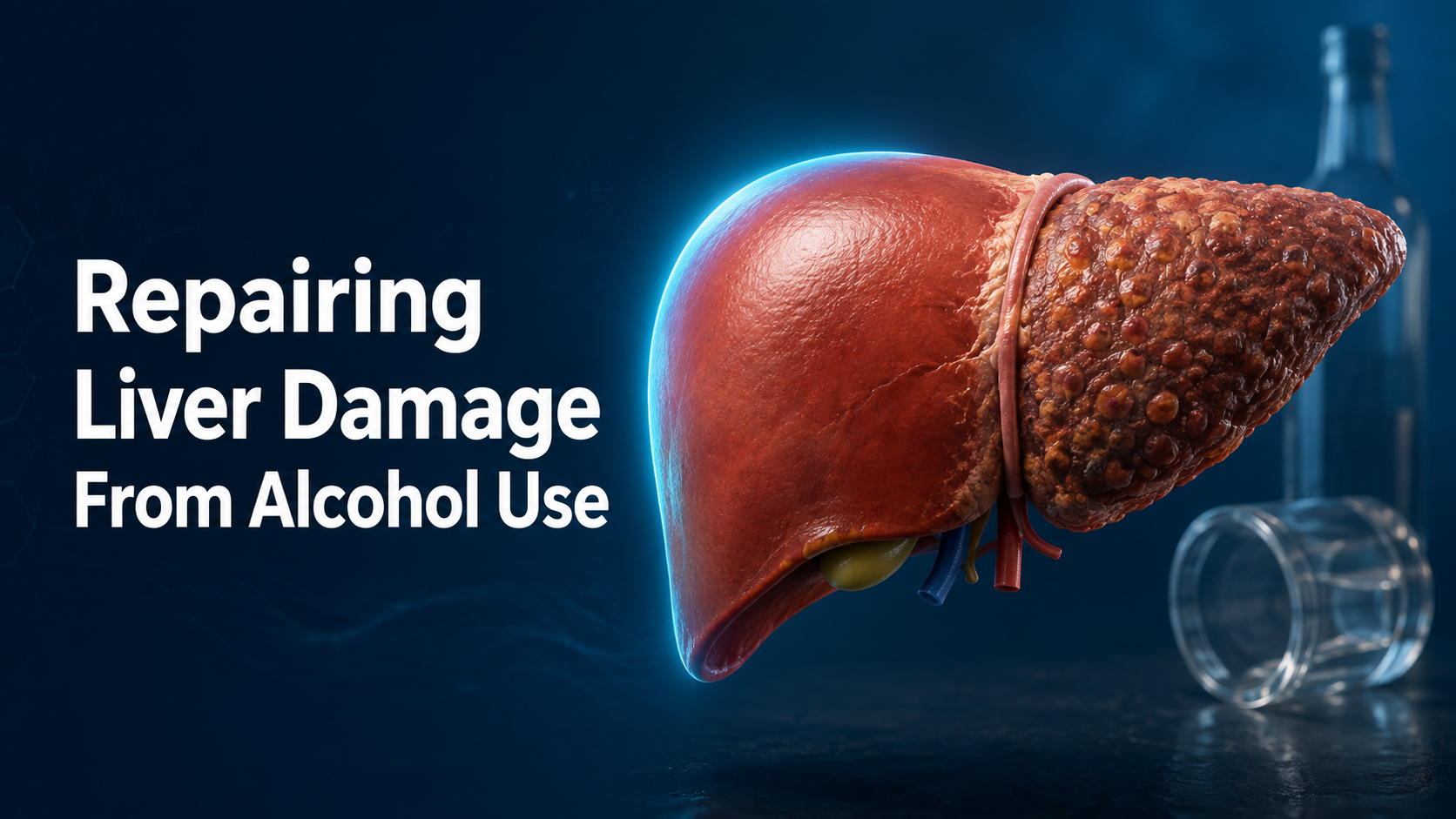
For alcohol use disorder, medications such as naltrexone and acamprosate may be offered along with psychosocial treatment. Medication selection depends on medical history, pregnancy status, liver function, and patient preference. Clinical practice guidelines recommend offering medication when indicated rather than withholding it. (samhsa.gov)
Typical services included in outpatient programs
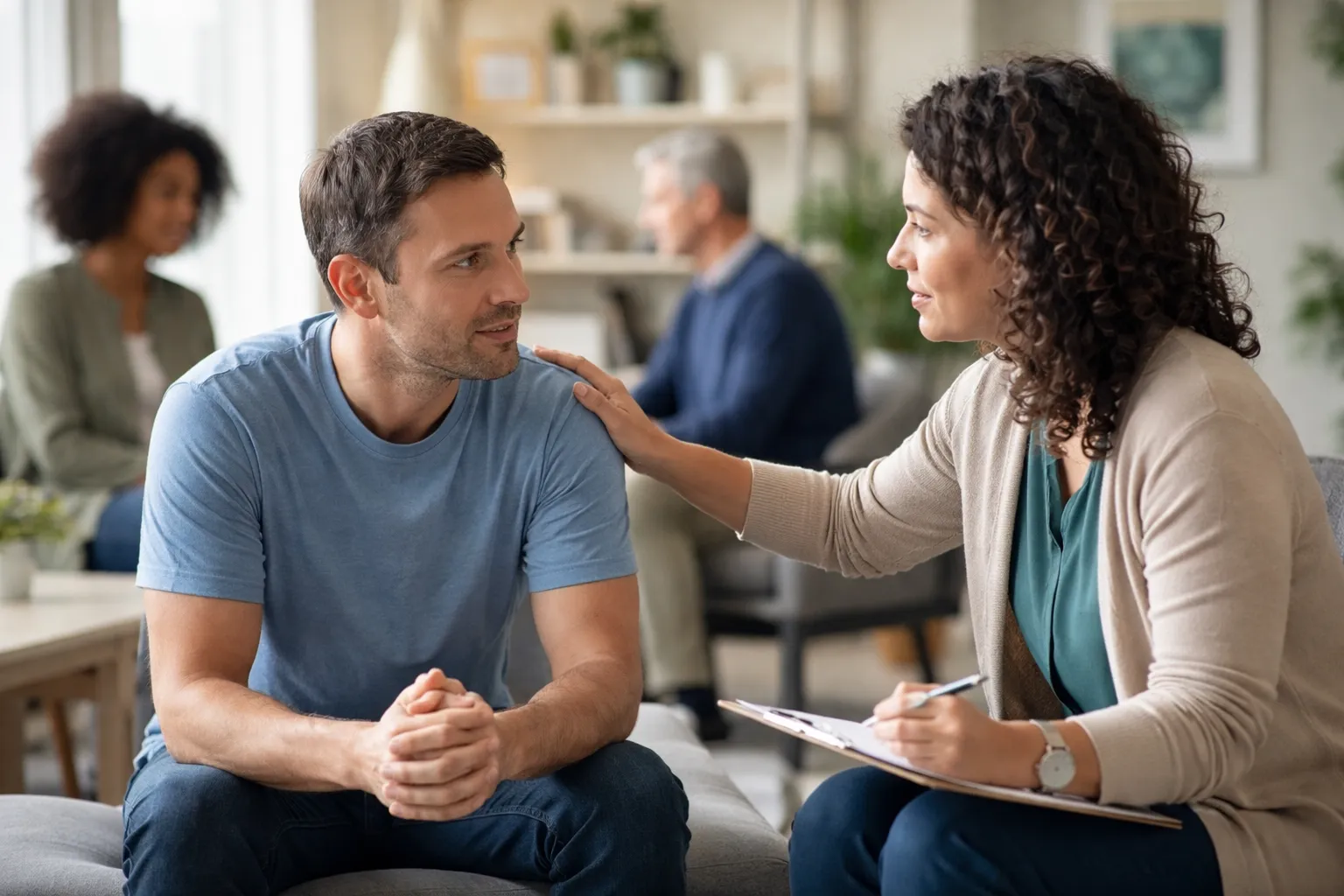
- Individual counseling, cognitive behavioral therapy, motivational interviewing. (samhsa.gov)
- Group therapy and family or couples sessions.
- Medication management, including prescriptions, supervised dosing when required, and coordination with primary care. (cdc.gov)
- Case management, housing and social services linkage, and peer recovery support.
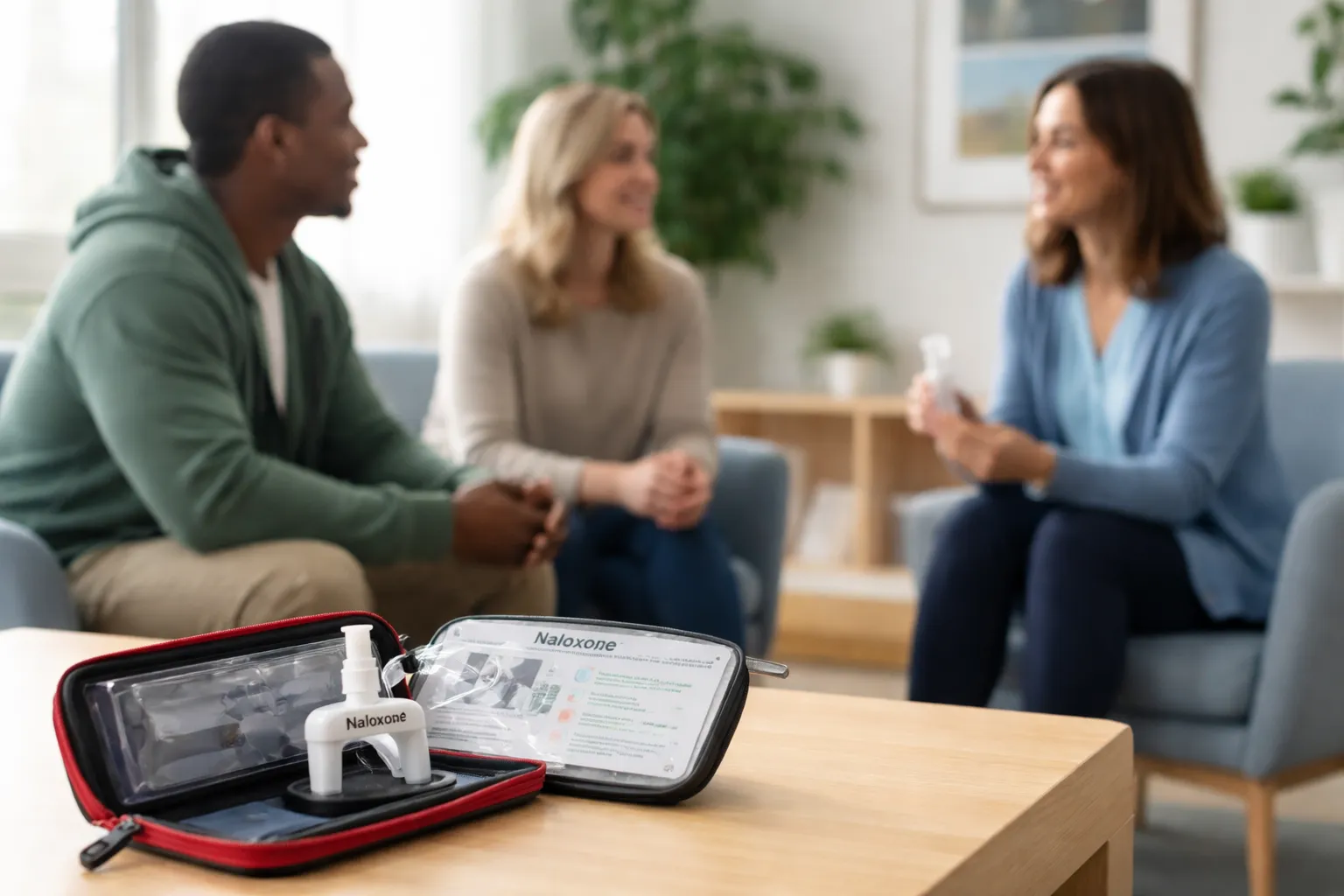
- Periodic urine drug screening, overdose education, and naloxone distribution when appropriate.
Compare care levels: outpatient versus higher intensity
| Level of care | Who it may suit | Typical intensity | Setting |
|---|---|---|---|
| Standard outpatient | Stable medical and psychiatric status, safe housing | 1 to 4 hours per week, medication follow up | Clinic or office |
| Intensive outpatient program (IOP) | Need for structured therapy but not 24 hour care | 9 or more hours per week, multiple sessions weekly | Specialty program, clinic |
| Partial hospitalization | High treatment needs, safe to return home nightly | Daily treatment, several hours each day | Hospital outpatient unit or specialized center |
| Inpatient/residential | Medical or psychiatric instability, unsafe home setting | 24 hour supervision | Residential facility, hospital |
These categories come from national placement guidance and are used by clinicians to match services to patient needs. Final placement should be individualized. (store.samhsa.gov)
Safety callout
If someone is having a medical emergency, call 911 immediately. If someone is thinking about suicide or is in a mental health crisis, call or text 988 for the Suicide and Crisis Lifeline. If you or a loved one are at risk of opioid overdose, seek emergency care and ask about naloxone. These are urgent actions and do not replace assessment by a treatment provider.
Frequently asked questions
Will outpatient treatment include medications?
Many outpatient programs offer medication management for opioid and alcohol use disorders. Some medications, like office based buprenorphine, can be prescribed in outpatient clinics. Methadone is usually dispensed through certified opioid treatment programs that are also outpatient but have daily supervised dosing requirements. A clinician will discuss risks, benefits, and monitoring. (cdc.gov)
Does insurance cover outpatient drug rehab in New Jersey?
Coverage varies by plan and by clinical indication. New Jersey operates state behavioral health programs and directories that can help you find licensed providers who accept public insurance or Medicaid. Call your insurer and the treatment provider to confirm coverage, prior authorization, and any out of pocket costs. (nj.gov)
How quickly should I seek care after an overdose or dangerous use?
Seek immediate medical attention after an overdose. For ongoing treatment needs, earlier engagement with evidence based care, including medications for opioid use disorder when indicated, is associated with better outcomes. A clinician can arrange the next steps after stabilization. (cdc.gov)
Compassionate next steps
1) If this is an emergency, call 911 now. For suicide or mental health crisis, call or text 988. 2) For help finding licensed outpatient programs in New Jersey, consider the New Jersey Division of Mental Health and Addiction Services resources and provider directories. (nj.gov) 3) If you want to explore local treatment options offered by this provider, view available treatments, check locations, or contact us for a confidential intake discussion.
Sources
- SAMHSA, Learn About Treatment. This page describes outpatient treatment settings and services. (samhsa.gov)
- NIDA, Medications to Treat Opioid Use Disorder. Review of buprenorphine, methadone, and naltrexone. (nida.nih.gov)
- CDC, Treatment for Opioid Addiction. Guidance on medication and behavioral treatments. (cdc.gov)
- New Jersey Division of Mental Health and Addiction Services. State resources, directories, and local help lines. (nj.gov)
- FDA, Buprenorphine labeling and information. Regulatory and safety updates about buprenorphine products. (fda.gov)
- SAMHSA, Clinical Issues in Intensive Outpatient Treatment. Details on IOP and levels of outpatient care. (library.samhsa.gov)
Note: This material is educational and not a substitute for medical evaluation. Placement and medication choices require individualized assessment by a licensed clinician. If you are in crisis call 911, or call or text 988 for immediate mental health support.
If you would like a confidential assessment or to speak with our admissions team about outpatient options in New Jersey, request an assessment or contact us to begin a private conversation. There is no pressure to commit, just a confidential discussion of options tailored to your needs.